
What is Food Addiction and How Does It Compare to Substance Abuse?
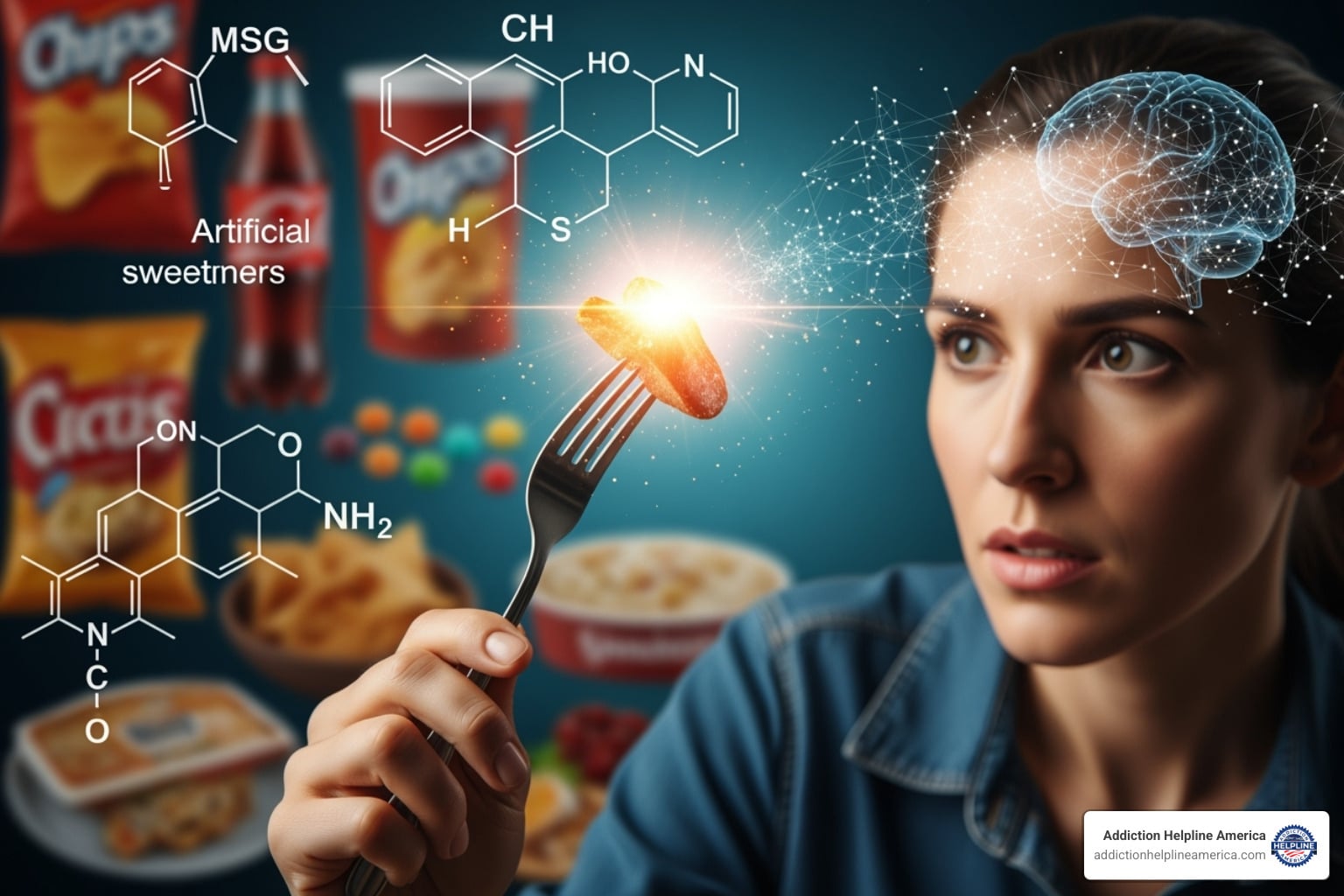
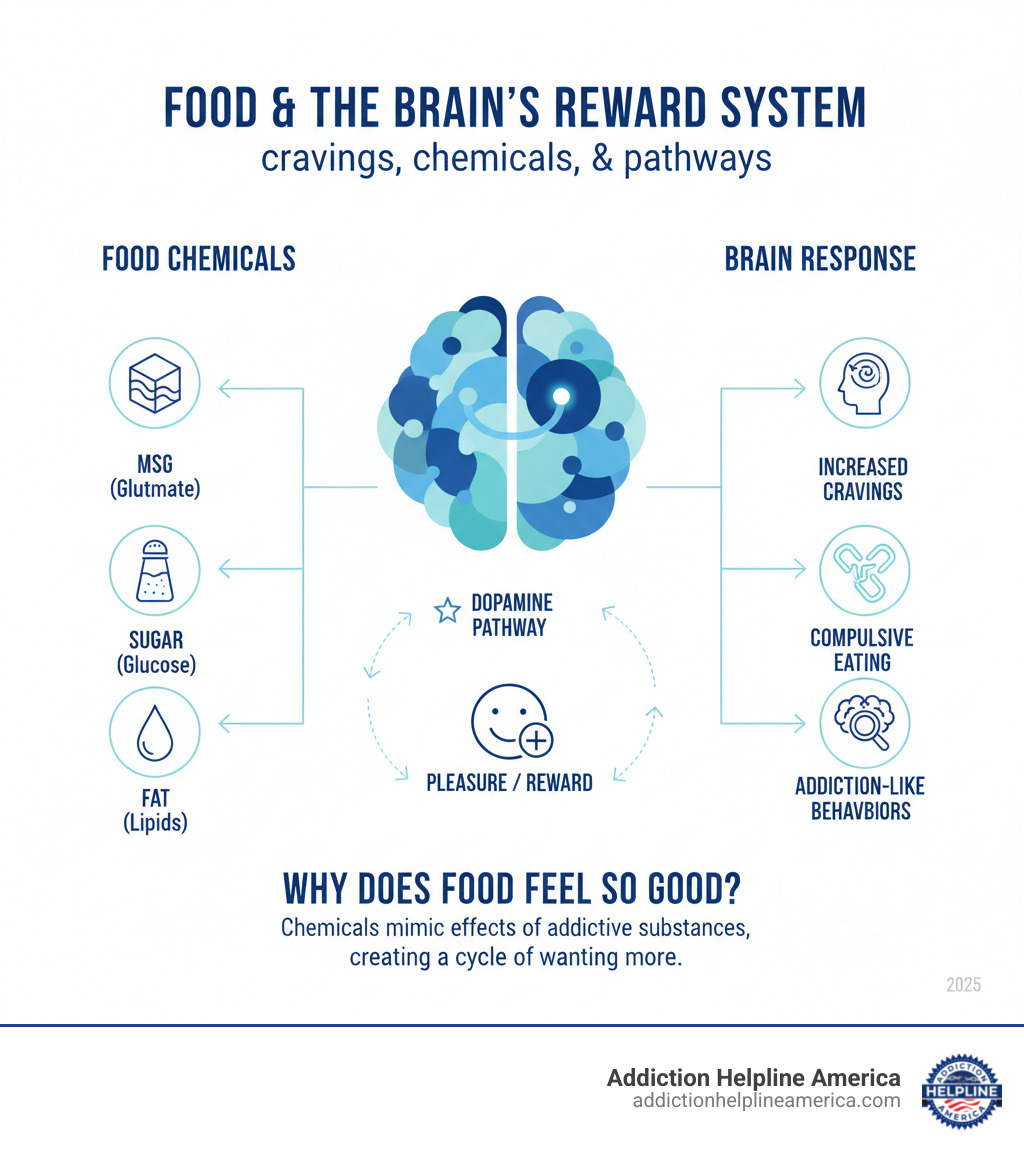
Many people wonder if can MSG and other chemicals in food cause drug addiction. While the science is complex, certain ingredients clearly impact the brain’s reward system in ways that can encourage compulsive eating.
- MSG (Monosodium Glutamate): This flavor improver can influence the brain’s reward system, potentially increasing cravings. A direct link to drug addiction is debated, but its role in compulsive eating is a concern.
- Sugar: Studies show sugar stimulates the brain’s pleasure centers similarly to cocaine, releasing dopamine and leading to strong cravings.
- Salt: High-salt diets can cause brain changes and psychological addiction in animals, similar to drug use.
- Fat: Fatty foods create pleasure sensations in the brain, and over time, you may need more to feel the same effect.
- Food Addiction: This behavioral addiction involves compulsive consumption of palatable foods and shares many brain pathway similarities with substance use disorders.
This guide explores the links between what we eat and how our brains respond, unpacking the science behind common food chemicals and comparing their effects to addictive drugs. At Addiction Helpline America, we understand these complexities and believe knowledge is the first step toward healthier choices.
“Food addiction” describes a pattern of compulsive eating, driven by a powerful urge to consume certain foods despite negative consequences, much like a substance use disorder. While not a formal diagnosis in the DSM-5, researchers use the Yale Food Addiction Scale (YFAS) to identify these behaviors, with prevalence rates estimated at 5–26% in the general population. Key indicators include intense cravings, loss of control, and continued use despite health or social problems. You can learn more about similar patterns in our resources on process addictions.
The History of Food Addiction
The concept isn’t new. In 1956, T.G. Randolph introduced the term “food addiction,” noting addictive-like consumption of common foods like wheat, corn, and chocolate. This laid the groundwork for understanding how diet can drive compulsive eating.
Brain Similarities: Food vs. Drugs
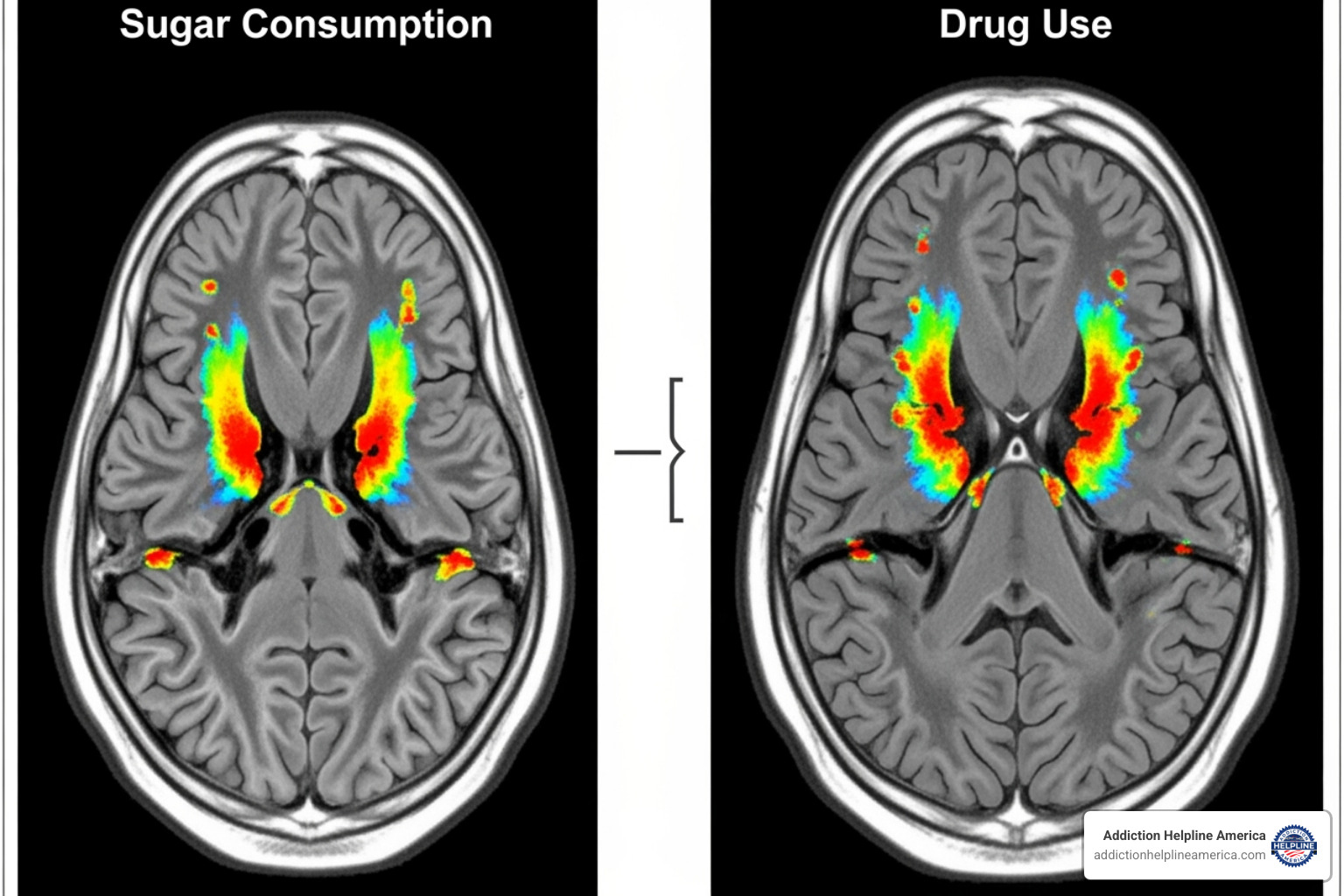
The strongest case for food addiction is in the brain’s response. Foods high in fat and sugar stimulate the same reward circuits as drugs of abuse, releasing dopamine—the “feel-good” chemical. This reinforces the behavior, creating a powerful desire to repeat it. Both palatable foods and addictive drugs trigger cravings, loss of control, and even withdrawal-like symptoms, indicating overlapping neural pathways. Continuous activation of these pathways can lead to neuroadaptations, making a person more vulnerable to compulsive behaviors with food or other substances.
The Truth About MSG (Monosodium Glutamate)
Monosodium glutamate (MSG) is a well-known flavor improver that provides a savory “umami” taste. It’s the sodium salt of glutamic acid, a natural amino acid. But does it contribute to addiction? Let’s examine its role in the question: can MSG and other chemicals in food cause drug addiction?
What is MSG and Where is it Found?
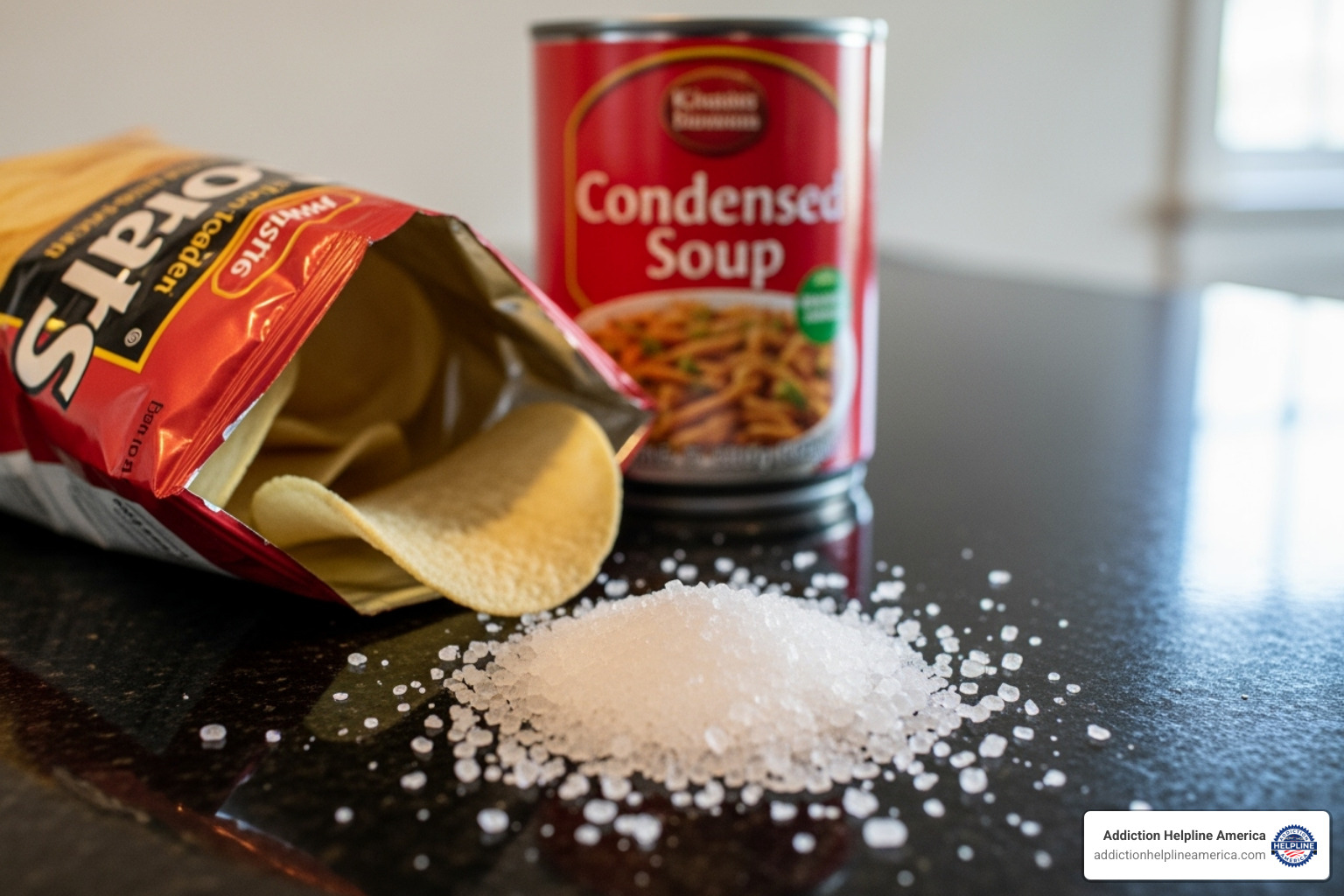
MSG occurs naturally in foods like ripe tomatoes, aged Parmesan cheese, and mushrooms. It is also manufactured and added to a wide range of processed foods, including canned soups, chips, frozen meals, and seasoning blends to boost their flavor and appeal.
Is MSG Safe? The Scientific Consensus
MSG’s safety has been debated for decades, with some people reporting symptoms like headaches and nausea after consumption, sometimes called “Chinese Restaurant Syndrome.” However, major scientific bodies, including the U.S. Food and Drug Administration (FDA), consider MSG “Generally Recognized as Safe” (GRAS) for most people in typical amounts. While a small number of individuals may be sensitive to large doses, studies have not found a consistent link between typical MSG consumption and severe symptoms in the general population. For more details, you can check out information from the Mayo Clinic.
Can MSG’s Effect on the Brain Lead to Addiction-Like Behaviors?
This is where the connection to addiction-like patterns becomes clearer. While early research labeling MSG as an “excitotoxin” that could overexcite brain cells used unrealistic doses, its effect on appetite is more relevant. Some studies suggest MSG can cause the pancreas to produce more insulin, which can increase hunger. By interfering with the body’s fullness signals, MSG may contribute to a cycle of overeating.
While MSG is not a drug and doesn’t directly cause drug addiction, its ability to make food more palatable and disrupt hunger cues can contribute to compulsive eating. This influence on our reward system is a key part of the puzzle when considering if can MSG and other chemicals in food cause drug addiction-like behaviors.
Can MSG and Other Chemicals in Food Cause Drug Addiction?
When people ask can MSG and other chemicals in food cause drug addiction, they are touching on how modern “hyper-palatable” foods are engineered. These products are designed to hit a “bliss point” of ingredients that lights up the brain’s pleasure centers, encouraging you to eat more. While not a sinister plot, the result is foods that can hijack the brain’s reward system in ways similar to addictive drugs.
The “Big Three”: Sugar, Salt, and Fat
The primary drivers of food addiction are sugar, salt, and fat—the “trinity” of junk food. They are powerful activators of the brain’s pleasure centers.
- Sugar: When you eat sugar, your brain releases dopamine, creating a brief “high.” Research shows sugar changes our brains in ways that mirror drug addiction, with brain scans of high-sugar consumption resembling those of cocaine use.
- Fat: Eating fatty foods produces a pleasure sensation similar to that observed with cocaine and heroin. Over time, the brain adapts, and you may need more to achieve the same feeling—a classic sign of tolerance.
- Salt: Salt also stimulates the brain’s pleasure center. Animal studies show that rats on high-salt diets develop brain changes and signs of psychological addiction similar to those seen with drug use.
When combined, these three ingredients create a potent reward signal that can override your body’s natural cues to stop eating.
Other Additives That Hijack Your Brain
Beyond the “big three,” other common additives contribute to addiction-like behaviors:
- Refined Flour: Stripped of nutrients, it causes rapid blood sugar spikes and crashes, intensifying cravings.
- High Fructose Corn Syrup (HFCS): Found in many processed foods, it can interfere with leptin, the hormone that signals fullness, leading to overeating.
- Trans Fats: Found in fried and baked goods, they can impair dopamine signaling, contributing to compulsive eating.
- Gluten: In its refined form, it can be a gut irritant and cause blood sugar fluctuations that drive cravings.
- Casein: A protein in dairy, it breaks down into casomorphins, which have mild opioid-like effects, interacting with the same brain receptors as morphine.
These additives often work together, altering hunger signals and fostering eating habits that feel uncontrollable.
The Brain on Food Additives vs. Drugs: A Comparison
Neuroscientists find striking similarities when comparing brain scans of people eating palatable foods to those using drugs. Both activate the same core reward pathways.
| Feature | Food Additives | Drugs of Abuse |
|---|---|---|
| Primary Brain Pathway | Mesolimbic Dopamine System | Mesolimbic Dopamine System |
| Key Neurotransmitter | Dopamine release (sugar, fat), Opioid receptor activation (casein) | Dopamine release (cocaine, meth), Opioid receptor activation (heroin, opioids) |
| Hormonal Impact | Insulin spikes, leptin suppression, ghrelin changes | Indirect effects via stress response, disrupting appetite regulation |
| Behavioral Outcomes | Cravings, loss of control, bingeing, psychological dependence | Cravings, loss of control, bingeing, tolerance, withdrawal, relapse |
| Long-Term Brain Changes | Down-regulation of D2 dopamine receptors, requiring more stimulus for pleasure | Down-regulation of D2 dopamine receptors, leading to tolerance and addiction |
Understanding these parallels helps answer the question: can MSG and other chemicals in food cause drug addiction? While processed foods won’t cause a heroin addiction, the brain mechanisms, psychological dependence, and hijacking of reward systems are hallmarks of addiction, regardless of the substance.
Long-Term Health Consequences of an Additive-Heavy Diet
A diet consistently high in processed foods and additives can lead to serious, long-lasting health problems that affect the entire body.
The most common consequence is obesity, as hyper-palatable foods override the body’s natural fullness signals. Specifically, MSG has been linked to metabolic syndrome, a group of conditions including obesity and high blood pressure. The metabolic strain also increases the risk of Type 2 Diabetes, as constant insulin spikes from refined sugars exhaust the pancreas.
Your cardiovascular system is also at risk. Heart disease can develop from the chronic inflammation, high blood pressure, and liftd cholesterol levels associated with these diets. This systemic inflammation is a key factor in many chronic diseases, from arthritis to depression.
Gut health also suffers. Additives like gluten can be a gut irritant for some, disrupting the digestive system, which can in turn affect mood, immunity, and nutrient absorption.
These health issues often create a vicious cycle: feeling unwell physically can lead you to seek temporary comfort from the very foods causing the problem. Breaking this pattern requires understanding the deep impact these chemicals have on both body and brain.
How to Break Free: Managing Cravings and Choosing Healthier Foods
Breaking the cycle of craving and compulsive eating is possible. Regaining control starts with understanding what’s in your food and choosing options that nourish your body.

Start by reading food labels to spot hidden additives like MSG (also listed as “hydrolyzed vegetable protein”), high fructose corn syrup, and artificial flavors. The goal is to shift toward whole, unprocessed foods like fresh fruits, vegetables, lean proteins, and whole grains.
The Power of Polyphenols
Polyphenols, micronutrients found in plants, are a powerful tool for managing cravings. They help stabilize blood sugar, which is key to curbing the intense urges caused by refined sugars. Studies confirm that polyphenols can help control blood sugar levels%20formation%20%5B5%5D.), breaking the cycle of insulin spikes and crashes.
Find polyphenols in foods like berries, dark chocolate, vegetables (broccoli, spinach), legumes, nuts, seeds, green tea, and coffee. Incorporating these foods can naturally reduce your reliance on processed items.
Practical Steps for a Healthier Diet
Building a healthier relationship with food involves simple, practical changes:
- Practice Mindful Eating: Slow down and pay attention to your food and your body’s hunger and fullness signals.
- Break the Craving Cycle: When a craving hits, pause. Drink water or take a short walk. The craving often passes.
- Stay Hydrated: Thirst is often mistaken for hunger. Drink plenty of water throughout the day.
- Prioritize Protein and Fiber: These nutrients help you feel full and satisfied, stabilizing blood sugar and reducing cravings.
- Plan Your Meals: Having healthy meals and snacks ready makes it easier to avoid convenient, processed options.
If you’re struggling with compulsive eating and wonder if can MSG and other chemicals in food cause drug addiction-like patterns, help is available. For more guidance, explore our tips for better eating habits.
Frequently Asked Questions about Food Additives and Addiction
As we explore if can MSG and other chemicals in food cause drug addiction, several common questions arise. Here are answers to some frequent concerns.
Can you experience withdrawal from food additives like sugar?
Yes. While not as dangerous as withdrawal from drugs like opioids, cutting back on sugar can cause unpleasant symptoms. Your brain gets used to the frequent dopamine hits from sugar, and when they’re gone, it needs to recalibrate. You might experience headaches, irritability, fatigue, and intense cravings. These symptoms usually peak in the first few days and improve within a week as your body adjusts.
Are “natural flavors” the same as MSG?
Not exactly, but the term is vague. “Natural flavors” is a broad category on food labels. While not technically MSG, some natural flavorings can contain manufactured free glutamate, which has a similar effect. The lack of transparency makes it difficult for consumers to know what they’re eating. If you’re trying to avoid MSG, choosing whole foods is the safest bet.
If I think I have a food addiction, what should I do?
Recognizing a problem is the first step. If you feel you’ve lost control over your eating habits, you are not alone.
We recommend consulting a doctor or a registered dietitian with experience in compulsive eating. They can provide personalized strategies and help you develop a realistic plan for change. Keeping a food diary to track what you eat and how you feel can also help identify trigger foods and patterns.
Seeking professional support is a sign of strength. At Addiction Helpline America, we understand that compulsive behaviors are overwhelming. If you need help finding the right support, we offer free, confidential, personalized guidance to help you take the next step toward recovery.
Conclusion
We’ve explored how processed foods can affect our brains similarly to addictive drugs. So, can MSG and other chemicals in food cause drug addiction? While not a simple yes, the evidence is clear: certain food chemicals can hijack the brain’s reward system, creating compulsive eating patterns that mirror substance addiction.
Ingredients like sugar, salt, fat, and MSG are often engineered to make us crave more by triggering dopamine and interfering with fullness signals. This can lead to a cycle of overconsumption and negative health consequences.
Understanding this connection is empowering. Knowing that intense cravings are often a biological response to engineered ingredients, not a personal failing, allows you to approach your eating habits with a new strategy. Reading labels, choosing whole foods, and practicing mindful eating are practical tools for regaining control.
Many people struggle with compulsive eating, and it’s nothing to be ashamed of. If you feel powerless around certain foods, you don’t have to face it alone. At Addiction Helpline America, we know that food-related struggles are valid and serious. We provide free, confidential guidance to help you find the right support, from nutritionists to specialized treatment programs. Reaching out is a powerful step toward reclaiming your health. For confidential, personalized guidance for any type of addiction or compulsive behavior, please visit our services page.
You deserve to feel in control of your choices and nourish your body without guilt. Help is available, and your journey toward healthier habits can start today.