For anyone seeking help for addiction for themselves or a loved one calls to Addiction Helpline America are completely confidential and available 24/7.
Please note: any treatment center listed on our site that receives calls is a paid advertiser.
Calls to a specific treatment center’s listing will be connected directly to that center.
Calls to our general helpline will be answered by treatment providers, all of whom are paid advertisers.
By calling the helpline, you agree to our terms and conditions. These calls are free of charge and carry no obligation to enter treatment. Neither Sober Steps nor anyone answering your call receives a commission or fee based on your choice of treatment provider.
If you’d like to explore additional treatment options or connect with a specific rehab center, you can browse our top-rated listings, visit our homepage, or call us at (844) 561-0606. You may also contact us for further assistance.
Calls to any general helpline will be answered or returned by one of the treatment providers listed, each of which is a paid advertiser:
Our helpline is available 24 hours a day, 7 days a week at no cost to you and with no obligation for you to enter into treatment. We are committed to providing support and guidance whenever you need it.
In some cases, Addiction Helpline America charges our verified partner a modest cost per call. This fee helps us cover the costs of building and maintaining our website, ensuring that we can continue to offer this valuable service to those in need.
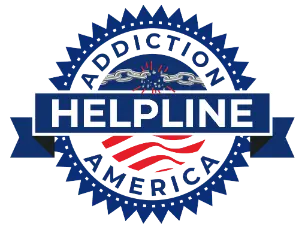
The Big Island Substance Abuse Council offers a variety of addiction treatment types tailored to meet the diverse needs of individuals seeking recovery. These programs include specialized services for adolescents, adults, men, women, and those living with HIV/AIDS, ensuring that each client receives the most appropriate care for their situation.
For instance, the adolescent program is designed to address the unique challenges faced by younger individuals, incorporating age-appropriate therapies and support systems. Similarly, gender-specific programs for men and women provide a safe space for participants to engage in recovery without the distractions or dynamics that may arise in mixed-gender settings.
Hearing from those who have successfully navigated their recovery journey can be incredibly inspiring for individuals considering treatment. The Big Island Substance Abuse Council shares success stories and testimonials from past clients who have benefited from their programs, highlighting the transformative impact of their services.
These narratives often detail the challenges faced during addiction, the support received from counselors, and the positive changes experienced post-treatment. By showcasing these stories, the council aims to encourage others to seek help and demonstrate that recovery is possible with the right support and resources.
To assist individuals and families seeking information about addiction treatment, the Big Island Substance Abuse Council provides a comprehensive FAQ section. This resource addresses common queries regarding treatment options, what to expect during the recovery process, and how to initiate contact for assistance.
Topics covered may include the duration of programs, the role of family in recovery, and financial considerations related to treatment. By providing clear and concise answers, the council aims to alleviate concerns and empower potential clients to take the next steps toward recovery.
The Big Island Substance Abuse Council is committed to community outreach and education as part of its mission to combat substance abuse. This initiative involves organizing workshops, seminars, and informational sessions aimed at raising awareness about addiction and available resources.
Through these efforts, the council engages with local schools, organizations, and community groups to provide valuable information on prevention strategies and the importance of seeking help. By fostering a well-informed community, they aim to reduce the stigma surrounding addiction and encourage individuals to pursue treatment when needed.