
Zolpidem: A Quick Overview
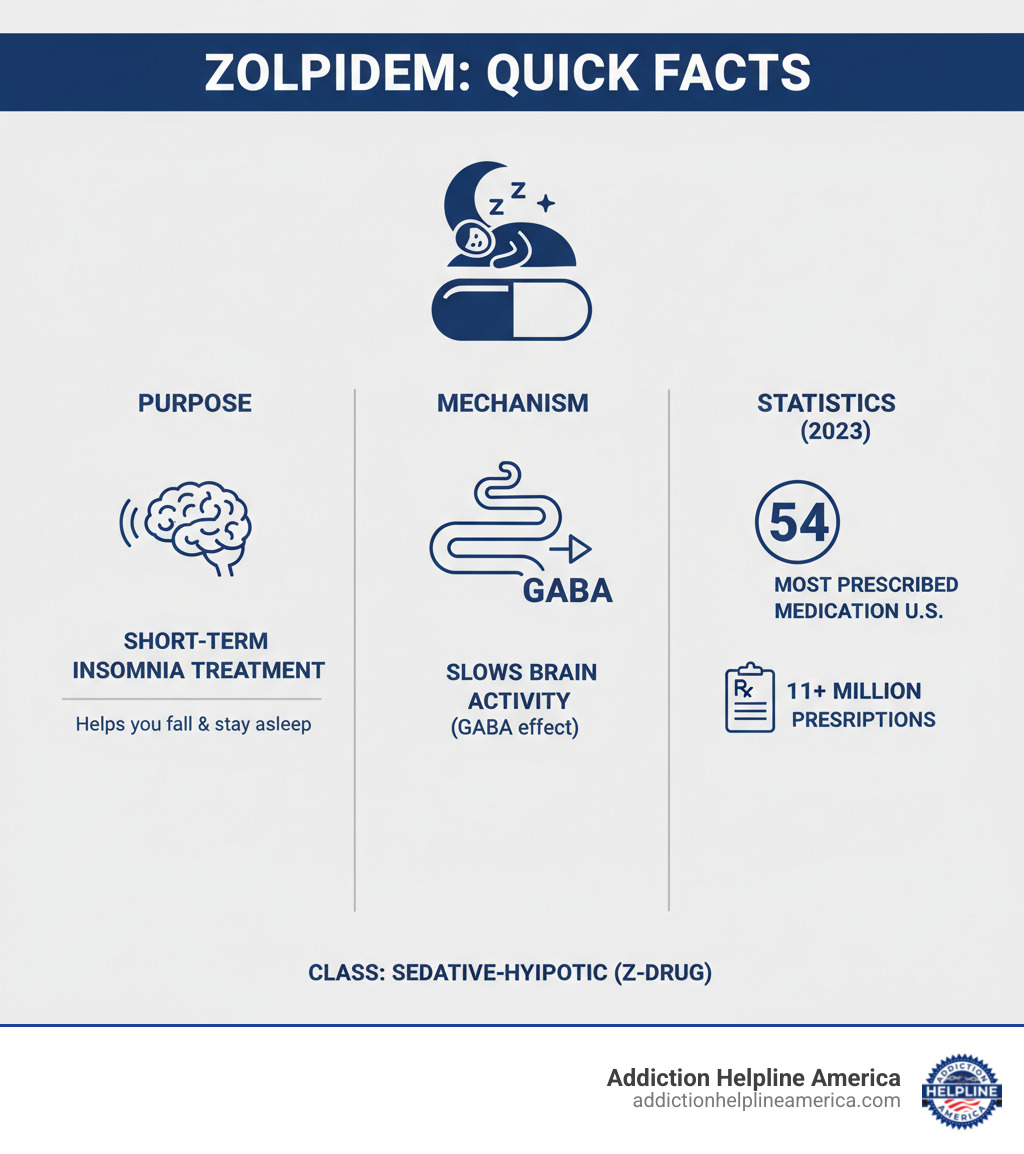
The user is looking for a quick, direct answer about what zolpidem is. Here’s what you need to know:
- What it is: A sedative-hypnotic drug, often called a “Z-drug” or nonbenzodiazepine.
- What it’s used for: Short-term treatment of insomnia (trouble falling asleep or staying asleep).
- How it works: It slows down brain activity to help you fall asleep faster and stay asleep.
- Common brand names: Ambien, Ambien CR, Edluar, Intermezzo, Zolpimist.
- Legal status: Classified as a Schedule IV controlled substance in the U.S.
- Prevalence: In 2023, it was the 54th most commonly prescribed medication in the U.S., with over 11 million prescriptions.
While effective for temporary sleep issues, zolpidem is a powerful medication with significant risks, including dependence and complex sleep behaviors. Understanding these is crucial for safe use. This guide covers everything you need to know.
At Addiction Helpline America, we understand the challenges of zolpidem dependence and are dedicated to providing compassionate support for those seeking recovery.
What is Zolpidem and How Does It Work?
Zolpidem is a medication used for the short-term treatment of insomnia, helping users fall asleep faster and stay asleep longer. It belongs to a class of drugs known as “Z-drugs,” which are nonbenzodiazepine sedative-hypnotics.
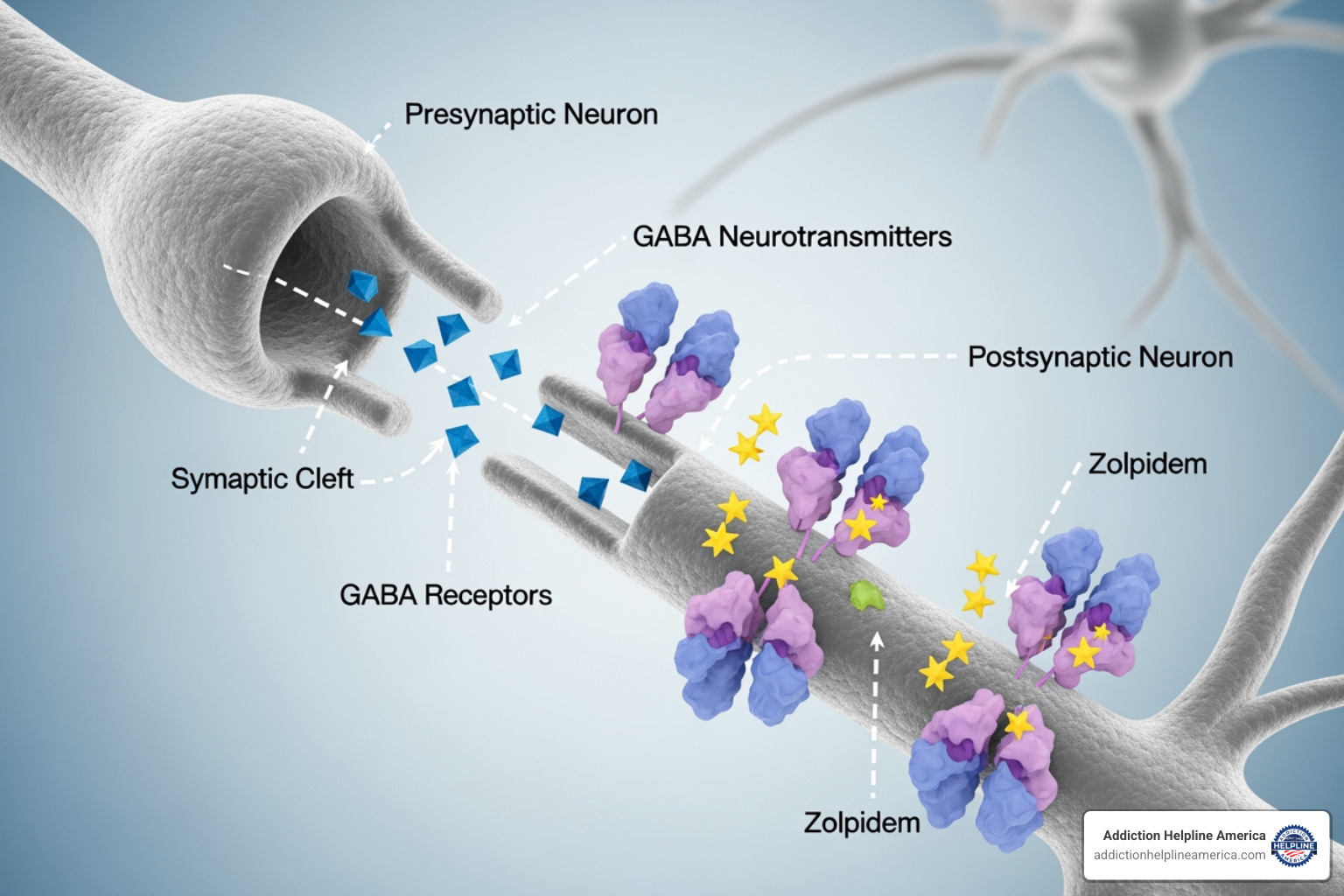
As a central nervous system (CNS) depressant, zolpidem slows brain activity. It works by enhancing the effect of GABA (gamma-aminobutyric acid), a neurotransmitter that calms nerve activity. By selectively targeting specific GABA-A receptors, zolpidem produces a powerful sedative effect, reducing the time it takes to fall asleep (sleep latency) and promoting rest.
Forms and Dosages
Zolpidem is available in several forms to suit different needs:
- Immediate-release (IR) tablets (e.g., Ambien): Help you fall asleep quickly.
- Extended-release (ER) tablets (e.g., Ambien CR): A two-layer design helps you fall and stay asleep.
- Sublingual tablets (e.g., Edluar, Intermezzo): Dissolve under the tongue for rapid action. Intermezzo is for middle-of-the-night awakenings if at least four hours of sleep remain.
- Oral spray (Zolpimist): Sprayed into the mouth for fast absorption.
Dosages vary, with doctors typically prescribing lower starting doses for women and older adults (e.g., 5 mg for IR or 6.25 mg for ER). This is because they may process zolpidem more slowly. The FDA lowered recommended dosages in 2013 to reduce the risk of next-morning impairment. Always follow your doctor’s instructions and use the lowest effective dose.
Pharmacokinetics
Understanding how zolpidem moves through the body (pharmacokinetics) explains its rapid effects and the need for careful dosing.
Zolpidem is absorbed quickly, with about 70% bioavailability, reaching peak blood levels in about 2 hours. It has a short half-life of 2-3 hours in healthy adults, meaning it’s eliminated from the body relatively fast, reducing the risk of next-day drowsiness. However, factors like age, gender, and liver function can extend this half-life.
The liver metabolizes zolpidem, primarily via the CYP3A4 enzyme. This is why it’s crucial to inform your doctor of all other medications you take, as they can interfere with this process.
For more detailed information, you can explore trusted medical resources like the National Center for Biotechnology Information’s zolpidem monograph: More info about zolpidem’s effects.
Understanding the Risks and Side Effects of Zolpidem
While zolpidem can help with insomnia, it’s crucial to understand its risks. At Addiction Helpline America, we advocate for informed health decisions.
A primary concern is next-morning impairment, where coordination and judgment can be affected even after a full night’s sleep. This risk, which is higher in women who metabolize the drug slower, led the FDA to lower recommended doses. Driving while impaired is a serious danger. Never drive or operate machinery until you are certain the medication’s effects have worn off.
Common side effects include daytime drowsiness, headache, feeling dizzy, or experiencing diarrhea. Report any side effects to your doctor.

Common and Serious Side Effects of Zolpidem
While many people experience only mild side effects with zolpidem, some can be serious and require immediate medical attention.
Common Side Effects:
- Drowsiness, dizziness, headache
- Upset stomach or nausea
Serious Side Effects (require immediate medical attention):
- Anterograde Amnesia: Memory loss for events that occur after taking the drug.
- Worsening Depression or Suicidal Thoughts: Changes in mood or behavior, including anxiety, agitation, or hallucinations.
- Allergic Reactions: Hives, difficulty breathing, or swelling of the face, lips, tongue, or throat (anaphylaxis or angioedema) are medical emergencies.
We encourage everyone to Report serious side effects to the FDA or discuss them with a doctor.
Risks of Zolpidem Dependence, Withdrawal, and Complex Sleep Behaviors
Zolpidem carries significant risks, including dependence, withdrawal, and unusual sleep-related behaviors.
Dependence and Addiction:
As a Schedule IV controlled substance, zolpidem has the potential for abuse and dependence. Physical dependence can develop in as little as two weeks. Addiction, a compulsive need to use the drug despite harm, is also a risk, particularly for those with a history of substance use.
Withdrawal Symptoms:
Suddenly stopping zolpidem after regular use can cause withdrawal. Symptoms include rebound insomnia, anxiety, muscle pain, nausea, and sweating. In severe cases, seizures or hallucinations can occur. Never stop taking zolpidem abruptly; consult your doctor to taper the dose safely.
Complex Sleep Behaviors (CSBs):
A serious risk highlighted by an FDA “Boxed Warning” is performing activities while not fully awake, with no memory of the event. These CSBs can include:
- Sleep-driving
- Sleep-eating
- Making phone calls or having sex
- Sleepwalking
These behaviors can result in serious injury or death. If any CSBs occur, stop taking zolpidem and contact your doctor immediately. Addiction Helpline America offers support for those struggling with zolpidem dependence or the consequences of these behaviors.
Safe Use, Precautions, and Drug Interactions
Safe use of zolpidem is critical. At Addiction Helpline America, we stress following your doctor’s instructions precisely to protect your well-being.
Key precautions include:
- Take only as prescribed: Do not exceed your dose or use it for longer than recommended (typically 1-2 weeks). Use the lowest effective dose.
- Do not take with alcohol: This combination dangerously increases sedation and can cause severe breathing problems.
- Allow for a full night’s sleep (7-8 hours): Take zolpidem only when you have enough time to sleep to avoid next-day impairment.
- Disclose your medical history: Inform your doctor about conditions like liver or kidney disease, depression, breathing problems (e.g., sleep apnea), or myasthenia gravis, as they can affect the drug’s safety.
Potential Drug Interactions
Zolpidem can interact with other substances, altering its effects and increasing risks. Always inform your doctor of all medications, supplements, and over-the-counter drugs you take.
Key interactions include:
- Other CNS Depressants: Combining zolpidem with alcohol, opioids, benzodiazepines, or some antihistamines can lead to dangerous sedation and respiratory depression. The FDA has issued strong warnings against mixing zolpidem and opioids.
- CYP3A4 Inhibitors: Drugs like clarithromycin can slow zolpidem‘s breakdown, increasing its effects and side effects.
- CYP3A4 Inducers: Substances like St. John’s wort or rifampin can speed up zolpidem‘s breakdown, making it less effective.
- Caffeine: This stimulant can counteract zolpidem‘s sedative effects.
Proper Storage and Disposal
Proper storage and disposal of zolpidem are vital for safety.
- Storage: Store at room temperature, away from heat and moisture. Keep it in a locked, child-resistant container, out of reach of children and pets to prevent accidental overdose. For more tips, visit Safe medication storage tips.
- Disposal: Do not flush unused medication. Use a medicine take-back program. If unavailable, mix the medication with an undesirable substance (like coffee grounds), seal it in a container, and throw it in the trash, following FDA guidelines on safe medicine disposal.
Special Considerations and Alternatives
Using zolpidem requires a personalized approach, as some people need extra care and many can benefit from non-medication alternatives. We believe in a holistic view of well-being.
Use in Specific Populations
Zolpidem use requires special care in certain populations.
- Elderly: Adults 65 and over are more sensitive to zolpidem‘s effects, increasing the risk of confusion, dizziness, and falls. The AGS Beers Criteria lists zolpidem as a medication older adults should potentially avoid. Lower doses are always recommended.
- Pregnancy: Zolpidem crosses the placenta. Discuss use with a doctor if you are pregnant or may become pregnant, as the full effects on an unborn baby are not clear.
- Breastfeeding: The drug passes into breast milk. Infants should be monitored for sedation or breathing difficulties. It may be advised to pause breastfeeding for about 23 hours after a dose.
- Children: Zolpidem is not approved for pediatric use due to a lack of safety and efficacy data and the risk of adverse effects like hallucinations.
Legal Status and History
Zolpidem was developed in the 1980s and approved by the FDA in 1992 under the brand name Ambien. It became available as a generic in 2007, increasing accessibility. In the U.S., it is classified as a Schedule IV controlled substance, indicating a potential for abuse and dependence, which subjects it to strict prescribing regulations.
Alternatives to Zolpidem
For long-term sleep health, alternatives to zolpidem are often recommended. At Addiction Helpline America, we support a holistic approach to well-being.
Non-pharmacological treatments can be highly effective:
- Cognitive Behavioral Therapy for Insomnia (CBT-I): Considered the gold standard treatment, CBT-I addresses the thoughts and behaviors that disrupt sleep, offering a long-term solution without medication side effects.
- Sleep Hygiene Practices: Simple habits can improve sleep, such as maintaining a regular schedule, creating a dark and quiet environment, and avoiding caffeine or heavy meals before bed.
- Relaxation Techniques: Meditation, deep breathing exercises, and yoga can calm the mind and body, preparing you for rest.
- Lifestyle Adjustments: Getting regular exercise, eating a balanced diet, and learning to manage stress effectively can all contribute to better sleep.
Other options to discuss with your doctor include:
- Melatonin Supplements: This hormone can help regulate sleep-wake cycles.
- Other Prescription Hypnotics: If zolpidem isn’t suitable, other medications like zaleplon or eszopiclone may be considered.
Addiction Helpline America can connect you with professionals to explore these alternatives and create a personalized plan for lasting sleep health.
Frequently Asked Questions about Zolpidem
Here are clear, straightforward answers to some of the most common questions about zolpidem.
How long does zolpidem stay in your system?
Zolpidem has a half-life of about 2-3 hours, meaning half the drug is eliminated from the body in that time. Most of it is cleared within 10-15 hours, but detection times vary:
- Blood: Up to 24 hours
- Urine: Up to 72 hours
- Hair: Up to 90 days or more
Factors like age, liver function, gender, and other medications can affect how long zolpidem stays in your system. For example, older adults and women tend to metabolize it more slowly.
Can you take zolpidem every night?
Zolpidem is not recommended for nightly, long-term use. It is intended for the short-term treatment of insomnia, typically for 1-2 weeks.
Reasons for short-term use include:
- Dependence and Tolerance: Continuous use can lead to physical and psychological dependence, and your body may build tolerance, requiring higher doses for the same effect.
- Rebound Insomnia: Stopping the drug abruptly can cause sleep problems to return, sometimes worse than before.
- Masking Underlying Issues: Long-term use can mask the root cause of insomnia, such as a medical or mental health condition, preventing proper treatment.
If you feel you need a sleep aid every night, talk to your doctor about long-term strategies, like Cognitive Behavioral Therapy for Insomnia (CBT-I).
Is zolpidem a benzodiazepine?
No, zolpidem is not a benzodiazepine. It is classified as a nonbenzodiazepine sedative-hypnotic, often called a “Z-drug.”
- Different Chemical Structure: Zolpidem has a different molecular structure from benzodiazepines (like Xanax or Valium).
- Similar Mechanism: Both drug classes work by enhancing the effects of the calming neurotransmitter GABA in the brain.
- More Selective Action: Zolpidem is more selective than most benzodiazepines, primarily targeting the alpha-1 subunit of the GABA-A receptor. This is thought to produce strong sedative effects with fewer of the anti-anxiety or muscle-relaxant properties common to benzodiazepines.
Conclusion
This guide has provided a comprehensive overview of zolpidem, from its mechanism and forms to its significant risks, including side effects, dependence, and complex sleep behaviors. We’ve also covered safe use, drug interactions, and proper disposal to empower you to make informed health decisions.
Zolpidem can be an effective tool for short-term insomnia, but its use requires a careful balance of benefits and risks. Open communication with your doctor is essential for using this medication safely.
If you or a loved one is struggling with zolpidem dependence or seeking healthier sleep solutions, help is available. At Addiction Helpline America, we provide free, confidential guidance, connecting you to our nationwide network of addiction and mental health treatment centers. We are dedicated to supporting you on your path to recovery and better health.
Find confidential help for zolpidem dependence