

Starting Your Healing Journey with Trauma-Informed Detox
For many facing addiction, the path to recovery can feel overwhelming. If you’re seeking a way forward that truly understands your past, trauma informed detox is a specialized approach to substance withdrawal that recognizes the deep connection between trauma and addiction. This method creates a safe, supportive, and non-re-traumatizing environment during the detox process.
Here’s what makes trauma-informed detox different:
- Holistic Approach: It addresses both physical withdrawal symptoms and emotional or psychological needs.
- Safety First: It prioritizes physical and emotional safety to prevent re-traumatization.
- Understanding Connection: It acknowledges that past trauma often drives substance use.
- Empowering Environment: It focuses on empowering individuals and giving them a voice in their care.
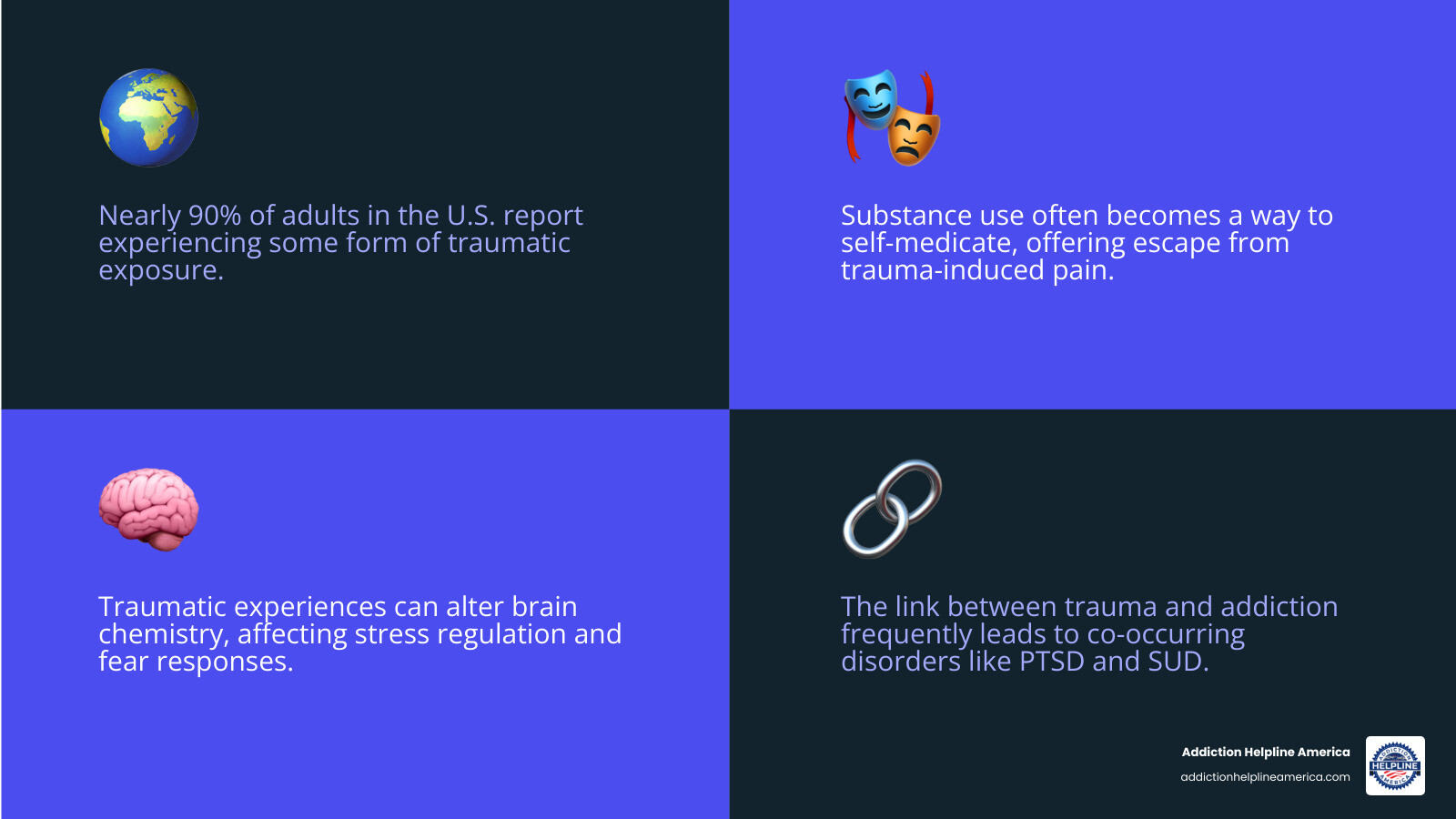
Addiction often takes root in pain. Nearly 90% of adults in the U.S. have experienced some form of traumatic exposure https://www.ncbi.nlm.nih.gov/pmc/articles/PMC10940237/. For many, substance use becomes a way to cope with overwhelming memories or feelings. Traditional detox programs might overlook this crucial link, leaving individuals vulnerable to relapse or further distress. Trauma-informed detox changes this by integrating an understanding of trauma into every step of the withdrawal process.
This guide will walk you through what trauma-informed detox means, its core principles, and how it can lay a stronger foundation for lasting recovery. There is hope for healing and a life free from addiction.
At Addiction Helpline America, our mission is to connect you with the help you deserve. Our 24/7 helpline is free, confidential, and staffed by compassionate professionals who can guide you to vetted trauma informed detox programs, including options in your local area.
The Hidden Link: Why Trauma and Addiction Often Go Hand-in-Hand
Trauma is an emotional response to a devastating event that manifests uniquely in each person. It can be a singular, overwhelming experience or a series of chronic stressors. The impact of trauma can vary significantly from person to person, often leading to profound mental, emotional, and physical health challenges. When individuals experience such pain, they often seek ways to cope, and for many, substance use becomes a temporary anesthetic. This self-medication offers a brief escape from intrusive thoughts, nightmares, anxiety, or emotional numbness that trauma can cause.
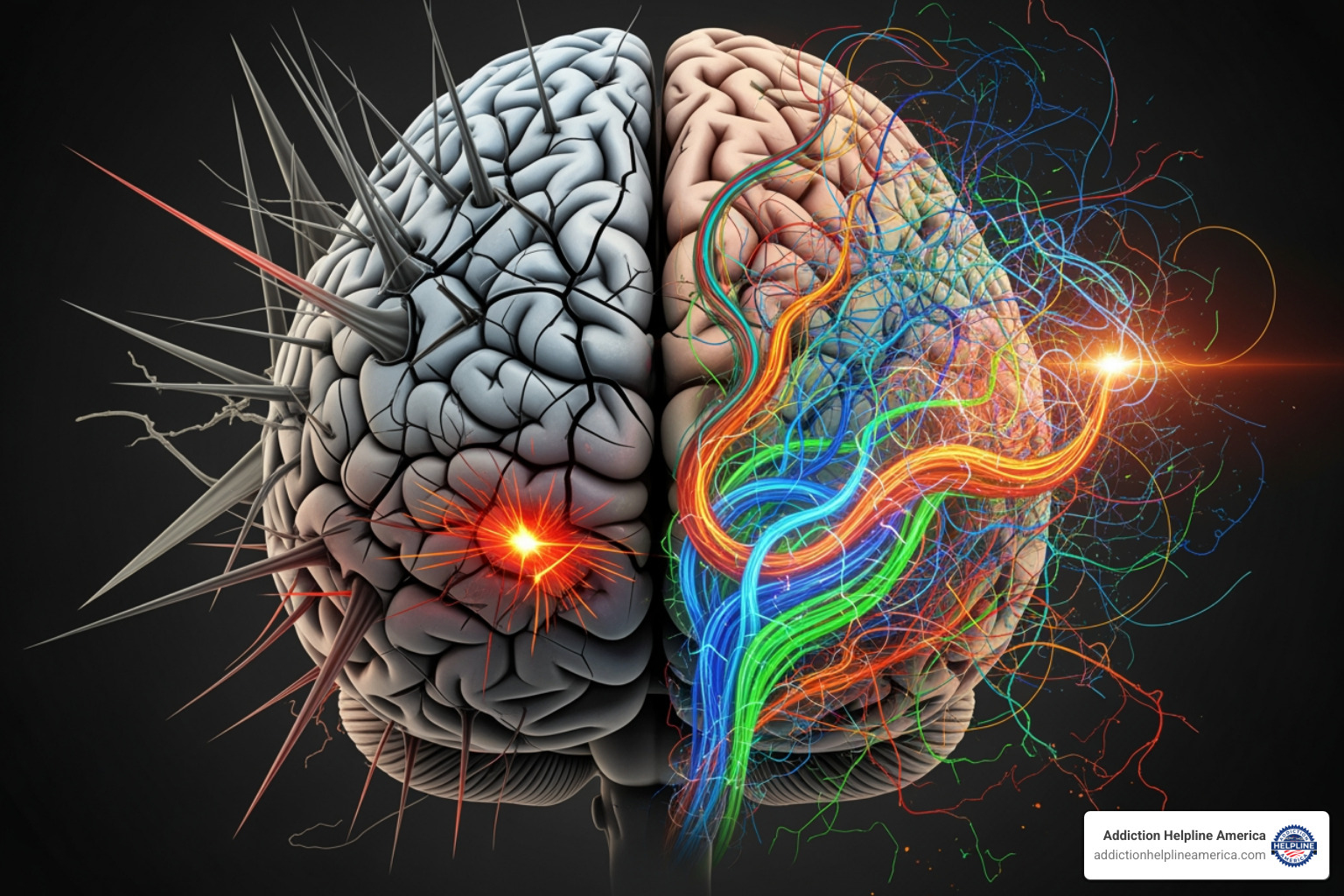
The brain’s response to trauma plays a significant role here. Traumatic experiences can alter brain chemistry, particularly in areas responsible for stress regulation, fear, and reward https://www.nimh.nih.gov/health/topics/post-traumatic-stress-disorder-ptsd. This can lead to a heightened “fight-or-flight” response, making individuals feel constantly on edge or hyper-vigilant. Substances can temporarily calm this overactive system or provide a false sense of control, leading to a dangerous cycle of dependence. This is why co-occurring disorders, such as Post-Traumatic Stress Disorder (PTSD) and substance use disorder (SUD), are so common. It is not just about willpower; it is about deeply ingrained survival mechanisms. A vast majority of adults in the U.S. report experiencing traumatic exposure, highlighting the widespread need for trauma-informed approaches in healthcare, especially in addiction treatment https://www.ncbi.nlm.nih.gov/pmc/articles/PMC10940237/.
The Overwhelming Connection
The connection between trauma and addiction is not merely anecdotal; it is a well-documented clinical reality. Studies consistently show significant overlap, with around 75% of people with a substance use disorder having experienced trauma https://pmc.ncbi.nlm.nih.gov/articles/PMC3188414/. Trauma can rewire the brain, affecting reward pathways, stress responses, and emotional regulation. This neurological impact makes individuals more vulnerable to developing an addiction as they seek to self-medicate the pain, anxiety, or emptiness left by traumatic experiences.
For many, substance use begins as a coping mechanism, a way to numb emotional pain, escape intrusive memories, or manage overwhelming anxiety. Over time, this coping mechanism can evolve into a full-blown addiction, creating a cycle where trauma fuels substance use, and substance use often worsens the consequences of trauma. This cycle can be difficult to break without addressing the underlying trauma. Understanding this connection is a key reason why trauma informed detox is so important.
Understanding “The Three E’s” of Trauma
To better understand the impact of trauma, it is helpful to consider “The Three E’s”: Events, Experiences, and Effects. This framework explains why each person’s journey with trauma and addiction is unique.
- Events (What Happened): This refers to the traumatic event itself. It could be a single incident like an accident, a natural disaster, or an assault, or chronic situations such as ongoing abuse, neglect, or living in a war zone.
- Experience (How It Was Perceived): This is the subjective aspect of trauma. How an individual perceives and processes a traumatic event is influenced by factors such as age, mental health, support systems, and cultural background. Two people can experience the same event, but one might develop PTSD while the other does not.
- Effects (Long-Term Impact): These are the lasting consequences of the traumatic event and experience. Effects can include difficulty handling stress, strained relationships, hypervigilance, avoidance, or emotional numbing. These effects often drive substance use as individuals attempt to alleviate painful symptoms.
A trauma informed detox program recognizes these effects and works to address them, rather than treating addiction in isolation.
What is Trauma-Informed Detox and How is it Different?
At its heart, trauma informed detox represents a shift in how we approach addiction treatment. Instead of asking, “What is wrong with you?”, it asks, “What happened to you?”. This change in perspective, a cornerstone of trauma-informed care, acknowledges that a person’s behaviors, including substance use, are often adaptive responses to traumatic experiences https://ncsacw.samhsa.gov/userfiles/files/SAMHSA_Trauma.pdf. It moves beyond simply managing withdrawal symptoms to creating an environment where healing from past wounds can begin, even during the acute phase of detox.
Trauma-informed care is a term used to describe interventions that consider the lasting effects of traumatic experiences on clients. These interventions are designed to help clients heal from past trauma while minimizing the stress that comes from being reminded of it https://oxfordre.com/socialwork/display/10.1093/acrefore/9780199975839.001.0001/acrefore-9780199975839-e-1063. The primary goal is to avoid re-traumatization, or inadvertently triggering or re-enacting traumatic experiences within the treatment setting. This means everything, from the physical environment to staff interactions and treatment protocols, is designed with the understanding that clients may have a history of trauma.
Traditional Detox vs. A Trauma-Informed Approach
To appreciate the value of trauma informed detox, it helps to understand how it differs from a traditional detox approach.
| Feature | Traditional Detox | Trauma-Informed Detox |
|---|---|---|
| Primary Focus | Physical stabilization, managing withdrawal symptoms. | Physical stabilization and emotional safety, addressing underlying trauma. |
| Approach to Patient | Often “What is wrong with you?” – focusing on symptoms or behaviors. | “What happened to you?” – focusing on root causes and experiences. |
| Environment | Can be clinical, regimented, and impersonal. | Designed to be calming, safe, respectful, and empowering. |
| Staff Interaction | Task-oriented, focused on medical procedures. | Empathetic, validating, collaborative, focused on building trust. |
| Risk of Re-traumatization | Higher, due to lack of awareness or potentially triggering practices. | Minimized through careful protocols and staff training. |
| Psychological Support | Limited, often after detox is complete. | Integrated from day one, with access to mental health support. |
| Patient Empowerment | Patient is a passive recipient of care. | Patient is an active participant, with choice and voice. |
| Long-Term Outlook | Addresses immediate physical crisis. | Lays a foundation for sustained recovery by addressing root causes. |
Traditional detox focuses on the physical aspects of withdrawal, aiming to safely remove substances from the body. While essential, this approach can inadvertently create an environment that feels unsafe or re-traumatizing for individuals with trauma histories.
In contrast, trauma informed detox integrates physical and emotional care from the beginning. It recognizes that the stress of withdrawal can worsen trauma symptoms. The goal is to create a healing space where individuals feel seen, heard, and safe, allowing them to move through withdrawal with dignity and support.
The Foundational Principles of Care
The Substance Abuse and Mental Health Services Administration (SAMHSA) has established a framework of core principles for trauma-informed care that guide how services are delivered. These principles are the foundation on which effective trauma informed detox programs are built.
The core principles of a trauma-informed approach include Safety; Trustworthiness and Transparency; Peer Support; Collaboration and Mutuality; Empowerment, Voice, and Choice; and Cultural, Historical, and Gender Issues https://www.cdc.gov/orr/infographics/6principlestrauma_info.htm. By integrating these principles into every aspect of treatment, providers create a strong foundation for lasting recovery.
The Core Principles of Trauma-Informed Detox in Action
Implementing trauma-informed care means actively weaving its principles into the daily operations of a detox program. This involves attention to both physical and psychological safety, creating an environment that feels calm and predictable, and managing withdrawal symptoms with compassion. It also emphasizes continuous staff training and an organizational culture that prioritizes empathy and understanding. Staff are not just caregivers; they are participants in a healing process, equipped to recognize and respond to the manifestations of trauma.

Applying the 6 Principles to Create a Safe Trauma-Informed Detox Environment
Here is how SAMHSA’s six principles are applied to create a safe and supportive trauma informed detox environment:
- Safety (Physical and Emotional): This means creating a physical space that feels secure and non-threatening and ensuring emotional safety through predictable routines, clear boundaries, and non-judgmental responses to distress.
- Trustworthiness and Transparency: Building trust involves being honest about the detox process, explaining procedures clearly, maintaining professional boundaries, and being consistent in behavior.
- Peer Support: Connecting with others who have similar lived experiences can be validating and empowering. Peer support provides hope and reduces feelings of isolation.
- Collaboration and Mutuality: Treatment is done with patients, not to them. Shared decision-making and recognizing strengths help restore a sense of control.
- Empowerment, Voice, and Choice: Offering choices whenever possible and encouraging individuals to express needs and preferences helps them regain self-efficacy and resilience.
- Cultural, Historical, and Gender Issues: Recognizing the cultural, historical, and gender-specific contexts of trauma is essential. Care is custom to meet diverse needs in a culturally competent way.
According to SAMHSA, integrating these principles into recovery programs emphasizes safety, trust, collaboration, and empowerment, all of which are essential elements for fostering long-term wellness https://www.samhsa.gov/mental-health/trauma-violence/trauma-informed-approaches-programs.
Therapeutic Techniques Used in Trauma-Informed Detox
While the primary focus of detox is physical stabilization, trauma informed detox integrates early therapeutic interventions to support emotional regulation and prepare individuals for deeper trauma work later. Common techniques include:
- Grounding Techniques: Exercises that bring focus to the present moment, such as noticing sensory input or using deep breathing, to help manage anxiety and dissociation during withdrawal.
- Mindfulness: Paying attention to the present without judgment, helping individuals observe thoughts and feelings without being overwhelmed by them.
- Psychoeducation: Explaining the connection between trauma, addiction, and withdrawal can normalize reactions and reduce self-blame.
- Dialectical Behavior Therapy (DBT) Skills: Skills in mindfulness, distress tolerance, emotion regulation, and interpersonal effectiveness can be especially helpful for those with trauma histories.
- Cognitive Behavioral Therapy (CBT) Principles: Introducing basic CBT ideas, like identifying and challenging negative thoughts, can help patients begin to develop healthier perspectives.
These techniques often precede more intensive trauma-focused therapies such as Eye Movement Desensitization and Reprocessing (EMDR), Cognitive Processing Therapy (CPT), or Prolonged Exposure Therapy. This phased approach ensures that individuals build foundational coping skills before engaging in deeper trauma processing, which is typically introduced in later stages of treatment once an individual is physically stable and emotionally ready https://istss.org/public-resources/treating-trauma. There are several types of therapy commonly used in trauma-informed care, and not all therapies work for everyone, so finding the right type is important https://www.psychiatry.org/patients-families/ptsd/what-is-ptsd.
Specialized Care: Addressing the Needs of Unique Populations
When it comes to addiction and trauma, a “one-size-fits-all” approach rarely succeeds. Different populations experience trauma in unique ways, and their pathways to addiction, as well as their recovery needs, are often distinct. Effective trauma informed detox recognizes this diversity, offering care that is sensitive to gender, culture, and specific life experiences, including historical trauma that can affect entire communities.
Trauma-Informed Care for Veterans
Veterans often carry invisible wounds of war. The rates of PTSD and substance use disorder (SUD) among military personnel are high. More than 2 out of 10 veterans with PTSD also have a substance use disorder https://www.ptsd.va.gov/understand/related/substanceabusevet.asp#:~:text=More%20than%202%20of%2010,diagnosis%20(3%20of%2010)..)..)). Many veterans from Operations Enduring Freedom and Iraqi Freedom (OEF/OIF) have PTSD, highlighting a need for sensitive care https://www.sciencedirect.com/science/article/pii/S0887618515000262?casatoken=bUSjPtnuS4UAAAAA:TqBJVW1CYx3Q3xX_B6oLJ1n4wLw0bOwD59MTDyIjqGa9IGKWBdj3yxfffLWZ3V5THulSdMukPg.
Trauma informed detox for veterans should consider military culture, which often emphasizes stoicism and self-reliance. This can make it difficult to seek help or express vulnerability. Programs familiar with veteran needs understand combat trauma as well as other forms of trauma, such as military sexual trauma or pre-service childhood trauma. Peer support from other veterans can foster a sense of camaraderie and reduce isolation.
Gender-Specific Programs for Women
Women often experience addiction and trauma differently than men. They have higher rates of sexual trauma and domestic violence, which can significantly impact mental health and lead to substance use as a coping mechanism https://www.who.int/news-room/fact-sheets/detail/violence-against-women.
Gender-specific programs for women create a safe, all-female environment where women can feel secure sharing their experiences. These programs address biological, psychological, and social factors that contribute to women’s addiction, including hormonal influences, societal pressures, and the roles of motherhood and family responsibilities. By focusing on these needs, women can build resilience, develop healthy coping skills, and work toward healing in a supportive setting.
Finding the Right Path: How to Choose a Quality Detox Program
Choosing the right detox program is a critical step towards lasting recovery. This decision can feel overwhelming, but with the right information, you can make an informed choice that aligns with your needs. It is important to research programs, be aware of potential red flags, and verify the credentials and licensing of any facility you consider. Addiction Helpline America is available to provide free, confidential, personalized guidance to help you find the right recovery program.
Here is a list of questions to ask any detox facility:
- Is your program truly trauma informed detox? How is this integrated into care, from admission to discharge?
- What specific training do your staff receive regarding trauma-informed care?
- How do you ensure a physically and emotionally safe environment for patients with trauma histories?
- What therapeutic interventions are offered during detox to support emotional regulation and trauma-related symptoms?
- Do you offer specialized tracks or programs for specific populations, such as veterans or women?
- What is the staff-to-patient ratio?
- How are patients involved in their treatment planning and decision-making?
- What is your policy on visitor access and communication with family members?
- What happens after detox? What continuum of care and aftercare planning do you provide?
- Are you licensed and accredited by relevant state and national organizations?
The Critical Role of Staff and Organization
The effectiveness of any trauma informed detox program depends heavily on its staff and organizational culture. It is not enough to label a program “trauma-informed”; it must be embedded in the facility’s practices. Comprehensive staff training is essential. Educated staff can better support patients, leading to improved comfort and lower anxiety, and may contribute to better organizational outcomes https://www.ncbi.nlm.nih.gov/pmc/articles/PMC10940237/.
Leadership support is equally important. When leaders champion trauma-informed principles, it influences policies, procedures, and the overall environment. This includes policies that prevent re-traumatization, such as limiting the use of seclusion or restraints to situations of absolute necessity, and ensuring communication is respectful and transparent. A culture of compassion, where every team member understands and applies trauma-informed principles, helps create a healing space. Implementing these principles can improve patient care and staff wellness https://www.traumainformedcare.chcs.org/what-is-trauma-informed-care/.
Your Next Step: Finding a Vetted Program
Navigating addiction treatment options can be complex, especially when you are seeking specialized care like trauma informed detox. Understanding the different levels of care (such as inpatient, residential, and outpatient) and what each entails is useful for making an informed decision.
A trusted helpline can be an invaluable resource. At Addiction Helpline America, we offer free, 24/7, confidential services to help you understand your options. We can connect you with vetted programs that meet your specific needs, whether it is a facility in your city or a specialized center elsewhere in the United States. Our network includes facilities that prioritize trauma informed detox, and we can help you find a program that addresses both physical detox and emotional well-being from day one. For more on detox facilities and how to choose one, explore our complete guide: Find the right detox facility for you with our complete guide.
The Lasting Impact: Long-Term Benefits of a Trauma-Informed Approach
The benefits of engaging in trauma informed detox extend beyond the initial withdrawal phase. By addressing the connection between trauma and addiction from the beginning, this approach can help build a stronger foundation for long-term recovery and overall well-being. It supports individuals in building resilience, developing healthy coping skills, and making meaningful life changes.
When trauma is acknowledged and addressed, individuals are better equipped to manage future stressors without returning to substance use, which can reduce the risk of relapse. Patients who feel safe, respected, and heard during detox are also more likely to remain engaged in later stages of treatment, such as residential therapy or outpatient programs, which is critical for long-term success https://ps.psychiatryonline.org/doi/10.1176/appi.ps.201300272.
A Foundation for Lifelong Recovery
A trauma informed detox approach does more than treat the symptoms of addiction; it begins addressing the root causes. “A trauma-informed approach isn’t just about getting through detox; it’s about fundamentally changing a person’s relationship with themselves and their past,” explains Dr. Alisha Chen, a clinical psychologist specializing in addiction and trauma. “By building a foundation of safety and trust, we empower individuals to develop coping skills that last a lifetime, significantly reducing the likelihood of relapse and fostering genuine, sustainable well-being.” This process can lead to lasting changes:
- Healing Relationships: As trauma is addressed, many people find they can repair relationships with family and friends or build new, healthy connections.
- Improved Mental and Physical Health: By reducing the burden of unaddressed trauma, individuals often experience improvements in conditions such as anxiety and depression. Physical health can also benefit as chronic stress decreases.
- Fostering a Positive Self-Image: Working through both addiction and trauma can help individuals develop a stronger sense of self-worth and a more positive identity.
- Sustainable Organizational Change: Implementing trauma-informed practices can lead to improved long-term health outcomes for individuals dealing with addiction, by allowing more personalized and effective treatment plans https://www.ncbi.nlm.nih.gov/books/NBK207195/.
According to SAMHSA, integrating trauma-informed care into recovery programs emphasizes safety, trust, collaboration, and empowerment, all of which are important for fostering long-term wellness https://www.samhsa.gov/mental-health/trauma-violence/trauma-informed-approaches-programs.
Conclusion: Taking the First Step Towards Healing
The journey to recovery from addiction can be challenging, but it does not have to be walked alone or be a source of further distress. Trauma can deeply impact an individual and often drives substance use as a way to cope. A trauma informed detox approach offers a compassionate alternative to traditional methods by prioritizing safety, trust, collaboration, and empowerment so that healing can begin.
Recovery is possible. Taking the first step can be difficult, but it is also an important act of courage. If you or a loved one are struggling with addiction and believe a trauma-informed approach is right for you, help is available.
At Addiction Helpline America, we are dedicated to connecting individuals with the right treatment programs, whether in your local community or nationwide. Our service is free, confidential, and available 24/7. We can help you understand your options and find a vetted trauma informed detox facility that meets your needs. To speak with someone now, call our helpline at (844) 561-0606.
For additional assistance or to find a provider near you, you can also contact SAMHSA’s National Helpline at 1-800-662-HELP (4357) https://www.samhsa.gov/find-help/helplines/national-helpline.