
Understanding the Landscape of Addiction in Virginia
Virginia addiction treatment centers provide a full spectrum of services to help individuals overcome substance use disorders. The state has over 196 licensed providers offering multiple levels of care, from detox to outpatient programs. Most centers accept private insurance, Medicaid, and Medicare, with many providing sliding scale fees to improve access. Specialized programs for veterans, dual diagnosis, and LGBTQ+ individuals are also widely available.
If you’re struggling, you are not alone. Nearly 500,000 Virginians have a substance use disorder, and the opioid crisis continues to have a devastating impact. In 2021, fentanyl was a major factor in over 76% of the state’s 2,669 fatal drug overdoses.
But there is hope. Virginia has a robust network of treatment centers that offer evidence-based care for alcohol addiction, opioid dependence, and co-occurring mental health disorders. The path to recovery begins with understanding your options, which range from state-funded services to private residential facilities. These centers focus on personalized treatment plans that address the root causes of addiction.
At Addiction Helpline America, we specialize in connecting people with quality Virginia addiction treatment centers that fit their unique needs. Our team is here to help you steer your options with compassion and expertise.
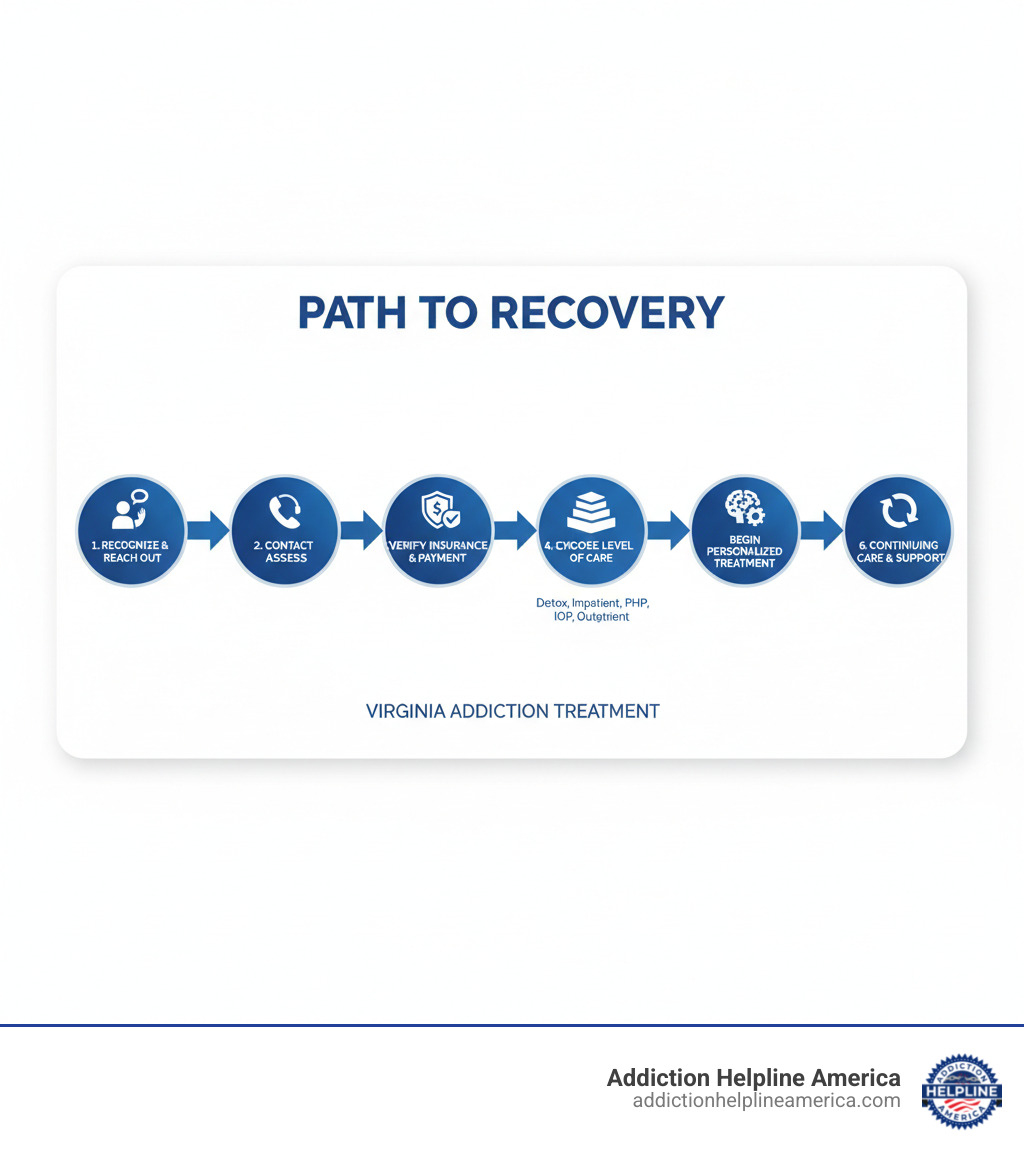
Find more about Virginia addiction treatment centers:
A Spectrum of Care: Types of Addiction Treatment in Virginia
Because addiction affects everyone differently, Virginia addiction treatment centers offer a wide range of options known as a “continuum of care.” This spectrum of support adjusts to your needs as you progress in recovery. Professionals use criteria from the American Society of Addiction Medicine (ASAM) to match you with the right intensity of support, whether you need 24/7 medical supervision or a flexible program that fits around your life.

Medical Detoxification: The First Step to Safety
For many, recovery starts with medical detoxification—the process of safely managing withdrawal symptoms. Attempting to detox on your own can be dangerous, especially with alcohol and benzodiazepines, which can cause life-threatening complications. While opioid withdrawal is typically not fatal, it is extremely uncomfortable and often leads to relapse.
In a medically supervised detox, healthcare professionals monitor you around the clock, provide medications to ease symptoms, and ensure you are physically stable. This crucial first step prepares you for the next phase of recovery. Some Virginia addiction treatment centers offer detox on-site, while others coordinate with trusted partner facilities.
Residential vs. Outpatient Programs: Choosing the Right Environment
After detox, the main choice is between residential (inpatient) and outpatient treatment.
Residential treatment involves living at a facility for 30, 60, or 90 days. This immersive, 24/7 structured environment removes you from daily triggers and allows you to focus completely on healing. It is often recommended for those with severe addictions or unstable home lives. In 2020, 534 Virginians were in residential care.
Outpatient treatment allows you to live at home and attend scheduled sessions at a treatment center. This flexibility lets you maintain work, school, or family commitments while receiving professional help. It also provides an opportunity to apply recovery skills in real-time. In 2020, over 18,000 individuals in Virginia were enrolled in outpatient programs.
The right choice depends on your addiction’s severity, home environment, and your treatment team’s recommendation.
Learn more about drug rehab in Alexandria VA and drug rehab in Arlington VA.
Understanding PHP and IOP in Virginia
Between residential and traditional outpatient care are Partial Hospitalization Programs (PHP) and Intensive Outpatient Programs (IOP). These are often used as “step-down” levels of care after completing an inpatient stay.
A Partial Hospitalization Program (PHP), or “day treatment,” involves attending treatment for about 20-35 hours per week while living at home or in sober living. It offers a high level of care, similar to residential treatment, but without the overnight stay.
An Intensive Outpatient Program (IOP) provides more flexibility, with 9 to 19 hours of treatment per week, often scheduled in the evenings. IOP is ideal for those who need significant support but must balance treatment with work or family responsibilities.
Here’s how they compare:
| Feature | Partial Hospitalization Program (PHP) | Intensive Outpatient Program (IOP) |
|---|---|---|
| Hours per Week | 20-35+ hours | 9-19 hours |
| Daily Structure | Structured, full-day sessions | Structured, part-day sessions |
| Ideal Candidate | Needs high support, but not 24/7 supervision; stepping down from residential. | Needs significant support but requires flexibility for daily life; stepping down from PHP. |
Many people progress through these levels—from residential to PHP, then IOP, and finally to standard outpatient care—to gradually build independence while maintaining support.
Core Components of Effective Virginia Addiction Treatment Centers
True recovery is about more than just stopping substance use; it’s about rebuilding your life and developing tools for long-term health. The best Virginia addiction treatment centers focus on healing the whole person, not just the addiction.

The Power of Personalized Treatment Plans
Because every person’s journey into addiction is unique, a one-size-fits-all approach to recovery is ineffective. Quality Virginia addiction treatment centers create individualized treatment plans built around your specific history, needs, and goals. This personalized approach, emphasized by centers like Novara Recovery Center, considers factors like your age, substances used, and mental health to create a plan that genuinely increases your chances of lasting success.
More info about personalized care in Virginia.
Integrating Evidence-Based and Holistic Therapies
Effective treatment centers blend scientifically proven therapies with complementary practices that support overall well-being.
Evidence-based practices are the foundation of quality care. These include therapies like Cognitive-Behavioral Therapy (CBT), which helps change destructive thought patterns, and Dialectical Behavior Therapy (DBT), which teaches skills for managing intense emotions and trauma. Another key approach is Medication-Assisted Treatment (MAT). For opioid or alcohol addiction, FDA-approved medications like buprenorphine or naltrexone can significantly improve outcomes when combined with counseling.
Holistic approaches address the mind, body, and spirit. Therapies like art therapy, music therapy, and yoga are powerful tools for stress management, self-expression, and reconnecting with yourself. These practices complement clinical work by providing alternative ways to process emotions and heal.
Addressing Co-Occurring Disorders: Dual Diagnosis Care
It is very common for addiction to co-occur with mental health conditions like anxiety, depression, or PTSD. These issues often fuel each other, making it essential to treat them simultaneously. This integrated approach is known as dual diagnosis care.
Many Virginia addiction treatment centers specialize in dual diagnosis care, with coordinated teams that understand how these conditions intertwine. In 2020, 145 of Virginia’s 249 treatment facilities offered this type of integrated treatment. By addressing both the substance use and the mental health disorder together, you gain a comprehensive set of strategies for lasting recovery.
More info about dual diagnosis services in Virginia.
Navigating the Logistics: Cost, Insurance, and Specialized Programs
One of the biggest problems to seeking treatment is the question, “Can I afford this?” Fortunately, Virginia addiction treatment centers offer various payment options and specialized programs to make recovery accessible.

The Cost of Rehab and Available Payment Options
The cost of rehab in Virginia varies based on the level of care and program length. A 30-day inpatient program may cost around $18,492, while outpatient care is closer to $1,710. However, most people do not pay these amounts out-of-pocket. About 57% of Virginia centers offer sliding scale fees based on income, and roughly 33% provide treatment at little to no cost for qualifying individuals. There are also at least 4 completely free rehab facilities in the state.
Many centers also offer payment plans. The cost of untreated addiction—in terms of health, relationships, and well-being—is far greater. Treatment is an investment in reclaiming your life. Find more information about affordable options in Virginia.
How to Verify Insurance for Addiction Treatment in Virginia
Thanks to laws like the Affordable Care Act, most health insurance plans cover addiction treatment. About 84% of Virginia addiction treatment centers accept private health insurance.
Medicaid is also a key resource. Virginia’s Medicaid program includes the Addiction and Recovery Treatment Services (ARTS) benefit, which covers a full continuum of care for enrollees. Approximately 80% of Virginia rehabs accept Medicaid.
For others, about 62% of centers accept Medicare, while 58% accept federal military insurance. The easiest way to confirm your coverage is to call a treatment center’s admissions team. They can verify your benefits and explain any out-of-pocket costs, taking the burden off you.
Specialized Programs for Diverse Needs
Virginia centers offer programs custom to specific communities and life experiences.
Veterans: The VA provides extensive substance use disorder programs throughout Virginia. Private facilities like The Farley Center are also part of the Community Care Network, specializing in care for the military community. Veterans in crisis can call 988 and press 1, text 838255, or chat online at veteranscrisisline.net.
LGBTQ+ Individuals: Affirming programs provide an inclusive, non-judgmental environment where individuals can focus on recovery.
Gender-Specific Treatment: Men-only and women-only programs create a comfortable space for open discussion about gender-related issues.
Teens and Young Adults: Dedicated programs address the unique developmental and social challenges of adolescents, with support groups like Alateen offering additional help.
No matter your circumstances, there is a program in Virginia designed to help. Learn more about specialized programs in Virginia or reach out for immediate support resources for veterans and others in crisis.
Ensuring Quality and Finding Help: Accreditation and Admissions
When you’re ready for treatment, you want to know you’re choosing a quality provider. Understanding who oversees Virginia addiction treatment centers and how to start the process can provide confidence during a vulnerable time.
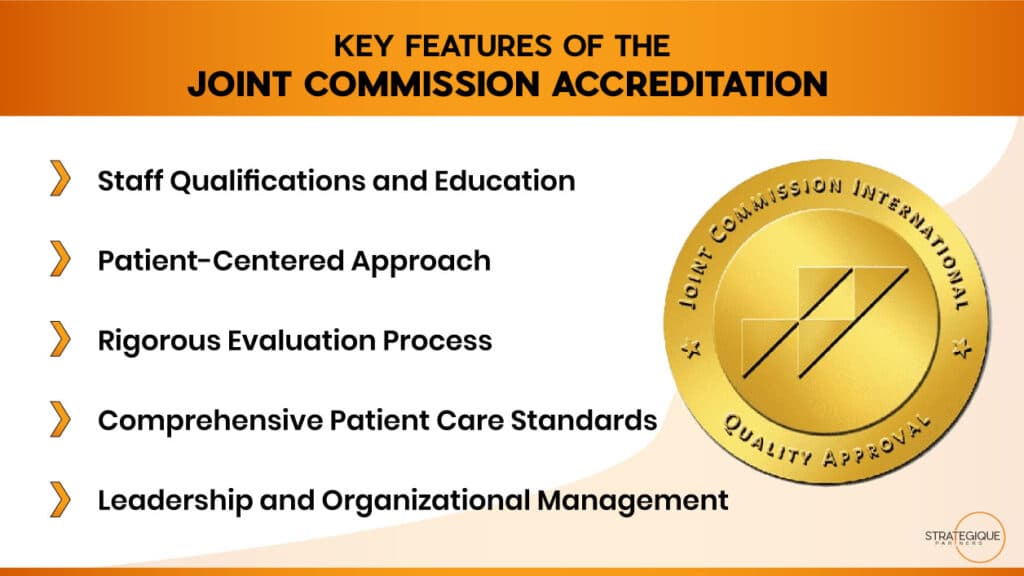
Who Oversees Virginia’s Addiction Treatment Centers?
In Virginia, quality is ensured through state and national oversight. The Virginia Department of Behavioral Health and Developmental Services (DBHDS) licenses rehab centers and their professionals, ensuring they meet foundational safety and care standards.
Many top centers also seek national accreditation to demonstrate a higher commitment to excellence. Accreditations from organizations like The Joint Commission and CARF International (Commission on Accreditation of Rehabilitation Facilities) signify that a facility adheres to rigorous, evidence-based standards of care. The Substance Abuse and Mental Health Services Administration (SAMHSA) also maintains a national directory of state-approved providers. Asking about a center’s licensing and accreditation is a good way to verify its quality.
How to Start the Admissions Process
Virginia addiction treatment centers make their admissions process as straightforward as possible. It usually begins with a free, confidential phone call to an admissions specialist.
- Confidential Assessment: You’ll discuss your substance use history, mental health, and recovery goals. This helps determine the appropriate level of care for you.
- Insurance Verification: The admissions team will contact your insurance provider to verify your benefits and explain your coverage, minimizing your stress.
- Admission Coordination: Once a plan is in place, the team will schedule your admission date and tell you what to bring, such as an ID, insurance card, and comfortable clothing.
That first call is a no-pressure conversation to explore your options.
Aftercare and Immediate Crisis Support
Recovery is a lifelong journey, and support shouldn’t end when a program does. Effective Virginia addiction treatment centers emphasize continuing care.
Alumni programs, sober living homes, and support groups like Alcoholics Anonymous (AA), Narcotics Anonymous (NA), and SMART Recovery are vital components of long-term success. They provide a community and a safety net as you steer life in recovery. Support is also available for families through groups like Al-Anon and Nar-Anon.
If you or someone you know is in immediate crisis, help is available 24/7:
- 988 Suicide & Crisis Lifeline: Call or text 988
- Veterans Crisis Line: Call 988 and press 1, or text 838255
- Addiction Helpline America: 1-844-561-0606 for treatment referrals
At Addiction Helpline America, we’re here to help you steer these options and connect you with the right care.
Frequently Asked Questions about Virginia Addiction Treatment Centers
How long does rehab in Virginia typically last?
Treatment duration is custom to your individual needs, not a fixed calendar. Inpatient programs in Virginia addiction treatment centers often last 30, 60, or 90 days, while some individuals may benefit from longer-term residential care. Outpatient programs and aftercare can continue for a year or more, providing sustained support.
The right length of stay is determined by your progress. The goal is to provide the support you need to build a strong foundation for lasting sobriety, however long that takes.
Will I lose my job if I go to rehab in Virginia?
No, seeking treatment for a substance use disorder should not cost you your job. Federal laws like the Americans with Disabilities Act (ADA) protect you from being fired for seeking help. Additionally, the Family and Medical Leave Act (FMLA) may allow you to take up to 12 weeks of unpaid, job-protected leave for medical treatment, including rehab.
While you will need to arrange time off with your employer, your job should be secure. Your confidentiality is also protected. Admissions staff at treatment centers can often provide guidance on how to have this conversation with your employer.
Can my family be involved in my treatment?
Yes, and it is highly encouraged. Addiction affects the entire family, and involving loved ones is a key part of the healing process. Many Virginia addiction treatment centers offer family therapy sessions to improve communication and repair relationships in a guided setting.
Centers also provide educational workshops to help family members understand addiction, set healthy boundaries, and learn how to best support your recovery. Support groups like Al-Anon, Nar-Anon, and PAL offer additional resources for families. Involving your loved ones builds a stronger support system for your return home and fosters a healthier environment for long-term recovery.
Conclusion: Take the First Step Toward Recovery in Virginia
Seeking information is a courageous first step toward change. Recovery is possible, and you don’t have to find your way alone.
Virginia has a strong network of Virginia addiction treatment centers ready to help. Whether you need residential treatment, flexible outpatient care, or specialized services, resources exist to support your journey. From the mountains to the coast, compassionate professionals are ready to help you reclaim your life.
We know that making the first call can feel overwhelming, but it’s often the hardest part. On the other side, you’ll find people who understand and know how to guide you forward with dignity and respect.
At Addiction Helpline America, we offer free, confidential guidance to help you understand your options, verify insurance, and find a program that fits your unique needs. You deserve personalized care, and we’re here to help you find it. Thousands of Virginians are living in recovery today, and you can be one of them.
Your story doesn’t end with addiction. It can begin again, with hope and support.
Find personalized addiction treatment in Virginia today