
Why Short-Term Rehab Facilities in La Offer a Critical Path to Recovery
Short-Term Rehab Facilities in La provide focused, intensive treatment programs designed to stabilize individuals struggling with substance use disorders and equip them with essential recovery tools. According to the National Institute on Drug Abuse (NIDA), effective treatment must be readily available and attend to the multiple needs of the individual, not just their drug abuse. Short-term programs, which can last from a few weeks to 90 days, are designed to meet this need for immediate, comprehensive care.
What to expect from short-term rehab in LA:
- Duration: Programs range from 7-14 days for rapid stabilization to 28-90 days for more comprehensive care.
- Settings: Both inpatient (24/7 residential care) and outpatient (flexible scheduling) options available.
- Core Services: Medical detox, individual counseling, group therapy, CBT, DBT, and dual diagnosis support.
- Cost: Costs vary widely based on the level of care and services. According to NIDA, costs can range from free or low-cost state-funded programs to thousands of dollars for private residential care. Many facilities accept Medicare, Medicaid, and private insurance.
- Accreditation: Look for facilities certified by reputable bodies like The Joint Commission, CARF, or licensed by California’s Department of Health Care Services (DHCS).
If you or someone you love is facing addiction, choosing a short-term rehab program can feel overwhelming. As Dr. Nora Volkow, director of NIDA, emphasizes, “Addiction is a complex but treatable disease that affects brain function and behavior.” Short-term rehabilitation offers a structured, supportive environment where you can begin healing without committing to months away from home or work. These programs focus on rapid stabilization, teaching coping skills, and creating a bridge to ongoing recovery support.
Los Angeles is home to numerous short-term rehab centers that provide evidence-based treatment using approaches like Cognitive Behavioral Therapy (CBT), Dialectical Behavior Therapy (DBT), and Medication-Assisted Treatment (MAT). Many programs specialize in treating co-occurring mental health disorders alongside addiction, as research from the National Institute of Mental Health (NIMH) shows that these conditions frequently occur together and must be treated in an integrated way.
At Addiction Helpline America, we’ve dedicated our work to connecting individuals and families with the treatment resources they need during their most vulnerable moments. Our team has helped countless people steer Short-Term Rehab Facilities in La and across the country, providing free, confidential guidance 24/7 to match you with programs that fit your unique situation.
What Defines Short-Term Rehabilitation?
Short-term rehabilitation programs are specifically designed for individuals who need rapid stabilization, education, and skill-building to prevent the escalation of addiction. Unlike long-term programs that can extend for several months or even years, short-term rehab offers a more concentrated and immediate intervention. This focused approach makes it an accessible first step toward sustained recovery for many.
The typical duration for these programs can vary, but as the National Institute on Drug Abuse (NIDA) notes, remaining in treatment for an adequate period is critical. Short-term programs generally last less than 90 days and can be highly effective, especially when followed by continuing care. Many Short-Term Rehab Facilities in La offer programs lasting between 7 to 14 days for detox and stabilization, while 28 to 30-day programs are common for a more comprehensive therapeutic experience.
These time-limited options are not just about addressing the immediate crisis; they are often strategically designed to serve as a bridge to longer-term care. As Dr. John F. Kelly, a Professor of Psychiatry at Harvard Medical School, explains, the goal is to “quickly stabilize the patient and provide them with the foundational skills to manage their recovery long-term.” This aligns with the Substance Abuse and Mental Health Services Administration’s (SAMHSA) model of a continuum of care, where short-term rehab is an initial entry point that helps clients build essential coping strategies and relapse-prevention skills. The goal is always to equip individuals with the tools they need to steer the complexities of recovery, ensuring they are prepared for the next steps in their healing journey. Whether you’re seeking support for yourself or a loved one, understanding the structure and benefits of these programs is crucial. If you’re exploring options in our network beyond California, we can also help you find support in Baton Rouge.
Core Services and Therapies in Los Angeles Rehabs
Short-Term Rehab Facilities in La are characterized by their diverse range of services and therapeutic approaches, all aimed at fostering lasting recovery. These programs are custom to address the multifaceted nature of addiction, incorporating medical, psychological, and social support.

Inpatient vs. Outpatient Short-Term Programs
When considering short-term rehab, one of the primary distinctions you’ll encounter is between inpatient and outpatient settings. Both offer valuable pathways to recovery, but they cater to different needs and circumstances as defined by the Substance Abuse and Mental Health Services Administration (SAMHSA).
-
Inpatient Rehab: Also known as residential treatment, this option involves living at the facility 24/7. It provides a highly structured and supportive environment, completely removing individuals from potential triggers. Patients receive around-the-clock medical supervision, which is particularly beneficial during medical detox and for those with severe dependencies or co-occurring disorders.
-
Outpatient Rehab: This category includes Intensive Outpatient Programs (IOPs) and Partial Hospitalization Programs (PHPs). In outpatient settings, individuals attend therapy sessions at the facility during the day or evening but return home afterward. This model offers greater flexibility, making it suitable for those who need to balance treatment with work or family responsibilities. They are often a step-down option after inpatient care or a primary choice for individuals with strong support systems.
Here’s a quick comparison of these two vital short-term options:
| Criteria | Inpatient Short-Term Rehab | Outpatient Short-Term Rehab (IOP/PHP) |
|---|---|---|
| Living Situation | Reside at the facility 24/7 | Live at home, attend sessions during the day/evening |
| Intensity | High; immersive, structured daily schedule | Moderate to high; structured sessions, but more personal freedom |
| Medical Support | 24/7 medical supervision, ideal for detox | Medical support during sessions; less constant supervision |
| Cost | Generally higher due to residential and 24/7 care | Generally lower than inpatient |
| Ideal Candidate | Severe addiction, unstable home, co-occurring disorders, need for full removal from triggers | Moderate addiction, strong home support, work/family obligations, step-down from inpatient |
Therapeutic Approaches for Lasting Recovery
The success of Short-Term Rehab Facilities in La hinges on the application of evidence-based therapeutic approaches. These methods are backed by scientific research and have proven effective in treating substance use disorders.
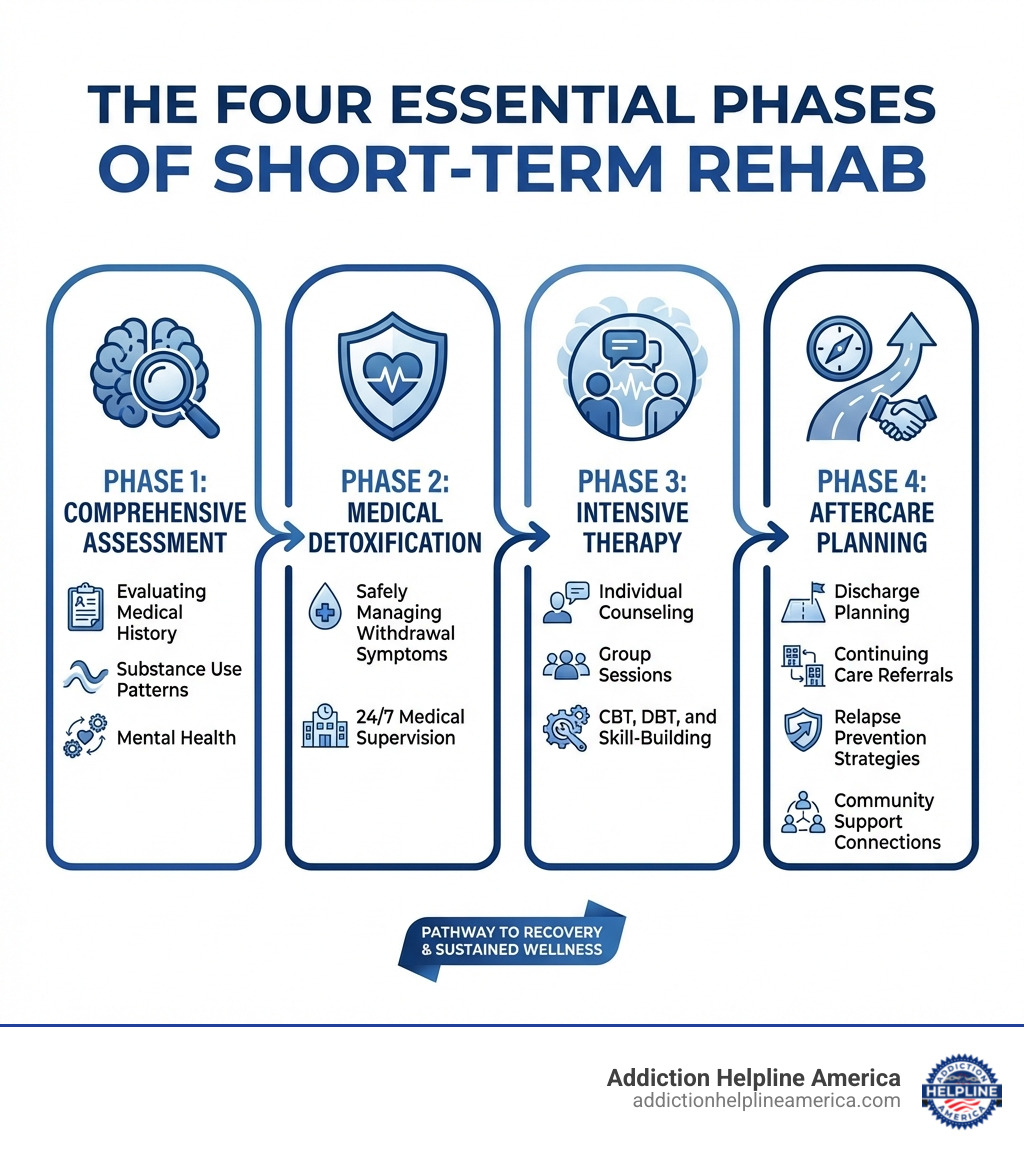
- Medical Detoxification: Often the first step, medical detox safely manages withdrawal symptoms under medical supervision. According to NIDA, detoxification alone is not treatment but is a critical first step for many substances like alcohol, opioids, and benzodiazepines.
- Evidence-Based Therapies:
- Cognitive Behavioral Therapy (CBT): This therapy helps individuals identify and change negative thought patterns and behaviors that contribute to substance use. NIDA highlights CBT as a key approach for preventing relapse.
- Dialectical Behavior Therapy (DBT): A form of CBT, DBT focuses on teaching skills in four key areas: mindfulness, distress tolerance, emotion regulation, and interpersonal effectiveness. It’s particularly effective for individuals with co-occurring mental health issues.
- Medication-Assisted Treatment (MAT): “Medication-assisted treatment has been shown to be highly effective in helping people sustain recovery,” according to SAMHSA. MAT combines medications (such as buprenorphine or naltrexone) with counseling and is highly effective for opioid and alcohol use disorders.
- Dual Diagnosis Treatment: Many individuals struggling with addiction also have co-occurring mental health disorders. Short-Term Rehab Facilities in La often provide integrated treatment for dual diagnosis, addressing both conditions simultaneously. This holistic approach is critical, as treating one without the other often leads to relapse. We believe in treating the whole person, and you can learn more about addiction and mental health from ASAM.
- Holistic Therapies: Beyond traditional therapies, many programs incorporate holistic practices such as yoga, mindfulness meditation, art therapy, and nutrition counseling. These activities support overall well-being and stress reduction, complementing core therapeutic work.
Who Benefits Most from Short-Term Rehab?
Short-term rehab is not a one-size-fits-all solution, but it is particularly well-suited for specific individuals based on principles of effective treatment outlined by NIDA:
- Individuals with less severe addictions or early-stage dependency: Those who are beginning to experience the negative consequences of substance use but haven’t developed a long-standing addiction.
- Those with strong support systems: A stable home environment and supportive family and friends can be crucial for success.
- People with significant work or family obligations: The shorter duration allows individuals to address their addiction without a prolonged absence from their professional or personal lives.
- Individuals who need a “reset” or a bridge to further care: Short-term programs can provide the necessary stabilization and initial coping skills before transitioning to longer-term support.
While short-term rehab offers significant advantages, assess individual needs carefully. For those with chronic addiction or severe co-occurring disorders, a longer-term program might be more appropriate. However, for many, a focused short-term program in Los Angeles can be the crucial first step towards a healthier, substance-free life. If you’re looking at options in other parts of our network, you might also consider facilities like those in New Orleans.
The Journey Through a Short-Term Program in LA
Starting on a short-term rehab program in Los Angeles involves a structured yet deeply personal journey. From the moment of admission to the comprehensive planning for life after discharge, every step is designed to guide individuals toward sustainable recovery.

The Admission and Treatment Process
The admission process for Short-Term Rehab Facilities in La typically begins with a thorough evaluation to ensure the program is the right fit, a practice supported by NIDA’s principles of effective treatment.
- Initial Assessment: This critical first step involves a comprehensive psychosocial evaluation, a detailed review of medical history, and an assessment of substance use patterns and any co-occurring mental health conditions. This helps the clinical team understand the individual’s unique needs and challenges.
- Individualized Treatment Plan: Based on the initial assessment, a personalized treatment plan is developed. This plan outlines specific, achievable goals and a custom schedule of therapies. NIDA emphasizes that treatment plans must be reviewed often and modified to fit the patient’s changing needs.
- A Day in Rehab: A typical day in a short-term inpatient program in Los Angeles is highly structured. It often begins with a healthy breakfast, followed by a combination of group therapy sessions, individual counseling, educational workshops, and wellness activities. This consistent routine helps re-establish healthy habits and provides a predictable, safe environment for healing.
Preparing for Life After Rehab
The work doesn’t end when a short-term program concludes; in fact, preparing for life after rehab is one of the most crucial components. “Recovery is a long-term process that does not end with the completion of a treatment program,” notes a landmark report from the U.S. Surgeon General on alcohol, drugs, and health.
- Aftercare Planning: Long before discharge, a detailed aftercare plan is developed. This plan is a roadmap for continued sobriety, including strategies for relapse prevention, identifying triggers, and developing healthy coping mechanisms. The goal is to ensure individuals feel confident and supported as they transition back into their daily lives.
- Continuing Care Options: The aftercare plan will often include referrals to various continuing care options. These can include ongoing outpatient therapy, participation in support groups like Alcoholics Anonymous (AA) or Narcotics Anonymous (NA), and recommendations for sober living homes. Many facilities also offer alumni programs, connecting individuals with a community of peers who have successfully steerd recovery. This network of support is vital for maintaining long-term sobriety. We can also help you find continuing care resources in our wider network, such as those in Lafayette.
How to Find the Best Short-Term Rehab Facilities in La
Finding the right Short-Term Rehab Facilities in La can seem daunting, but with the right information and guidance, you can make an informed decision that sets the stage for successful recovery. We understand the importance of quality care and strive to connect you with the best options available.
Evaluating a Facility: What to Look For
When evaluating potential short-term rehab centers, several key features indicate a high standard of care:
- Accreditation and Licensing: This is paramount. Look for facilities accredited by reputable national organizations like The Joint Commission and CARF International. Additionally, ensure the facility is licensed by the California Department of Health Care Services. These credentials signify that a facility meets rigorous standards for patient care and safety.
- Qualified Staff: A highly skilled and compassionate team is the backbone of effective treatment. The best facilities employ board-certified addiction specialists, licensed therapists, and experienced medical professionals to address all aspects of addiction.
- Personalized Care: As NIDA states, no single treatment is right for everyone. Look for facilities that emphasize individualized treatment plans rather than a one-size-fits-all approach.
When speaking with an admissions counselor, don’t hesitate to ask these key questions:
- What are your accreditations and licenses?
- What is your philosophy on addiction treatment?
- What types of evidence-based therapies do you offer?
- How do you address co-occurring mental health disorders?
- What is your patient-to-staff ratio?
- What does a typical day look like in your program?
- What kind of aftercare planning and support do you provide?
- What are the qualifications and experience of your clinical team?
- How do you involve family in the treatment process?
- What are the total costs, and what insurance do you accept?
Navigating Costs and Insurance for Short-Term Rehab Facilities in La
Understanding the financial aspects of rehab is a crucial step for many families.
- Average Treatment Cost: The cost of substance abuse treatment can vary significantly based on the program’s duration, level of care, amenities, and therapies offered. According to the National Institute on Drug Abuse (NIDA), costs can range from free state-funded programs to tens of thousands of dollars for private residential care.
- Insurance Coverage: Most health insurance policies are required by law to cover substance use treatment. The Mental Health Parity and Addiction Equity Act (MHPAEA) mandates that coverage for mental health and substance use disorders be no more restrictive than coverage for medical and surgical services. This applies to private insurance, Medicare, and Medicaid. It is essential to verify your specific benefits with your provider.
- Payment Options and Financial Assistance: For those without insurance or facing high out-of-pocket costs, many facilities offer payment options, including financing plans and sliding scale fees. Additionally, state programs like California’s SSI/SSP Program may provide financial support for individuals with disabilities, which can include those recovering from addiction.
Finding Reputable Centers in Los Angeles and Beyond
Once you understand what to look for and how to manage costs, the next step is locating reputable centers.
- State Databases: The California Department of Health Care Services maintains a DHCS Program Database where you can find licensed facilities. This is an excellent starting point for verifying credentials.
- Reading Testimonials: Patient reviews and testimonials can offer valuable insights into the experiences of others. While individual experiences vary, consistent themes of compassionate care and effective therapy are positive indicators.
- Taking a Tour: If possible, touring a facility can give you a better sense of the environment and atmosphere.
- National Network Examples: Our network extends nationwide, connecting individuals to quality care. For example, we can help you explore facilities in Shreveport or other cities across the country. Our goal is to help you find a rehab center in Los Angeles today that meets your specific needs.
Frequently Asked Questions about Short-Term Rehab
We understand you likely have many questions as you steer the path to recovery. Here, we answer some of the most common inquiries about Short-Term Rehab Facilities in La.
How long is a typical short-term rehab program?
The duration of a typical short-term rehab program can vary significantly based on individual needs. Generally, short-term programs are designed for intensive, focused care, often ranging from 7 to 90 days. According to the National Institute on Drug Abuse (NIDA), remaining in treatment for an adequate period of time is critical for effectiveness. Many programs commonly last 28 to 30 days, aiming for rapid stabilization and skill-building.
Will my insurance cover short-term rehab in Los Angeles?
Yes, in most cases, your health insurance plan will cover short-term rehab. Federal laws, including the Affordable Care Act (ACA) and the Mental Health Parity and Addiction Equity Act (MHPAEA), require most health plans to cover substance use disorder services. This means that private health insurance, Medicare, and Medicaid typically offer coverage. However, the extent of coverage can vary, so it’s essential to verify your specific benefits with your insurance provider. Our team at Addiction Helpline America can assist you in checking your insurance coverage confidentially and for free.
What happens after I complete a short-term program?
Completing a short-term rehab program is a significant achievement, but it’s just one step in the lifelong journey of recovery. As NIDA explains, treatment should be followed by continuing care. Before discharge, a detailed and personalized aftercare plan is created. This plan is crucial for maintaining sobriety and typically includes:
- Referrals to Outpatient Therapy: Continued individual or group therapy, such as in an Intensive Outpatient Program (IOP).
- Support Group Participation: Encouragement to attend 12-step meetings like Alcoholics Anonymous (AA) or Narcotics Anonymous (NA), or other community-based support groups.
- Sober Living Options: For some, transitioning to a sober living home provides a structured, substance-free environment.
- Alumni Programs: Many facilities offer alumni networks that provide ongoing support and a sense of community.
The goal of aftercare is to ensure you have a robust support system and the necessary tools to steer life’s challenges without returning to substance use.
Conclusion: Your Path to Recovery Starts Now
Navigating the complexities of addiction is a challenging journey, but you don’t have to face it alone. Short-Term Rehab Facilities in La offer a vital, effective, and accessible option for individuals seeking rapid stabilization, comprehensive therapy, and a strong foundation for lasting recovery. These programs, whether inpatient or outpatient, provide a structured environment, evidence-based treatments, and crucial aftercare planning designed to empower you with the tools needed for a healthier, substance-free future.
We understand that taking the first step is often the hardest, filled with questions, fears, and uncertainties. That’s why Addiction Helpline America is here. We are dedicated to providing free, confidential, and personalized guidance, connecting you to our vast network of addiction and mental health treatment centers. Our goal is to simplify the process, helping you find the right program that aligns with your unique needs and circumstances. Your path to recovery starts now, and we are ready to walk alongside you. Don’t wait to reclaim your life.
Contact us to explore short-term rehab facilities in Los Angeles.