

Finding Hope: Your Guide to Treatment Centers for Alcoholics
Treatment centers for alcoholics offer various levels of care to match your specific needs, from outpatient counseling to medically supervised inpatient programs. If you’re reading this, you’ve already taken the hardest step: acknowledging that help is needed. That courage matters. Finding the right treatment can feel overwhelming, but you don’t have to do it alone.
Today’s treatment landscape is more flexible than ever, with options including telehealth, specialized programs, and evidence-based therapies combined with medication. The key is finding what works for you.
This guide will help you understand the different levels of care, compare public and private centers, know what questions to ask, and steer costs and insurance. Addiction Helpline America has spent years connecting people with treatment centers for alcoholics nationwide. We provide confidential guidance to help you find a program that fits your unique situation, because recovery isn’t one-size-fits-all.
Let’s walk through your options together.
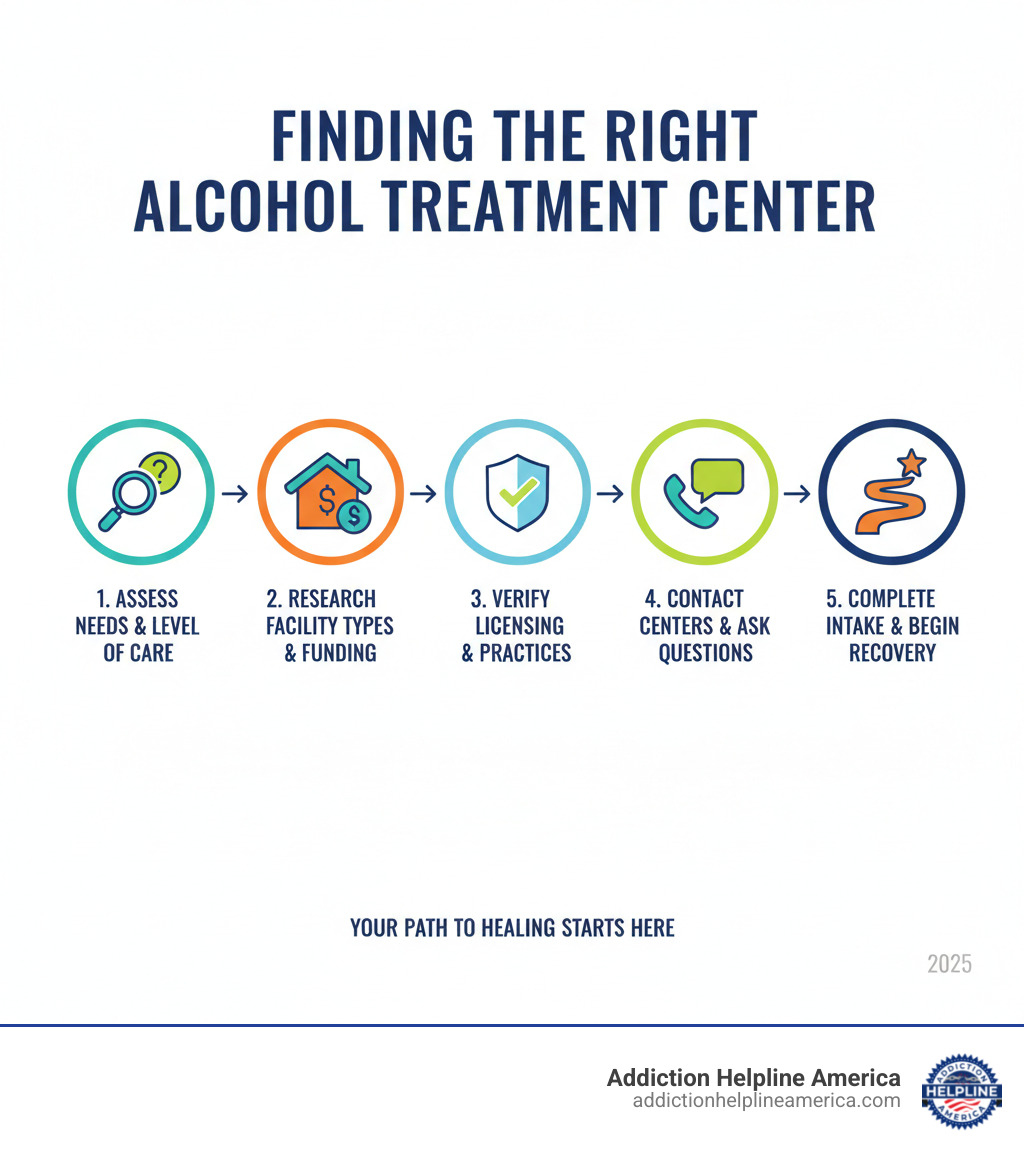
Understanding the Spectrum of Alcohol Addiction Care

Alcohol treatment isn’t just one-size-fits-all; it’s a spectrum of care designed to meet you where you are. Think of it as a staircase: some people start with intensive hospital care, while others begin with weekly therapy at home. The National Institute on Alcohol Abuse and Alcoholism highlights this flexibility, meaning you have personalized paths to healing.
The Four Levels of Care for Alcohol Treatment
Treatment centers for alcoholics organize care into four main levels based on the support you need. As you progress, you can “step down” to less intensive levels.
- Outpatient care: The most flexible option. You attend regular therapy sessions (individual or group) while living at home and maintaining daily responsibilities. It’s ideal for those with strong support systems or as continuing care.
- Intensive Outpatient (IOP) & Partial Hospitalization (PHP): A step up in structure. You attend treatment for several hours a day, multiple days a week, participating in therapy and skill-building activities before returning home each evening.
- Residential treatment: A live-in program lasting from 30 to 90 days or more. It provides a safe, structured environment away from daily triggers, with 24-hour support and a focus on building a foundation for sobriety.
- Inpatient hospitalization: The most intensive level, offering 24/7 medically directed care in a hospital. This is for individuals with severe alcohol use disorder, those at risk for dangerous withdrawal, or those with co-occurring medical or mental health complications.
Core Components of Professional Treatment
Quality treatment centers for alcoholics combine therapy and medication for the most effective results.
Talk therapy helps you understand the root causes of your drinking. Common evidence-based approaches include:
- Cognitive Behavioral Therapy (CBT): Helps you identify and change negative thought patterns and behaviors related to alcohol use.
- Dialectical Behavior Therapy (DBT): Teaches skills for managing intense emotions, coping with stress, and improving relationships.
- Motivational Interviewing: A collaborative approach where a therapist helps you find your own motivation to change.
Medication-assisted treatment (MAT) uses FDA-approved, non-addicting medications to reduce cravings or block alcohol’s effects. It’s a medical tool that supports brain healing while you learn new coping skills in therapy.
Many programs also offer dual diagnosis treatment to address co-occurring mental health conditions like depression, anxiety, or PTSD, which is crucial for lasting recovery. Holistic approaches like mindfulness, yoga, nutrition counseling, and fitness programs are often integrated to support overall well-being.
Modern Alternatives for Lower-Intensity Outpatient Care
Recovery doesn’t always require a facility. Modern options offer flexibility:
- Build your own care team: With insurance or private pay, you can assemble a team of a therapist, a doctor for prescribing medication, and your primary care provider. The NIAAA offers guidance on building your own care team.
- Telehealth: Video or phone sessions with therapists and doctors are now widely available and covered by most insurance. This provides effective, convenient care from home.
- eHealth options: Smartphone apps, computer-based CBT, and online resources offer support for tracking cravings, managing triggers, and preventing relapse, either as standalone tools or to supplement therapy.
Comparing Types of Treatment Centers
Choosing where to get help often comes down to two main paths: publicly funded programs and private treatment centers. The biggest differences are cost, wait times, and amenities. Neither is inherently better; the right fit depends on your needs, timeline, and resources.
| Feature | Publicly Funded Centers | Privately-Run Centers |
|---|---|---|
| Cost | Free or significantly reduced cost for eligible residents | Varies widely; generally higher, covered by insurance or out-of-pocket |
| Wait Times | Can be longer due to high demand and limited resources | Often shorter, immediate intake possible in some cases |
| Eligibility | Typically residency-based, income-based, or specific medical criteria | Less restrictive, primarily based on ability to pay or insurance coverage |
| Amenities | Basic facilities, focus on essential treatment services | Can range from standard to luxury, offering a wider array of amenities (e.g., private rooms, gourmet meals, holistic therapies) |
| Program Scope | Evidence-based clinical treatment, often structured and standardized | Diverse treatment philosophies, specialized programs, individualized care plans, broader therapeutic modalities |
| Staffing | Qualified professionals, but staff-to-client ratios may be higher | Often lower staff-to-client ratios, potentially more specialized staff |
| Aftercare | May have partnerships with community resources; varies | Strong emphasis on aftercare planning, alumni programs, and long-term support |
The Publicly Funded Path: What to Expect
Publicly funded treatment centers for alcoholics ensure cost is not a barrier to care. Supported by state and federal funds, they offer treatment to residents who are uninsured or have limited income. While facilities are often basic and you may share a room, they provide solid, evidence-based clinical care, including individual and group therapy. The primary challenge can be wait times, which may stretch from days to weeks due to high demand.
Exploring Private Treatment Centers for Alcoholics

Private treatment centers for alcoholics offer more flexibility, specialization, and comfort. Funded by insurance or self-pay, they provide a wide variety of treatment philosophies (both 12-step and alternative models) and holistic therapies. Many offer specialized tracks for different genders, age groups, or professions. Amenities range from comfortable to luxurious, and lower staff-to-client ratios often mean more individualized attention. Private centers typically have robust aftercare and alumni programs. The main consideration is cost, which varies significantly and depends on insurance coverage.
Accessing Specialized Care: Detox and Inpatient Services
Before recovery work can begin, safe withdrawal is essential.
- Detoxification is a medical process to manage withdrawal symptoms under 24/7 supervision. Lasting about 7-10 days, it ensures you are physically stable before starting therapy. Detox is the first step, not a substitute for treatment.
- Inpatient services are intensive residential programs, typically lasting about four weeks. By removing you from your daily environment, they allow you to focus completely on healing through structured individual and group therapy.
- Long-term residential services offer support for several months or longer for those who need more time to build a solid foundation before returning to independent living.
If you need help finding the right starting point, Addiction Helpline America can help you find a detox program near you that matches your needs.
How to Evaluate and Choose Quality Treatment Centers for Alcoholics
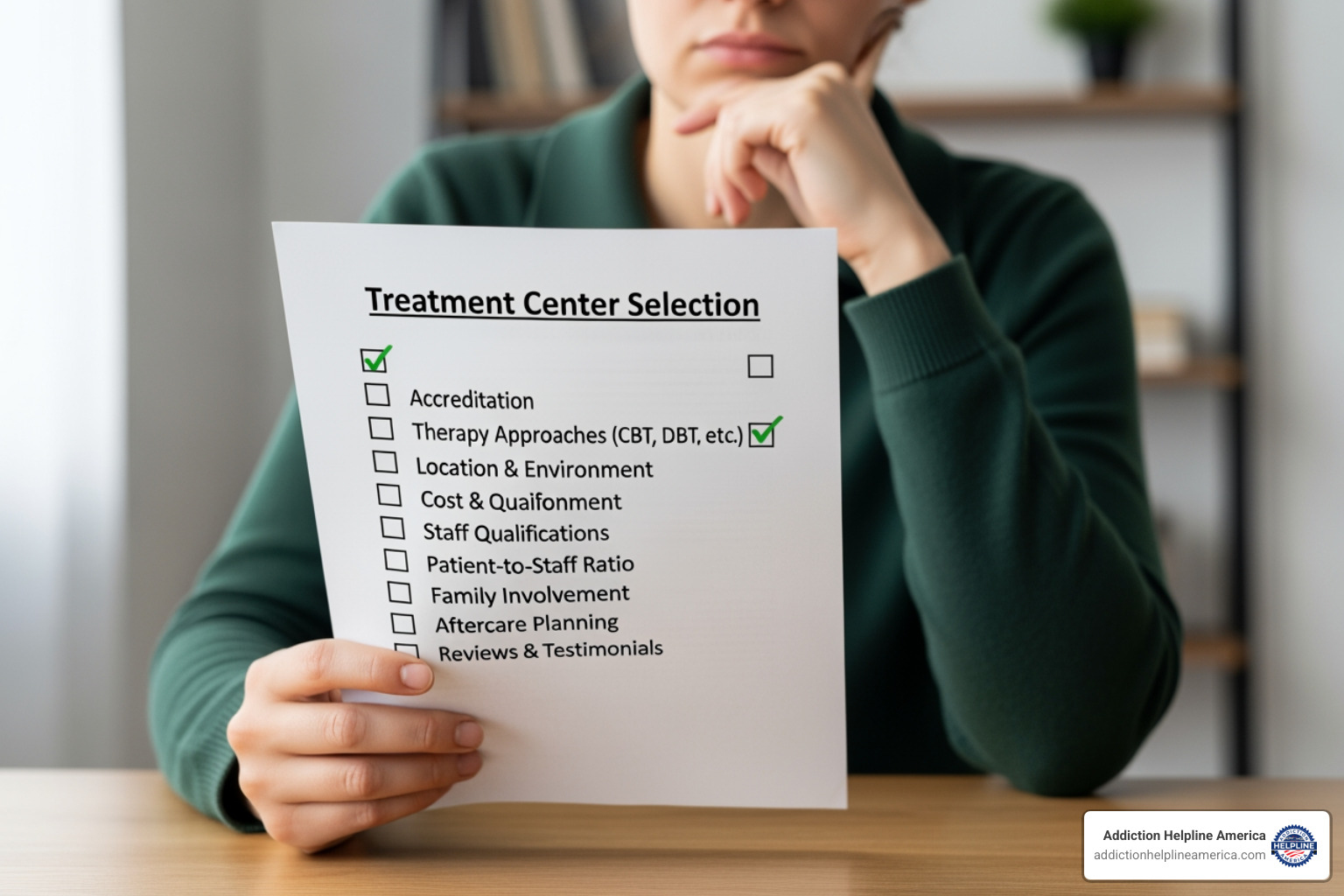
Choosing the right program is about finding a solid foundation for your new life. Here’s what to look for in quality treatment centers for alcoholics:
- Evidence-Based Treatment: The program should use scientifically proven therapies like Cognitive Behavioral Therapy (CBT), Dialectical Behavior Therapy (DBT), and, when appropriate, Medication-Assisted Treatment (MAT).
- Qualified Staff: Look for a multidisciplinary team of licensed therapists, counselors, and medical doctors specializing in addiction medicine. This ensures comprehensive care for both addiction and any co-occurring mental health conditions.
- Licensing and Accreditation: The facility must be licensed by the state and ideally accredited by a national organization (like CARF or The Joint Commission). This is your assurance of quality and safety. The NIAAA offers more information on treatment options.
- Individualized Care Plans: Avoid cookie-cutter approaches. A quality center will conduct a thorough assessment and create a personalized treatment plan that evolves with your progress.
- Aftercare Planning: Recovery doesn’t end at discharge. The program should have a strong emphasis on aftercare, including relapse prevention planning, continued therapy options, and connections to alumni or peer support groups.
The Role of Community and ‘Recovery Capital’
Recovery is about building a life you don’t want to escape from. This is where “Recovery Capital” comes in—the personal, social, and community resources you can draw on to maintain sobriety. Quality treatment centers for alcoholics help you build this capital by fostering peer support networks and a strong recovery community. They may offer specialized programs for different age groups or genders to create relevant, supportive environments. Family involvement is also key, as it helps create a stable home to return to. Learn more about the importance of family support.
Key Questions to Ask a Potential Treatment Center
Interview a potential program to ensure it’s the right fit. Here are essential questions to ask:
- How long is the program? Durations vary, and longer stays often lead to better outcomes.
- What specific therapies do you use? Ask about their use of evidence-based and holistic approaches.
- What is your staff-to-client ratio? A lower ratio generally means more individual attention.
- How do you involve family? Inquire about family therapy, education, and visitation.
- What does aftercare look like? This is crucial. Ask about relapse prevention, alumni programs, and ongoing support.
For practical tips, you can also ask what to pack for rehab.
The Logistics of Recovery: Costs, Funding, and Family Support
Understanding the financial aspect of recovery can remove a major barrier to getting help. The cost of treatment centers for alcoholics varies significantly by the level of care.
- Outpatient programs are the most affordable, as they don’t include room and board.
- Residential and inpatient programs are a larger investment, covering 24/7 care, therapy, meals, and accommodations. For a detailed breakdown, explore how much do alcohol treatment centers cost.
Here are the primary ways to cover the cost:
- Private Insurance: The Affordable Care Act requires most plans to cover addiction treatment. Contact your provider to understand your specific benefits, deductibles, and which facilities are in-network. For example, you can learn about alcohol treatment centers that accept Aetna.
- Public Funding: For those with limited resources, state and federal programs help cover costs at publicly funded facilities. To learn more, research is there free alcohol addiction treatment centers and other free rehab options.
- Private Pay: Many centers offer payment plans or sliding-scale fees based on income, making treatment more accessible.
Addiction impacts the entire family, and quality treatment centers recognize this. They offer family therapy to heal relationships and educational programs to help loved ones understand addiction. This support is critical for long-term success. If you’re struggling to convince someone to get help, consider learning about holding an intervention. The importance of family support cannot be overstated.
Navigating these logistics can be complex. Addiction Helpline America offers free, confidential guidance to help you verify insurance and find programs that fit your clinical and financial needs.
Frequently Asked Questions about Finding an Alcohol Treatment Center
What is the difference between inpatient and residential treatment?
Though often used interchangeably, these terms refer to different levels of care.
- Inpatient treatment occurs in a hospital or acute care setting. It’s for medical stabilization, managing dangerous withdrawal symptoms, or addressing a co-occurring medical or mental health crisis. Stays are typically short (7-10 days) and focus on safety.
- Residential treatment takes place in a home-like, supportive community. The focus shifts from medical stabilization to therapeutic healing. Programs last several weeks to months, providing a structured environment away from triggers to build recovery skills.
In short: inpatient is for medical safety, while residential is for therapeutic immersion.
How do I know which level of care I need?
The best way to determine this is through a professional assessment. A clinician will evaluate several factors to recommend the right level of care:
- Addiction Severity: How much and how often you drink, and whether you experience physical withdrawal.
- Co-occurring Disorders: The presence of mental health conditions like depression, anxiety, or PTSD that require integrated treatment.
- Treatment History: What has or hasn’t worked for you in the past.
- Home Environment: Whether you have a supportive, stable environment or one that is chaotic and triggering.
Based on this assessment, a professional can match you with the appropriate program, from outpatient to inpatient. Addiction Helpline America can connect you with professionals who provide these crucial assessments.
What happens after I complete a treatment program?
Completing a program is the beginning of a lifelong recovery journey. Quality treatment centers for alcoholics create a robust aftercare plan before you leave. Key components include:
- Sober Living Homes: These are structured, substance-free living environments that bridge the gap between residential treatment and independent living. They provide peer support and accountability.
- Alumni Programs: Staying connected to the treatment community through meetings and events provides an ongoing support network.
- Continued Therapy: Weekly individual or group therapy helps you steer real-world challenges and reinforce coping skills.
- Relapse Prevention Strategies: A concrete plan to identify your personal triggers and manage cravings is essential. This includes having a list of support contacts you can call anytime.
Aftercare is not optional; it’s where you apply the tools learned in treatment to build a lasting recovery.
Your Path to Recovery Starts Today
If you’ve read this guide, you’ve already taken a powerful step toward change. You now understand the different levels of care, from outpatient to inpatient, and the importance of evidence-based therapies, qualified staff, and individualized planning.
We’ve compared public and private treatment centers for alcoholics, explored how to cover the cost, and highlighted the vital role of community and aftercare. Recovery is a journey, not a destination, and it unfolds one step at a time. We know from connecting thousands of people with treatment that recovery is possible, and you deserve it.
The right treatment center for you is out there. It might be a local outpatient program or a specialized residential facility. The key is finding the right fit for your unique situation.
Addiction Helpline America offers free, confidential, and personalized guidance to help you steer your options. We’re here to answer your questions and connect you with a program that can help you build a healthier, recovery-focused life.
Your path forward starts today. Don’t wait for the “perfect” moment. Reach out and take that first brave step.