
Why Understanding Drug Withdrawal is Critical for Recovery
The effects of drug withdrawal can be uncomfortable or even life-threatening, making it a major hurdle in recovery. Here’s what you need to know:
Key Effects of Drug Withdrawal:
- Physical Symptoms: Nausea, vomiting, sweating, tremors, headaches, muscle aches, fatigue, insomnia, and intense cravings
- Psychological Symptoms: Anxiety, depression, irritability, agitation, mood swings, difficulty concentrating, paranoia, and hallucinations
- Dangerous Complications: Seizures, delirium tremens (DTs), cardiac problems, respiratory failure, and suicidal thoughts
- Timeline: Symptoms can begin within hours and last from days to weeks, depending on the substance
- Severity: Some substances like alcohol and benzodiazepines can cause fatal withdrawal without medical supervision. According to a review in the journal Alcohol and Alcoholism, the mortality rate for untreated delirium tremens has historically been as high as 35%.
Drug withdrawal occurs when a body adapted to a substance reacts to its sudden reduction or absence. Your brain and body are trying to regain balance after prolonged chemical alteration. The severity depends on the drug type, duration of use, dosage, and your health.
This isn’t just discomfort—withdrawal can be dangerous. Statistics from the National Institute on Alcohol Abuse and Alcoholism (NIAAA) highlight the danger: alcohol use disorder is a factor for about 1 in 5 emergency room patients, and up to 40% of ICU patients can experience alcohol withdrawal. In 2022, the American Association of Poison Control Centers’ National Poison Data System recorded 19,635 calls for drug withdrawal, representing real medical emergencies.
The good news? You don’t have to face withdrawal alone. As Dr. Nora Volkow, Director of the National Institute on Drug Abuse (NIDA), emphasizes, it’s crucial to “ensure that all people with substance use disorders are treated with compassion and have access to the evidence-based services that can help them achieve recovery.” Medical detox programs provide 24/7 monitoring, medications to ease symptoms, and a safe environment to begin recovery. Free and confidential help is available through resources like Addiction Helpline America, which can connect you with appropriate treatment options.
Addiction Helpline America has helped thousands steer the effects of drug withdrawal by connecting them to medical care and support. We know that safely managing withdrawal is the first step to lasting recovery.
What is Drug Withdrawal? The Body’s Response to Absence
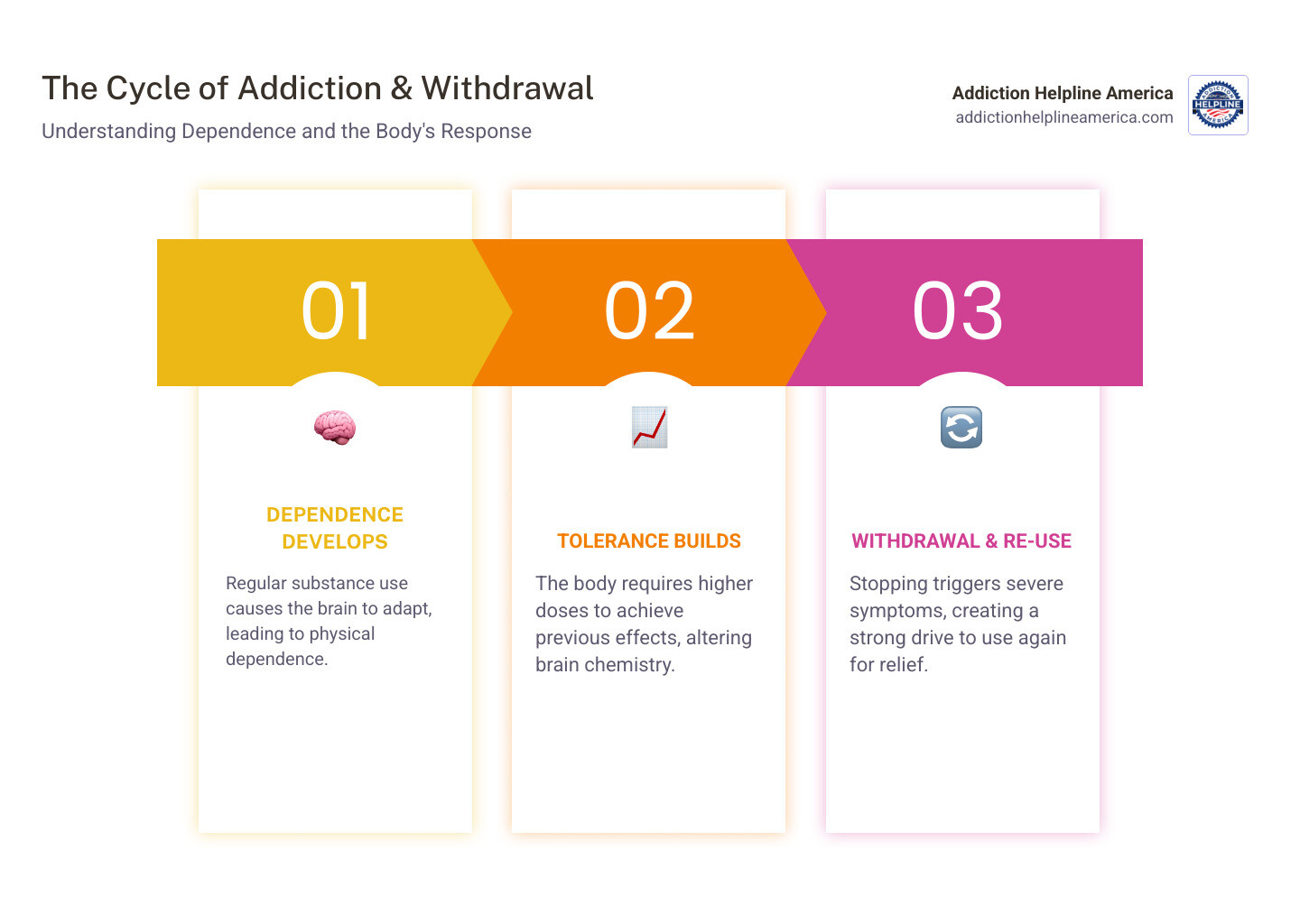
Drug withdrawal (detox) is the body’s physiological and psychological response when a substance is reduced or stopped after prolonged use. It signals physical dependence, which is different from addiction. As defined by the National Institute on Drug Abuse (NIDA), dependence is the body’s physical adaptation, while addiction (substance use disorder) involves compulsive drug-seeking despite harm.
Withdrawal happens because the brain adapts to a substance to maintain balance (homeostasis). It adjusts its chemistry to function with the drug present. When the drug is removed, the brain’s compensatory measures are left unbalanced, causing an intense, temporary imbalance that results in withdrawal symptoms. This is called neuroadaptation.
Dr. George Koob, Director of the National Institute on Alcohol Abuse and Alcoholism (NIAAA), explains this imbalance: “The negative emotional state of withdrawal comes from the activation of stress systems in the extended amygdala and a deficit in the reward systems in the basal forebrain.”
Let’s look at some key neurotransmitters involved, as detailed in scientific research on neurotransmitter systems:
- GABA & Glutamate: Alcohol and benzodiazepines enhance GABA, the brain’s calming neurotransmitter. During withdrawal, reduced GABA and rebounding glutamate (an excitatory neurotransmitter) cause hyperactivity, leading to anxiety, tremors, and seizures.
- Dopamine: Many drugs increase dopamine, causing pleasure. In withdrawal, dopamine levels crash, leading to depression, inability to feel pleasure (anhedonia), and intense cravings.
- Opioids and Nicotinic Receptors: Opioids and nicotine affect specific receptors for pain and pleasure. Withdrawal dysregulates these systems, causing unique symptoms.
The “rebound effect” is a common theme in withdrawal, where symptoms the drug initially suppressed return with greater intensity. For example, someone taking a sedative for insomnia might experience “rebound insomnia” that is worse than their original sleep problems after stopping. Understanding these underlying neurobiological mechanisms helps explain why withdrawal can be so challenging and dangerous.
The Spectrum of Withdrawal: Common and Dangerous Symptoms
The effects of drug withdrawal vary based on the drug, usage patterns, and individual health, ranging from mild discomfort to life-threatening conditions. Medical supervision is essential to manage risks like dehydration from vomiting, electrolyte imbalances, and malnutrition, as outlined by the Substance Abuse and Mental Health Services Administration (SAMHSA).
Common Physical Symptoms of Withdrawal
When the body struggles to rebalance, it often expresses this through distressing physical symptoms:
- Nausea and Vomiting: Common with opioid and alcohol withdrawal, leading to dehydration.
- Sweating: Excessive perspiration, often with chills or hot flashes.
- Shaking and Tremors: Involuntary muscle movements, from fine tremors to severe shaking.
- Headaches: Often severe and persistent.
- Muscle Aches and Pains: Generalized body aches, particularly with opioid withdrawal.
- Fatigue: Profound tiredness and lack of energy.
- Insomnia: Difficulty falling or staying asleep.
- Intense Cravings: A powerful, overwhelming urge to use the substance again, a primary driver of relapse.
For instance, a study published in the journal Addiction found that over 85% of smokers who attempted to quit experienced at least one withdrawal symptom, highlighting how common these physical manifestations are.
Common Psychological Symptoms of Withdrawal
Beyond the physical, the brain’s readjustment also brings a wave of psychological challenges:
- Anxiety: Heightened feelings of worry, nervousness, or unease.
- Depression: Feelings of sadness and hopelessness. Suicidal ideation can occur, especially with stimulant or antidepressant withdrawal.
- Irritability and Agitation: Easily frustrated, short-tempered, and restless.
- Mood Swings: Rapid and unpredictable changes in emotional state.
- Poor Concentration: Difficulty focusing, remembering, or making decisions.
- Paranoia: Suspicion and distrust of others.
- Hallucinations: Experiencing sensory perceptions (seeing, hearing, feeling things) that aren’t real.
Dangerous and Potentially Lethal Effects of Drug Withdrawal
Some withdrawal symptoms are not just uncomfortable but life-threatening, especially without medical management. These severe effects of drug withdrawal highlight the need for professional care:
- Seizures: Common and dangerous during alcohol and benzodiazepine withdrawal, potentially leading to injury, brain damage, or death.
- Delirium Tremens (DTs): A medical emergency and severe form of alcohol withdrawal with confusion, hallucinations, rapid heart rate, and fever. Untreated, DTs can lead to seizures and death, with a mortality rate that can exceed 15% according to research in the New England Journal of Medicine.
- Cardiac Complications: Irregular heart rhythms, rapid heart rate, and high blood pressure can increase the risk of heart attack or stroke.
- Respiratory Failure: Some withdrawal syndromes or complications from seizures can lead to respiratory depression or arrest.
- Suicidal Ideation: The intense psychological distress and depression during withdrawal can significantly increase the risk of suicide, a danger highlighted by the National Institutes of Health (NIH).
The risks of unmanaged withdrawal are too high to ignore. Professional medical help ensures these dangerous symptoms are anticipated, monitored, and treated effectively, turning a potentially fatal process into a safe first step toward recovery.
Withdrawal Timelines and Symptoms for Common Substances
The duration and intensity of drug withdrawal are highly variable, influenced by factors outlined by the National Institute on Drug Abuse (NIDA):
- Type of Substance: Different drugs have distinct withdrawal profiles.
- Drug Half-Life: Shorter half-lives often mean faster, more intense withdrawal.
- Usage Patterns: Amount, frequency, and duration of use impact severity.
- Individual Health: Overall physical and mental health, age, and genetics play a role.
- Acute vs. Protracted Withdrawal (PAWS): Acute symptoms may resolve in weeks, but PAWS can linger for months or years.
This table, based on data from SAMHSA’s Treatment Improvement Protocol (TIP) 45, shows general timelines for common substances:
| Substance | Onset of Symptoms | Peak Symptoms | Duration of Acute Withdrawal | Potential for Protracted Withdrawal (PAWS) |
|---|---|---|---|---|
| Alcohol | 6-12 hours | 24-72 hours | 5-7 days | Weeks to months |
| Opioids | 8-24 hours (short-acting) | 1-3 days | 4-10 days (short-acting) | Months |
| 2-4 days (long-acting) | 3-8 days | 3-6 weeks (long-acting) | ||
| Benzos | 1-4 days (short-acting) | First 2 weeks | Weeks to months | Months to years |
| Stimulants | Hours to days | 2-4 days | 5-7 days | Weeks to months |
Alcohol Withdrawal
As a central nervous system depressant, alcohol affects the brain’s GABA and glutamate systems. When drinking stops, the brain rebounds with over-excitability, causing these symptoms:
- 6-12 hours: Anxiety, hand tremors, nausea, vomiting, headache, and insomnia.
- 12-24 hours: Alcoholic hallucinosis (visual, auditory, or tactile hallucinations).
- 24-48 hours: Withdrawal seizures (typically generalized tonic-clonic).
- 48-72 hours: Delirium Tremens (DTs), the most severe stage, can set in. This involves profound confusion, agitation, fever, rapid heart rate, and vivid hallucinations.
The acute phase lasts 5-7 days, but some symptoms can linger for months. The risks are significant, with the NIAAA reporting that up to 40% of ICU patients experience alcohol withdrawal. Learn more in our Alcohol Addiction Complete Guide.
Opioid Withdrawal
Opioids affect pain and reward pathways. While opioid withdrawal is rarely life-threatening, the severe discomfort often leads to relapse and overdose risk. According to the 2021 National Survey on Drug Use and Health, 9.2 million people misused opioids in the past year. Symptoms often resemble a severe flu:
- Physical Symptoms: Muscle aches, bone pain, cramping, nausea, vomiting, diarrhea, dilated pupils, yawning, runny nose, and sweating.
- Psychological Symptoms: Intense cravings, anxiety, irritability, and insomnia.
The timeline varies by opioid type:
- Short-acting (e.g., heroin): Symptoms start in 8-24 hours, peak in 1-3 days, and last 4-10 days.
- Long-acting (e.g., methadone): Symptoms start in 2-4 days, peak in 3-8 days, and can last for weeks.
Healthcare professionals use tools like the Clinical Opiate Withdrawal Scale (COWS) to guide treatment. For more, see our Suboxone Withdrawal Symptoms Complete Guide.
Benzodiazepine & Stimulant Withdrawal
Benzodiazepines (Depressants): Prescribed for anxiety (e.g., Xanax, Valium), their withdrawal is extremely dangerous, similar to alcohol, with a high risk of seizures.
- Symptoms: Anxiety, panic attacks, insomnia, muscle spasms, tremors, and potentially fatal seizures.
- Timeline: Symptoms begin within 1-4 days, peaking in the first two weeks. Protracted withdrawal can last for months or years. A slow, medically supervised taper is crucial.
Stimulants (e.g., Cocaine, Adderall): Stimulant withdrawal is less physically dangerous but can be psychologically severe, often called a “crash.”
- Symptoms: Intense depression, lethargy, fatigue, anhedonia (inability to feel pleasure), increased appetite, and intense cravings.
- Timeline: Symptoms begin within hours to days, peak in 2-4 days, and resolve in about a week. Psychological symptoms like depression can persist for months, increasing relapse risk.
For more, see our guides on Adderall Withdrawal Symptoms Complete Guide and Detox for Cocaine.
Safely Managing Withdrawal: The Critical Role of Medical Detox
Detoxing “cold turkey” is dangerous, especially with alcohol and benzodiazepines, due to risks like seizures. For other drugs, severe discomfort can lead to relapse. Professional medical detox is a critical necessity for safety, providing a secure environment where medical professionals manage symptoms and prevent complications.

What to Expect in a Medical Detox Program
In a medical detox program, you can expect a structured environment focused on safety and comfort, as outlined in SAMHSA’s Treatment Improvement Protocol (TIP) 45:
- Initial Assessment: A team conducts a thorough medical and psychological assessment of your substance use history and health to create a personalized detox plan.
- 24/7 Monitoring: Medical staff provide 24/7 monitoring of vital signs and symptoms, adjusting treatment as needed to prevent complications.
- Symptom Management: The goal is to ease the effects of drug withdrawal. Medications are used to reduce cravings, pain, and anxiety, prevent seizures, and aid sleep.
- Safe and Supportive Environment: Detox centers offer a calm, drug-free environment away from triggers, allowing you to focus on healing.
- Transition to Further Treatment: Detox is the first step, not a complete solution. The team helps you plan for ongoing treatment like inpatient or outpatient rehab. Addiction Helpline America specializes in connecting you to these next steps. Learn more at our medical detox services.
Medications Used to Ease the Effects of Drug Withdrawal
Medications, administered under medical supervision, are vital for a safe and comfortable detox. They are custom to the individual and substance, with options approved by the U.S. Food and Drug Administration (FDA).
- Benzodiazepines: Often used for alcohol withdrawal to prevent seizures and DTs (e.g., diazepam, lorazepam). Also used in a slow taper for benzodiazepine withdrawal.
- Buprenorphine and Methadone: Long-acting opioids used to reduce cravings and symptoms during opioid withdrawal, often as part of long-term Medication-Assisted Treatment (MAT).
- Clonidine and Lofexidine: Non-opioid medications that reduce many autonomic symptoms of opioid withdrawal like anxiety, sweating, and rapid heart rate.
- Anticonvulsants (e.g., Carbamazepine, Gabapentin): May be used as alternatives to benzodiazepines for alcohol withdrawal to help prevent seizures.
- Supportive Medications: Anti-nausea drugs, non-benzodiazepine sleep aids, and non-opioid pain relievers may be used to manage specific symptoms.
The Interprofessional Team Approach
Managing withdrawal requires a collaborative, interprofessional team to address an individual’s complex needs, ensuring comprehensive care and better outcomes. As the American Society of Addiction Medicine (ASAM) states, this team-based approach is the standard of care for treating the multifaceted nature of addiction.
This team typically includes:
- Doctors: Oversee medical care, prescribe medications, and treat co-occurring conditions.
- Nurses: Provide 24/7 care, monitor vitals, administer medications, and offer support.
- Therapists and Counselors: Address psychological aspects and help develop coping strategies.
- Social Workers: Assist with discharge planning and connection to ongoing resources.
- Pharmacists: Ensure appropriate medication selection and dosing.
This collaborative approach ensures all aspects of a person’s well-being are addressed. At Addiction Helpline America, we connect you with facilities that use this team-based approach, recognizing that holistic care is the cornerstone of successful recovery.
Life After Withdrawal: Prognosis and Long-Term Recovery
Completing detox is a huge achievement, but it’s only the first step. It addresses the physical effects of drug withdrawal but not the root causes of addiction. Long-term prognosis depends on continued treatment and a strong support system. Recovery is an ongoing journey of therapy, support, and lifestyle changes.
Understanding Post-Acute Withdrawal Syndrome (PAWS)
After acute withdrawal, many experience Post-Acute Withdrawal Syndrome (PAWS)—lingering, fluctuating symptoms that can last for months or years as the brain heals. The Semel Institute for Neuroscience and Human Behavior at UCLA describes PAWS as a key part of the recovery process.
Common symptoms of PAWS include:
- Mood Swings: Unpredictable shifts in mood.
- Low Energy and Fatigue: Persistent tiredness.
- Sleep Issues: Insomnia or disrupted sleep.
- Anxiety and Panic Attacks: Recurrent feelings of unease or fear.
- Difficulty Concentrating and Memory Problems: Cognitive fog and impaired focus.
- Increased Stress Reactivity: Feeling easily overwhelmed.
- Cravings: Less intense but still powerful urges to use.
Coping with PAWS involves healthy habits like exercise and stress management, plus ongoing therapy. Knowing PAWS is a normal part of healing helps prevent discouragement. Learn more in our info about long-term recovery programs.
Building a Foundation for Lasting Sobriety
Lasting recovery requires continued therapy and lifestyle changes. After detox, a comprehensive treatment program is crucial to address the psychological and behavioral aspects of addiction. According to NIDA’s Principles of Effective Treatment, no single treatment is right for everyone, and it must address multiple needs, not just drug use.
Key components often include:
- Individual Therapy: Using methods like Cognitive Behavioral Therapy (CBT) and Dialectical Behavior Therapy (DBT) to identify triggers and develop coping skills.
- Group Therapy: Providing a supportive community for sharing experiences.
- Family Counseling: Mending relationships and teaching families how to support recovery.
- Support Groups: Programs like Alcoholics Anonymous (AA) and Narcotics Anonymous (NA) offer peer support and a structured path.
- Life Skills Training: Developing practical skills for daily living.
Finding the right program can be daunting. Addiction Helpline America connects you to a nationwide network of treatment centers, from Alabama to California and beyond. Our free, confidential service provides personalized guidance to find a program that fits your needs.
Frequently Asked Questions about Drug Withdrawal
Can you detox from drugs at home?
At-home detox is not recommended and can be extremely dangerous. As confirmed by the World Health Organization (WHO), withdrawal from alcohol and benzodiazepines can cause fatal effects of drug withdrawal like seizures. For any substance, the intense discomfort can lead to relapse. Medical supervision is crucial for safety. Contact Addiction Helpline America for confidential guidance and connection to medical detox facilities.
How long does post-acute withdrawal syndrome (PAWS) last?
The duration of PAWS varies greatly, lasting from months to years after acute withdrawal ends. According to experts at the Semel Institute at UCLA, symptoms like mood swings and low energy tend to decrease in intensity and frequency over time. A healthy lifestyle and consistent engagement in therapy and support groups are key to managing PAWS.
What is the first step to getting help for drug withdrawal?
The first step is acknowledging you need help and reaching out to a professional, like a doctor or a helpline. SAMHSA’s National Helpline is a primary resource for this. Addiction Helpline America offers a similar free, confidential assessment to connect you with the right resources. We can guide you to a medical detox program custom to your needs, no matter where you are. Don’t hesitate to seek help.
Conclusion
Understanding the effects of drug withdrawal is vital for sobriety. It’s a complex process with a wide range of physical and psychological symptoms. While some are uncomfortable, withdrawal from substances like alcohol and benzodiazepines can be lethal without medical help, a fact underscored by health authorities like the World Health Organization (WHO).
You don’t have to face this alone. Medical detox provides a safe, supervised setting to manage symptoms with 24/7 care. It’s the first step toward long-term recovery, which includes comprehensive treatment for addiction’s psychological aspects and managing Post-Acute Withdrawal Syndrome (PAWS).
Recovery is not just possible; it’s a reality for countless individuals. At Addiction Helpline America, we are here to offer free, confidential, and personalized guidance, connecting you to the right recovery program within our nationwide network of trusted treatment centers. Whether you’re in California, Florida, Texas, or any of the other states we serve, we are dedicated to helping you take that crucial first step.
Your journey to healing and a healthier future can begin today. Contact us for personalized guidance and let us help you find the support you deserve.