
Understanding Detoxification: The Essential First Step in Addiction Recovery
Detox for addiction is the medically supervised process of safely clearing alcohol or drugs from your body while managing withdrawal symptoms. Here’s what you need to know:
Key Facts About Detox:
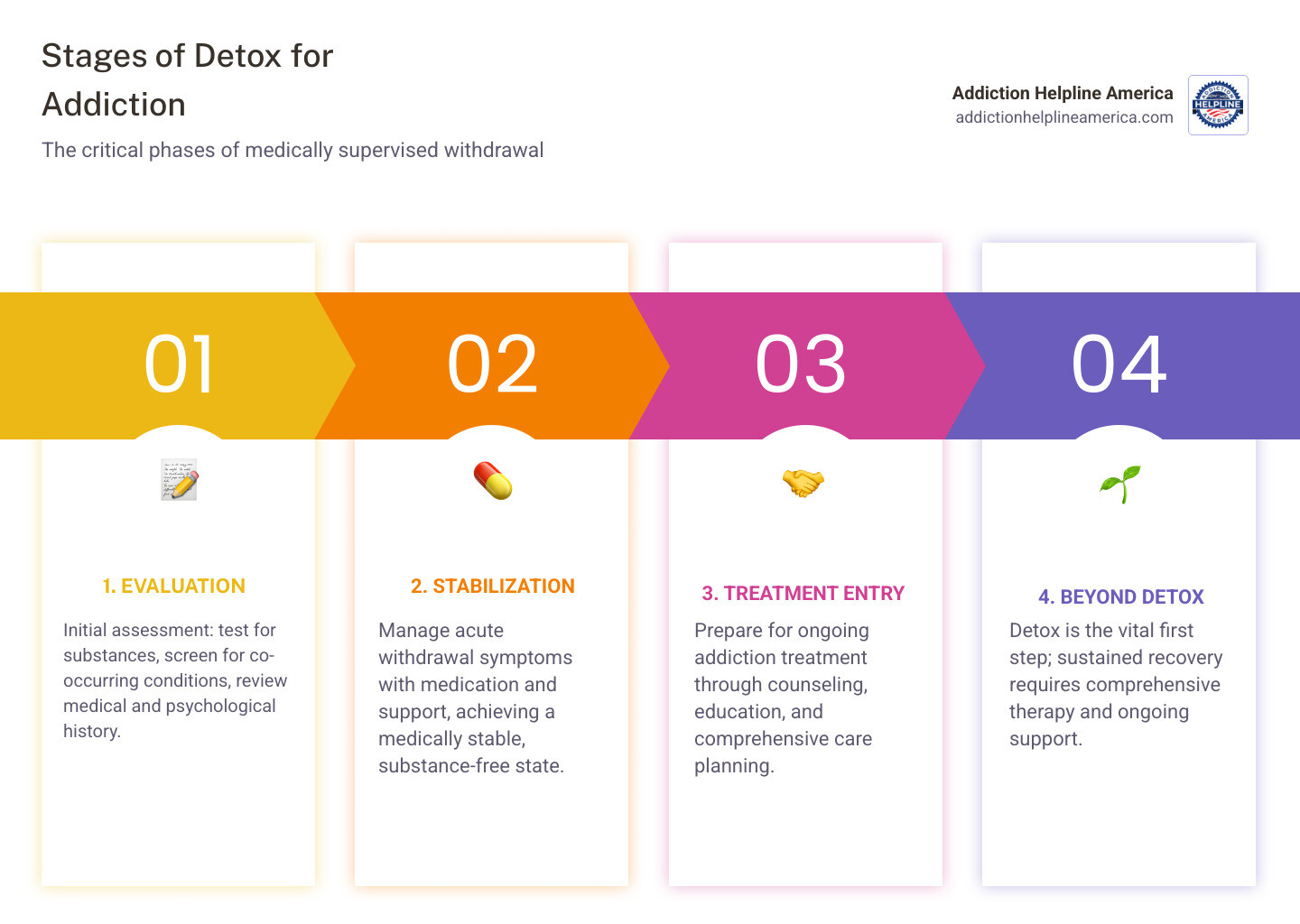
- What it is: A set of interventions to manage acute intoxication and withdrawal, comprising evaluation, stabilization, and preparation for treatment, as defined by the Substance Abuse and Mental Health Services Administration (SAMHSA).
- Duration: Typically 3-10 days (average 7-10 days), though some substances require longer, according to SAMHSA’s Treatment Improvement Protocol (TIP) 45.
- Why it’s needed: Physical dependence causes your body to experience withdrawal when you stop using substances.
- Safety: Medical supervision prevents life-threatening complications like seizures or delirium tremens, which can occur during alcohol or benzodiazepine withdrawal.
- Important: Detox alone is not addiction treatment. The National Institute on Drug Abuse (NIDA) states that detox is a critical first step, but it must be followed by a formal assessment and comprehensive treatment to be effective.
If you or someone you love is struggling with addiction, detox for addiction is often where recovery begins. But it can feel overwhelming to understand what happens during this process, why medical supervision matters, and what comes next.
The truth is straightforward: when your body becomes dependent on alcohol or drugs, stopping suddenly can be uncomfortable—and sometimes dangerous. Your brain has adapted to the presence of these substances, and when they’re removed, withdrawal symptoms emerge. These can range from mild anxiety and nausea to severe complications like seizures or hallucinations, depending on the substance and level of dependence.
Medical detoxification provides the safety net you need. Healthcare professionals monitor your vital signs around the clock, administer medications to ease symptoms, and ensure you’re stable before moving to the next phase of recovery. As NIDA emphasizes in its Principles of Drug Addiction Treatment, patients who enter treatment after detox are significantly more likely to achieve long-term recovery.
At Addiction Helpline America, we’ve guided thousands of individuals and families through the critical decision of finding the right detox program, understanding that this first step can literally save lives. Our free and confidential service connects you with evidence-based treatment options custom to your unique situation, because we know that successful detox is the foundation for lasting recovery.
Detox for addiction further reading:
Understanding Withdrawal: Symptoms, Timelines, and Dangers
When a person develops a physical dependence on a substance, their body and brain adapt to its presence. When the substance is removed, the body struggles to readjust, leading to a range of physical and psychological withdrawal symptoms. The intensity and duration of these symptoms vary based on the substance, usage history, and individual health, making medical supervision crucial.
Common withdrawal symptoms include:
- Physical: Nausea, vomiting, sweating, tremors, body aches, and headaches.
- Psychological: Anxiety, irritability, insomnia, depression, and difficulty concentrating.
In some cases, protracted withdrawal can occur, with symptoms like mood swings and anxiety lasting for weeks or months. For a comprehensive overview, see Chapter 3, An Overview of Psychosocial and Biomedical Issues During Detoxification.
Alcohol Withdrawal Syndrome and Delirium Tremens (DTs)
Alcohol withdrawal syndrome (AWS) occurs when someone with alcohol dependence stops or reduces their drinking. Symptoms range from mild to life-threatening.
Common symptoms of alcohol withdrawal include:
- Anxiety and nervousness
- Headaches
- Nausea and vomiting
- Insomnia
- Tremors (shaking hands)
- Sweating
- Heart palpitations
Severe cases can lead to hallucinations, seizures, and Delirium Tremens (DTs), a medical emergency characterized by severe confusion, agitation, and high blood pressure. According to research published by the National Library of Medicine, DTs can be fatal without immediate medical care, which is why professional detox is essential for alcohol dependence. For more detailed information on this critical condition, you can consult Alcohol Withdrawal research from StatPearls and Delirium Tremens, ScienceDirect. If you or a loved one needs help with alcohol dependence, we can connect you with resources like those found in our Best Alcohol Detox Centers Guide.
Drug Withdrawal Symptoms by Substance
Just as with alcohol, drug withdrawal symptoms vary significantly depending on the substance, the individual’s physiology, and their history of use. Below is a table summarizing common withdrawal symptoms and typical timelines for some frequently abused substances, with information sourced from the National Institute on Drug Abuse (NIDA) and the Substance Abuse and Mental Health Services Administration (SAMHSA).
| Substance | Common Withdrawal Symptoms –
| Opioids (Heroin, Fentanyl, Prescription Painkillers) | Symptoms often resemble a severe flu, including muscle aches, nausea, vomiting, diarrhea, sweating, and intense cravings. While not typically life-threatening, withdrawal can be extremely uncomfortable, leading to a high risk of relapse without medical support. Symptoms usually begin within 6-12 hours and peak within 72 hours. (Source: SAMHSA) |
| Benzodiazepines (Xanax, Valium, Klonopin) | Withdrawal can be dangerous and potentially life-threatening, with risks of seizures, hallucinations, and severe anxiety. Other symptoms include insomnia, tremors, and heart palpitations. A medically supervised taper is crucial to prevent severe complications. The timeline can be prolonged, lasting weeks or even months. (Source: NIDA) |
| Stimulants (Cocaine, Methamphetamine, Adderall) | Withdrawal is primarily psychological, characterized by a ‘crash’ that includes severe depression, fatigue, anxiety, and intense cravings. While not physically dangerous, the psychological distress can be overwhelming and lead to suicidal thoughts. (Source: NIDA) |
| Cannabis (Marijuana, THC) | Often considered milder, but can still be significant. Symptoms include irritability, anxiety, sleep disturbances, decreased appetite, and physical discomfort. These symptoms can make quitting difficult without support. (Source: NIDA) |
Choosing Your Path: Detox Programs and Long-Term Treatment
Completing detox is a critical first step, but it’s not a cure for addiction. While detox addresses the physical dependence, the underlying psychological and behavioral issues require ongoing treatment. Research published in the Journal of Substance Abuse Treatment confirms that patients who transition directly from detox to a comprehensive treatment program have a significantly lower risk of relapse. This makes a seamless transition to continued care essential for long-term recovery. You can find more information on this transition at Transitioning From Detoxification to Substance Use Disorder Treatment.
Detox Centers vs. Comprehensive Rehab Facilities
Understanding the difference between a detox center and a full rehabilitation facility is vital for choosing the right path to recovery.

- Detox Centers (Withdrawal Management): These facilities specialize in safely managing acute withdrawal symptoms. Their primary focus is medical stabilization through 24/7 monitoring and medication. Detox is typically short-term (7-10 days) and prepares you for the next stage of treatment.
- Comprehensive Rehab Facilities: These centers offer a full continuum of care, often including detox, followed by intensive therapy (individual and group), counseling, and aftercare planning. This approach addresses the root causes of addiction and is essential for lasting recovery. Treatment can be inpatient (residential) or outpatient.
The American Society of Addiction Medicine (ASAM) provides a framework for different levels of care to ensure you find the right fit. You can learn more about these levels of care at the ASAM website. Many facilities in our network integrate detox into a complete treatment program, ensuring a smooth transition to long-term recovery.
Special Considerations and Risks
While medical detox is the safest approach, there are important factors to consider:
- Detox During Pregnancy: This requires specialized medical supervision to protect both the mother and the baby. According to the American College of Obstetricians and Gynecologists (ACOG), a coordinated, compassionate approach is essential, as abrupt cessation can pose risks. A carefully managed plan is vital.
- Rapid and Ultra-Rapid Detox: These accelerated methods carry significant risks. SAMHSA’s Treatment Improvement Protocol 45 warns that these unproven procedures are associated with a higher risk of adverse events and even death. They are often expensive, not covered by insurance, and have a high relapse rate.
- Co-occurring Mental Health Disorders: According to the National Institute on Drug Abuse (NIDA), about half of individuals with a substance use disorder also have a co-occurring mental health condition like depression or anxiety. A comprehensive detox program must include a mental health assessment to address these dual diagnoses, which is crucial for successful recovery.
By successfully completing a medically supervised detox, you create a stable foundation for the real work of recovery. This allows you to engage fully in the therapeutic process, develop coping skills, and build a new, sober life. If you’re ready to take this vital step, our Ultimate Detox Facility Near Me Guide can help you find the right program.
Frequently Asked Questions about Detox
We understand that you likely have many questions about detox for addiction. Here are answers to some of the most common ones.
How long does the detox process last?
The duration of detox varies, but as noted by SAMHSA, it typically lasts between 7 and 10 days. The exact timeline depends on several factors, including:
- The substance used (e.g., alcohol withdrawal can differ from opioid withdrawal)
- The duration and intensity of substance use
- The individual’s overall physical and mental health
Detox addresses the initial, acute phase of withdrawal. However, some psychological symptoms (known as Post-Acute Withdrawal Syndrome or PAWS) can last for weeks or months. According to UCLA’s Semel Institute for Neuroscience, this is due to the brain gradually returning to normal after long-term substance use, which is why ongoing treatment is so important.
How much does detox cost and does insurance cover it?
The cost of detox for addiction varies based on the length of stay, level of care, and location. Fortunately, the Mental Health Parity and Addiction Equity Act (MHPAEA) and the Affordable Care Act (ACA) require most health plans to cover addiction treatment, including detox, as an essential health benefit. Medicare and Medicaid also offer coverage options.
At Addiction Helpline America, we can help you understand your insurance benefits and find a treatment center that fits your budget. Our service is free and confidential. For more information on government-funded options, visit Medicaid.gov.
Why is a mental health assessment so important during detox?
A mental health assessment is a critical part of the detox process, as outlined in the ASAM Criteria for patient placement. Here’s why:
- Identifying Co-occurring Disorders: As stated by NIDA, many people with substance use disorders also have underlying mental health conditions like depression or anxiety (dual diagnosis).
- Managing Withdrawal Symptoms: Withdrawal involves intense psychological symptoms, such as anxiety and depression, which require professional support.
- Assessing Risk: It helps the medical team evaluate the risk of self-harm and implement safety measures according to established clinical protocols.
- Creating a Personalized Treatment Plan: A thorough assessment ensures that both the addiction and any co-occurring mental health issues are treated simultaneously, which is key to long-term recovery.
Conclusion: Life After Detox and Finding Help
Completing detox for addiction is a monumental achievement, a powerful first step on the path to recovery. It signifies that you have successfully navigated the challenging initial phase of physical withdrawal, clearing your body of harmful substances and achieving a state of medical stability. But it’s crucial to remember that detox is not the finish line; it is merely the starting gate for a much longer, transformative journey.
The journey to recovery is a continuous process of healing, learning, and growth. Addiction is recognized as a complex, treatable disease, not a moral failing, a position strongly supported by the American Medical Association (AMA) in its official policies. This understanding underpins our approach: substance dependence is a disease that requires comprehensive, ongoing treatment, just like any other chronic illness.
After detox, the real work of addressing the psychological roots of addiction begins. This involves engaging in various forms of therapy, such as individual counseling, group therapy, and behavioral therapies, to develop coping mechanisms, process past traumas, and build a strong foundation for a sober life. As SAMHSA’s working definition of recovery states, “Recovery is a process of change through which individuals improve their health and wellness, live a self-directed life, and strive to reach their full potential.”
The long-term benefits of successful withdrawal management, followed by comprehensive treatment, are immeasurable: improved physical health, renewed mental clarity, stronger relationships, and the ability to pursue a life filled with purpose and joy.
At Addiction Helpline America, we are dedicated to helping you steer every step of this journey. We offer free, confidential, and personalized guidance to connect you with the right recovery program from our vast network of treatment centers nationwide. Whether you’re looking for inpatient care, outpatient services, or specialized programs, we are here to ensure you find the support that best suits your needs. Your successful detox is the beginning of a new chapter, and we are here to help you write it.
For a comprehensive resource to guide your next steps, explore our complete guide to drug detox facilities and start your recovery journey.