
Taking the First Step Toward Healing
Get help for addiction by calling a national helpline, using an online treatment locator, or contacting your healthcare provider. Here are your immediate options:
- Call SAMHSA’s National Helpline: 1-800-662-HELP (4357) – Free, confidential, 24/7 support in English and Spanish
- Text for Help: Send your zip code to HELP4U (435748) for local referrals
- Crisis Support: Call or text 988 for immediate mental health emergencies
- Find Treatment: Visit FindTreatment.gov to search for nearby facilities
- Contact Addiction Helpline America: Free, confidential guidance custom to your needs
If you or someone you love is struggling with substance use, you’re not alone. According to the 2022 National Survey on Drug Use and Health (NSDUH), over 48 million Americans aged 12 and older are living with a substance use disorder. Recovery is possible, and treatment works, but taking the first step is often the hardest part.
Many people delay getting help because they don’t know where to start, fear judgment, or worry about cost. This guide cuts through that confusion. We’ll walk you through recognizing the signs of addiction, finding the right treatment, understanding your options, and building a support system that lasts.
Addiction Helpline America has connected thousands of individuals and families with confidential, compassionate support and effective treatment pathways. We specialize in helping people get help for addiction by providing free, personalized guidance 24/7, no matter where you are in your journey.
Get help for addiction terms you need:
- how much do drug rehab centers cost
- comprehensive rehab programs
- what drug rehab centers accept medicaid
Recognizing the Need for Help: Signs of Addiction
Before you can get help for addiction, it’s crucial to recognize the signs. A substance use disorder (SUD) is a complex condition where a person has trouble controlling their use of drugs or alcohol, despite negative consequences. The signs can be physical, behavioral, and psychological. According to Mayo Clinic experts, a diagnosis requires a thorough evaluation by a qualified professional.
Here are some common warning signs:
- Physical Signs: Look for changes in appearance like poor hygiene, unexplained weight changes, or different pupil sizes. Frequent illnesses, injuries, or the presence of drug paraphernalia are also red flags.
- Behavioral and Personality Changes: A person struggling with addiction may become secretive, lie about their activities, have sudden mood swings, or withdraw from friends and family. They might lose interest in hobbies and become defensive when asked about their substance use.
- Psychological Symptoms: Addiction often co-occurs with mental health issues like anxiety, depression, or paranoia. Many use substances to self-medicate, creating a difficult cycle to break.
- Neglecting Responsibilities: A key indicator of SUD is when substance use takes priority over work, school, or family obligations.
- Financial and Legal Issues: Unexplained debt, borrowing money, or legal problems like DUIs can signal a problem.
If you recognize these signs in yourself or a loved one, it’s a strong indicator that it’s time to get help for addiction. Understanding How to Tell if Someone is Using Drugs is the first step towards intervention and recovery.
List of Common Warning Signs of Addiction:
These common warning signs are adapted from the diagnostic criteria for Substance Use Disorders outlined by the National Institute on Drug Abuse (NIDA).
- Increased tolerance, meaning needing more of the substance to achieve the desired effect.
- Experiencing withdrawal symptoms when substance use stops or is reduced.
- Loss of control over substance use, using more or for longer than intended.
- Unsuccessful attempts to cut down or stop using the substance.
- Spending a significant amount of time obtaining, using, or recovering from the substance.
- Giving up important social, occupational, or recreational activities because of substance use.
- Continuing substance use despite knowing it causes or worsens physical or psychological problems.
- Neglecting responsibilities at home, work, or school.
- Engaging in risky behaviors while under the influence.
- Cravings for the substance that are intense and overwhelming.
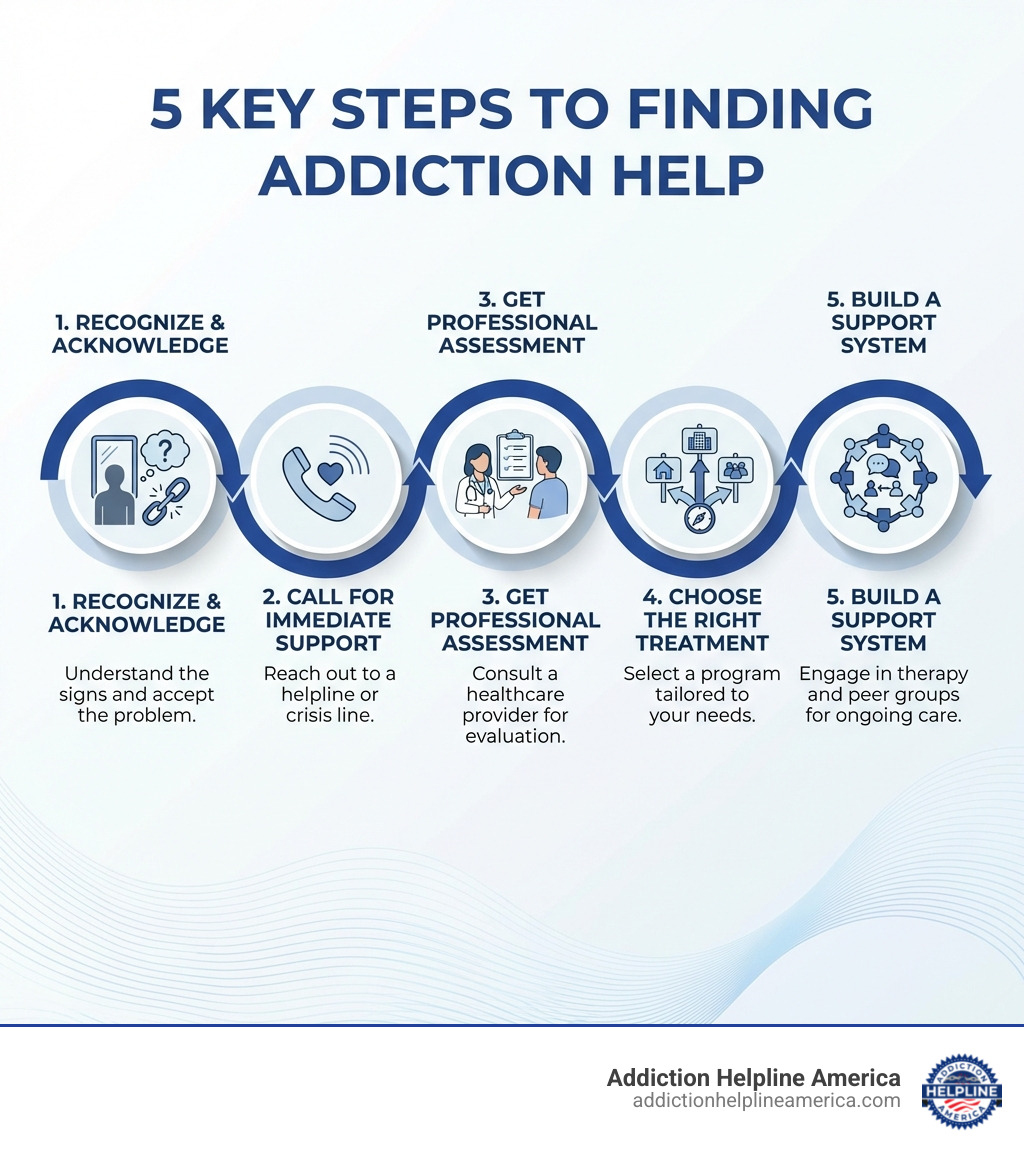
Your First Steps: How to Get Help for Addiction
The decision to get help for addiction is monumental, but you don’t have to do it alone. The Substance Abuse and Mental Health Services Administration (SAMHSA) provides extensive resources confirming that help is readily available for the millions of Americans with substance use disorders.
Immediate Crisis Support and Helplines
If you or someone you know is in crisis, contact these free, confidential resources immediately:
- Call or Text 988: This is the 988 Suicide & Crisis Lifeline, offering immediate support for mental health and substance use emergencies.
- SAMHSA’s National Helpline: Call 1-800-662-HELP (4357) or text your zip code to HELP4U (435748) for 24/7 treatment referrals and information.
These helplines provide a safe, anonymous space to get initial guidance. For more, see our Immediate Addiction Help resources.
The Importance of a Substance Use Assessment
A professional assessment is a critical first step. A psychiatrist, psychologist, or licensed drug and alcohol counselor can evaluate the severity of the addiction and any co-occurring mental health disorders. This evaluation, as noted by Mayo Clinic, is key to creating a personalized treatment plan.
How to Find a Treatment Center or Professional Near Me
Finding the right treatment can feel overwhelming, but resources are available. Addiction Helpline America offers free, confidential guidance to connect you with a program from our vast network.
- FindTreatment.gov: SAMHSA’s tool for finding substance use and mental health facilities.
- SAMHSA’s Locators: Use the Alcohol Treatment Navigator or the Opioid Treatment Program Directory for specialized care.
- Local Health Centers: Many local centers, like those in our network from Los Angeles to Miami, offer comprehensive services. Use the Find a Health Center tool to locate one near you.
For more help, see our Find Right Rehab Facility Guide and state-specific guides such as Best New Jersey Addiction Treatment Centers.
Preparing for an Appointment with a Healthcare Provider about Addiction
To make the most of your first appointment, be prepared. As Mayo Clinic experts suggest, you should:
- Be Honest: Be completely open about your substance use history, including what you use, how often, and any past attempts to quit.
- List Symptoms: Note any physical or psychological symptoms you’ve experienced.
- Prepare Questions: Ask about treatment options, costs, and what to expect.
- Bring Support: Consider bringing a trusted friend or family member for support and to help you remember information.
This appointment is a crucial step. Your honesty will help your provider create the most effective treatment plan for you.
Understanding Your Treatment Options
When you decide to get help for addiction, there is no single solution for everyone. Effective treatment is personalized, considering the substance used, addiction severity, and any co-occurring mental health disorders. As Mayo Clinic states, your treatment plan will depend on your specific needs. At Addiction Helpline America, we advocate for Evidence-Based Rehab and integrated care for co-occurring disorders like depression or anxiety, as noted by experts at Atrium Health. Our Treatment Options page offers a broader look at the various pathways available.
Inpatient vs. Outpatient Treatment
One of the first decisions is choosing between inpatient and outpatient treatment.
- Inpatient (Residential) Treatment: This involves living at a facility for 24/7 medical and emotional support in a structured, trigger-free environment. It’s best for those with severe addiction or co-occurring disorders. Learn more in our 90-Day In-patient Rehab Programs Guide.
- Outpatient Treatment: This option allows you to live at home while attending treatment sessions. It offers more flexibility for work or school commitments and is suitable for those with milder addictions and a strong support system. Explore our Outpatient Drug Rehab Complete Guide.
For a detailed comparison, see our guide on Inpatient and Outpatient Rehab.
The Role of Detoxification and Withdrawal Management
For many, treatment begins with detoxification (detox), which safely manages the physical symptoms of withdrawal. Since withdrawal can be uncomfortable and sometimes dangerous, medically supervised detox is often recommended. This can be done in an inpatient or outpatient setting, depending on the substance and individual health needs. Our Detoxification Process and Drug Detox Programs Guide provide more information.
Medication-Assisted Treatment (MAT)
MAT combines medications with counseling to treat substance use disorders, particularly for opioids. As SAMHSA highlights, MAT helps normalize brain function, reduce cravings, and alleviate withdrawal symptoms. Medications like Buprenorphine, Methadone, and Naltrexone are used to support recovery, not as a cure. They enable individuals to engage more fully in therapy. For more details, visit our Medication-Assisted Treatment Information.
The Role of Therapy and Counseling
Therapy is a cornerstone of addiction treatment. A psychologist or licensed counselor can help you understand the root causes of addiction and develop coping strategies. Common approaches include:
- Individual, Group, and Family Therapy: These formats help address personal issues, build a peer support network, and heal family relationships.
- Cognitive Behavioral Therapy (CBT): Helps identify and change negative thought patterns and behaviors.
- Dialectical Behavior Therapy (DBT): Teaches mindfulness and emotional regulation skills.
- Motivational Interviewing: Helps build and strengthen the motivation to change.
Therapy addresses not just the addiction but also related life challenges. For more on mental health support, see our Mental Health Services Guide 2025.
Building a Support System for Lasting Recovery

Recovery is a continuous journey, and building a strong support system is critical for long-term success. Ongoing aftercare helps you steer daily life, manage stress, and prevent relapse. As SAMHSA defines it, recovery is a process of improving your health and wellness to reach your full potential. Explore our Recovery and Recovery Support resources to learn more.
Support Groups and How They Help in Recovery
Support groups provide a community of peers who understand the challenges of addiction, reducing the isolation that can lead to relapse.
- 12-Step Programs: Groups like Alcoholics Anonymous (A.A.) and Narcotics Anonymous (NA) use a structured, 12-step model for peer support.
- Alternatives to 12-Step Programs: Organizations like SMART Recovery offer a self-empowerment approach based on cognitive behavioral techniques.
- Family Support Groups: Addiction affects the whole family. Groups like Al-Anon, Nar-Anon, and Alateen provide support for loved ones.
Find a meeting near you with our local support group directory.
How to Support a Loved One Struggling with Addiction
Supporting a loved one requires patience, understanding, and healthy boundaries.
- Set Boundaries and Avoid Enabling: Establish clear limits on what you will and will not do. Avoid making excuses or providing financial support that could fuel the addiction.
- Communicate with Compassion: Express your concerns without judgment, focusing on how their substance use affects them and your relationship.
- Encourage Treatment: Gently but consistently encourage them to get help for addiction. Offer to help them find resources or make appointments.
- Seek Your Own Support: You are not alone. Family support groups like Al-Anon and Nar-Anon can provide you with coping strategies.
For more guidance, read our articles on How Can I Help Someone Who Is Struggling With Addiction? and Treatment for a Loved One.
Special Considerations and Resources
Different situations require specialized resources to get help for addiction effectively.
Resources for Adolescents and Young Adults
Adolescence is a critical period of brain development, making young people particularly vulnerable to substance use, as explained by the National Institute on Drug Abuse (NIDA). Treatment for this age group should be custom to their developmental stage and often involves family participation. It’s also vital to address co-occurring mental health conditions like ADHD or depression simultaneously. For opioid use disorder, SAMHSA confirms that buprenorphine is approved for those 16 and older. Our Principles of Drug Addiction Treatment guide outlines effective strategies for all ages.
Understanding Naloxone and Opioid Overdose
Naloxone (often known by the brand name Narcan) is a life-saving medication that can rapidly reverse an opioid overdose. According to NIDA, it works by blocking the effects of opioids, restoring normal breathing within minutes. Available as a nasal spray or injection, it can be administered by anyone in an emergency. In many states, naloxone is available without a prescription. Having it on hand can save a life. Learn more from our guide on Naloxone for Opioid Overdose: Life-Saving Science.
Workplace Support for Employees
Employers can play a key role in supporting employees with substance use disorders.
- Drug-Free Workplace Programs: SAMHSA’s Drug-Free Workplace Helpline (1-800-WORKPLACE) helps employers create supportive policies.
- Employee Assistance Programs (EAPs): Many companies offer EAPs, which provide confidential counseling and referrals for personal issues, including addiction.
A supportive work environment reduces stigma and encourages employees to seek help. Explore our Workplace Support Resources for more information.
Frequently Asked Questions about How to Get Help for Addiction
We understand that seeking help for addiction often comes with many questions. Here are answers to some common concerns.
What are the costs of addiction treatment, and is financial assistance available?
The cost of treatment varies, but financial barriers shouldn’t stop you from seeking help. Many options are available:
- Insurance: Most private insurance plans, as well as Medicaid and Medicare, provide coverage for addiction treatment.
- State-Funded Programs: Many states offer publicly funded treatment for those with limited resources.
- Sliding Scale Fees: Some centers adjust costs based on your income.
- Free Resources: Support groups like AA and NA are free, as are helplines like SAMHSA’s National Helpline.
Discuss payment options with treatment centers and explore our How Much Drug Rehab Centers Guide and Free Addiction Resources for more information.
What is the importance of aftercare and ongoing support in maintaining recovery?
Aftercare is essential for preventing relapse and maintaining long-term sobriety. As Mayo Clinic notes, long-term follow-up is key. It includes continued counseling, support groups, and sober living arrangements that help you practice coping skills, manage triggers, and build a sober social network. This ongoing support reinforces the healthy habits learned in treatment and provides a community to lean on during challenging times.
What is the difference between addiction and physical dependence?
While related, these terms are not the same. The National Institute on Drug Abuse (NIDA) clarifies the distinction:
- Physical Dependence: This is the body’s adaptation to a substance, leading to withdrawal symptoms if use is stopped. It can happen even when taking medication as prescribed.
- Addiction (Substance Use Disorder): Addiction is a chronic brain disease characterized by compulsive drug-seeking and use, despite harmful consequences. It involves a loss of control over substance use.
While physical dependence can be a part of addiction, addiction itself is a more complex condition involving behavioral and psychological factors. Treatment must address both aspects for a successful recovery.
Your Path to Recovery Starts Today
Taking the step to get help for addiction is one of the most courageous decisions you can make. Recovery is a deeply personal journey, marked by challenges, growth, and ultimately, profound healing. It’s not a destination but a continuous process of learning, adapting, and living a fulfilling life free from the grip of substance use.
You don’t have to face this journey alone. Help is available, confidential, and accessible, 24 hours a day, 7 days a week. Whether you’re ready to commit to a treatment program, need immediate crisis support, or simply want to explore your options, reaching out is the most important first step.
At Addiction Helpline America, we are dedicated to providing free, confidential, and personalized guidance. Our mission is to connect individuals nationwide to the addiction and mental health treatment centers that are right for them, leveraging our vast network and expertise. We understand the unique struggles and questions you may have, and we’re here to help you steer the path to recovery with compassion and understanding.
Your journey to a healthier, happier life starts the moment you decide to seek help. Let us be your trusted partner in finding the right support and treatment.
Find the right drug and substance abuse treatment program for you