Key Treatment Options at a Glance:
Opiate addiction treatment is available, effective, and can save lives. If you or someone you love is struggling with opioid use disorder (OUD), understanding your options is the crucial first step toward recovery. The path forward may seem unclear, but hope and help are closer than you think.
Here’s a brief overview of the core components of modern, evidence-based treatment:
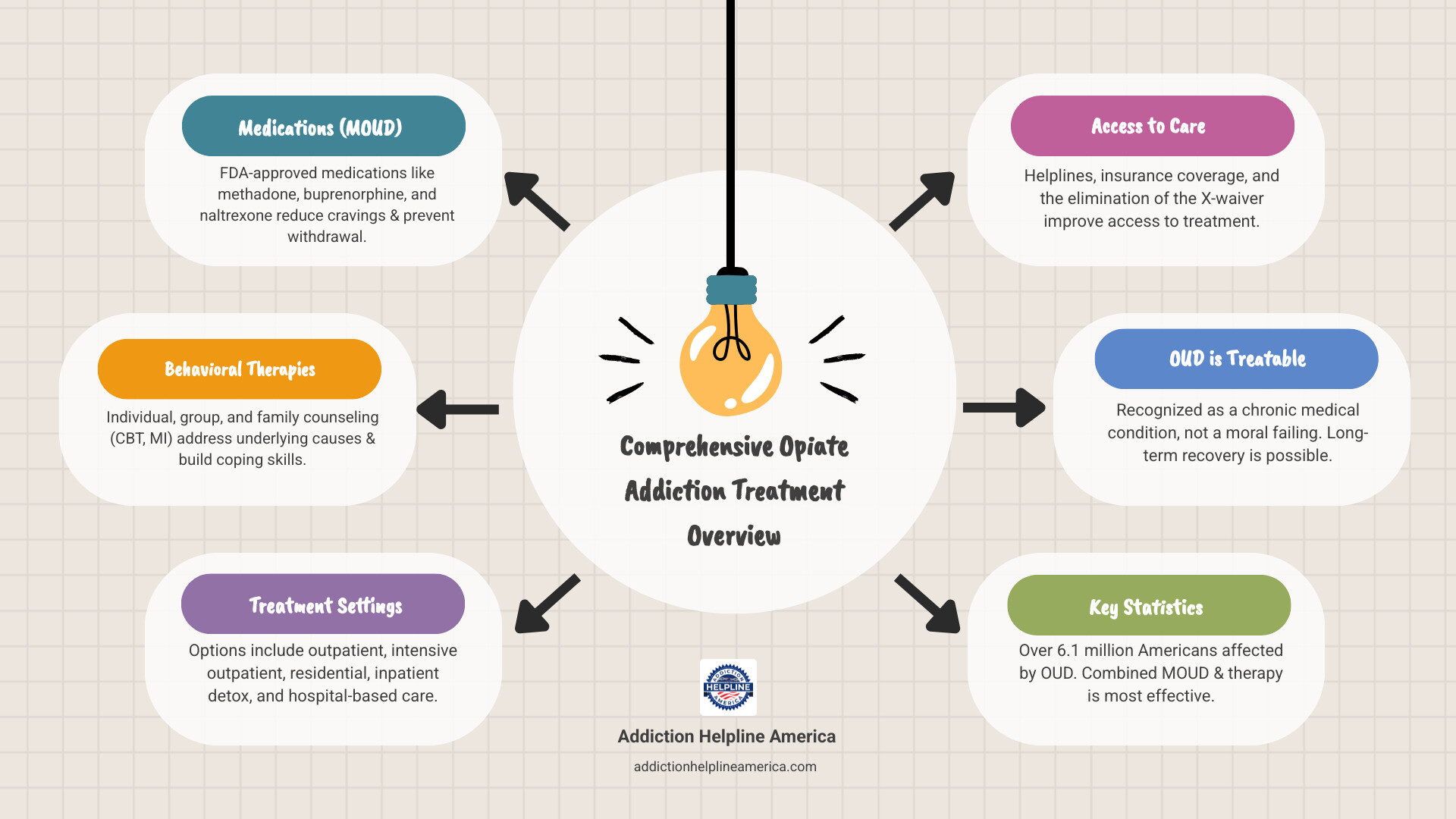
- Medications for Opioid Use Disorder (MOUD): These are not a crutch, but a lifeline. FDA-approved medications like methadone, buprenorphine, and naltrexone are the cornerstone of treatment. They work by stabilizing brain chemistry, significantly reducing cravings, and preventing the painful and dangerous symptoms of withdrawal. This allows you to focus on your recovery, not just surviving the day.
- Counseling and Behavioral Therapy: Medication addresses the physical side of addiction, while therapy heals the psychological aspects. Through individual, group, and family therapy, you can explore the root causes of your addiction, develop healthy coping mechanisms to handle stress and triggers, and learn strategies to prevent relapse.
- Varied Treatment Settings: Recovery isn’t one-size-fits-all. Treatment is custom to your specific needs and can take place in various settings, from outpatient programs that allow you to live at home, to more structured intensive outpatient or residential rehab centers that provide a fully immersive, supportive environment.
- Free, Confidential Resources: You are not alone, and you don’t have to steer this process by yourself. Confidential helplines like Addiction Helpline America provide free guidance and support 24/7, connecting you with the resources you need to start your journey.
- Insurance and Accessibility: The cost of treatment is a valid concern for many, but it should not be a barrier. As explained by the U.S. government, the Mental Health Parity and Addiction Equity Act (MHPAEA) requires most insurance plans to cover addiction treatment, including MOUD, just as they would any other chronic disease like diabetes or heart disease.
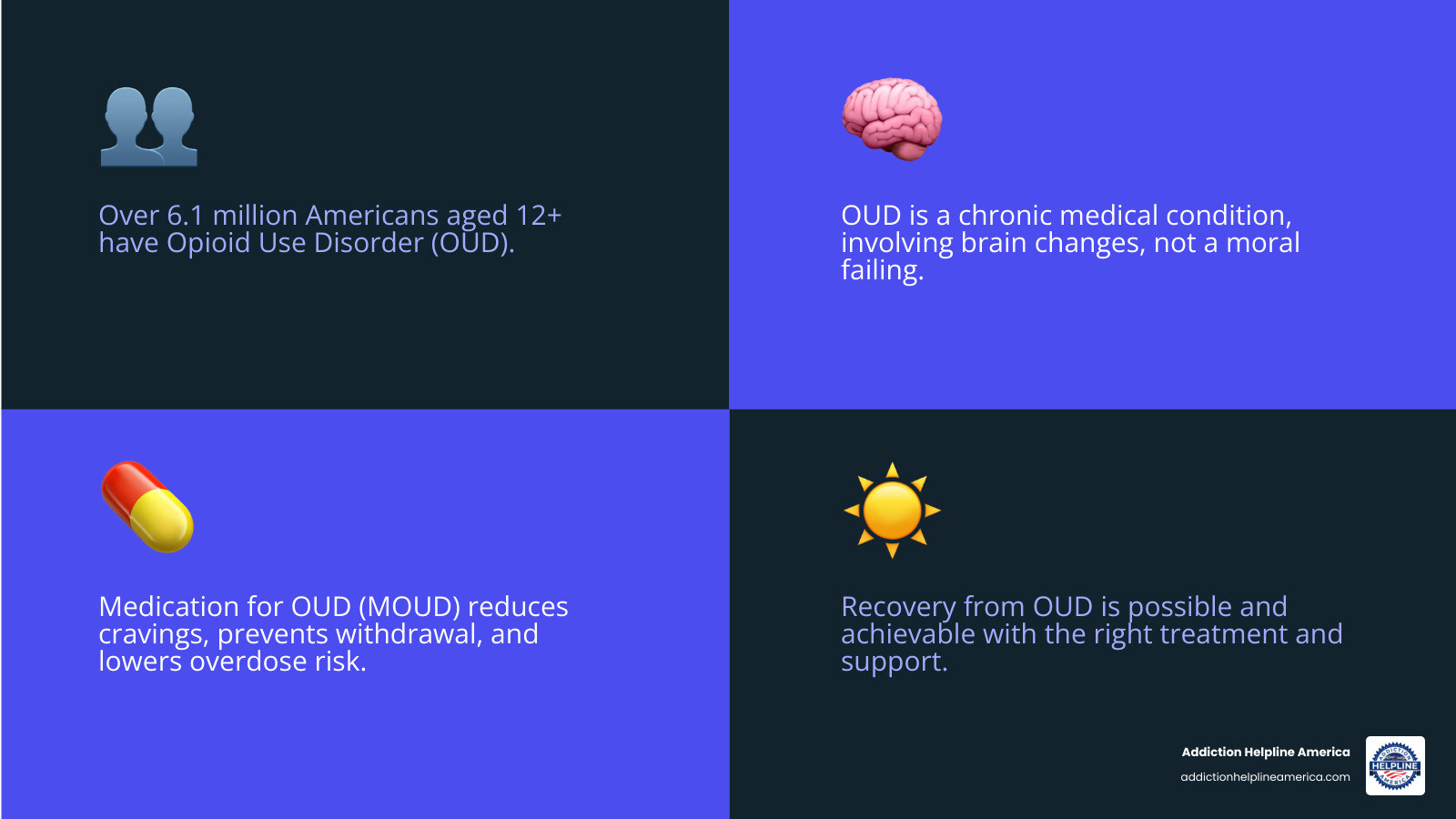
Opioid use disorder affects over 6.1 million Americans aged 12 and older. It’s not a moral failing or a sign of weakness—it’s a chronic, treatable medical condition that changes how the brain functions. The overwhelming news? OUD is treatable, and recovery is not only possible but achievable with the right support.
Many people feel lost when facing addiction, unsure where to turn or how to access help. You might worry about cost, stigma, or whether treatment will actually work. These concerns are valid, but they shouldn’t stand between you and a healthier, more fulfilling life.
The path to recovery often starts with medication-assisted treatment (MAT), which combines MOUD with counseling. As the National Institute on Drug Abuse (NIDA) confirms, this integrated approach reduces the risk of overdose and death, giving you the stability needed to rebuild your life. Treatment is always personalized to your unique needs, circumstances, and goals.
Addiction Helpline America is a dedicated resource providing free, confidential guidance to individuals and families seeking opiate addiction treatment. We connect you with vital resources and personalized support 24/7. Our experienced team understands the challenges you’re facing and is here to help you steer every step of your recovery journey.
Understanding the Opioid Crisis and Opioid Use Disorder (OUD)
Opioid use disorder (OUD) is a complex and widespread issue affecting millions of Americans from all walks of life. OUD is recognized by the entire medical community as a chronic disease, much like diabetes or heart disease. This medical consensus, supported by organizations like the American Society of Addiction Medicine (ASAM), is crucial because it reframes addiction not as a choice, but as a condition involving profound changes in brain structure and function. As former ASAM president Dr. Michael Miller stated, “The disease of addiction is a condition of the brain, not a failure of morals or character.” It requires ongoing management and compassionate care, not judgment or willpower alone. The good news is that, like other chronic diseases, OUD is treatable, and long-term recovery is a very real possibility.
The statistics paint a stark picture: it is estimated that over 6.1 million people aged 12 or older have an opioid use disorder (OUD). This staggering number highlights the urgent need for accessible and effective opiate addiction treatment options across the nation. Our goal is to ensure that everyone affected by OUD knows that help is available and that a life free from the grip of addiction is within reach.
What is Opioid Use Disorder (OUD)?
Opioid use disorder (OUD), often referred to as opiate addiction, is a problematic pattern of opioid use that leads to clinically significant distress or impairment. A diagnosis is typically made when a person exhibits several specific behaviors over a 12-month period. These can include taking opioids in larger amounts or for longer than intended, having a persistent desire to cut down but being unsuccessful, spending a great deal of time obtaining or using opioids, and experiencing intense cravings.
It’s important to distinguish between physical dependence and addiction (OUD). As the National Institute on Drug Abuse (NIDA) explains, physical dependence means the body has adapted to the drug’s presence, causing withdrawal symptoms if use is suddenly stopped. This can happen to anyone taking opioids for a prolonged period, even as prescribed for pain. Addiction, however, is a chronic brain disease characterized by compulsive drug seeking and use, despite devastating consequences to a person’s health, relationships, and responsibilities. While dependence is a component of OUD, it’s the compulsive behavior and loss of control that define the disorder. For a deeper understanding, the CDC offers comprehensive information on Opioid Use Disorder: Preventing and Treating.
Recognizing Opioid Withdrawal Symptoms
Opioid withdrawal is the body’s painful reaction to the absence of the drug. The fear of these symptoms is a primary reason many people find it impossible to stop using on their own. According to U.S. National Library of Medicine, symptoms typically begin within 6 to 24 hours after the last dose, peak in intensity around 72 hours, and can last for a week or more. While opioid withdrawal is rarely life-threatening, it can be an incredibly distressing and physically grueling experience.
Common physical symptoms are often described as a severe case of the flu and include:
- Profuse sweating and alternating chills
- Deep muscle and bone aches
- Severe nausea, vomiting, and diarrhea
- Runny nose and watery eyes
- Goosebumps on the skin (the origin of the term “cold turkey”)
- Yawning and dilated pupils
Emotional and psychological symptoms can be just as challenging:
- Intense anxiety, agitation, and panic
- Severe insomnia and restlessness
- Irritability and mood swings
Managing these symptoms is a critical first step in opiate addiction treatment. Medically supervised detoxification provides a safe, controlled, and supportive environment to get through withdrawal. In a detox facility, medical professionals can provide medications to ease discomfort and monitor your health 24/7. This process is essential for stabilizing before you can fully engage in the next phases of treatment. If you’re unsure where to start, we can help you find Detox Places or learn more with our Inpatient Detox Facilities Near Me Guide. Understanding the timeline can also be helpful; you can learn more about How Long Does It Take to Detox from Heroin?.
The Gold Standard: Medications for Opiate Addiction Treatment (MOUD)
When it comes to effective opiate addiction treatment, medications for opioid use disorder (MOUD) are considered the gold standard of care by leading medical organizations worldwide, including the World Health Organization and SAMHSA. These FDA-approved medications are not simply a substitute for illicit drugs; they are powerful therapeutic tools that play a vital role in recovery. They work on a neurobiological level to normalize brain chemistry, relieve the intense and distracting cravings, and prevent the severe withdrawal symptoms that so often lead to relapse. Most importantly, research from sources like the CDC consistently shows that MOUD is associated with a significantly reduced risk for overdose and overall mortality.
Medication-assisted treatment (MAT) is the comprehensive clinical framework that combines these life-saving medications with essential counseling and behavioral therapies. This integrated approach addresses both the physiological and psychological aspects of OUD, leading to far better long-term outcomes than either method alone. The misconception that MOUD is merely “substituting one addiction for another” is a harmful and outdated myth, which SAMHSA directly refutes. As former U.S. Surgeon General Dr. Jerome Adams urged, “We need to get over the stigma of medications for opioid use disorder. These are life-saving medications.” When taken as prescribed under medical supervision, these medications do not produce the euphoric high associated with illicit opioid use. Instead, they provide stability, allowing individuals to stop focusing on survival and start engaging fully in therapy, rebuilding relationships, and reclaiming their lives.

How Methadone, Buprenorphine, and Naltrexone Work
The three primary FDA-approved medications for OUD—methadone, buprenorphine, and naltrexone—each have a unique mechanism of action to support recovery. Understanding these differences is key to working with a healthcare provider to choose the right opiate addiction treatment plan for you. For detailed information on these medications, you can refer to the FDA’s Information about Medications for Opioid Use Disorder (MOUD).
| Medication | Mechanism of Action | Administration & Setting | Key Considerations |
|---|---|---|---|
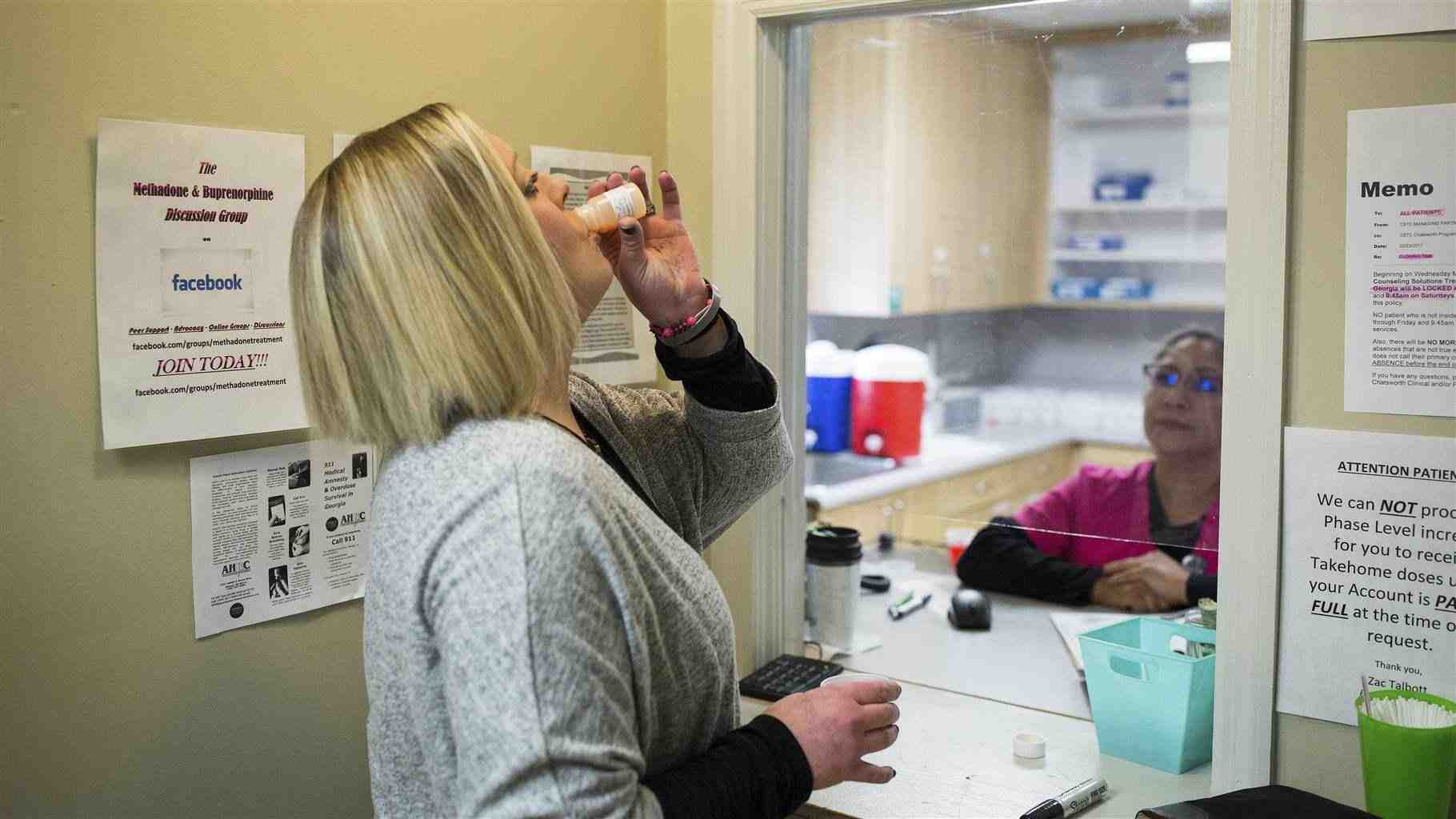
| Methadone | A long-acting full opioid agonist. It binds fully to opioid receptors, preventing withdrawal and reducing cravings without causing a significant high when taken as prescribed. | Dispensed daily, typically as a liquid, at a federally certified Opioid Treatment Program (OTP) clinic. Requires daily visits initially. | Highly effective for individuals with a high tolerance or severe OUD. The structured setting provides accountability. Carries an overdose risk if misused. |
| Buprenorphine | A partial opioid agonist. It binds to and activates opioid receptors but to a lesser degree than full agonists. This creates a “ceiling effect,” where higher doses do not produce stronger effects. | Prescribed as a sublingual film or tablet (e.g., Suboxone, which contains naloxone to deter misuse) by certified providers in an office setting. Can be taken at home. | Lower overdose risk compared to methadone. The take-home prescription offers more flexibility. Can cause precipitated withdrawal if taken while other opioids are still in the system. |
| Naltrexone | An opioid antagonist. It completely blocks the opioid receptors, preventing any opioid drug from having an effect. It does not relieve cravings or withdrawal in the same way as agonists. | Administered as a daily oral pill or a once-monthly intramuscular injection (Vivitrol). Can be prescribed in any clinical setting. | Non-addictive and has no potential for abuse. The patient must be fully detoxed from all opioids for 7-14 days before starting to avoid severe, sudden withdrawal symptoms. Best for highly motivated individuals. |
The choice between these medications is a critical medical decision that should be made in consultation with a qualified healthcare provider. Factors like the severity of the OUD, a person’s medical history, treatment history, and personal circumstances all play a role in determining the most suitable option.