

Understanding What Rehab Success Really Means in Los Angeles
Success Rates of Rehab Centers LA can be difficult to pin down because there’s no single, standardized way to measure them. Here’s what you need to know right away:
Key Facts About LA Rehab Success:
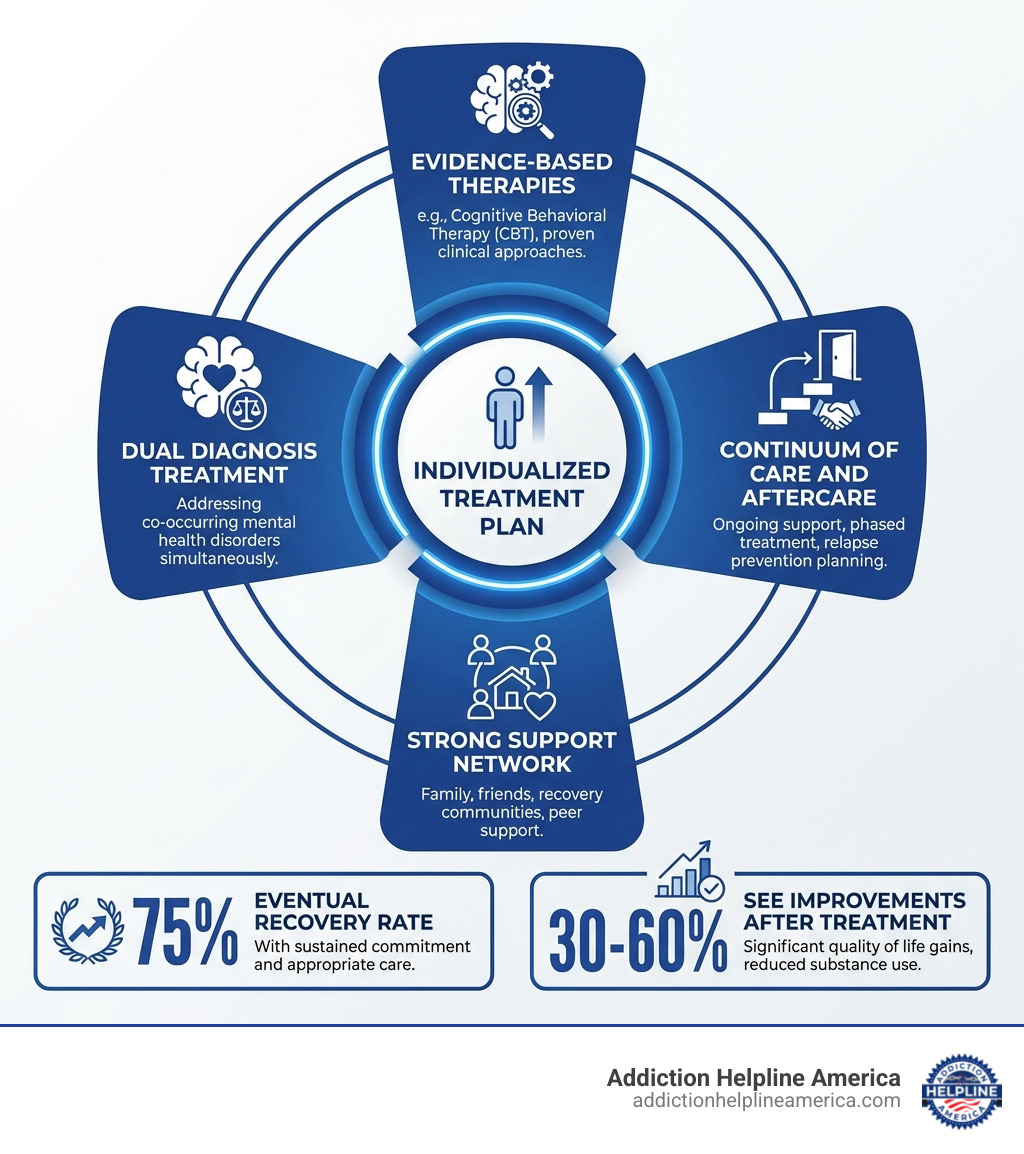
- National statistics show that 30-60% of individuals see meaningful improvements after completing treatment
- 75% of people who receive treatment for addiction eventually recover
- Relapse affects 40-60% of people in recovery, similar to other chronic illnesses like diabetes
- Less than 43% of people complete their full treatment program, but those who do have significantly better outcomes
- Success means different things to different people—it’s not just about abstinence, but improved quality of life
The challenge in Los Angeles is that rehab centers measure success in different ways. Some track sobriety at 30 days, others at 12 months. Some count program completion, while others follow long-term outcomes. This makes it hard to compare facilities directly.
What actually matters more than a single number:
- Whether the center uses evidence-based therapies like Cognitive Behavioral Therapy
- If they offer a full continuum of care including aftercare
- Whether staff members are properly credentialed and experienced
- How they address co-occurring mental health disorders
- Their approach to personalized treatment plans
The good news? Los Angeles is home to some of the nation’s most comprehensive and innovative addiction treatment centers. The city’s concentration of quality rehab facilities means you have access to top addiction specialists, diverse treatment approaches, and strong recovery communities.
Understanding success in recovery:
Recovery isn’t a straight line. It’s a process that looks different for everyone. For some, success means complete abstinence. For others, it might mean:
- Using substances less frequently
- Managing cravings more effectively
- Rebuilding damaged relationships
- Holding down a job or returning to school
- Improving mental and physical health
- Going longer between relapses
The most important thing to understand is that relapse doesn’t mean failure. Research shows that addiction is a chronic disease, much like diabetes or high blood pressure. Between 40-60% of people experience relapse at some point, but this is often a sign that treatment needs to be adjusted, not that recovery is impossible.
At Addiction Helpline America, we’ve guided thousands of individuals and families through the process of finding effective addiction treatment throughout Los Angeles and California, helping them understand what the Success Rates of Rehab Centers LA really mean for their personal recovery journey. Our free, confidential service connects you with treatment options that match your specific needs and circumstances.
Decoding Rehab Success Rates: What the Numbers Really Mean
When discussing the Success Rates of Rehab Centers LA, it’s crucial to define “success” beyond immediate, permanent abstinence. Addiction is a chronic disease, not a moral failing, requiring ongoing management where setbacks can be part of the journey. For many, success means an improved quality of life: better health, restored relationships, stable employment, and renewed purpose. Personal goals define success, so for some, using less or managing cravings better are profound achievements.
The good news is that treatment works. A study by the CDC and NIDA offers hope, showing that 75% of people who get treatment for addiction eventually recover. While no single national success rate exists, estimates suggest 30-60% of individuals see meaningful improvements after treatment. A key challenge is program completion; less than 43% of people finish their full treatment, though doing so greatly improves long-term outcomes. Still, there’s immense hope: a recent national survey by SAMHSA and Statista found that 71% of adults who ever had a substance use disorder now identify as being in recovery.
The Role of Relapse and Its Impact on the Success Rates of Rehab Centers LA
Understanding relapse is critical to comprehending the true Success Rates of Rehab Centers LA. It is not a sign of failure but a common part of recovery from a chronic disease. As the National Institute on Drug Abuse (NIDA) notes, relapse rates are 40-60%, similar to rates for other chronic illnesses like diabetes or asthma. This perspective destigmatizes relapse, viewing it as an indication that treatment needs adjustment, not as a personal failing.
A relapse is an opportunity to re-evaluate the treatment plan, identify triggers, and strengthen coping skills. It’s a bump in the road, not the end of the journey. Viewing recovery as a long-term process that may include relapse allows for a more realistic and compassionate approach to treatment, ultimately contributing to better long-term outcomes.
Key Factors That Influence Addiction Treatment Outcomes
The Success Rates of Rehab Centers LA depend heavily on individualized, comprehensive care. A holistic approach that treats the whole person—addressing substance use alongside mental, physical, and social health—is essential. Finding the right fit is crucial, and a strong therapeutic alliance where a patient feels understood and supported is a powerful predictor of positive outcomes. At Addiction Helpline America, we connect individuals to programs offering this kind of custom care. Explore options in our Best California Addiction Treatment Guide.
The Critical Role of Program Type and Duration
Program type and duration are fundamental to success, with longer, more intensive programs often yielding better results.
- Inpatient Rehabilitation Programs: These residential programs offer the highest level of care in a structured, trigger-free environment. As detailed in our Inpatient Rehabilitation Program guide, stays typically last 28-90+ days and are often a crucial first step for severe SUDs.
- Outpatient Programs: These flexible programs allow individuals to live at home while attending treatment. They range from intensive Partial Hospitalization Programs (PHPs) to less intensive Intensive Outpatient Programs (IOPs) and are ideal for less severe addictions or as a step-down from inpatient care.
Research shows longer stays improve outcomes. The National Institute on Drug Abuse (NIDA) recommends at least 90 days of treatment to significantly reduce relapse risk. Matching program intensity to an individual’s needs is critical for success.
Evidence-Based Therapies: The Foundation of Effective Treatment
Evidence-based therapies (EBTs), which are approaches proven effective through scientific research, are the foundation of successful treatment. Their use is a non-negotiable factor when evaluating the Success Rates of Rehab Centers LA. Key EBTs include:
- Cognitive Behavioral Therapy (CBT): Helps change problematic thinking and behaviors related to substance use.
- Dialectical Behavior Therapy (DBT): Focuses on emotional regulation and distress tolerance, often for co-occurring disorders.
- Motivational Interviewing (MI): A client-centered approach to strengthen motivation for change.
- Medication-Assisted Treatment (MAT): Combines medications with therapy for opioid and alcohol use disorders. MAT is highly effective, reducing overdose deaths by 50% or more.
Addressing co-occurring disorders (dual diagnosis) like depression or anxiety simultaneously with addiction is crucial. Our Evidence Based Rehab Costa Mesa Guide offers more insight. Effective care, as outlined in NIDA’s Principles of Effective Treatment, must be available, address multiple needs, and be adaptable.
Why a Continuum of Care is Crucial for Long-Term Success
Completing a program is a major step, but recovery is a long-term journey. A comprehensive continuum of care with robust aftercare planning is crucial for sustained sobriety. Key components include:
- Aftercare Planning: A personalized roadmap for post-rehab life.
- Sober Living Environments: Transitional housing to practice recovery skills.
- Support Groups: Programs like AA, NA, and SMART Recovery offer invaluable peer support.
- Ongoing Individual Therapy: Continuing therapy to process emotions and address challenges.
- Alumni Programs: A network of support from others at the same facility.
- Sober Support Network: Cultivating relationships with sober friends, family, and mentors.
A strong aftercare plan is a key predictor of success, acknowledging that recovery is a marathon, not a sprint. Consistent support is vital to improving long-term Success Rates of Rehab Centers LA.
The “California Advantage”: Why Los Angeles is a Hub for Recovery

When considering the Success Rates of Rehab Centers LA, it’s important to highlight the unique advantages that California, and particularly Los Angeles, offers in the field of addiction treatment. Our state is often at the forefront of innovative and comprehensive care, making it a highly desirable location for recovery.
- High Concentration of Quality Centers: Los Angeles boasts a dense network of addiction treatment centers, ranging from luxury facilities to more accessible community-based programs. This concentration means there’s a greater likelihood of finding a program that perfectly matches an individual’s specific needs, preferences, and budget.
- Access to Top Addiction Specialists: California attracts some of the nation’s leading addictionologists, therapists, and medical professionals. These experts often work in LA’s rehab centers, bringing cutting-edge research, advanced therapeutic techniques, and extensive experience to patient care.
- Innovative and Holistic Treatment Options: Many LA rehabs are pioneers in offering a wide array of holistic and experiential therapies alongside traditional evidence-based approaches. This can include yoga, meditation, art therapy, equine therapy, and adventure therapy, all designed to heal the mind, body, and spirit.
- Strict State Licensing and Oversight: California has stringent licensing and regulatory requirements for addiction treatment facilities. This oversight helps ensure a higher standard of care, patient safety, and adherence to ethical practices, contributing to better overall Success Rates of Rehab Centers LA.
- Favorable Climate for Year-Round Wellness Activities: The mild, sunny climate of Southern California is a significant asset. It allows for year-round outdoor and experiential healing activities, which can be incredibly beneficial for mental and physical well-being during recovery. Imagine therapy sessions overlooking the ocean or hiking in the mountains as part of your treatment.
- Strong and Diverse Recovery Communities: Los Angeles is home to vibrant and diverse recovery communities. These networks offer a wealth of peer support, sponsorship opportunities, and a sense of belonging that is vital for long-term sobriety. This rich environment means individuals can find a community that resonates with their background and experiences.
For a comprehensive overview of treatment options across the state, our Drug Rehab Centers California Complete Guide is an excellent resource. These combined factors create a robust and supportive environment, giving individuals a significant “California Advantage” in their journey toward lasting recovery.
A Practical Guide: How to Assess the Quality of an LA Rehab Center

Navigating LA’s many addiction treatment centers can be overwhelming. To find the best facility, it’s key to be an informed consumer by asking the right questions and looking beyond marketing claims. Addiction Helpline America offers free, personalized guidance to help you vet programs. The principles here apply broadly across California, as seen in our Ultimate Riverside County Drug Rehab guide.
Decoding Accreditations and Professional Reputation
A center’s accreditation and reputation are reliable indicators of quality and potential Success Rates of Rehab Centers LA.
- Importance of State Licensing: Ensure the facility is licensed by the State of California, which is a basic requirement for meeting health and safety standards.
- Accreditation Bodies: Look for national accreditations from The Joint Commission or CARF. These provide an objective measure of quality by setting rigorous standards for care and safety.
- Staff Credentials and Qualifications: Inquire about the team’s qualifications. A multidisciplinary team of licensed and certified professionals (doctors, therapists, counselors) indicates quality care.
- Professional Reputation: Since direct success rates are hard to verify, professional reputation is a good proxy. Rankings like Newsweek’s “America’s Best Addiction Treatment Centers” heavily weigh recommendations from medical professionals.
- Patient Reviews: While subjective, reviews on platforms like Google offer insights into the patient experience. Look for consistent themes. SAMHSA’s guide to finding quality treatment also emphasizes these points.
Questions to Ask to Gauge the Potential Success Rates of Rehab Centers LA
When speaking with admissions staff, ask these targeted questions to assess a center’s effectiveness for your situation:
- What evidence-based therapies do you use (e.g., CBT, DBT, MAT)?
- What are your staff’s credentials, and what is the staff-to-patient ratio?
- How do you create and adjust individualized treatment plans?
- How do you treat co-occurring mental health disorders (dual diagnosis)?
- What does your aftercare planning and long-term support involve?
- How do you measure success, and what are your program completion rates?
- What is the typical length of stay, and are extended care options available?
- What is your policy on family involvement?
- What accreditations and licenses does your facility hold?
- What are the costs, and what insurance plans do you accept? (Addiction Helpline America can help you steer these financial questions for free.)
Asking these questions empowers you to make an informed decision and find a program that improves the personal Success Rates of Rehab Centers LA for you or your loved one.
Frequently Asked Questions about Rehab Success in LA
What is a “good” success rate for a rehab center?
A single “success rate” for a rehab center can be misleading. Without standardized metrics, advertised rates are hard to compare. Instead of chasing a number, focus on quality indicators:
- Accreditation: Look for national accreditations from The Joint Commission or CARF.
- Evidence-Based Therapies: Ensure the center uses proven methods like CBT, DBT, and MAT.
- Qualified Staff: Verify that the team consists of licensed and experienced professionals.
- Individualized Treatment: The program should be customized to individual needs.
- Continuum of Care: A strong aftercare plan is vital for long-term recovery.
- Dual Diagnosis Treatment: Look for integrated care for co-occurring mental health disorders.
A center that is transparent and committed to these quality indicators offers a higher chance of success.
Does a higher price mean a better success rate for LA rehabs?
Not necessarily. Luxury amenities don’t guarantee better clinical outcomes or higher Success Rates of Rehab Centers LA. Effective treatment stems from the quality of the clinical care, staff expertise, and the use of evidence-based therapies. A higher price usually reflects comfort and amenities, not clinical effectiveness. When evaluating a rehab, focus on the clinical aspects first. Our guide on Luxury Drug Rehab Centers Near Me can help you understand what to look for, but always with an emphasis on quality care.
If I relapse, does that mean my treatment in LA failed?
Absolutely not. Relapse is a common part of recovering from addiction, a chronic disease. Statistics show that 40-60% of people relapse after treatment. This is not a failure but an indicator that the underlying condition needs renewed attention. If a relapse occurs:
- It’s a signal, not a stop sign: Your treatment plan may need adjustment.
- It’s an opportunity for learning: It provides insights into triggers and coping skills.
- It highlights the need for ongoing care: Recovery is a long-term commitment.
At Addiction Helpline America, we believe every step towards recovery is progress. A relapse doesn’t erase your hard work or your capacity for long-term sobriety.
Conclusion: Your Next Step Towards Recovery in Los Angeles
Understanding the Success Rates of Rehab Centers LA is a complex but crucial first step toward finding effective treatment. We’ve learned that “success” is deeply personal, extending beyond mere abstinence to encompass a profound improvement in overall quality of life. We’ve also seen that addiction is a chronic disease, and relapse, while challenging, is often a part of the recovery journey—not a sign of failure, but a call for renewed focus and adjusted strategies.
The good news is that Los Angeles offers an exceptional environment for recovery. With its high concentration of accredited, innovative, and evidence-based treatment centers, access to top specialists, and vibrant recovery communities, individuals seeking help here have a strong advantage. By prioritizing individualized care, a comprehensive approach, evidence-based therapies, and a robust continuum of care, the potential for lasting recovery is significantly improved.
Empowered with this knowledge, your next step is to find a treatment program that aligns with your unique needs. At Addiction Helpline America, we are dedicated to providing free, confidential, and personalized guidance. We understand the nuances of the treatment landscape in California and can connect you with reputable facilities that offer the highest standards of care. Don’t steer this journey alone. Let us help you find the right Los Angeles rehab program for you and take that vital step towards a healthier, more fulfilling life.