
Understanding Substance Abuse Treatment: A Clear Path Forward
Substance abuse treatment is a medical and therapeutic approach designed to help individuals overcome addiction to alcohol, drugs, or other substances. If you’re searching for treatment options, here’s what you need to know:
Quick Overview of Treatment Options:
- Detoxification – Medical supervision to safely withdraw from substances
- Inpatient/Residential Treatment – 24/7 care in a structured environment (typically 30-90 days)
- Outpatient Programs – Flexible treatment while living at home (various intensity levels)
- Medication-Assisted Treatment (MAT) – FDA-approved medications combined with counseling
- Behavioral Therapy – Evidence-based counseling approaches like CBT
- Support Groups – Peer support like AA, NA, and other recovery communities
Finding Help is Free: Call the 988 Suicide & Crisis Lifeline anytime, or contact treatment locators like FindTreatment.gov at no cost. You can learn more about substance use disorders in general from trusted educational resources such as the National Institute on Drug Abuse, which explains how addiction affects the brain and why treatment works.
In 2022, more than one in six Americans aged 12 or older experienced a substance use disorder. That’s millions of people—and millions of families—affected by this chronic but treatable disease. The good news? Research shows that most people who get treatment and stay in it can stop using drugs, reduce criminal activity, and improve their lives.
You’re taking an incredibly brave step by searching for information about treatment. Whether you’re seeking help for yourself or a loved one, you are not alone. Recovery is possible, and the path forward doesn’t have to be confusing.
This guide will walk you through everything you need to know about finding substance abuse treatment: recognizing when help is needed, understanding your options, and accessing care—even if you don’t have insurance. We’ll break down complex information into simple, actionable steps.
At Addiction Helpline America, we’ve dedicated ourselves to helping individuals and families steer the journey to recovery from substance abuse treatment. Our team of addiction specialists and counselors provides free, confidential support 24/7 at 844-561-0606, connecting you with the right resources for your unique situation.
Recognizing the Need for Help
Recognizing that you or a loved one needs help is often the first, and sometimes hardest, step on the path to recovery. Addiction is a complex illness, and its signs can manifest in various ways, affecting behavior, physical health, and mental well-being.
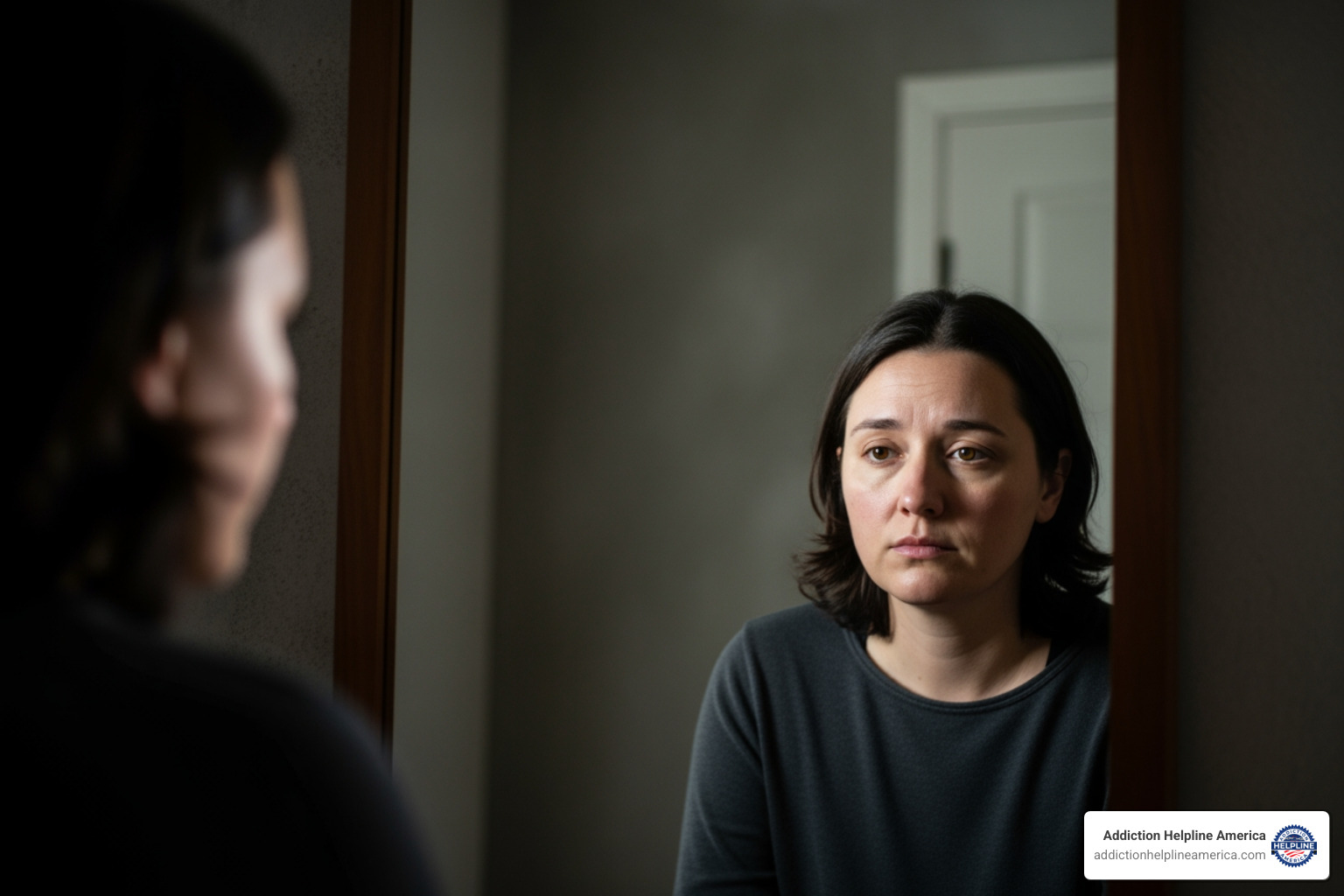
Here are some signs that someone might need help for a mental health or substance use disorder:
- Behavioral Changes:
- Increased secrecy or dishonesty about activities.
- Neglecting responsibilities at work, school, or home.
- Sudden changes in friends, hobbies, or usual hangouts.
- Engaging in risky behaviors, such as driving under the influence.
- Legal troubles related to substance use.
- Continuing to use substances despite negative consequences.
- Physical Symptoms:
- Changes in appearance, such as poor hygiene, weight loss or gain, or dilated pupils.
- Slurred speech, coordination problems, or tremors.
- Frequent illness or unexplained injuries.
- Withdrawal symptoms when not using the substance.
- For specific concerns, understanding the Signs of Alcohol Poisoning can be crucial in an emergency.
- Psychological Signs:
- Mood swings, irritability, or increased anxiety and depression.
- Loss of interest in activities once enjoyed.
- Paranoia or hallucinations.
- Denial about the extent of their substance use.
- Intense cravings for the substance.
About half of people with a substance use disorder also experience serious mental illness. This co-occurrence means that mental health challenges can both contribute to and be exacerbated by substance use. When symptoms like these become persistent and significantly impact daily life, it’s a clear indicator that professional help is needed.
Understanding Addiction and Mental Health
Addiction is not a moral failing or a lack of willpower; it’s a chronic disease that fundamentally changes the brain and alters decision-making. These drug-induced changes in brain function can persist long after a person stops using drugs, leading to intense cravings and compulsive drug-seeking behavior despite devastating consequences.
As we mentioned, the link between mental health and substance use is profound. About half of people with a substance use disorder also experience serious mental illness. This means that depression, anxiety, PTSD, or other mental health conditions can co-occur with substance use disorders. When both conditions are present, it’s often referred to as a dual diagnosis. Integrated treatment that addresses both the mental health disorder and the substance abuse treatment simultaneously is generally the most effective approach. For those struggling with depression, our Depression Recovery Center Ultimate Guide can provide valuable insights.
How to Help a Loved One
Helping a loved one who is struggling requires patience, empathy, and a strategic approach. It’s crucial to approach the conversation with compassion, avoiding blame and judgment, and instead focusing on your concern for their well-being.
- Educate Yourself: Learn about addiction as a disease and the available treatment options. This will help you speak from an informed position.
- Choose the Right Time and Place: Talk when both of you are calm and sober, in a private setting where you won’t be interrupted.
- Express Your Concerns Clearly: Use “I” statements to describe how their substance use affects you and others, rather than accusatory “you” statements. For example, “I feel worried when you don’t come home” instead of “You always disappear.”
- Offer Support, Not Enablement: Be clear that you want to help them get treatment, but avoid actions that inadvertently support their substance use (e.g., giving them money, making excuses for them).
- Set Healthy Boundaries: It’s important to protect your own well-being. Define what you will and will not tolerate, and stick to it.
- Consider an Intervention: If your loved one is in denial or resistant to help, a professionally guided intervention might be an option. This is a structured conversation involving family and friends to encourage the individual to seek treatment.
- Find Support for Yourself: Family support groups like Al-Anon or Nar-Anon can provide invaluable guidance, understanding, and coping strategies for loved ones of individuals with addiction.
Encourage them to call our free and confidential helpline at 844-561-0606 for guidance. Our specialists can help them understand their options and take the first step towards recovery.
Navigating Your Options for Substance Abuse Treatment
Finding the right substance abuse treatment can feel overwhelming, but remember, no single approach works for everyone. Effective treatment must be personalized, taking into account an individual’s unique needs, the type of substance used, co-occurring mental health conditions, and their personal circumstances. The goal is to provide a continuum of care that supports recovery every step of the way. For a broader understanding of treatment facilities, refer to our Find Rehab Centers Complete Guide.

What Are the Different Types of Substance Abuse Treatment?
The landscape of substance abuse treatment offers a variety of settings and levels of care, designed to meet diverse needs. Here’s a breakdown:
| Treatment Type | Intensity | Living Situation | Duration | Focus |
|---|---|---|---|---|
| Detoxification | High | Medical facility, hospital, or specialized detox center | Days to a few weeks | Safely managing withdrawal symptoms, preparing for further treatment |
| Inpatient/Residential | High | Live at the treatment facility | Weeks to several months (30-90 days often typical) | Structured environment, 24/7 medical and therapeutic support, intensive therapy |
| Partial Hospitalization (PHP) | Medium-High | Live at home or in sober living | Several hours a day, 5-7 days a week | Intensive day treatment, less restrictive than inpatient |
| Intensive Outpatient (IOP) | Medium | Live at home | Several hours a day, 3-5 days a week | Structured therapy, allows for work/school/family commitments |
| Outpatient (OP) | Low | Live at home | A few hours a week | Flexible therapy, ideal for early stages or after more intensive care |
Detoxification (Detox): This is often the first step in substance abuse treatment. The goal of withdrawal therapy is to enable a person to stop taking the addicting drug as quickly and safely as possible. Medical supervision is crucial during detox to manage potentially severe or life-threatening withdrawal symptoms. After detox, individuals are typically referred to further treatment. Learn more with our Detox Facility Ultimate Guide.
Inpatient/Residential Programs: These programs require individuals to live at the treatment facility for the duration of their care. They offer a highly structured and supportive environment, with 24/7 supervision and access to medical and therapeutic services. Residential care typically lasts from a few weeks to a few months, sometimes longer for more serious conditions. These programs help individuals prepare for community living and develop essential coping skills. For detailed information, see our Inpatient Drug Rehab Programs Guide.
Outpatient Programs (OP), Intensive Outpatient Programs (IOP), and Partial Hospitalization Programs (PHP): These options allow individuals to live at home or in sober living environments while attending treatment sessions.
- Outpatient Programs involve scheduled attendance of less than 9 hours per week, offering flexibility.
- Intensive Outpatient Programs (IOP) require a minimum of 9 hours of weekly attendance, providing structured therapy while allowing individuals to maintain work, school, or family commitments.
- Partial Hospitalization Programs (PHP) are even more intensive, with individuals attending several hours a day, 5-7 days a week, often for a few weeks to a few months. This level of care is a step down from inpatient treatment but more structured than IOP.
The Role of Therapy and Medication
Both behavioral therapies and medication play critical roles in effective substance abuse treatment. Combining these approaches often yields the best outcomes, especially for certain substance use disorders.
Behavioral Therapies: These are psychotherapeutic interventions that help individuals change their attitudes, behaviors, and thoughts related to substance use. Common types include:
- Cognitive-Behavioral Therapy (CBT): Helps individuals identify and correct problematic behaviors by learning to recognize, avoid, and cope with situations in which they are most likely to use substances.
- Contingency Management (CM): Uses positive reinforcement, such as vouchers or small cash rewards, to encourage abstinence and adherence to treatment goals.
- Motivational Improvement Therapy (MET): Helps individuals resolve ambivalence about treatment and engage in the recovery process.
- Family Therapy: Approaches like Multisystemic Therapy (MST) for adolescents and Multidimensional Family Therapy (MDFT) involve family members to improve communication, address family dynamics, and support the individual’s recovery.
Medication-Assisted Treatment (MAT): This approach combines FDA-approved medications with counseling and behavioral therapies. MAT has proven highly effective for opioid use disorder and alcohol use disorder. For a deeper dive into how medication supports recovery, read our Role of Medication article.
- For Opioid Use Disorder (OUD):
- Methadone: A long-acting opioid agonist that reduces cravings and withdrawal symptoms without producing a “high.”
- Buprenorphine: A partial opioid agonist that also reduces cravings and withdrawal symptoms and can be prescribed in office-based settings.
- Naltrexone: An opioid antagonist that blocks the euphoric effects of opioids and can reduce cravings. It is available in oral and injectable forms.
- For Alcohol Use Disorder (AUD):
- Naltrexone: Can reduce heavy drinking and prevent relapse.
- Acamprosate: Helps reduce symptoms of protracted withdrawal, such as insomnia, anxiety, and dysphoria.
- Disulfiram: Produces unpleasant effects when alcohol is consumed, discouraging drinking.
For those considering buprenorphine-based treatments, understanding the costs is important. Our Suboxone Clinic Fees Complete Guide can provide helpful information.
Specialized Treatment Programs
Beyond the general types of care, many programs offer specialized substance abuse treatment custom to specific needs:
- Treatment for Specific Substances: While many therapies are broadly applicable, some programs specialize in particular addictions, such as opioid, alcohol, cocaine, or marijuana addiction. For example, our Cocaine Addiction Treatment guide provides custom information.
- Programs for Specific Populations:
- Adolescents and Young Adults: Treatment programs for young people need to be developmentally appropriate, peer-oriented, and often involve family therapy. The adolescent brain is still developing, influencing decision-making and self-control, which makes specialized care crucial.
- Veterans: Many veterans face unique challenges, including PTSD and other mental health conditions, which can co-occur with substance use. Resources like the Veterans Crisis Line (available by calling or texting 988 and selecting option 1) provide crucial support.
- Women: Gender-specific treatment considers biological, social, and environmental factors, including higher rates of trauma and PTSD, and addresses issues like childcare and financial independence.
- Faith-Based Programs: These programs integrate spiritual principles and community support into the recovery process.
- LGBTQ+ Affirming Care: Provides safe, inclusive, and understanding environments that address the unique challenges and discrimination faced by LGBTQ+ individuals.
How to Find and Access Treatment
Finding and accessing substance abuse treatment can present challenges, but with the right resources, it is entirely possible to overcome these barriers. Whether it’s navigating insurance, finding low-cost options, or simply knowing where to start, help is available.
National Helplines and Resources
Our 24/7 helpline at 844-561-0606 is your immediate connection to support. When you call Addiction Helpline America, our team provides free, confidential, and personalized guidance to help you find the right recovery program from our vast network of treatment centers. We understand that every journey is unique, and we’re here to simplify the process of finding effective care.
Additionally, national resources can assist in your search:
- FindTreatment.gov: This is a confidential and anonymous resource provided by SAMHSA (Substance Abuse and Mental Health Services Administration) that allows individuals to search for treatment facilities for mental and substance use disorders across the U.S.
State-Specific Support
While national resources are invaluable, each state has its own agencies and regulations for substance abuse and mental health services. A state’s department of health or human services, for example, often provides directories of licensed providers and information on state-funded programs. Navigating these local systems can sometimes be confusing, which is where our specialists can help. By calling our helpline, you can get assistance understanding the resources available in your specific state.
Our network extends across all 50 states, including Alabama, Alaska, Arizona, Arkansas, California, Colorado, Connecticut, Delaware, Florida, Georgia, Hawaii, Idaho, Illinois, Indiana, Iowa, Kansas, Kentucky, Louisiana, Maine, Maryland, Massachusetts, Michigan, Minnesota, Mississippi, Missouri, Montana, Nebraska, Nevada, New Hampshire, New Jersey, New Mexico, New York, North Carolina, North Dakota, Ohio, Oklahoma, Oregon, Pennsylvania, Rhode Island, South Carolina, South Dakota, Tennessee, Texas, Utah, Vermont, Virginia, Washington, West Virginia, Wisconsin, and Wyoming.
Paying for Substance Abuse Treatment Without Insurance
Lack of insurance can be a significant barrier to substance abuse treatment, but it doesn’t mean treatment is impossible to find. Many options exist for individuals with limited incomes or no health insurance:
- State-Funded Programs: Many states offer programs and services for individuals with limited incomes. These can include assessment, individual and group counseling, family counseling, and mental health medication needs. You can often find directories of state-funded substance use disorder treatment providers through your state’s health services department.
- Community Mental Health Centers (CMHCs): These centers often provide basic to intensive mental health services and sometimes substance abuse treatment on a sliding scale based on income, or even for free.
- Sliding Scale Fees: Many private treatment centers and counselors offer services on a sliding scale, adjusting costs based on your ability to pay.
- Grants and Scholarships: Some non-profit organizations and treatment centers offer grants or scholarships to help cover the cost of treatment for those who cannot afford it. SAMHSA also provides block grants to states for mental health services and substance use prevention, treatment, and recovery services.
- Free Clinics and Support Groups: While not formal treatment, free clinics can offer basic health services, and support groups like AA and NA are always free and provide invaluable peer support. For more on free options, read Are There Any Free Drug Rehab Centers?.
- Medicaid, Medicare, and CHIP: If you qualify, these government programs can cover a significant portion of substance abuse treatment costs. Understanding your eligibility for programs like Insurance Medicare is a good starting point.
When searching for low-income services, start by contacting your state’s department of health or human services, or call our helpline at 844-561-0606 for guidance specific to your location and needs.
Frequently Asked Questions about Finding Treatment
We understand you likely have many questions when seeking help. Here are some of the most common inquiries we receive:
What is Addiction Helpline America and how can it help me?
Addiction Helpline America is a trusted resource dedicated to connecting individuals and families with effective substance abuse treatment and mental health care. We provide free, confidential, and personalized guidance to help you steer the complex landscape of treatment options. Our services include:
- A 24/7 helpline (844-561-0606) staffed by compassionate specialists ready to listen and assist.
- Access to a vast network of treatment centers nationwide, ensuring we can find a program that fits your specific needs.
- Educational resources and information to empower you with knowledge about addiction and recovery.
Our goal is to reduce the impact of substance abuse and mental illness on America’s communities by making the path to recovery clearer and more accessible. Visit our Addiction Helpline America main website to learn more about our mission and services.
How can I find a treatment provider in my area?
Finding the right provider is crucial. We offer several ways to help you:
- Call Our 24/7 Helpline: The easiest and most direct way is to call us at 844-561-0606. Our specialists will ask about your needs, location, and preferences, and then provide confidential referrals to suitable treatment centers near you.
- Use Online Locator Tools: Resources like FindTreatment.gov allow you to search for facilities by location and type of service.
- Contact Your State’s Substance Abuse Agency: As highlighted in our Arkansas example, state agencies often maintain directories of licensed providers and state-funded programs.
- Explore Our Website: Our website offers various guides and resources, including our Addiction Help Online Complete Guide which can help you understand how to steer your options.
We strive to make this process as seamless as possible, ensuring you receive a confidential referral custom to your situation.
What is the 988 Suicide & Crisis Lifeline?
The 988 Suicide & Crisis Lifeline is a vital national resource providing immediate support for mental health and substance use crises. It has been designated as the new three-digit dialing code that routes callers to the National Suicide Prevention Lifeline.
- Access: You can access it by simply calling or texting 988.
- Availability: It’s answered 24 hours a day, 365 days a year.
- Services: It offers free and confidential support for people in distress, including those experiencing suicidal thoughts, mental health crises, or substance use crises. It’s not just for suicidal crises but for anyone who needs immediate emotional support.
Your Path to Recovery Starts Now
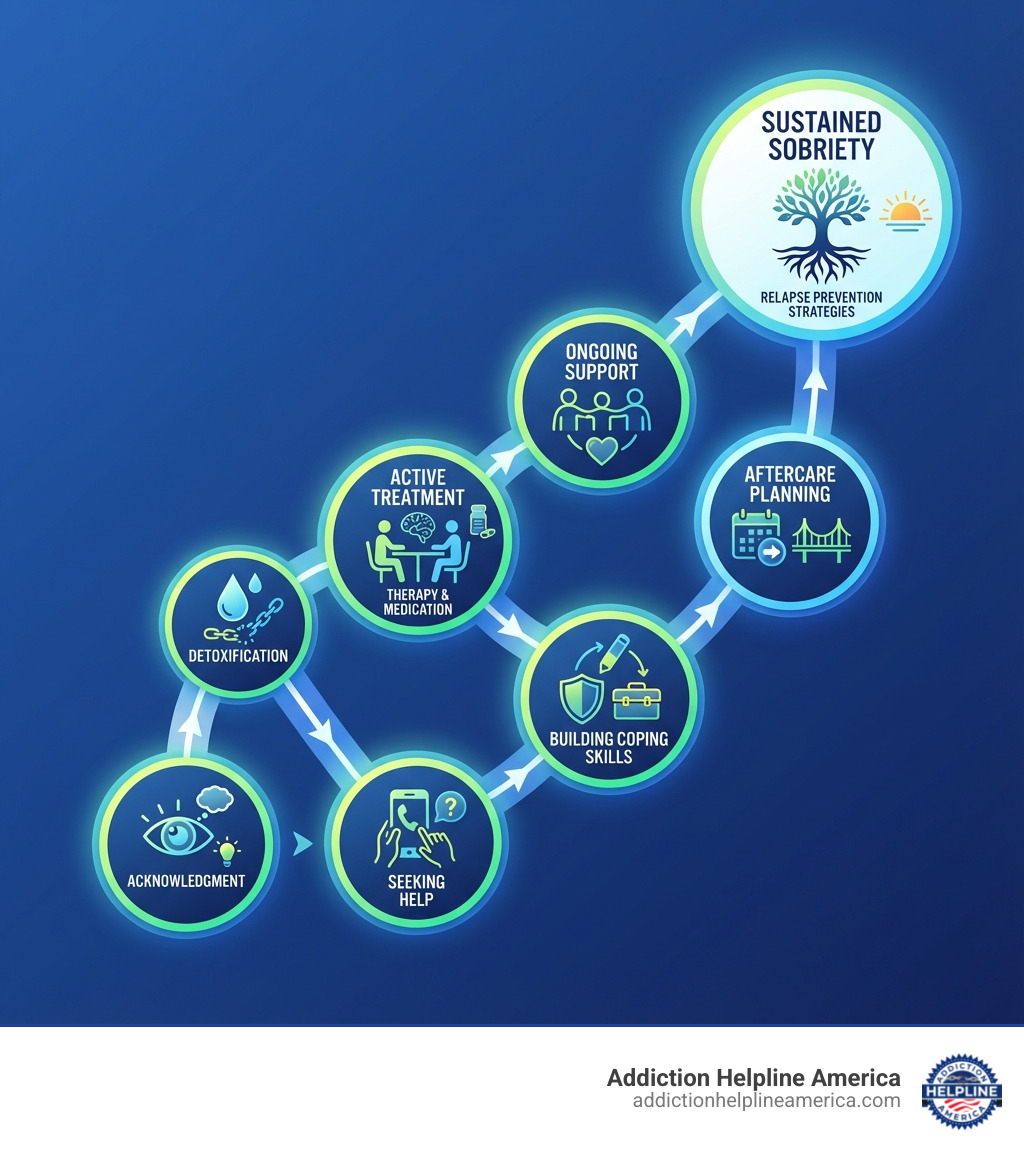
Recovery from substance abuse treatment is a journey, not a destination. It’s a continuous process of growth, learning, and self-findy. Along this path, relapse can be a part of the process, not a failure. If a relapse occurs, it simply signals a need to adjust the treatment plan or seek additional support.
Building a strong support system, including family, friends, and peer groups, is fundamental to sustained sobriety. The importance of aftercare—continued support and monitoring after initial treatment—cannot be overstated. This might involve ongoing therapy, support group meetings, sober living arrangements, or regular check-ins with a counselor.
You are not alone in this journey. Millions of Americans have found their way to recovery, and you can too. Addiction Helpline America is here to connect you with the right program, offering a compassionate and knowledgeable hand to guide you. Take the first courageous step towards a healthier, happier future by visiting our addiction resources page. Your new beginning awaits.