
Understanding Substance Abuse Counseling and Why It Matters
Substance abuse counseling is professional guidance from trained counselors to help individuals recover from drug and alcohol use disorders. It involves working with a licensed professional who uses evidence-based approaches like Cognitive Behavioral Therapy (CBT) to help you understand your addiction, identify triggers, and develop coping skills for a sustainable recovery.
Counseling can take place in one-on-one or group sessions and is available at treatment facilities, outpatient centers, and online. While costs vary, many insurance plans provide coverage, and free or low-cost options are available.
The need for this support is critical. In 2020, about 15 percent of Americans 18 or older needed treatment for a substance use disorder, but less than 10 percent received it. This treatment gap leaves millions struggling without help.
The good news is that finding qualified counseling is simpler than you might think. At Addiction Helpline America, we connect individuals and families with effective treatment resources. Our specialists are here to guide you through every step of your recovery journey.
Substance abuse counseling terms made easy:
The Simple Way to Find Counseling: Using Trusted Resources
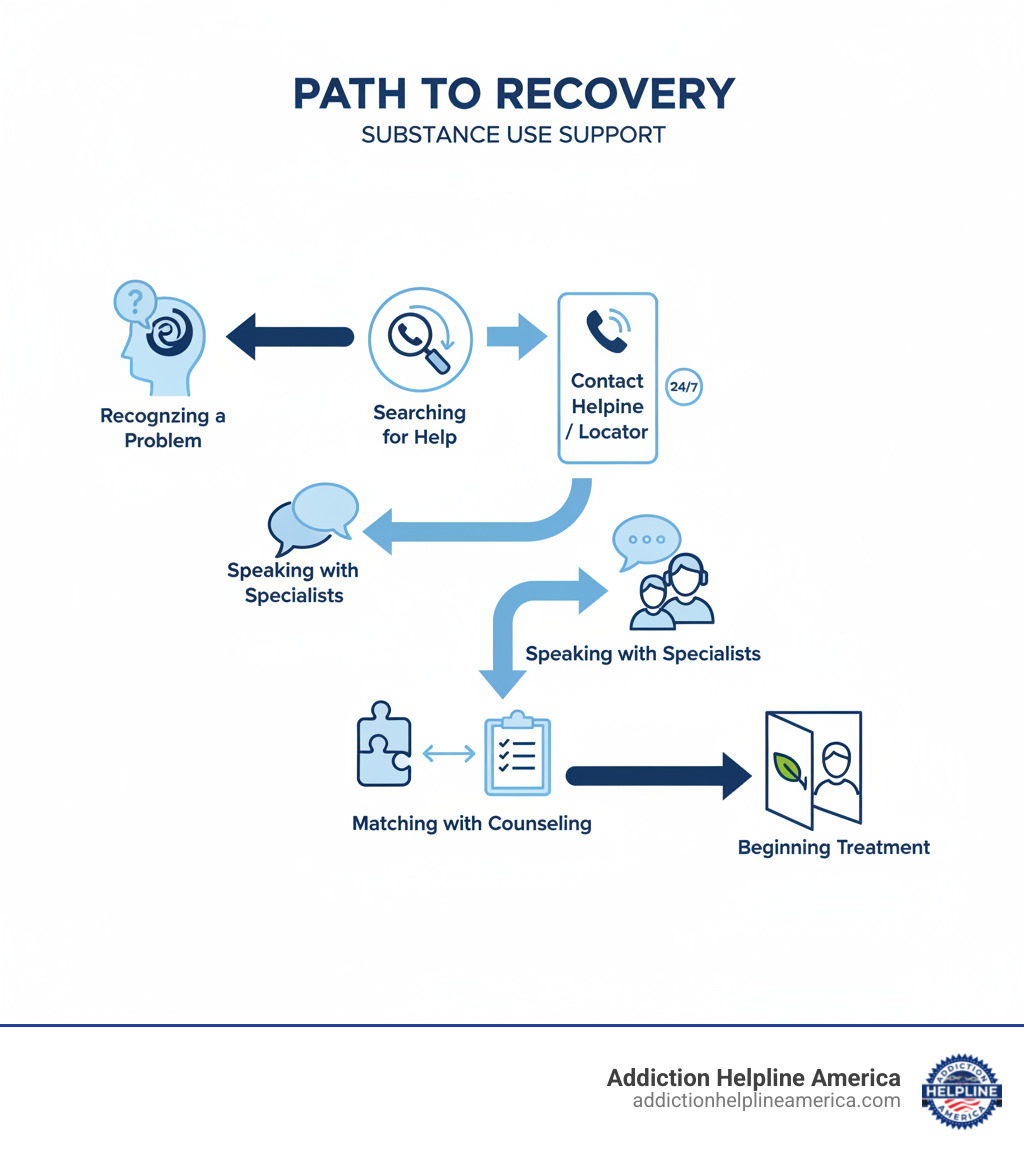
Taking the first step toward recovery can feel overwhelming, but finding substance abuse counseling doesn’t have to be complicated. At Addiction Helpline America, we offer free, confidential, and personalized guidance to connect you with the right program. Think of us as your trusted partner in this journey.
One of the best ways to begin is by using resources that respect your privacy and connect you directly with qualified help. No judgment, no pressure—just real support.

You can start your search right here on our website. Our Find a Treatment Facility tool lets you explore options at your own pace. Need to talk to someone now? Our Addiction and Rehab Hotlines are available 24/7 and are completely confidential.
Using Online Treatment Locators
Online treatment locators simplify the search for substance abuse counseling by letting you filter options based on your needs. You can narrow your search by location to find counselors in your state, whether it’s California, Texas, or Florida. You can also filter by treatment type (e.g., inpatient or outpatient) and payment options, such as facilities that accept your insurance or offer sliding scale fees. These tools provide detailed information to help you feel confident in your choice. Our Find Rehab Facility Complete Guide walks you through how to use these tools effectively.
The government also provides FindTreatment.gov, a confidential and anonymous platform that offers a broad directory to start your search.



Calling Helplines for Guidance
Sometimes, talking to a real person provides the most comfort. For immediate, personal support, helplines are available 24/7. Trained specialists offer free, confidential guidance, referrals to local services, and crisis intervention. They listen without judgment and connect you to the right help, whether you’re in Washington, Ohio, or anywhere else in our network. Key resources include:
- SAMHSA’s National Helpline: 1-800-662-HELP (4357)
- 988 Suicide & Crisis Lifeline: Call or text 988 anytime.
These helplines exist because you don’t have to face this alone.
Other Avenues for Finding Help
Beyond specialized tools, other trusted paths can lead to effective substance abuse counseling. Your primary care physician can provide referrals based on your health history. University health centers often offer affordable or free services for students. Community organizations, including local non-profits and religious groups, can also point you toward low-cost counseling options. Understanding how to pay for treatment is also crucial; our guide on Insurance That Covers Rehab can help you explore your options.
What to Expect from Substance Abuse Counseling
Seeking help is a brave first step. The primary goal of substance abuse counseling is to help you build the skills for long-term sobriety. In a safe, confidential setting, a licensed professional helps you identify triggers, learn healthy coping mechanisms, and strengthen your motivation for recovery. Counselors also address underlying issues like trauma or co-occurring mental health conditions, creating a personalized treatment plan based on a thorough assessment of your needs.
Understanding the Causes of Addiction and recognizing Behavior Common Drug Addicts can be part of this deeper work.
Different Types of Counseling Approaches
Counselors use various evidence-based methods custom to your needs. Common approaches include:
- Cognitive Behavioral Therapy (CBT): Helps you recognize and change negative thought patterns and behaviors related to substance use.
- Dialectical Behavior Therapy (DBT): Combines CBT with mindfulness to help manage intense emotions and distress.
- Motivational Interviewing (MI): A collaborative approach that strengthens your personal motivation for change.
- EMDR (Eye Movement Desensitization and Reprocessing): A specialized therapy to process traumatic memories that may fuel substance use.
Counseling can be conducted in individual, group, or family settings. Many programs also offer holistic therapies like yoga or meditation and support through programs like the 12 Step Of AA. For more details, see our guide on Types of Addiction Counseling.
The Role of Counseling in Medication-Assisted Treatment (MAT)
Medication-Assisted Treatment (MAT) for opioid or alcohol use disorder combines medications with behavioral therapy. The medication helps manage withdrawal symptoms and cravings, which stabilizes your brain chemistry so you can focus on recovery. Counseling provides the tools to rebuild your life by addressing the psychological, social, and behavioral aspects of addiction. This integrated care approach is highly effective because it treats the whole person.
What are the typical responsibilities and duties of a substance abuse counselor?
A substance abuse counselor‘s role is multifaceted, designed to provide comprehensive support throughout the recovery process. Their duties go far beyond just talking with clients.
The journey begins with a thorough assessment, where the counselor evaluates a client’s physical and mental health, the severity of the addiction, and their readiness for change. Based on this, they collaborate with the client to create an individualized treatment plan with realistic, measurable goals.
The core of their work is counseling (also called psychotherapy), which occurs in individual, group, or family sessions. During this time, the counselor helps the client develop the skills and behaviors needed to recover, address underlying issues, and learn to identify relapse triggers.
Counselors also perform case management, connecting clients with essential community resources like housing, medical care, or job placement services. They provide crisis intervention during emergencies and serve as educators, teaching clients and their families about the nature of addiction as a disease. Finally, they act as advocates for their clients and assist with discharge planning to ensure a solid foundation for continued sobriety.
This collaborative work, often part of a larger healthcare team, ensures clients receive comprehensive care. Our Inpatient Drug Rehab Programs Guide and Mental Health Treatment Centers Complete Guide provide more information on these treatment settings.
What are the educational and licensing requirements to become a substance abuse counselor?
Becoming a substance abuse counselor requires a specific educational and licensing path that ensures they are qualified to provide effective care. While requirements vary by state, the journey follows a general structure.
Education and Licensing for Substance Abuse Counseling
Education typically starts with a bachelor’s degree in a related field like psychology, social work, or counseling. For advanced roles, independent practice, and licensure, a master’s degree is often required. These graduate programs provide specialized coursework in addiction, counseling theories, and clinical practice.
After completing their education, aspiring counselors must gain significant supervised clinical experience—typically between 2,000 and 4,000 hours. This hands-on training serves as an apprenticeship under the guidance of experienced professionals.
Finally, candidates must pass a state-recognized examination to earn their license or certification (e.g., Licensed Chemical Dependency Counselor, or LCDC). To maintain their credentials, counselors must complete continuing education hours regularly to stay current with best practices.
Many counselors also pursue national certifications to improve their credibility. To find detailed licensing requirements in your area, the CareerOneStop website is an excellent resource. For a deeper understanding of the skills expected of counselors, see our page on Addiction Counseling Competencies.
What is the job outlook and demand for substance abuse counselors?
The demand for skilled and compassionate substance abuse counselors is strong and expected to grow significantly, making it a stable and rewarding career path.
Job Outlook and Work Environments
According to the U.S. Bureau of Labor Statistics, employment for substance abuse, behavioral disorder, and mental health counselors is projected to grow 17 percent from 2024 to 2034, much faster than the average for all occupations. This translates to about 48,300 new job openings each year. This high demand is fueled by increased awareness of addiction as a treatable condition, the ongoing opioid crisis, and a gradual reduction in social stigma.
The median annual wage for these counselors was $59,190 in May 2024, though this can vary based on location, experience, and work setting. You can explore more data in the Bureau of Labor Statistics’ Occupational Outlook Handbook data.
Where do substance abuse counselors typically work?
Substance abuse counselors work in a wide variety of settings, allowing for specialization across different populations and treatment models. Common workplaces include:
- Residential and outpatient rehab facilities
- Hospitals (in detox units or emergency rooms)
- Private practices
- Community mental health centers
- Correctional facilities
- Schools and universities
This diversity reflects the nationwide need for counselors, from large cities in New York and California to smaller communities in Montana and Alabama.
How does counseling help individuals in recovery from substance use disorders?
Counseling is the foundation upon which lasting recovery is built. It provides a safe space to understand addiction as a chronic disease, not a moral failing, which helps release shame and focus on healing. Through therapy, individuals develop healthy coping skills to manage stress and cravings, address co-occurring mental health conditions like anxiety or trauma, and build a relapse prevention plan. Counseling also helps repair relationships damaged by addiction and empowers individuals to envision and work toward a fulfilling life in sobriety.
What is the role of counseling in medication-assisted treatment (MAT)?
Medication-Assisted Treatment (MAT) is a highly effective, whole-person approach for treating opioid and alcohol use disorders. It combines FDA-approved medications with substance abuse counseling to address both the physical and psychological aspects of addiction.
Medication works to reduce intense cravings and manage withdrawal symptoms, which stabilizes the brain and body. This critical step allows an individual to more effectively engage in counseling, which is essential for achieving long-term recovery.
In counseling sessions, individuals learn practical coping skills, address underlying issues like trauma or co-occurring mental health conditions, and develop strategies for relapse prevention. Therapy helps rebuild a life of purpose by focusing on behavioral changes, healing relationships, and developing life skills.
This integrated care model, which you can learn more about in our guide on How counseling supports MAT, significantly improves the chances of lasting success by treating the entire person, not just the symptoms of dependency. For specific information on one type of MAT, explore our Methadone Clinic Complete Guide.
The Professional Behind the Practice: Understanding the Counselor’s Role
We’ve talked about what substance abuse counseling is and how it helps, but who are these dedicated professionals making recovery possible? Substance abuse counselors are compassionate experts who walk alongside individuals throughout their recovery journey. They are highly trained individuals committed to guiding clients toward lasting sobriety and improved well-being, one conversation at a time.

Their role is multifaceted, involving comprehensive assessments, collaborative treatment planning, and direct counseling using evidence-based techniques. They also serve as case managers, connecting clients to vital resources like housing and medical care, and provide crisis intervention when needed. This holistic approach ensures that recovery addresses the whole person. You can learn more about these comprehensive care settings in our Inpatient Drug Rehab Programs Guide and Mental Health Treatment Centers Complete Guide.
Rewards and Challenges of the Profession
A career in substance abuse counseling is profoundly rewarding but also comes with unique challenges.
The greatest reward is witnessing clients reclaim their lives from addiction, which in turn strengthens families and communities. The work offers strong job security and is dynamic and engaging. Counselors often experience deep personal growth and a profound understanding of human resilience.
However, the profession also has its difficulties. The emotional toll of working with individuals in crisis can lead to burnout or compassion fatigue. The work environment can be high-stress, and counselors may face large caseloads or limited resources. While relapse is a normal part of recovery, it can be disheartening. Despite these challenges, most counselors find immense satisfaction in the life-changing impact of their work.
Frequently Asked Questions about Finding Treatment
Finding the right substance abuse counseling can bring up many questions. We’ve compiled some common inquiries to help you feel more confident as you steer this process.
How do I know if a counselor is qualified?
Ensuring your counselor is qualified is paramount to effective treatment. Here’s what to look for:
- State Licensure: Always work with a licensed counselor. Licenses vary by state but may include Licensed Professional Counselor (LPC), Licensed Clinical Social Worker (LCSW), or Licensed Chemical Dependency Counselor (LCDC).
- Check State Licensing Boards: Most states have online directories where you can verify a counselor’s license status and check for any disciplinary actions.
- Ask About Credentials and Experience: Don’t hesitate to ask about their educational background, years of experience, and specialization in addiction.
- Professional Affiliations: Membership in organizations like NAADAC (the Association for Addiction Professionals) indicates a commitment to ethical practice.
A strong, trusting relationship with your counselor is key. Feel free to schedule initial consultations to find someone you feel comfortable with. You can find more information on our page, More on professional types.
How much does substance abuse counseling cost?
The cost of substance abuse counseling can vary widely, but many options exist to make it accessible:
- Insurance Coverage: Many private health insurance plans, as well as Medicare and Medicaid, cover substance abuse counseling. Contact your insurance provider to understand your specific benefits. Our Verify Rehab Insurance Complete Guide can assist you.
- Sliding Scale Fees: Many community organizations and private practices offer services on a sliding fee scale, where the cost is adjusted based on your income.
- Free Community Services: Some non-profit organizations, public health clinics, and faith-based groups offer free or very low-cost counseling. SAMHSA’s National Helpline (1-800-662-HELP) can refer you to state-funded programs.
Don’t let concerns about cost deter you from seeking help. There are numerous resources available to help you find affordable care.
Can counseling be done online?
Yes, absolutely! The rise of telehealth has significantly expanded access to substance abuse counseling, making it more convenient and discreet.
- Increased Accessibility: Online counseling allows individuals in remote areas or those with mobility issues to access qualified counselors without geographical barriers.
- Convenience and Flexibility: You can attend sessions from home, reducing travel time and fitting counseling into a busy schedule.
- Privacy: For some, the anonymity of online sessions can reduce the stigma associated with seeking help.
- Effectiveness: Research indicates that online substance abuse counseling can be as effective as in-person sessions for many individuals.
Our Addiction Help Online Ultimate Guide provides more detailed information on how online therapy works and its benefits.
Your Path to Recovery Starts with a Single Step
We understand that reaching out for help takes immense courage. The journey to recovery from substance use disorder is a challenging one, but it is a journey you don’t have to walk alone. Help is available, and recovery is possible for everyone, no matter where you are in your struggle.
At Addiction Helpline America, we are here to simplify the process of finding the right substance abuse counseling for you or your loved one. Our mission is to provide free, confidential, and personalized guidance, connecting you to our vast network of addiction and mental health treatment centers across the nation. From Florida to Washington, and every state in between, we are dedicated to helping you find the support you need.
Taking that first step, making that first call, or starting that first search can be life-changing. Let us be your guide. Your path to a healthier, sober future begins now.
Find a rehab facility today and let us help you take that crucial first step towards lasting recovery.