Understanding the Warning Signs That Could Save a Life
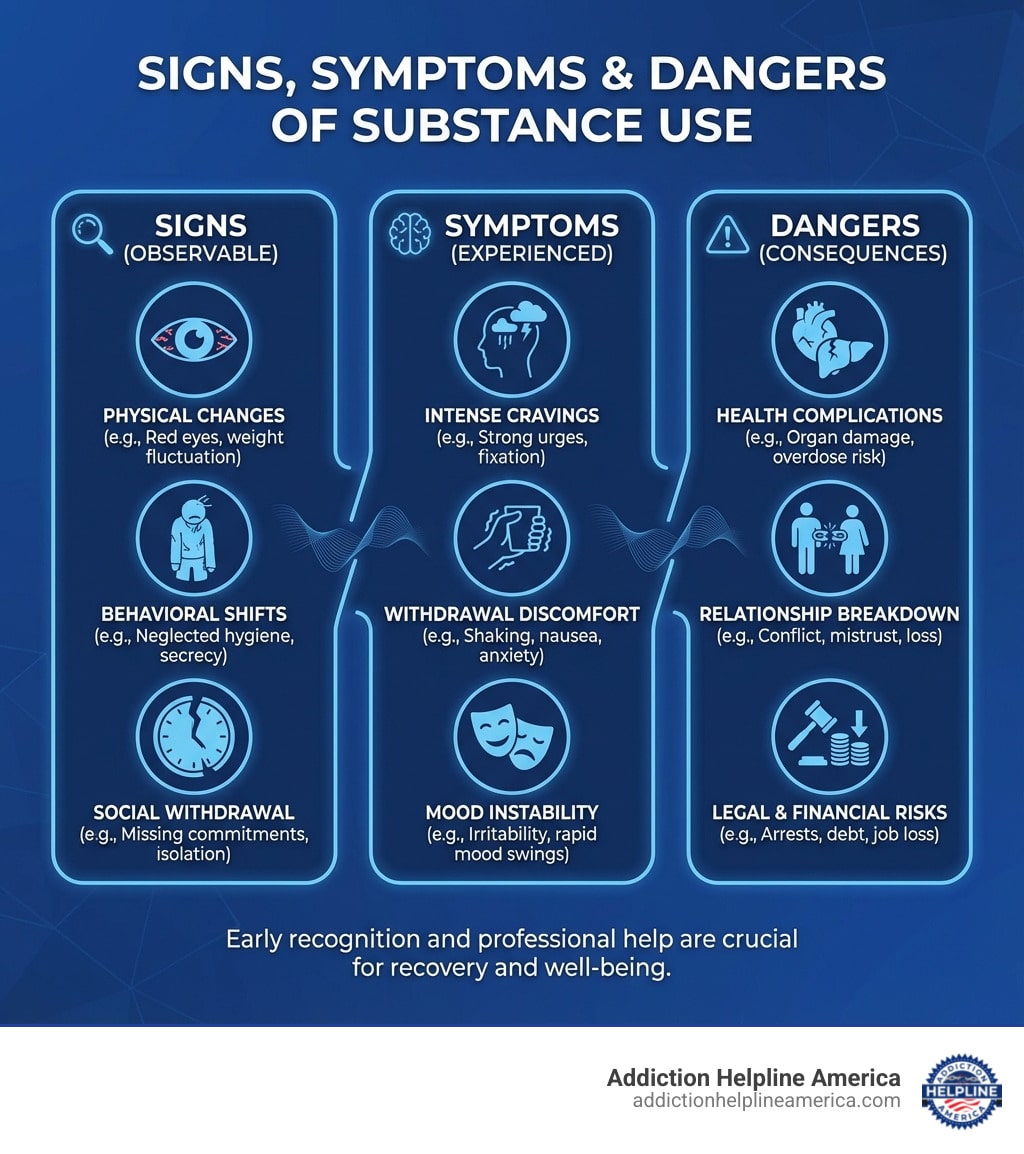
Signs, Symptoms & Dangers of Substance Use affect millions of Americans every year, and recognizing them early can be the difference between life and death. Whether you’re worried about yourself or a loved one, knowing what to look for is the first step toward getting help.
Quick Answer: Key Signs, Symptoms & Dangers
Physical Signs:
- Changes in appearance (bloodshot eyes, dilated or pinpoint pupils)
- Sudden weight loss or gain
- Slurred speech or poor coordination
- Unexplained injuries or track marks
- Changes in sleep patterns
Behavioral Signs:
- Secretive behavior or lying
- Withdrawal from family and friends
- Mood swings, irritability, or paranoia
- Declining performance at work or school
- Financial problems or stealing
Immediate Dangers:
- Overdose (especially with opioids like fentanyl)
- Accidents due to impaired judgment
- Risky behaviors (unsafe sex, sharing needles)
- Alcohol poisoning
Long-Term Health Dangers:
- Heart disease, liver damage, stroke
- Cancer and lung disease
- Infectious diseases (HIV, Hepatitis C)
- Co-occurring mental health disorders
- Permanent brain changes
According to the 2021 National Survey on Drug Use and Health, more than 46 million Americans struggled with a substance use disorder, and more than 1 in 10 adults now report having had a substance use problem at some point in their lives. The good news? Recovery is possible. Among those who’ve had a substance use problem, more than 7 in 10 consider themselves to be in recovery.
If you or someone you love is showing signs of substance use, don’t wait. Call Addiction Helpline America at 844-561-0606 for free, confidential support 24/7.
At Addiction Helpline America, we’ve helped thousands of individuals and families recognize the Signs, Symptoms & Dangers of Substance Use and connect them with the right treatment options. Our trained professionals understand what you’re going through and are here to guide you toward recovery.
The Broad Spectrum of Signs, Symptoms & Dangers of Substance Use
Recognizing the Signs, Symptoms & Dangers of Substance Use can feel overwhelming because they often manifest in various ways, from subtle physical shifts to dramatic behavioral changes. It’s crucial to remember that these signs don’t exist in a vacuum; context is everything. Many symptoms can be associated with other medical or psychiatric conditions, meaning careful assessment is always needed. However, when multiple signs appear together, especially suddenly or progressively, it may indicate a deeper issue.
For a confidential assessment, call Addiction Helpline America at 844-561-0606.
Physical Signs, Symptoms & Dangers of Substance Use
Our bodies often show the first indicators that something is amiss. When someone is struggling with substance use, you might notice:
- Changes in appearance: A general deterioration in hygiene or grooming, a neglected appearance, or wearing long sleeves even in warm weather to hide injection sites.
- Neglected hygiene: A disheveled look, lack of bathing, or poor dental hygiene.
- Pupil size changes: Pupils that are unusually dilated (large) or constricted (pinpoint), sometimes unresponsive to light.
- Slurred speech or poor coordination: Difficulty speaking clearly, stumbling, or having trouble with balance.
- Changes in sleep patterns: Insomnia, excessive sleepiness, or a disrupted sleep-wake cycle.
- Weight loss or gain: Significant, unexplained changes in body weight.
- Other physical indicators: Bloodshot eyes, poor skin tone, tremors, intense flu-like symptoms, or track marks from injection drug use.
These physical signs can also be accompanied by intense cravings and physical illness if a person attempts to stop using the substance, a condition known as withdrawal. For a deeper dive into the challenges of withdrawal, you can explore our Withdrawal Symptoms: Complete Guide.

Behavioral and Psychological Signs
Beyond the physical, substance use deeply impacts a person’s personality and mental health. These changes can be particularly distressing for loved ones to witness:
- Mood swings and irritability: Dramatic and unpredictable shifts in mood, often accompanied by increased agitation or anger.
- Anxiety and paranoia: Heightened levels of worry, fear, or suspicion, sometimes leading to delusions.
- Lack of motivation: A noticeable decrease in drive, energy, or interest in activities once enjoyed.
- Secretive behavior and lying: Becoming evasive, hiding activities, or fabricating stories to conceal substance use.
- Withdrawing from family and friends: Isolating oneself from loved ones, avoiding social gatherings, or changing peer groups.
- Loss of interest in hobbies: Abandoning once-cherished activities or passions.
- Financial problems: Unexplained money issues, borrowing or stealing money, or neglecting financial responsibilities to fund substance use.
Many of these behavioral and psychological shifts can also be indicative of underlying mental health conditions, which often co-occur with substance use disorders. Understanding the interplay between mental health and substance use is vital, and our Mental Health Clinic Complete Guide offers further insights.
Changes in Professional and Academic Life
Substance use rarely stays confined to personal life; it inevitably spills over into work and school, impacting performance and professional image.
- Decline in performance: A noticeable drop in productivity, quality of work, or academic grades.
- Increased absenteeism and lateness: Frequent absences or tardiness without valid explanations.
- Lack of focus: Difficulty concentrating, making errors, or remembering tasks.
- Conflicts with colleagues or peers: Increased arguments, strained relationships, or disciplinary actions.
- Disinterest in work or school: Appearing tired, disengaged, or unmotivated in professional or academic duties.
In specific professional settings, particularly healthcare, we also observe drug diversion behaviors. These are specific actions taken to obtain or misuse substances within the workplace. Examples include failing to have narcotic wastage observed and cosigned, performing narcotic counts alone, tampering with medication packages or vials, using fictional client names on narcotic records, or frequent discrepancies in narcotic records. These behaviors are not just signs of substance use but also pose significant risks to patient safety. Early recognition, reporting, and intervention are crucial in these environments.
Specific Substance Signs and Immediate Dangers
While many general signs point to substance use, each substance also comes with its unique set of indicators and immediate dangers. Polysubstance use, the use of more than one substance, significantly increases risks and complicates identification and treatment.
If you suspect an overdose, call 911 immediately. For guidance on next steps, call Addiction Helpline America at 844-561-0606.

Alcohol
Alcohol is one of the most widely used substances, and unfortunately, alcohol use disorder is the most common type of SUD in the U.S. In fact, nearly 29 million people aged 12 or older had an alcohol use disorder in 2023. Signs of alcohol use and misuse can include:
- Slurred speech and lack of coordination: Classic signs of intoxication.
- Odor of alcohol: A persistent smell of alcohol on the breath.
- Memory blackouts: Inability to recall events that occurred while drinking.
- Drinking alone or in secret: A preference to conceal drinking habits.
- Continuing to drink despite problems: Despite negative consequences, the individual continues to consume alcohol.
- Delirium tremens (DTs): A severe withdrawal symptom that can lead to hallucinations and life-threatening seizures.
- Health issues: Chronic diarrhea, vomiting blood, and organ damage.
When an individual suffering from alcohol use disorder stops drinking, they will experience withdrawal symptoms, such as headaches, nausea, insomnia, and anxiety. For more critical situations, our resource on Signs of Alcohol Poisoning can provide vital information.
For alcohol use concerns, call Addiction Helpline America at 844-561-0606.
Opioids (Heroin, Fentanyl, Painkillers)
Opioids, including prescription painkillers like oxycodone and hydrocodone, as well as illicit drugs like heroin and fentanyl, carry a very high risk of addiction, sometimes developing quickly. The dangers of opioid use are particularly acute due to the risk of overdose. Watch for:
- Drowsiness and “nodding off”: A state of semi-consciousness or extreme lethargy.
- Pinpoint pupils: Pupils that are unusually small and constricted.
- Slowed breathing: Respiration that is shallow or infrequent.
- Constipation: A common side effect due to slowed digestive system.
- Flu-like withdrawal symptoms: When the drug wears off, individuals may experience severe body aches, nausea, diarrhea, and intense cravings.
- Paraphernalia: Needles, burnt spoons, bottle caps, or small bags with powder residue.
The warning signs of an opioid overdose are critical to recognize:
- Falling asleep or loss of consciousness
- Shallow or no breathing
- Limp body (though may be rigid with fentanyl)
- Choking or gurgling sounds
- Small, constricted, ‘pinpoint’ pupils (may be difficult to see)
- Pale blue or cold skin, lips, or nails
If you suspect an opioid overdose, call 911 immediately. If available, administer naloxone (Narcan) and stay with the person until medical help arrives. The presence of fentanyl in illicit pills, with 6 out of 10 pills potentially containing it, significantly increases overdose risk.
If you or someone you know is struggling with opioid use, call Addiction Helpline America at 844-561-0606 for help.
Stimulants (Cocaine, Methamphetamine)
Stimulants like cocaine and methamphetamine speed up the body’s systems, leading to a range of noticeable effects and significant dangers:
- Hyperactivity and excitability: Increased energy, restlessness, and rapid speech.
- Dilated pupils: Unusually large pupils.
- Insomnia: A reduced need for sleep or inability to sleep for extended periods.
- Weight loss: Significant and often rapid weight loss due to decreased appetite.
- Paranoia and aggression: Intense feelings of suspicion, anxiety, or hostility.
- Compulsive movements: Repetitive behaviors like scratching or picking at skin.
- Damaged mucous membranes: Snorting drugs like cocaine can damage the inside of the nose.
- “Tweaking”: A state of intense paranoia and agitation that occurs after prolonged methamphetamine use without sleep.
For those struggling with stimulant use, we offer resources like Detox for Cocaine and Wean Meth Addicts Drugs Treatment to guide them through the initial stages of recovery.
For stimulant addiction support, call Addiction Helpline America at 844-561-0606.
Cannabis (Marijuana)
Marijuana is widely used, and while often perceived as less harmful, it still carries its own set of signs, symptoms, and potential dangers:
- Red eyes: Often bloodshot or glassy.
- Increased appetite (“the munchies”): Sudden and intense hunger.
- Slowed reaction time and impaired coordination: Difficulty with tasks requiring precision or quick responses.
- Anxiety or paranoia: While some users feel relaxed, others experience heightened anxiety, fear, or even psychosis.
- Lack of motivation: Apathy or disinterest in daily activities.
- Strong odor: A distinct smell on clothing or in the environment.
- Withdrawal symptoms: Can include nightmares, insomnia, nausea, and depression upon cessation.
After alcohol, marijuana is the drug most often linked to impaired driving. In 2016, almost 12 million people aged 16 or older reported driving under the influence of illicit drugs, including marijuana. For more comprehensive information on cannabis use, its effects, and risks, visit our dedicated page: More on cannabis use.
If you have questions about cannabis use, call Addiction Helpline America at 844-561-0606.
Long-Term Dangers and Health Consequences of Addiction
Substance use disorder is a recognized medical brain disorder, and its impact extends far beyond the immediate effects of intoxication. It’s a chronic disease that can lead to a cascade of severe, long-term health, mental, and societal consequences.
If you’re experiencing health issues from substance use, call Addiction Helpline America at 844-561-0606.
Broader Health Consequences
The human body is an intricate system, and substance use can damage nearly every part of it. People with addiction often have one or more associated health issues, which could include:
- Heart and Cardiovascular Disease: Stimulants can lead to increased heart rate and blood pressure, potentially causing heart attacks or strokes.
- Liver Damage: Alcohol misuse is notorious for causing liver diseases like cirrhosis.
- Lung Disease: Smoking substances like marijuana or crack cocaine can lead to chronic respiratory problems and cancer.
- Stroke and Cancer: Many substances increase the risk of various cancers and cerebrovascular events. Tobacco smoke, for example, is a known carcinogen.
- Infectious Diseases: People who are addicted to a drug are more likely to get an infectious disease, such as HIV, either through unsafe sex or by sharing needles with others. Injection of drugs accounts for 1 in 10 cases of HIV, and it’s a major factor in the spread of hepatitis C.
- Dental Problems: Methamphetamine use is particularly known for causing severe dental decay, often called “meth mouth.”
- Nerve Cell Damage: Inhalants can damage nerve cells and lead to cognitive impairment.
Imaging, X-rays, and blood tests can often reveal the extent of damage from long-term drug use. For a comprehensive overview of the complications stemming from substance use, our resource on Drug addiction (substance use disorder) complications is invaluable.
Co-Occurring Mental Health Disorders
The relationship between drug use and mental health disorders is complex and bidirectional. Mental disorders like anxiety, depression, or schizophrenia can precede addiction, or drug use can trigger or worsen these conditions, especially in vulnerable individuals.
- The Link Between SUD and Mental Illness: Many people use substances to self-medicate symptoms of anxiety, depression, or trauma. However, this often exacerbates their mental health issues, creating a vicious cycle.
- Worsening of Conditions: Substance use can worsen existing conditions like depression, anxiety, or bipolar disorder, making them harder to manage.
- Importance of Dual Diagnosis Treatment: Because of this intricate connection, concurrent treatment for both addiction and mental health disorders is crucial. Addressing one without the other often leads to relapse. Our Mental Health Substance Abuse Treatment Guide and additional Information on Bipolar Disorder highlight the importance of integrated care.
Societal and Interpersonal Dangers
The ripple effects of substance use extend far beyond the individual, impacting families, communities, and public safety.
- Impaired Driving Accidents: Substance use significantly increases the risk of motor vehicle accidents, endangering drivers, passengers, and others on the road. In 2016, almost 12 million people ages 16 or older reported driving under the influence of illicit drugs, including marijuana.
- Legal Issues: Drug use can lead to arrests, criminal records, and incarceration, affecting future employment and housing opportunities.
- Financial Strain: The cost of substances, coupled with lost wages and legal fees, can devastate personal and family finances.
- Damaged Relationships: Secrecy, conflict, and emotional chaos often erode trust and strain relationships with family and friends.
- Risks During Pregnancy and Breastfeeding: Maternal substance use during pregnancy can lead to serious conditions like Neonatal Abstinence Syndrome (NAS) in newborns, causing withdrawal symptoms, developmental problems, and long-term health issues for the child.
- Dangers of Secondhand Smoke: Just like tobacco, secondhand smoke from substances like marijuana can expose others to harmful chemicals, especially children. While research is ongoing, it’s clear that exposure is not benign.
For support and resources, call Addiction Helpline America at 844-561-0606.
Understanding and Treating Substance Use Disorder (SUD)
Substance use disorder (SUD) is a complex condition characterized by uncontrolled use of a substance despite harmful consequences. It’s not a moral failing, but a recognized medical brain disorder. Repeated substance use causes lasting changes in brain function, affecting areas related to judgment, decision-making, learning, and behavioral control.
SUD is caused by multiple factors, including genetic vulnerability, environmental stressors, social pressures, individual personality characteristics, and psychiatric problems. Genetics, for instance, account for approximately 50% of the risk for developing addiction. This doesn’t mean a young person with a family history is predetermined to develop SUD, but it does mean they are particularly susceptible.
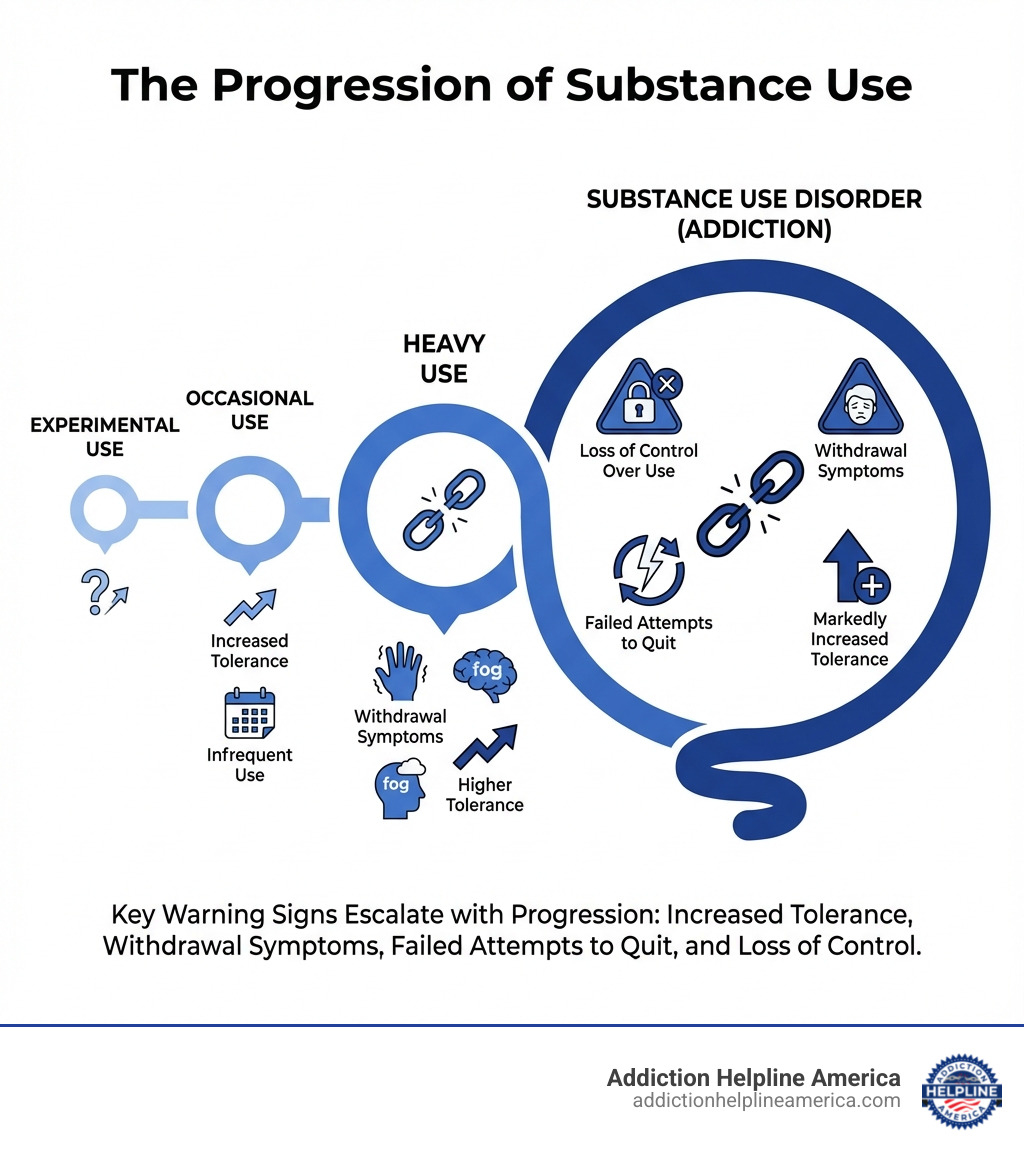
The progression to SUD often follows a pattern: experimental use, occasional use, heavy use, and finally, substance use disorder, where substance use is daily or multiple times daily with rare breaks. The good news is that SUD is a treatable mental health condition, and recovery is possible.
To learn more about finding help, visit our Substance Abuse Helpline Guide.
Call Addiction Helpline America at 844-561-0606 to learn about your treatment options.
How SUD is Diagnosed and Treated
Diagnosing SUD requires a thorough evaluation by a family doctor, psychiatrist, or qualified mental health professional. They will assess clinical findings, medical history, and behaviors surrounding substance use. The diagnostic criteria, typically based on the DSM-5, involve identifying at least two signs from a specific list within a 12-month period. The severity of SUD is categorized as:
- Mild: Two to three signs
- Moderate: Four to five signs
- Severe: Six or more symptoms
Key diagnostic criteria include:
- Taking the substance in larger amounts or for longer than intended.
- Persistent desire or unsuccessful efforts to cut down or control use.
- Spending a great deal of time obtaining, using, or recovering from the substance.
- Craving, or a strong desire or urge to use the substance.
- Recurrent substance use resulting in a failure to fulfill major role obligations at work, school, or home.
- Continued substance use despite having persistent or recurrent social or interpersonal problems caused or exacerbated by the effects of the substance.
- Giving up or reducing important social, occupational, or recreational activities because of substance use.
- Recurrent substance use in situations in which it is physically hazardous.
- Continued substance use despite knowledge of having a persistent or recurrent physical or psychological problem that is likely to have been caused or exacerbated by the substance.
- Tolerance: A need for markedly increased amounts of the substance to achieve intoxication or desired effect, or a markedly diminished effect with continued use of the same amount of the substance.
- Withdrawal: The characteristic withdrawal syndrome for the substance, or the substance (or a closely related substance) is taken to relieve or avoid withdrawal symptoms.
Treatment for SUD is highly individualized and depends on factors like age, health, the type and extent of dependence, and patient preference. Options often include:
- Detoxification (Withdrawal Management): Often the first step, involving medically supervised withdrawal to safely manage symptoms. Our Drug Detox in Patient Complete Guide provides detailed information.
- Inpatient or Outpatient Programs: Structured environments offering intensive therapy and support.
- Medication-Assisted Treatment (MAT): Medications like methadone, buprenorphine, or naltrexone can help manage cravings and withdrawal for certain substances, particularly opioids and alcohol.
- Therapy: Various forms of psychotherapy, including Cognitive Behavioral Therapy (CBT), Dialectical Behavior Therapy (DBT), and family therapy, help individuals address underlying issues, develop coping skills, and modify behavior. Learn more about these approaches in our Types of Addiction Therapy.
- Long-Term Follow-up and Support: Ongoing care, including support groups and psychosocial support systems, is crucial for sustained recovery.
For a personalized treatment plan, call Addiction Helpline America at 844-561-0606.
Prevention and Long-Term Recovery
Preventing substance use disorder and maintaining long-term recovery are ongoing processes that involve strategic planning and continuous support.
- Relapse Prevention Strategies: Relapses are common with SUD, even years after stopping substance use. The key is to anticipate triggers—both external (e.g., environments where others are using) and internal (e.g., anxiety, hunger, fatigue)—and develop coping mechanisms. Professional help can guide individuals in identifying these triggers and creating effective plans. Our How to Prevent Relapse resource offers practical advice.
- Building a Support System: A strong network of support, including family, friends, and mutual help groups, is vital. Organizations like Al-Anon and Alateen offer free resources for family members, providing a space to share experiences and gain support. Our Addiction Support Groups Ultimate Guide details various options.
- Healthy Coping Mechanisms: Developing positive ways to manage stress and change—such as exercise, meditation, or hobbies—can reduce the urge to turn to substances.
- The Role of Family and Friends: Open communication and a strong parent-child bond are key to preventing drug misuse in children and teenagers. For families with a history of addiction, it’s important to discuss genetic risks with children at an age-appropriate time (generally between ages 10 and 12). Setting a positive example regarding substance use is also crucial.
Start your recovery journey—call Addiction Helpline America at 844-561-0606.
Frequently Asked Questions about Substance Use
What is the difference between substance abuse and addiction?
While often used interchangeably, there’s a distinction. Substance abuse generally refers to a pattern of harmful use of any substance for mood-altering purposes. This might involve using a substance in dangerous situations (like driving under the influence) or experiencing negative consequences (like legal problems or relationship issues) due to use. Addiction, now medically termed Substance Use Disorder (SUD), is a chronic disease that affects a person’s brain and behavior, leading to an inability to control the use of a legal or illegal drug or medicine, even when it causes significant harm. It involves compulsive substance use despite negative consequences, along with changes in brain chemistry.
For more information, call Addiction Helpline America at 844-561-0606.
How do I talk to a loved one about their substance use?
Approaching a loved one about their substance use can be incredibly difficult, but it’s a crucial step. Here are some guidelines:
- Choose a private, calm time: Avoid confrontations when they are intoxicated or when emotions are high.
- Express concern, not judgment: Focus on how their behavior affects you and others, rather than labeling them an “addict” or “alcoholic.”
- Use “I” statements: For example, “I am worried about you because…” rather than “You always…”
- Be specific: Point to specific instances or behaviors that concern you.
- Offer support and resources: Let them know you’re there to help them find treatment, not to punish them. Our Family Therapy in Addiction Recovery resource can also provide valuable insights for families navigating this challenge.
Get guidance by calling Addiction Helpline America at 844-561-0606.
What is the first step to getting help for addiction?
The very first step is often the hardest: acknowledging the problem. Once this recognition occurs, the next crucial step is to reach out for help. This could mean:
- Calling a confidential helpline, like Addiction Helpline America.
- Speaking with a trusted doctor or therapist.
- Confiding in a close friend or family member.
We understand that seeking help can feel overwhelming, but you don’t have to steer it alone. We can connect you with local resources and treatment centers. For guidance on finding suitable options in your area, our Find local rehab centers with this complete guide is a great place to start.
Take the first step—call Addiction Helpline America at 844-561-0606.
Take the First Step Toward Recovery Today
Recognizing the Signs, Symptoms & Dangers of Substance Use is the critical first step toward positive change. We’ve explored how substance use can affect every aspect of a person’s life—physically, mentally, socially, and professionally. But remember, addiction is a treatable disease, and recovery is not just a possibility; it’s a reality for millions of Americans.
Recovery is a journey, not a destination, and it’s one you don’t have to walk alone. Hope and help are always available.
Addiction Helpline America provides free, confidential guidance to find the right treatment from our vast network of centers nationwide. Visit our Substance Abuse Helpline Guide to start your journey toward recovery.