
Your Path to Recovery in the Emerald City
Rehab in Seattle WA offers a wide range of treatment options for individuals seeking recovery from drug and alcohol addiction. Here’s what you need to know to find the right program:
Quick Overview of Seattle Rehab Options:
- 25+ Treatment Centers serving the Seattle area with various levels of care
- Levels of Care Available: Medical detox, inpatient/residential, partial hospitalization (PHP), intensive outpatient (IOP), and standard outpatient programs
- Insurance Coverage: Most rehabs accept Medicaid, Medicare, private insurance, and offer sliding-scale fees
- Specialized Programs: Dual diagnosis treatment, medication-assisted treatment (MAT), trauma-informed care, and programs for specific demographics (veterans, LGBTQ+, young adults, women)
- Free Resources: 24/7 helplines, state-funded programs, and support groups throughout the city
What Makes Seattle Unique:
Seattle has responded to the rising fentanyl crisis with comprehensive care options. The city ranks among Washington’s top areas for accessible treatment, with over 150 facilities in the greater Seattle area. Many programs integrate evidence-based approaches with holistic methods like acupuncture, meditation, and art therapy.
Important to Know:
- Insurance typically covers addiction treatment, making recovery more accessible and affordable
- Washington’s Good Samaritan Law protects those who call 911 during an overdose
- Treatment length varies from 28 days to 90+ days depending on individual needs
- Most facilities offer aftercare planning and connection to sober living environments
At Addiction Helpline America, we’ve guided thousands of individuals and families through the process of finding appropriate Rehab in Seattle WA that matches their unique circumstances and insurance coverage. Our free, confidential service connects you with treatment options 24/7 at 844-561-0606.
Understanding the Types of Drug and Alcohol Rehab in Seattle
When you’re ready to seek help for addiction, understanding the different types of services available can feel overwhelming. Rehab in Seattle WA offers a spectrum of care designed to meet individuals at various stages of their recovery journey. Each level provides a unique structure and intensity, ensuring that you can find the support that best suits your needs.
Let’s explore the common levels of care you’ll encounter:
| Level of Care | Description – |
|---|---|
| Medical Detox | This is often the first step, providing a safe, medically supervised environment to manage withdrawal symptoms. – |
| Inpatient/Residential | Offers 24/7 care in a structured, live-in facility. This immersive environment removes external triggers and allows for intensive therapy and support. – |
| Partial Hospitalization (PHP) | A step-down from inpatient care, providing intensive therapy during the day (several hours, multiple days a week) while you return home at night. – |
| Intensive Outpatient (IOP) | A more flexible option than PHP, with fewer hours of treatment per week. This allows you to maintain work or school commitments while still receiving substantial support. – |
| Standard Outpatient | The least intensive level of care, typically involving one or two therapy sessions per week. It’s ideal for those with a strong support system or as a step-down from more intensive programs. – |
| Sober Living Homes | These are structured, substance-free living environments for individuals in recovery. They provide a supportive community and help bridge the gap between intensive treatment and independent living. – |

Specialized Treatment Approaches
Beyond the general levels of care, many Rehab in Seattle WA facilities offer specialized approaches to address the unique needs of individuals. These can significantly improve the effectiveness of treatment by tailoring interventions to specific challenges.
- Holistic Therapies: These approaches treat the \”whole person\”—mind, body, and spirit. You might find offerings such as yoga, meditation, mindfulness practices, acupuncture, art therapy, music therapy, and even outdoor activities like hiking. These can help manage stress, improve emotional regulation, and foster a sense of well-being.
- Trauma-Informed Care: Recognizing that past trauma often plays a significant role in addiction, many Seattle rehabs use trauma-informed care. This approach understands and responds to the impact of trauma on an individual’s life, creating a safe and supportive environment where healing can occur without re-traumatization.
- Evidence-Based Practices (EBPs): These are therapeutic techniques that have been rigorously studied and proven effective. Common EBPs include:
- Cognitive Behavioral Therapy (CBT): Helps individuals identify and change negative thought patterns and behaviors that contribute to substance use.
- Dialectical Behavior Therapy (DBT): Focuses on emotional regulation, distress tolerance, interpersonal effectiveness, and mindfulness.
- Motivational Interviewing (MI): A collaborative, person-centered form of guidance to elicit and strengthen motivation for change.
- Medication-Assisted Treatment (MAT): For certain addictions, particularly opioid use disorder, MAT combines FDA-approved medications (like buprenorphine, naltrexone, or methadone) with counseling and behavioral therapies. Research consistently shows MAT can significantly improve outcomes, reduce cravings, and prevent relapse. Several Seattle facilities, including Evergreen Treatment Services, offer MAT programs.
Co-Occurring Disorders and Mental Health
It’s a common misconception that addiction exists in a vacuum. In reality, approximately 50% of people with substance use disorders also have co-occurring mental health conditions, a phenomenon often referred to as Dual Diagnosis. This can include conditions like anxiety, depression, PTSD, bipolar disorder, and other mental health challenges.
The good news is that many Rehab in Seattle WA centers are equipped to provide integrated treatment for dual diagnosis. This means that both the substance use disorder and the mental health condition are treated simultaneously, rather than separately. This integrated approach is crucial because addressing only one aspect often leads to relapse in the other. By treating the whole person, these programs aim for more sustainable and comprehensive recovery.
We understand that navigating these complexities can be overwhelming. Our team at Addiction Helpline America is here to help you find programs that specialize in treating co-occurring disorders, ensuring you receive the holistic care you deserve.
How to Choose the Best Rehab Program in Seattle WA for Your Needs
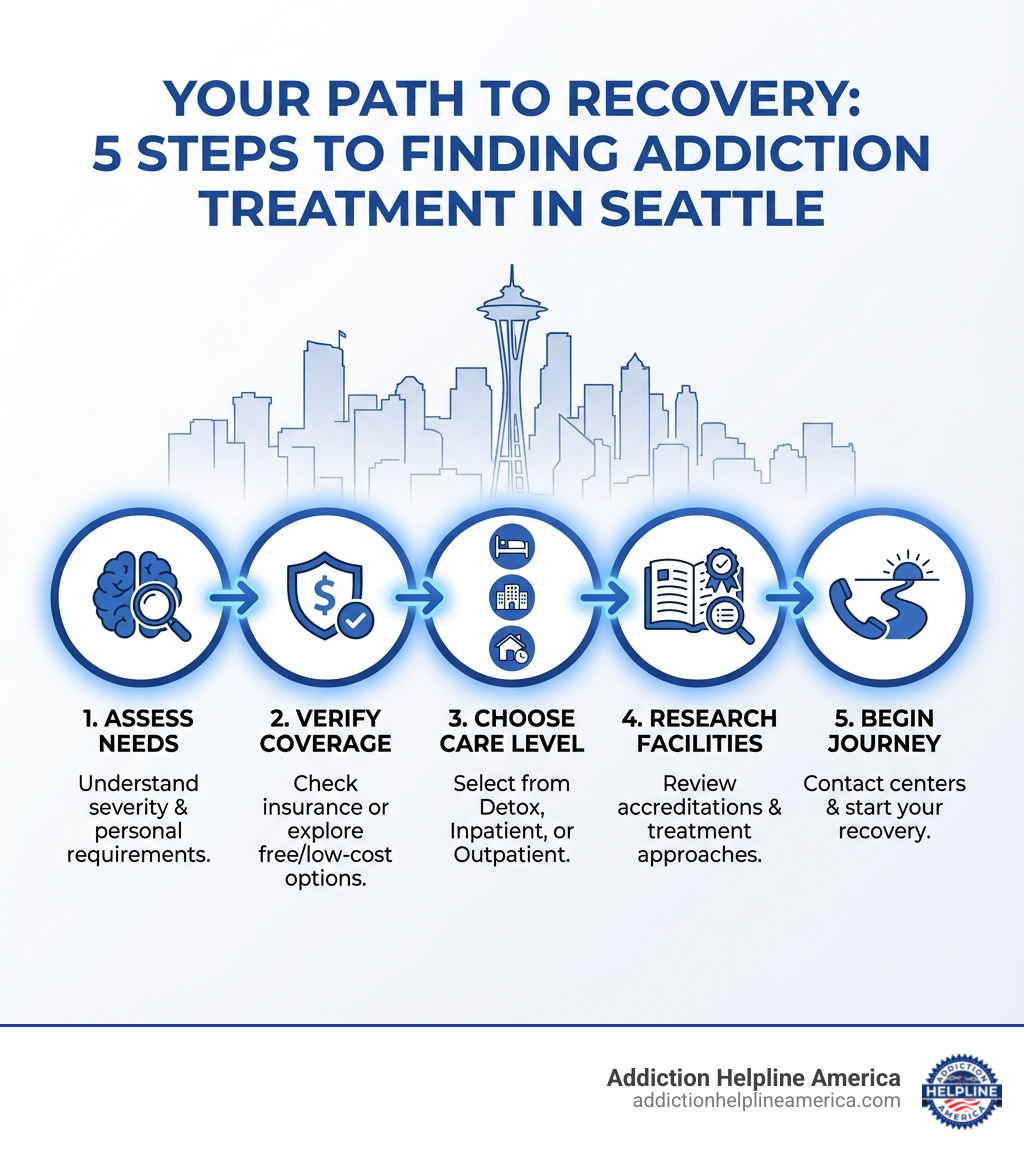
Finding the “best” rehab isn’t about finding the most expensive or luxurious facility; it’s about finding the best fit for you. Your journey to recovery is deeply personal, and a program that aligns with your specific needs, preferences, and circumstances will be the most effective. This section provides a framework to help you evaluate your options and make an informed decision.

Assessing Your Personal Needs for Rehab in Seattle WA
Before you start looking at facilities, take some time for self-reflection. An honest assessment of your situation will guide your search. Consider the following:
- What substances are being used? Different substances may require different detoxification protocols and specialized therapies. For example, opioid addiction may benefit significantly from MAT.
- How long has the addiction been present, and what is its severity? A long-standing or severe addiction might necessitate a higher level of care, such as inpatient treatment, to provide the intensive support needed.
- Are there co-occurring mental health conditions? As we discussed, if you struggle with anxiety, depression, or other mental health issues alongside addiction, an integrated dual diagnosis treatment program is essential.
- What is your home environment like? Is it supportive and substance-free, or is it full of triggers and negative influences? Your home environment can influence whether outpatient or residential treatment is more appropriate.
- What are your previous treatment experiences? What worked, what didn’t, and why? Learning from past attempts can help you choose a more effective path forward.
- Do you have gender-specific needs? Some individuals prefer or benefit from gender-specific programs (e.g., women-only or men-only) to feel more comfortable and open in therapy.
- Are there age-specific programs? Treatment approaches can vary for adolescents, young adults (18-25), and seniors (65+). Seattle has facilities like Ryther Child Center for younger individuals and specialized programs for older adults.
Key Factors to Consider in a Seattle Rehab Facility
Once you have a clearer picture of your personal needs, you can begin to evaluate specific Rehab in Seattle WA facilities. Here are some critical factors to consider:
- Accreditation: Look for facilities accredited by reputable organizations such as The Joint Commission (JCAHO), the Commission on Accreditation of Rehabilitation Facilities (CARF), or the National Association of Addiction Treatment Providers (NAATP). These accreditations indicate that a facility meets rigorous standards of care and safety.
- Staff Licensing and Credentials: Ensure that the treatment team consists of licensed and credentialed professionals, including doctors, nurses, therapists (e.g., licensed professional counselors, social workers), and addiction specialists.
- Treatment Philosophy and Evidence-Based Methods: Does the facility’s approach resonate with you? Do they primarily use evidence-based therapies like CBT, DBT, or MI, or do they also incorporate holistic methods? A transparent facility will be happy to discuss its treatment modalities.
- Staff-to-Patient Ratio: A lower staff-to-patient ratio often means more individualized attention and support, which can be crucial for effective recovery.
- Aftercare Planning: A good rehab program doesn’t just end when you leave. It should have a robust aftercare plan in place, connecting you with ongoing support, sober living options, and relapse prevention strategies.
- Family Involvement: For many, addiction impacts the entire family. Programs that include family therapy sessions or educational components for loved ones can be incredibly beneficial for healing relationships and building a stronger support system.
- Program Amenities: While not the most important factor, amenities can contribute to comfort and a conducive healing environment. Options range from basic and practical to more extensive, including private rooms, recreation facilities, yoga and meditation spaces, art or music rooms, and even outdoor activities like hiking. Some facilities offer specialized environments like metro, wilderness, or waterfront settings.
Finding a Comprehensive Directory of Rehab in Seattle WA
With so many factors to consider, finding a comprehensive list of reputable rehab centers can feel like a daunting task. Thankfully, resources are available to help you steer your options.
We, at Addiction Helpline America, maintain an extensive and up-to-date directory of facilities. Our Seattle-specific directory can be a valuable tool to start your search: Addiction Helpline America’s Seattle Rehab Directory.
Additionally, national helplines and state resources can provide further guidance:
- The SAMHSA National Helpline (Substance Abuse and Mental Health Services Administration) offers confidential free help, from public health information to treatment referrals, available 24/7 in English and Spanish: SAMHSA National Helpline.
- The Washington Recovery Help Line (866-789-1511) is another excellent state-specific referral service that can provide local counseling and treatment options.
When using any directory, remember to verify the facility’s credentials, ask about their specific programs, and ensure they align with your needs. Our free and confidential service can assist you in asking the right questions and connecting you with the most suitable options for your recovery journey.
Navigating the Cost of Rehab and Insurance Coverage
The financial aspect of addiction treatment is often a major concern for individuals and their families. It’s easy to feel overwhelmed by potential costs, but recovery is an investment in your health and future. We want to assure you that many options are available to make Rehab in Seattle WA affordable and accessible.
The Role of Insurance in Paying for Treatment
One of the most significant developments in addiction treatment accessibility is the expansion of insurance coverage. Thanks to federal mandates like the Affordable Care Act and the Mental Health Parity and Addiction Equity Act, most insurance plans are now required to cover addiction treatment services. This means that for many, recovery is more accessible and affordable than ever before.
In Seattle, as across the U.S., you’ll find that rehab facilities accept a variety of insurance plans:
- Private Insurance Plans: These are plans obtained through an employer or purchased directly from an insurance marketplace. Major providers like Aetna, Blue Cross Blue Shield, UnitedHealth Group, Humana, Cigna, and others are commonly accepted. It’s crucial to verify your specific benefits, including deductibles, co-pays, and out-of-pocket maximums.
- Medicaid: This is a federal and state program that provides health coverage to low-income individuals and families. Many Seattle rehabs accept Medicaid, making treatment accessible to those who might otherwise struggle to afford it.
- Medicare: This federal health insurance program primarily serves individuals aged 65 or older, and younger people with certain disabilities. Medicare can cover a portion of addiction treatment costs.
- TRICARE: The healthcare program for uniformed service members, retirees, and their families. Many facilities in Seattle are equipped to serve veterans and military families, often accepting TRICARE.
- ITU Funds: Indian Health Service (IHS) and Tribal Urban Indian (ITU) funds can cover treatment costs for eligible Native American and Alaska Native individuals.
When considering a facility, always verify your benefits directly with your insurance provider or have the admissions team at the rehab center do so on your behalf. They can confirm whether the facility is in-network or out-of-network and provide a clear understanding of what your plan will cover. You can learn more about how insurance works with rehab here: Learn more about insurance and rehab.
Options for Those Who Are Uninsured
If you do not have insurance, please know that this is not a barrier to seeking help. There are still many pathways to affordable Rehab in Seattle WA:
- State-Funded Rehabs: Washington State offers various programs and facilities that receive government funding to provide low-cost or free addiction treatment services to residents. These programs often prioritize individuals with limited financial resources.
- Non-Profit Organizations: Organizations like The Salvation Army Adult Rehabilitation Program in Seattle offer free drug and alcohol rehabilitation programs. These programs are committed to providing a safe environment and the tools necessary for recovery, often integrating work and social skills training.
- Sliding-Scale Fees: Many facilities offer a sliding-scale fee structure, where the cost of treatment is adjusted based on your income and ability to pay.
- Payment Plans: Some rehab centers allow you to set up a payment plan, breaking down the total cost into more manageable monthly installments.
- Scholarships and Grants: Various organizations and foundations offer scholarships or grants specifically for addiction treatment. It may require some research and application, but these can significantly reduce the financial burden.
Don’t let financial concerns prevent you from taking the crucial step towards recovery. We are here to help. Addiction Helpline America is a free and confidential service that can connect you with facilities that offer flexible payment options, accept various insurance plans, or provide services for those who are uninsured. Contact Addiction Helpline America for guidance today, and let us help you explore all available avenues.
Starting Your Recovery Journey in Seattle
Taking the first step towards recovery is a monumental act of courage. Once you’ve chosen a path, the journey begins, and you don’t have to walk it alone. Seattle offers a vibrant and supportive community that can help you begin and sustain your recovery long after formal treatment ends.
Local Support Groups and Helplines
Peer support is a cornerstone of long-term recovery. Connecting with others who understand your struggles can provide invaluable encouragement, shared wisdom, and a sense of belonging. Seattle is home to numerous support groups and helplines:
- Alcoholics Anonymous (AA): A 12-step program for individuals who want to stop drinking. AA meetings are widely available throughout Seattle and provide a supportive environment for sobriety. We can help you find local meetings: Alcoholics Anonymous in Seattle.
- Narcotics Anonymous (NA): Similar to AA but focuses on recovery from any drug addiction. NA meetings offer a safe space for individuals to share their experiences and support each other. Find NA meetings near you: Narcotics Anonymous meetings.
- SMART Recovery: A popular alternative to 12-step programs, SMART Recovery uses cognitive therapy techniques to help individuals change behaviors that trigger substance misuse. It emphasizes self-empowerment and self-reliance.
- NAMI (National Alliance on Mental Illness): For those dealing with co-occurring mental health conditions, NAMI offers support groups, educational programs, and resources for individuals and their loved ones. NAMI South King County, for example, provides free, peer-led support groups. Explore NAMI resources: NAMI for mental health support.
- Al-Anon Family Groups: Addiction impacts everyone in the family. Al-Anon provides anonymous meetings for those affected by someone else’s drinking, focusing on navigating common experiences and finding support for themselves.
- Nar-Anon: Similar to Al-Anon but for those affected by someone else’s drug use, Nar-Anon offers a space to share and heal.
- Parents of Addicted Loved Ones (PAL): Offers in-person meetings and phone calls for parents struggling with a child’s substance misuse, providing support and guidance.
- Dual Recovery Anonymous (DRA): Specifically for individuals seeking to address both substance use and mental health issues using the 12 steps.
- Crystal Meth Anonymous (CMA) and Marijuana Anonymous (MA): These 12-step programs cater to individuals seeking recovery from specific substances.
- Oxford House: Provides affordable and safe housing with supportive, structured living conditions for people in recovery. These are democratically self-run homes that promote mutual support.
In addition to these groups, the Washington Recovery Help Line (866-789-1511) is available for local counseling and treatment options, and the SAMHSA National Helpline (800-662-4357) can provide referrals to local treatment options 24/7.
What to Expect After Treatment
Completing a rehab program is a significant achievement, but it’s just the beginning of a lifelong journey of recovery. The period immediately following intensive treatment is crucial for building a strong foundation for lasting sobriety.
- Aftercare Planning: A comprehensive rehab program will develop a personalized aftercare plan with you. This plan outlines ongoing support, such as regular therapy sessions, participation in support groups, and connection to community resources.
- Relapse Prevention Strategies: You’ll continue to work on identifying triggers, developing healthy coping mechanisms, and building resilience to prevent relapse. Many programs offer ongoing relapse prevention counseling.
- Sober Living Environments: For many, transitioning into a sober living home after residential treatment provides a vital bridge back to independent living. These homes offer a structured, substance-free environment with peer support, helping you practice new life skills in a safe setting.
- Continued Therapy: Individual and group therapy often continue on an outpatient basis. This ongoing support helps you process challenges, reinforce healthy behaviors, and address any emerging issues.
- Building a New Life in Recovery: This phase is about integrating your recovery into all aspects of your life. It involves rebuilding relationships, pursuing education or employment, engaging in hobbies, and finding new ways to experience joy and fulfillment without substances.
- Community Involvement: Becoming an active member of the recovery community, whether through volunteering, mentorship, or simply attending regular meetings, strengthens your support network and provides a sense of purpose.
Recovery is a continuous process of growth and self-findy. With the right aftercare and support, you can build a fulfilling life free from addiction.
Frequently Asked Questions about Rehab in Seattle
We know you likely have many questions as you consider Rehab in Seattle WA. Here, we address some of the most common inquiries to help clarify the path forward.
How long does a typical rehab program last?
The duration of a rehab program is highly individualized and depends on several factors, including the severity of the addiction, the type of substance used, and any co-occurring mental health conditions. Short-term programs often last around 30 days, while longer programs of 60 or 90 days are also common. Research indicates that longer durations of treatment often lead to better long-term outcomes. The level of care also determines the length; for example, medical detox may last a few days, while outpatient care can continue for several months as part of an ongoing recovery plan.
What is the difference between inpatient and outpatient rehab?
This is a fundamental distinction when choosing a rehab program, and understanding it can help you determine the best fit for your circumstances:
- Inpatient (Residential) Rehab: This level of care requires you to live at the treatment facility 24/7. It offers a highly structured and immersive environment, removing you from the triggers and stresses of your daily life. Inpatient rehab is ideal for individuals with severe addictions, those who need medical supervision during withdrawal, or those who lack a stable and supportive home environment.
- Outpatient Rehab: In contrast, outpatient rehab allows you to live at home while attending treatment sessions at a facility. This option offers more flexibility, enabling you to maintain work, school, or family commitments. There are different intensities of outpatient care, including Partial Hospitalization Programs (PHP) and Intensive Outpatient Programs (IOP), which offer more structured care than standard weekly therapy sessions.
Can my family be involved in my treatment?
Absolutely, and in most cases, family involvement is not just allowed but actively encouraged and considered a vital component of successful recovery. Addiction is often referred to as a “family disease” because its effects ripple through the lives of loved ones. Healing for the individual often means healing for the family as well.
Many Rehab in Seattle WA facilities offer various ways for families to participate, including family therapy sessions and educational programs. These programs help families understand addiction, learn about enabling behaviors, and develop strategies for supporting their loved one’s recovery while also taking care of their own well-being. Support groups like Al-Anon Family Groups are also available specifically for family members and friends affected by someone else’s drinking or drug use.
Your New Beginning Starts Today
Recovery is a courageous choice, and you don’t have to make it alone. The right support and treatment can guide you toward a healthier, more fulfilling life free from addiction. If you’re unsure where to begin, help is just a click away. Addiction Helpline America offers a free, confidential service to help you understand your options and connect you with a treatment center that fits your unique needs. We believe that everyone deserves a second chance, and we’re here to help you find yours.
Find the right rehab in Seattle for you; Confidential guidance; Personalized support.