
Your First Step Towards Local Recovery
Searching for rehab near me is a critical first step toward recovery. If you need immediate help, this guide will simplify the process.
Quick Guide to Finding Local Rehab:
- Types of Treatment: Medical detox, inpatient (residential), outpatient, intensive outpatient (IOP), and partial hospitalization (PHP).
- Cost Options: Private insurance (often covers 60-100%), state-funded programs, Medicaid, and financing plans.
- What to Look For: Accreditation (Joint Commission, CARF), licensed staff, evidence-based therapies, and positive client reviews.
- How to Start: Call a facility’s 24/7 helpline, verify insurance, complete an assessment, and begin treatment (often within 24-48 hours).
The statistics are sobering: in 2022, of the 54.6 million people who needed substance use treatment, only 13.1 million received it. This guide is here to help close that gap.
Choosing a local rehab center offers powerful advantages. It allows you to stay connected to family, build a support network in your community, and avoid the stress and cost of travel. Local treatment sets you up for long-term success by integrating your recovery into your daily life. Your insurance is more likely to cover in-network facilities, your family can participate in therapy, and you’ll transition back into a community where you’ve already started building recovery connections.
This guide will walk you through the types of programs, cost considerations, and what makes a quality facility. At Addiction Helpline America, we specialize in connecting people to effective local treatment options. Our experience shows that the right facility, combined with local support, creates the strongest foundation for lasting recovery.
Rehab near me terms to learn:
1. Understanding the Types of Treatment Programs Available
When searching for rehab near me, the variety of options can feel overwhelming. This variety exists because addiction affects everyone differently, and treatment should be custom to your unique needs. Effective treatment follows a continuum of care, a flexible roadmap that adjusts as you progress in recovery.
Your ideal plan is shaped by the substance used, duration of use, co-occurring mental health conditions, and your home environment. The goal is to find the right level of structure and support for each stage of your journey.

What are the different types of addiction treatment programs?
Understanding these core programs will help you make an informed choice.
Medical Detox: This is often the first step. It provides a safe, medically supervised environment to manage withdrawal symptoms, which can be uncomfortable and sometimes dangerous. Staff use medications to ease discomfort and prevent complications. Detox typically lasts 5-7 days.
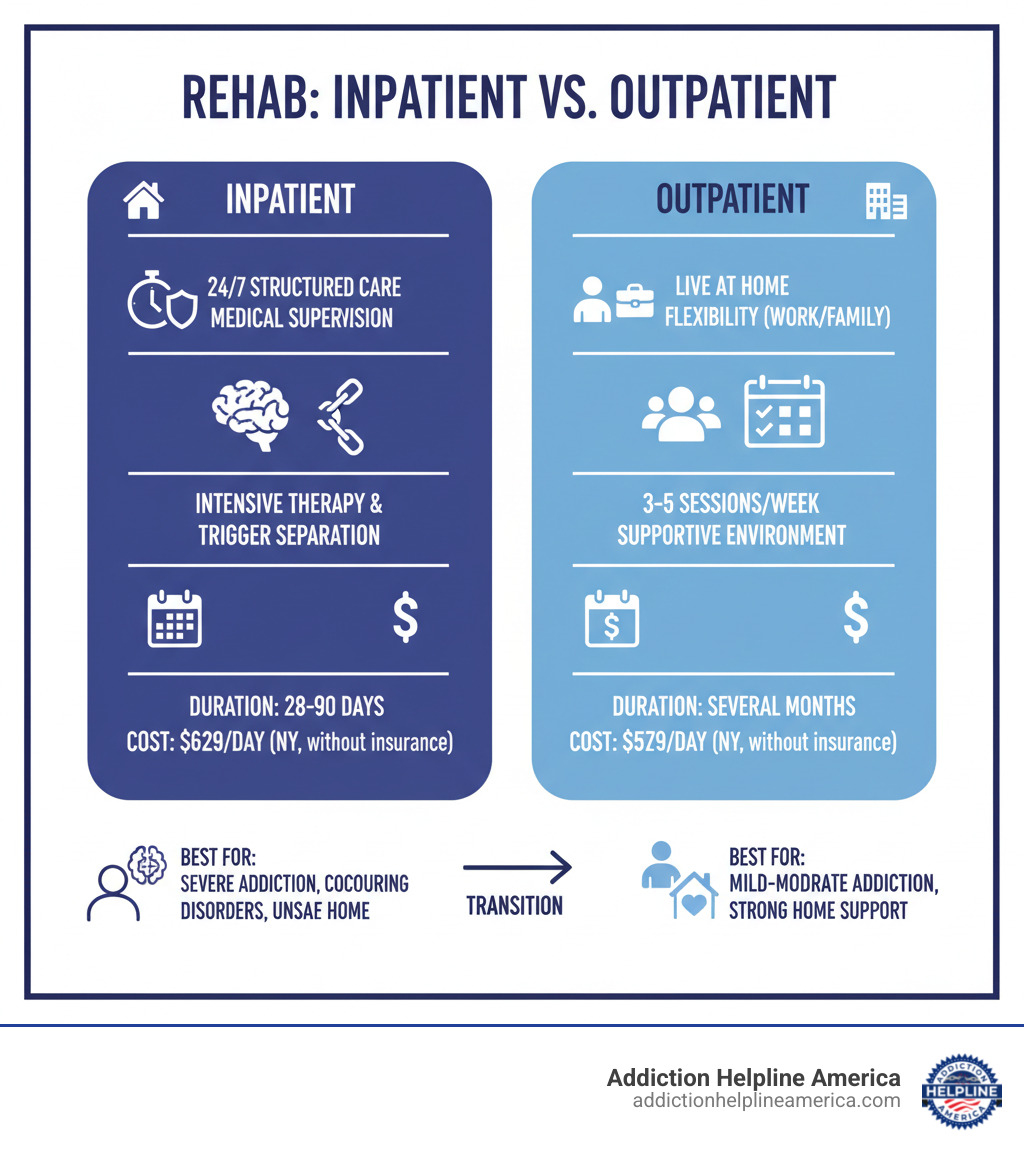
Inpatient or Residential Treatment: This involves living at a facility full-time, usually for 28 to 90 days. It removes you from daily triggers and provides a structured, supportive environment with 24/7 medical and therapeutic care. Days are filled with individual and group therapy, workshops, and activities to build recovery skills.
Outpatient Programs (OP): You live at home and attend scheduled therapy sessions at a facility. This option works well for those with less severe addictions or who need to maintain work, school, or family responsibilities.
Intensive Outpatient Programs (IOP): A step up from standard OP, IOP involves more frequent treatment sessions (several hours a day, multiple days a week) while still allowing you to live at home.
Partial Hospitalization Programs (PHP): The most intensive outpatient option. You attend treatment for most of the day, five days a week, but return home in the evenings. It’s often used as a transition from inpatient care.
Here’s how the two primary settings compare:
| Feature | Inpatient/Residential Treatment | Outpatient Treatment (including IOP/PHP) |
|---|---|---|
| Structure | Highly structured with 24/7 supervision and support. You’re completely removed from daily triggers and distractions. | Flexible schedule that allows you to live at home while attending treatment sessions. You maintain some of your daily routine. |
| Intensity | Intensive therapy, medical care, and around-the-clock support. Best for severe addictions, co-occurring mental health disorders like depression or anxiety, or situations where your home environment isn’t safe or supportive. | Ranges from a few hours weekly (OP) to most of the day (PHP). Works well for mild to moderate addictions when you have strong family support and a stable, trigger-free living situation. |
| Duration | Typically 28 days to several months, depending on your individual needs and how you’re progressing. | Varies widely—from several weeks to several months. The timeline adjusts based on your response to treatment. |
| Cost | Average in New York: $56,653 total. Daily cost: $629.48 without insurance, $251.79 with 60% coverage, $125.90 with 80% coverage. | Average in New York: $57 per day without insurance. Overall costs are significantly lower than inpatient care. |
| Insurance | Most facilities accept major private insurance. Medicare and Medicaid acceptance varies by facility. | Generally more insurance plans are accepted, including Medicare and Medicaid in many cases. |
What specialized programs should I look for?
Many facilities offer specialized tracks for better outcomes:
- Dual Diagnosis Treatment: Addresses co-occurring addiction and mental health conditions (e.g., depression, anxiety, PTSD). Treating both simultaneously is crucial for recovery, as they often fuel each other.
- Substance-Specific Programs: Focus on the unique challenges of specific drugs like alcohol, opioids, or stimulants, from withdrawal to triggers.
- Gender-Specific Programs: Create a safe space for men or women to address issues relevant to their experiences, such as trauma for women or emotional expression for men.
- Court-Ordered Rehab: Fulfills legal requirements while providing effective clinical care.
What services are offered during medical detox?
Medical detox is more than just waiting for a substance to leave your system. It includes:
- 24/7 Medical Supervision: Nurses and doctors monitor vital signs and manage your care to ensure safety.
- Withdrawal Symptom Management: Staff use proven protocols and medications to minimize discomfort from withdrawal.
- Medication-Assisted Treatment (MAT): Evidence-based medications like buprenorphine (for opioids) or benzodiazepines (for alcohol) can ease withdrawal and cravings, significantly improving outcomes.
- Emotional Support and Preparation: Counselors provide support and help you prepare for the next level of care. Detox is the first step, not the entire treatment.
The best rehab near me is one that fits your specific needs. At Addiction Helpline America, we offer free, confidential guidance to help you steer these options and find the right program. You don’t have to figure this out alone.
3. How to Choose a Quality Rehab Near Me
Finding the right rehab near me is about more than just location; it’s about finding quality care that supports your long-term recovery. Vetting facilities carefully is a crucial step.
What should I look for in a reputable rehab center?
Look for these key indicators of a high-quality program:
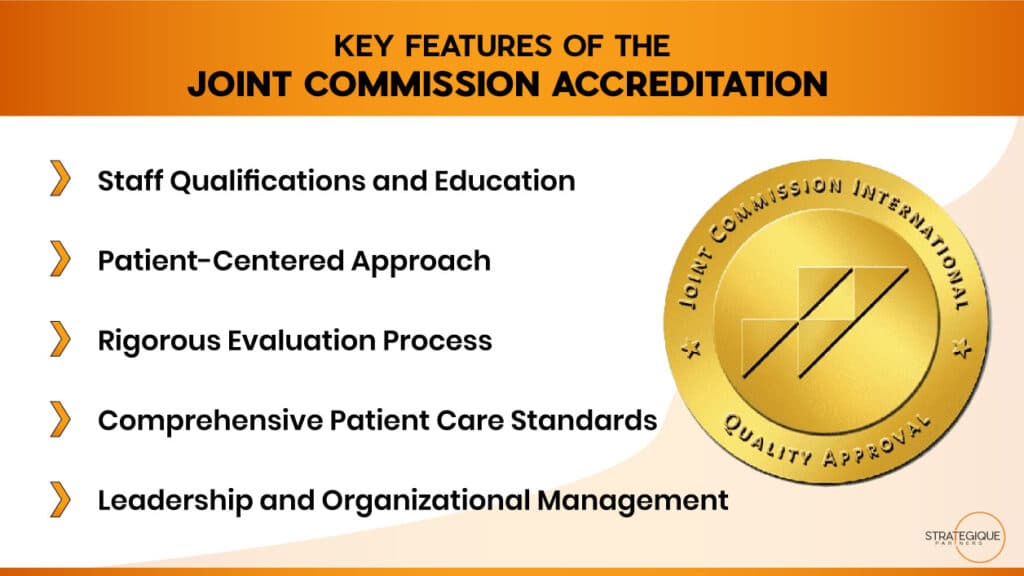
Accreditation and Licensing: At a minimum, a facility must be licensed by the state. Top-tier centers also earn national accreditation from bodies like The Joint Commission (JCAHO) or CARF (Commission on Accreditation of Rehabilitation Facilities). These certifications prove a facility meets high standards for safety and care.
Credentialed Staff: A quality center has a multidisciplinary team, including medical doctors, psychiatrists, licensed therapists, and registered nurses. This ensures all aspects of your health are addressed professionally.
Evidence-Based Therapies: Treatment should be rooted in scientifically proven methods. This includes therapies like Cognitive Behavioral Therapy (CBT), Dialectical Behavior Therapy (DBT), and Medication-Assisted Treatment (MAT). A reliance on unproven methods is a red flag.
Individualized Treatment Plans: Addiction is not one-size-fits-all. Your treatment plan should be custom to your specific history, substance use, and any co-occurring mental health conditions. The plan should also be adjusted as you progress.
How do client reviews and amenities impact treatment quality?
Credentials tell one part of the story; client experiences tell another. When reading reviews, look for consistent themes. Do multiple people praise the staff’s compassion or the program’s effectiveness? While a few negative reviews are normal, patterns of complaints about cleanliness or staff behavior are cause for concern.
A clean, respectful environment is essential for healing. Amenities can also play a supportive role. Things like private rooms, fitness centers, nutritious meals, and holistic therapies (yoga, art therapy, meditation) are not just luxuries. They are tools that help you manage stress, rebuild physical health, and support the intensive work of recovery.
What role does family support play in addiction recovery?
Addiction is often called a family disease because it impacts everyone. The best rehab near me programs recognize this and involve loved ones in the healing process.
Family therapy sessions and educational workshops are vital. They help family members understand addiction, learn to communicate healthily, and develop strategies to support you without enabling destructive behaviors. When a facility is local, it’s much more practical for your family to participate in these sessions, strengthening your support network for when you return home.
When families heal alongside the individual, the foundation for long-term sobriety becomes much stronger. Involving your family is a crucial part of building a lasting recovery.
4. Taking the First Step: From Realization to Admission
The moment you realize you need help is a brave turning point. The good news is that once you make that decision, help can come quickly. Many centers understand that when someone is ready, timing is everything. After a brief assessment and insurance verification, admission can often happen within 24 to 48 hours, with some facilities offering same-day entry if available.
What is the typical duration of addiction treatment programs?
There is no magic number for how long treatment should last. The right duration depends on your individual needs, the severity of addiction, and your progress.
30-Day Programs: Often a starting point for inpatient care, these programs provide an intensive, focused period to detox safely and begin building recovery skills. Our guide to 30 Day Inpatient Rehab Programs in NJ offers more detail.
60- or 90-Day Programs: Longer programs offer more time to solidify new behaviors, address the root causes of addiction, and practice coping skills until they become second nature.
Long-Term Care & Aftercare: Some individuals benefit from six months or more in a residential setting. Just as important is aftercare planning. This is the bridge to your new life and may include ongoing outpatient therapy, support groups like 12-step programs, or sober living arrangements.
An initial assessment will help determine the right length of stay for you. The goal is to give you the best possible chance at lasting recovery.
What are the benefits of choosing a rehab near me?
Searching for rehab near me is about more than convenience. Staying local offers tangible benefits that strengthen your recovery.
Easier Family Involvement: When treatment is a short drive away, your loved ones can easily attend family therapy sessions, visit, and provide consistent emotional support.
Building a Local Support Network: You’ll connect with peers, counselors, and support groups in the community you’ll be returning to. These local connections are vital for long-term sobriety.
Smoother Transition Home: Returning to daily life is less jarring when you’re already in a familiar environment. You can integrate what you’ve learned without the added stress of navigating a new place.
Reduced Stress and Cost: Staying local eliminates travel expenses and logistical headaches for you and your family, allowing everyone to focus on healing.
At Addiction Helpline America, we’ve seen how local treatment strengthens recovery. When your support system is engaged and the transition home is manageable, lasting change is more achievable. We’re here to help you find a quality rehab near me that gives you this home-field advantage.
Frequently Asked Questions about Local Rehab
As you search for the right rehab near me, questions will come up. Here are straightforward answers to some of the most common ones.
What are the signs that someone needs professional addiction treatment?
It’s time to seek professional help when substance use leads to noticeable negative changes. Key signs include:
- Increased Tolerance & Withdrawal: Needing more of the substance to get the same effect, or experiencing physical and psychological distress when you stop.
- Loss of Control: Using more than intended or being unable to cut back despite wanting to.
- Negative Consequences: Continuing to use even when it causes problems with your health, job, or relationships.
- Neglecting Responsibilities: Giving up hobbies, social activities, or important obligations in favor of substance use.
- Failed Attempts to Quit: Trying to stop on your own without success is a clear sign that professional support is needed.
- Preoccupation: Spending a great deal of time thinking about, obtaining, and recovering from substance use.
If these signs are familiar, it’s a courageous step to seek help.
What is the difference between inpatient and outpatient treatment?
Inpatient treatment (or residential rehab) requires you to live at the facility 24/7. It offers a highly structured, immersive environment free from outside triggers, which is ideal for severe addiction or those needing constant medical supervision.
Outpatient treatment allows you to live at home and attend scheduled therapy sessions at a facility. This flexibility is suitable for individuals with less severe addictions and a stable, supportive home environment. Outpatient care ranges in intensity from standard programs (a few hours a week) to Intensive Outpatient (IOP) and Partial Hospitalization (PHP), which involve more time in treatment.
How quickly can I expect to begin treatment after seeking help?
The process can be very fast. For many private treatment centers, admission can happen within 24 to 48 hours of your first call. After a confidential assessment and insurance verification, some facilities can even accommodate same-day entry, depending on availability.
State-funded programs are also a vital resource, though they may have waiting lists due to high demand. You can find these programs through state health departments or by using the SAMHSA National Helpline, a confidential, free, 24/7 information service. The key is to make the call. When you’re ready for help, Addiction Helpline America can connect you to facilities that can get you started as soon as possible.
Find Healing and Hope in Your Community
Finding the right rehab near me is a decisive step toward a new life. This guide has shown that quality, accessible care is within reach. By understanding the different program types, knowing how to verify insurance, and looking for key markers of quality like accreditation and evidence-based care, you can make an informed choice.
The benefits of choosing a local rehab center are clear: stronger family involvement, a built-in community support system, and a smoother transition back to daily life. It removes barriers and allows you to focus on what truly matters—your recovery.
You don’t have to steer this process alone. At Addiction Helpline America, our team offers free, confidential guidance to connect you with an effective local program that fits your unique needs. We’ve helped thousands find hope in their own communities, and we’re here to help you too.
Recovery is possible, and it can start today.
Ready to begin your healing journey?