
Finding Hope and Healing: Your Guide to Recovery in Birmingham
Rehab near Birmingham AL offers a lifeline for individuals and families struggling with addiction, providing comprehensive treatment programs that address substance use disorders and co-occurring mental health conditions. Whether you’re seeking help for yourself or a loved one, Birmingham has a range of options from medical detox and inpatient care to outpatient programs and specialized services.
Quick Overview: Rehab Options near Birmingham AL
- Medical Detox: Safe, supervised withdrawal management at local medical detox facilities
- Inpatient Treatment: 24/7 residential care with intensive therapy (typically 30-90 days)
- Outpatient Programs: Flexible PHP and IOP options that allow you to maintain work and family commitments
- Specialized Care: Programs for dual diagnosis, veterans, opioid addiction (MAT), and specific populations
- Payment Options: Most centers accept private insurance, Medicaid, Medicare, and offer sliding scale fees
- Free Resources: SAMHSA helpline (1-800-662-4357) and state-funded programs available
The need for addiction treatment in Birmingham is urgent. According to the Jefferson County Coroner/Medical Examiner’s Office, the county saw 418 confirmed overdose deaths in 2022, with a staggering 80% related to fentanyl. Behind each statistic is a person, a family, and a community impacted by the devastating grip of addiction. But there’s hope. Recovery is not only possible—it happens every day in Birmingham’s treatment centers, support groups, and recovery communities.
The cost of addiction goes far beyond dollars. It affects your health, relationships, career, and future. While rehabilitation may seem expensive, the investment in recovery pays dividends that last a lifetime. Many treatment centers work with clients who have no income or insurance, offering sliding scale fees and connecting individuals with state-funded resources.
Birmingham offers a comprehensive continuum of care, from the initial crisis of withdrawal through long-term aftercare support. Many local facilities provide evidence-based treatment rooted in compassion and proven outcomes. Whether you need medically monitored detox, intensive residential treatment, or outpatient therapy that fits your schedule, you’ll find options custom to your unique situation.
Taking the first step is often the hardest. Addiction thrives in isolation and shame, but recovery flourishes in connection and support. You don’t have to figure this out alone. At Addiction Helpline America, we’ve helped thousands of individuals and families steer the path to recovery, connecting them with the right rehab near Birmingham AL that meets their specific needs and circumstances. Our free, confidential helpline provides personalized guidance 24/7, helping you understand your options and take that crucial first step toward healing.
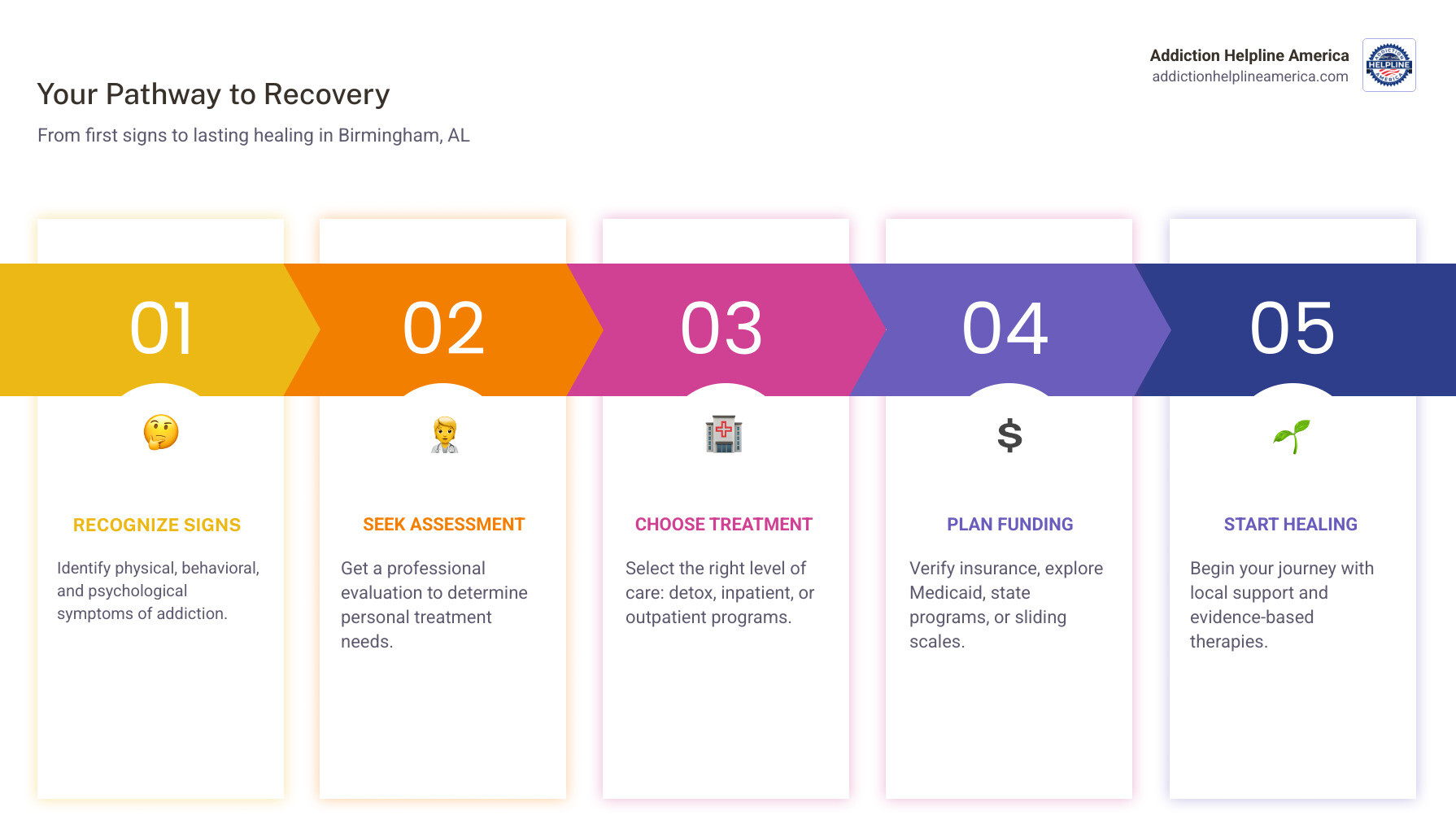
Is It Time for Help? Recognizing the Signs of Addiction
Recognizing the signs of addiction in yourself or a loved one is the critical first step toward healing. Addiction is a complex disease, not a moral failing, and understanding its manifestations can help overcome denial and the pervasive stigma that often prevents people from seeking help. As the Stop Judging. Start Healing initiative emphasizes, using compassionate language is crucial. “Words can be powerful when used to inform, clarify, encourage, support, enlighten, and unify. On the other hand, stigmatizing words often discourage, isolate, misinform, shame, and embarrass…” We encourage you to approach this topic with empathy and understanding.

The signs that someone may need addiction treatment in Birmingham can be multifaceted, affecting various aspects of a person’s life. As outlined by the National Institute on Drug Abuse (NIDA), these signs can be physical, behavioral, and psychological. Here’s what we often see:
- Physical Signs of Addiction: These can include changes in appearance such as sudden weight loss or gain, dilated or constricted pupils, poor hygiene, frequent nosebleeds, track marks on arms, or tremors. Persistent fatigue, unexplained health issues, and withdrawal symptoms when not using the substance are also strong indicators. For a more comprehensive understanding of addiction, explore our What Is Addiction Complete Guide.
- Behavioral Changes: You might notice increased secrecy, lying, stealing, or engaging in risky behaviors. Individuals may neglect responsibilities at work, school, or home, leading to job loss, academic failure, or legal problems. They might withdraw from social activities they once enjoyed, change their social circles, or become unusually irritable or aggressive.
- Psychological Symptoms: These often involve mood swings, anxiety, depression, paranoia, or increased agitation. The individual may express feelings of hopelessness, helplessness, or guilt. They might struggle with memory, concentration, or decision-making.
- Impact on Relationships and Work: Addiction strains relationships with family and friends, leading to conflicts, isolation, and broken trust. Performance at work or school often declines, resulting in disciplinary action or termination. Financial problems due to substance use are also common.
If you recognize these signs, help is available, and you don’t have to carry this burden alone. Our team at Addiction Helpline America is here to guide you. For more insights on how to support someone struggling, visit our guide on Help A Drug Addict Recovery Support.
A Guide to Addiction Treatment Programs in Birmingham
Birmingham, AL, offers a diverse landscape of addiction treatment programs, designed to meet individuals wherever they are on their recovery journey. The key is to find a program that tailors treatment to individual needs, as no single approach works for everyone. The continuum of care typically ranges from immediate medical intervention to long-term support, ensuring a holistic path to healing.

Medical Detoxification
The initial phase of addiction treatment for many is medical detoxification, often referred to simply as “detox.” This crucial first step focuses on safely managing the acute physical symptoms of withdrawal that occur when a person stops using drugs or alcohol. In Birmingham, several facilities offer medically monitored detox services.
During detox, medical professionals provide 24/7 supervision to ensure the patient’s safety and comfort. According to the Substance Abuse and Mental Health Services Administration (SAMHSA), medical detoxification safely manages the acute physical symptoms of withdrawal. Medications may be administered to alleviate severe withdrawal symptoms and prevent complications, which can range from uncomfortable to life-threatening depending on the substance. This process stabilizes the individual physically, preparing them for the deeper therapeutic work that follows. For a detailed overview of what to expect, read our guide on What Should I Expect During The Detox Process and explore Drug Withdrawal Complete Guide.
Inpatient vs. Outpatient Programs
Once medically stable, individuals can transition to various levels of care, primarily categorized as inpatient or outpatient programs. Each offers distinct features and benefits, making the choice dependent on the individual’s needs, severity of addiction, and life circumstances.
| Feature | Inpatient/Residential Programs | Outpatient Programs (PHP, IOP, Traditional) |
|---|---|---|
| Structure | 24/7 supervised living, highly structured daily schedule | Flexible schedule, allows living at home, attending work/school |
| Intensity | High intensity, immersive therapy | Varies from Partial Hospitalization (PHP) to low-intensity traditional outpatient |
| Environment | Controlled, drug-free, removed from triggers | Allows engagement with daily life, potential exposure to triggers |
| Support | Constant medical and therapeutic support, peer community | Regular therapy sessions, access to support groups, less direct supervision |
| Duration | Typically 30, 60, or 90 days, or longer | Weeks to months, depending on intensity and individual progress |
| Ideal Candidate | Severe addiction, unstable home environment, co-occurring disorders, relapse history | Mild to moderate addiction, stable home, strong support system, work/school commitments |
Inpatient Residential Care: Inpatient programs provide a structured, supportive environment where individuals live at the facility. This 24/7 care allows for intensive therapy, removed from the daily stresses and triggers of their home environment. It’s ideal for those with severe addiction, co-occurring mental health disorders, or a history of relapse. For more information on this immersive approach, see our Inpatient Drug Rehab guide.
Outpatient Programs: These programs offer flexibility, allowing individuals to continue living at home and maintain work, school, or family commitments while receiving treatment.
- Partial Hospitalization Programs (PHP): The most intensive form of outpatient care, often involving 5-7 days a week of treatment for several hours a day.
- Intensive Outpatient Programs (IOP): Offers a step down from PHP, typically involving 3-5 days a week of treatment for a few hours each day. These programs are often found at local treatment centers. Learn more about this flexible approach in our Intensive Outpatient guide.
- Traditional Outpatient: Less intensive, usually involves weekly therapy sessions.
Core Therapeutic Services
Regardless of the level of care, therapy forms the backbone of addiction recovery. In Birmingham, rehab programs integrate a variety of evidence-based therapeutic approaches to address the underlying causes of addiction and equip individuals with coping mechanisms for sustained sobriety.
- Individual Counseling: One-on-one sessions with a licensed therapist provide a safe space to explore personal issues, trauma, and triggers. This personalized attention allows for deep introspection and custom strategies.
- Group Therapy Dynamics: Group sessions foster a sense of community and shared experience. Participants learn from each other, practice communication skills, and receive peer support, reducing feelings of isolation. Many centers, for example, emphasize a combination of group and individual therapy as the best approach.
- Family Therapy and Healing Relationships: Addiction impacts the entire family system. Family therapy involves loved ones in the recovery process, addressing communication breakdowns, rebuilding trust, and establishing healthy boundaries. This can be crucial for long-term support.
- Cognitive Behavioral Therapy (CBT): A widely used evidence-based practice that helps individuals identify and change negative thought patterns and behaviors that contribute to substance use. The American Psychological Association notes that CBT is a highly effective approach for treating a range of issues, including substance use disorders.
- Other Evidence-Based Practices: Many centers also incorporate Dialectical Behavior Therapy (DBT), Motivational Interviewing (MI), and trauma-informed therapies like Brainspotting and EMDR, as offered by specialized centers, to address complex needs.
For a deeper dive into the various counseling methods, consult our Substance Abuse Counseling Complete Guide.
Specialized Rehab for Unique Needs in the Birmingham Area
Effective addiction treatment often requires personalized plans that address an individual’s unique circumstances, including co-occurring mental health conditions, specific substances of abuse, or particular demographic needs. Birmingham’s rehab centers recognize this, offering specialized programs designed for comprehensive healing.
Dual Diagnosis and Co-Occurring Disorders
It’s common for individuals struggling with addiction to also experience mental health disorders such as depression, anxiety, bipolar disorder, or schizophrenia. This is known as a “dual diagnosis” or “co-occurring disorder.” Treating both conditions simultaneously is vital for lasting recovery, as addressing only one can lead to relapse in the other.
Many local centers, for instance, highlight a holistic approach to treating co-occurring mental health concerns and substance use disorders simultaneously. Some may offer neuropsychological and genetic testing as part of their comprehensive evaluation process to better understand these complex interactions. Integrated treatment ensures that mental health issues are not just managed but are actively treated alongside the addiction. For resources on finding integrated care, explore our guide on Best Mental Health Treatment Near Me and Dual Diagnosis Treatment LA.
Substance-Specific Treatment Tracks
Different substances affect the brain and body in unique ways, requiring custom treatment approaches.
- Programs for Alcohol Use Disorder: With over 14 million adults aged 18 and older experiencing alcohol use disorder in the US (National Institute on Alcohol Abuse and Alcoholism, Understanding Alcohol Use Disorder), specialized programs address the unique challenges of alcohol addiction. These programs often include medical management of withdrawal, behavioral therapies, and support groups like AA.
- Opioid and Fentanyl Addiction Programs: Given the devastating impact of the opioid and fentanyl crisis in Jefferson County (80% of 2022 overdose deaths were fentanyl-related), specialized programs are critically important. These often incorporate Medication-Assisted Treatment (MAT). As defined by the Substance Abuse and Mental Health Services Administration (SAMHSA), MAT combines FDA-approved medications (like Methadone and Suboxone) with counseling and behavioral therapies. This evidence-based approach is proven to reduce cravings and withdrawal symptoms, significantly improving treatment outcomes for opioid use disorder. For more on this, see our guide on Addiction Treatment Opioid Addiction Treatment.
Programs for Veterans
Our veterans often face unique challenges, including trauma-related conditions like PTSD, which can contribute to substance use disorders. Several facilities and resources in the Birmingham area are sensitive to these needs, offering trauma-informed care and specialized support. The Birmingham VA HealthCare System is a crucial resource for veterans seeking addiction treatment. Programs focus on addressing PTSD and co-occurring substance use, often incorporating peer support from fellow veterans. Utilizing VA benefits can help cover the cost of treatment. While not specifically in Birmingham, understanding resources like the Central Texas VA Health Care System La Grange CBOC La Grange TX can illustrate the types of services available to veterans within the VA system.
Finding and Paying for Rehab near Birmingham AL
Navigating the process of finding and paying for rehab near Birmingham AL can feel overwhelming, but we’re here to simplify it. Accessing care is a journey, and understanding your options for both finding the right center and covering the costs is key.
How to Find a Rehab near Birmingham AL
Finding the right treatment center involves careful consideration of your needs, location, and the type of program that will be most effective.
- Start with Online Directories and Resources:
- The SAMHSA (Substance Abuse and Mental Health Services Administration) National Helpline at 1-800-662-HELP (4357) is a free, confidential information service available 24/7. It can provide referrals to treatment centers, support groups, and community-based services.
- Online directories, like the one we provide, allow you to filter by location, type of treatment, payment options, and specialized programs. When looking for rehab near Birmingham AL, you’ll find listings for various facilities.
- Explore the websites and social media presence of local centers to get a feel for their community and approach.
- State and Local Government Resources: The Alabama Department of Mental Health (ADMH) oversees and funds many addiction treatment services. Some facilities, for example, receive funding from ADMH Medicaid, ADMH State, and ADMH Block Grant, making them accessible options for many. These agencies can provide lists of approved facilities and sometimes offer financial assistance.
- Professional Assessment: A professional assessment by an addiction specialist can help determine the most appropriate level of care and type of program for your specific situation. This can often be done through a local mental health clinic or a treatment center’s admissions department.
- What to Look for in a Facility:
- Accreditations: Look for facilities accredited by reputable organizations like The Joint Commission (JCAHO) or the Commission on Accreditation of Rehabilitation Facilities (CARF). These accreditations signify that the center meets high standards of care and safety. Many reputable facilities, for instance, are accredited by The Joint Commission.
- Evidence-Based Practices: Ensure the center uses therapies backed by scientific research, such as CBT, DBT, and MAT.
- Specialized Programs: If you have co-occurring mental health issues, a specific substance addiction (e.g., opioids), or belong to a particular demographic (e.g., veterans), seek out programs that specialize in those areas.
- Patient Testimonials: While not the sole factor, testimonials can offer insights into the patient experience. Many clients of local centers have shared powerful stories about their life-changing experiences.
For a comprehensive guide on selecting a facility, read our How To Find Drug Rehab Guide and our general guide to finding a Rehab Near Me Guide 2025.
Payment Options for Rehab near Birmingham AL
The cost of drug and alcohol rehab in Birmingham varies significantly based on the type of program (inpatient vs. outpatient), duration of treatment, and amenities offered. While rehab can be an investment, the cost of continued addiction—in terms of health, relationships, and lost opportunities—is often far greater.
- Private Health Insurance: Many private insurance plans, including PPO and HMO plans, cover a portion of addiction treatment. It’s crucial to contact your insurance provider or the admissions department of the rehab facility to verify your benefits and understand your out-of-pocket costs. Many centers accept most private insurance, including major providers like Aetna, Blue Cross Blue Shield, Cigna, Humana, and Value Options. We can help you verify your insurance coverage when you call our helpline.
- Alabama Medicaid and Medicare Coverage: Both Medicaid and Medicare often cover addiction treatment services in Alabama, particularly for those with limited income or certain disabilities. Many facilities accept Medicaid, and others work with individuals to explore these options.
- State-Funded Options: Alabama offers state-funded programs for individuals who lack insurance or cannot afford private care. These programs typically have specific eligibility criteria and may have waiting lists, but they are a vital resource. Some state-funded programs, for example, are supported by ADMH State and Block Grant funding.
- Private Pay and Sliding Scale Fees: For those without insurance or who prefer to pay out-of-pocket, many centers offer private pay options. Some facilities also provide a “sliding scale” fee structure, adjusting costs based on an individual’s income and financial situation. Many centers work with clients to meet financial responsibilities, even if they have no income or insurance.
- Military Insurance (e.g., TRICARE): Veterans and active-duty military personnel may have coverage through TRICARE or other Veterans Community Care programs.
If you’re concerned about affording treatment, Addiction Helpline America is a free and confidential service that can help you explore all available payment options and connect you with programs that fit your budget. Don’t let financial concerns prevent you from seeking help. Even if you think you need Detox Without Insurance, there are pathways to care.
Conclusion: Your Path to Recovery Starts Today
The journey to recovery from addiction is deeply personal, yet you don’t have to walk it alone. Rehab near Birmingham AL offers a wide spectrum of treatment options, from medically supervised detox and intensive inpatient programs to flexible outpatient care and specialized services for unique needs. We’ve explored the diverse types of programs available, the critical role of therapy, specialized care for dual diagnosis, substance-specific tracks, and support for veterans. We’ve also provided guidance on how to find the right center and steer the various payment options, ensuring that financial concerns don’t stand in the way of healing.
Recovery is more than just stopping substance use; it’s about building a better life, fostering healthier relationships, and finding a renewed sense of purpose. A core philosophy in effective treatment is that helping clients stop substance use is not enough; treatment must always result in having a better life. This profound understanding underpins the comprehensive care offered throughout the Birmingham area.
The statistics from Jefferson County, with 418 overdose deaths in 2022 and 80% linked to fentanyl, underscore the urgent need for accessible and effective treatment. But every day, individuals in Birmingham are finding hope, healing, and lasting sobriety. Your path to recovery is within reach, and taking that first step is a courageous act of self-love.
At Addiction Helpline America, we are dedicated to connecting individuals nationwide to addiction and mental health treatment centers. Our free, confidential helpline is available 24/7 to provide personalized guidance, helping you find the right recovery program that aligns with your specific needs and circumstances. You can find more resources and guidance in our Find Best Addiction Rehab Guide.
Don’t wait another day to begin your healing journey. Reach out to us at Addiction Helpline America today, and let us help you take that crucial first step toward a healthier, happier future.