
Finding Hope and Help: Your Guide to Rehab in Kentucky
Rehab in Kentucky offers a wide range of addiction treatment options to help you or your loved one start the journey to recovery. Here’s what you need to know:
Quick Guide to Rehab in Kentucky:
- Types of Treatment: Medical detox, inpatient residential, outpatient programs (OP, IOP, PHP), and sober living homes
- Average Costs: $57,033 total treatment cost; $633.70/day inpatient; $56.97/day outpatient
- Payment Options: Private insurance, Medicaid, Medicare, sliding scale fees, and financial assistance
- Key Resources: 24/7 free helplines, Recovery Kentucky centers serving 2,000+ Kentuckians, and specialized programs for veterans, young adults, and families
- What to Look For: Licensed clinicians, evidence-based therapies (CBT, DBT, MAT), dual diagnosis care, and accreditations like CARF or The Joint Commission
If you’re struggling with addiction, you’re not alone. Kentucky has a strong recovery community with hundreds of treatment centers across all 120 counties. From faith-based programs to medical clinics, from small-town facilities to urban centers in Louisville and Lexington, help is available no matter where you are or what your situation looks like.
The path to recovery doesn’t have to be complicated or overwhelming. You don’t need to figure everything out before reaching out. You just need to take one small step.
At Addiction Helpline America, we’ve guided thousands of individuals and families through the process of finding the right rehab in Kentucky, connecting them with compassionate, evidence-based treatment programs that match their unique needs and circumstances. Our free, confidential service is available 24/7 at 844-561-0606 to help you steer your options and take that crucial first step toward healing.
#1: Start with Free and Confidential Help from Addiction Helpline America
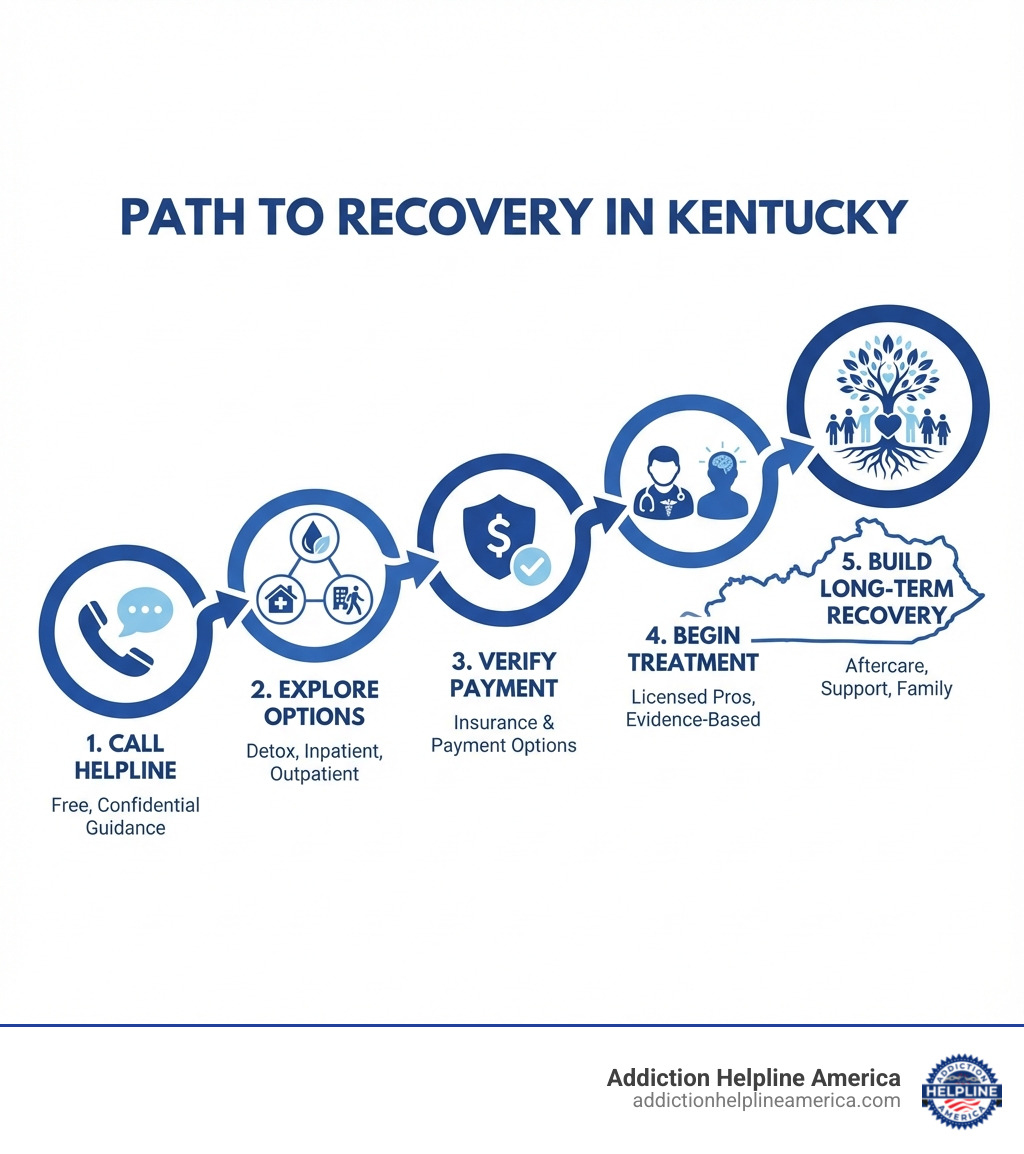
Taking the first step toward recovery can feel daunting, but it doesn’t have to be. We understand that finding the right rehab in Kentucky requires guidance and support. That’s why Addiction Helpline America is here to make the process as painless as possible. We offer free, confidential, and personalized guidance to help you find the recovery program that fits your unique needs.
Our specialists are available 24/7 to provide immediate support. We can help you understand your options, answer your questions, and connect you with resources across Kentucky. Whether you’re looking for information for yourself or a loved one, our compassionate team is ready to assist.
Kentucky also offers several specific resources and hotlines designed to help individuals seeking addiction treatment:
- Operation UNITE Treatment Referral & Help Line: This toll-free line (1-866-90-UNITE / 1-866-908-6483) is answered by a UNITE treatment team member during business hours (8 a.m. to 5 p.m., Monday through Friday). They can provide information about short- or long-term treatment programs, Drug Court, or After-Care Support Groups. Low-income individuals in UNITE’s 32-county service area may even qualify for a UNITE Treatment Voucher to help cover costs. You can learn more about their vouchers here: UNITE Treatment Voucher and their after-care support here: After-Care Support Groups.
- Kentucky State Police (KSP) Angel Initiative: This groundbreaking program allows individuals to simply walk into any of the 16 KSP Posts across the Commonwealth and ask for help. An “Angel” at the post will meet with you and connect you with one of the many treatment centers. It’s a simple, direct way to get help without fear of arrest. Find out more here: KSP Angel Initiative.
- KY HELP Statewide Call Center: For immediate screening and referral services, you can call 1-877-318-1871.
- Kentucky Opioid Assistance and Resource Hotline (KY-OAR): For after-hours assistance, call 1-800-854-6813.
- Get Help Lex: For resources specifically in or around Lexington, Kentucky, Get Help Lex is an online tool to help you find substance abuse treatment programs. You can explore their resources at gethelplex.org.
These resources, combined with our free and confidential service at Addiction Helpline America, ensure that you have multiple avenues to explore when seeking rehab in Kentucky. We encourage you to call our free and confidential helpline at 844-561-0606 for 24/7 support. You can also start your search right here: Start Here. For more Kentucky-specific numbers, visit our dedicated page: Kentucky Numbers.
#2: Understand the Different Types of Treatment Programs in Kentucky
When exploring rehab in Kentucky, understanding the different types of treatment programs is crucial for choosing the right path. Each level of care is designed to meet varying needs, from initial stabilization to long-term recovery support.

Here’s an overview of the primary addiction treatment programs available:
- Medical Detoxification: The essential first step for many.
- Inpatient Residential Care: Provides 24/7 structured support.
- Outpatient Programs (OP): Offers flexibility while maintaining daily responsibilities.
- Intensive Outpatient Programs (IOP): A more structured outpatient option.
- Partial Hospitalization Programs (PHP): Offers a high level of care without overnight stays.
- Sober Living Homes: Supportive housing during and after treatment.
Choosing the right level of care depends on factors such as the severity of the addiction, the presence of co-occurring mental health disorders, and your personal circumstances. We can help you steer these options to find what’s best for you. Learn more about Kentucky rehab options by visiting our page: Learn more about Kentucky rehab options.
Medical Detox: The First Step to Stability
For many individuals, the journey to recovery begins with medical detoxification. This critical phase involves safely and comfortably withdrawing from drugs or alcohol under the direct supervision of medical professionals. The withdrawal process can be dangerous and uncomfortable, especially for certain substances like alcohol, benzodiazepines, or opioids.
Medically supervised detox ensures that your physical symptoms are managed with appropriate medications, minimizing discomfort and preventing potential complications. As Yonder Behavioral Health emphasizes, “Withdrawal from some substances can be dangerous and requires medical supervision.” This initial step stabilizes your physical health, allowing you to transition into more intensive therapy with a clear mind and body, preparing you for the deeper work of treatment.
Inpatient vs. Outpatient: Choosing the Right Level of Care for Rehab in Kentucky
Deciding between inpatient and outpatient care is a significant choice when considering rehab in Kentucky. Both offer effective treatment, but they cater to different needs and lifestyles.
Inpatient Residential Care: This option provides a highly structured, immersive environment where you live at the treatment facility 24/7. It’s ideal for individuals with severe addictions, those who need to escape triggering environments, or those with co-occurring mental health disorders requiring constant supervision. Inpatient programs offer intensive therapy, medical support, and a community of peers, all focused entirely on recovery. Facilities like The Robert Alexander Center for Recovery and Isaiah House offer robust residential programs, providing a safe and supportive space away from daily stressors. The Healing Place, for instance, offers a long-term residential program at no cost to the client, emphasizing a structured, peer-driven approach to recovery.
Outpatient Programs (OP, IOP, PHP): These programs offer flexibility, allowing you to live at home while attending therapy sessions and appointments during the day or evening.
- Partial Hospitalization Programs (PHP) are the most intensive outpatient option, often meeting five days a week for several hours, providing a level of care similar to inpatient without the overnight stay.
- Intensive Outpatient Programs (IOP) offer a structured schedule, typically meeting a few days a week for several hours per session.
- Outpatient Programs (OP) are the least intensive, with fewer sessions per week, suitable for those transitioning from higher levels of care or with milder addictions.
Outpatient care is suitable for individuals who have a stable home environment, strong support systems, and responsibilities like work or family that they cannot put on hold. JourneyPure Louisville, for example, offers outpatient programs that treat patients on physical, psychological, and spiritual fronts, complete with their JourneyPure Coaching™ app for continued support. The Morton Center also provides Intensive Outpatient Programs and general outpatient services for adults and adolescents, focusing on treating the whole person.
To compare inpatient and outpatient rehab in Kentucky further, visit our detailed guide: Compare inpatient and outpatient rehab.
#3: Steer the Costs and Payment Options
Understanding the costs associated with rehab in Kentucky is a crucial step in finding the right treatment. Addiction treatment is an investment in your future, and while the sticker price can seem high, many options exist to make it affordable.
According to recent statistics, the average cost for a person in Kentucky who seeks substance abuse treatment is $57,033. This figure can vary widely depending on the type of program, duration, and facility. For instance, inpatient treatment in Kentucky averages $633.70 per day without insurance coverage, while outpatient treatment averages $56.97 per day without insurance coverage.
However, these numbers don’t tell the whole story. Most rehabilitation centers accept major insurance plans, significantly reducing out-of-pocket expenses. Many facilities also offer special rates, loans, or payment plans for self-pay individuals.
Here are the common payment assistance options you might encounter for rehab in Kentucky:
- Private Insurance: Most facilities work with a wide range of private insurance providers. It’s always best to verify your specific coverage directly with the treatment center or through our free insurance verification service.
- Medicaid and Medicare: Many Kentucky rehab centers, such as Kentucky Recovery, accept Medicaid and Medicare, making treatment accessible to individuals with limited financial resources.
- UNITE Treatment Voucher: As mentioned earlier, Operation UNITE provides vouchers for low-income individuals in its 32-county service area to help cover the costs of residential treatment.
- Sliding Scale Fees: Some non-profit organizations and state-funded programs offer services based on a sliding scale, where the cost of treatment is adjusted according to your income and ability to pay.
- Financial Aid and Payment Plans: Many centers are willing to work with you to establish payment plans or connect you with financial aid resources to ensure you can access the care you need. The Healing Place, for example, offers its detox and long-term residential program at no cost to the client, effectively removing financial barriers for many.
Don’t let perceived cost be a barrier to seeking help. We can help you explore all available financial options for rehab in Kentucky. Learn more about financial assistance for rehab in Kentucky here: Financial assistance for rehab in Kentucky.
[TABLE] Comparing Average Daily Rehab Costs in Kentucky
| Level of Care | Cost without Insurance | Cost with 60% Insurance Coverage | Cost with 80% Insurance Coverage |
|---|---|---|---|
| Inpatient Treatment | $633.70 per day | $253.48 per day | $126.74 per day |
| Outpatient Treatment | $56.97 per day | $22.79 per day | $11.39 per day |
Costs are averages based on a 30-day program.
#4: Look for Quality, Evidence-Based, and Personalized Care
When searching for rehab in Kentucky, the quality of care provided is paramount. A truly effective program goes beyond simply stopping substance use; it addresses the underlying issues, equips individuals with coping mechanisms, and supports long-term well-being.

Here’s what makes a quality rehab center stand out:
The Role of Professionals and Evidence-Based Therapies
Effective addiction treatment is delivered by a team of experienced and compassionate professionals. Look for centers that employ:
- Licensed Clinicians: These are therapists, counselors, and social workers who hold state licenses, ensuring they meet professional standards.
- Board-Certified Medical Providers: Physicians and nurses are crucial, especially during detox and for managing any co-occurring physical health issues.
- Certified Addiction Specialists: Professionals specifically trained in the complexities of addiction and recovery.
As highlighted by Serenity Ranch Recovery, effective treatment involves “licensed clinicians, board-certified medical providers, and certified addiction specialists.”
Quality rehab in Kentucky centers also rely on evidence-based therapies, which are treatment methods proven effective through scientific research. These include:
- Cognitive Behavioral Therapy (CBT): Helps individuals identify and change negative thought patterns and behaviors contributing to addiction.
- Dialectical Behavior Therapy (DBT): Focuses on emotional regulation, distress tolerance, interpersonal effectiveness, and mindfulness.
- Trauma-Informed Care: Recognizes the widespread impact of trauma and integrates this understanding into all aspects of treatment, as emphasized by Roaring Brook Recovery.
- Medication-Assisted Treatment (MAT): Combines FDA-approved medications (like Suboxone, Vivitrol, buprenorphine, Sublocade) with counseling and behavioral therapies, particularly effective for opioid and alcohol use disorders. JourneyPure Louisville offers a Suboxone treatment program, acknowledging its role in recovery.
- Motivational Interviewing: A counseling approach that helps individuals resolve ambivalence about changing their behavior.
- Family Therapy: Involves family members in the healing process, improving communication and support systems. The Robert Alexander Center for Recovery highlights the importance of family involvement, noting it can “strengthen or sabotage addiction recovery.”
Learn more about evidence-based treatment options available in Kentucky: Learn about evidence-based treatment.
Addressing Co-Occurring Disorders in Rehab in Kentucky
Addiction rarely travels alone. Many individuals struggling with substance use disorders also experience co-occurring mental health conditions such as anxiety, depression, PTSD, or bipolar disorder. This is known as a dual diagnosis. A high-quality rehab in Kentucky will offer integrated treatment, meaning both the addiction and the mental health disorder are treated simultaneously.
Treating both conditions together is critical because they often influence each other. For example, individuals might use substances to cope with symptoms of anxiety or depression, or substance abuse can exacerbate mental health issues. JourneyPure Louisville and The Robert Alexander Center for Recovery both emphasize their dual diagnosis capabilities, offering comprehensive care that addresses the intertwined nature of these challenges. Kentucky Recovery, for instance, “treats substance use disorders and co-occurring mental health conditions. Your treatment plan addresses each condition at once with personalized, compassionate care for comprehensive healing.”
For support custom to co-occurring disorders, explore resources here: Support for co-occurring disorders.
Finding Holistic Approaches and Verifying Accreditations
Beyond clinical therapies, many rehab in Kentucky centers adopt a holistic approach to healing. This means treating the “whole person” – mind, body, and spirit – not just the addiction. Holistic strategies might include nutritional guidance, exercise, mindfulness, yoga, art therapy, or spiritual counseling. Isaiah House, for example, offers a holistic approach addressing physical, spiritual, educational, and occupational needs, rooted in Christian values. Yonder Behavioral Health also emphasizes a holistic view, incorporating wellness practices alongside evidence-based therapies. Personalized treatment plans are key to this approach, ensuring that your unique needs and goals are met.
To ensure a rehab center meets high standards of care, look for specific accreditations and certifications:
- The Joint Commission: This is a nationally recognized accreditation that signifies a commitment to high standards of patient safety and quality of care.
- CARF (Commission on Accreditation of Rehabilitation Facilities): CARF accreditation indicates that a program meets internationally recognized standards for quality, effectiveness, and person-centered care. Southern Kentucky Rehabilitation Hospital and Kentucky Recovery both hold CARF accreditation.
- LegitScript Certification: For online presence, LegitScript certification verifies that addiction treatment providers adhere to ethical and transparent marketing practices.
These accreditations provide an extra layer of assurance that the facility upholds best practices in the field. When choosing a rehab center, asking about their accreditations is a smart move. Find a treatment center in Kentucky that meets these standards: Find a Treatment Center in Kentucky. To learn more about what to look for in a rehab center, visit: What to look for in a rehab center.
#5: Plan for Long-Term Success with Aftercare and Family Support
Completing a treatment program is a monumental achievement, but it’s just the beginning of a lifelong journey. Long-term success in recovery depends heavily on robust aftercare planning and ongoing support. Rehab in Kentucky centers understand this and offer a variety of services to help you maintain sobriety and build a fulfilling life.
Life after rehab requires a new set of tools for relapse prevention and building a strong support network. This often involves:
- Peer Support Specialists: Individuals who have lived experience in recovery and can provide invaluable guidance and encouragement. The Healing Place heavily relies on Peer Mentors, who are program graduates, to guide current clients, embodying the philosophy that “the best solution is one alcoholic or addict reaching back to help another.”
- Sober Living Communities: These provide a structured, substance-free environment, offering accountability and camaraderie as you transition back into daily life. Roaring Brook Recovery, for example, provides sober living options for clients.
- Recovery Support Groups: Programs like Alcoholics Anonymous (AA) and Narcotics Anonymous (NA) offer ongoing community and mutual support, which are vital for many in recovery.
- Family Involvement and Education: Addiction impacts the entire family. Many centers offer family therapy and educational programs to help loved ones understand addiction, heal relationships, and learn how to best support the individual in recovery. The Morton Center, for instance, focuses on “Restoring Self, Preserving Family,” offering services for adults, adolescents, children, and families affected by substance abuse.
- Continued Connection and Care: Some programs, like JourneyPure Louisville, go the extra mile by offering innovative solutions such as their JourneyPure Coaching™ app, which provides a minimum of one year of one-on-one relapse recovery support at no additional cost. This emphasizes that recovery is a chronic condition that doesn’t go away but can be managed with the right tools.
Kentucky is also home to 13 Recovery Kentucky centers across the Commonwealth, which provide housing and recovery services for up to 2,000 Kentuckians. These centers were designed to reduce the state’s drug problem and resolve homeless issues by helping people recover from addiction and gain control of their lives so they can eventually reside in permanent housing. The average daily population in these centers is approximately 503 residents, demonstrating their significant impact. You can learn more about Recovery Kentucky here: Recovery Kentucky – Kentucky Housing Corporation.
For comprehensive aftercare and support resources, visit our dedicated page: Aftercare and support resources.
Building a Lasting Recovery Network
A strong recovery network is your safety net, offering encouragement, accountability, and understanding. This network often consists of peers from treatment, family members, sponsors, and community support groups.
- Peer support is a cornerstone of recovery, providing a sense of belonging and shared experience. Knowing that someone else has “been there, done that” can be incredibly empowering.
- Family education and therapy are crucial for repairing relationships damaged by addiction and ensuring that family members are equipped to provide healthy support without enabling.
- Sober living options bridge the gap between intensive treatment and complete independence, offering a supportive community as you rebuild your life.
These elements collectively create a foundation for lasting sobriety, ensuring that you never feel alone on your journey. Find aftercare programs in Kentucky that can help you build this essential network: Find aftercare programs in Kentucky.
Frequently Asked Questions about Rehab in Kentucky
How long does rehab in Kentucky typically last?
The duration of rehab in Kentucky varies greatly depending on the individual’s needs, the severity of their addiction, and the type of program. Common lengths include 30, 60, or 90 days for inpatient programs. However, many individuals benefit from longer-term residential programs, which can last several months to over a year, or a combination of different levels of care. Outpatient programs can also extend for several weeks or months. The best duration is one that is personalized to support your sustained recovery.
Can I get help for addiction in Kentucky if I don’t have insurance?
Yes, absolutely. Lack of insurance should never be a barrier to seeking help for addiction. Kentucky offers numerous resources for individuals without insurance:
- State-Funded Programs: Kentucky operates several state-funded addiction treatment programs.
- Non-Profit Organizations: Many non-profit rehab centers, like The Healing Place, offer free or low-cost services.
- Sliding Scale Fees: Some facilities adjust treatment costs based on your income.
- UNITE Treatment Vouchers: For low-income individuals in specific counties, these vouchers can help cover treatment expenses.
- Medicaid/Medicare: If you qualify for these government-funded insurance programs, they can cover a significant portion of treatment costs.
We at Addiction Helpline America can help you explore these options and connect you with programs that fit your financial situation. Don’t hesitate to reach out for assistance; find help now: Find help now.
What should I bring to a residential rehab facility?
When packing for a residential rehab program, focus on comfort and essentials. Here’s a general list:
- Comfortable Clothing: Pack enough for 7-10 days, including sleepwear, casual outfits, and athletic wear. Avoid clothing with inappropriate or drug-related imagery.
- Basic Toiletries: Unopened, alcohol-free personal hygiene products (shampoo, soap, toothbrush, toothpaste, deodorant).
- Identification and Documents: Driver’s license or ID, insurance card, and any relevant medical records.
- List of Medications: A detailed list of all prescription and over-the-counter medications you are currently taking, including dosages and prescribing doctors. The facility will manage your medications.
- Journal and Books: A journal for reflection and recovery-related books or other appropriate reading material.
- Small Personal Items: A few photos or a small memento that brings you comfort, but check with the facility about specific restrictions.
Avoid bringing valuables, non-approved electronics, or anything that could be a distraction or a safety concern. Most facilities have specific guidelines, so always confirm with them before your arrival.
Your Journey to Recovery Starts Today
The journey to recovery can be challenging, but it is incredibly rewarding. Hope is real, and recovery is possible for everyone. Taking the first brave step—reaching out for help—is the most crucial part.
At Addiction Helpline America, we are dedicated to providing you with the support and guidance you need. Our free, confidential service connects individuals nationwide to addiction and mental health treatment centers, including a vast network of quality rehab in Kentucky programs. Our specialists are available 24/7 to help you find the right program that aligns with your unique needs and circumstances.
Don’t wait another day to start your new chapter. We are here to listen, to guide, and to help you take that vital step toward a healthier, happier life.
Begin your search for a rehab in Kentucky and let us help you find the healing you deserve: Begin your search for a rehab in Kentucky.