Finding Hope: Your Guide to Rehab in West Virginia
Rehab in West Virginia offers critical support for individuals and families facing addiction. If you need immediate help, consider these top-rated options:
Top 5 Rehab Centers in West Virginia:
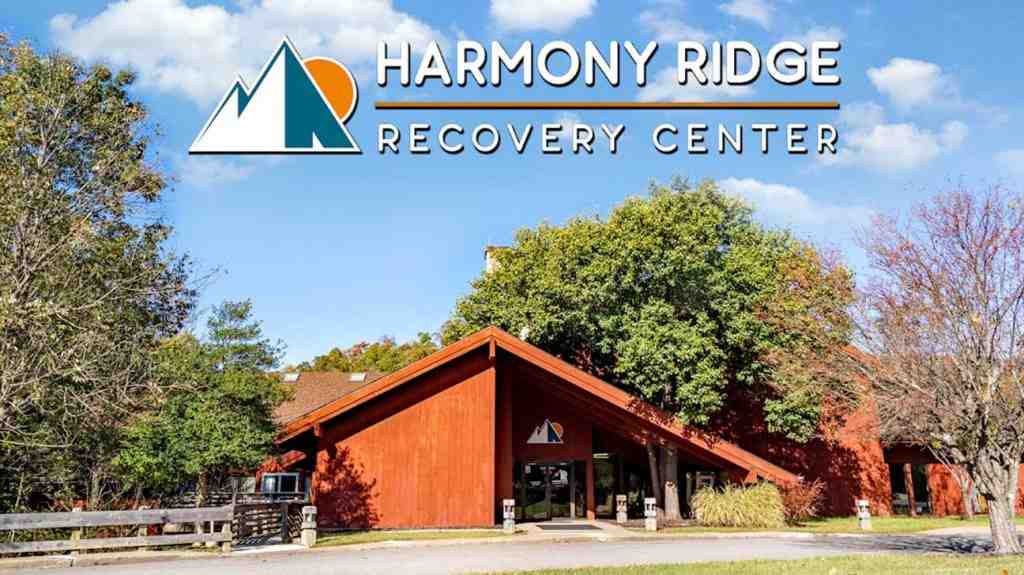
- Harmony Ridge Recovery Center (Walker) – Evidence-based programs, adventure therapy, accepts most insurance
- WVU Medicine Center for Hope and Healing (Morgantown) – Academic medical center, dual diagnosis, COAT program
- Recovery Point West Virginia (Multiple Locations) – No-cost treatment, peer-led recovery, transportation assistance
- St. Joseph Recovery Center (Parkersburg) – Veteran programs, pregnancy support, MAT available
- Mountain State Recovery Center (Charleston) – Outpatient focus, MAT, accepts Medicaid
Quick Facts:
- West Virginia has the highest drug overdose death rate in the US (52.8 per 100,000 residents).
- The average rehab cost is $56,688, but free and low-cost options are available.
- Daily costs average $629.87 for inpatient care and $56.83 for outpatient care.
- Medicaid, Medicare, and private insurance can cover addiction treatment.
West Virginia faces a severe substance abuse crisis, with more drug overdose deaths per capita than any other state. Opioids like fentanyl and heroin continue to devastate communities, but there is hope.
Quality treatment is available across the Mountain State. From medical detox and residential treatment to outpatient care and medication-assisted treatment (MAT), you have options. Some programs are even available at no cost.
Taking the first step requires courage. Asking for help is a sign of strength.
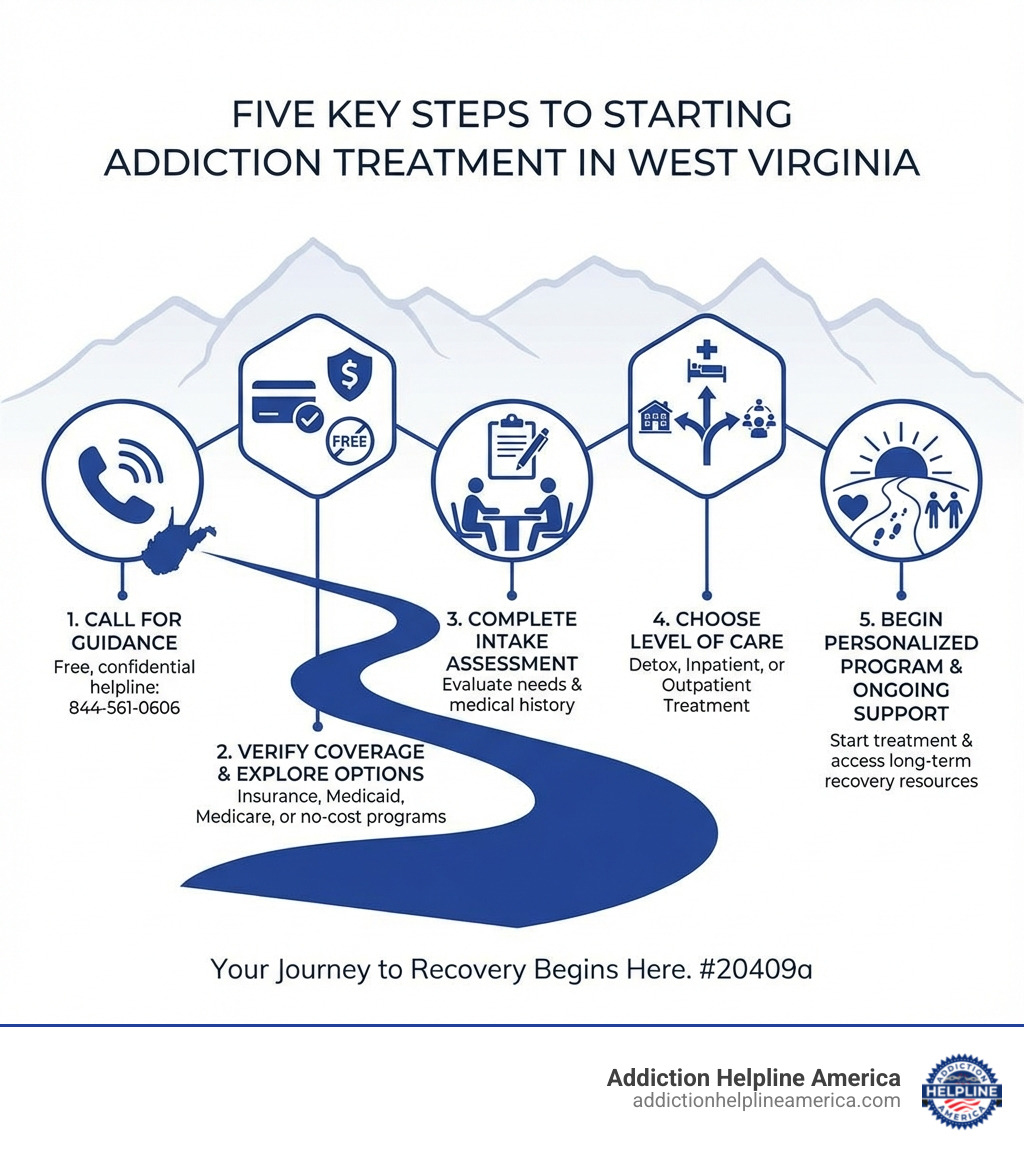
At Addiction Helpline America, we connect people with quality Rehab in West Virginia programs that match their unique needs. Our free, confidential helpline provides personalized guidance 24/7. We’ve helped thousands find the right treatment option.
If you or a loved one needs help now, call our free and confidential helpline at 844-561-0606 for immediate assistance.
Understanding the Substance Abuse Crisis in West Virginia
West Virginia carries the heavy burden of the highest drug overdose death rate in the United States, at 52.8 deaths per 100,000 residents—155.07% above the national average. This crisis underscores the urgent need for effective and accessible Rehab in West Virginia.
The opioid epidemic has hit the state particularly hard. From 2017 to 2019, opioid use among young adults was nearly double the national average. Illicit drug use involving substances like fentanyl, heroin, cocaine, and meth also remains a significant concern. While alcohol abuse rates are slightly below the national average, a concerning 7.3% of young adults develop alcohol use disorder, highlighting the problem’s severity.
Several factors contribute to this crisis, including high poverty rates and limited access to comprehensive healthcare. Economic hardship and a lack of adequate healthcare infrastructure can make individuals more vulnerable to substance abuse and hinder prevention and treatment efforts.
Understanding the scope of this crisis is the first step toward addressing it. It emphasizes the importance of accessible addiction treatment programs. We are committed to helping connect West Virginians with the resources they need. For more detailed insights, refer to the Behavioral Health Barometer for West Virginia. To explore addiction trends and treatment options, you can learn more about addiction in West Virginia.

Navigating Your Options for Rehab in West Virginia
When considering Rehab in West Virginia, it’s crucial to understand the various levels of care. Addiction treatment is not one-size-fits-all, and finding a program that matches your unique needs is key to success.
Here’s a breakdown of common levels of care:
- Medical Detoxification: The first step for many, this involves medically supervised withdrawal in a safe environment to manage symptoms.
- Inpatient Residential Treatment: Provides 24/7 supervision in a structured, trigger-free facility, allowing for total focus on recovery through therapy and educational sessions.
- Partial Hospitalization Programs (PHP): Intensive daytime treatment that allows patients to return home or to a sober living environment at night.
- Intensive Outpatient Programs (IOP): A flexible option with fewer hours than PHP, accommodating work, school, or family responsibilities.
- Standard Outpatient Care: The least intensive level, involving weekly therapy and support groups, suitable for those with a strong support system.
- Aftercare and Sober Living: Ongoing support after formal treatment, including relapse prevention planning, support groups, and drug-free housing.
For more information on treatment options, you can explore more info about West Virginia Rehab Centers.
Choosing the Right Level of Care
Deciding between inpatient and outpatient care depends on addiction severity, mental health, and life circumstances.
Inpatient advantages:
- 24/7 Medical Supervision: Critical for safe detox and managing co-occurring medical conditions.
- Structured and Safe Environment: Removes individuals from triggers and negative influences.
- Intensive Therapy: Daily sessions allow for deep, focused work on the root causes of addiction.
Outpatient advantages:
- Flexibility: Allows individuals to maintain work, school, or family commitments.
- Lower Cost: Generally more affordable than inpatient care.
- Real-World Practice: Patients can immediately apply coping skills to daily life.
- Community Ties: Enables continued connection with family and friends for support.
How to decide:
- Severity of Addiction: Severe, long-term addiction often requires inpatient care first.
- Co-occurring Disorders: Integrated care in a residential setting can be beneficial for dual diagnosis.
- Home Environment: A stable, supportive home is crucial for outpatient success. If the home is unstable, inpatient care is a better choice.
The best choice is a personalized one. We can help you steer these options. For further guidance, explore how to choose the right rehab program.
| Feature | Inpatient Residential Treatment | Outpatient Treatment (PHP/IOP/Standard) |
|---|---|---|
| Environment | Live at the facility, 24/7 supervision, highly structured | Live at home, attend sessions during the day/week |
| Intensity | High – immersive, daily therapy, removed from triggers | Moderate to low – structured sessions, flexible schedule |
| Medical Oversight | Constant medical and psychiatric care, detox available | Regular medical check-ups, less intensive medical supervision |
| Cost | Higher due to accommodation, meals, and 24/7 care | Lower, as it doesn’t include living expenses |
| Flexibility | Limited – full-time commitment to treatment | High – allows for work, school, and family responsibilities |
| Support System | Built-in community within the facility, peer support | Relies on external support system (family, friends, local groups) |
| Suitable For | Severe addiction, unstable home, co-occurring disorders, detox | Mild to moderate addiction, stable home, strong support system |
Specialized Treatment Programs for Rehab in West Virginia
Many Rehab in West Virginia facilities offer specialized programs custom to specific needs. A personalized approach is key to lasting recovery.
Here are some specialized programs you might find:
- Dual Diagnosis for Co-occurring Disorders: Integrated treatment for both substance use and mental health conditions like anxiety, depression, or PTSD.
- Holistic Therapies for Mind-Body Wellness: Focus on the whole person with therapies like yoga, meditation, art therapy, and adventure therapy.
- Faith-based Programs: Integrate spiritual principles, prayer, and guidance into the clinical recovery process.
- Programs for Veterans: Offer trauma-informed care and peer support for the unique challenges faced by military personnel.
- Specialized Care for Pregnant Women: Provide a safe environment with comprehensive medical care and counseling for expectant mothers.
- Luxury and Executive Rehab: Offer high-end amenities and flexible programs for professionals who need to maintain work responsibilities.
- Seniors Programs: Address the specific needs of older adults with custom medical and therapeutic approaches.
We can help you find the perfect fit among these specialized options. For more information, you can refer to specialized rehab programs in West Virginia.
The 5 Best Rehab Centers in West Virginia
Finding the right Rehab in West Virginia can be overwhelming. We’ve evaluated top centers based on their use of evidence-based treatments, accreditations, and range of services to help you find high-quality care for lasting recovery.

Here are five of the best rehab centers in West Virginia:
1. Harmony Ridge Recovery Center (Walker, WV)
Set in the tranquil Mountwood Park, Harmony Ridge Recovery Center provides evidence-based programs including detox, residential treatment, and PHP. It stands out by integrating adventure and recreational therapies like hiking and yoga into its treatment. The center accepts most major insurance plans, including Humana, Blue Cross Blue Shield, Tricare, and PEIA, as well as Medicaid, and offers 24/7 admissions support.
To learn more about their unique approach, visit learn more about Harmony Ridge Recovery Center.
2. WVU Medicine Center for Hope and Healing (Morgantown, WV)
As part of the WVU Medicine system, this center offers expert, medically integrated care. It specializes in medically managed withdrawal, residential treatment, and has a notable Dual Diagnosis Unit for co-occurring conditions, including for pregnant women. Their Comprehensive Opioid Addiction Treatment (COAT) program provides phased outpatient care. They accept Medicaid and various private insurance plans.
For detailed information, explore learn more about WVU Medicine Center for Hope and Healing.
3. Recovery Point West Virginia (Multiple Locations)
Recovery Point West Virginia is a non-profit offering no-cost, peer-led, long-term residential recovery programs, removing financial barriers to treatment. Their model emphasizes personal responsibility and community, offering non-medical detox, structured recovery phases, and crucial support like transportation assistance. In 2024, they housed and treated 1,041 individuals, demonstrating a significant impact on the state’s recovery community.
To learn more about their life-changing, no-cost programs, visit learn more about Recovery Point West Virginia.
4. St. Joseph Recovery Center (Parkersburg, WV)
St. Joseph Recovery Center in Parkersburg offers comprehensive and specialized programs. They are known for a dedicated veteran rehab program and services for pregnant women. The center uses Medication-Assisted Treatment (MAT) and dual diagnosis care to address co-occurring mental health conditions. St. Joseph Recovery Center accepts WV Medicaid and various private insurance plans.
5. Mountain State Recovery Center (Charleston, WV)
Located in Charleston, Mountain State Recovery Center focuses on flexible outpatient treatment. They emphasize Medication-Assisted Treatment (MAT) combined with individual and group counseling to manage cravings and prevent relapse. Committed to accessibility, the center accepts Medicaid, providing a well-rounded path to recovery in an outpatient setting.
Paying for Treatment: Costs, Insurance, and Free Options
Understanding the financial side of Rehab in West Virginia is a common concern, but many options can make treatment affordable.
On average, rehab in West Virginia can cost around $56,688, but this varies. Without insurance, daily costs average $629.87 for inpatient and $56.83 for outpatient care. However, insurance can drastically reduce these expenses.
The Mental Health Parity and Addiction Equity Act (MHPAEA) of 2008 requires most health plans to cover substance use disorders at the same level as other medical care. You can understanding your insurance rights to learn more.
- Private Insurance: Most plans from major providers (Aetna, BCBS, Cigna, etc.) cover addiction treatment. Coverage details depend on your specific plan.
- West Virginia Medicaid: This is a critical resource for low-income residents, covering a wide range of services from detox to outpatient care. Facilities like Mountain State Recovery Center and St. Joseph Recovery Center accept Medicaid.
- Medicare: Primarily for those 65+ or with certain disabilities, Medicare also covers treatment. Part A covers inpatient care, and Part B covers outpatient services.
- State-funded and Grant-supported Programs: West Virginia offers programs with free or sliding-scale fees for those with limited financial means.
- Free Options: Non-profits like Recovery Point West Virginia offer comprehensive programs at absolutely no cost.
Navigating payment options can be complex, but we can help verify your benefits. For more information, see how to pay for rehab in West Virginia.
Understanding Medication-Assisted Treatment (MAT) for Rehab in West Virginia
Medication-Assisted Treatment (MAT) is an evidence-based approach that combines FDA-approved medications with counseling to treat substance use disorders, particularly opioid and alcohol dependence. This holistic approach helps normalize brain chemistry, reduce cravings, and block the euphoric effects of drugs.
Key benefits of MAT include reducing cravings and withdrawal, preventing overdose, and improving treatment retention. To learn more, visit the SAMHSA page on Medication-Assisted Treatment (MAT).
Common medications used in MAT include:
- Methadone: Reduces cravings and withdrawal. Dispensed daily in a regulated clinic.
- Buprenorphine (Suboxone): Reduces cravings with a lower overdose risk. Can be prescribed in an outpatient setting.
- Naltrexone: Blocks the effects of opioids and reduces alcohol cravings. It is non-addictive and available as a long-acting injectable (Vivitrol).
Many top Rehab in West Virginia centers, including WVU Medicine, St. Joseph, and Mountain State, incorporate MAT into their treatment plans.
West Virginia’s Drug and Alcohol Laws
Understanding West Virginia’s laws can be helpful for those seeking treatment. The state has implemented several initiatives to combat the substance abuse crisis.
- Overdose Prevention Act: Provides limited immunity from prosecution for those who call 911 to report an overdose, encouraging people to seek help and save lives.
- Proposed Clean Start Act: Aims to allow the sealing of criminal records for past non-violent crimes related to substance use after successful treatment completion.
- Proposed LifeBOAT Act: Seeks to create a sustainable funding source for treatment by imposing a fee on opioid prescriptions.
- West Virginia DUI Safety and Treatment Program: A state-mandated program for DUI offenders that combines education, intervention, and treatment.
These laws reflect a public health approach to addiction. For more details, see this explanation of West Virginia drug and alcohol laws.
Your Journey to Recovery Starts Now
Taking the first step towards Rehab in West Virginia is a courageous act. Recovery is a continuous journey of growth and healing, and we believe in your strength to build a fulfilling life free from addiction.
Completing a treatment program is a major achievement, but support shouldn’t end there. Aftercare planning is crucial for maintaining long-term sobriety. This often includes:
- Sober Living Homes: Structured, drug-free housing for individuals transitioning from residential treatment.
- Support Groups: Peer-led groups like Alcoholics Anonymous (AA) and Narcotics Anonymous (NA) offer invaluable ongoing community support.
- Continued Therapy and Counseling: Regular sessions help address underlying issues and manage life’s challenges without substance use.
- Alumni Programs: Many rehabs offer alumni networks to stay connected with a supportive community.
No matter your location or needs in West Virginia, we are here to help you find the right support system. Addiction Helpline America provides free, confidential, and personalized guidance to connect you with the right recovery program. Our vast network ensures we can find a match for your unique situation, including level of care, specialized programs, or financial needs.
Don’t let another day pass. Your new life is within reach. Call 844-561-0606 now or find a rehab center in West Virginia today.