Your Path to Recovery Starts Here
Whether you are seeking Rehab in Ohio for 2025 and beyond for yourself or for someone you love, knowing where to begin can feel overwhelming. Addiction can impact every part of life—health, work, relationships, and mental well-being—but effective, compassionate help is available right now.
Rehab in Ohio offers a comprehensive range of addiction treatment services designed to help individuals and families overcome substance abuse in a safe, structured, and evidence-based way. Here’s what you need to know today:
- Types of Treatment Available: Medical detox, inpatient/residential programs, partial hospitalization (PHP), intensive outpatient (IOP), standard outpatient counseling, and long-term aftercare support
- Average Costs: Around $56,623 for treatment overall, with inpatient care averaging about $630/day and outpatient about $57/day (your actual costs will vary depending on insurance coverage and specific program details)
- Insurance: Most major health plans now cover addiction treatment as an essential benefit; Medicaid, Medicare, and state-funded programs are also available in Ohio
- Specialized Programs: Services for first responders, older adults, LGBTQ+ individuals, veterans, professionals, and young adults
- Evidence-Based Care: CBT, DBT, MAT, motivational therapies, and dual diagnosis treatment for co-occurring mental health conditions
- Quality Indicators: Look for Joint Commission or CARF accreditation, individualized treatment plans, trauma-informed care, and high patient satisfaction ratings
Taking the first step toward recovery can feel frightening. You may be struggling with addiction yourself, or watching a loved one suffer. You might be scared, uncertain, or simply exhausted from trying to manage on your own. But you are not alone, and you do not have to figure this out by yourself in 2025.
Ohio is home to dozens of accredited addiction treatment centers offering personalized care in supportive, healing environments. From medically supervised detox to long-term residential programs and flexible outpatient options, there is a path forward that fits your specific needs and circumstances. Many facilities offer same-day admissions, accept most insurance plans, and provide free confidential consultations to help you understand your options.
The key is finding the right fit. Not all rehab centers are the same. Some specialize in treating specific substances like opioids, alcohol, or stimulants. Others focus on particular populations, such as veterans or young adults. Some offer luxury amenities on sprawling campuses, while others provide high-quality, evidence-based care in more modest settings. What matters most is that you receive individualized treatment that addresses your unique situation—including any mental health conditions like anxiety, depression, PTSD, or trauma that often accompany addiction.
This updated guide for 2025 will walk you through everything you need to know about rehab in Ohio. We will explain the different levels of care, break down the costs and insurance options, highlight what to look for in a quality program, and show you how to take that crucial first step. Whether you’re seeking help for yourself or a loved one, you’ll find clear, practical information to guide your decision.
At Addiction Helpline America, we’ve helped thousands of individuals and families steer the path to recovery by connecting them with effective Rehab in Ohio programs that match their specific needs. Our free, confidential helpline is available 24/7 to answer your questions, verify your insurance benefits, and guide you toward the right treatment option—call us in the U.S. at 844-561-0606. No matter where you are in your journey, hope and healing are within reach.
Rehab in Ohio word roundup:
Understanding the Types of Addiction Treatment Services in Ohio
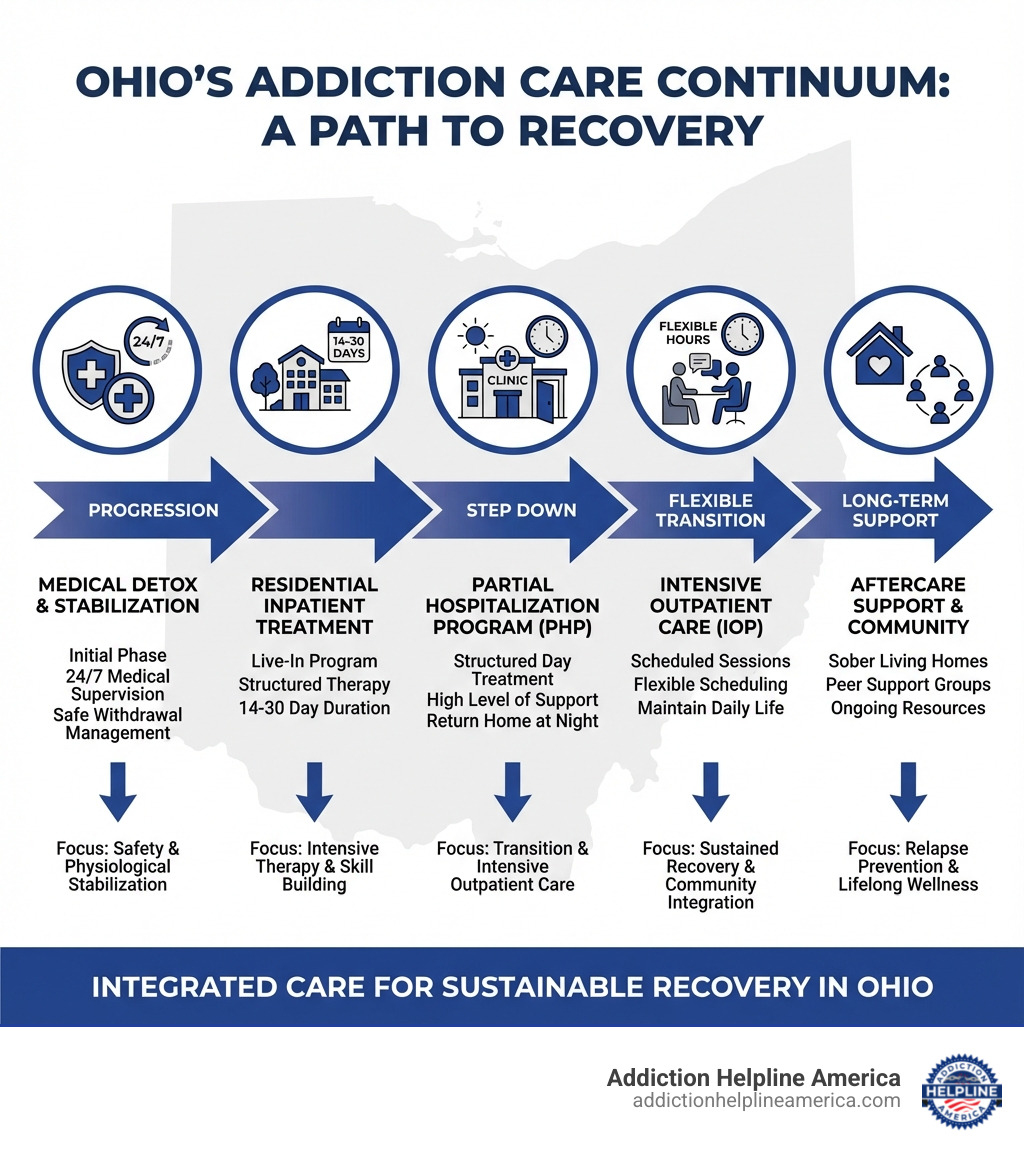
When considering Rehab in Ohio, it’s important to understand the various levels of care available. Addiction treatment is not a one-size-fits-all solution; it’s a personalized journey that often involves a continuum of care, transitioning through different programs as your needs evolve. This comprehensive approach ensures that individuals receive the most appropriate support at each stage of their recovery. From initial stabilization to long-term sobriety, Ohio offers diverse options to help you or your loved one find lasting healing.
Finding local support is also crucial. For those in Ohio’s major cities, we offer specific resources:
Medical Detoxification
Often the first critical step in addiction recovery, medical detoxification focuses on safely managing withdrawal symptoms. This process involves ridding the body of harmful substances like alcohol or drugs under constant medical supervision. For many, the thought of withdrawal can be terrifying, but in a supervised setting, medical professionals are on hand 24/7 to monitor your condition, administer medications to alleviate discomfort, and ensure your safety.
Medical detox is particularly vital for substances with severe withdrawal symptoms, such as:
- Alcohol detox: Can involve delirium tremens, seizures, and other life-threatening complications.
- Opioid detox: Often accompanied by intense flu-like symptoms, muscle pain, and severe cravings.
- Benzodiazepine detox: Can lead to seizures, extreme anxiety, and psychosis if not managed correctly.
Many facilities in Ohio offer medical detox services, emphasizing personalized, patient-centered care. They understand that for some, this is the essential first step towards recovery.
Inpatient and Residential Treatment
Once detox is complete, or if detox isn’t medically necessary, many individuals transition into inpatient or residential treatment. This level of care provides a structured environment with 24-hour support, removing you from everyday triggers and stressors that can impede recovery. Inpatient programs offer a safe space where you can focus entirely on healing, free from the distractions and temptations of your usual environment.
During residential treatment, you’ll engage in a variety of therapeutic activities, including individual and group counseling, behavioral therapies, and wellness activities. The typical duration for an inpatient program often ranges between 14 and 30 days, though longer stays are common for more severe addictions or co-occurring mental health disorders. A key benefit is the strong sense of peer connection and community that develops, fostering a supportive network crucial for long-term recovery.
For more information on options in specific areas, explore our resources for Ohio Rehab Centers in Dayton.
Outpatient Treatment Programs
Outpatient treatment programs offer a flexible alternative for individuals who need to maintain their daily responsibilities, such as work, school, or family care, while receiving comprehensive addiction treatment. These programs allow you to live at home or in sober living environments and attend scheduled therapy sessions and groups at a facility.
Ohio offers various forms of outpatient care:
- Partial Hospitalization Programs (PHP): Often considered a step down from inpatient care, PHP provides intensive treatment for several hours a day, multiple days a week, offering a high level of support without requiring overnight stays.
- Intensive Outpatient Programs (IOP): Less intensive than PHP, IOP still offers significant support through regular group and individual counseling sessions, allowing for more time in your community.
- Standard Outpatient Programs: These programs involve fewer hours per week and are suitable for those with milder addictions or as a long-term follow-up to more intensive care.
Outpatient programs commonly include group therapy, individual counseling, and educational sessions focused on relapse prevention and healthy coping mechanisms. For those in the Parma area, we have dedicated resources for Ohio Rehab Centers in Parma.
Aftercare and Recovery Housing
The journey to recovery doesn’t end when a formal treatment program concludes. Aftercare and recovery housing are crucial for sustaining sobriety and preventing relapse. These services provide ongoing support as individuals reintegrate into their daily lives.
- Recovery Housing: Also known as sober living homes, these residences offer a safe, structured, and substance-free environment. They provide accountability, peer support, and a gradual transition back into independent living.
- Aftercare Programs: These can include ongoing therapy, regular support group meetings (such as 12-step programs), alumni programs offered by treatment centers, and assistance with employment or educational pursuits. The goal is to build a strong foundation for long-term recovery and equip individuals with the tools to steer life’s challenges without resorting to substance use.
Navigating the Cost of Rehab in Ohio and Insurance Coverage
We understand that financial concerns can be a significant barrier when seeking addiction treatment. It’s natural to worry about the cost, but we encourage you to view Rehab in Ohio as an investment in your future and well-being. The long-term costs of untreated addiction—health issues, legal problems, job loss, and strained relationships—far outweigh the cost of treatment.
The average cost for a person in Ohio who seeks substance abuse treatment is approximately $56,623. However, this is a broad average, and costs vary significantly based on the type of program, length of stay, and services provided.
Here’s a general breakdown of average daily costs without insurance:
- Inpatient rehab (based on a 30-day stay) averages about $629.87 per day.
- Outpatient rehab (based on a 30-day program) averages about $56.83 per day.
These are averages without insurance. Your actual out-of-pocket costs will depend heavily on your insurance coverage.
Here’s a table comparing estimated daily costs with and without insurance coverage, based on a 30-day program:
| Treatment Type | Average Daily Cost (Without Insurance) | Average Daily Cost (With 60% Insurance Coverage) | Average Daily Cost (With 80% Insurance Coverage) |
|---|---|---|---|
| Inpatient Rehab | $629.87 | $251.95 | $125.90 |
| Outpatient Rehab | $56.83 | $22.70 | $11.37 |
How Insurance Covers Addiction Treatment
Thanks to the Affordable Care Act (ACA), addiction treatment is classified as an essential health benefit, meaning most insurance plans are required to cover it. However, the extent of coverage can vary.
When verifying your benefits, you’ll encounter terms like:
- Deductible: The amount you pay for covered healthcare services before your insurance starts to pay.
- Copayment (Copay): A fixed amount you pay for a covered service, like a doctor’s visit.
- Coinsurance: The percentage of the cost of a covered service you pay after your deductible is met.
- Out-of-Pocket Maximum: The maximum amount you’ll pay for covered services in a plan year; once reached, your insurance pays 100%.
It’s crucial to understand whether a facility is in-network or out-of-network with your insurance provider, as this significantly impacts your costs. In-network providers have agreements with your insurance company, typically resulting in lower out-of-pocket expenses.
Verifying your insurance benefits is a key step. Many rehab centers offer online tools or dedicated staff to help you verify your coverage. You can also call your insurance provider directly. Rest assured, your confidentiality is protected by law, as outlined in this sample privacy policy. We can also help you verify your insurance coverage when you call us at 844-561-0606.
Paying for Rehab Without Insurance
If you don’t have insurance or your coverage is insufficient, don’t despair. There are numerous options available to help make Rehab in Ohio accessible:
- State-funded programs: Ohio offers various state-funded initiatives and grants to support addiction treatment for eligible individuals.
- Medicaid and Medicare: These government programs can cover a significant portion, if not all, of addiction treatment costs for qualifying individuals.
- Sliding scale fees: Some facilities offer treatment fees adjusted based on your income and ability to pay.
- Payment plans: Many centers will work with you to establish a manageable payment plan, allowing you to pay for treatment in installments.
- Medical loans: Specialized loans are available for healthcare expenses, including addiction treatment.
- Grants and scholarships: Non-profit organizations and private foundations often offer grants or scholarships to help individuals afford rehab.
Our mission at Addiction Helpline America is to ensure that cost is never a barrier to getting professional help for an alcohol- and drug-free life. We can help you explore these options and connect you with resources that fit your financial situation.
What to Expect: Therapies, Amenities, and Specialized Programs
When considering Rehab in Ohio, it’s helpful to know what kind of environment and treatment approaches you can expect. Modern addiction treatment accepts a holistic approach, focusing on healing the mind, body, and spirit. Most reputable centers craft individualized care plans, recognizing that each person’s journey to recovery is unique.

Evidence-Based Therapies and Dual Diagnosis Care
Ohio rehab centers use a range of evidence-based therapies proven effective in treating addiction and co-occurring mental health disorders. These therapies are the backbone of treatment, providing tools and strategies for long-term recovery.
Commonly used therapies include:
- Cognitive Behavioral Therapy (CBT): Helps individuals identify and change negative thought patterns and behaviors linked to substance use.
- Dialectical Behavior Therapy (DBT): Focuses on emotional regulation, mindfulness, distress tolerance, and interpersonal effectiveness.
- Medication-Assisted Treatment (MAT): Combines FDA-approved medications (like buprenorphine, naltrexone for opioids; acamprosate, disulfiram for alcohol) with counseling and behavioral therapies. Some centers, for example, specialize in this evidence-based approach for opioid and alcohol use disorders.
- Motivational Interviewing (MI): A client-centered approach that helps individuals explore and resolve ambivalence about change, fostering intrinsic motivation for recovery.
A critical aspect of comprehensive care is addressing dual diagnosis, where individuals experience co-occurring mental health disorders alongside substance abuse. Nearly half of individuals with a substance use disorder also have a mental health condition. Many Ohio rehab centers are equipped to treat these intertwined conditions, offering integrated care for issues like anxiety, depression, bipolar disorder, PTSD, and trauma. This trauma-informed care ensures that underlying psychological issues contributing to addiction are also addressed.
Amenities and Facilities for a Healing Environment
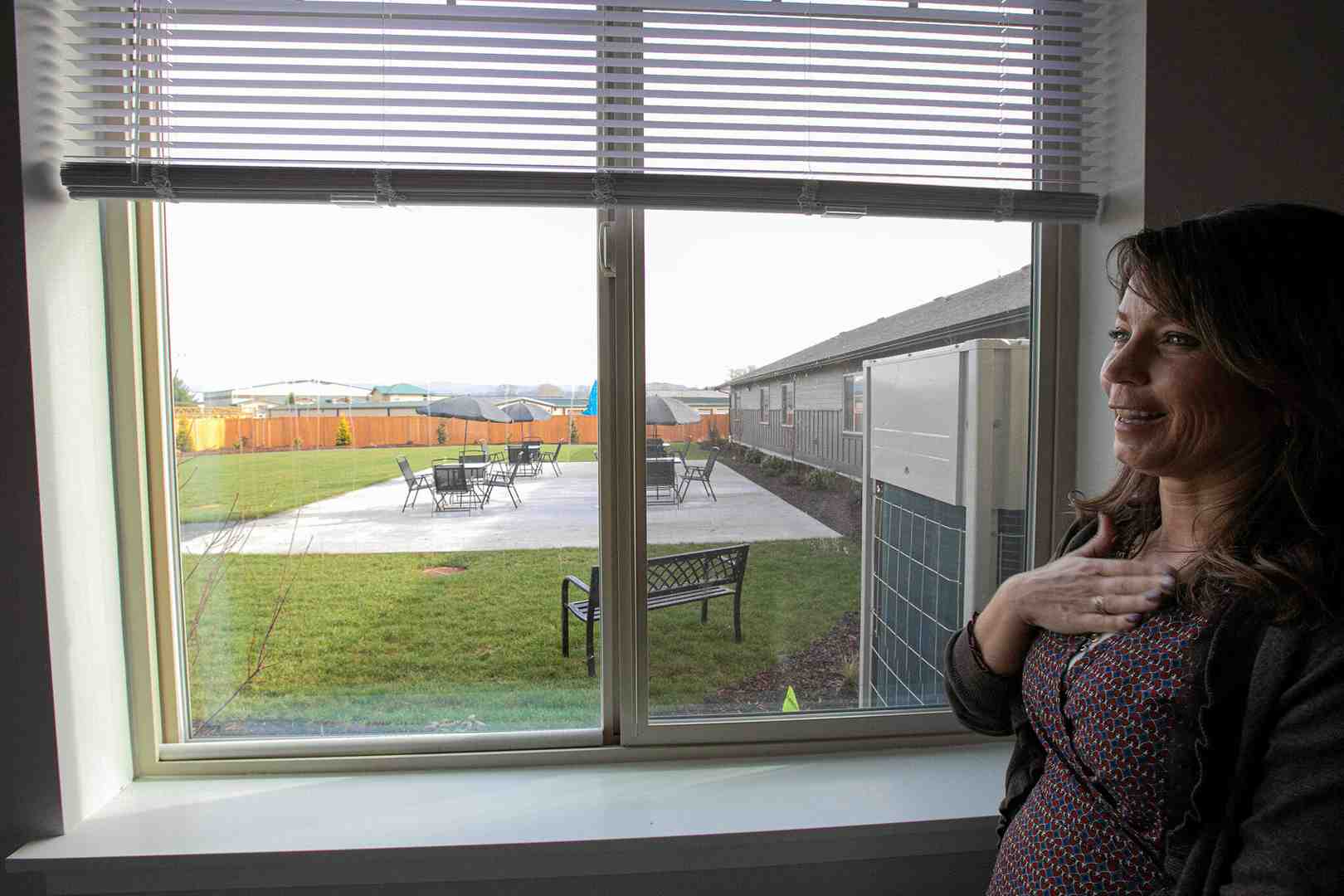
The environment where recovery takes place plays a significant role in the healing process. Many Rehab in Ohio facilities offer comfortable settings designed to promote peace and well-being.
Amenities can range widely, but often include:
- Serene campuses: Some centers, for instance, boast sprawling campuses, providing ample space for reflection and outdoor activities.
- Comfortable living spaces: Many offer semi-private rooms, and some even provide gender-specific cottages for a more custom experience.
- Fitness and recreation: Gyms, fitness centers, recreation rooms, and outdoor spaces encourage physical health and provide healthy outlets.
- Wellness activities: Yoga, meditation, arts and crafts, game nights, and movie nights are often integrated to promote overall well-being and demonstrate that enjoyment doesn’t require substances.
- Nutritious meals: On-site cafeterias often provide healthy, chef-prepared meals, recognizing the importance of physical nourishment in recovery. Some facilities highlight amenities like 24/7 cafeterias with nutritious meals, and even on-site salons and spas.

Specialized Programs for Unique Needs in Ohio
Recognizing that addiction affects diverse populations differently, many Rehab in Ohio centers offer specialized programs custom to unique needs. These programs address specific challenges, experiences, and cultural contexts.
Examples of specialized programs include:
- First responders: Some centers offer programs designed for the unique stressors faced by police, firefighters, and paramedics.
- Older adults: Some facilities provide services custom to the specific needs and health considerations of older adults.
- LGBTQ+ community: Specialized programming is available that provides a safe and affirming environment.
- Gender-specific programs: Many centers offer men-only or women-only programs, recognizing that gender can influence group dynamics and therapeutic needs. Some centers, for example, are male-only facilities.
- Young adult programs: Designed to address the developmental stage and unique challenges faced by younger individuals.
- Programs for professionals: Custom to business executives and helping professionals, often with a focus on confidentiality and career reintegration.
- Pregnancy and addiction care: Some centers offer specialized services for pregnant individuals.
For those located in the Youngstown area, you can explore our specific resources for Ohio Rehab Centers in Youngstown.
Finding the Right Rehab Program for You or a Loved One
Choosing the right Rehab in Ohio can feel like a daunting task, but making an informed choice is crucial for successful recovery. We’re here to help you understand what to look for and how to evaluate programs to find the best fit for your unique situation.
How to Evaluate a Rehab Program
When assessing different rehab programs, consider the following key quality indicators:
- Accreditation: Look for facilities accredited by reputable organizations such as The Joint Commission (TJC) or the Commission on Accreditation of Rehabilitation Facilities (CARF). These accreditations signify adherence to high standards of care and safety. Other important accreditations include SAMHSA, NAATP, and LegitScript.
- Staff credentials: Ensure the treatment team consists of licensed and experienced professionals, including doctors, nurses, therapists, and counselors.
- Individualized treatment plans: A quality program will conduct a thorough assessment and create a personalized plan that addresses your specific needs, type of addiction, and any co-occurring mental health issues.
- Evidence-based treatment methods: Verify that the center uses therapies proven effective, such as CBT, DBT, MAT, and MI.
- Success metrics and patient satisfaction rates: While specific success rates can be hard to obtain, look for centers that report high client satisfaction. Some centers proudly report average patient satisfaction rates upwards of 96%. Testimonials and reviews from former clients can offer valuable insights into the quality of care and the overall experience.
- Low client-to-staff ratio: A lower ratio often indicates more personalized attention and care from the treatment team.
Steps to Prepare for Rehab in Ohio
Preparing for rehab can feel overwhelming, but a little planning can ease the transition and allow you to focus on your recovery. Many treatment centers offer excellent guidance on this:
- Handling work and family obligations: If applicable, arrange for childcare, pet care, or temporary leave from work. The Family and Medical Leave Act (FMLA) provides eligible employees with up to 12 weeks of unpaid, job-protected leave for medical reasons, including addiction treatment.
- Financial and legal matters: Tie up any loose ends, such as paying bills, arranging for mail forwarding, or addressing minor legal issues.
- Packing essentials: Pack light, bringing only necessary items. Most facilities provide a list of approved items.
- Emotional preparation: Spend time with loved ones, write a letter to yourself or keep a journal to process your feelings, and try to relax before entering treatment. Entering rehab with a calm mindset can make a significant difference.
How to Get Help Now
Taking the initial step towards recovery is a courageous act. If you’re ready to explore options for Rehab in Ohio, we are here to provide free, confidential, and personalized guidance.
Our compassionate advisors at Addiction Helpline America are available 24/7 to:
- Answer your questions about addiction and treatment.
- Conduct a no-obligation assessment to understand your unique needs.
- Help you verify your insurance benefits.
- Connect you with reputable treatment centers in Ohio from our vast network that align with your specific requirements and preferences.
You don’t have to steer this complex process alone. Our team can help you steer your options and find a program that fits your needs. Call 844-561-0606 now to begin your journey towards a healthier, substance-free life.
You can also explore our main page for more details on how to Find the right Ohio Rehab Centers for your needs.
Frequently Asked Questions about Rehab in Ohio
How long does addiction treatment in Ohio typically last?
The duration of addiction treatment in Ohio varies significantly based on individual needs, the severity of the addiction, and the type of program. Detoxification can last anywhere from a few days to several weeks, though most detox regimens are typically three, five, or seven days. Inpatient or residential programs often last between 14 and 30 days. Outpatient programs, including PHP and IOP, can extend for several weeks to several months. For some, long-term programs lasting 90 days or more, or ongoing aftercare and sober living, are crucial for sustainable recovery. The goal is always sustainable recovery, not a set timeline.
Can I lose my job for attending rehab?
Generally, no. The Family and Medical Leave Act (FMLA) protects eligible employees by providing up to 12 weeks of unpaid, job-protected leave for certain medical and family reasons, including addiction treatment. This means your employer cannot fire you for taking time off to attend rehab, and you have the right to return to your job or an equivalent position after your leave. Your privacy regarding your medical condition, including addiction treatment, is also protected by federal law.
What is the difference between inpatient and outpatient rehab?
The primary difference lies in the living situation and intensity of care.
- Inpatient rehab offers 24/7 care in a residential facility. You live at the center, receive constant supervision, and are removed from daily triggers and temptations. This highly structured environment is ideal for severe addictions, individuals requiring medical detox, or those who need a complete change of environment to focus on recovery.
- Outpatient rehab allows you to live at home or in a sober living environment while attending scheduled treatment sessions at a facility. It offers more flexibility, enabling you to maintain work, school, or family responsibilities. Outpatient programs vary in intensity, from Partial Hospitalization Programs (PHP) which are nearly full-time, to Intensive Outpatient Programs (IOP), and less frequent standard outpatient counseling.
Take the First Step Towards a New Life Today
Recovery is not just a possibility; it is a reality for thousands of individuals in Ohio who have sought help in recent years—and it can be your reality in 2025 and beyond. No matter how long you have been struggling, change is possible.
You may feel ashamed, afraid, or unsure if treatment will work for you. Those feelings are common, and they do not disqualify you from getting better. What matters most is taking the next right step and reaching out for support.
At Addiction Helpline America, we are dedicated to providing free, confidential support to connect you with the right addiction or mental health treatment center in Ohio and across the United States. Our compassionate advisors understand the treatment landscape, the insurance system, and the emotional weight of this decision.
When you call, we can:
- Listen to your situation without judgment
- Explain levels of care like detox, inpatient, PHP, IOP, and aftercare
- Help you explore options close to home in cities like Columbus, Cincinnati, Dayton, Parma, or Youngstown
- Verify your insurance benefits and discuss payment options
- Connect you with reputable, evidence-based rehab programs that fit your needs
You do not have to wait for things to get worse. Help is available right now in the U.S.
Call Addiction Helpline America at 844-561-0606 today for free, confidential guidance, and take the first step toward a healthier, substance-free life.