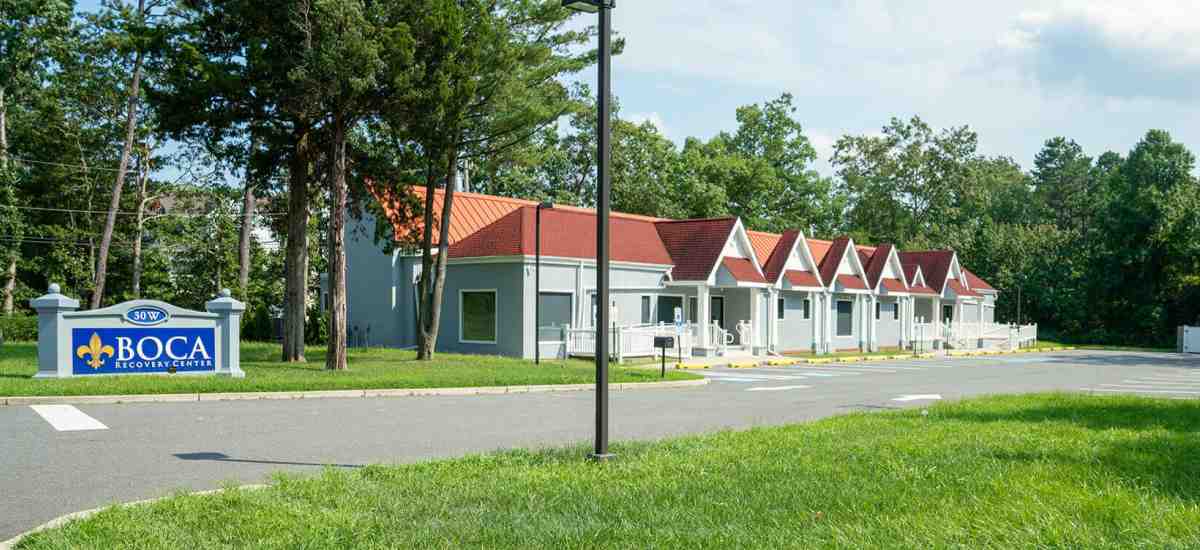
Why Finding the Right Rehab Center Matters
A rehab center is a specialized facility that provides medical, therapeutic, and support services to help individuals recover from addiction, chronic pain, or physical injuries. Millions of Americans struggle with mental health and substance use disorders each year, and finding the right rehabilitation program can be the difference between lasting recovery and relapse.
Quick Answer: Types of Rehab Centers
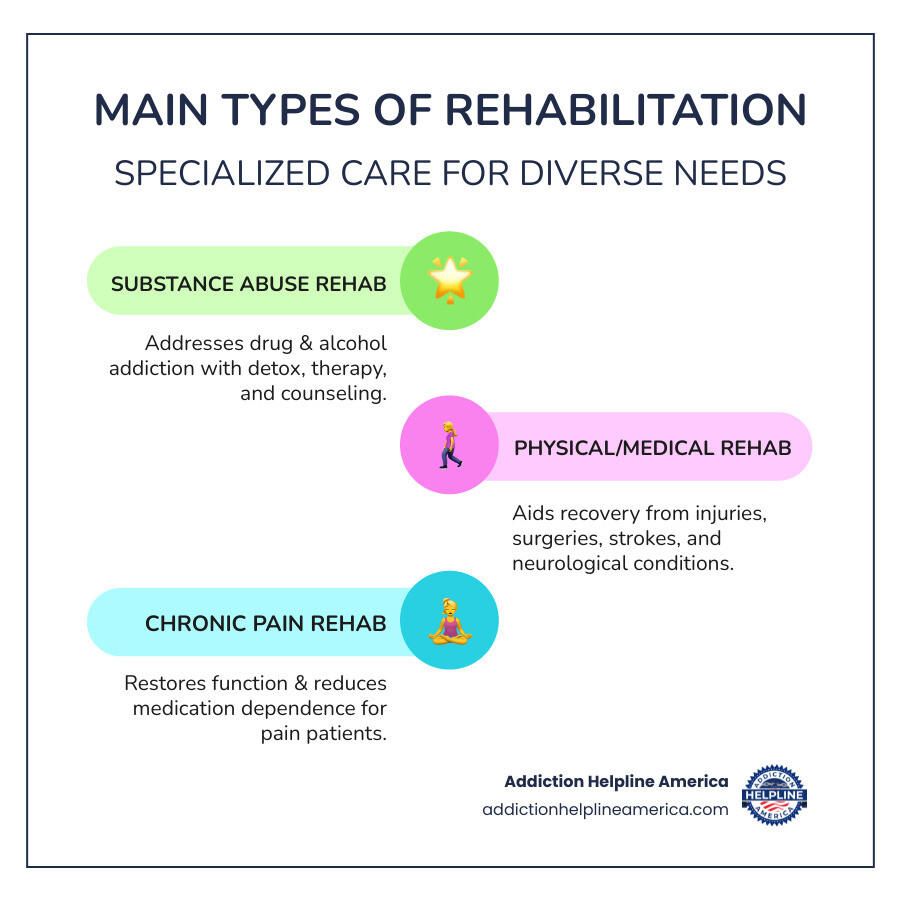
- Substance Abuse Rehab – Treats alcohol and drug addiction through detox, therapy, and counseling
- Physical/Medical Rehab – Helps patients recover from injuries, surgeries, strokes, and neurological conditions
- Chronic Pain Rehab – Focuses on restoring function and reducing medication dependence for pain patients
- Mental Health Rehab – Addresses depression, anxiety, and co-occurring disorders alongside addiction
Treatment Options:
- Inpatient (residential, 24/7 care)
- Outpatient (live at home, attend sessions)
- Detox (medically supervised withdrawal)
- Specialized programs (luxury, faith-based, gender-specific)
More than 150,000 adults receive help through rehabilitation centers annually. Whether you’re seeking treatment for yourself or a loved one, understanding your options is the first step toward healing. Medicare covers medically necessary inpatient rehab, and many facilities accept private insurance or offer payment assistance.
At Addiction Helpline America, we’ve dedicated our practice to connecting individuals and families with compassionate, evidence-based rehab center options that align with their unique recovery needs. Our team of addiction specialists and recovery advocates provides 24/7 support, treatment referrals, and personalized guidance to help you steer this critical decision with confidence.
Key terms for rehab center:
Understanding the Spectrum of Rehabilitation Services
Rehabilitation, at its core, is about restoring function and improving the quality of life for individuals facing various health challenges. A rehab center is where this transformative journey takes place, offering a wide array of specialized care custom to specific needs. From recovering physical abilities after an injury to managing chronic pain or overcoming addiction, these centers are designed to provide comprehensive support.
Physical and Medical Rehabilitation
Physical and medical rehabilitation services are crucial for individuals recovering from injuries, surgeries, or neurological conditions. The goal is to help patients regain strength, mobility, and independence. Many rehab centers offer a diverse range of services to improve the quality of life for children and adults through medical rehabilitation, developmental, educational, and wellness services.
These services typically include:
- Physical Therapy (PT): Focuses on restoring movement, reducing pain, and preventing disability through exercise, manual therapy, and other techniques.
- Occupational Therapy (OT): Helps individuals regain the skills needed for daily living and working, often by adapting tasks or environments.
- Speech-Language Therapy (SLP): Addresses communication disorders, swallowing difficulties, and cognitive impairments.
- Aquatic Therapy: A low-impact exercise program in water, ideal for those with joint pain or limited mobility.
- Specialized Clinics: Many centers offer specialized care for conditions like lymphedema (fluid buildup) or provide industrial medicine services to help individuals return to work safely.
- Pediatric and Geriatric Services: Custom therapy for children in a kid-friendly environment or programs for seniors focused on balance and mobility to reduce fall risk.
A comprehensive rehab center employs a multidisciplinary team, ensuring all aspects of a patient’s recovery are addressed. This team may include physicians, rehabilitation nurses, case managers, physical and occupational therapists, and speech-language pathologists. This coordinated care is essential for patients with complex needs.
Furthermore, leading rehab centers integrate advanced rehabilitation technologies to improve recovery. These technologies can accelerate progress and provide innovative treatment options for conditions like stroke, spinal cord injury, brain injury, Parkinson’s disease, and limb loss. Whether you need intensive inpatient services or flexible outpatient sessions, a quality rehab center will offer a path custom to you.
Learn more about comprehensive rehab services.
Call Addiction Helpline America at 844-561-0606 for help finding the right physical or medical rehab center for you or your loved one.
Specialized Chronic Pain Rehabilitation
Chronic pain can be debilitating, affecting every aspect of life. For decades, specialized centers have been dedicated to helping people with chronic pain return to a more active lifestyle. The primary goal of such a rehab center is not just to manage pain, but to promote functional improvement and quality of life. This often includes reducing or even eliminating reliance on pain medications.
These specialized programs treat a wide range of conditions, including:
- Fibromyalgia and central sensitivity syndromes
- Chronic back, abdominal, or nerve pain
- Complex Regional Pain Syndrome (CRPS)
- Headaches and migraines
- Postural Orthostatic Tachycardia Syndrome (POTS)
The core components of a pain rehabilitation program are typically intensive and multidisciplinary, incorporating:
- Behavioral Therapies: Such as Cognitive Behavioral Therapy (CBT), to manage the psychological impact of pain.
- Physical and Occupational Therapy: To improve strength, flexibility, and functional independence.
- Pain Education: Understanding how the brain processes pain and can be “retrained.”
- Self-Management Approaches: Empowering patients with tools like biofeedback to manage their condition long-term.
- Structured Medication Taper: A carefully managed process to gradually reduce or eliminate pain medications under medical supervision.
These programs help patients reframe their relationship with their body and pain, fostering a renewed sense of possibility.
Explore pain management and rehab options.
For personalized chronic pain rehab guidance, call Addiction Helpline America at 844-561-0606.
Substance Abuse and Mental Health Rehab
Millions of Americans face the challenges of mental and substance use disorders. A rehab center specializing in these areas offers a path to recovery through holistic care, addressing not just the addiction but also the underlying mental health issues. These centers provide a safe environment for individuals to rebuild their lives, free from dependency.
Some faith-based residential programs, for example, offer free or low-cost, holistic care. These programs often immerse participants in a long-term residential setting that provides for basic needs and a new beginning. This comprehensive care can include:
- Work Therapy: Engaging in meaningful work to develop responsibility and practical skills.
- Group and Individual Counseling: Addressing the spiritual and emotional aspects of addiction.
- Educational Workshops: Providing knowledge about addiction, recovery, and life skills.
- Relapse Prevention: Equipping individuals with strategies to identify triggers and cope with cravings.
This type of model emphasizes rebuilding a lifestyle free of dependency, empowering individuals to identify the root causes of their substance abuse. Beyond faith-based models, substance abuse and mental health rehab centers offer a wide range of treatment options, including both residential (inpatient) and outpatient models, to provide comprehensive support.
Get Help Today from Addiction Helpline America.
Don’t wait—call Addiction Helpline America at 844-561-0606 for immediate support and placement in a top rehab center.
A Deep Dive into the Substance Abuse Rehab Center
Choosing the right substance abuse rehab center is a deeply personal decision, and find a program that aligns with individual needs. There’s no one-size-fits-all solution for addiction recovery, and understanding the various levels of care and treatment models available can make all the difference in achieving long-term recovery.

Call Addiction Helpline America at 844-561-0606 for personalized guidance and a free assessment.
Levels of Care in Addiction Treatment
Addiction treatment is not a single entity; it exists on a continuum, offering various levels of care designed to match the severity of addiction and individual circumstances.
| Level of Care | Description |
|---|---|
| Medical Detox | Medically supervised withdrawal from substances. This first step ensures safety and comfort, improving the odds for a successful recovery. |
| Inpatient Rehab | Patients live at the rehab center 24/7 for intensive, structured therapy and medical care in a safe, trigger-free environment. |
| Residential Programs | Similar to inpatient, often involving long-term stays (30+ days) in a non-hospital setting that emphasizes community and therapy. |
| Partial Hospitalization Programs (PHP) | A high level of care where patients attend treatment for several hours a day but return home in the evenings. |
| Intensive Outpatient Programs (IOP) | Less intensive than PHP, allowing patients to live at home and maintain responsibilities while receiving structured treatment. |
| Outpatient Rehab | The least intensive level, with weekly therapy sessions for those with strong support systems and less severe addiction. |
| Sober Living Homes | Transitional, drug-free housing for individuals post-treatment, focusing on reintegration and independent living skills. |
| Telehealth/Online Counseling | Remote counseling via phone or video, offering flexible and accessible treatment for those unable to attend in person. |
Find Inpatient Treatments Near Me: Complete Guide. Learn about Medical Detox Centers Near Me.
For help choosing the right level of care, call Addiction Helpline America at 844-561-0606.
Common Treatment Models and Therapies
Once a level of care is determined, the specific treatment models and therapies offered by a rehab center come into play. These approaches guide the recovery process and are often customized based on individual needs.
- 12-Step Programs: Based on principles of spiritual and character change, programs like AA and NA use peer support and a structured path to recovery.
- Non-12-Step Programs: Offer secular, self-empowerment-focused alternatives to 12-step models.
- Holistic Rehab: Integrates traditional therapies with complementary approaches like yoga, meditation, and art therapy to treat the whole person. Drug Rehab: Holistic Rehab.
- Dual Diagnosis Treatment: Addresses co-occurring mental health disorders (like depression or anxiety) alongside addiction, which is crucial as these conditions often overlap.
- Cognitive Behavioral Therapy (CBT): A common therapy that helps individuals identify and change negative thought patterns and behaviors linked to addiction.
- Medication-Assisted Treatment (MAT): Combines behavioral therapy with medications to treat substance use disorders, particularly for opioid and alcohol addiction.
- Buprenorphine: Used to treat opioid addiction by reducing cravings and withdrawal symptoms. Find Buprenorphine Practitioners and treatment programs.
- Methadone: Another medication used in Opioid Treatment Programs (OTPs) to manage opioid dependence.
- Specialized Programs: Many rehab centers offer programs for specific demographics, such as gender-specific, faith-based, executive, or wilderness therapy programs.
Call Addiction Helpline America at 844-561-0606 to discuss which treatment model is right for you.
How to Find and Pay for a Top Rehab Center
Finding the right rehab center can feel overwhelming, but you don’t have to steer it alone. With numerous options and varying costs, understanding where to look and what resources are available is key to finding the support you need.
Don’t wait—get confidential guidance from our 24/7 helpline.
Finding the Right Treatment with Expert Help
Navigating the thousands of treatment options across the country is a daunting task. Instead of sifting through confusing online directories and hoping for the best, you can get personalized, expert guidance from the start. At Addiction Helpline America, our specialists do the work for you. We take the time to understand your unique situation, needs, and preferences. Then, we connect you with a vetted, high-quality rehab center from our extensive national network, saving you time, stress, and uncertainty.
Explore Free Drug and Alcohol Helplines for additional support.
Our team is available 24/7 to help you find the best rehab center for your needs. Contact Addiction Helpline America today.
Understanding Insurance and Costs
The cost of a rehab center can be a significant concern, but many options are available to help cover expenses, including insurance and various payment assistance programs.
- Medicare Coverage: For eligible individuals, Medicare covers medically necessary inpatient rehabilitation care.
- Medicare Part A (Hospital Insurance): Covers facility costs, including rehabilitation services, a semi-private room, meals, and nursing services.
- Medicare Part B (Medical Insurance): Covers doctors’ services you receive during your inpatient stay.
- Eligibility Requirements: A doctor must certify that you have a medical condition requiring intensive, supervised rehabilitation and coordinated care.
- Costs: Costs vary by benefit period. After meeting your Part A deductible, your first 60 days may be fully covered. Afterward, you are typically responsible for a daily coinsurance amount, which changes annually.
- What’s Not Covered: Medicare typically does not cover private duty nursing, private rooms, or personal comfort items.
For more official details on Medicare coverage, you can visit Medicare’s website.
- Private Insurance: Most private health insurance plans offer some level of coverage for addiction and mental health treatment. The specifics depend on your plan. We can help you verify your benefits and understand what your plan covers.
- Payment Assistance Options: Many rehab centers offer sliding scale fees, payment plans, or scholarships. Non-profit organizations and government grants can also provide financial aid.
Speak with our team for help understanding your insurance and payment options.
Get Immediate Support Now
When you or a loved one needs help, waiting is not an option. For immediate, confidential support and direct placement into a rehab center, our helpline is the most effective first step. Unlike general information lines, we provide personalized treatment matching and can help arrange for admission, often on the same day. Our team at Addiction Helpline America is available 24/7 to guide you through this critical time with compassion and expertise.
For immediate, personalized help finding a rehab center, contact Addiction Helpline America now.
What to Expect on Your Recovery Journey
Starting on a recovery journey at a rehab center is a courageous step. While every individual’s experience is unique, there are common stages and elements you can expect that contribute to building a strong foundation for sobriety and overall well-being.
The process typically begins with an admission and comprehensive assessment. This evaluation helps the rehab center staff understand your specific needs, history, and any co-occurring conditions, leading to the creation of a personalized treatment plan. This plan outlines the therapies, activities, and goals for your time in the program.
A look at What is Drug Rehab Like?.
Our team at Addiction Helpline America is here to support you every step of the way—call 844-561-0606.
The Role of the Multidisciplinary Team
A cornerstone of effective rehabilitation is the multidisciplinary team approach. This means that various healthcare professionals work together, coordinating care to address all aspects of your recovery. This integrated effort ensures that your physical, mental, emotional, and social needs are met.
A typical multidisciplinary team at a rehab center might include:
- Physicians: Overseeing medical care, managing medications, and addressing any physical health concerns.
- Nurses: Providing 24/7 care, monitoring vital signs, and administering medications.
- Physical and Occupational Therapists: Helping to restore physical function and daily living skills.
- Psychologists and Psychiatrists: Diagnosing and treating mental health disorders, offering individual and group therapy.
- Addiction Counselors: Facilitating therapy sessions, providing guidance, and helping you develop coping strategies.
- Case Managers: Coordinating your care, connecting you with resources, and planning for your aftercare.
- Dietitians: Ensuring proper nutrition to support physical and mental healing.
- Recreational Therapists: Engaging you in activities that promote well-being, social skills, and healthy leisure pursuits.
This team works collaboratively, meeting regularly to discuss your progress and adjust your treatment plan as needed. Their combined expertise provides a comprehensive and supportive environment for healing.
Life After Your Program: Aftercare and Support
Completing a program at a rehab center is a significant achievement, but it’s just the beginning of a lifelong journey of recovery. Effective aftercare and ongoing support are crucial for preventing relapse and maintaining sobriety.
Key components of aftercare often include:
- Relapse Prevention Planning: Developing a personalized plan that identifies triggers, outlines coping strategies, and establishes a support network.
- Sober Living Environments: For some, transitioning to a sober living home provides a structured, drug-free environment that bridges the gap between intensive treatment and full independence.
- Addiction Support Groups: Participating in groups like Alcoholics Anonymous (AA), Narcotics Anonymous (NA), or other peer support networks offers continued encouragement, shared experiences, and accountability. Addiction Support Groups: Ultimate Guide.
- Continued Therapy: Ongoing individual or group therapy sessions can provide consistent support, help process new challenges, and reinforce coping mechanisms.
- Building a Strong Support Network: Connecting with family, friends, and peers who understand and support your recovery is vital.
Recovery is not a solitary journey. The foundation you build at a rehab center, combined with robust aftercare, significantly increases your chances of long-term success.
Call us at 844-561-0606 for aftercare resources and ongoing support.
Frequently Asked Questions about Rehab Centers
What are the main types of drug and alcohol rehab centers?
The landscape of drug and alcohol rehabilitation is diverse, offering a variety of specialized rehab center types to cater to different needs and preferences. Here are the most common types:
- Inpatient/Residential Rehab: Patients live at the facility 24/7 for intensive, structured treatment.
- Outpatient Rehab: Patients live at home and commute for scheduled therapy, allowing them to maintain daily responsibilities.
- Detox Centers: Specialized facilities for medically supervised withdrawal to ensure safety and manage discomfort.
- Luxury Rehab: Offers high-end amenities, private rooms, and unique therapies in a resort-like setting.
- Holistic Rehab: Integrates traditional therapies with wellness practices like yoga, meditation, and nutritional counseling.
- Gender-Specific Rehab: Programs for men or women, providing a safe space to address gender-specific issues.
- Faith-Based Rehab: Incorporates spiritual teachings and practices into the recovery process.
- Dual Diagnosis Rehab: Specializes in treating co-occurring mental health disorders alongside addiction.
- Executive Rehab: Custom for professionals, offering privacy and facilities to manage work during treatment.
- Long-Term Rehab: Programs lasting 90 days or more for chronic or severe addictions.
For help choosing the right type, call Addiction Helpline America at 844-561-0606.
How long do rehab programs typically last?
The duration of a rehab center program is highly individualized based on a person’s needs and the severity of the addiction. Common options include 30-day programs, which can be a good starting point. However, research suggests that longer treatment durations, such as 60 or 90 Day Rehab Programs Guide, often correlate with better long-term outcomes. This allows more time for behavioral changes to solidify and for underlying issues to be addressed. Some programs for severe cases may last six months or even a year.
Call us at 844-561-0606 to discuss program lengths and what’s best for you.
Will I lose my job if I go to rehab?
The fear of losing one’s job is a common barrier to seeking help, but federal laws offer significant protections. The Family and Medical Leave Act (FMLA) allows eligible employees to take up to 12 weeks of unpaid, job-protected leave for treatment. Additionally, the Americans with Disabilities Act (ADA) protects qualified individuals with a history of addiction from discrimination, provided they are in or have completed a rehabilitation program.
Many employers are supportive of employees seeking help. It is often best to speak confidentially with your Human Resources department to understand your company’s specific policies. Our team can also provide guidance on navigating these concerns.
For guidance, call Addiction Helpline America at 844-561-0606.
Take the First Step Towards a New Beginning
Finding the right rehab center is a critical step towards healing and a brighter future. We’ve explored the vast spectrum of rehabilitation services, from physical and medical recovery to specialized chronic pain management and comprehensive substance abuse and mental health treatment. We’ve digd into the various levels of care, common therapeutic models, and practical advice on how to find and pay for these essential services.
Recovery is not just possible—it’s a journey that millions start on successfully each year. With the right support, resources, and a dedicated team, you can achieve lasting change. At Addiction Helpline America, we understand the challenges you face, and we are committed to being your partner in this journey. We provide free, confidential, and personalized guidance to connect you with the most suitable rehab center from our extensive network across all states we serve.
Don’t wait to start your journey. Explore treatment options in Colorado and beyond and take the first step toward a new beginning.