

Finding Hope and Help in California: Your Guide to Addiction Treatment
Rehab centers california offer some of the most comprehensive and innovative addiction treatment options in the nation. If you or a loved one is struggling with substance use disorder, understanding your treatment options is the first step toward recovery. As Dr. Nora Volkow, Director of the National Institute on Drug Abuse (NIDA), emphasizes, “Addiction is a complex but treatable disease that affects brain function and behavior.” This medical understanding is the foundation of modern treatment.
Quick Guide to California Rehab Centers
What to Look For:
- Accreditation – The Joint Commission, CARF, or California DHCS licensing
- Treatment Levels – Medical detox, inpatient/residential, outpatient programs
- Specialized Care – Dual diagnosis treatment for co-occurring mental health disorders
- Evidence-Based Therapies – CBT, DBT, Motivational Interviewing, EMDR
- Staff Credentials – Licensed counselors and medical professionals
Common Program Lengths:
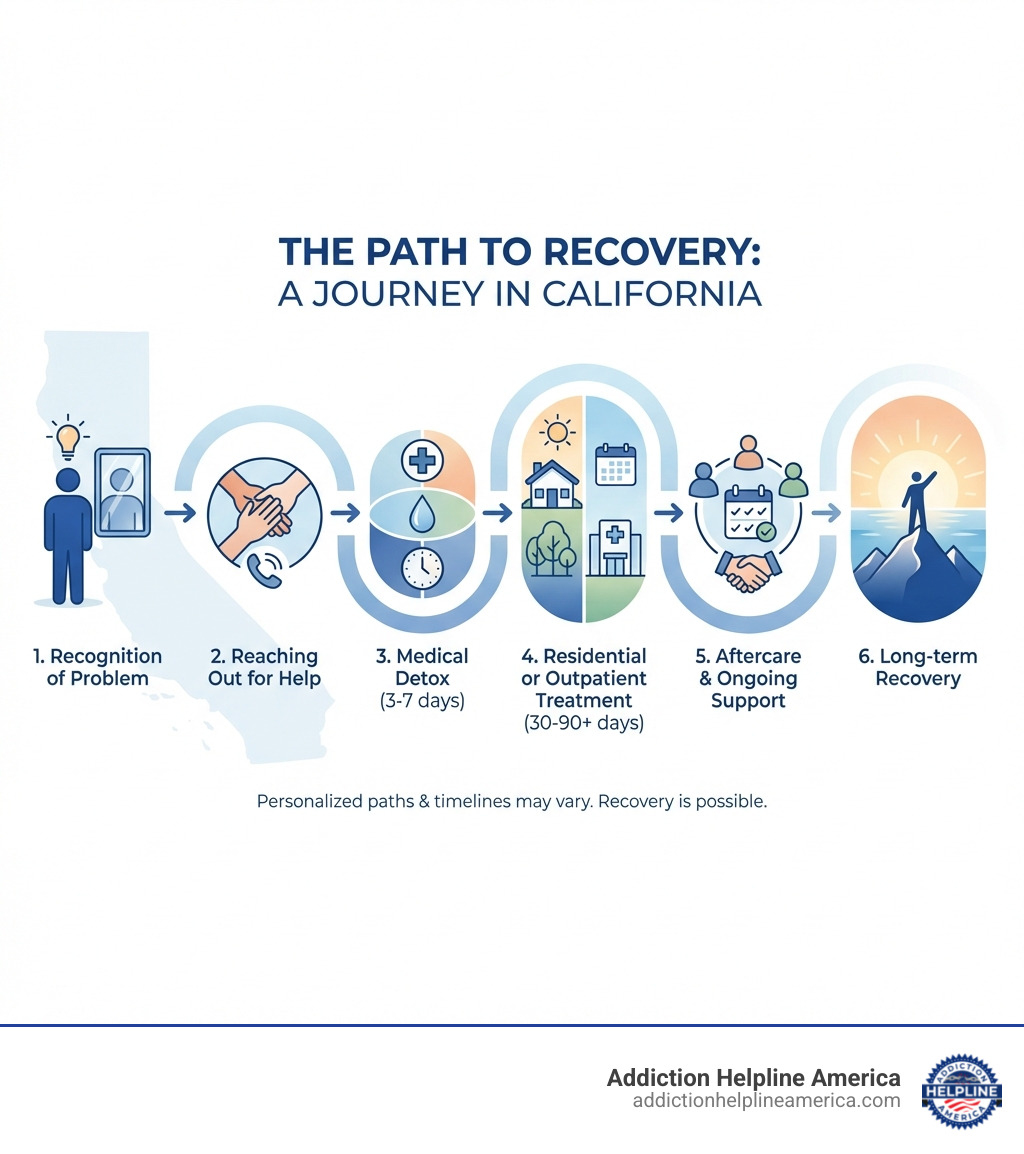
- Detox: 3-7 days
- Short-term residential: 30 days
- Long-term residential: 60-90+ days
- Outpatient programs: 3-6 months
Insurance Coverage:
Data from the Substance Abuse and Mental Health Services Administration (SAMHSA) shows that in California, approximately 59% of facilities accept private insurance, 38% accept Medicaid, and 64% offer sliding scale payment options, making care accessible to many (N-SSATS, 2022).
The path to recovery starts with a single decision. Across California—from the sunny beaches of Orange County to the Bay Area’s healing communities—hundreds of treatment centers are ready to help. According to the 2022 National Survey on Drug Use and Health (NSDUH), 48.7 million people in the U.S. had a substance use disorder, yet only 24% of them received any treatment (SAMHSA, 2023). You don’t have to be part of that statistic.
Recovery is possible. In fact, a landmark 2022 study found that 71.5% of U.S. adults who have had a significant substance use problem now identify as being in recovery (Recovery Research Institute, 2022). Whether you’re seeking help for yourself or a loved one, California’s diverse landscape of treatment centers offers specialized programs, holistic therapies, and medical expertise to support your journey.
Addiction Helpline America has helped thousands of individuals and families steer their recovery journey by connecting them with quality treatment options across California. Our free, confidential helpline provides personalized guidance to help you find the right rehab center for your unique needs.
What to Look For in Rehab Centers in California: A Complete Guide
When you’re searching for rehab centers california, it can feel overwhelming. There are so many options and so much to consider. But don’t worry, we’re here to help you understand the landscape of addiction treatment in the Golden State, from the types of programs available to the crucial factors that ensure quality care.
Types of Addiction Treatment Programs
California offers a wide spectrum of care designed to meet individuals at various stages of their recovery journey. Understanding these different levels of care is crucial for choosing a program that aligns with your specific needs.
-
Medical Detoxification (Detox): This is often the first step in treatment, especially for individuals with physical dependence on substances like alcohol, opioids, or benzodiazepines. Medically supervised detox ensures a safe and comfortable withdrawal process, typically lasting 3 to 7 days. According to the Substance Abuse and Mental Health Services Administration (SAMHSA), medical detoxification safely manages the acute physical symptoms of withdrawal and can be a life-saving first step in recovery (SAMHSA, TIP 45). Detoxing by yourself is almost never recommended due to serious health and safety concerns.
-
Inpatient/Residential Rehab: For those requiring intensive, 24/7 support, inpatient or residential rehab provides a structured environment away from triggers and temptations. Patients reside at the facility, engaging in a daily routine of evidence-based therapies, group sessions, and individual counseling. This level of care is ideal for individuals with severe addiction, co-occurring mental health disorders, or unstable home environments. Stays can range from short-term (30-day programs) to longer-term (60-day, 90-day, or even 180-day programs), with research from the National Institute on Drug Abuse (NIDA) indicating that participation for less than 90 days is of limited effectiveness for residential or outpatient treatment (NIDA, 2020).
-
Outpatient Programs: These programs offer flexibility for individuals who have a stable home environment and can manage daily responsibilities while receiving treatment.
- Partial Hospitalization Programs (PHPs): Often referred to as “day treatment,” PHPs provide a high level of structured care, typically 20 or more hours per week, without requiring overnight stays. Patients attend therapy sessions and activities during the day and return home in the evenings.
- Intensive Outpatient Programs (IOPs): IOPs offer a step down from PHP, providing between 9 and 19 hours of structured programming each week. This allows individuals to gradually reintegrate into their daily lives while maintaining consistent support.
- Traditional Outpatient Programs: These are the least intensive, usually involving less than 9 hours of treatment a week. They are suitable for individuals who have completed higher levels of care and need ongoing support, or for those with less severe addiction.
-
Sober Living Homes: After completing a formal treatment program, many individuals choose to transition to a sober living home. These residences provide a safe, drug-and-alcohol-free environment with peer support and accountability, helping residents practice newly learned coping skills and reintegrate into society.
Here’s a quick comparison of inpatient versus outpatient treatment:
| Feature | Inpatient/Residential Treatment | Outpatient Treatment (PHP, IOP, Traditional) |
|---|---|---|
| Environment | 24/7 supervised, structured, removed from daily triggers | Flexible, allows living at home or in sober living, integrates with daily life |
| Intensity | High, daily therapy, constant support | Varies from high (PHP) to low (traditional outpatient) |
| Duration | 30, 60, 90+ days | Weeks to several months |
| Ideal For | Severe addiction, dual diagnosis, unstable home environment | Stable home environment, work/school commitments, step-down care |
| Medical Care | On-site medical staff, medication management | Often involves external medical appointments |
| Cost | Generally higher, but often covered by insurance | Generally lower |
Key Factors for Choosing the Best Rehab Centers in California
Choosing the right rehab center is a deeply personal decision. When considering rehab centers california, we encourage you to look beyond the surface and evaluate several key factors:
-
Location Benefits: California’s diverse geography offers unique healing environments. Whether you prefer the serene beaches of Southern California (Orange County, Los Angeles County, San Diego County) for surf therapy and ocean views, or the peaceful, private settings in Northern California for a more secluded experience, the state provides a backdrop conducive to recovery. These healing environments can significantly contribute to a patient’s overall well-being and recovery process.
-
Staff Credentials and Expertise: The quality of care often hinges on the people providing it. Look for centers with certified and licensed counselors, therapists, and medical professionals. A high clinician-to-resident ratio, as seen in some centers, ensures that each individual receives personalized attention and support, allowing clinicians to closely monitor progress and tailor interventions.
-
Individualized Treatment Plans: Addiction is not a one-size-fits-all disease. As Dr. David R. Gastfriend, a leading expert in addiction medicine, notes, “The best programs don’t use a cookie-cutter approach. They conduct a thorough assessment and create a dynamic, individualized plan that can be adjusted as the patient progresses.” Effective rehab centers california will offer personalized treatment plans that address your specific challenges, strengths, and goals.
-
Program Philosophy: California is known for its progressive approach to treatment, offering a wide array of philosophies. While 12-Step facilitation (like AA/NA) remains a cornerstone for many, you’ll also find centers emphasizing non-12-Step therapies, focusing on alternative pathways to recovery. It’s important to find a program whose philosophy resonates with you.
Essential Accreditations and Therapies
When evaluating rehab centers california, accreditations and the types of therapies offered are strong indicators of quality and commitment to patient care.
-
Importance of Licensing and Accreditations: These are your assurances of quality and safety.
- State Licensing: Ensure the facility is licensed by the California Department of Health Care Services (DHCS). This license indicates that the facility meets state-mandated standards for operation.
- The Joint Commission: An internationally recognized symbol of healthcare quality and the “gold standard” for the industry. Accreditation by The Joint Commission signifies that a facility has met rigorous national standards for safety and quality of care.
- CARF Accreditation: The Commission on Accreditation of Rehabilitation Facilities (CARF) is another respected accrediting body that reviews and accredits rehabilitation facilities, ensuring they meet specific standards of excellence.
-
Evidence-Based Therapies: Quality rehab centers california will use therapies proven effective through scientific research. These are called ‘evidence-based’ because extensive scientific research has proven their effectiveness, a standard promoted by organizations like the SAMHSA Evidence-Based Practices Resource Center. These include:
- Cognitive Behavioral Therapy (CBT): Helps individuals identify and change negative thought patterns and behaviors linked to substance use.
- Dialectical Behavior Therapy (DBT): Focuses on emotional regulation, mindfulness, distress tolerance, and interpersonal effectiveness.
- Motivational Interviewing (MI): A client-centered approach that helps individuals explore and resolve ambivalence about behavior change.
- Eye Movement Desensitization and Reprocessing (EMDR): Often used for trauma, it helps process distressing memories and reduce their emotional impact.
- Internal Family Systems (IFS): A therapeutic model that sees the mind as being composed of various “parts” that interact like a family.
- Medication-Assisted Treatment (MAT): The use of medications, in combination with counseling and behavioral therapies, to provide a “whole-patient” approach. The FDA has approved several different medications to treat opioid, alcohol, and nicotine addiction, and NIDA considers MAT a highly effective component of a comprehensive treatment plan (NIDA, 2023).
-
Holistic Therapies: Many California rehabs integrate holistic approaches, treating the whole person—mind, body, and spirit. These can complement evidence-based therapies and improve the recovery experience:
- Yoga and Mindfulness Practices: Promote relaxation, stress reduction, and self-awareness.
- Art Therapy: Provides a creative outlet for emotional expression and processing.
- Equine Therapy: Involves interactions with horses to foster emotional growth and self-esteem.
- Reiki, Sound Therapy, and Acupuncture: Alternative therapies aimed at promoting balance and well-being.
- Outdoor Activities: Leveraging California’s natural beauty, many centers incorporate activities like beach outings, hiking, and surf therapy.
Understanding the Need for Treatment: Addiction and Dual Diagnosis
Recognizing the need for help is a brave and crucial step. Whether it’s for yourself or a loved one, understanding the signs of addiction and the complex interplay with mental health is fundamental to seeking effective treatment from rehab centers california.
Common Signs You or a Loved One May Need Help
Addiction manifests in various ways, impacting an individual’s behavior, physical health, and psychological well-being. These signs are closely aligned with the diagnostic criteria for Substance Use Disorder outlined in the Diagnostic and Statistical Manual of Mental Disorders (DSM-5), the standard classification used by mental health professionals (American Psychiatric Association, 2022). If you observe any of the following, it might indicate a need for professional intervention:
- Inability to Stop or Control Use: Despite intentions or attempts, the person cannot cut down or stop using the substance.
- Withdrawal Symptoms: When not using, they experience physical or psychological discomfort such as shaking, sweating, anxiety, or intense cravings.
- Increased Tolerance: Needing to take more of the substance to achieve the desired effect.
- Loss of Interest: Finding less pleasure in activities once enjoyed, prioritizing substance use over hobbies, work, or family.
- Dishonesty and Secrecy: Hiding or being dishonest about their substance use.
- Neglecting Responsibilities: Failing to meet obligations at work, school, or home due to substance use.
- Continued Use Despite Negative Consequences: Despite facing legal, financial, or health problems, the individual continues to use.
- Preoccupation with Obtaining and Using: Spending significant time and energy thinking about, obtaining, and using the substance.
- Changes in Appearance or Hygiene: Neglecting personal grooming or significant weight changes.
If you recognize these patterns in yourself or someone you care about, it’s a strong indicator that help from rehab centers california is needed.
The Link Between Addiction and Mental Health (Dual Diagnosis)

It’s a common misconception that addiction exists in a vacuum. In reality, substance use disorders frequently co-occur with mental health conditions. This phenomenon is known as dual diagnosis or co-occurring disorders.
-
Co-occurring Disorders Explained: Dual diagnosis means an individual is affected by both a substance use disorder and another notable mental health concern, such as depression, anxiety, PTSD, or bipolar disorder. This isn’t rare; research shows that about half of the people who experience a mental illness will also experience a substance use disorder at some point in their lives, and vice versa (NIMH, 2023). Individuals might use substances to self-medicate symptoms of an underlying mental health condition, or substance use can exacerbate or even trigger mental health issues.
-
Importance of Integrated Treatment: For effective and lasting recovery, it’s crucial that both the substance use disorder and the co-occurring mental health condition are treated concurrently. As explained by the National Institute of Mental Health (NIMH), “Because mental and substance use disorders often occur together, people seeking help for one condition should be screened for the other.” This is why integrated treatment, offered by many rehab centers california, is the gold standard of care.
-
Common Conditions: Mental health conditions commonly seen alongside addiction include:
- Anxiety Disorders: Generalized anxiety, panic disorder, social anxiety.
- Depression: Major depressive disorder, persistent depressive disorder.
- Post-Traumatic Stress Disorder (PTSD): Often leads to self-medication with substances.
- Bipolar Disorder: Characterized by mood swings, which can be intensified or masked by substance use.
Many rehab centers california are equipped to provide comprehensive care for dual diagnosis, ensuring a holistic path to healing for both the mind and body.
Navigating Costs and Insurance for California Rehabs
Concerns about the cost of treatment should never be a barrier to seeking help. We understand that navigating insurance and payment options for rehab centers california can be complex, but we’re here to guide you through it.
How Insurance Coverage Works for Addiction Treatment
Thanks to federal and state laws, addiction treatment is more accessible than ever before through insurance.
-
Private Insurance Coverage: The Affordable Care Act (ACA) and the Mental Health Parity and Addiction Equity Act (MHPAEA) require most health insurance plans to cover substance use disorder treatment services as they would other medical conditions. Former U.S. Representative Patrick J. Kennedy, the lead author of the MHPAEA, has stated, “The law is simple: insurance companies must cover illnesses of the brain, such as depression or addiction, no more and no less than they cover illnesses of the body, such as cancer or diabetes.” This legislation has been pivotal in expanding access to care.
-
Medicaid Acceptance: For individuals with limited income, Medicaid (known as Medi-Cal in California) is a vital resource. According to 2022 data from SAMHSA, 38% of rehab facilities in California accept Medicaid, providing essential access to care (N-SSATS, 2022).
-
Verifying Your Benefits: Understanding your specific coverage is key. Your insurance plan will have details on deductibles, co-pays, and out-of-pocket maximums. Many rehab centers california are in-network with major insurance providers, which typically results in lower out-of-pocket costs.
-
Major Providers Accepted: Common insurance providers accepted by California rehabs include:
- Elevance Health (formerly Anthem Blue Cross)
- Kaiser Permanente
- United Healthcare
- Cigna
- Aetna
Other Ways to Pay for Rehab
If insurance coverage isn’t sufficient or you don’t have insurance, there are still viable options for accessing rehab centers california:
- Self-Pay Options: Over 84% of rehab facilities in California accept cash or self-payment (N-SSATS, 2022). This might involve using personal savings, loans, or financial contributions from family members.
- Sliding Scale Fees: Many facilities offer a sliding scale payment system, which adjusts the cost of treatment based on an individual’s income. Over 64% of rehab facilities in California offer a sliding scale, making treatment more affordable (N-SSATS, 2022).
- Facility Payment Plans: Some rehab centers california offer their own payment plans, allowing you to pay for treatment in installments over time.
We understand that the financial aspect can be daunting. Our specialists at Addiction Helpline America can provide free, confidential guidance to help you understand your insurance benefits and explore all available payment options. Don’t let cost deter you from seeking life-saving treatment. Verify your insurance coverage for treatment now.
How to Start the Recovery Process Today
The decision to seek help is monumental. We commend you for taking this courageous step. The journey to recovery begins with that first call, and we’re here to make it as smooth and supportive as possible.
Taking the First Step
- Making the Call: For many, the hardest part is picking up the phone. But remember, when you connect with Addiction Helpline America, you’re not alone. Our helpline is free, confidential, and available 24/7. We understand how you feel and how difficult it is to reach out. Our compassionate specialists are ready to listen without judgment.
- Overcoming Fear: It’s natural to feel fear, uncertainty, or even shame. We want you to know that these feelings are valid, but they don’t have to define your future. We are here to help you take action to change your life.
- What to Expect During an Admissions Call: When you call us, you’ll speak with a knowledgeable specialist who will conduct a confidential assessment. We’ll ask about your situation, your needs, and what you’re looking for in a treatment program. This is not an interrogation; it’s a conversation designed to understand how we can best help you. We’ll gather necessary information to match you with suitable rehab centers california from our vast network.
Helping a Loved One Get into Treatment
If you’re calling on behalf of a loved one, your support is invaluable. Here’s how you can help:
- Offering Support and Non-Judgmental Communication: Approach your loved one with verbal support, a listening ear, and compassion. Be straightforward but non-judgmental when discussing their addiction. They are likely struggling immensely, and your understanding can make a significant difference.
- Family Programs: Many rehab centers california understand that addiction impacts the entire family system. They offer uniquely designed family programs, support groups, and counseling services. Research supported by SAMHSA shows that family involvement in treatment can improve outcomes, reduce the risk of relapse, and enhance the well-being of the entire family system (SAMHSA, 2013). Many of these family offerings are free and available virtually, allowing families to access help from anywhere in California.
- Setting Boundaries: While offering support, it’s also important to establish healthy boundaries. This protects your well-being and can motivate your loved one to seek help. Resources like Al-Anon Family Groups provide support and guidance for families affected by someone else’s drinking.
- Connecting with Resources: We can help you find the right program that offers family involvement and support, ensuring that everyone affected by the addiction can begin their healing process. Find the right program for your loved one.
Frequently Asked Questions about California Rehab Centers
We often hear similar questions from individuals and families seeking help. Here are some of the most common inquiries about rehab centers california:
How long does rehab typically last in California?
The duration of treatment varies significantly based on individual needs, the severity of the addiction, and the type of program:
- Detox: Typically lasts 3 to 7 days, providing safe medical supervision for withdrawal.
- Inpatient/Residential Rehab: Can range from 30-day programs for initial stabilization to 60-day, 90-day, or even longer programs for more comprehensive and sustained recovery. Many experts, citing research from the National Institute on Drug Abuse (NIDA), recommend at least 90 days for the most effective outcomes (NIDA, 2020).
- Outpatient Programs (PHP, IOP, Traditional): These programs can last for several months, often as a step-down from inpatient care or as a primary treatment for less severe cases.
Longer engagement in treatment often correlates with better long-term sobriety rates.
What is the benefit of choosing a rehab in California?
California stands out as a premier destination for addiction treatment for several compelling reasons:
- Unique Healing Environments: The state’s diverse landscapes, from serene coastal beaches to peaceful mountain retreats and sunny desert regions, provide a therapeutic backdrop conducive to healing. Many centers leverage this by incorporating outdoor activities, surf therapy, and nature-based mindfulness practices into their programs.
- Diverse Therapy Options: California has long been a hub for innovative and holistic treatment approaches. You’ll find a wider array of therapies here, including non-12-Step programs, alongside traditional evidence-based methods. This diversity allows for highly personalized treatment plans.
- High Concentration of Quality Centers: California boasts a significant number of high-quality rehab centers california, many of which are nationally recognized and accredited. This creates a competitive environment that often drives higher standards of care and a broader range of specialized programs.
- Opportunity for a Fresh Start: For many, traveling to California for treatment offers a geographic separation from triggers and negative influences, providing a fresh start in a new environment focused solely on recovery.
Can my family be involved in my treatment?
Absolutely. Family involvement is not just encouraged but often considered vital for long-term recovery. Most reputable rehab centers california recognize the importance of family, as their involvement is proven to improve treatment outcomes and support long-term recovery (SAMHSA, 2013). They offer various avenues for participation:
- Family Therapy Sessions: These sessions, often facilitated by a therapist, help address family dynamics, improve communication, and heal old wounds.
- Educational Programs: Many centers provide educational workshops for family members to help them understand addiction, its impact, and how to best support their loved one’s recovery.
- Support Groups: Facilities often connect families with local support groups like Al-Anon or Nar-Anon, which offer a community for those affected by a loved one’s addiction.
Engaging family in the treatment process helps to heal relationships, build a strong support system, and create a healthier home environment conducive to lasting sobriety.
Your Path to Recovery Starts Here
We understand that confronting addiction is one of the most challenging experiences a person can face. But we want to reiterate a powerful truth: recovery is possible. You are not alone, and there is hope for a life free from the grip of substance use disorder.
Choosing the right rehab centers california is a critical first step on this transformative journey. With the wealth of options, diverse therapeutic approaches, and commitment to quality care, California offers an unparalleled environment for healing and growth.
At Addiction Helpline America, we are dedicated to connecting individuals nationwide to the best addiction and mental health treatment centers. Our free, confidential, and personalized guidance is designed to help you steer your options and find a program that perfectly fits your unique needs. We are here to support you every step of the way.
Don’t wait another day to reclaim your life. Your path to recovery starts now. Call our 24/7 helpline now to speak with a specialist.