What You Need to Know About Rapid Detox Programs
Rapid detox programs are controversial medical procedures designed to speed up opioid withdrawal using anesthesia and medication. Here’s what you need to understand before considering this option:
Quick Facts:
- What it is: A procedure that uses general anesthesia and opioid-blocking medications to force rapid withdrawal from opioids
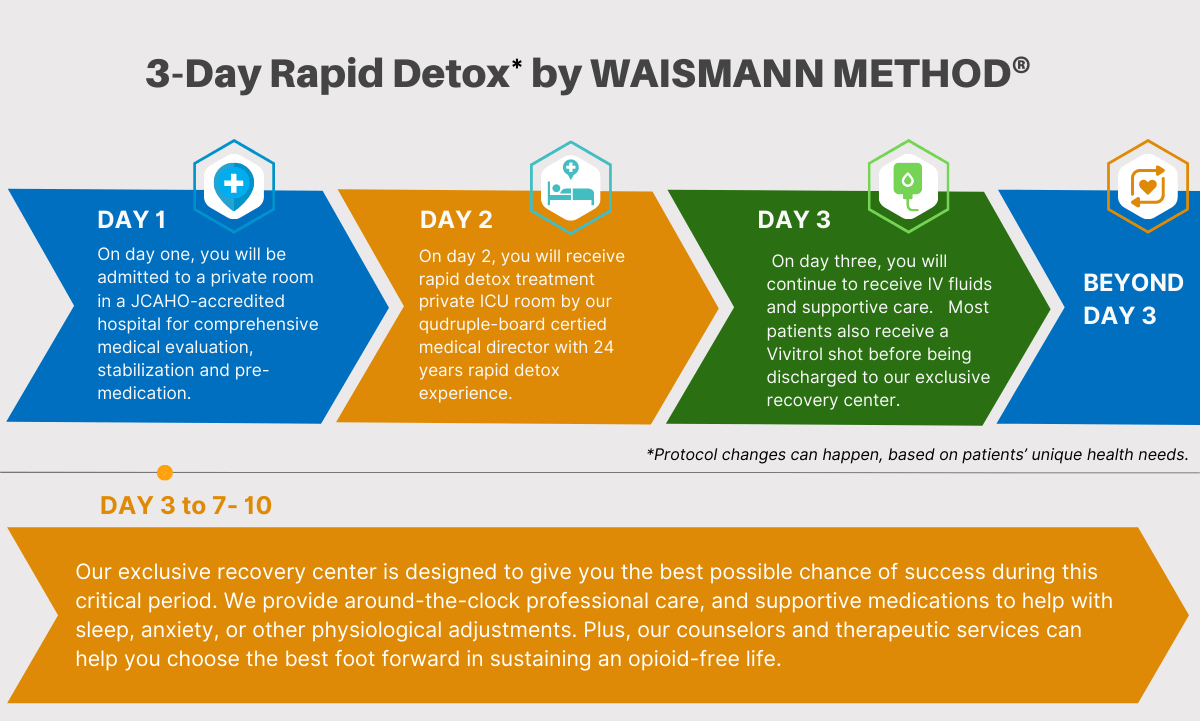
- Duration: The procedure itself takes 3-6 hours, with total hospitalization of 1-4 days
- Target: Only works for opioid addiction (heroin, fentanyl, oxycodone, etc.)
- Cost: $13,000-$21,000+ out of pocket (usually not covered by insurance)
- Safety concerns: Studies show a 2% fatality rate and 9% serious complication rate
- Effectiveness: No proven advantage over traditional detox methods for long-term recovery
The Promise vs. Reality: While rapid detox programs promise to eliminate withdrawal symptoms by placing you under anesthesia, research shows they carry significant risks without offering better outcomes than safer alternatives like medical detox.
The desperation for a quick fix for opioid addiction is understandable. Withdrawal is terrifying, and sleeping through it sounds appealing. However, the speed of rapid detox comes with serious medical risks you must understand before making this decision.
As Addiction Helpline America, we’ve guided thousands of families through addiction treatment decisions. We connect people with safe, evidence-based alternatives to rapid detox, prioritizing long-term recovery. Our mission is to give you the facts to make the best choice.
How Rapid Detox Works and What to Expect
The fear of opioid withdrawal—the sweating, shaking, nausea, and intense aches—can feel unbearable and keeps many people trapped in addiction. Your body becomes physically dependent, and stopping causes it to rebel.
You’re not alone; in 2022, 6.1 million people had an opioid use disorder. Detox is the first, most daunting step to recovery. You can find more info about opioid addiction on our site if you want to understand more about treatment options.
The Process Behind Rapid Detox Programs
This is where rapid detox programs enter with an appealing promise: skip the conscious experience of withdrawal. Also called ultra-rapid detox or anesthesia-assisted rapid opioid detoxification (AAROD), these programs aim to compress weeks of withdrawal into hours while you’re unconscious.
The process involves general anesthesia, putting you in a medically-induced coma. A tube is placed down your throat (intubation) so a ventilator can breathe for you.
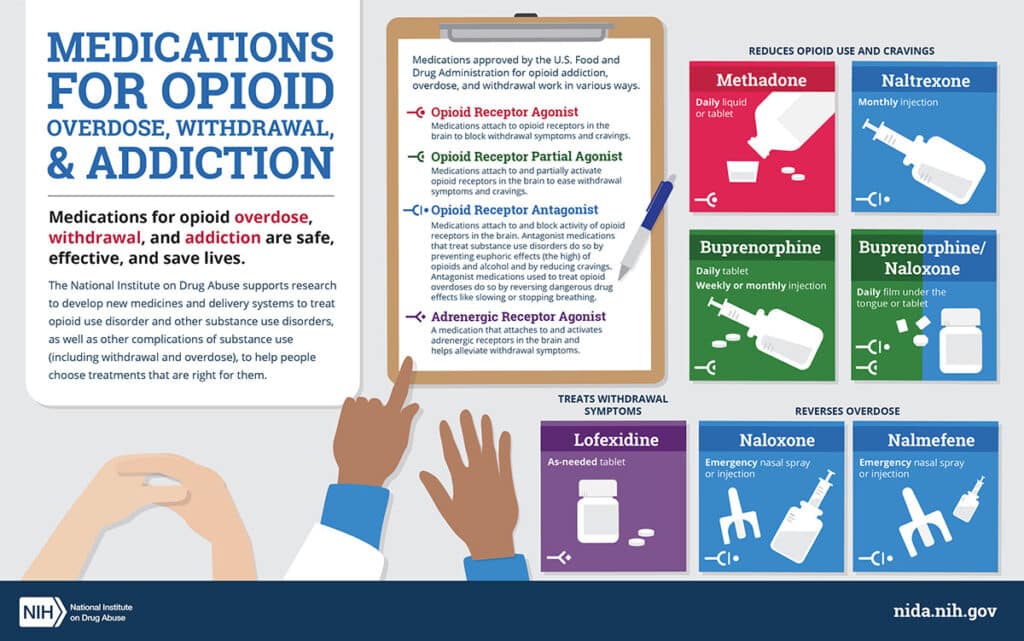
Once you’re under, doctors administer powerful opioid antagonists like naloxone or naltrexone. These medications block opioid receptors in your brain, forcing all remaining opioids out at once. This triggers an intense, accelerated withdrawal while you’re unconscious. The theory is that you experience the worst of it in 3-6 hours instead of 10-14 days. Scientific research on the rapid detox process provides more technical details.
It sounds almost too good to be true—and unfortunately, that instinct is often correct.
What Happens Immediately After the Procedure?
Waking up from rapid detox programs is often not the refreshed experience people expect. Many find withdrawal isn’t over. Your body is in shock, and symptoms like irritability, agitation, goosebumps, and body aches are common.
More importantly, rapid detox doesn’t address the psychological side of addiction. Intense cravings, anxiety, and depression remain. Your brain still needs time to heal, regardless of how fast the physical detox was. This post-procedure period is critical, yet many rapid detox centers lack adequate aftercare, leaving you stranded at a crucial moment.
To better understand what your body goes through during opioid withdrawal, you can explore more info about heroin withdrawal and the typical timeline.
The truth is, detox alone—rapid or otherwise—is never enough. It’s just the beginning of recovery, not the solution itself.
Understanding the Significant Risks of Rapid Detox Programs
Rapid detox programs are highly controversial and considered experimental by the medical community. They have not been proven safer or more effective than traditional detox. The procedure combines general anesthesia with forced, severe withdrawal, putting tremendous stress on the body. One expert called it “a questionable process and not a good idea.”
Major medical bodies like the American Society of Anesthesiologists (ASA) do not endorse it, and it lacks FDA approval. New York’s addiction services office calls it “generally considered unsafe” compared to standard detox programs.
Most concerningly, a Centers for Disease Control and Prevention (CDC) study found a fatality rate of over 2% and a serious complication rate of 9%. In contrast, traditional medical detox has a near 0% mortality rate. You can read more details in the CDC’s report on deaths and adverse events reported by the CDC.
These aren’t just theoretical risks. Real people have died or suffered life-changing complications from these procedures.
Specific Medical Complications and Dangers
Combining general anesthesia with forced withdrawal creates a perfect storm for medical emergencies. The medical risks are severe and include:
- Heart problems like cardiac arrest and irregular heartbeats
- Kidney and liver damage from the flood of medications
- Aspiration pneumonia (stomach contents entering the lungs)
- Pulmonary edema (fluid in the lungs)
- Worsening mental health, including depression, anxiety, or suicidal thoughts
- Seizures and dangerous electrolyte imbalances
The fatality risk deserves repeating: the CDC study found a death rate of over 2% and serious complications in 9% of cases. These aren’t acceptable odds when safer alternatives exist.
Even major insurance companies have taken notice. Aetna considers ultra-rapid detoxification “experimental, investigational, or unproven” because the risk of serious adverse events—including death—is well documented.
Is Rapid Detox Effective for Long-Term Sobriety?
Even if you accept the risks, does rapid detox lead to long-term recovery? Research says no. Studies show relapse rates as high as 91% within the first year when rapid detox is used alone.
A comparison study found rapid detox showed no advantage over traditional buprenorphine treatment for preventing relapse. Retention rates were nearly identical (20% vs. 24%), but the rapid detox group had more adverse events and discomfort.
Rapid detox only addresses physical dependence, not the psychological addiction, underlying trauma, or life skills needed for sobriety. Without addressing these deeper issues, you’re essentially back where you started.
Perhaps most dangerously, rapid detox dramatically increases your overdose risk if you relapse. Your tolerance drops significantly during any detox. If you return to your previous dose, your body can’t handle it, which can be fatal. You can find more info on chronic relapse and how to break the cycle on our website.
Detox is only the first step in recovery. It’s never the whole solution, no matter how quickly it happens.
Safer Alternatives to Rapid Detox
If you’re considering rapid detox programs, know that safer, proven alternatives exist that address opioid withdrawal without the life-threatening risks.
Medical detox is the gold standard. It’s not a quick fix, but a safe, supervised process that provides a foundation for lasting recovery.
At Addiction Helpline America, we connect people with programs that truly work, not ones that put your life at risk. For a comprehensive overview of your options, please explore our guide to drug detox programs.
Medical Detox: A Supervised and Safer Approach
Medical detox supports your body through withdrawal with medical care, rather than forcing it while you’re unconscious.

You are monitored 24/7 by medical professionals. The process is gradual and humane, lasting about 7-10 days, which allows your body to adjust without the shock of rapid detox. You are awake and supported throughout.
Medication-Assisted Treatment (MAT) is a key advantage. These FDA-approved medications stabilize brain chemistry and reduce withdrawal intensity.
- Buprenorphine (Suboxone) reduces cravings and withdrawal symptoms without the high and can be used long-term. If you’re concerned about eventually stopping it, we have information about Suboxone withdrawal.
- Methadone is a long-acting option for severe dependence that prevents withdrawal and blocks the effects of other opioids.
- Non-opioid medications like clonidine also help by reducing physical symptoms like sweating, muscle aches, and anxiety.
Beyond medications, medical detox provides comprehensive symptom management, nutrition, and hydration in a comfortable environment. This approach recognizes that your comfort, dignity, and safety matter most.
Comparing Medical Detox vs. Rapid Detox
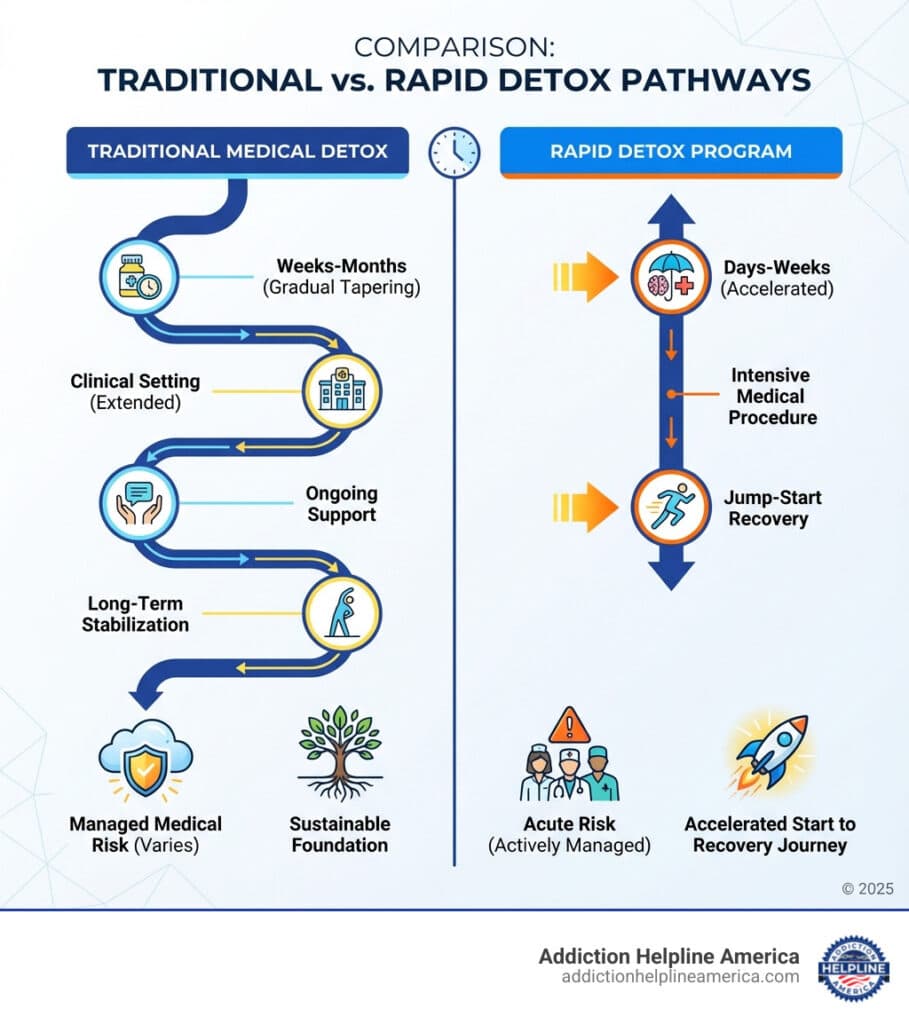
Here’s a side-by-side comparison of medical detox and rapid detox programs:
- Safety: Medical detox is safe, with 24/7 monitoring and rare complications. Rapid detox has a documented 2% fatality rate and 9% serious complication rate and is considered unacceptably risky by medical professionals.
- Effectiveness: Studies show rapid detox offers no advantage in preventing relapse compared to medical detox. Retention rates are nearly identical (20% vs. 24%), but rapid detox causes more adverse events.
- Duration: Rapid detox takes 1-4 days; medical detox takes 7-10 days. However, the extra time in medical detox is used to build a stable foundation for recovery. Lingering symptoms after rapid detox make the time “saved” an illusion.
- Patient Experience: Medical detox is a compassionate, dignified process. Rapid detox can be confusing and traumatic, and the “comfort” of being unconscious doesn’t extend to the difficult post-procedure recovery.
- Cost: Medical detox is usually covered by insurance. Rapid detox costs $13,000-$21,000+ out-of-pocket because it’s considered experimental and is not covered.
- Aftercare: Medical detox integrates smoothly into the next phase of treatment (rehab, therapy). Rapid detox centers often lack this integration, contributing to high relapse rates.
The choice is clear. Medical detox offers relief from withdrawal and a fresh start without the life-threatening risks and with better long-term outcomes. It’s not about taking the easy way out; it’s about taking the smart way forward.
Cost, Insurance, and Key Considerations
Understanding the cost of treatment is key to making a smart decision. We’ve covered the health risks of rapid detox programs; now let’s look at the high cost and lack of insurance coverage.
Our team at Addiction Helpline America offers free, confidential guidance to help you steer these choices. If you’re trying to figure out where to start, take a look at our guide on how to find a rehab facility.
Comparing Costs of Rapid Detox Programs
Let’s talk numbers. You’ll almost certainly be paying for rapid detox yourself.
Expect to pay $13,000 to $21,000+ out of pocket for rapid detox. The price varies based on the facility’s reputation and program duration, but it’s nearly impossible to find one for less than five figures.
This cost typically covers the procedure and a short hospital stay for observation. Crucially, it does not include long-term therapy or rehabilitation, which are essential for lasting recovery.
When you combine this substantial financial investment with the high medical risks, it becomes even more important to carefully consider whether this is the right path.
Will Insurance Cover Rapid Detox?
No, most health insurance companies will not cover rapid detox. They classify it as “experimental, investigational, or unproven” because there is not enough scientific evidence to prove it is safe and effective. For example, Aetna’s clinical policy states it is experimental because its effectiveness has not been proven.
The lack of standardized billing codes for this non-standard procedure also makes insurance claims difficult.
From an insurer’s perspective, it makes no sense to pay for a riskier form of detox when safer, more proven options exist.
While it’s highly unlikely, we always recommend verifying your specific insurance benefits. Our team at Addiction Helpline America can help you understand what your insurance will cover for evidence-based addiction treatment—treatments that have been proven to work and are much safer.
If cost is a major concern, don’t lose hope. Many resources can help you get the treatment you need. Check out our guide on free addiction programs to learn about options that provide real support without the massive price tag.
The Critical Role of Aftercare in Recovery
Detox is only the first step, not the finish line. The process cleanses the body of substances, but it doesn’t cure addiction, which is a chronic disease affecting the brain and behavior.
Without addressing underlying issues and building a support system, the risk of relapse is high. Aftercare is the essential bridge from detox to long-term sobriety.
This is where aftercare becomes essential. It forms the bridge between initial detox and sustainable, long-term sobriety. To understand the broader context of what comprehensive treatment looks like, you might want to explore more info on inpatient rehab programs.
Components of a Comprehensive Treatment Plan
A comprehensive treatment plan extends far beyond detox, equipping you with tools for lasting recovery. These components are found in reputable treatment centers, including those in our network spanning from Alabama to Washington and beyond.
- Inpatient rehabilitation provides 24/7 structured care in a residential facility. This immersive, trigger-free environment allows for intensive therapy and education.
- Outpatient programs offer flexible therapy while you live at home. Options range from Partial Hospitalization (PHP) and Intensive Outpatient (IOP) to standard weekly counseling, allowing you to maintain work or family duties.
- Behavioral therapies like Cognitive Behavioral Therapy (CBT) and Dialectical Behavior Therapy (DBT) are the cornerstone of treatment. They help you change negative thought patterns, manage difficult emotions, and develop healthy coping skills.
- Individual and group counseling provide a mix of private therapy to address personal trauma and triggers, and peer support to reduce isolation and share experiences.
- Support groups like Narcotics Anonymous (NA) offer free, ongoing peer support. They foster accountability and a sense of community, which are crucial for long-term sobriety.
- Relapse prevention strategies involve identifying personal triggers, developing coping skills for cravings, and creating a support network to call on during tough times.
Without this crucial aftercare component, detox alone—particularly a high-risk method like rapid detox—is like cleaning a wound without stitching it up. The risk of relapse remains dangerously high. Recovery is a journey, and having the right support makes all the difference.
Conclusion
If you’ve read this far, you’ve journeyed through the complicated landscape of rapid detox programs with us. You’ve learned what they promise, how they work, and most importantly, the serious risks they carry. Here’s the bottom line: while the idea of sleeping through opioid withdrawal sounds like a dream come true when you’re desperate for relief, the reality is far less appealing. The evidence shows these programs come with documented dangers—including a 2% fatality rate—without offering any proven long-term advantage over safer methods.
At Addiction Helpline America, we’re passionate about one thing above all else: your safety. We’ve spent years connecting people to treatment options that actually work, and we’ve seen that true recovery isn’t found in shortcuts. It’s built through safe, medically supervised detox followed by comprehensive care that addresses not just your physical dependence, but the emotional and psychological roots of addiction.
Recovery is possible, and it doesn’t have to be this risky. Across the United States, there are compassionate professionals ready to guide you through medical detox, rehabilitation, therapy, and ongoing support. These evidence-based approaches may take a bit longer, but they work—and they won’t put your life in danger.
If you or someone you love is struggling with opioid dependence, we’re here to help. Our team provides free, confidential guidance to help you steer your options and find the right treatment program from our extensive nationwide network. You don’t have to figure this out alone, and you don’t have to gamble with your life on experimental procedures.
Take that brave first step toward lasting healing today. Let us help you find the safe, effective support you deserve. Find the right addiction treatment program for you.