
Why Your Pet Matters in Depression Treatment
Pet friendly inpatient depression treatment combines professional mental health care with the comfort of having your beloved companion by your side. Here’s what you need to know:
- Pet-friendly programs let you bring your own cat or dog to residential treatment
- Requirements typically include current vaccinations, behavioral evaluations, and spay/neuter proof
- You remain responsible for all pet care (feeding, walking, cleaning) during your stay
- Not all facilities allow pets – always call ahead to confirm policies and fees
- This differs from Animal-Assisted Therapy (AAT), which uses certified therapy animals in structured sessions
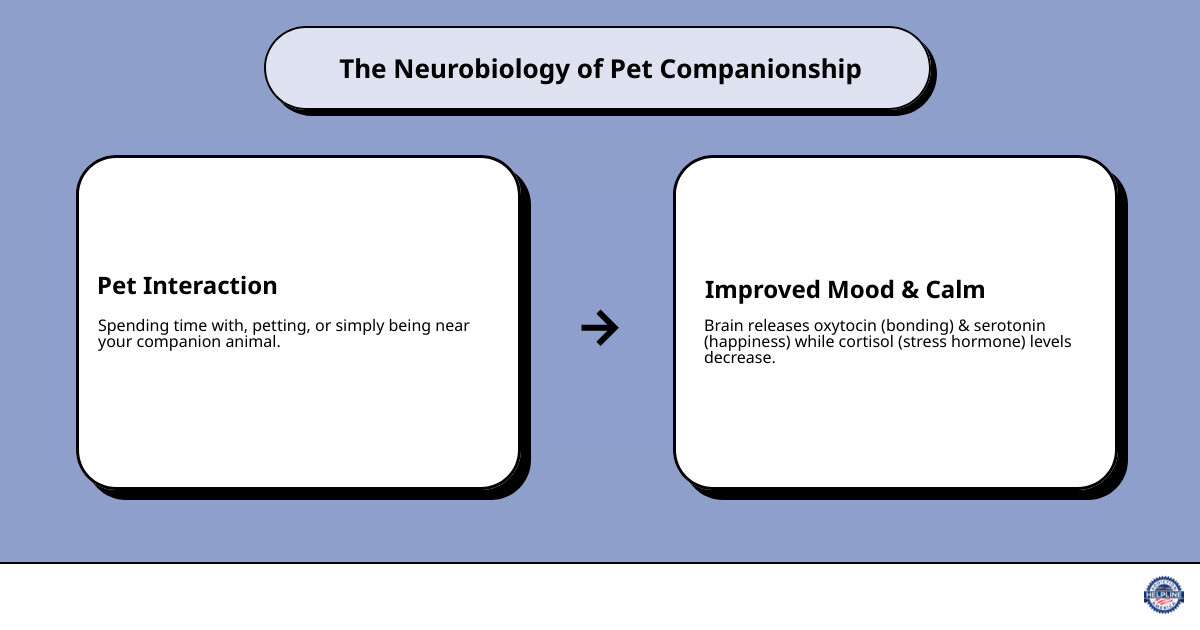
For many people struggling with depression, the thought of leaving a beloved pet behind creates an impossible barrier to seeking treatment. Studies show that interacting with a pet can lower heart rate and blood pressure. As confirmed by research from institutions like Harvard Medical School, petting a dog can also trigger the release of oxytocin, the same bonding hormone that helps us feel connected and calm. Depression already makes us feel isolated and disconnected. Why should getting help mean losing the one source of unconditional love that gets us through each day?
The good news: more treatment facilities now recognize pets as partners in healing, not obstacles to care. Pet-friendly inpatient programs allow you to bring your dog or cat to residential treatment, where they can provide comfort, routine, and emotional grounding throughout your recovery journey.
This isn’t just about convenience. As Dr. Helen Brooks, a leading researcher on the role of pets in mental health, states, “For a person managing depression, a pet provides constant, non-judgmental companionship, which can be a lifeline during the vulnerable process of inpatient treatment. It’s a source of stability in an unfamiliar environment.” Furthermore, research published in journals like BMC Psychiatry demonstrates that dog owners may be less likely to suffer from depression. Pets reduce stress hormones, boost mood-enhancing chemicals like oxytocin and serotonin, and create a sense of normalcy that makes adjusting to treatment easier. For someone facing the vulnerable process of inpatient care, having that familiar presence can make all the difference between seeking help and staying stuck.
At Addiction Helpline America, we understand that recovery looks different for everyone – and for many, that includes having a four-legged family member by their side. Our team has helped countless individuals find pet friendly inpatient depression programs where they can focus on healing without the added stress of separation from their companion animals.
The Healing Power of Pets in Depression Recovery
The bond we share with our pets is profound and can be a powerful catalyst for healing from depression. Research highlights how pets contribute to our well-being, making them essential members of our support system.
Emotional and Psychological Benefits
Pets offer unconditional love and acceptance, which is incredibly grounding during the emotional turmoil of depression. This non-judgmental affection helps rebuild self-esteem and combats feelings of worthlessness. Interacting with animals provides deep comfort and has significant psychological and physiological effects:
- Reduces Stress Hormones: Petting an animal has been shown to lower cortisol, the body’s primary stress hormone, contributing to a calmer mental state, a finding supported by the National Institutes of Health (NIH).
- Increases Happy Chemicals: It triggers the release of oxytocin, serotonin, and dopamine—neurotransmitters that promote bonding, happiness, and relaxation. A review in Frontiers in Psychology highlights the role of oxytocin in the human-animal bond.
- Lowers Heart Rate and Blood Pressure: This interaction also measurably lowers heart rate and blood pressure, which is crucial for managing the physical symptoms of anxiety and depression.
Combating Loneliness and Providing Purpose
Loneliness is a major factor in depression. Pets provide constant companionship, reducing feelings of isolation and giving individuals a sense of being needed. Dr. Mark Goldstein, a veterinarian and mental health advocate, notes, “The responsibility of caring for a pet—feeding, walking, and providing attention—instills a vital sense of purpose and routine. This structure is a powerful antidote to the lethargy and apathy that often accompany depression.”
Encouraging Physical Activity and Normalcy
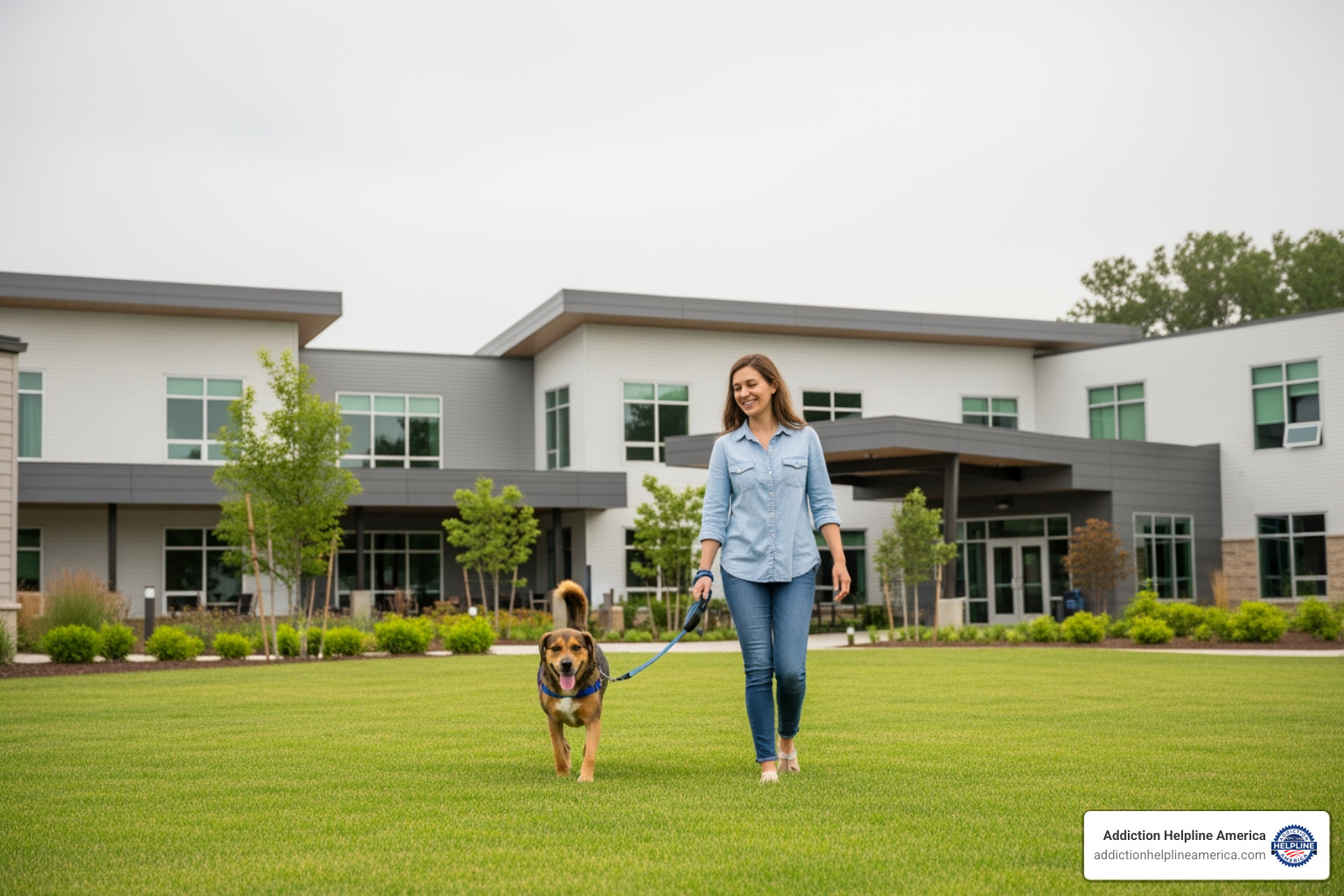
Whether it’s a daily walk with a dog or playing with a cat, pets encourage physical activity. Even gentle movement can improve mood and energy levels. Getting outside for walks also provides exposure to fresh air and nature, which are known mood boosters. In an inpatient facility, a pet’s presence creates a sense of normalcy, making it easier to adjust to treatment and engage more openly in therapy.
For more scientific research on the power of pets in enhancing overall well-being, you can refer to NIH News in Health – The Power of Pets. If you’re seeking comprehensive support for depression, we encourage you to explore our Depression Treatment Complete Guide.
Pet-Friendly vs. Animal-Assisted Therapy: Understanding the Difference
When considering treatment options that involve animals, it’s important to understand the distinctions between pet-friendly programs and animal-assisted therapy (AAT). While both leverage the human-animal bond, their purpose, structure, and implementation differ significantly.
Pet-friendly programs are facilities that allow patients to bring their own companion animals (typically dogs or cats) to stay with them during their treatment. The primary goal is to provide emotional comfort, reduce the stress of separation, and maintain the continuity of the patient-pet bond. The patient remains the primary caregiver for their pet.
Animal-Assisted Therapy (AAT), on the other hand, is a structured, goal-oriented therapeutic intervention facilitated by a licensed therapist and involves specially trained therapy animals. These animals are not the patient’s personal pets.
Emotional Support Animals (ESAs) are companion animals that provide comfort and emotional support to individuals with mental or emotional disabilities. They do not require specific training to perform tasks but are prescribed by a licensed mental health professional. ESAs have certain legal protections, particularly under the Fair Housing Act (FHA), regarding housing accommodations.
Psychiatric Service Dogs (PSDs) are a type of service animal specifically trained to perform tasks for individuals with psychiatric disabilities. These tasks might include reminding owners to take medication, interrupting self-harm behaviors, or providing deep pressure therapy during an anxiety attack. PSDs are protected under the Americans with Disabilities Act (ADA) and have broader public access rights than ESAs.
Here’s a comparison to clarify the differences:
| Feature | Pet-Friendly Program | Animal-Assisted Therapy (AAT) | Emotional Support Animal (ESA) | Psychiatric Service Dog (PSD) |
|---|---|---|---|---|
| Purpose | Emotional comfort, continuity of bond for patient’s own pet | Therapeutic intervention, specific treatment goals | Emotional comfort, alleviate disability symptoms | Perform specific tasks for psychiatric disability |
| Animal Ownership | Patient’s personal pet | Facility’s or handler’s trained animal | Patient’s personal pet | Patient’s personal pet |
| Training | Basic obedience, good temperament | Specialized training and certification | No specialized training required | Specialized task training |
| Handler/Facilitator | Patient is primary caregiver | Licensed therapist/trained professional | Patient is primary handler | Patient is primary handler |
| Legal Status/Access | Facility policy dictates access | Part of structured therapy within facility | Limited legal protections (housing) | Broad legal protections (ADA public access) |
| Cost | Facility fees for pet, patient covers pet care | Often included in therapy costs, or per session fee | Patient covers pet care, may need letter cost | Patient covers pet care, training can be expensive |
For more insights into therapeutic approaches, including those that might involve animals, consider our guide on Therapy for Addiction.
What is Animal-Assisted Therapy (AAT)?
“A pet-friendly policy is about comfort and preventing separation anxiety for the owner,” explains Sarah Johnson, a certified professional dog trainer specializing in assistance animals. “Animal-Assisted Therapy, however, is a clinical tool. A trained animal and a therapist work together on specific, measurable goals, like improving social skills or reducing trauma responses.” AAT is a structured, goal-oriented clinical intervention where a specially trained and certified animal works with a licensed therapist to help a patient achieve specific treatment goals. The therapist guides interactions with the animal as part of the therapeutic process. As a meta-analysis on animal-assisted activities for depression shows, these interventions have a positive impact. Unlike having a pet for comfort, AAT is a formal therapy using animals assessed for health and temperament.
What is a Pet-Friendly Program?
A pet-friendly program, unlike AAT, allows you to bring your own companion animal to an inpatient facility. The goal is to provide the emotional comfort and continuity of your personal pet, acknowledging that separation can be a major barrier to treatment. In a pet friendly inpatient depression setting, your pet offers unconditional love and familiarity, reducing isolation and making the center feel more like home. While not part of formal therapy, your pet provides a foundation of emotional stability that supports your recovery. You remain the primary caregiver for your pet during your stay.
For those considering comprehensive residential care for depression, our Residential Rehab Depression Complete Guide offers valuable information.
Preparing for Pet-Friendly Inpatient Depression Treatment
Bringing your pet to an inpatient facility requires careful planning and a clear understanding of your responsibilities. It’s about ensuring a smooth transition for both you and your companion, allowing you to focus on your recovery with your beloved animal by your side.
Common Requirements for Bringing Your Pet
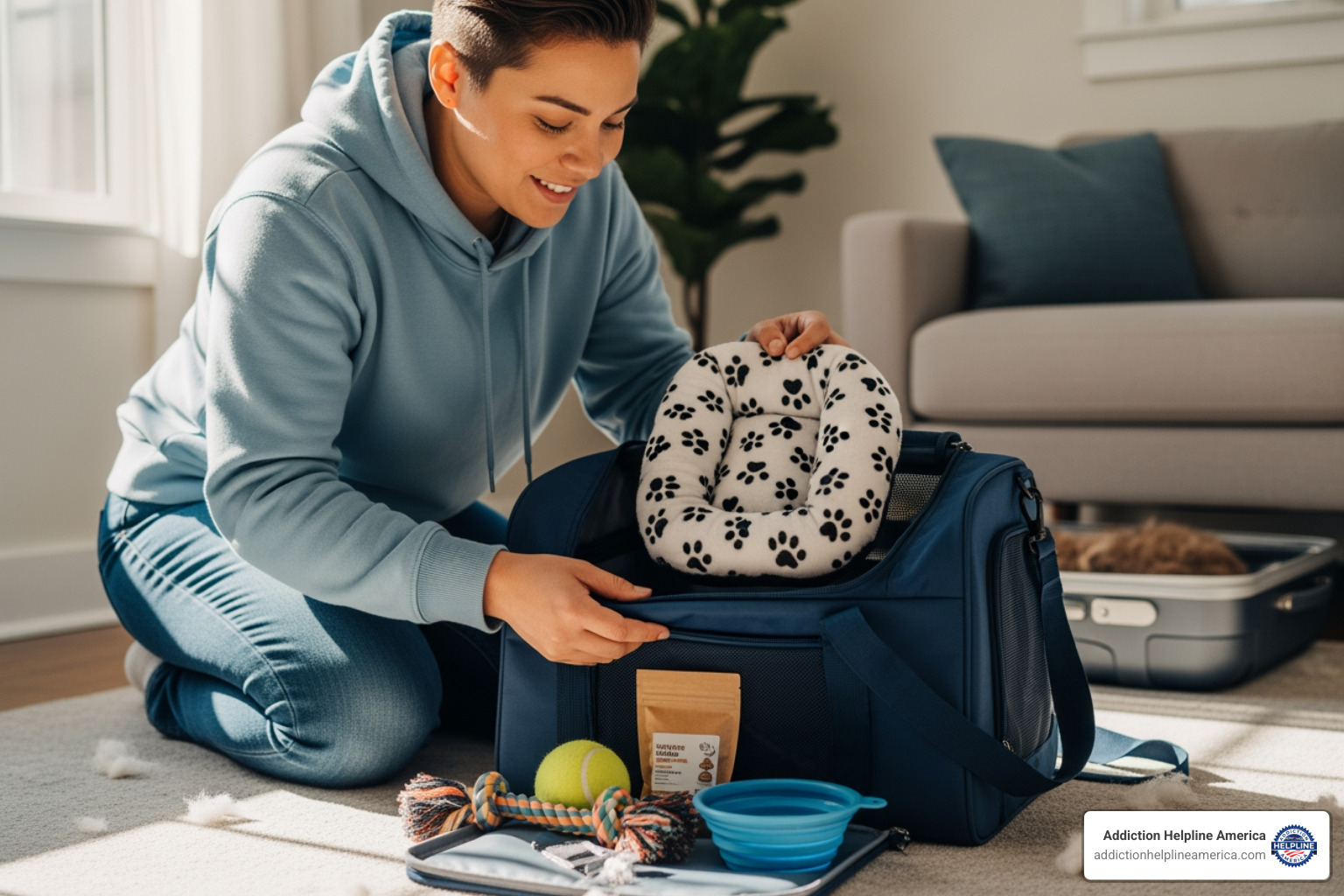
Pet-friendly facilities have specific guidelines to ensure the safety and well-being of all patients, staff, and animals. “Preparation is key,” advises David Lee, an admissions director at a pet-friendly treatment facility. “Having all your pet’s health records, supplies, and a clear understanding of your responsibilities allows you to transition smoothly into treatment. The goal is for your pet to be a source of support, not an additional stressor.” While requirements can vary, you can generally expect the following:
- Up-to-Date Vaccinations: Your pet must have all current vaccinations, typically including rabies, distemper, and parvo for dogs, and rabies and FVRCP for cats.
- Health Records from a Vet: You’ll need to provide comprehensive health records from a licensed veterinarian, confirming your pet is in good health and free from contagious diseases.
- Spay/Neuter Proof: Most facilities require pets to be spayed or neutered.
- Temperament Evaluation: Your pet will likely need to undergo a temperament evaluation or trial period to ensure they are well-behaved, non-aggressive, and comfortable around new people and environments. They must not pose a threat to others.
- Breed and Size Restrictions: Some facilities may have restrictions on certain breeds or size limits for pets.
- Pet Supplies: You are responsible for bringing all necessary pet supplies, including food, water bowls, leash, bedding, toys, and any required medications.
- Signed Pet Policy Agreement: You will need to read and sign a detailed pet policy agreement, which outlines rules, responsibilities, and liability waivers.
Choosing the Right Companion for a pet friendly inpatient depression setting
While the human-animal bond is powerful with any pet, certain characteristics make a companion animal better suited for an inpatient setting:
- Temperament over Breed: The individual personality of your pet is far more important than their breed. As organizations like The Humane Society of the United States emphasize, a calm, well-behaved, and adaptable animal will thrive better in a new environment.
- Socialization: Your pet should be well-socialized with both people and other animals to minimize stress and potential conflicts within the facility.
- Independence Level: Consider how well your pet tolerates being alone. You will be attending therapy sessions and other activities where your pet cannot accompany you.
- Not Just Dogs and Cats: While dogs and cats are the most common, some facilities may permit smaller, caged animals like hamsters, guinea pigs, or birds. Always confirm with the facility what types of pets are allowed.
Potential Challenges and Considerations
While bringing your pet offers immense benefits, it’s important to be aware of potential challenges:
- Pet Care Duties: You will remain solely responsible for your pet’s care, including feeding, walking, grooming, and cleaning up waste. Ensure you are physically and mentally prepared to take on these duties while engaged in intensive therapy.
- Financial Costs: While the treatment component might be covered by insurance, pet-friendly features are often considered amenities. This means you may incur additional fees for your pet’s stay, which can be a significant out-of-pocket expense depending on the facility and length of stay. You are also responsible for all food and potential vet bills.
- Potential Distraction from Therapy: While pets can improve the therapeutic process, they can also be a distraction if not managed properly. You’ll need to balance your pet’s needs with your commitment to treatment.
- Your Pet’s Adjustment Period: A new environment can be stressful for pets. Be prepared for an adjustment period where your pet might show signs of anxiety or behave differently.
- Allergies of Other Patients: Facilities will have protocols to manage potential allergies among other patients or staff, which might include designated pet-free zones or specific room assignments.
For more information on managing emotional distress, see our guide on Emotional Breakdown Treatment.
What to Expect at a Pet-Friendly Facility
When you choose a pet friendly inpatient depression facility, you’re opting for an environment that understands and supports the unique bond you share with your companion. However, it’s not a free-for-all. These facilities operate with clear guidelines to ensure a safe, therapeutic, and respectful environment for everyone.
- Facility Rules and Policies: Expect a comprehensive set of rules governing pet behavior, designated areas, and interaction protocols. These guidelines are in place to ensure a safe and healthy environment for all patients, staff, and animals.
- Safety Protocols: Your pet’s health and the safety of everyone are paramount. This includes strict hygiene practices, regular animal health checks, and proper sanitation. Staff are often trained to handle animals and understand the benefits of pet interaction, as well as how to manage any issues that may arise.
- Designated Pet-Friendly Rooms: You will likely be assigned to a specific pet-friendly room or suite. These accommodations are designed to be comfortable for both you and your animal.
- On-site Amenities: Many pet-friendly facilities offer amenities such as outdoor spaces for exercise and play, and sometimes even pet-sitting services during therapy hours. Some may provide pet beds and toys, but you should always plan to bring your own essential supplies.
- Pet-Free Zones: To accommodate individuals with allergies or fears, and to maintain the integrity of certain therapeutic spaces, there will typically be designated pet-free zones. These often include dining areas, specific group therapy rooms, and medical examination areas.
- Staff Roles in Pet Management: While you are the primary caregiver, the facility staff plays a crucial role in ensuring that the pet policy is followed and that any issues are addressed promptly. They are there to support the integration of pets into the therapeutic environment.
- Ensuring a Safe Environment for All: “Our goal is to create a safe, healing space for everyone,” says a facility manager at a leading pet-friendly center. “This means clear rules, designated pet-free zones for those with allergies, and staff who are trained to support both the patients and the animals. It’s a balance that ensures the therapeutic environment remains the top priority.”
Finding the Right Pet-Friendly Program
Finding the ideal pet friendly inpatient depression program requires diligent research and clear communication. We are here to help you steer this process.
- Asking for Referrals: Start by consulting your current healthcare providers, therapists, or support groups. They may have knowledge of pet-friendly options or can provide referrals to specialists who do.
- Using Online Directories: Reputable online directories for treatment centers often allow you to filter for pet-friendly amenities. These can be a good starting point to find programs across the U.S., including in regions like New England, California, Texas, and Florida.
- Vetting Potential Centers: Once you have a list of potential centers, it’s crucial to vet them thoroughly. Prioritize centers that meet your individual treatment needs, have evidence-based practices, and adhere to high ethical standards. Look for comprehensive information about their services, staff credentials, and success rates.
- Calling Admissions Teams Directly: “Don’t assume the website is 100% current,” warns Jennifer Chen, a mental health placement specialist. “Policies on pets can change quickly based on facility capacity or other factors. A direct phone call to the admissions team is the only way to get definitive answers to your questions about fees, rules, and availability.”
For a comprehensive guide on locating treatment options, refer to our Best Depression Treatment Centers Near Me resource.
Key Questions to Ask a pet friendly inpatient depression facility
When you contact potential facilities, be prepared with a list of questions to ensure the program is a good fit for you and your pet:
- What are the specific pet fees and deposits? Are these covered by insurance, or are they out-of-pocket expenses?
- What are the rules for pets on the property? Are there leash requirements, specific outdoor areas, or times when pets must be in your room?
- Are there breed, size, or type restrictions for pets? (e.g., only dogs under 50 lbs, no cats, etc.)
- Who is responsible for pet care (walking, feeding, cleaning)? Will I need to manage all aspects of my pet’s care myself?
- What happens in case of a veterinary emergency? Is there an on-call vet or a preferred local clinic? Who covers the costs?
- How is my pet integrated into my daily schedule? What happens to my pet during therapy sessions, group activities, or mealtimes?
- What are the requirements for pet health and behavior documentation (e.g., vaccination records, behavioral assessments)?
- How does the facility handle potential conflicts between pets or patient allergies? Are there mediation processes or alternative arrangements?
- Does my insurance cover any of the pet-related costs or just the treatment itself?
Frequently Asked Questions about Pet-Friendly Depression Treatment
We understand you likely have many questions about bringing your beloved pet to an inpatient depression treatment facility. Here are answers to some of the most common inquiries we receive:
What types of pets are typically allowed in treatment centers?
Most pet-friendly treatment centers primarily accommodate dogs and cats. These animals are generally easier to integrate into a communal living environment due to their common domestication and training. However, some facilities may also allow smaller, caged animals such as hamsters, guinea pigs, or birds, provided they remain in their enclosures and do not pose a threat or nuisance. It is highly uncommon for exotic animals or larger livestock to be permitted in inpatient settings. Always confirm the specific center’s policy regarding species, size, and quantity of pets allowed, as each facility will have its own unique guidelines.
What is the difference between an Emotional Support Animal (ESA) and a pet in a treatment center?
In the context of a generally pet-friendly treatment program, the distinction between an Emotional Support Animal (ESA) and a regular pet can sometimes be minimal. If a facility openly welcomes pets, your animal’s status as an ESA might not alter the rules or requirements for its stay significantly. However, an ESA is legally recognized as an accommodation for a person with a disability under the Fair Housing Act, meaning landlords must permit them even in “no-pet” housing. While this legal protection primarily applies to housing, some treatment centers might still request an ESA letter from a licensed mental health professional as part of their documentation process, especially if they are not explicitly pet-friendly but make exceptions for ESAs. It’s crucial to remember that the facility’s specific policy is the final authority. For more information on assistance animals and their rights, refer to the American Veterinary Medical Association (AVMA) resources.
Who is responsible for my pet’s care during my stay?
“While we facilitate the healing process, the patient remains the primary caregiver for their pet,” explains a clinical director. “This responsibility is therapeutic in itself, fostering routine and a sense of purpose. It’s vital that incoming patients are prepared to manage these duties alongside their commitment to individual therapy and group sessions.” In almost all pet friendly inpatient depression programs, the patient is solely responsible for their pet’s care. This means you will be expected to handle all aspects of your pet’s well-being, including feeding, providing fresh water, walking, grooming, and cleaning up any waste. You must be well enough to consistently manage these duties while actively participating in your treatment schedule.
Your Path to Recovery, With Your Companion by Your Side
Choosing to seek pet friendly inpatient depression treatment is a courageous step towards healing. By bringing your companion, you’re leveraging the immense emotional, psychological, and even physiological benefits that the human-animal bond provides. This approach removes a significant barrier to care for many, allowing you to focus wholeheartedly on your recovery without the added stress of separation.
Pets offer unconditional love, reduce stress hormones, boost mood-enhancing chemicals, and provide a vital sense of purpose and routine. They are partners in your journey, offering comfort and stability when you need it most. Recovery is a journey you don’t have to take alone, and with your cherished companion by your side, you can find strength and solace in their unwavering presence.
At Addiction Helpline America, we are dedicated to connecting you with the right support. We can help you find a certified treatment center that fits your unique needs, including those that offer pet-friendly options for depression treatment. Our service is free, confidential, and personalized, ensuring you find the best path forward.
If you or a loved one are struggling with depression and considering treatment, don’t hesitate to reach out. Contact our Mental Health Hotline for free, confidential help today.