Understanding the Physical Toll of Addiction
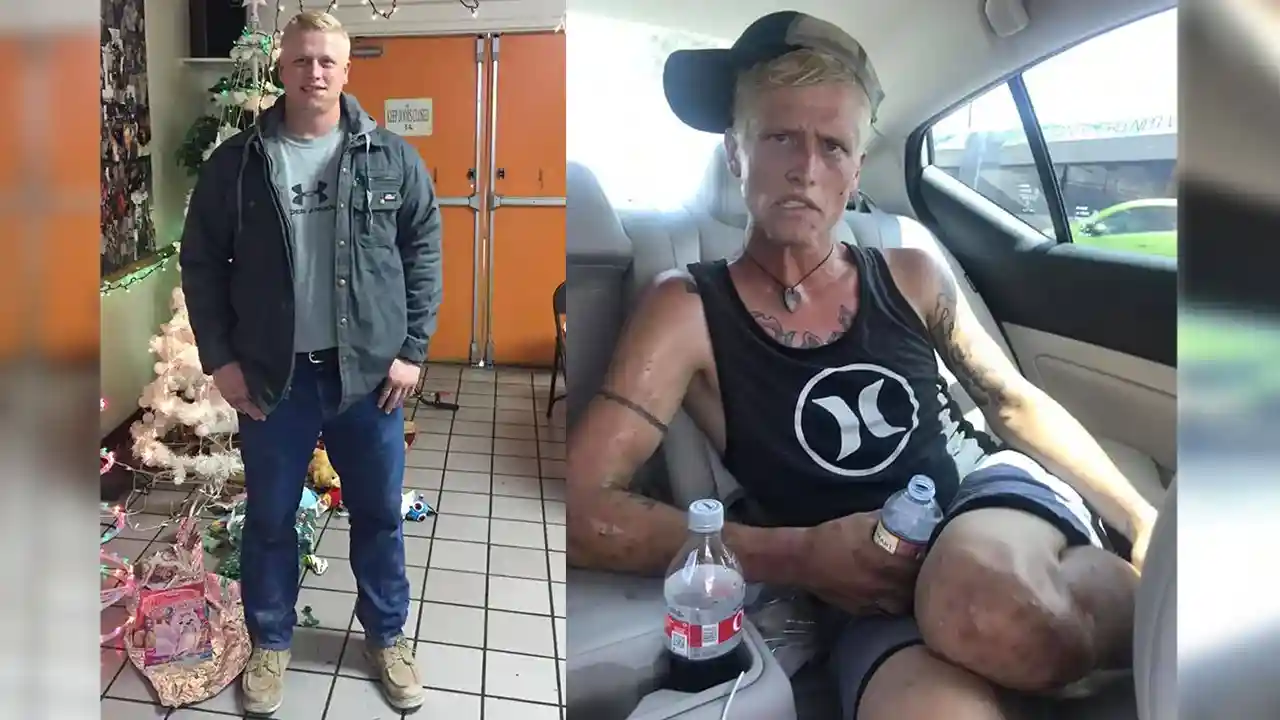
People before and after drugs show dramatic physical changes that illustrate the devastating impact of substance abuse. Here’s what you need to know:
Key Physical Changes from Drug Use:
- Methamphetamine: Severe dental decay (“meth mouth”), open facial sores, premature aging, extreme weight loss
- Opioids: Flushed or pale skin, pinpoint pupils, significant weight loss, track marks, drowsiness
- Cocaine: Dramatic weight loss, nasal damage, gaunt appearance, cardiovascular strain
- Alcohol: Chronic skin flushing, bloating, premature aging, increased risk of skin infections
- Timeline: Changes can appear within months for drugs like meth, or develop over several years with other substances
These visual changes happen because drugs hijack the brain’s reward system, leading to compulsive use, severe self-neglect, malnutrition, and direct damage to organs and tissues. The images you’ve seen online—often mugshots from public awareness campaigns—typically represent extreme cases where addiction, repeated arrests, and a lack of healthcare all contribute to physical deterioration.
The good news: Many of these effects can be reversed or significantly improved with treatment and sustained recovery.
In 2022, approximately 48.7 million Americans ages 12 and older struggled with a substance use disorder. Despite the severity of addiction, only about 5% of adults with substance use disorders sought treatment that year. This article examines the science behind these dramatic physical changes, shares real examples of change, and explains why recovery offers hope for a healthier future.
At Addiction Helpline America, we’ve guided thousands of individuals and families through the journey from the devastating “after” of addiction to a new, hopeful “before” of recovery. Our team of addiction specialists understands both the visible and invisible impacts of substance abuse on people before and after drugs, and we’re here to connect you with the personalized treatment resources that can help reverse these effects and rebuild lives.
The Science Behind the Change: Why Drugs Change Appearance
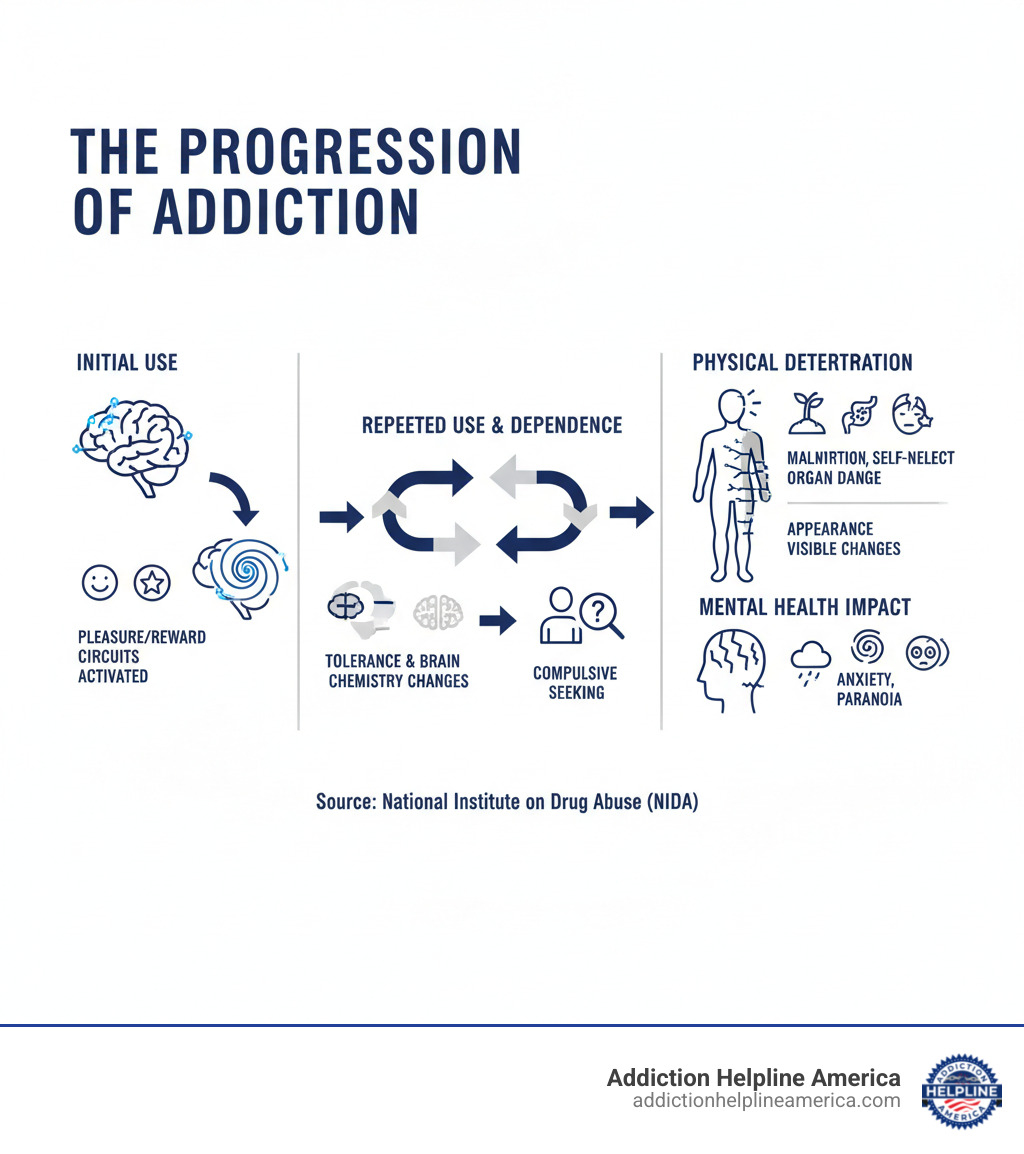
The heartbreaking changes seen in photos of people before and after drugs are the result of a complex brain disease. Addiction hijacks the brain’s reward system by flooding it with dopamine, creating an intense high. Over time, the brain adapts by producing less dopamine naturally, making everyday pleasures feel dull. The only way to feel normal is to use the drug again, creating a vicious cycle of use and withdrawal.
This process also damages the prefrontal cortex, the brain’s center for decision-making and impulse control. This is why people lose the ability to stop using, even when facing devastating consequences. It’s not a lack of willpower; it’s a change in brain function.
As the brain becomes fixated on drug use, self-care is abandoned. Personal hygiene, sleep, and nutrition are forgotten. Many drugs suppress appetite, leading to severe malnutrition as the body breaks down muscle and fat for energy. This weakens the immune system, slows healing, and causes skin and hair to deteriorate.
The physical decline is mirrored by a psychological one. Long-term drug abuse often leads to depression, anxiety, and paranoia, which create chronic stress that further damages the body.
While not always visible, internal organ damage is one of the most serious consequences. Alcohol destroys the liver, cocaine strains the heart, opioids can cause respiratory failure, and methamphetamine damages blood vessels. This internal breakdown contributes directly to the failing health seen on the outside.



How Different Drugs Affect the Body
While every drug can cause serious harm, each substance leaves its own signature on a person’s appearance. Recognizing these patterns can help you identify when someone you love might be struggling.
Methamphetamine creates some of the most dramatic visible changes. “Meth mouth” is perhaps the most notorious—severe tooth decay that turns teeth black and causes them to break or fall out. Skin sores are also common, as users often experience formication—the sensation of bugs crawling under their skin—and pick obsessively. Combined with severe weight loss, meth users often develop a gaunt, skeletal appearance, aging them decades in just months.
Opioid users show different signs. Their skin might appear flushed or pale, and their pupils become extremely constricted (pinpoint pupils). There’s often a drowsy, nodding appearance. Weight loss occurs, and track marks—scars or bruising from injections—may be visible. Many users also experience chronic itchiness, leading to skin irritation.
Cocaine use manifests primarily through severe weight loss. The drug is a powerful appetite suppressant, creating a gaunt, hollowed-out look. For those who snort cocaine, nasal damage like chronic nosebleeds or a perforated septum can become obvious over time. The drug also causes agitation and restlessness, which can be seen in a user’s tense, anxious expression.
Alcohol, though legal, causes its own set of visible changes with chronic heavy use. Facial flushing and redness can become permanent as blood vessels break. Bloating in the face and abdomen is common due to fluid retention and liver damage. The skin becomes dehydrated, leading to premature aging, and in severe cases, jaundice—a yellowing of the skin and eyes—signals serious liver failure.
5 Shocking Examples of People Before and After Drugs
The images of people before and after drugs that circulate online can stop you in your tracks. These photos—often mugshots taken months or years apart—show physical changes so dramatic they’re hard to believe. But they’re real, and they tell a powerful story about addiction’s grip on the human body.
These images typically represent extreme cases, where substance abuse intersects with repeated arrests, homelessness, and a lack of medical care. The physical decline isn’t just from the drug itself—it’s from an entire lifestyle that addiction creates. They serve as stark warnings about where untreated addiction can lead.
Example 1: The Rapid Decline from Methamphetamine
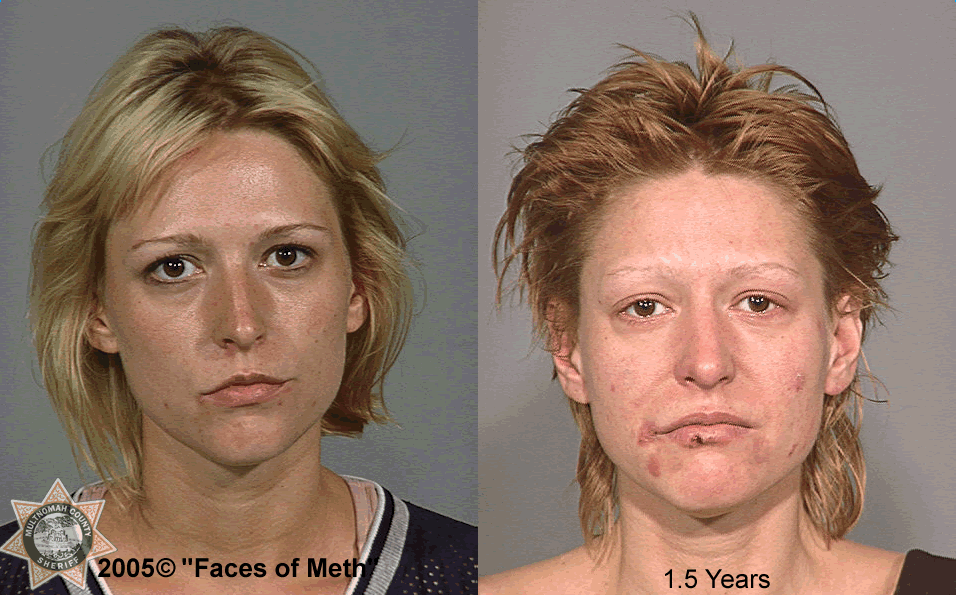
Methamphetamine is known for causing shocking physical decline in a matter of months, not years. A person’s face can become gaunt, their skin can develop open sores from obsessive picking (a side effect called formication), and they can suffer from “meth mouth”—severe tooth decay where teeth blacken, crack, and fall out. This is due to dry mouth, teeth grinding, and neglect. The extreme weight loss and cycle of arrests contribute to a rapid downward spiral visible in sequential mugshots.
Example 2: The Hidden Damage of Opioids
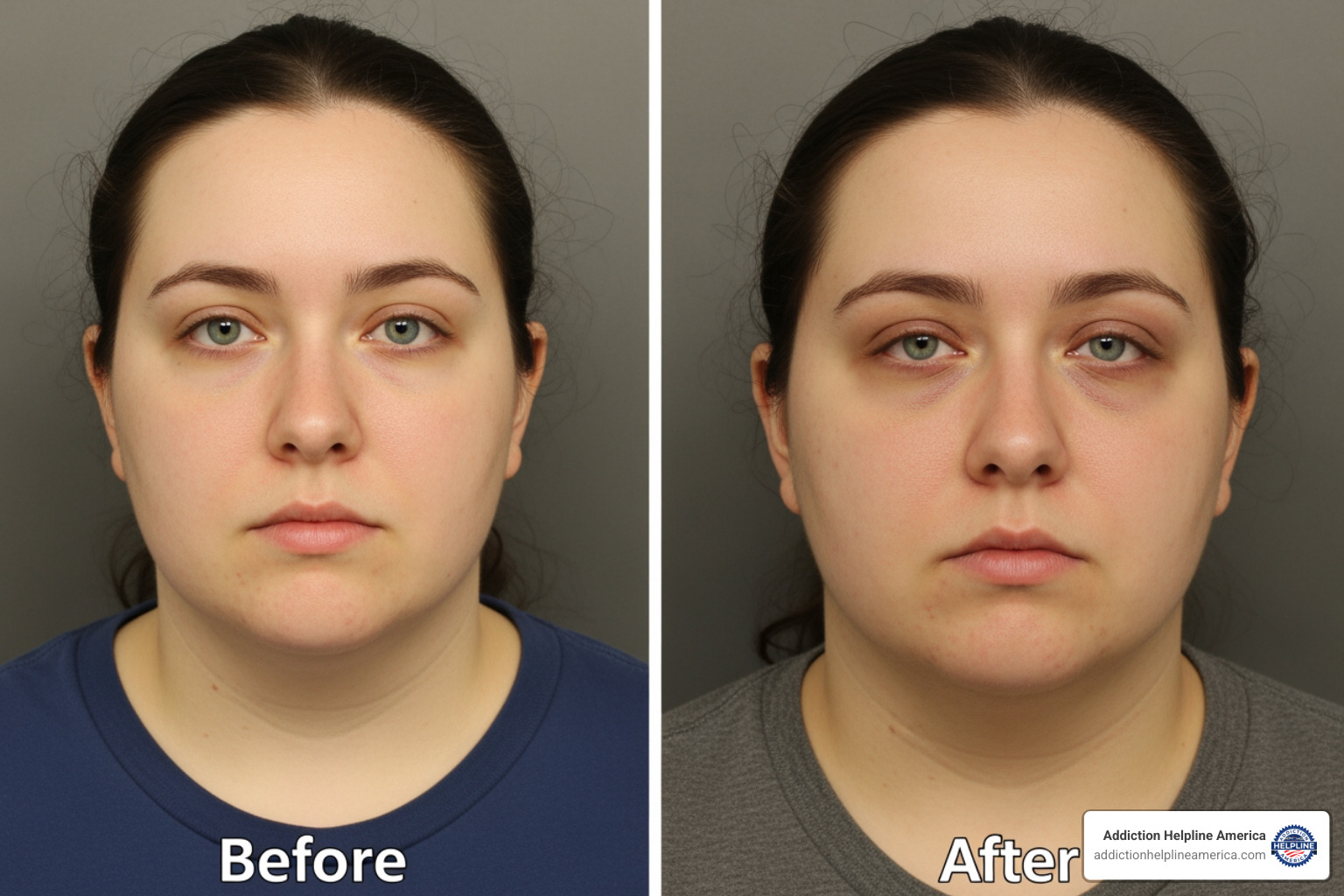
Opioid addiction (heroin, fentanyl, painkillers) often causes more subtle changes initially. The life seems to drain from a person’s face, leaving their skin pale, their eyes dull and sunken, and their pupils constricted to tiny pinpoints. While weight loss and track marks from injection are visible signs, the most severe damage is internal. Opioids slow breathing to dangerous levels, increasing overdose risk and causing long-term cardiovascular and kidney problems. The person in the “after” photo isn’t just tired; their body is shutting down.
Example 3: The Wasting Effect of Cocaine
Cocaine addiction causes a “wasting effect” due to severe appetite suppression, leading to malnutrition and a skeletal appearance. Faces become gaunt and hollowed out. For those who snort it, visible nasal damage can occur, including a perforated septum or collapsed nose. Internally, cocaine puts immense strain on the heart, increasing the risk of heart attack and stroke even in young people. The psychological toll is also visible, with users often appearing paranoid and agitated.
Example 4: The Journey Through Addiction and Back – A Story of Recovery
The most powerful images are those that show the journey to recovery. These three-part stories—healthy before, deteriorated during, and vibrant after—prove that healing is possible. We’ve seen it in people like Melissa, whose mugshot became a “before” picture to a sober life, and Beth, who found genuine happiness after quitting alcohol. In recovery, the body begins an almost miraculous healing process. Skin clears, healthy weight returns, and eyes regain their sparkle. More importantly, the person comes back. The “after” photo of addiction doesn’t have to be the end; it can be the turning point.
Example 5: Understanding the full picture of people before and after drugs
It’s crucial to remember that the most shocking images are warning signs, not the reality for every person with a substance use disorder. The visible changes depend on the drug, duration of use, genetics, and access to healthcare. Identifying potential abuse means looking for a combination of physical and behavioral signs. Physical signs include unexplained weight changes, skin or dental problems, and chronic fatigue. Behavioral signs include mood swings, secrecy, financial trouble, and loss of interest in former hobbies. At Addiction Helpline America, we understand every story is unique, which is why we offer personalized guidance to find treatment that addresses the whole person, not just the physical symptoms.
From “After” to a New “Before”: Finding Hope and Treatment
The “after” photo of addiction is not the end of the story; it can be the start of a new, healthy beginning. Recovery allows the body and mind to heal, and we’ve seen it happen thousands of times. The physical healing can be remarkable: skin clears, healthy weight returns, and eyes regain their sparkle. Mentally, the fog of addiction lifts, replaced by clarity and peace.
This journey starts with professional treatment, custom to the individual. Options include:
- Detoxification: A medically supervised first step to safely manage withdrawal symptoms.
- Inpatient Rehab: A residential program offering 24/7 care in a trigger-free environment, allowing for total focus on healing.
- Outpatient Programs (PHP/IOP): Flexible options that allow you to live at home while attending regular treatment sessions, balancing recovery with daily responsibilities.
Treatment programs use evidence-based therapies to address the root causes of addiction:
- Cognitive-Behavioral Therapy (CBT): Helps identify and change negative thought patterns and behaviors related to drug use.
- Motivational Interviewing (MI): A collaborative approach that helps you find your own internal motivation to change.
- Medication-Assisted Treatment (MAT): Uses FDA-approved medications for opioid or alcohol addiction to reduce cravings and prevent relapse, significantly increasing the chances of success.
Finding the right path can feel overwhelming. At Addiction Helpline America, our free, confidential service connects you to personalized treatment from our nationwide network of centers, matching your unique needs to the right program. The change from the devastating “after” of addiction to a new, hopeful “before” of recovery is possible. Your story can be the beginning of something better.
Frequently Asked Questions about People Before and After Drugs
Are the ‘before and after drug’ photos real?
Yes, many are real. They often come from public awareness campaigns like the Faces of Meth project or are shared by individuals in recovery. However, it’s important to know these photos typically show extreme cases involving long-term addiction, often combined with homelessness and lack of healthcare. They are stark warnings, but they don’t represent everyone who struggles with substance use.
How long does it take to see physical changes from drug use?
The timeline varies greatly depending on the drug, frequency of use, and a person’s health. With a drug like methamphetamine, shocking changes can appear in just a few months. For substances like opioids, cocaine, or alcohol, the deterioration is often more gradual, developing over several years of heavy use. Generally, the more intense the use, the faster the physical decline.
Can the physical damage from drugs be reversed?
Yes, the body has a remarkable ability to heal. With sustained sobriety, many physical effects can be reversed or significantly improved. Skin can clear, healthy weight can be regained, and organ function often improves. While some severe damage, like tooth loss from “meth mouth” or a collapsed septum from cocaine, may be permanent or require medical intervention, recovery dramatically improves overall health, appearance, and quality of life. The “after” photo of addiction doesn’t have to be the final chapter.
At Addiction Helpline America, we’ve witnessed these changes firsthand, and we’re here to help you or your loved one access the treatment that makes healing possible.
Conclusion: A Picture of Hope Beyond Addiction
When you look at photos of people before and after drugs, it’s hard not to feel the weight of what addiction can do. These images tell stories of lives interrupted, of health stolen, of people who became nearly unrecognizable to themselves and their loved ones. They remind us that addiction isn’t just a bad habit or a series of poor choices—it’s a complex brain disease that can ravage every part of a person’s life, from their physical health to their deepest sense of self.
But here’s what those “after” photos don’t always show: the possibility of what comes next.
The truth is, the most powerful image in any addiction story isn’t the one showing the depths of despair. It’s the one that comes after recovery begins—the photo that captures renewed health, restored hope, and refinded purpose. We’ve seen it countless times at Addiction Helpline America: individuals who looked like they’d lost everything, who seemed beyond help, who found their way back to themselves through treatment and support.
That person in the devastating “after” photo? They can become someone’s inspiring “before recovery” story. Their sunken eyes can brighten again. Their skin can heal. The weight of addiction can lift, replaced by the strength of sobriety. And most importantly, they can reclaim the life they thought was gone forever.
We believe in this change because we’ve witnessed it happen over and over again. Every day, we connect people who are struggling with addiction to treatment programs that can help them write a different ending to their story. We understand the profound impact addiction has on people before and after drugs, and we’re committed to helping individuals transition from the darkness of active addiction to the light of a new beginning.
Recovery isn’t just possible—it’s happening right now for thousands of people across the country. It starts with a single decision, one phone call, one moment of choosing hope over despair. We provide free, confidential, personalized guidance to help you or your loved one find the treatment that fits your unique situation and needs. Our network spans all 50 states, connecting you to programs that combine medical expertise, compassionate care, and evidence-based therapies designed to heal both body and mind.
A new “after” photo is absolutely possible—one where you’re healthy, present for your family, and living with purpose. Don’t let addiction write your final chapter. Explore treatment options and start your journey to recovery today. We’re here to help you take that crucial first step toward becoming the person you were always meant to be.