Navigating Your Path to Recovery in Los Angeles
Los Angeles Addiction Treatment Centers offer a range of recovery programs designed to help individuals overcome substance use disorders. Here’s what you need to know to make an informed choice:
Types of Treatment Available:
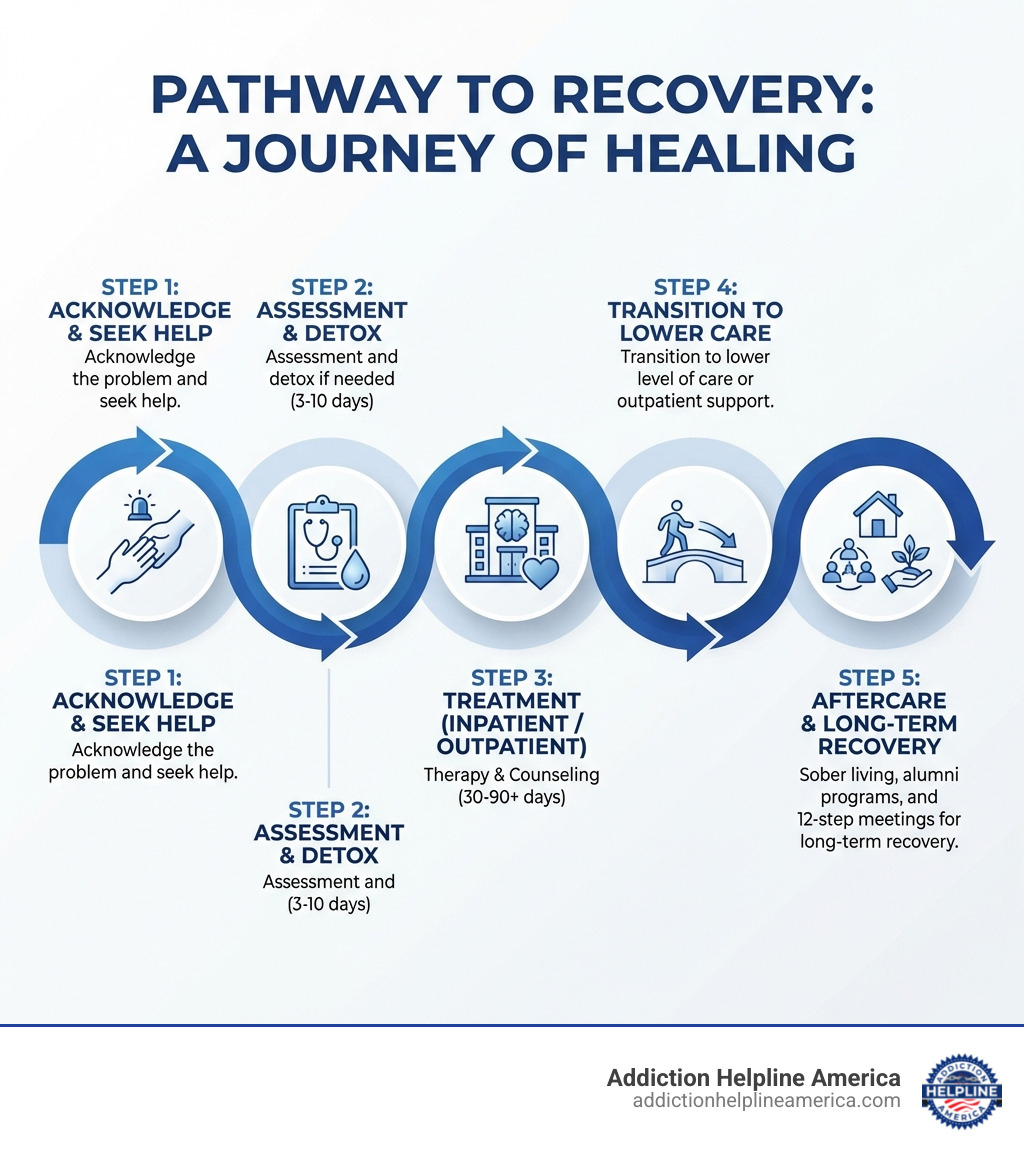
- Inpatient/Residential Treatment – 24/7 medical care and structured support in a facility setting (typically 30-90 days)
- Outpatient Programs – Flexible treatment while living at home, including Partial Hospitalization (PHP), Intensive Outpatient (IOP), and standard Outpatient (OP)
- Medical Detox – Supervised withdrawal management with 24/7 medical attention
- Dual Diagnosis Treatment – Integrated care for co-occurring mental health and substance use disorders
- Medication-Assisted Treatment (MAT) – Combines medications with therapy to manage withdrawal and cravings
- Aftercare & Sober Living – Ongoing support and structured housing for long-term recovery
Key Considerations:
- Most centers accept major insurance (PPO, HMO, Medi-Cal)
- Free and state-funded options are available
- Accreditation from Joint Commission or CARF indicates quality care
- Many facilities offer specialized programs for professionals, seniors, LGBTQ+ individuals, and trauma survivors
The addiction crisis in Los Angeles is severe. According to the Los Angeles County Department of Public Health, nearly 1 in 12 adults struggle with a substance use disorder, and potent synthetic opioids like fentanyl were involved in 59% of accidental overdose deaths in 2022. Yet despite this urgent need, a significant treatment gap remains; the same report indicates that only about 10% of adults with an SUD received any form of treatment. The gap between those who need help and those receiving it is enormous—but effective, compassionate treatment is available.
Choosing between inpatient and outpatient care is one of the most important decisions you’ll make on your recovery journey. Inpatient treatment offers an immersive, structured environment with round-the-clock support, while outpatient programs provide flexibility to maintain work, school, or family responsibilities. The right choice depends on the severity of your addiction, your home environment, co-occurring mental health conditions, and your personal circumstances.
At Addiction Helpline America, we’ve guided countless individuals and families through the process of finding the right treatment option among Los Angeles Addiction Treatment Centers, connecting them with quality care that matches their unique needs. Our free, confidential service is available 24/7 to help you understand your options and take the first step toward recovery.
Understanding the Scope of Addiction in Los Angeles

Substance Use Disorder (SUD) is a complex condition that affects millions of people, and Los Angeles is no exception. Recognizing the signs and symptoms of addiction is the first crucial step toward seeking help. Addiction is characterized by a compulsive need to use a substance despite harmful consequences, often leading to significant behavioral changes and physical symptoms.
The array of substances abused in Los Angeles County is broad, including alcohol, opioids (such as heroin and prescription painkillers), methamphetamine, cocaine, and marijuana. Each substance presents its own set of challenges, but the underlying disease of addiction often requires similar structured and compassionate care. For more in-depth information on local resources, you can explore our Substance Abuse Counseling Los Angeles Guide.
Recognizing the Signs of Drug and Alcohol Addiction
Addiction doesn’t always manifest in obvious ways, but there are common indicators that can signal a problem. These signs are based on the clinical criteria for Substance Use Disorder outlined by organizations like the National Institute on Drug Abuse (NIDA). If you or a loved one are struggling, you might observe:
- Increased tolerance: Needing more of a substance to achieve the same effect.
- Withdrawal symptoms: Experiencing physical or psychological distress (like shaking, anxiety, or nausea) when not using the substance.
- Loss of control: Inability to cut down or stop using, even when desired.
- Neglecting responsibilities: Failing to meet obligations at work, school, or home due to substance use.
- Relationship problems: Strained relationships with family and friends.
- Hiding substance use: Secrecy or dishonesty about the amount or frequency of use.
- Cravings: Intense urges for the substance, making it difficult to think about anything else.
- Financial issues: Spending excessive amounts of money on substances, leading to debt.
- Legal trouble: Arrests or other legal consequences related to substance use.
For alcohol addiction specifically, signs can include blackouts (not remembering events while drinking) or using alcohol to cope with stress or anxiety. The effects of heavy alcohol consumption can be severe, impacting the brain, heart, liver, and immune system, and can exacerbate mental health conditions like depression and anxiety. Similarly, drug addiction can lead to a cycle where the person prioritizes obtaining and using the drug over all other activities, often driven by intense cravings and the desire to avoid painful withdrawal.
The Alarming Reality: Substance Abuse Statistics in LA
The scope of the addiction crisis in Los Angeles County is truly alarming. Data from the LA County Department of Public Health reveals that nearly 1 in 12 adults (an estimated 824,000 people) meet the criteria for a substance use disorder.
Perhaps even more concerning is the devastating role of fentanyl, which was involved in a shocking 59% of all accidental drug or alcohol-related overdose deaths in the area in 2022. This potent synthetic opioid has intensified the crisis, making access to immediate and effective treatment more critical than ever.
Despite the severity of this crisis, there’s a significant gap in treatment access. The same public health data shows that only 10.5% of adults with an SUD received any form of treatment, meaning hundreds of thousands are left without the vital care they need. The need for accessible and comprehensive Los Angeles Addiction Treatment Centers is undeniable, and we are committed to helping bridge this gap.
Core Treatment Programs: Inpatient vs. Outpatient in LA
When considering Los Angeles Addiction Treatment Centers, one of the primary decisions revolves around the level of care: inpatient or outpatient. Both approaches offer unique benefits and are designed to meet different needs based on the severity of the addiction, individual circumstances, and support systems. These levels of care are part of a continuum defined by organizations like the American Society of Addiction Medicine (ASAM) to ensure patients receive the appropriate intensity of treatment for their specific needs. Understanding these differences is key to choosing the right path to recovery.
| Feature | Inpatient/Residential Treatment | Outpatient Treatment |
|---|---|---|
| Living Arrangement | Resides at the facility 24/7 | Lives at home, commutes to treatment sessions |
| Level of Care | High intensity, 24/7 medical and therapeutic support | Varying intensity (PHP, IOP, OP), structured but flexible care |
| Daily Schedule | Highly structured, full day of therapy, counseling, and activities | Flexible schedule, allowing for work, school, or family commitments |
| Cost | Generally higher due to accommodation and round-the-clock care | Generally lower, as it doesn’t include living expenses |
| Ideal Candidate | Severe SUD, unstable home environment, co-occurring disorders, history of relapse | Mild to moderate SUD, stable home environment, strong support system, need for flexibility |
| Typical Duration | 30 to 90 days (sometimes longer) | PHP: 4-6 weeks; IOP: 3-6 months; OP: Ongoing as needed |
This table provides a general overview, but the best approach is always personalized. “There is no one-size-fits-all solution in addiction recovery,” explains addiction specialist Mark Jennings, LADC. “The choice between inpatient and outpatient care should be a clinical decision based on a thorough assessment of the individual’s physical health, psychological state, and social environment. The goal is to match the patient to the least restrictive environment that is still safe and effective for them.” Medical detox, for instance, is often the first step, providing medically supervised withdrawal management to ensure safety and comfort before transitioning into a primary treatment program.
Inpatient Residential Treatment: An Immersive Healing Environment
Inpatient residential treatment provides an immersive and highly structured environment, ideal for individuals with severe substance use disorders or those who require a complete change of scenery to focus on recovery. In these Los Angeles Addiction Treatment Centers, clients reside at the facility 24/7, removed from the triggers and stressors of their home environment.
This intensive level of care typically includes 24/7 medical supervision, which is crucial during the initial stages of withdrawal and for managing any co-occurring physical or mental health conditions. Programs often last between 30 and 90 days, sometimes longer, providing ample time for deep healing and skill-building. For instance, programs like those at Social Model Recovery Systems River Community Covina CA emphasize community and structured support.
The benefits of inpatient care are numerous:
- Constant support: Round-the-clock access to clinical staff and peer support.
- Removal from triggers: A safe space free from the people, places, and things associated with substance use.
- Structured routine: A consistent daily schedule filled with individual and group therapy, educational sessions, and holistic activities.
- Focus on co-occurring disorders: Ideal for those with dual diagnoses, as integrated treatment can be provided continuously.
- Community building: Living with others in recovery fosters a sense of camaraderie and shared experience.
This type of program is particularly effective for individuals who have a history of relapse, an unstable home environment, or significant co-occurring mental health issues that require continuous monitoring and intervention.
Outpatient Treatment Programs: Flexibility for Real-Life Recovery
Outpatient treatment programs offer a flexible alternative for individuals who need structured support but also wish to continue living at home, maintaining their work, school, or family responsibilities. These programs vary in intensity, allowing for a gradual step-down in care as recovery progresses.
- Partial Hospitalization Programs (PHP): Often referred to as “day treatment,” PHP is the most intensive form of outpatient care. Clients attend treatment sessions for several hours a day, multiple days a week, but return home in the evenings. It provides comprehensive care similar to inpatient programs but without the overnight stay.
- Intensive Outpatient Programs (IOP): IOP offers a step down from PHP, with fewer hours of treatment per week. Clients engage in individual and group therapy sessions, developing coping skills and relapse prevention strategies, often for 3-6 months.
- Standard Outpatient (OP): This is the least intensive level of outpatient care, involving one or two sessions per week. It’s suitable for individuals transitioning from more intensive programs or those with milder substance use disorders who have a strong support system. Facilities like Baart Programs Boyle Heights Los Angeles CA provide accessible outpatient options.
The flexibility of outpatient Los Angeles Addiction Treatment Centers makes them an excellent choice for those who:
- Have a stable and supportive home environment.
- Need to continue working or attending school.
- Have responsibilities that prevent them from residing at a facility.
- Are transitioning from inpatient care and need ongoing support.
Outpatient programs help individuals build healthy coping skills, strengthen their support networks, and apply recovery principles in their daily lives. However, a strong commitment to sobriety and a robust support system outside of treatment are crucial for success in an outpatient setting.
Specialized Approaches at Los Angeles Addiction Treatment Centers

Beyond the fundamental choice between inpatient and outpatient care, Los Angeles Addiction Treatment Centers increasingly offer specialized approaches that dig deeper into the root causes of addiction and provide more individualized care. These programs recognize that addiction is rarely a standalone issue and often intertwines with mental health conditions, past trauma, and unique personal needs. By integrating evidence-based therapies and holistic practices, we aim to treat the whole person, not just the substance use.
The Importance of Dual Diagnosis Treatment
It’s a stark reality that addiction rarely travels alone. Many individuals struggling with substance use disorder also contend with co-occurring mental health conditions, a phenomenon known as “dual diagnosis.” In fact, the National Institute on Drug Abuse (NIDA) reports that about half of people who experience a mental illness will also experience a substance use disorder at some point in their lives, and vice versa. This can include conditions such as anxiety disorders, depression, bipolar disorder, and post-traumatic stress disorder (PTSD).
For effective and lasting recovery, it’s crucial that both the addiction and the mental health disorder are treated simultaneously in an integrated manner. “Treating addiction without addressing underlying trauma or a co-occurring mental health condition is like trying to fix a leaky roof by only painting over the water stains,” says Dr. Lena Petrova, a clinical psychologist specializing in dual diagnosis. “True healing requires an integrated approach that addresses the root causes of the pain.” Los Angeles Addiction Treatment Centers specializing in Dual Diagnosis Treatment, such as Amanecer Community Counseling Service Los Angeles CA, understand this interconnectedness. They provide comprehensive care that includes:
- Integrated therapy: Therapists trained in both addiction and mental health provide counseling that addresses how these conditions influence each other.
- Medication management: For mental health conditions, appropriate medication can be prescribed and monitored by medical professionals.
- Skill-building: Clients learn coping mechanisms to manage mental health symptoms without resorting to substance use.
Dual diagnosis treatment is important because it acknowledges the complexity of the individual’s experience, offering a more holistic and effective pathway to long-term stability and well-being.
Addressing the Link Between Trauma and Addiction
For many, addiction is a coping mechanism for unresolved pain, particularly from past trauma. Recognizing this profound connection, which is well-documented by organizations like the Substance Abuse and Mental Health Services Administration (SAMHSA), many Los Angeles Addiction Treatment Centers have adopted a trauma-informed care approach. This means creating a safe, compassionate, and empowering environment where clients feel understood, respected, and supported. The goal is to help individuals process their painful experiences in a healthy way, rather than re-traumatizing them or ignoring the underlying issues.
Treatment modalities commonly employed in trauma-informed care are evidence-based practices recommended by NIDA, and include:
- Cognitive Behavioral Therapy (CBT): Helps individuals identify and change negative thought patterns and behaviors linked to trauma and substance use.
- Dialectical Behavior Therapy (DBT): Focuses on emotional regulation, distress tolerance, interpersonal effectiveness, and mindfulness to manage intense emotions often stemming from trauma.
- Eye Movement Desensitization and Reprocessing (EMDR): A specialized therapy designed to help individuals process traumatic memories.
By addressing trauma directly, treatment helps to rebuild trust, self-worth, and resilience, laying a stronger foundation for lasting recovery. Facilities like Haven Hills Encino CA understand the critical importance of this integrated approach.
Holistic Therapies and Medication-Assisted Treatment (MAT)
Effective recovery involves healing the whole person—mind, body, and spirit. Many Los Angeles Addiction Treatment Centers integrate holistic therapies alongside traditional evidence-based treatments to promote overall well-being and a balanced lifestyle. These therapies aim to treat the “whole person” by fostering a deeper connection to oneself and developing healthy coping mechanisms.
Common holistic approaches include:
- Yoga and Meditation: Promote mindfulness, reduce stress, improve emotional regulation, and foster inner peace.
- Nutritional Counseling: Addresses the physical toll of addiction and helps restore bodily health through balanced eating.
- Art and Music Therapy: Provides creative outlets for emotional expression and processing difficult experiences.
- Adventure Therapy: Activities like hiking or outdoor excursions can build self-esteem, teamwork, and a sense of accomplishment.
In conjunction with these therapies, Medication-Assisted Treatment (MAT) has become a cornerstone of modern addiction care, particularly for opioid and alcohol use disorders. MAT combines FDA-approved medications with counseling and behavioral therapies, an approach endorsed by SAMHSA for its effectiveness in improving patient survival and retention in treatment. The medications work to:
- Manage withdrawal symptoms: Making the detox process safer and more comfortable.
- Reduce cravings: Helping individuals stay focused on their recovery without intense urges.
- Prevent relapse: By stabilizing brain chemistry and reducing the euphoric effects of substances.
For example, facilities such as Revive Detox Los Angeles CA specialize in providing medically supervised detox, which is often the first step in MAT, ensuring a safe and manageable withdrawal experience. The benefits of a holistic approach, combined with MAT when appropriate, are profound. They help individuals not only overcome addiction but also cultivate a healthier, more fulfilling life.
How to Choose and Pay for Rehab in Los Angeles
Finding the right addiction treatment center in Los Angeles can feel overwhelming, but it’s a critical step toward lasting recovery. We understand that making this choice involves careful consideration of both the quality of care and the financial aspects. Our goal at Addiction Helpline America is to provide you with the information and guidance needed to make an informed decision.
Key Factors for Choosing the Right Los Angeles Addiction Treatment Centers
Selecting the ideal treatment center involves looking beyond just the location. “When vetting a treatment center, always ask about their licensing, accreditations, and staff credentials,” advises family recovery advocate Maria Flores. “A quality program will be transparent about its qualifications and will create a personalized treatment plan, not offer a generic, one-size-fits-all program.” Here are essential criteria we recommend considering:
- Accreditations: Look for centers accredited by reputable organizations such as the Joint Commission (JCAHO) or the Commission on Accreditation of Rehabilitation Facilities (CARF). These “Gold Seals of Approval” signify a commitment to high standards of safety and quality of care, as outlined by the accrediting bodies themselves.
- State Licensing: Ensure the facility is properly licensed by the State Department of Health Care Services (DHCS) in California. This ensures they meet state-mandated operational and safety standards. You can verify facility licensing and certifications through official sources like the California DHCS website.
- Staff-to-Client Ratio: A lower staff-to-client ratio often indicates more personalized attention and care.
- Evidence-Based & Holistic Therapies Offered: A comprehensive center will offer a range of proven therapies like CBT, DBT, and trauma-informed care, alongside holistic options such as yoga, meditation, and nutritional counseling.
- Aftercare & Sober Living Options: Long-term recovery relies heavily on support post-treatment. Centers that offer robust aftercare planning, alumni programs, and connections to sober living homes demonstrate a commitment to sustained sobriety.
- Family Program Availability: Addiction impacts the whole family. Programs that involve family therapy and education can help heal relationships and build a supportive home environment.
- Personalized Treatment Plans: No two paths to recovery are identical. The best centers create individualized treatment plans custom to your specific needs, history, and goals.
By carefully evaluating these factors, you can significantly increase the likelihood of finding a program that truly supports your journey to recovery.
Navigating Costs and Insurance for Los Angeles Addiction Treatment Centers
The cost of addiction treatment can be a significant concern, but it should never be a barrier to seeking help. Most Los Angeles Addiction Treatment Centers accept various forms of insurance, and there are many financial options available to make treatment accessible.
- Insurance Coverage: Many private insurance plans, including PPO and HMO, cover a portion or even the entirety of addiction treatment. It’s crucial to verify your benefits directly with the treatment center or through our free helpline. We can help you understand your specific coverage and connect you with facilities that accept your plan.
- State-Funded Programs & Medi-Cal: For residents of California, Medi-Cal (California’s Medicaid program) can cover a wide range of addiction treatment services, including detox, inpatient, and outpatient care. While there is a significant treatment gap in Los Angeles—with nearly 90% of adults with an SUD not receiving care, according to the LA County Department of Public Health—programs like Medi-Cal are vital resources for those who qualify.
- Private Pay Options: If insurance coverage is limited or unavailable, many centers offer private pay options.
- Sliding Scale Fees & Reduced Charges: Some facilities provide services on a sliding fee scale, where costs are adjusted based on your income and ability to pay. Others offer reduced charges for clients with limited funds.
- Scholarship Opportunities: Certain centers or non-profit organizations may offer scholarships to help cover treatment costs.
Understanding your financial options is a key step. We encourage you to contact us to find a Los Angeles rehab center and verify your insurance. Our confidential service can help you steer these complexities and find affordable treatment that meets your needs.
Life After Treatment: Building a Foundation for Lasting Sobriety
Completing an initial treatment program, whether inpatient or outpatient, is a monumental achievement, but it’s just one chapter in the lifelong journey of recovery. Long-term sobriety hinges on a robust continuum of care, focusing on relapse prevention and building a strong, sober community. The National Institute on Drug Abuse (NIDA) emphasizes that long-term or repeated care is often necessary to achieve lasting abstinence and that aftercare programs are crucial for preventing relapse.
The Critical Role of Aftercare and Sober Living
Aftercare is the bridge between intensive treatment and independent living, providing essential support to maintain sobriety and prevent relapse. These programs are designed to reinforce coping skills, address new challenges, and integrate individuals into a supportive recovery community.
Key components of aftercare include:
- Alumni Programs: Many Los Angeles Addiction Treatment Centers offer alumni networks, providing a community of peers who have successfully steerd similar challenges. This connection fosters mutual support and mentorship.
- 12-Step Meetings (AA/NA): Groups like Alcoholics Anonymous (AA) and Narcotics Anonymous (NA) offer invaluable peer support, sponsorship, and a framework for continuous personal growth. These meetings are widely available across Los Angeles.
- Ongoing Therapy: Continuing individual or group therapy sessions helps individuals process new experiences, manage stress, and address any emerging mental health concerns.
- Sober Living Homes: These structured, alcohol- and drug-free residences provide a supportive environment for individuals transitioning from more intensive treatment. They offer accountability, peer support, and help with reintegrating into society responsibly. Facilities like Healthright 360 Los Angeles CA often connect individuals with such vital sober living resources.
The importance of aftercare and sober living cannot be overstated. They provide the necessary structure and support to apply newly learned skills in real-world settings, build a strong foundation for a sober lifestyle, and significantly reduce the risk of relapse.
How Family Can Support the Recovery Journey
Addiction is often called a “family disease” because its impact ripples through every relationship. Therefore, involving family members in the addiction treatment process is not just beneficial—it’s often critical for long-term recovery. The Substance Abuse and Mental Health Services Administration (SAMHSA) highlights family therapy as a key component of comprehensive treatment, as it can improve treatment engagement and outcomes.
“Recovery doesn’t happen in a vacuum,” notes family systems therapist Dr. Brian Carter. “When a family learns to communicate effectively, set healthy boundaries, and offer support without enabling, they become the most powerful asset in their loved one’s long-term sobriety.”
Ways family can be involved include:
- Family Therapy: Many Los Angeles Addiction Treatment Centers offer family therapy sessions, providing a safe space to address past hurts, improve communication, and rebuild trust. This process helps heal relationships damaged by addiction.
- Education for Loved Ones: Understanding addiction as a disease, rather than a moral failing, is crucial. Educational programs help family members learn about the dynamics of addiction, enabling them to offer more effective support.
- Setting Healthy Boundaries: Family members learn to establish and maintain healthy boundaries, preventing enabling behaviors and promoting accountability for the individual in recovery.
- Creating a Supportive Home Environment: Through family involvement, a home environment can be transformed into a place that fosters sobriety, understanding, and mutual respect.
- Support Groups for Families: Groups like Al-Anon or Nar-Anon provide a vital community for family members to share experiences, gain insight, and find their own path to healing.
Facilities like Parent Care Family Recovery Center La Mesa CA emphasize the role of family in recovery. By actively participating, families become powerful allies in the recovery journey, strengthening the individual’s chances of sustained sobriety and rebuilding healthier family dynamics.
Take the First Step Towards a New Life Today
Choosing among the many Los Angeles Addiction Treatment Centers is a deeply personal decision, but it’s one that can profoundly change your life. Whether you determine that the immersive, structured environment of inpatient care is best suited for your intensive needs, or the flexible, real-world application of an outpatient program aligns with your circumstances, recovery is a journey, not a destination.
Help is available, and you don’t have to steer this path alone. We understand the challenges and the courage it takes to seek help. Addiction Helpline America is a free, confidential resource dedicated to providing personalized guidance to individuals nationwide, including those in Los Angeles. Our experts are available 24/7 to help you understand your options, verify your insurance, and connect you with the right recovery program from our vast network of trusted centers.
Don’t let the complexities of finding treatment delay your healing. Take that courageous first step.
Explore Los Angeles treatment options now or call our 24/7 helpline to speak with a compassionate recovery expert today.