
Why Outpatient Rehabilitation Services Are Your Path to Recovery
Outpatient Rehabilitation Services allow you to receive professional medical care, therapy, and counseling while living at home and maintaining your daily responsibilities. Here’s what you need to know:
- Living at Home: You attend scheduled treatment sessions but return home each day
- Flexible Scheduling: Many programs offer evening and weekend appointments
- Who It’s For: Individuals recovering from surgery, injury, stroke, addiction, or mental health challenges
- Types of Care: Physical therapy, occupational therapy, speech therapy, addiction counseling, and mental health treatment
- Cost: Generally more affordable than inpatient care; often covered by insurance or Medical Services Plan (MSP)
- Medical Stability Required: You must be stable enough to participate actively in treatment
Outpatient rehabilitation is designed for people who are medically stable and motivated to recover but don’t require 24-hour medical supervision. Whether you’re recovering from a knee replacement, learning to speak again after a stroke, or seeking help for addiction, outpatient services provide the professional support you need while allowing you to stay connected to your family, job, and community.
The key difference from inpatient care is simple: you’re an active partner in your recovery, applying new skills immediately in your real-world environment. Your treatment team works with you to set personalized goals, and you attend therapy sessions on a schedule that fits your life.
Addiction Helpline America is here to guide you through every step of finding the right Outpatient Rehabilitation Services in Los Angeles. Our team connects individuals and families to trusted treatment providers 24/7, offering free, confidential support to help you or your loved one start the journey to lasting recovery.
Outpatient rehabilitation is a flexible and effective approach to healing, designed for individuals who can live in the community but still require therapeutic interventions to achieve or maintain independence. It’s a crucial step for many on their journey back to optimal function after an illness, injury, or in managing chronic conditions. We provide a broad range of therapeutic services, from intensive interdisciplinary programs to single-discipline rehabilitative services, custom to meet the unique needs of each person.
This type of rehabilitation is for anyone needing to regain or improve their physical, cognitive, or emotional abilities without the need for an overnight stay in a facility. This includes:
- Post-Injury Recovery: Individuals who have sustained injuries, perhaps from an accident, and need to restore muscle control and function.
- Post-Surgery Recovery: Patients recovering from operations, such as a knee replacement, who need to learn how to use their new joint, strengthen surrounding muscles, and regain mobility.
- Illness Recovery: Those who have experienced serious illnesses like a heart attack, stroke, or cancer, and require therapy to rebuild strength, improve daily living skills, or manage the long-term effects of their condition.
- Addiction Recovery: People seeking help for drug and alcohol abuse or addiction, who benefit from counseling and/or medication management while living at home.
- Mental Health Treatment: Individuals dealing with mental health problems like depression or eating disorders, who work with psychologists, psychiatrists, or counselors to address underlying causes and develop coping strategies.
Our ultimate goal is to empower you to achieve or maintain independence, enabling you to participate fully in daily activities and improve your overall quality of life.
Inpatient vs. Outpatient Rehab: Choosing Your Treatment Path in LA
Deciding on the right level of care is a critical step in your recovery journey. When considering Outpatient Rehabilitation Services in Los Angeles, it’s helpful to understand how they compare to inpatient options. Both have their unique benefits and are suited for different stages of recovery and individual needs.
Let’s look at a comparison to help you make an informed decision:
| Criteria | Inpatient Rehabilitation | Outpatient Rehabilitation Services |
|---|---|---|
| Living Arrangement | You live at the treatment facility 24/7. | You live at home (or sober living) and attend scheduled sessions at a facility. |
| Level of Care | Provides round-the-clock medical care, supervision, and structured therapy. | Offers scheduled therapeutic interventions, allowing for greater independence outside of session times. |
| Flexibility | Less flexible, as you are immersed in the treatment environment. | Highly flexible, allowing you to maintain work, school, and family commitments. |
| Cost | Generally more expensive due to 24/7 care and accommodation. | Typically more affordable, as it doesn’t include room and board. |
| Ideal Candidate | Individuals requiring intensive medical monitoring, detoxification, or a highly structured environment to avoid triggers. | Medically stable individuals with a supportive home environment, who are motivated to recover and wish to integrate treatment into their daily lives. |
Benefits of Outpatient Rehab
Choosing Outpatient Rehabilitation Services offers several distinct advantages, especially for those in Los Angeles who wish to balance recovery with their daily lives:
- Maintaining Work and Family Life: A primary benefit is the ability to continue with your job, schooling, or family responsibilities. This continuity can be vital for financial stability and maintaining a sense of normalcy.
- Lower Cost: Without the overhead of 24-hour residential care, outpatient programs are generally more affordable, making quality treatment accessible to more individuals.
- Applying Skills in Real-Time: You get to immediately apply the coping mechanisms, communication skills, and physical exercises learned in therapy to your everyday life. This real-world practice can solidify your progress.
Benefits of Inpatient Rehab
While our focus here is on outpatient care, it’s important to acknowledge the strengths of inpatient rehabilitation, particularly for those with severe conditions or who need a complete change of environment:
- 24/7 Medical Support: Inpatient facilities provide constant medical supervision, which is crucial for managing severe withdrawal symptoms or complex medical conditions.
- Structured Environment: A highly structured daily routine helps to establish new habits and provides a safe space away from external pressures and triggers.
- Fewer Outside Triggers: Being removed from environments that might contribute to substance use or stress can be incredibly beneficial in the initial stages of recovery.
The best choice depends on your specific needs, the severity of your condition, your support system, and your personal circumstances. We encourage you to Learn more about Inpatient and Outpatient Rehab options to make an informed decision that aligns with your recovery goals.

A Spectrum of Care: Types of Outpatient Rehabilitation Services
Outpatient Rehabilitation Services encompass a wide variety of therapeutic interventions designed to help you regain function and independence. Our programs can be part of an intensive interdisciplinary approach, where multiple specialists work together, or they can involve one or two single-discipline services, focused on a specific area of need. What unites them is a client-centered approach, meaning your treatment plan is always custom to your individual goals and circumstances.

Physical and Neurological Rehabilitation
This category of Outpatient Rehabilitation Services helps individuals recover from injuries, surgeries, or neurological conditions, focusing on restoring physical function and mobility.
- Physical Therapy (PT): Physical therapists help you regain muscle control, strength, balance, and overall function after an injury or surgery. For example, after a knee replacement, a physical therapist will guide you through exercises to help you learn to walk with your new joint and build up surrounding muscles.
- Occupational Therapy (OT): Occupational therapists focus on helping you relearn or adapt daily living activities (ADLs). This could include dressing, eating, bathing, or performing tasks related to your work or hobbies, enabling you to participate in meaningful activities.
- Speech-Language Pathology (SLP): Speech-language pathologists address communication and swallowing difficulties. This is particularly vital for individuals recovering from a stroke or brain injury, helping them to regain speech, language comprehension, and safe eating abilities.
Conditions commonly requiring these services include:
- Post-surgical recovery (e.g., knee replacement)
- Stroke recovery, which often involves physical, occupational, and speech therapy to regain independence.
- Brain injury rehabilitation to improve cognitive and physical functions.
- Spinal cord injury rehabilitation, focusing on maximizing mobility and daily living skills.
Mental Health and Substance Abuse Outpatient Rehabilitation Services
For individuals facing mental health challenges or substance use disorders, Outpatient Rehabilitation Services provide crucial support while allowing you to remain in your home environment. These programs are often custom to the severity of the condition and your personal circumstances.
- Partial Hospitalization Programs (PHPs): These are intensive outpatient programs that typically involve at least 20 hours of treatment per week. Often the first step in outpatient treatment, PHPs offer a combination of group and individual therapy sessions, and sometimes medication management, providing a high level of support without requiring an overnight stay.
- Intensive Outpatient Programs (IOPs): IOPs offer a step down from PHPs, typically involving 9 to 20 hours of treatment each week. They provide structured therapy and support, allowing you more time for work, school, or family while still receiving significant care.
- Individual Therapy: One-on-one sessions with a psychologist, psychiatrist, or licensed counselor to explore personal issues, develop coping strategies, and address underlying causes of addiction or mental health conditions.
- Group Counseling: Provides a supportive environment where individuals can share experiences, learn from peers, and develop social skills. This is a common and effective modality in addiction and mental health treatment.
- Family Therapy: Involving family members in the treatment process can help improve communication, address family dynamics, and build a stronger support system for the individual in recovery.
- Co-Occurring Disorders treatment: Many individuals face both substance use disorders and mental health conditions (like depression or anxiety). Integrated treatment addresses both simultaneously, leading to better outcomes.
- Cognitive Behavioral Therapy (CBT): A widely used therapeutic approach that helps individuals identify and change negative thinking patterns and behaviors that contribute to their condition.
- For those specifically seeking help with alcohol or stimulant use, we have comprehensive resources such as our Outpatient Alcohol Treatment guide and information on Stimulant Addiction Treatment.
Outpatient rehab for drug and alcohol abuse or addiction typically involves counseling and/or medication, following any initial facility-based treatment. Similarly, mental health problems like depression and eating disorders can be treated with outpatient rehabilitation, engaging specialists to address causes and change negative thinking patterns.
The Outpatient Journey: From First Call to Lasting Recovery
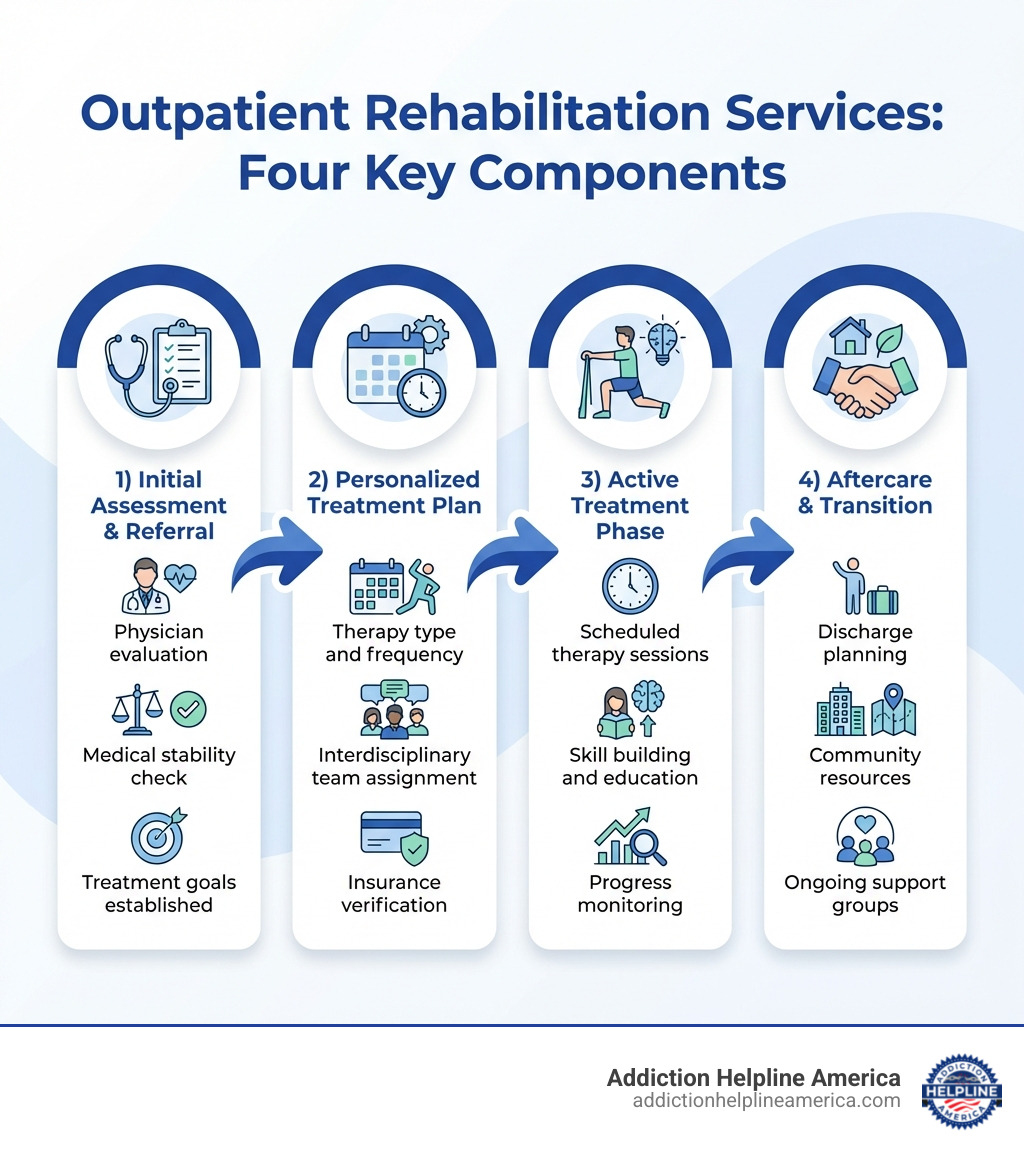
Your journey through Outpatient Rehabilitation Services is a collaborative process where you are an active partner in your recovery. We believe in empowering you to self-manage your rehabilitation goals, improve your daily activity participation, and improve your quality of life. This journey begins with accessing services and continues through dedicated therapy, supported by a skilled interdisciplinary team, and equipped to overcome potential challenges.
How to Access Outpatient Rehabilitation Services in Los Angeles
Accessing Outpatient Rehabilitation Services in Los Angeles typically involves a few key steps:
- Referral: Many programs require a referral from a healthcare provider. This could be your physician, a hospital, or an inpatient rehabilitation care team if you are transitioning from a higher level of care. For substance abuse and mental health services, self-referral is often possible, and we can guide you through this process.
- Initial Assessment: Once referred or after your initial contact, you will undergo a comprehensive assessment. This evaluation helps our team understand your specific needs, current condition, and recovery goals.
- Creating a Plan of Treatment: Based on your assessment, a personalized plan of treatment will be developed. This plan outlines the specific therapies, their frequency, duration, and the expected outcomes. It’s a living document that will be reviewed and adjusted as you progress.
- Insurance Verification: We can help you steer the complexities of insurance coverage to understand what services are covered and what your financial responsibilities might be.
For personalized guidance on finding the right program for you, our team is ready to help. You can also gain more insight into the process through our Guidance on how to find a rehab facility.
Your Interdisciplinary Care Team
A significant strength of Outpatient Rehabilitation Services is the interdisciplinary team approach. This means you’ll have a team of professionals working together, ensuring a holistic and comprehensive recovery plan. Depending on your needs, your team in Los Angeles might include:
- Physiatrists: These are medical doctors specializing in rehabilitation. They oversee your overall rehab plan, diagnose conditions, prescribe medications, and manage your medical needs throughout the process.
- Physical Therapists (PTs): Focus on restoring movement and function.
- Occupational Therapists (OTs): Help you regain skills for daily living.
- Speech-Language Pathologists (SLPs): Address communication and swallowing issues.
- Psychologists/Psychiatrists: Provide mental health assessments, counseling, and medication management for conditions like depression, anxiety, or co-occurring disorders.
- Licensed Counselors: Offer individual, group, and family therapy, particularly crucial for substance abuse recovery. If you’re looking for support, our Find Substance Abuse Counseling in Los Angeles resource can be very helpful.
- Social Workers: Provide support with social and emotional challenges, connect you with community resources, and assist with discharge planning.
- Case Managers: Coordinate your care across different services and help you steer the healthcare system.
This collaborative team ensures that all aspects of your recovery—physical, mental, and social—are addressed.
Overcoming Challenges in Outpatient Treatment
While Outpatient Rehabilitation Services offer great flexibility and benefits, individuals may encounter certain challenges. Being aware of these can help us prepare and provide the right support:
- Time Management: Balancing therapy appointments with work, school, and family obligations can be demanding. Our programs often offer flexible scheduling, including evening and weekend sessions, to help accommodate your busy life in Los Angeles.
- Transportation in LA: Navigating Los Angeles traffic and public transport can be a hurdle. We can help explore options and ensure your treatment schedule is as convenient as possible.
- Maintaining Motivation: The transition from a structured inpatient environment to living at home can sometimes feel overwhelming and exhausting. Having trusted therapists and caregivers is vital for navigating these physical and emotional aspects of rehab.
- Family Support: While living at home offers comfort, it also means facing potential family dynamics that may need to be addressed. Family therapy can be an integral part of your treatment.
- Building a Sober Network: For addiction recovery, building a strong, sober support network outside of treatment is crucial. We can connect you with local support groups and resources.
- Handling Triggers at Home: Returning to your home environment means encountering potential triggers. Our programs equip you with coping strategies and Effective Relapse Prevention Strategies to manage these situations successfully.
Our team is dedicated to supporting you through these challenges, helping you develop resilience and sustainable recovery strategies.
Navigating Costs and Insurance for Rehab in Los Angeles
Understanding the costs associated with Outpatient Rehabilitation Services and how insurance can help is a common concern. We believe that financial considerations should not be a barrier to receiving the care you need, especially in Los Angeles.
The cost of outpatient rehabilitation can vary widely depending on the type and intensity of services, the duration of the program, and the specific facility. For instance, Partial Hospitalization Programs (PHPs) might range from $350-$450 per day (private pay rate without insurance), while Intensive Outpatient Programs (IOPs) could be $250-$350 per day (private pay rate). These are general estimates, and actual costs can differ.
Fortunately, many forms of insurance cover Outpatient Rehabilitation Services:
- Private Insurance Coverage: Most private health insurance plans offer some level of coverage for outpatient rehabilitation, including physical, occupational, speech, and mental health therapies, as well as substance abuse treatment. The extent of coverage depends on your specific plan, deductible, and co-pay requirements. In 2012, 65% of facilities accepted private health insurance.
- Medicare and Medicaid: Public insurance programs like Medicare and Medicaid also cover eligible outpatient rehabilitation services. For example, Medicare covers services provided by Comprehensive Outpatient Rehabilitation Facilities (CORFs), which are nonresidential facilities offering diagnostic, therapeutic, and restorative services under physician supervision. We have more information about Understanding Comprehensive Outpatient Rehabilitation Facility (CORF) Services and their specific requirements. In 2012, 58% of facilities accepted Medicaid.
- Affordable Care Act (ACA) Plans: Plans offered through the ACA are required to cover mental health and substance use services to the same extent they cover medical needs, ensuring broader access to outpatient care.
- Sliding Scale Fees and Payment Plans: Many facilities, including those in Los Angeles, offer sliding scale fees based on your income and ability to pay. Payment plans can also be arranged to spread out the cost of treatment, making it more manageable. In 2012, 62% of facilities used a sliding-fee scale.
We strongly recommend verifying your benefits directly with your insurance provider or with the rehabilitation facility’s admissions team. Our team at Addiction Helpline America can assist you with this process, helping you understand your coverage and explore financial options. For a broader look at available rehab options, including those in Los Angeles, visit our page on Finding rehab options in California. Our service is free and confidential, and we are here to help you steer these financial aspects.
Frequently Asked Questions about Outpatient Rehab
We understand you may have many questions as you consider Outpatient Rehabilitation Services. Here are some common inquiries and their answers:
How long does outpatient rehab typically last?
The duration of Outpatient Rehabilitation Services is highly flexible and depends entirely on your individual needs, the severity of your condition, your progress in treatment, and any co-occurring health issues or relapse history. For example:
- Partial Hospitalization Programs (PHPs) and Intensive Outpatient Programs (IOPs) for addiction or mental health often last several weeks to a few months, with a gradual reduction in intensity.
- Standard outpatient therapy for physical or neurological conditions might continue for several weeks or months, with sessions tapering off as you regain function.
Your treatment plan will include regular evaluations to assess your progress and adjust the duration as needed, ensuring you receive the optimal level of care for a successful recovery.
Can I continue to work or go to school during treatment?
Absolutely, this is one of the primary benefits and distinguishing features of Outpatient Rehabilitation Services! These programs are specifically designed to allow you to maintain your daily responsibilities, such as work, school, or childcare, while receiving professional care.
Many facilities in Los Angeles offer flexible scheduling, including evening and weekend sessions, to accommodate busy schedules. This allows you to apply the skills and strategies learned in therapy directly to your real-world environment, fostering a seamless integration of recovery into your life.
What happens after I complete an outpatient program?
Completing an outpatient program is a significant milestone, but it’s often just one step in a lifelong journey of recovery and well-being. After you complete your primary program, we focus on aftercare planning to support your continued progress:
- Aftercare Planning: This involves creating a personalized plan for ongoing support, which may include step-down programs, less frequent therapy sessions, or maintenance programs. In 2012, 94% of facilities offered discharge planning, and 84% offered aftercare or continuing care services.
- Support Groups: Connecting with support groups like Alcoholics Anonymous (AA), Narcotics Anonymous (NA), or other peer-led groups in Los Angeles provides a vital community and ongoing encouragement.
- Ongoing Therapy: Some individuals benefit from continued individual or group therapy sessions on a less intensive basis.
- Alumni Programs: Many rehabilitation centers offer alumni programs that provide a network of support, events, and resources for graduates of their programs.
The goal is to equip you with the tools and support systems necessary to maintain your recovery and independence long-term.
Find the Right Outpatient Program in Los Angeles Today
We understand that seeking help can feel daunting, but please know that recovery is achievable, and you don’t have to steer this path alone. Outpatient Rehabilitation Services in Los Angeles offer a flexible, effective, and supportive way to heal and regain your independence, all while staying connected to your life and loved ones.
Our commitment at Addiction Helpline America is to provide you with free, confidential, and personalized guidance. We connect individuals like you to a vast network of trusted treatment centers across Los Angeles, ensuring you find the program that best fits your unique needs and circumstances. Whether you’re looking for physical therapy after an injury, mental health support, or comprehensive addiction treatment, we are here to help you take that crucial first step.
Don’t let questions or uncertainties hold you back from the healing you deserve. Reach out to us today.