
Why Finding the Right Support Matters for You and Your Family
Outpatient rehab programs in scottsdale offer a lifeline for individuals and families facing addiction while allowing you to maintain your daily responsibilities. If you’re searching for flexible treatment options in Scottsdale, here’s what you need to know:
Key Features of Scottsdale Outpatient Programs:
- Flexible Scheduling: Day and evening options to fit work, school, or family life
- Multiple Levels of Care: Partial Hospitalization (PHP), Intensive Outpatient (IOP), and Standard Outpatient (OP)
- Evidence-Based Therapies: CBT, EMDR, trauma-informed care, and holistic approaches
- Dual Diagnosis Support: Integrated treatment for co-occurring mental health conditions
- Insurance Accepted: Most major providers including Aetna, Cigna, United Healthcare, and BCBS
- Program Duration: Typically 30 days to one year, with 8-week IOP programs common
The need for accessible treatment in Scottsdale is urgent. Alcohol and drug overdose deaths in Maricopa County rose from 14 per 100,000 residents in 2012 to 37.6 in 2021. Between 2018 and 2019, nearly 215,000 adults in Arizona reported misusing pain relievers. These statistics represent real people—perhaps someone you love—who need help now.
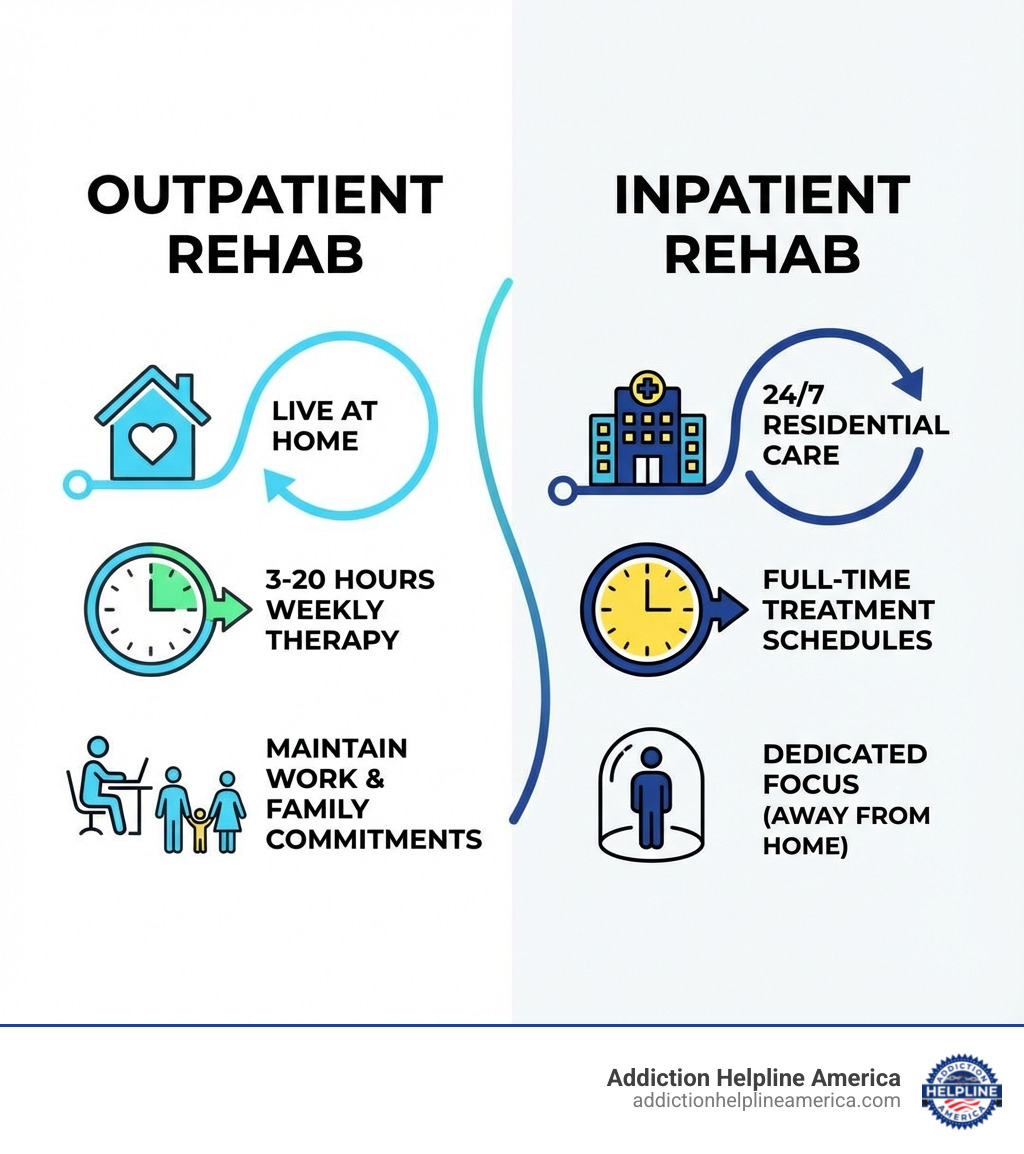
Outpatient rehab offers a proven path forward. You can receive structured addiction treatment while continuing to live at home, maintain your job, and stay connected to your support system. Programs typically include 15-20 hours of weekly therapy, combining individual counseling, group sessions, and relapse prevention strategies.
As Addiction Helpline America, we’ve guided thousands of individuals and families through the process of finding appropriate outpatient rehab programs in scottsdale that match their unique circumstances, connecting them with compassionate care when they need it most. We understand the overwhelming nature of seeking help, and we’re here to simplify your path to recovery.
Resource #1: Understanding Different Levels of Outpatient Care
When exploring outpatient rehab programs in scottsdale, you’ll encounter a variety of program structures. These different levels of care are designed to meet diverse needs, offering varying intensities of support while allowing you to live at home. It’s like choosing the right gear for a hike – you need something that matches the terrain and your stamina.

The Spectrum of Outpatient Programs
The primary distinction between outpatient and inpatient treatment is the living situation. While inpatient programs require you to reside at the facility 24/7, outpatient rehab programs in scottsdale allow you to return home each day. This flexibility is a cornerstone of outpatient care, making it an ideal choice for those who need to balance recovery with work, school, or family responsibilities.
Let’s dig into the specific types of outpatient programs you’ll find in Scottsdale:
Partial Hospitalization Program (PHP): Often called “day treatment,” PHP is the most intensive form of outpatient care. It provides a structured environment similar to inpatient rehab but without the overnight stay. Individuals typically attend treatment for 5-6 hours daily, 5 days a week. This high level of clinical support is crucial for those transitioning from inpatient care or for individuals who need significant structure but have a stable home environment. Many Scottsdale facilities offer PHP programs with comprehensive, trauma-focused treatment, ensuring a high degree of accountability and therapeutic engagement.
Intensive Outpatient Program (IOP): IOP strikes a balance between the intensity of PHP and the flexibility of standard outpatient care. Participants typically attend sessions 3-5 days per week, with each session lasting 3-4 hours. Common IOP formats include all-inclusive, eight-week programs offering 15 to 20 hours of on-site programming each week. Many facilities offer both day and evening options for IOP, which is incredibly helpful for fitting treatment around existing commitments. IOP is often a step-down from PHP or residential treatment, or it can be a starting point for individuals with strong coping skills and a supportive home environment. This format allows you to apply what you learn in therapy to your real-world situations almost immediately.
Standard Outpatient (OP): This is the least intensive level of outpatient care. Standard OP usually involves 1-2 sessions weekly, offering ongoing support for individuals who have completed more intensive programs or those with less severe substance use disorders. It’s an excellent option for long-term maintenance and relapse prevention, providing a consistent touchpoint with therapeutic support as you continue to build a life in recovery. Many programs offer general outpatient services for continued care as clients transition from higher levels of care.
The choice between these programs depends on your individual needs, the severity of your addiction, your mental health status, and your home environment. Our team at Addiction Helpline America can help you assess your situation and connect you with the right fit within our vast network of providers in Scottsdale.
| Feature | Partial Hospitalization Program (PHP) | Intensive Outpatient Program (IOP) |
|---|---|---|
| Weekly Hours | 25-30+ hours | 9-20 hours |
| Daily Commitment | 5-6 hours daily, 5 days a week | 3-4 hours daily, 3-5 days a week |
| Ideal Candidate | Stepping down from inpatient, high need for structure, stable home environment | Stepping down from PHP, strong support system, maintain daily responsibilities |
Resource #2: Powerful Therapeutic Approaches
Effective outpatient rehab programs in scottsdale don’t just focus on stopping substance use; they aim to address the underlying issues that contribute to addiction. This means employing a variety of therapeutic approaches designed to foster lasting change and equip you with the tools for a healthier life. Think of it as building a robust toolkit for your recovery journey.
Evidence-Based Therapies for Lasting Change
Scottsdale’s leading outpatient programs use therapies backed by scientific research to ensure you receive the most effective care. These methods are designed to help you understand your addiction, develop coping mechanisms, and heal from past experiences.
Cognitive Behavioral Therapy (CBT): This widely used therapy helps you identify and change negative thought patterns and behaviors that contribute to substance use. By understanding how your thoughts, feelings, and actions are connected, you can learn to respond to triggers and cravings in healthier ways.
Eye Movement Desensitization and Reprocessing (EMDR): Often used for individuals who have experienced trauma, EMDR helps process distressing memories and reduce their emotional impact. Many Scottsdale programs incorporate EMDR into a trauma-focused approach, recognizing that unresolved trauma is often a root cause of addiction.
Trauma-Informed Care: This approach recognizes the pervasive impact of trauma and integrates this understanding into all aspects of treatment. Instead of asking “What’s wrong with you?”, trauma-informed care asks “What happened to you?”. Quality programs integrate comprehensive trauma services to address the root causes of addiction and mental health issues.
Somatic Experiencing: This body-oriented therapeutic model helps individuals release trauma that has become “stuck” in the body. It focuses on physical sensations to help regulate the nervous system and resolve trauma symptoms, emphasizing a holistic approach to trauma healing.
Group Therapy: A cornerstone of most outpatient programs, group therapy provides a supportive community where you can share experiences, receive feedback, and practice new social skills in a safe environment. Sessions often cover topics like boundaries, communication strategies, and trigger management.
Individual Counseling: One-on-one sessions with a therapist offer a private space to explore personal issues, develop a personalized treatment plan, and receive custom guidance. This individualized attention is crucial for addressing unique challenges and making progress in your recovery.
Holistic and Wellness-Focused Modalities
Beyond traditional talk therapy, many outpatient rehab programs in scottsdale integrate holistic practices that nurture your mind, body, and spirit. These modalities complement evidence-based therapies, promoting overall well-being and building resilience.
Trauma-Sensitive Yoga: This specialized form of yoga is designed to be safe and empowering for individuals with trauma, helping them reconnect with their bodies in a gentle and supportive way.
Guided Meditation: Mindfulness and meditation practices help reduce stress, improve emotional regulation, and cultivate a sense of inner calm. Many programs offer recovery-based yoga and meditation classes.
Art Therapy: Expressing emotions and experiences through creative outlets like art can be a powerful healing tool, especially for those who find it difficult to articulate their feelings verbally. Many outpatient clinics have specialized rooms for art therapy.
Neurofeedback: This non-invasive technique trains the brain to function more efficiently, which can improve focus, reduce anxiety, and stabilize mood. Some centers offer neurofeedback as an advanced therapeutic tool.
Building Coping Skills: All these approaches contribute to developing practical coping skills for managing stress, cravings, and life’s challenges without resorting to substance use. This includes life skills training, clear communication, and financial literacy.
Treating the Whole Person: The ultimate goal is to treat the whole person, not just the addiction. This comprehensive approach recognizes that addiction impacts every aspect of an individual’s life and aims to restore balance and health across all dimensions by integrating medical care with trauma services for lasting sobriety.
Resource #3: Specialized Treatment for Co-Occurring Conditions
It’s common for individuals struggling with addiction to also experience mental health challenges. This is known as a “dual diagnosis” or “co-occurring disorders,” and it’s a critical area that many outpatient rehab programs in scottsdale are equipped to address. Imagine trying to fix a leaky faucet while the pipes are also corroded; you need to tackle both problems simultaneously for a lasting solution.

What Conditions Do Outpatient Rehab Programs in Scottsdale Treat?
Scottsdale’s outpatient programs are designed to treat a wide range of conditions, recognizing that addiction often doesn’t exist in isolation. Our network of providers understands the complexities involved and offers integrated care to ensure all your needs are met.
Substance Use Disorders: This is the core focus, encompassing addiction to various substances, including:
- Alcohol addiction: A prevalent issue that can lead to severe physical and mental health consequences. Arizona provides a wide range of resources for individuals facing alcohol addiction.
- Opioid and prescription drug abuse: A growing crisis nationwide, with Arizona particularly affected. Between 2018 and 2019, nearly 215,000 adults in Arizona reported misusing pain relievers, underscoring the urgent need for specialized outpatient programs that may offer medication-assisted treatment (MAT) for opioid use disorder.
- Other drug addictions: Including cocaine, methamphetamine, benzodiazepines, and marijuana. Quality programs provide detox and treatment for these and other substances.
Co-occurring Disorders (Dual Diagnosis): A significant portion of individuals with substance use disorders also have co-occurring mental health conditions. Approximately 50% of people with substance use disorders have a dual diagnosis, according to the National Institute of Mental Health. This means that effective treatment must address both issues concurrently. Many leading Scottsdale programs emphasize dual diagnosis treatment. Common co-occurring mental health conditions treated include:
- Anxiety: Generalized anxiety disorder, panic disorder, social anxiety.
- Depression: Major depressive disorder, persistent depressive disorder.
- PTSD (Post-Traumatic Stress Disorder): Often linked to trauma, which is a major focus for many Scottsdale programs that have a strong trauma-focused approach.
- Bipolar Disorder: Characterized by significant mood swings.
- ADHD (Attention-Deficit/Hyperactivity Disorder): Can sometimes contribute to self-medication with substances.
Process Addictions: These are behavioral addictions that don’t involve a substance but can be equally destructive. Some specialized programs or groups may address issues such as:
- Sex Addiction/Compulsive Sexual Behavior: Some programs offer specialized groups that address sex and love addiction.
- Gambling Addiction: While not a primary focus of all general outpatient programs, some facilities or specialized services may address this.
- Eating Disorders: Specialized eating disorder treatment may be available within PHP and IOP programs.
By addressing these co-occurring conditions, outpatient rehab programs in scottsdale offer a more comprehensive and sustainable path to recovery. It’s about healing the whole person, not just the addiction, and building a foundation for lasting mental and emotional well-being.
Why Choose Outpatient Rehab Programs in Scottsdale?
Choosing outpatient rehab programs in scottsdale offers a unique blend of high-quality care and practical benefits that can significantly improve your recovery journey. It’s not just about getting sober; it’s about building a sober life while staying connected to the world that matters to you.
Here are some compelling reasons why outpatient rehab in Scottsdale might be the right choice:
Flexibility for Daily Life: This is perhaps the most significant advantage. Unlike inpatient programs, outpatient rehab allows you to continue living at home. This means you can maintain your daily routine, attend to family responsibilities, and sleep in your own bed, reducing disruption to your life.
Maintain Work or School: For many, taking an extended leave from work or school isn’t an option. Outpatient programs, especially those with evening options, are designed to accommodate professional and academic commitments. This allows you to continue your career or education without interruption.
Stay Connected with Family: Recovery is a family affair, and outpatient care allows you to remain actively involved with your loved ones. You can apply the communication skills and coping strategies you learn in therapy directly within your family unit. Many programs offer family support groups and education, recognizing the vital role family plays in the healing process.
Lower Cost Than Inpatient: Generally, outpatient rehab programs in scottsdale are more affordable than inpatient residential treatment because there are no costs for 24/7 room and board. This can make treatment more accessible for many individuals and families.
Apply Recovery Skills in Real-Time: One of the most powerful aspects of outpatient treatment is the immediate opportunity to practice new coping mechanisms in your everyday life. You’re not isolated from triggers; instead, you learn to steer them with the support of your program. This real-world application strengthens your recovery.
Scottsdale’s Supportive Community: Scottsdale itself offers a vibrant and often health-conscious environment that can be conducive to recovery. The presence of numerous reputable treatment centers means a strong network of support services, 12-Step meetings, and sober communities.
Reintegrate into Life: Outpatient programs are inherently designed for reintegration. They help you gradually transition back into a fulfilling, sober life by providing structure and support while you steer daily challenges. This gradual process can be less jarring than a sudden return home after an extended inpatient stay.
Build Sober Routines: Developing new, healthy routines is crucial for long-term sobriety. Outpatient programs help you establish these routines within your home environment, making them more sustainable. This includes attending regular therapy sessions and engaging in wellness activities like yoga, meditation, and therapeutic outings.
Choosing outpatient rehab programs in scottsdale means embracing a path to healing that respects your life commitments while providing the intensive, compassionate care you need to achieve lasting sobriety.
Resource #4 & #5: Navigating Logistics and Long-Term Sobriety
Starting the journey of recovery is a significant step. Understanding the practical aspects—from choosing a program to managing costs and planning for life after treatment—is crucial. We’re here to help you steer these logistics so you can focus on your healing.
How to Choose the Right Outpatient Rehab Program in Scottsdale
With many excellent outpatient rehab programs in scottsdale available, finding the perfect fit can feel overwhelming. Here’s what we recommend looking for:
Accreditation and Licensing: Prioritize programs that hold recognized accreditations from bodies like The Joint Commission or CARF (Commission on Accreditation of Rehabilitation Facilities). Also, ensure the facility is licensed by the Arizona Department of Health Services. These credentials signify a commitment to quality, safety, and ethical standards.
Licensed and Experienced Staff: The clinical team’s expertise is paramount. Look for programs staffed by licensed professionals (therapists, counselors, medical staff) with specific experience in addiction treatment and co-occurring mental health disorders. Empathetic guidance from staff who may be in recovery themselves can also be a valuable asset.
Personalized Treatment Plans: No two paths to recovery are identical. A high-quality program will offer individualized treatment plans custom to your specific needs, history, and goals.
Program Duration and Flexibility: Consider the program’s length and scheduling options. Programs can range from 30 days to a year, with some IOPs lasting around eight weeks. Ensure the schedule aligns with your work, school, or family commitments.
Therapeutic Approaches Offered: Review the types of therapies used. Does the program offer evidence-based therapies like CBT and EMDR, holistic options like yoga and art therapy, or specialized tracks for trauma and dual diagnosis?
Paying for Treatment: Insurance and Costs in Arizona
Understanding how to pay for treatment is a common concern, but many options are available.
Verifying Insurance Benefits: Most private insurance companies cover Medical Detox, PHP, IOP, and OP. Our first step is always to help you verify your insurance benefits. Many top facilities in Scottsdale are in-network with major carriers like Aetna, Cigna, United Healthcare, and BlueCross BlueShield.
In-Network vs. Out-of-Network: In-network providers generally mean lower out-of-pocket costs. However, many facilities will work with out-of-network providers to help you maximize your benefits. Our team can help you steer these options.
State-Funded Options: Arizona offers state-funded programs for those who qualify. AHCCCS (Arizona’s Medicaid program) provides healthcare coverage, including substance abuse treatment. Federal funds from the Substance Abuse Block Grant (SUBG) also support services for uninsured or underinsured individuals.
- You can find more information about applying for AHCCCS at https://www.azahcccs.gov/Members/GetCovered/apply.html.
Cost Factors: More intensive programs like PHP will generally have a higher cost than IOP or standard OP due to the greater number of clinical hours. Many centers also offer discounted self-pay rates or flexible payment plans.
Life After Treatment: Aftercare and Community Support
Completing a program is a monumental achievement, but aftercare planning is critical for maintaining sobriety.
Relapse Prevention and Alumni Programs: A solid aftercare plan should include relapse prevention strategies and access to alumni programs. These provide a continued connection to a supportive community for ongoing encouragement and accountability.
Sober Living and Peer Support: For some, transitioning to a sober living home provides a structured, drug-free environment. Peer support specialists, who are often in recovery themselves, offer invaluable guidance and mentorship based on lived experience.
Community Groups: Participation in community-based support groups is a cornerstone of long-term recovery. This includes free, anonymous meetings like Alcoholics Anonymous (AA) and Narcotics Anonymous (NA), as well as other peer support groups.
- You can learn more about AA at https://www.aa.org/what-is-aa.
Technology-Assisted Care: Some programs offer telehealth services, virtual check-ins, and other forms of technology-assisted care to provide continued support and accessibility.
These aftercare resources are designed to help you build a strong foundation for lifelong sobriety, ensuring you have the tools and support system necessary to thrive.
Take the First Step Towards Healing in Scottsdale
We’ve covered a lot of ground, from understanding the different levels of outpatient rehab programs in scottsdale to exploring powerful therapeutic approaches, addressing co-occurring conditions, and navigating the practicalities of treatment and aftercare. The takeaway is clear: recovery is not just possible, but highly achievable with the right support.
The journey to sobriety is deeply personal, often challenging, but ultimately incredibly rewarding. It requires courage, commitment, and the willingness to seek help. Scottsdale offers a wealth of resources, including trauma-focused care, comprehensive dual diagnosis treatment, and flexible, community-oriented programs.
As Addiction Helpline America, our mission is to simplify this process for you. We provide free, confidential, and personalized guidance to help you find the right recovery program from our vast network of trusted providers in Scottsdale and beyond. We understand the unique challenges you face, and our compassionate team is ready to connect you with the support you deserve.
Don’t let the complexities of finding treatment deter you. Take that crucial first step towards healing and a brighter future.
Explore different types of treatment programs today.