
Understanding Your Options for Managing Anxiety
Medication for anxiety is a common treatment for persistent worry, panic attacks, or overwhelming fear that interferes with daily life. Here’s a brief overview:
Main Types of Anxiety Medications:
- SSRIs and SNRIs (e.g., Sertraline, Escitalopram) – First-line treatment for long-term management.
- Benzodiazepines (e.g., Xanax, Ativan) – Fast-acting relief for acute anxiety, recommended only for short-term use (2-4 weeks) due to addiction risk.
- Beta-Blockers (e.g., Propranolol) – Helps with physical symptoms like a rapid heartbeat.
- Buspirone – A non-sedating option for generalized anxiety.
- Other options – TCAs, MAOIs, and atypical antipsychotics for specific cases.
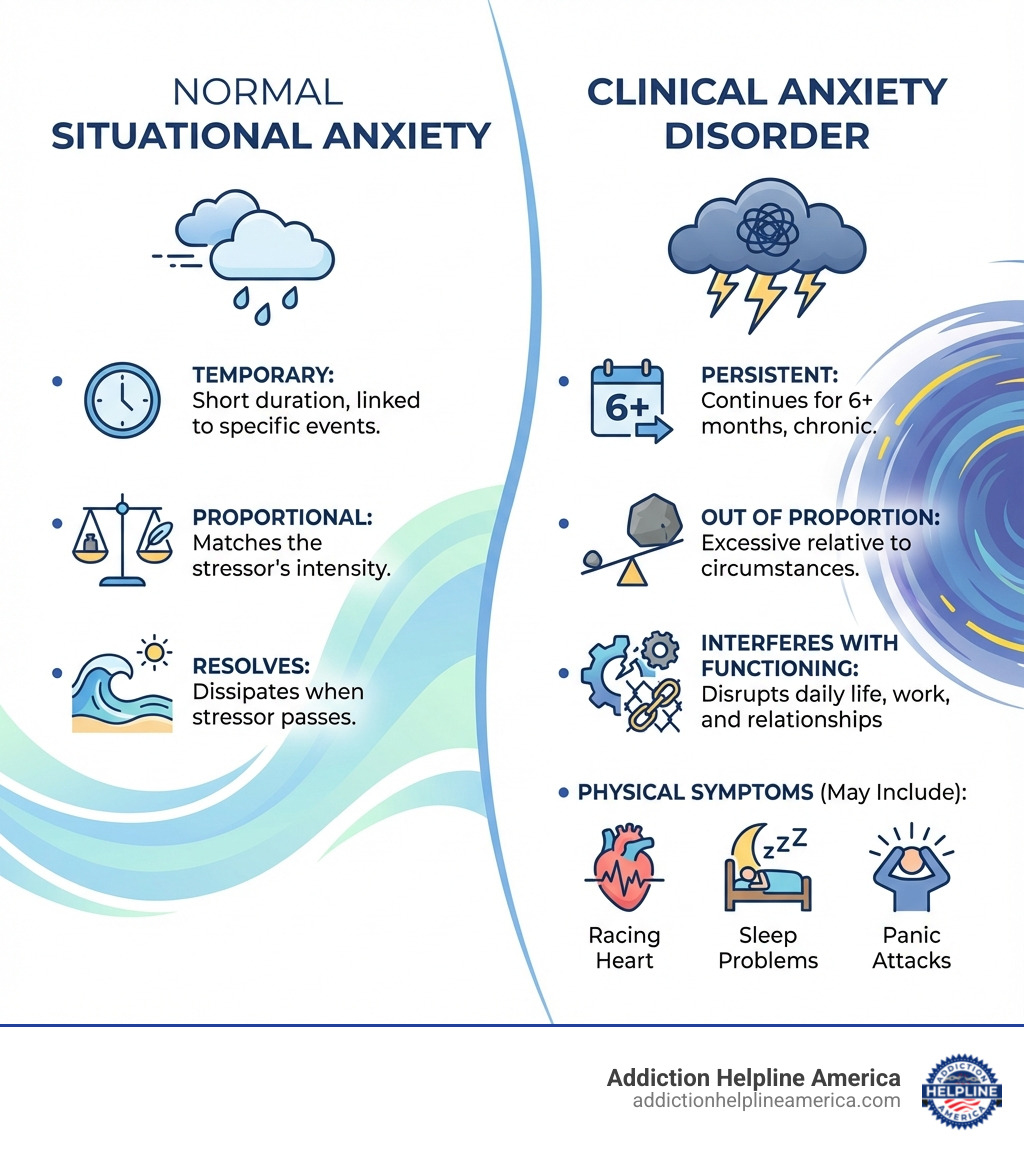
Everyone feels anxious sometimes, but when these feelings are persistent, overwhelming, and disrupt your life, it may be time to seek professional help. While finding the right treatment can feel daunting, effective options exist. Medication is often used with therapy to help people regain control. SSRIs and SNRIs are the standard for long-term care, while benzodiazepines offer rapid, short-term relief. The journey to finding what works is highly individual.
At Addiction Helpline America, we’ve helped thousands of individuals and families steer mental health treatment. Our team is available 24/7 to provide confidential support and guide you toward appropriate treatment options that fit your unique situation.
Understanding the Main Types of Medication for Anxiety
This section breaks down the primary categories of drugs prescribed for anxiety, explaining their mechanisms, uses, and what patients can expect.
First-Line Medication for Anxiety: Antidepressants (SSRIs & SNRIs)
Antidepressants, specifically Selective Serotonin Reuptake Inhibitors (SSRIs) and Serotonin-Norepinephrine Reuptake Inhibitors (SNRIs), are the first-line medication for anxiety. They are preferred for their effectiveness and more favorable side-effect profiles compared to older drugs.
How They Work:
- SSRIs (e.g., escitalopram, sertraline) increase the availability of serotonin, a neurotransmitter that helps regulate mood and anxiety. By blocking its reabsorption, more serotonin remains active in the brain.
- SNRIs (e.g., venlafaxine, duloxetine) work similarly but also target norepinephrine, another neurotransmitter involved in the body’s stress response.
Long-Term Management:
SSRIs and SNRIs are prescribed for the long-term management of conditions like Generalized Anxiety Disorder (GAD), Panic Disorder, and Social Phobia. Scientific research confirms that both are effective first-line treatments for anxiety, though SNRIs are noted to be less effective for OCD.
Time to Take Effect:
These medications do not offer immediate relief. It can take 2 to 6 weeks to notice changes, and up to 12 weeks for the full effect. Patients typically take them for 6 to 12 months and then gradually reduce the dosage under medical supervision.
Common Side Effects of SSRIs and SNRIs:
While generally well-tolerated, potential side effects include:
- Nausea
- Insomnia or drowsiness
- Sexual dysfunction
- Weight changes
- Dizziness and headaches
- Initial increase in anxiety
If side effects are severe or persistent, it’s crucial to talk to your doctor.
The Role of Benzodiazepines
For quick relief from acute anxiety, benzodiazepines like alprazolam (Xanax) and lorazepam (Ativan) are the most common anti-anxiety medications prescribed.
How They Work:
Benzodiazepines improve the effect of GABA, the brain’s natural calming agent. This slows down the central nervous system, producing feelings of relaxation and reduced anxiety, often within an hour.
Fast-Acting Relief, Short-Term Use:
These drugs are highly effective for panic attacks and severe situational anxiety. They can be useful while waiting for long-term medications like SSRIs to start working. However, they are only recommended for short-term use, typically not for more than a few weeks.
High Potential for Dependence and Addiction:
The main reason for short-term use is the high potential for physical dependence and addiction. The body can adapt to the medication quickly, leading to withdrawal symptoms if stopped abruptly. The FDA requires a boxed warning about the risks of abuse, addiction, and physical dependence.
Withdrawal Risks:
Withdrawal can be severe and even life-threatening, with symptoms like severe anxiety, shakiness, hallucinations, and seizures. For this reason, medical supervision is required to gradually taper off the medication.
Common Side Effects of Benzodiazepines:
- Drowsiness and fatigue
- Dizziness
- Impaired coordination
- Confusion and memory problems
Combining benzodiazepines with alcohol or opioids is extremely dangerous and can lead to a fatal overdose.
Other Medications Used for Anxiety
Several other drug classes can play a role in managing anxiety, often when first-line treatments are not enough.
Beta-Blockers:
- How They Work: Drugs like propranolol block the effects of adrenaline, reducing physical anxiety symptoms like a racing heart, sweating, and trembling.
- Best Use Case: They are particularly useful for performance anxiety (e.g., public speaking) as they don’t cause sedation.
Buspirone (BuSpar):
- How It Works: This non-sedating anti-anxiety medication affects serotonin and dopamine. It has a low potential for abuse but takes several weeks to work.
- Best Use Case: It is typically prescribed for generalized anxiety disorder (GAD).
Tricyclic Antidepressants (TCAs):
- How They Work: An older class of antidepressant (e.g., imipramine) that affects serotonin and norepinephrine. They are no longer a first-line treatment due to a higher rate of side effects and overdose risk.
- Best Use Case: Used for treatment-resistant anxiety or OCD.
Monoamine Oxidase Inhibitors (MAOIs):
- How They Work: An early type of antidepressant, MAOIs are rarely used today due to serious side effects and necessary dietary restrictions.
- Best Use Case: May be considered for treatment-refractory anxiety disorders when other options have failed.
Atypical Antipsychotics:
- How They Work: Medications like quetiapine may be used to augment antidepressants for anxiety that hasn’t responded to other treatments.
- Best Use Case: Used as a second-line strategy for treatment-resistant GAD or OCD. They require careful monitoring due to significant side effects like weight gain and metabolic changes.
Here’s a comparison of some of these medications:
| Medication Class | Mechanism of Action | Best Use Case | Key Side Effects |
|---|---|---|---|
| Beta-Blockers | Block adrenaline effects | Situational/Performance Anxiety | Fatigue, dizziness, cold extremities |
| Buspirone | Affects serotonin/dopamine | Generalized Anxiety Disorder | Dizziness, nausea, headache |
| TCAs | Increase serotonin/norepinephrine | Treatment-resistant anxiety/OCD | Dry mouth, constipation, sedation, cardiovascular effects |
The Treatment Journey: Making Informed Decisions
Navigating the process of using medication for anxiety requires a partnership with your doctor, from the initial discussion to deciding when and how to stop.
When to Consider Medication
Deciding to explore medication is a proactive step toward managing a health condition. You might consider it if:
- Symptoms are persistent and severe: Your anxiety doesn’t go away and is out of proportion to the situation.
- Daily functioning is impaired: Anxiety interferes with your work, school, or relationships.
- Therapy alone isn’t enough: Medication can provide relief that makes therapy more effective.
- You have co-occurring conditions: Antidepressants can often treat both anxiety and depression.
- A professional confirms a diagnosis: A doctor compares your symptoms to the criteria in the American Psychiatric Association’s DSM-5.

The goal is to improve your quality of life. If anxiety is preventing you from living fully, discussing medication with a doctor is a wise step.
What to Discuss with Your Doctor About Medication for Anxiety
An open conversation with your doctor is key to creating a safe and effective treatment plan. Be prepared to discuss:
- Benefits vs. Risks: Ask about the potential benefits for your symptoms and all possible side effects.
- Alternatives: Discuss non-medication options like psychotherapy (CBT) or lifestyle changes.
- Medical History: Be transparent about all health conditions and allergies.
- Other Medications and Substances: Inform your doctor about all prescription and over-the-counter drugs, supplements (like St. John’s wort), and your alcohol consumption. Combining alcohol with anxiety medication can be dangerous.
- Treatment Duration: Ask about the expected length of treatment.
- Cost and Insurance: Discuss the cost and check for generic alternatives or assistance programs if needed.
You are your own best advocate. For more on preparing for these discussions, explore our guide on mental health assessment.
Duration of Treatment and Stopping Medication
Understanding how long you’ll need medication and how to stop safely is a critical part of your treatment plan.
Typical Prescription Length:
- Antidepressants (SSRIs/SNRIs): Treatment typically lasts for at least 6 to 12 months after symptoms improve to prevent relapse. For some, long-term treatment may be necessary.
- Benzodiazepines: These are prescribed for very short periods—often 2 to 4 weeks—or for occasional use to avoid dependence.
Tapering Off and Discontinuation Syndrome:
Never stop any medication for anxiety abruptly. Doing so can cause uncomfortable or dangerous withdrawal symptoms.
- Antidepressants: Stopping suddenly can cause “discontinuation syndrome,” with symptoms like dizziness, nausea, and anxiety. Your doctor will help you gradually reduce the dose (“taper”) over weeks or months.
- Benzodiazepines: Abruptly stopping can lead to severe withdrawal, including seizures. A slow, medically supervised taper is essential.
Your doctor will guide you through the tapering process, monitoring your symptoms and ensuring you have a long-term management plan that may include ongoing therapy or lifestyle strategies.
Beyond the Pill: Holistic Approaches to Managing Anxiety
While medication for anxiety can be a powerful tool, it’s often most effective when integrated into a broader, holistic approach. For some, these alternatives can be sufficient on their own.
The Power of Therapy
Therapy is a cornerstone of anxiety treatment, offering strategies to understand and manage anxiety by changing unhelpful thought patterns.
- Cognitive Behavioral Therapy (CBT): As one of the most effective therapies for anxiety, CBT teaches you to identify and challenge negative thoughts and behaviors. Research shows that CBT is an effective treatment for various anxiety disorders.
- Exposure Therapy: A type of CBT, this involves gradually confronting feared situations in a safe environment to reduce avoidance.
- Psychotherapy: Other forms of talk therapy can help explore underlying emotional conflicts or relationship issues contributing to anxiety.
Finding a qualified therapist who is a good fit for you is essential.
Lifestyle Changes and Self-Care Strategies
Healthy lifestyle choices can significantly improve the effectiveness of medication and therapy.
- Exercise: Regular physical activity releases endorphins and reduces stress hormones.
- Mindfulness and Meditation: These practices help break the cycle of anxious thoughts by focusing on the present moment.
- Balanced Diet: A diet rich in whole foods supports overall brain health.
- Sleep Hygiene: Prioritizing consistent, quality sleep is crucial, as anxiety and sleep problems are often linked.
- Reducing Caffeine and Alcohol: Both can trigger or worsen anxiety symptoms.
- Social Support: Connecting with friends, family, or support groups reduces feelings of isolation.
- Spending Time with Pets: Evidence suggests that pets can provide companionship and reduce stress.
Here are some simple relaxation techniques:
- Deep Breathing: Inhale slowly through your nose and exhale slowly through your mouth to calm your nervous system.
- Progressive Muscle Relaxation: Tense and then relax different muscle groups to release physical tension.
- Guided Imagery: Use mental images of a peaceful place to distract from anxious thoughts.
Special Considerations for Specific Populations
Treatment approaches for medication for anxiety must be carefully customized for certain groups.
Children and Adolescents:
- FDA Black Box Warning: The FDA requires a warning on all antidepressants about an increased risk of suicidal thoughts and behaviors in people under 25. According to the FDA, this risk requires careful monitoring. Psychotherapy (CBT) is often the first-line treatment.
- Benzodiazepines: These are generally not recommended for children and teens.
Older Adults:
Older adults may need lower doses and are at higher risk for side effects and drug interactions. Benzodiazepines, in particular, increase the risk of falls and confusion and are often discouraged for long-term use.
Pregnant or Breastfeeding Individuals:
This requires a careful risk-benefit discussion with a doctor. Untreated anxiety poses risks to both parent and baby, as do some medications. A shared decision with your healthcare team is crucial to find the safest option.
Drug Metabolism Differences:
Genetics, age, and health conditions affect how a person responds to medication, highlighting the need for personalized care and close monitoring.
Frequently Asked Questions about Anxiety Medication
How long does it take for anxiety medication to work?
The time it takes for medication for anxiety to work depends on the type:
- SSRIs and SNRIs: These antidepressants may take 2 to 6 weeks to show noticeable effects, with the full benefit appearing at up to 12 weeks. Consistency is key.
- Benzodiazepines: These are fast-acting, providing relief within 30 to 60 minutes. This makes them useful for acute panic but not for long-term management.
Can I drink alcohol while taking medication for anxiety?
It is strongly advised to avoid or significantly limit alcohol while taking medication for anxiety.
- Increased Sedation: Alcohol is a depressant and can dangerously amplify the sedative effects of medications like benzodiazepines, leading to extreme drowsiness, impaired coordination, and even overdose.
- Worsened Anxiety: Alcohol can cause rebound anxiety as it wears off, undermining the medication’s benefits.
- Reduced Effectiveness: Alcohol can interfere with how your body processes the medication, making it less effective. Always discuss alcohol use with your doctor.
Are anxiety medications addictive?
The potential for addiction varies by medication type:
- Benzodiazepines: Yes, these carry a high risk of physical dependence and addiction. The body adapts to them, leading to severe withdrawal if stopped suddenly. This is why they are only for short-term use.
- Antidepressants (SSRIs/SNRIs, etc.): These are not considered addictive. They don’t cause cravings or compulsive use. However, stopping them abruptly can cause a temporary “discontinuation syndrome” with withdrawal-like symptoms (e.g., dizziness, nausea). This can be minimized by gradually tapering the dose under a doctor’s supervision.
Understanding the difference between physical dependence and addiction is crucial for using any medication for anxiety safely.
Conclusion
Navigating medication for anxiety can feel complex, but understanding your options is the first step toward finding relief. From first-line antidepressants like SSRIs and SNRIs, which work for long-term management, to fast-acting but short-term benzodiazepines, and other specialized medications, there are many avenues to explore.
We’ve learned that medication is often most effective when combined with therapeutic approaches like CBT and supported by healthy lifestyle choices. Making an informed choice, in partnership with your doctor, is about finding a personalized treatment plan that addresses your unique needs and helps you regain control over your life.
At Addiction Helpline America, we are dedicated to connecting individuals nationwide to the resources they need. If you or a loved one are struggling with anxiety and considering medication, or if you need support in finding the right blend of treatments, we are here to help. Hope for recovery is real, and effective treatment is within reach.
Find personalized anxiety treatment options