
Why Alcohol Detox is the Essential First Step to Recovery
24/7 Alcohol Detox & Treatment Helpline
Call Addiction Helpline America now: (844) 561-0606 – confidential, no-obligation help connecting you to medically supervised alcohol detox and rehab programs nationwide.
Alcohol detox is the process your body goes through when you stop drinking after developing a physical dependence on alcohol. For many people seeking help for alcohol addiction, understanding what happens during detox can be both scary and confusing.
Here’s what you need to know about alcohol detox:
- What it is: The body’s process of eliminating alcohol and adjusting to its absence
- When it starts: Withdrawal symptoms can begin 6–24 hours after your last drink [1]
- How long it lasts: Most physical symptoms subside within 3–7 days, though some can persist longer [2]
- Why it’s dangerous: Alcohol withdrawal can be life-threatening without medical supervision, with risks including seizures and delirium tremens [2]
- What helps: Medically supervised detox provides 24/7 monitoring, medication, and professional support
- What comes next: Detox is only the beginning—continued treatment is essential for lasting recovery
More than 80% of people with alcohol use disorder experience withdrawal symptoms when they stop drinking, and a significant minority will develop severe withdrawal that can be life-threatening without treatment [2]. That’s why attempting to quit “cold turkey” at home can be extremely dangerous.
The good news? Medical detox makes withdrawal safer and more comfortable. With proper supervision, medications like benzodiazepines can prevent seizures and ease symptoms [2]. Healthcare professionals monitor your vital signs around the clock and provide immediate intervention if complications arise.
At Addiction Helpline America, we’ve helped thousands of individuals and families steer the critical first step of alcohol detox by connecting them with appropriate medical care and support services. Our free, confidential service ensures you don’t have to face this challenging journey alone.
Real Recovery Story – “I Finally Made It Through Detox Safely”
“After 20 years of drinking, I tried to quit on my own and ended up in the ER with seizures. The second time, I called Addiction Helpline America. They got me into a medical detox the same day. Nurses checked on me every hour, and the medication kept the worst of the symptoms under control. I’m 14 months sober now and still in touch with the counselor they connected me with.” – Mark R., Cincinnati, OH
Why people trust Addiction Helpline America for alcohol detox referrals:
- 24/7 live helpline staffed by addiction specialists
- Referrals to Joint Commission–accredited and state-licensed detox and rehab centers
- Options for inpatient, outpatient, and alcohol rehab near you
- Personalized guidance based on your health history, insurance, and location
To explore treatment paths after detox, you can also review:
Alcohol detox vocab to learn:
Understanding Alcohol Detox: The Crucial First Step
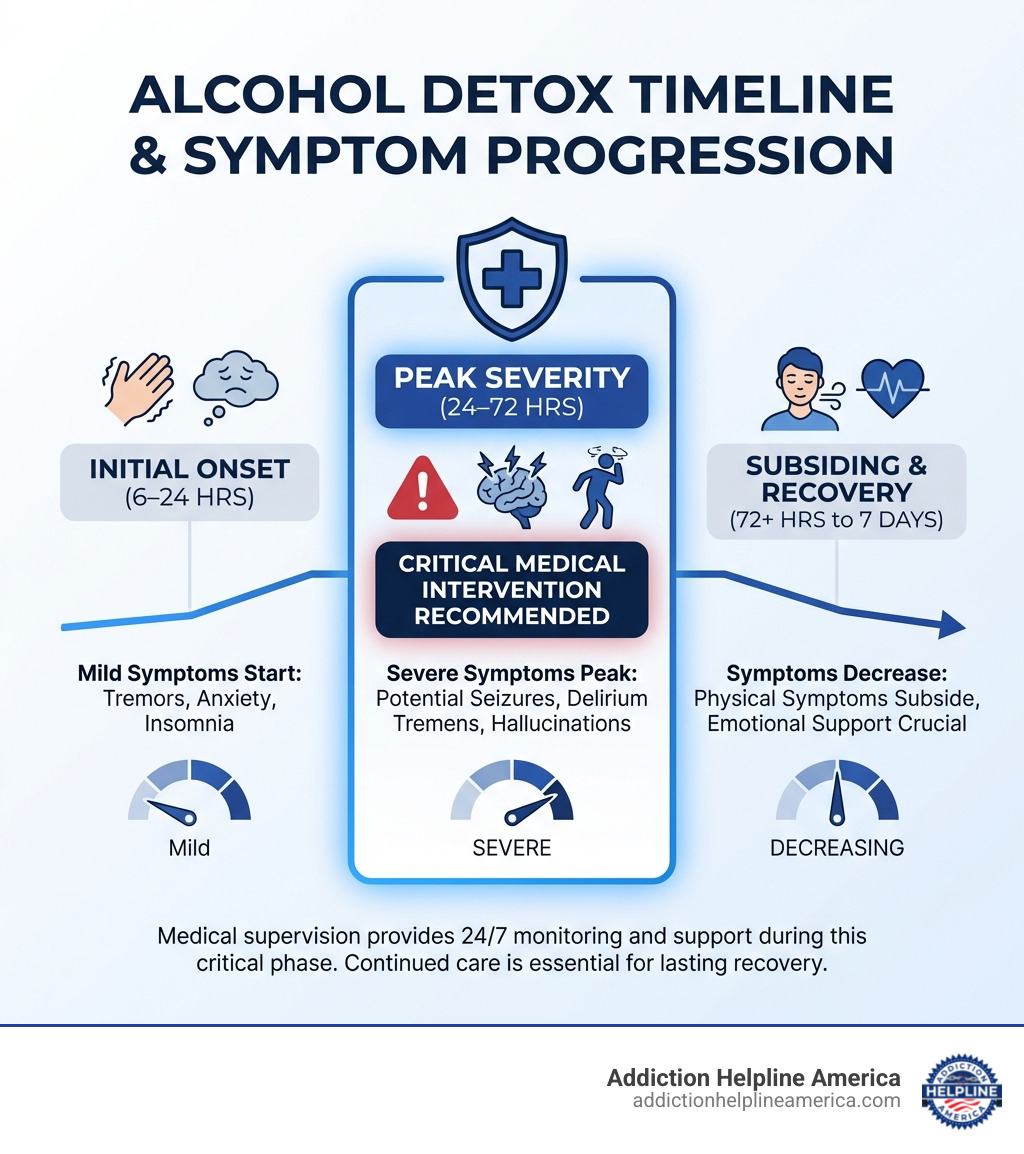
When we talk about alcohol detox, we’re referring to the critical initial phase of recovery where the body clears itself of alcohol. This process is far more than just “drying out”; it’s a profound physiological adjustment that occurs when someone who is physically dependent on alcohol suddenly stops or significantly reduces their intake.
Physical dependence develops because alcohol is a central nervous system (CNS) depressant. Over time, with consistent heavy drinking, the brain adapts to the constant presence of alcohol by altering its neurochemistry. Specifically, it tries to balance alcohol’s depressant effects by increasing the activity of excitatory neurotransmitters (like glutamate) and decreasing the activity of inhibitory neurotransmitters (like GABA) [2]. It’s like your brain is constantly pushing the accelerator and the brake at the same time.
When alcohol is suddenly removed, the brake is lifted, but the accelerator is still pressed down. This leads to a state of CNS overexcitement, causing the uncomfortable and potentially dangerous symptoms of alcohol withdrawal syndrome (AWS) [2]. This overexcitement is why alcohol detox is not only necessary but also why it must be approached with extreme caution and, ideally, medical supervision. The brain’s response to alcohol cessation can be unpredictable and, in severe cases, life-threatening, making a transition to alcohol rehab options after detox crucial.
The Alcohol Withdrawal Timeline: What to Expect Hour by Hour
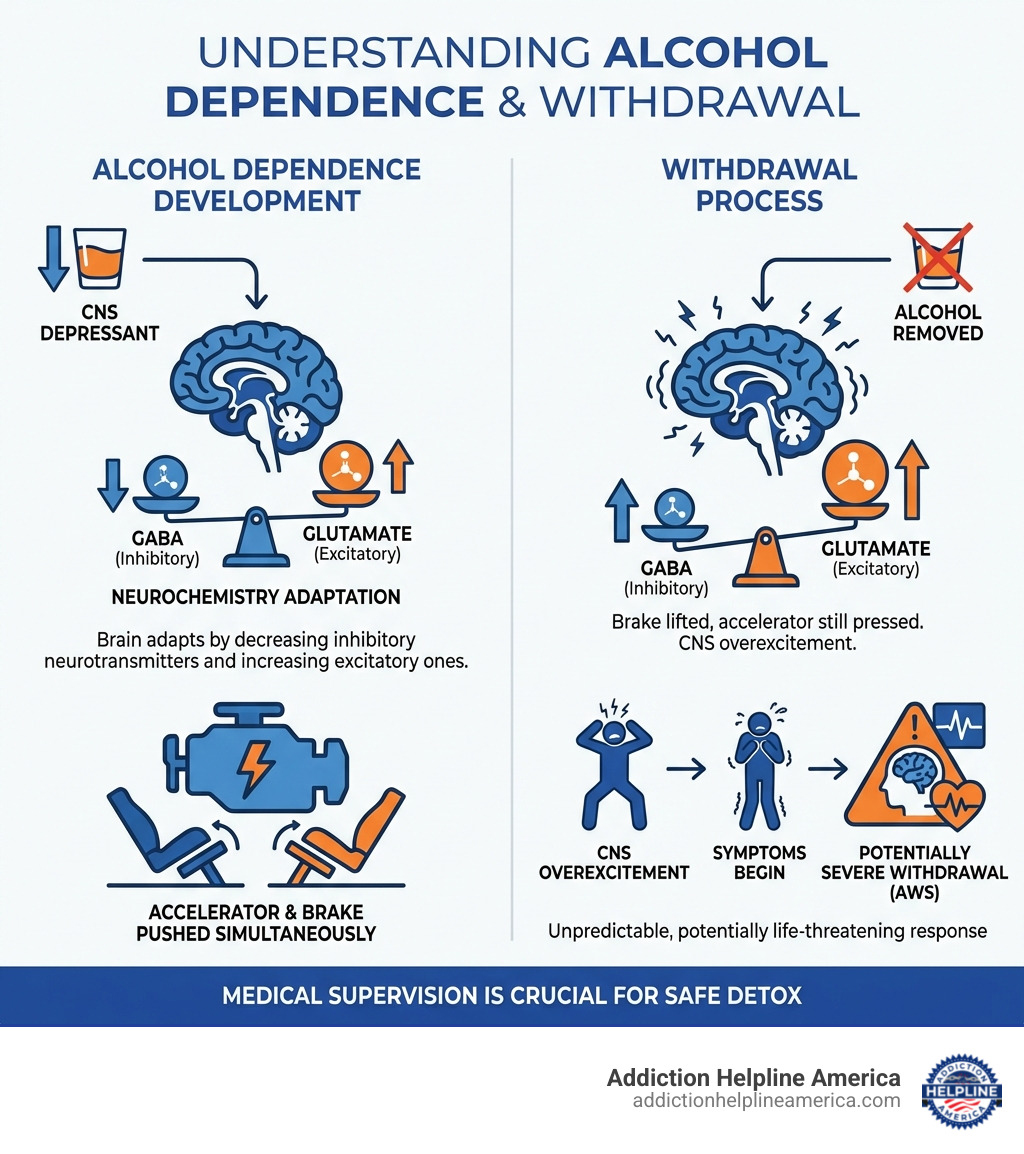
Understanding the alcohol detox timeline can help alleviate fear and uncertainty surrounding the process. While individual experiences vary based on factors like drinking history, age, and overall health, a general progression of symptoms can be expected.
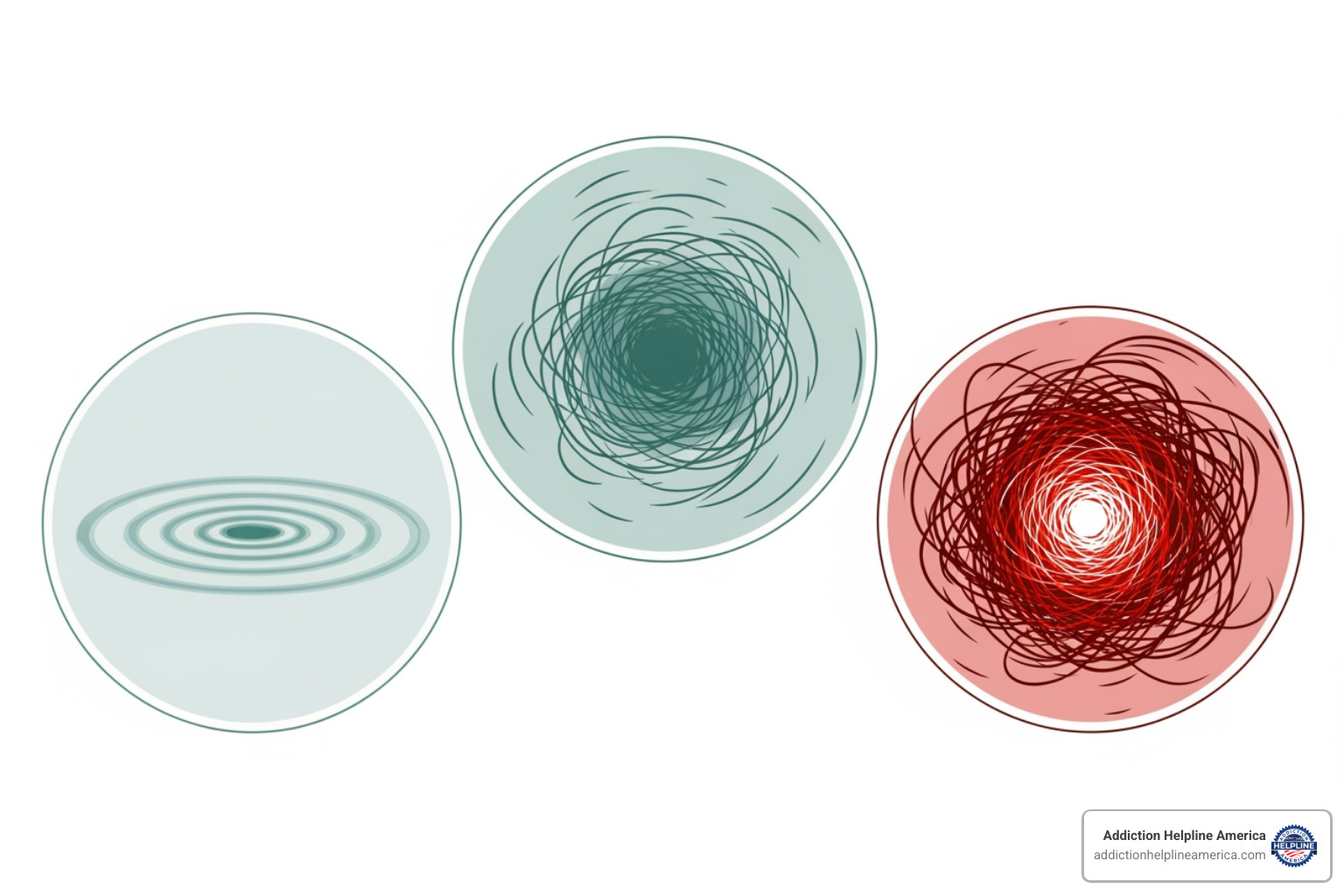
According to clinical guidelines from the National Institutes of Health, the typical course of alcohol withdrawal is as follows [2]:
- Stage 1 (6–12 hours): Mild symptoms emerge including headaches, anxiety, insomnia, tremors, and stomach upset.
- Stage 2 (12–48 hours): Symptoms intensify with increased blood pressure, pronounced tremors, sweating, nausea, and confusion. Hallucinations may occur within 24 hours. Seizure risk peaks around 24–48 hours after the last drink.
- Stage 3 (48–72+ hours): Peak severity period. Delirium Tremens (DTs) may appear, featuring profound disorientation, extreme agitation, high fever, and severe hallucinations. DTs are life-threatening and require immediate medical attention [3].
For most people with mild to moderate withdrawal, symptoms typically peak and begin resolving between 24 to 72 hours. However, some psychological symptoms can linger for weeks or months [8]. You can find a more scientific overview of Alcohol Withdrawal Syndrome for deeper understanding.
The Common Symptoms of Alcohol Withdrawal
The symptoms of alcohol detox range from uncomfortable to severely dangerous and are grouped by severity [2]:
- Mild Symptoms (6–12 hours): Headache, anxiety, insomnia, tremors, gastrointestinal disturbances, heart palpitations, sweating
- Moderate Symptoms (12–48 hours): All mild symptoms intensified, plus increased blood pressure/heart rate, confusion, mild hyperthermia, rapid breathing, hallucinations
- Severe Symptoms (48–72+ hours): All moderate symptoms potentially life-threatening, plus profound disorientation, impaired attention, severe agitation, seizures, Delirium Tremens [3]
When to seek emergency help: If experiencing seizures, severe hallucinations, profound confusion, high fever, or rapid heartbeat, call 911 immediately. These are signs of a medical emergency.
For mild or moderate symptoms before entering detox, call (844) 561-0606 for help getting into medical alcohol detox near you or visit:
How Long Does an Alcohol Detox Take?
The duration of alcohol detox varies significantly. While acute physical withdrawal symptoms typically resolve within 3 to 7 days, this timeframe can vary [2]. Some individuals experience prolonged withdrawal symptoms lasting weeks or months, known as Post-Acute Withdrawal Syndrome (PAWS) [8].
Key factors influencing detox duration include [2]:
- Amount and Frequency of Alcohol Use: Heavy, prolonged drinking leads to more severe and longer-lasting withdrawal
- Age and Physical Health: Older individuals or those with pre-existing conditions may experience more complicated detox
- Co-occurring Mental Health Conditions: Anxiety, depression, or other disorders can exacerbate withdrawal symptoms
- Previous Detox Experiences: “Kindling” effect means subsequent withdrawals may be more severe
Patient Perspective – What the First Week Really Feels Like
“Day one I was shaky and sweaty but thought I could tough it out. By the second night my heart was racing and I was seeing shadows moving. The detox nurse explained this was my nervous system rebalancing after years of drinking. They adjusted my meds, checked my blood pressure every few hours, and stayed with me until the hallucinations passed. By day five I could finally sleep and think clearly again.” – Anonymous, Denver, CO
Because of these risks, thorough medical assessment is crucial to determine the safest detox plan. Our team can help you find alcohol detox and rehab programs in major cities across the U.S.
You can also explore:
The Dangers of Detoxing Alone vs. The Safety of Medical Alcohol Detox
Attempting alcohol detox alone carries significant and potentially life-threatening risks. While it might seem like a quick solution, alcohol withdrawal symptoms can escalate rapidly from mild discomfort to severe medical emergencies.
The primary dangers of detoxing alone include:
- Life-threatening Complications: Unmanaged withdrawal can lead to severe dehydration, electrolyte imbalances, and dangerous fluctuations in blood pressure and heart rate [2].
- Unmanaged Seizures: Seizure risk is highest within the first 48 hours. Without medical intervention, seizures can lead to injury, brain damage, or death [2].
- Delirium Tremens (DTs) Risks: While uncommon, DTs are the most severe form of alcohol withdrawal. With treatment, mortality rates have dropped significantly, but DTs can still be fatal without prompt medical care [3].
Risk factors for severe withdrawal include: heavy daily alcohol use, age over 65, history of DTs or withdrawal seizures, coexisting medical conditions, dehydration, electrolyte imbalances, brain lesions, and abnormal liver function [2].
| Feature | At-Home Detox (Unsupervised) | Medically Supervised Detox |
|---|---|---|
| Safety | High risk of severe, life-threatening complications | Significantly safer; medical staff manage risks |
| Symptom Management | No professional intervention | Medications prescribed to alleviate symptoms |
| Monitoring | None | 24/7 monitoring of vital signs |
| Complications | High risk of seizures, DTs, severe dehydration | Minimized risk; immediate response to issues |
| Comfort | Extremely uncomfortable | Increased comfort due to medication and care |
| Long-Term Recovery | High relapse rate | Better foundation for sustained sobriety |
Testimonial – Why I Didn’t Try Detoxing at Home Again
“The first time I tried to quit on my own. I thought it was just a bad flu until I woke up on the floor not knowing what day it was. The hospital doctor told me I’d had a withdrawal seizure. When I was ready to try again, my sister called Addiction Helpline America. They found a medical detox in our city that took my insurance and could admit me that night. Having doctors and nurses there 24/7 made all the difference.” – Jasmine L., Atlanta, GA
The Benefits of a Supervised Medical Alcohol Detox
Choosing medically supervised alcohol detox is the safest and most effective way to steer withdrawal. The benefits are numerous:
- 24/7 Medical Monitoring: Healthcare professionals continuously monitor vital signs, hydration levels, and overall state, ensuring immediate intervention for any complications.
- Professional Symptom Management: Medical staff use standardized tools like the Clinical Institute Withdrawal Assessment (CIWA-Ar) protocol to tailor interventions [2].
- Medication Administration: Strategic use of medications dramatically reduces withdrawal intensity and prevents dangerous complications.
- Safe Environment: Structured facility free from temptations and stressors.
- Nutritional Support: Proper hydration and essential nutrients, including Thiamine (vitamin B1) to prevent serious neurological conditions [4].
- Emotional Support: Access to mental health professionals for counseling during this sensitive time.
Many centers we work with are Joint Commission–accredited, state-licensed, and staffed by board-certified physicians, registered nurses, and licensed therapists. When you call our helpline, ask about:
- Medical alcohol detox in major cities near you
- Transitioning from detox into inpatient rehab or intensive outpatient programs
- Facilities experienced with co-occurring mental health conditions
To learn more about medication support, explore:
If you’re unsure where to start, call (844) 561-0606 any time. Our helpline is available 24/7 to help you compare alcohol detox and rehab options across the U.S.
Medications and Therapies Used in Alcohol Detox
Medication plays a pivotal role in ensuring a safe and comfortable alcohol detox. These pharmacological interventions are designed to manage withdrawal symptoms, prevent severe complications, and support the brain’s rebalancing process.
The primary medications used during alcohol detox are:
- Benzodiazepines: These are the most common and effective medications for acute alcohol withdrawal. Drugs like Diazepam (Valium), Chlordiazepoxide (Librium), and Lorazepam (Ativan) work by mimicking alcohol’s effect on GABA receptors in the brain, calming the overactive central nervous system. They help reduce anxiety, prevent seizures, and alleviate other withdrawal symptoms [2].
- Anti-craving Medications: While often introduced after the acute detox phase, some medications can be part of a broader Medication-Assisted Treatment (MAT) plan.
- Naltrexone: This medication works by blocking the opioid receptors in the brain that are involved in the “reward” pathway associated with alcohol. It can reduce cravings and the pleasurable effects of alcohol, making it less appealing [5]. It is typically started after the acute detox phase is complete to help maintain abstinence.
- Acamprosate: This medication helps to restore the balance of neurotransmitters in the brain that have been disrupted by chronic alcohol use, particularly glutamate and GABA. It can reduce cravings and help the brain function normally again after quitting drinking, potentially alleviating symptoms of Post-Acute Withdrawal Syndrome (PAWS) [6].
- Disulfiram: This medication, if taken, causes an unpleasant physical reaction (nausea, vomiting, headache, chest pain) when alcohol is consumed. It acts as a deterrent, rather than reducing cravings [1].
- Supportive Care Medications: Other medications may be used to address specific symptoms, such as anticonvulsants for seizure prevention (especially if benzodiazepines are contraindicated), antipsychotics for severe hallucinations or agitation, beta-blockers for rapid heart rate, and alpha-adrenergic agonists for blood pressure control [2].
- Nutritional Supplements: Due to chronic alcohol use, many individuals are deficient in essential vitamins and minerals. Thiamine (vitamin B1) supplementation is particularly crucial to prevent Wernicke-Korsakoff syndrome, a serious neurological disorder. Magnesium, folate, and other electrolyte levels are also closely monitored and repleted as needed [4].
These medications, administered under strict medical supervision, are vital tools in ensuring a safe and manageable detox experience.
Clinical Oversight You Can Trust
Many of the programs in our network are overseen by physicians who are board-certified in addiction medicine or psychiatry, with nursing staff experienced in managing complex withdrawals. When you call our helpline, you can ask about:
– On-site medical coverage (24/7 vs. daytime only)
– Credentialing (MD/DO, NP, PA, RN, LCSW, LPC)
– Whether they follow evidence-based guidelines from ASAM (American Society of Addiction Medicine)
You can find more details on how medication supports long-term recovery and next-step treatment options here:
For help locating alcohol detox and rehab programs in your city, call our 24/7 helpline at (844) 561-0606.
Life After Detox: Building Your Path to Recovery
Alcohol detox is just the first step—vital, but not a cure for alcohol use disorder. Detox addresses physical dependence, safely clearing alcohol from your system and managing acute withdrawal symptoms. However, it doesn’t address the underlying psychological, emotional, and behavioral factors that contributed to addiction.
The importance of continued treatment after detox cannot be overstated. Without ongoing support, relapse risk remains very high [1]. Many individuals experience Post-Acute Withdrawal Syndrome (PAWS), where milder psychological symptoms like mood swings and sleep issues can persist for weeks or months, making sustained sobriety challenging without support [8].
Success Story – From Detox to Stable Recovery
“I went into detox three times before I understood that detox alone wasn’t treatment. The last time, the case manager helped me step straight into a 30-day inpatient program and then an intensive outpatient group near my home. Addiction Helpline America coordinated everything with my insurance. I’m now two years sober, working again, and rebuilding my relationship with my kids.” – Paul M., Dallas, TX
Next Steps in Your Recovery Journey
After completing alcohol detox, the next phase focuses on building skills, coping mechanisms, and support systems for long-term sobriety:
- Inpatient Rehabilitation: For those with severe alcohol use disorder, structured inpatient programs provide 24/7 care, intensive therapy, and support away from triggers. Explore: Alcohol Rehab Options.
- Outpatient Programs: PHPs or IOPs offer flexibility, allowing you to live at home while attending therapy sessions multiple days a week.
- Behavioral Therapies: Cognitive Behavioral Therapy (CBT) helps identify and change unhelpful thought patterns and behaviors, teaching coping strategies for triggers and cravings [7].
- Peer Support Groups: Alcoholics Anonymous (AA) and SMART Recovery offer structured programs and supportive communities.
- Relapse Prevention Planning: Developing a comprehensive plan involves identifying triggers, establishing healthy coping mechanisms, and building a strong support network [1].
Our team can help coordinate the transition from alcohol detox to rehab by:
- Checking availability at trusted programs near you
- Verifying insurance benefits
- Prioritizing licensed and accredited centers
Call (844) 561-0606 to speak with a specialist about alcohol rehab near you or visit:
Tips for a Successful Long-Term Recovery
Sustaining sobriety after alcohol detox requires ongoing commitment. As outlined by the National Institute on Alcohol Abuse and Alcoholism, key strategies include [1]:
- Build a Strong Support System: Surround yourself with positive people who encourage your recovery.
- Maintain Physical Health: Regular exercise and balanced diet boost mood, reduce stress, and help your body heal.
- Develop Stress Management: Learn healthy coping methods like mindfulness, meditation, or yoga.
- Find Sober Activities: Explore new hobbies that provide purpose and enjoyment without alcohol.
Recovery is a continuous journey. With the right tools, support, and mindset, long-term sobriety is achievable. Our helpline is here 24/7 to help you find alcohol detox and rehab programs in your area.
Conclusion: Your Journey to a Healthier Future Starts Now
Alcohol detox is a courageous and essential first step on the path to recovery. We’ve explored why it’s so important, what to expect during the withdrawal timeline, the critical dangers of attempting it alone, and the profound benefits of a medically supervised approach. From managing symptoms with medication to laying the groundwork for long-term sobriety, medical detox provides the safety and support you need.
You don’t have to face this journey alone. At Addiction Helpline America, we are dedicated to providing free, confidential guidance to help you find the right recovery program. Our vast network of addiction and mental health treatment centers includes state-licensed, often Joint Commission–accredited facilities across major U.S. cities, ensuring personalized support and local options that fit your unique needs.
Why thousands of families trust our helpline:
- 24/7 availability – speak with a live addiction specialist any time
- Referrals to medically supervised alcohol detox and rehab programs near you
- Guidance on insurance verification and payment options
- Focus on evidence-based care and reputable treatment providers
Your healthier, alcohol-free future is within reach. Take that crucial first step today.
Call our confidential helpline now: (844) 561-0606
Or start exploring your options here:
If you are searching for alcohol detox or drug rehab in your city, our specialists can help you compare trusted programs in top metro areas across the U.S. and guide you toward the support you deserve.