
Finding Your Path to Healing: Understanding Inpatient Trauma Therapy
If you’re searching for inpatient trauma therapy, you’re likely looking for a focused, safe place to heal from deep emotional wounds. This intensive level of care offers comprehensive support for those struggling with the overwhelming effects of trauma.
- What it is: A structured, live-in program offering 24/7 medical and clinical care.
- What it provides: An immersive environment for intensive healing, removed from daily stressors and triggers.
- Who it’s for: Individuals with severe trauma symptoms, co-occurring disorders, or those who need a highly supportive environment.
Experiencing negative thoughts after a frightening or traumatic event can deeply impact your life. You are not alone. It’s normal to feel like you might never get your normal life back. Trauma occurs when an event threatens your physical or psychological safety. This can happen once or many times. If left unaddressed, trauma-related conditions like PTSD can make you feel “stuck,” hindering your quality of life.
Intensive healing, like that offered in inpatient settings, provides a chance to process these experiences. It helps you regain peace of mind and build a healthier future.
Addiction Helpline America is dedicated to guiding individuals and families through recovery. We provide compassionate support and connect you with vital resources, including options for inpatient trauma therapy, to help you reclaim your life.
Inpatient trauma therapy terms at a glance:
- mental health facilities near me
- inpatient treatment for depression and anxiety near me
- Long term inpatient
What is Inpatient Trauma Therapy and Who is it For?
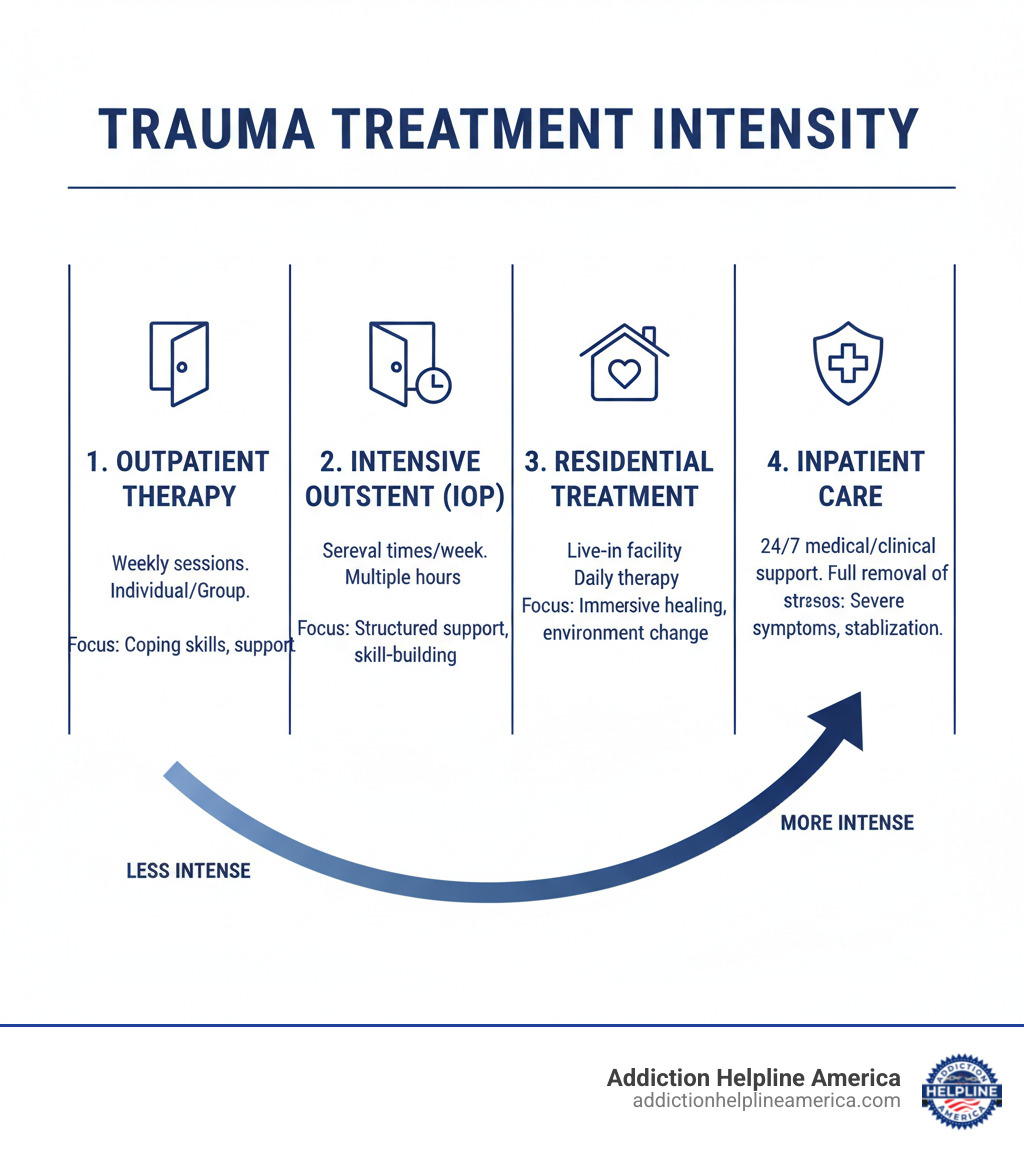
Inpatient trauma therapy is a specialized form of mental health treatment where individuals live at a treatment facility to receive intensive, structured care for trauma and related conditions like Post-Traumatic Stress Disorder (PTSD). It provides an immersive healing environment with 24/7 medical and clinical support, allowing you to step away from daily stressors and triggers to focus entirely on recovery.
Unlike outpatient therapy, where you attend sessions while living at home, inpatient trauma therapy offers a completely immersive experience. This constant access to experts in a serene environment is critical for many people needing initial stabilization and deep therapeutic work. While inpatient care is a powerful start, studies show that a continuum of care, including follow-up outpatient support, is vital for sustained, long-term recovery from PTSD, depression, and anxiety.
Here’s a quick comparison to illustrate the differences:
| Feature | Inpatient Trauma Therapy | Outpatient Trauma Therapy |
|---|---|---|
| Intensity | High; daily, structured, multi-modal | Moderate to low; weekly or bi-weekly sessions |
| Environment | Live-in facility; 24/7 supervised, removed from triggers | Home-based; daily life stressors remain |
| Support | Constant access to medical/clinical team, peer support | Scheduled appointments, self-management between sessions |
| Ideal Candidate | Severe symptoms, co-occurring disorders, safety concerns, failed outpatient, complex trauma | Mild to moderate symptoms, stable living situation, strong support system |
Who is a Good Candidate for Inpatient Trauma Therapy?
Inpatient trauma therapy is designed for individuals who need a high level of support. This intensive approach is often best for those with:
- Severe PTSD Symptoms: Overwhelming symptoms that significantly impair daily functioning and cause severe distress.
- Co-occurring Disorders: Co-existing conditions like substance use disorder, severe depression, or anxiety. Integrated inpatient programs can address all issues simultaneously.
- Risk to Self or Others: A need for a safe, supervised environment to manage risks of self-harm.
- Unsafe Home Environment: A home life that is a source of ongoing stress or triggers, making healing difficult.
- Previous Outpatient Treatment Failure: A history of trying outpatient therapy without significant improvement.
- Complex Trauma (C-PTSD): Trauma from multiple or prolonged events, often leading to deep-seated difficulties with emotional regulation and relationships that require comprehensive support.

Our network includes facilities across the country, from California to Florida, offering diverse programs to meet these needs. We can connect you with treatment centers that specialize in trauma and PTSD.
Specialized Programs for Unique Needs
Trauma affects everyone differently. Recognizing this, many inpatient trauma therapy programs offer specialized tracks. Through Addiction Helpline America, we can help you find programs that understand these nuances, including:
- First Responders, Military Personnel, and Veterans: Programs that understand the culture and unique challenges of operational stress, offering custom therapy and peer support.
- Women-Only Programs: A safe environment for women, often focusing on healing from experiences like childhood abuse or sexual assault.
- Programs for Specific Types of Trauma: Specialized interventions for trauma stemming from domestic violence, accidents, or natural disasters.
- Custom Services for Diverse Populations: Culturally sensitive care for 2SLGBTQIA+ individuals, BIPOC communities, and others, ensuring therapy is delivered with an understanding of their unique histories.
These specialized programs are designed with trauma-informed care environments that promote physical and emotional safety, which is foundational to healing.
What to Expect from an Inpatient Trauma Therapy Program
Choosing an inpatient program means stepping into a space entirely dedicated to your recovery. Knowing what to expect can help ease any concerns.
Your journey begins with a comprehensive assessment of your physical, mental, and emotional health. This allows the care team to create a truly individualized treatment plan for you. You’ll be supported by an interdisciplinary team of professionals working together for your well-being. This team often includes psychiatrists, psychologists, trauma therapists, nurses, and social workers who provide a holistic approach to recovery, addressing your mind, body, and spirit.

Core Components of Inpatient Trauma Therapy
At the heart of treatment are evidence-based therapies designed to help you process trauma and build healthy coping skills. Common methods include:
- Cognitive Processing Therapy (CPT): Guides you to challenge unhelpful beliefs related to your trauma.
- Prolonged Exposure (PE): Involves gradually and safely facing trauma-related memories and situations to reduce their emotional power.
- Eye Movement Desensitization and Reprocessing (EMDR): Uses bilateral stimulation (like guided eye movements) to help the brain reprocess traumatic memories and reduce their intensity.
- Dialectical Behavior Therapy (DBT): Teaches practical skills in mindfulness, distress tolerance, and emotional regulation.
- Group Therapy: Provides a supportive community to share experiences, practice new skills, and feel less alone.
- Holistic Therapies: Many programs include yoga, art therapy, mindfulness, and recreational activities to connect mind and body, promote relaxation, and offer new ways to heal.
For accessible overviews of these evidence-based treatments, see the VA’s National Center for PTSD Treatment Basics, NIMH’s page on Post-Traumatic Stress Disorder, and Wikipedia articles on Cognitive processing therapy, Prolonged exposure therapy, and Eye movement desensitization and reprocessing.
A Typical Day in Treatment
A day in an inpatient trauma therapy program is structured to provide a balance of therapy, reflection, and self-care. While schedules vary, a typical day includes:
- Morning: Nutritious breakfast, followed by reflection (meditation or journaling) and psychoeducational groups to learn about trauma and coping strategies.
- Afternoon: Intensive therapy, including individual sessions with your primary therapist, specialized therapies like EMDR, and small group sessions.
- Evening: Dinner, followed by support groups (like 12-step meetings if applicable) or recreational activities. The evening winds down with quiet time for reflection.
This structured routine creates a sense of safety and predictability, which is crucial for healing from trauma. Staff are available 24/7 to provide support whenever needed.
The Role of Measurement-Based Care
Modern inpatient trauma therapy often uses measurement-based care to track your progress. This involves regularly gathering information from you to guide and adjust your treatment plan. These tools provide the care team with valuable data to personalize your treatment and make informed decisions. This approach empowers you by providing clear feedback on your progress, making you an active participant in your healing journey and ensuring your care is as effective as possible.
The Benefits and Potential Drawbacks of Intensive Treatment
Deciding on inpatient trauma therapy involves weighing its profound benefits against its potential challenges.
Intensive treatment offers a unique opportunity for focused healing. By removing you from daily distractions and triggers, it allows for uninterrupted therapy, often leading to quicker stabilization and deeper breakthroughs. The built-in community and peer support reduce isolation and foster a sense of belonging, which is a powerful catalyst for change.
Proven Outcomes and Success
The evidence supporting inpatient trauma therapy is encouraging. Studies show that intensive programs have robust results in reducing symptoms of PTSD, depression, and anxiety. For example, some clinics report that over 80% of participants see measurable improvements. Research also indicates that combining an initial inpatient stay with continued outpatient care leads to better long-term outcomes. Furthermore, intensive treatments often have higher completion rates than standard outpatient care, meaning more people get the full course of therapy needed for lasting recovery.
Potential Challenges to Consider
While highly beneficial, inpatient trauma therapy can be demanding. Participants often describe the experience as “exhausting, but necessary.” The emotional intensity of confronting trauma requires significant resilience. Other potential drawbacks include:
- Emotional Intensity: The deep therapeutic work is emotionally taxing, though programs provide constant support.
- Time Away from Responsibilities: Committing to an inpatient program means stepping away from family and work.
- Financial Cost: Inpatient care is a significant investment, though we can help you steer insurance and payment options.
- Feeling Overwhelmed: The packed schedule can feel intense, but the structured support helps manage these feelings.
- Post-Discharge Transition: Returning to daily life can be challenging, which is why strong aftercare planning is essential.
Long-Term Recovery and Life After Inpatient Care
Completing an inpatient trauma therapy program is a significant achievement and the foundation for your long-term healing. Lasting recovery involves integrating the skills you’ve learned into your daily life, and continued support is crucial for success.
Before you leave, your treatment team will work with you on discharge planning to create a personalized roadmap for your return home. This continuum of care is vital and focuses on consolidating your skills, practicing relapse prevention strategies, and building a strong support system.
The Importance of Aftercare and Continued Support
Aftercare acts as a bridge from intensive treatment back to everyday life. Addiction Helpline America can connect you with the right ongoing support, which may include:
- Step-Down Programs: Partial Hospitalization Programs (PHPs) or Intensive Outpatient Programs (IOPs) offer structured therapy for several hours a day while you live at home.
- Outpatient Therapy: Regular sessions with a therapist help you process new challenges and reinforce your skills. Research shows that continued outpatient care is highly effective in preventing the return of PTSD, depression, and anxiety symptoms.
- Support Groups: Connecting with peers locally or online provides a space to share experiences and receive encouragement.
- Family Involvement: Family therapy and educational programs can help your loved ones understand how to best support your recovery.
Healing is a journey, and Addiction Helpline America is here to connect you with the resources you need to stay well.
Find the right trauma treatment program for you
Frequently Asked Questions about Inpatient Trauma Therapy
It’s completely normal to have a lot of questions when you’re thinking about inpatient trauma therapy. It’s a big step, and we want to help you feel informed and comfortable. Here are some of the most common questions people ask us:
How long does inpatient trauma therapy usually last?
The length of inpatient trauma therapy isn’t a one-size-fits-all answer. It really depends on your unique needs and how your healing journey unfolds. Some intensive programs might be shorter, lasting around two to four weeks.
However, many comprehensive inpatient stays are designed to be a bit longer. You’ll often find programs that last anywhere from 28 to 90 days. If you’re dealing with complex trauma or have other conditions alongside your trauma, like substance use, your stay might extend even further. The good news is that your initial assessment will help the clinical team recommend the best length of stay just for you.
Is inpatient trauma therapy covered by insurance?
This is a really important question, and the answer is that insurance coverage for inpatient trauma therapy can vary a lot. It truly depends on your specific health insurance plan. Factors like whether the treatment facility is in-network with your provider or considered out-of-network will play a role.
Things like your deductible (the amount you pay before insurance kicks in) and co-pays (your share of the cost for each service) are also important. Most importantly, the treatment needs to be deemed medically necessary by your insurance company. We always recommend reaching out to your insurance provider directly to understand your specific benefits. The team at Addiction Helpline America is also here to help! We can assist with the verification of benefits process and help you explore your coverage options, or even private pay alternatives if needed.
Can my family be involved in my treatment?
Absolutely, family involvement can be a truly vital part of inpatient trauma therapy! Trauma doesn’t just affect one person; it can have a big impact on family members and relationships. Many programs understand this and welcome family participation.
You’ll often find options like family therapy sessions, where you and your loved ones can work through challenges together. There are also educational programs for family members that help them understand trauma better and learn how to support you. Of course, most facilities have designated visiting hours too. The level of family involvement is always custom to your comfort and specific needs. Building a strong, supportive family system is a wonderful tool for long-term recovery and healing.
Take the First Step Towards Healing
The journey to heal from trauma can feel overwhelming, but you don’t have to face it alone. Inpatient trauma therapy offers a powerful and effective path forward, providing the intensive support and specialized care needed to reclaim your life and find peace.
If you or someone you care about is struggling with the impact of trauma, hope and recovery are within reach. Addiction Helpline America is here to walk alongside you, offering personalized guidance and confidential support at no cost. Our mission is to connect you to the ideal inpatient trauma therapy program from our vast network of trusted treatment centers across the country.
Healing is a process, and taking the first step is the bravest one. Your healing journey awaits, and we’re here to help you begin.
Find the right trauma treatment program for you