
Why Inpatient Therapy Programs Can Change Everything
Inpatient therapy programs provide 24/7 care in a residential setting for mental health and substance use disorders. Here’s what you need to know:
- What they are: Live-in facilities with 24/7 medical and emotional support.
- Who they help: Individuals with severe addiction, mental health crises, or co-occurring disorders.
- How long: Usually 28-90 days, based on individual needs.
- What’s included: Medical detox, various therapies, medication management, and structured activities.
- Key benefit: A safe, focused environment free from distractions.
When you or a loved one is battling addiction, the weight can feel crushing, and you might question if recovery is possible. The good news is that inpatient therapy programs offer hope through structure, support, and proven treatment methods.
These programs differ from outpatient care because you live at the facility during treatment. This removes exposure to daily triggers and stress, surrounding you with professionals and peers who understand your battle.
Nearly 80% of people entering inpatient rehab struggle with both addiction and a co-occurring mental health condition like depression or anxiety. That’s why the best programs treat the whole person, not just the symptoms.
At Addiction Helpline America, we’ve guided thousands of families to find quality inpatient therapy programs. Our team is available 24/7 at 844-561-0606 to provide confidential support and connect you with the right level of care. Understanding your options is the first step toward lasting recovery.
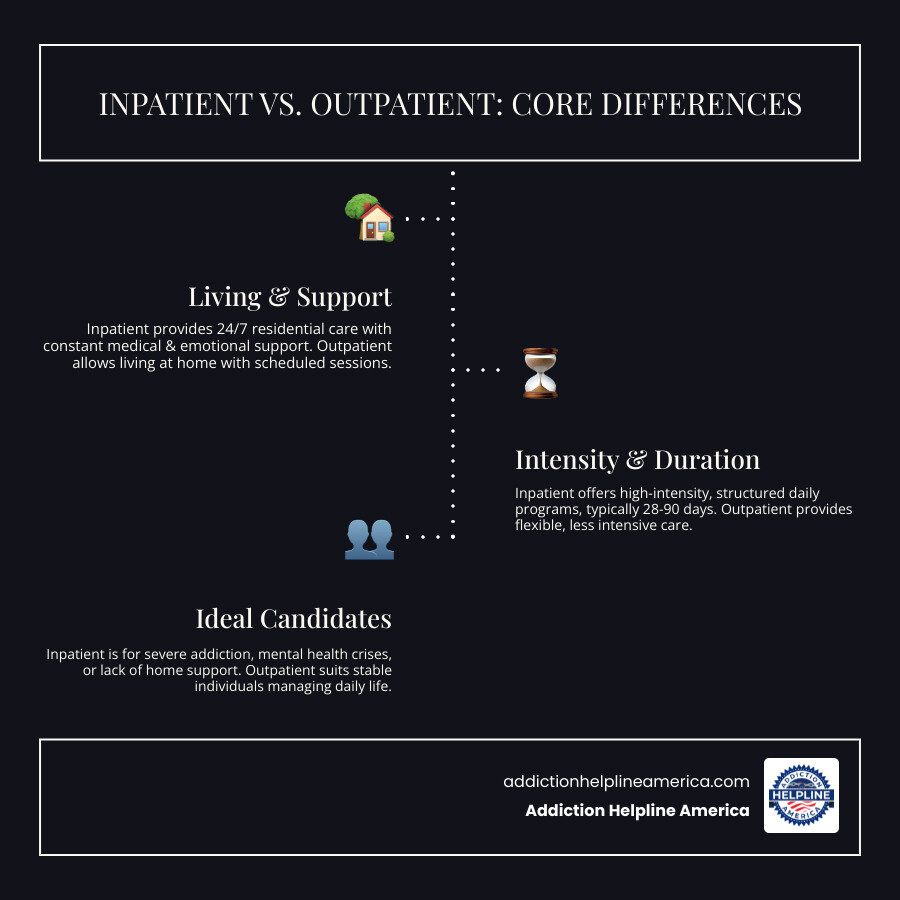
Inpatient therapy programs terms made easy:
Understanding the Core Concepts of Inpatient Care
When we talk about healing from mental health challenges or substance use disorders, the environment where that healing takes place is incredibly important. Inpatient therapy programs offer a unique, immersive setting designed to provide intensive support.
What is Inpatient Therapy and How Does It Differ from Outpatient?
Inpatient therapy means you live at the treatment facility, receiving 24-hour medical and emotional support. This safe, structured environment allows you to focus entirely on recovery, with every aspect of your day geared towards healing.
In contrast, outpatient care lets you live at home and attend scheduled treatments. The key difference is intensity: inpatient care provides constant supervision and removes you from daily stressors, which is crucial for those needing a more controlled environment.
Key Differences: Residential Rehab vs. Acute Inpatient Hospitalization
While both are forms of inpatient care, there’s a distinction between residential rehabilitation and acute inpatient hospitalization. Understanding this helps us choose the most appropriate path for healing.
| Feature | Residential Rehabilitation (Residential Rehab) | Acute Inpatient Hospitalization (Acute Inpatient) |
|---|---|---|
| Primary Goal | Long-term recovery, skill-building, behavioral change, stabilization | Crisis stabilization, immediate safety, medical management |
| Duration | Typically weeks to months (e.g., 21 days, 6 weeks, 90 days) | Short-term, often days to a couple of weeks |
| Environment | More home-like, therapeutic community, less restrictive | Hospital setting, medically intensive, highly structured |
| Focus | Therapy (individual, group, family), education, life skills, aftercare | Medical detox, medication adjustment, diagnosis, acute symptom control |
| Medical Supervision | 24/7 support, but less intensive medical needs once stabilized | Constant medical and psychiatric supervision for acute conditions |
| Typical Candidates | Individuals stable but needing intensive therapy for SUD or mental health | Individuals in acute crisis, danger to self/others, severe withdrawal |
Inpatient therapy programs can encompass both of these, with residential rehab often following a period of acute stabilization if necessary. Many facilities, like those within the Addiction Helpline America network, offer a continuum of care to transition you smoothly.
Signs You or a Loved One Might Need Inpatient Treatment
Deciding on the right level of care is a significant step. Here are some clear indicators that inpatient therapy programs may be necessary:
- Danger to self or others: An immediate risk of harm often requires acute inpatient care for safety and stabilization.
- Severe functional impairment: Inability to perform daily tasks (hygiene, work, etc.) due to mental health or substance use indicates a need for inpatient support.
- Need for medical detox: Withdrawal from substances like alcohol or benzodiazepines can be life-threatening, requiring medically supervised detox in an inpatient setting for safety.
- Lack of a supportive home environment: A chaotic or unsupportive home filled with triggers makes a residential program’s stable setting beneficial.
- Previous outpatient failure: When outpatient treatments fail or symptoms worsen, a more intensive inpatient setting is often the next step.
Our team at Addiction Helpline America can help you assess these signs and guide you toward the right resources. Don’t hesitate to reach out for a confidential assessment at 844-561-0606. For general information on getting help, visit our guide on More info about getting help.
Who Benefits and What Conditions Are Treated?
Inpatient therapy programs are designed to help individuals struggling with a wide range of complex conditions. The immersive nature of these programs allows for comprehensive treatment that addresses the root causes of suffering.

Common Conditions Treated in Inpatient Settings
From severe mental health disorders to entrenched substance use issues, inpatient therapy programs provide a structured environment for healing. We commonly see individuals finding success in these programs for:
- Substance Use Disorders (SUD): Includes addiction to alcohol, opioids, stimulants, and more. The 24/7 supervision helps manage cravings and withdrawal, providing a solid foundation for recovery, especially for those with Opioid Dependence.
- Mental Health Disorders: Inpatient care is effective for severe or acute mental health conditions, including:
- Depression (especially severe or treatment-resistant forms)
- Anxiety disorders (including generalized anxiety, panic disorder, and social anxiety)
- Post-Traumatic Stress Disorder (PTSD)
- Bipolar Disorder
- Eating Disorders
- Psychotic Disorders (like schizophrenia and schizoaffective disorder), particularly during acute episodes.
- Neuropsychiatric Conditions: Some specialized inpatient units cater to complex conditions like severe autism spectrum disorder or intellectual disabilities, providing highly individualized care.
The Power of Integrated Treatment for Co-Occurring Disorders
One of the most powerful aspects of modern inpatient therapy programs is their ability to treat co-occurring disorders, often referred to as dual diagnosis. This means addressing both a substance use disorder and a mental health condition simultaneously.
The research highlights the critical need for this integrated approach: nearly 80% of people who come to us for inpatient rehab struggle with a co-occurring mental health condition along with addiction, such as depression, anxiety or post-traumatic stress disorder (PTSD). Addiction and mental health disorders often interact and worsen each other, creating a vicious cycle. Integrated treatment breaks this cycle by addressing both concurrently, offering:
- A unified treatment plan, preventing symptoms of one condition from undermining progress on the other.
- Specialized therapists trained in both mental health and addiction.
- A deeper understanding of how these conditions intertwine, leading to more effective coping strategies.
For specific support concerning PTSD Inpatient Treatment options, we have dedicated resources to guide you.
Specialized Programs for Diverse Populations
Many inpatient therapy programs offer specialized tracks for specific populations, ensuring culturally sensitive, age-appropriate care that addresses unique life experiences.
Here are some examples of specialized programs you might find:
- Veterans: Specialized programs provide trauma-informed care and peer support for unique burdens like PTSD and TBI. The VA operates numerous residential rehab sites. For guidance, see our Veteran Addiction Treatment Guide. You can also find resources for veterans at the VA.
- Adolescents: Programs for ages 12-17 offer age-appropriate therapies and education in a secure setting, with units for crisis stabilization, mood disorders, and more.
- LGBTQ+ Individuals: These programs offer a safe, affirming space to address challenges often compounded by stigma and discrimination.
- Seniors: Geropsychiatric units cater to the unique needs of older adults, such as dementia-related disorders or late-onset depression.
- Professionals: Discreet, high-confidentiality programs for executives and professionals help minimize career disruption during recovery.
- First Responders: These programs address the unique trauma and stress faced by police, firefighters, and paramedics.
- Intellectual Disabilities and Autism: Specialized units adapt therapeutic approaches for individuals with unique cognitive and behavioral needs.
When you call Addiction Helpline America at 844-561-0606, we’ll ask about your specific needs or those of your loved one to help you find a program that truly fits.
A Look Inside: The Inpatient Treatment Experience
Stepping into an inpatient program can feel like entering a new world, but it’s a world built for healing. Let’s explore what you can expect during your stay.
The Role of Medical Detox and Stabilization
For many individuals struggling with substance use disorders, the first crucial step in inpatient therapy programs is medical detoxification. This process, often called detox, involves safely managing the physical withdrawal symptoms that occur when someone stops using drugs or alcohol.
During medical detox:
- Initial Assessment: A comprehensive evaluation of your physical health, substance use history, and co-occurring conditions.
- Managing Withdrawal Symptoms: 24/7 medical care, including medications to ease discomfort and prevent dangerous withdrawal complications, ensuring safety and comfort.
- Medical Supervision: 24/7 medical staff monitor vital signs, adjust medications, and respond to emergencies.
- Safety and Comfort: A secure, supportive environment allows you to focus on detox without external stress.
Detoxification is a critical foundation, preparing you physically and mentally for the therapeutic work ahead. To learn more about the process, read our guide on the Detoxification process, or find Medical Detox Centers Near Me through our helpline.
What Does a Typical Day Look Like?
Life in an inpatient program is structured, yet dynamic. While schedules vary, a typical day is designed to maximize therapeutic engagement and personal growth.

Imagine a schedule that might include:
- Morning Meditation or Goal-Setting: Days often start with mindfulness or a group check-in to set daily intentions.
- Individual Therapy: One-on-one sessions with a therapist to address personal issues, develop coping skills, and track progress.
- Group Sessions: A cornerstone of treatment, group sessions offer a safe space to share, get feedback, and learn from peers on topics like stress management and relapse prevention.
- Meals: Nutritious meals are provided, often in a communal setting, fostering connection.
- Recreational or Holistic Activities: Activities like art therapy, yoga, or equine therapy are incorporated to help with emotional expression and stress reduction.
- Educational Workshops: Workshops on addiction, mental health, and recovery tools empower you with knowledge.
- Evening Reflection: Time for personal reflection, journaling, or a final group meeting.
This structured environment, away from daily life’s distractions, allows for deep immersion in the healing process.
What Types of Therapies Are Offered in Inpatient Therapy Programs?
Inpatient therapy programs use a diverse array of therapeutic modalities, customizing treatment plans to each individual’s unique needs. The goal is to equip you with the tools and insights necessary for lasting recovery.
Common therapies include:
- Individual Counseling: One-on-one sessions to explore personal challenges and develop personalized coping mechanisms.
- Group Therapy: Share experiences, gain perspective, and practice social skills with peers in a supportive group setting.
- Family Therapy: Involving family helps heal relationships, improve communication, and build a strong support system for recovery.
- Cognitive Behavioral Therapy (CBT): Helps identify and change negative thought patterns and behaviors related to mental health or substance use.
- Dialectical Behavior Therapy (DBT): Focuses on developing skills in mindfulness, distress tolerance, emotion regulation, and interpersonal effectiveness.
- Medication Management: Psychiatrists monitor and adjust medications, a vital component for many mental health and substance use disorders.
- Holistic Therapies: Addresses the whole person—mind, body, and spirit—through therapies like:
- Art Therapy: Using creative expression to process emotions.
- Music Therapy: Utilizing music for emotional regulation and self-expression.
- Spiritual Care: Providing support for spiritual growth, regardless of religious affiliation.
- Yoga and Mindfulness: Practices to reduce stress and improve self-awareness.
- Equine Therapy: Engaging with horses to build trust and self-esteem.
We understand that finding the right therapeutic approach is key. Call Addiction Helpline America at 844-561-0606 to discuss which therapies might be best for you. To explore more about counseling for addiction, you can read our guide on the Best Counseling for Addiction Guide.
Navigating the Logistics of Inpatient Therapy Programs
Once you’ve determined that inpatient therapy programs might be the right fit, the next step is understanding the practicalities: how long it lasts, how to find a facility, and how to pay for it.
Treatment Duration and Planning for Aftercare
The length of stay in inpatient therapy programs is not one-size-fits-all. It varies based on individual needs, condition severity, and clinical progress.
- Common Durations: Common durations are 28, 60, or 90-day programs. However, the length can vary; for example, veteran residential stays are typically around 6 weeks.
- Clinical Milestones: Effective programs base discharge on clinical readiness, not a fixed timeline. Recovery is a journey, not a race.
Inpatient treatment is just the beginning. Aftercare planning starts early and is vital for preventing relapse. Options include:
- Partial Hospitalization Programs (PHP): A structured day program with therapy and support, but you return home in the evenings.
- Intensive Outpatient Programs (IOP): Fewer hours per week than PHP, offering more flexibility while still providing significant support.
- Outpatient Therapy: Regular individual and group therapy sessions.
- Sober Living Homes: Transitional residences that provide a supportive, drug-free environment. Explore our guide on Sober Living Options.
- Support Groups: Participation in groups like AA, NA, or SMART Recovery provides ongoing peer support.
Finding the Right Inpatient Therapy Programs for Your Needs
Finding the perfect fit among the many inpatient therapy programs available can feel overwhelming. We’re here to simplify that search.
- Consulting Professionals: Your doctor or therapist can provide recommendations based on your clinical needs.
- Verifying Credentials: Ensure facilities are accredited by organizations like The Joint Commission or CARF, which signals high standards of care.
- Asking Key Questions: Ask facilities about their treatment philosophy, therapies, staff qualifications, patient-to-staff ratio, and aftercare planning.
- Location: Consider whether a program close to home or in a new environment is better. Our network includes facilities nationwide.
- Cost and Insurance: Understand the financial aspects upfront.
- Specializations: Seek programs with specializations for co-occurring disorders or specific populations (e.g., veterans, adolescents).
Resources like the SAMHSA Treatment Locator can help you find state-licensed options. For a broader search, check out our Ultimate Rehab Finder Guide. Our team at Addiction Helpline America at 844-561-0606 is dedicated to providing free, confidential, personalized guidance to help you find the right program.
Paying for Treatment: Insurance and Other Options
The cost of inpatient therapy programs is a significant concern for many families. Fortunately, various payment options exist.
- Verifying Insurance Coverage: Most commercial insurance plans cover mental health and substance use treatment. Contact your provider to understand your benefits. Our team at Addiction Helpline America can help verify your coverage for free; call us at 844-561-0606.
- Medicare: Medicare covers many inpatient and outpatient services for mental health and substance use disorders. Part A covers inpatient hospital stays, while Part B covers provider services and outpatient programs. See our Medicare information for details.
- Medicaid: State Medicaid programs also cover inpatient treatment. If you have both Medicare and Medicaid, your coverage may be more comprehensive. Contact your State Medical Assistance (Medicaid) office to learn more. Many facilities in our network accept Medicaid.
- Private Pay: For those without insurance or who prefer not to use it, paying out-of-pocket is an option.
- Sliding Scale Fees: Some facilities offer reduced rates based on your income.
- Financing Options: Many providers offer payment plans or connect you with healthcare financing companies.
Don’t let financial concerns deter you from seeking help. Our advisors at Addiction Helpline America are experts in understanding insurance and payment options. Call us at 844-561-0606 to discuss your options.
The Importance of Family Involvement
Addiction and mental health challenges affect the entire family system, making family involvement a critical component of successful inpatient therapy programs.
- Family Education: Educational sessions help family members understand addiction and mental illness, empowering them to provide effective, stigma-free support.
- Communication Skills: Family therapy sessions can improve communication, resolve resentments, and build healthier interaction patterns.
- Rebuilding Trust: Family therapy provides a safe space to address past hurts and begin rebuilding trust eroded by addiction.
- Support System Development: A strong family support system is a key predictor of long-term recovery. Programs teach families how to be supportive without enabling.
- Healing Together: As one program emphasizes, “families don’t ’cause’ addiction issues, but all family members can be a big part of the healing process.” The family can heal alongside the individual, creating a more resilient unit.
Many inpatient therapy programs offer specific family programs, in-person or virtual, to ensure that loved ones are an integral part of the recovery journey.
Frequently Asked Questions about Inpatient Treatment
We often receive questions about the practicalities of inpatient therapy programs. Here are some common inquiries and our answers.
How long does inpatient treatment typically last?
Inpatient treatment duration is highly individualized. While 28-30 days, 60 days, or even 90-day programs are common, the actual stay depends on clinical progress, not a fixed calendar. The goal is to ensure you are stable and ready for the next step in your recovery journey when you discharge.
Can I use my phone or have visitors?
Phone and visitor policies vary. To minimize distractions, most facilities have restrictions, such as designated phone times and scheduled visitations, which may include family therapy. It’s essential to clarify these policies with any facility you’re considering. Our team at Addiction Helpline America can help you ask the right questions when you call us at 844-561-0606.
What happens after I complete an inpatient program?
Completing an inpatient program is a major achievement, but recovery is an ongoing journey. Robust discharge planning, which begins early in your stay, is crucial for sustained success.
- Discharge Planning is Key: Your treatment team will work with you to create a personalized aftercare plan custom to your needs.
- Transition to Lower Levels of Care: This often involves stepping down to a Partial Hospitalization Program (PHP), Intensive Outpatient Program (IOP), or regular outpatient therapy.
- Support Groups: Connecting with peer support groups like Alcoholics Anonymous (AA), Narcotics Anonymous (NA), or SMART Recovery is highly recommended for ongoing encouragement and accountability.
- Sober Living: For some, transitioning to a sober living environment provides a structured, drug-free home as they reintegrate into daily life.
- Alumni Programs: Many facilities offer alumni programs, providing a network of support and opportunities to stay connected with the recovery community.
- Ongoing Recovery Management: This includes continued therapy, medication management (if needed), and practicing the coping skills learned during your inpatient stay.
The goal is to provide a continuum of care that supports you as you apply your new skills and build a fulfilling life in recovery.
Conclusion: Taking the First Step Towards Healing
Inpatient therapy programs are more than just facilities; they are sanctuaries for healing and growth. They offer a life-changing combination of 24/7 support, structured therapy, and a distraction-free environment for those struggling with severe mental health or substance use disorders.
These programs provide medical stabilization, intensive therapy, and specialized care. With integrated treatment for co-occurring disorders, family involvement, and robust aftercare planning, they create a comprehensive path to lasting recovery.
If you or a loved one is struggling, recovery is possible, and you don’t have to steer this journey alone. Understanding your options and finding a program that aligns with your needs is the crucial first step.
At Addiction Helpline America, we are committed to providing free, confidential, and personalized guidance to help you connect with the right inpatient therapy programs from our nationwide network. Our compassionate advisors are available 24/7 to answer your questions and help you take that brave first step.
To learn more about the various options available, Explore different types of treatment programs. Your journey to a healthier, happier life starts now.