

Your Path to Healing Starts Here
Inpatient treatment provides 24/7 residential care for individuals struggling with addiction and co-occurring mental health disorders. It offers a structured, safe haven where you can focus entirely on recovery, away from daily triggers and stressors.
What Inpatient Treatment Offers:
- Round-the-clock medical supervision and support in a safe, structured environment
- Medical detoxification to safely manage withdrawal symptoms
- Comprehensive therapy including individual, group, and family counseling
- Evidence-based treatments like Cognitive Behavioral Therapy (CBT) and Dialectical Behavior Therapy (DBT)
- Peer support from others on the same recovery journey
- Life skills training to prepare for lasting sobriety
- Aftercare planning to support long-term recovery
Typical Program Length: 30 to 90 days, with longer options available based on individual needs.
Best For: Individuals with severe addiction, those who have relapsed, people with co-occurring mental health conditions, or anyone needing removal from a triggering environment.
When you or a loved one is struggling with addiction, the decision to seek help can feel overwhelming. You may wonder if inpatient treatment is the right choice, especially if you’ve tried to quit on your own or if your home environment makes recovery feel impossible. Residential treatment provides a solution by placing you in a healing environment with constant support, where you’ll receive intensive therapy and medical care to build a foundation for lasting sobriety.
This guide walks you through everything you need to know about inpatient treatment, from a typical day in rehab to program lengths, therapy types, and how to choose the right facility. We’ll also cover costs and payment options, including insurance coverage.
At Addiction Helpline America, we’ve guided countless individuals and families through finding quality inpatient treatment programs. Our free, confidential helpline connects you with options custom to your specific situation, whether for alcohol addiction, opioid use disorder, or co-occurring mental health conditions. We understand that taking this first step requires courage, and we’re here to support you every step of the way.
Recovery is possible. With the right support, you can reclaim your life and build a healthier future. Let’s explore how inpatient treatment can help you start that journey today.
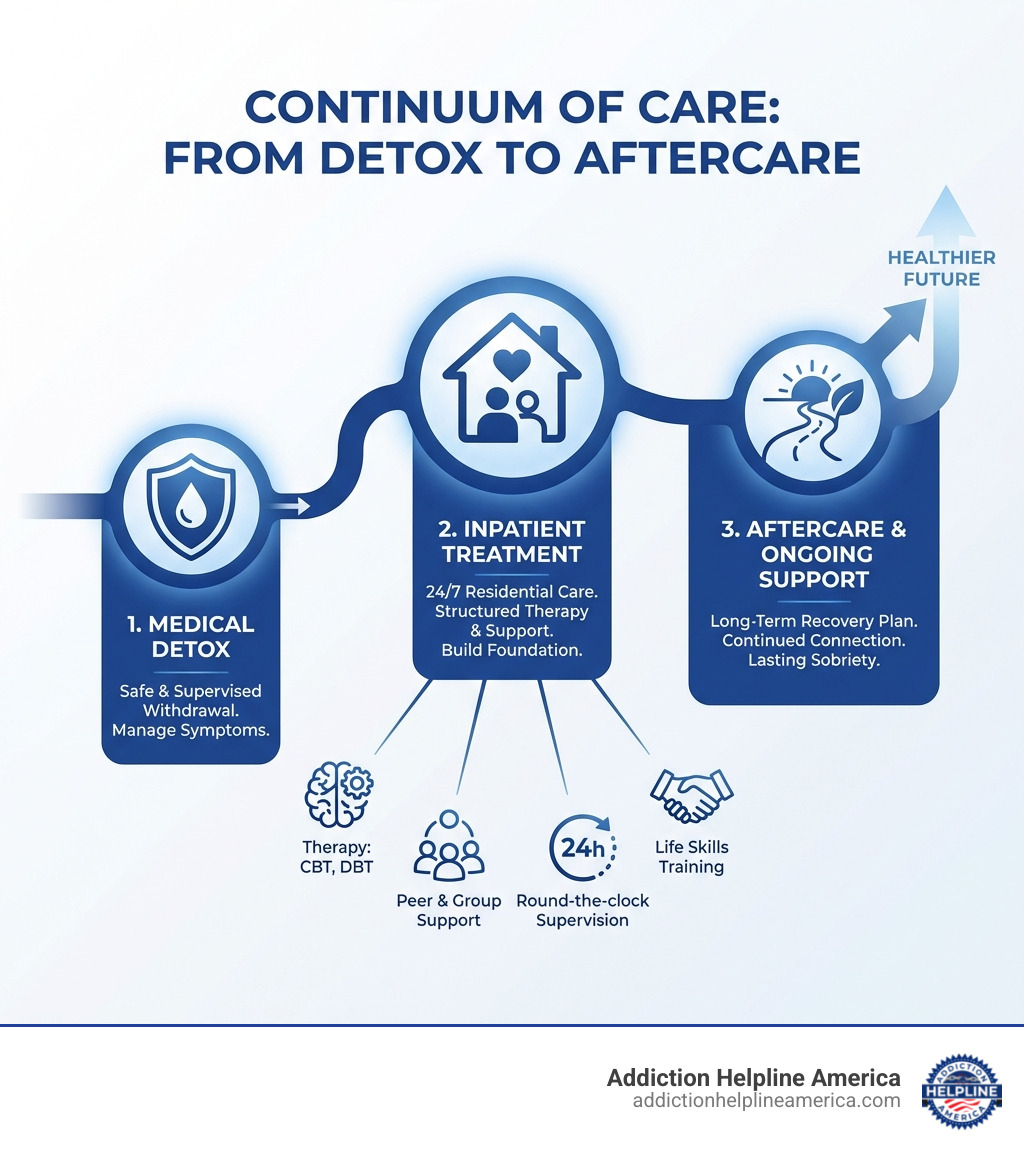
Essential inpatient treatment terms:
What is Inpatient Rehab and What Does it Entail?
Inpatient rehab, or residential treatment, is the highest level of care for substance use and co-occurring mental health disorders. It is a live-in program where patients reside at a facility 24/7, receiving supervised, structured care. This immersive environment removes individuals from daily triggers, allowing them to focus completely on healing.
Inpatient treatment involves a comprehensive approach, typically including:
- Medical Detoxification (Detox): Often the first step, detox is the process of withdrawal from substances under constant medical supervision. This ensures withdrawal symptoms, which can be severe or even life-threatening, are safely managed with medication. Detox usually lasts a few days to two weeks.
- Rehabilitation Phase: After stabilization, patients begin the core work of recovery. This involves a structured schedule of therapies and educational sessions aimed at understanding addiction, developing coping skills, and building a foundation for sobriety.
- Individualized Treatment Plans: Upon admission, a comprehensive assessment is conducted to create a personalized treatment plan that addresses the individual’s specific type of addiction, mental health needs, and personal goals.
The structured, drug-free space of an inpatient rehab is crucial for early recovery. For more information on residential care, explore our dedicated page on Treatment: Residential.
The Benefits of Choosing Inpatient Care
Choosing inpatient treatment offers significant advantages for overcoming addiction:
- Focused Recovery: Removing individuals from daily triggers allows for an intense, uninterrupted focus on recovery.
- 24/7 Medical and Clinical Support: Constant supervision ensures safety and allows for immediate intervention during medical or psychological crises.
- Comprehensive Therapy: Programs offer a wide array of evidence-based therapies, including individual, group, and family counseling.
- Peer Support Community: Living with others on a similar journey fosters a powerful sense of community and reduces feelings of isolation.
- Structured Environment: A predictable daily schedule helps patients develop discipline and new, positive habits.
- Development of Coping Skills: Intensive therapy teaches crucial tools for managing stress, addressing triggers, and preventing relapse.
- Higher Success Rates: Research suggests inpatient treatment often yields higher success rates for those with severe addictions, with studies showing success rates between 50% and 68% for those who complete treatment.
Inpatient vs. Outpatient Treatment
Understanding the difference between inpatient and outpatient care is key to choosing the right level of support.
- Living Arrangements: Inpatient is a 24/7 live-in program. Outpatient allows you to live at home and travel to a facility for scheduled sessions.
- Intensity of Care: Inpatient offers a highly structured, immersive environment with constant supervision. Outpatient programs (like IOP or PHP) are less intensive and offer more flexibility.
- Time Commitment: Inpatient requires a full-time commitment for 30-90+ days. Outpatient involves several hours of treatment per week, allowing individuals to maintain work or school schedules.
- Ideal Candidates: Inpatient is best for severe SUDs, co-occurring disorders, a history of relapse, or an unsupportive home environment. Outpatient is suitable for milder addictions or as a step-down from inpatient care.
- Continuum of Care: Many individuals start with inpatient treatment for stabilization and then transition to an outpatient program to gradually reintegrate into daily life while maintaining support.
Who Needs Inpatient Care and What Conditions Are Treated?
Inpatient treatment is the most effective option for individuals who require a highly structured and supervised environment to begin their recovery.

Candidates who typically benefit most from inpatient care include those with:
- Severe Substance Use Disorder (SUD): Long-standing or severe addictions often require the comprehensive support of an inpatient program.
- Co-Occurring Disorders (Dual Diagnosis): An inpatient setting is crucial for treating both a substance use disorder and a mental health condition (like depression or anxiety) simultaneously.
- History of Relapse: For those who have relapsed after trying less intensive programs, inpatient treatment offers a fresh start in a trigger-free environment.
- Unsupportive Home Environment: If an individual’s home life is unstable or involves substance use, a safe inpatient facility is often necessary.
- Need for Medical Detox: Individuals physically dependent on substances like alcohol, opioids, or benzodiazepines require 24/7 medical supervision to manage dangerous withdrawal symptoms safely.
- Intense Withdrawal Symptoms: The risk of medical complications like seizures or delirium during detox necessitates the constant medical care available in an inpatient setting.
Types of Addiction Treated
Inpatient treatment facilities are equipped to address a wide spectrum of substance use disorders, including:
- Alcohol Addiction: Often requires medical detox due to severe withdrawal risks.
- Opioid Addiction: Including heroin, fentanyl, and prescription painkillers, often treated with Medication-Assisted Treatment (MAT).
- Stimulant Addiction: Cocaine, methamphetamine, and prescription stimulants (e.g., Adderall).
- Sedative Addiction: Benzodiazepines (e.g., Xanax) and barbiturates, which also require medically supervised detox.
- Prescription Drug Abuse: Addressing dependence on prescribed medications while managing underlying conditions.
- Polysubstance Use: Integrated treatment plans for addiction to multiple substances.
Co-Occurring Mental Health Disorders
Addressing co-occurring mental health disorders (a “dual diagnosis”) is a critical component of effective inpatient treatment. Treating addiction and mental health conditions simultaneously is vital for long-term recovery and relapse prevention.
Inpatient programs specializing in dual diagnosis offer integrated care for conditions such as:
- Depression: Substance use is often a way to self-medicate depressive symptoms. Learn more about specialized care at our page for Inpatient Programs for Depression.
- Anxiety Disorders: Including generalized anxiety, panic disorder, and social anxiety.
- Post-Traumatic Stress Disorder (PTSD): Trauma-informed therapies help patients process past experiences that contribute to substance use.
- Bipolar Disorder: Integrated treatment helps manage extreme mood swings that can lead to self-medication.
- Borderline Personality Disorder: Dialectical Behavior Therapy (DBT) is highly effective for BPD and co-occurring substance use.
Integrated inpatient treatment ensures that mental health is treated as an interconnected part of addiction, leading to more holistic and lasting healing.
A Day in the Life: What to Expect During Inpatient Treatment
Stepping into an inpatient rehab facility means entering a world dedicated to healing and recovery. While schedules vary, a structured day of support and therapy is standard.
The Intake and Assessment Process
Your journey begins with a comprehensive intake process to create your personalized care plan.
- Arrival and Orientation: Staff will welcome you and explain the facility’s rules and routines. A brief “blackout phase” with limited outside contact is common to help you focus on early recovery.
- Medical and Psychiatric Evaluation: A medical team will assess your physical health, while mental health professionals evaluate your psychological needs and any co-occurring disorders.
- Personalized Treatment Plan: Based on these assessments, a multidisciplinary team will work with you to create an individualized treatment plan outlining your recovery goals and therapies.
A Typical Daily Schedule
Life in inpatient rehab is highly structured to replace unhealthy habits with positive routines. A typical day includes:
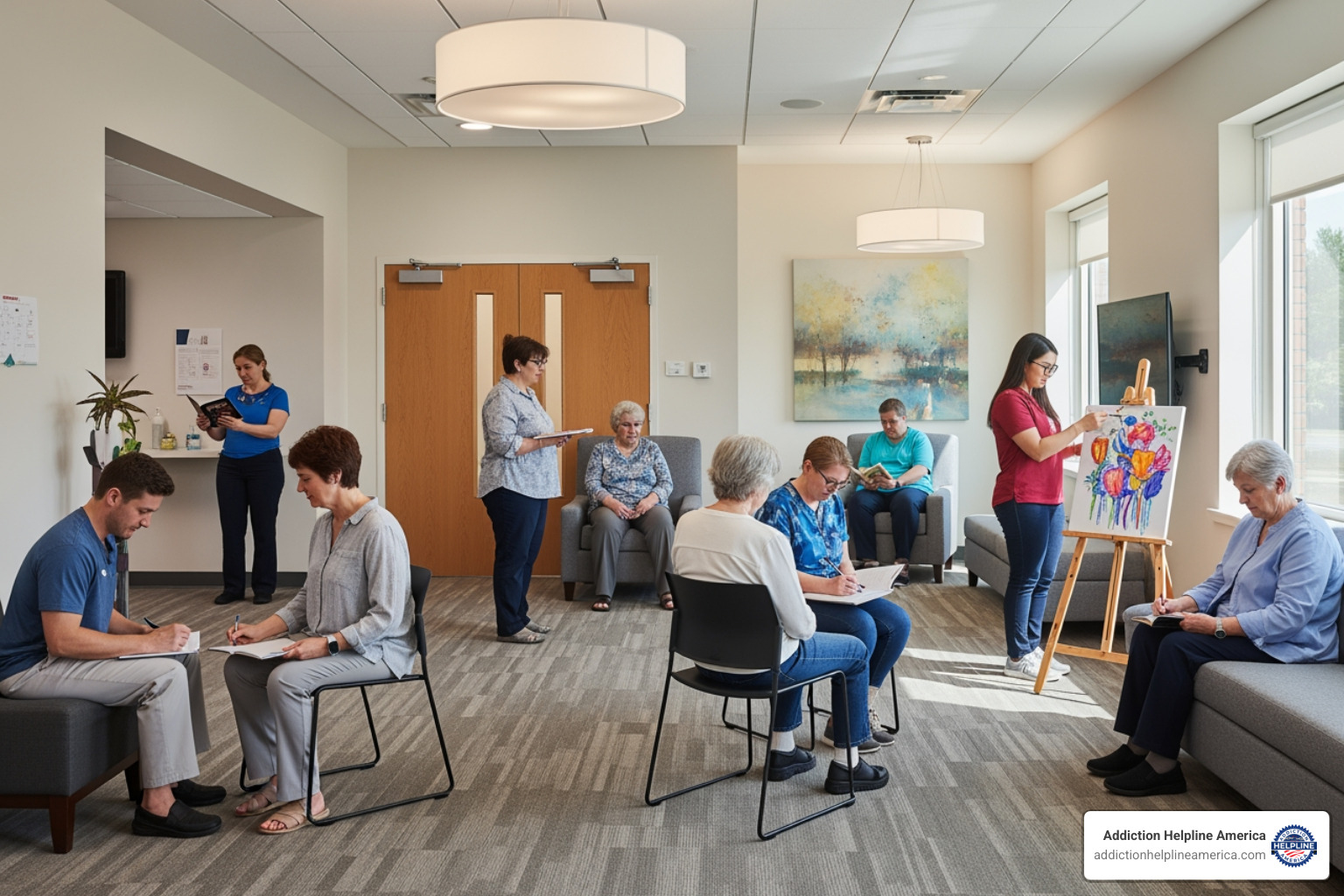
- Morning: Nutritious breakfast, followed by morning meditation or yoga, group therapy sessions, and educational workshops on topics like the science of addiction and relapse prevention.
- Afternoon: After lunch, the day continues with individual counseling sessions, holistic therapies (e.g., art, music, or equine therapy), and life skills training.
- Evening: Following dinner, you may attend 12-step meetings (like AA/NA) or other support groups. The evening ends with free time for reflection or journaling before a set bedtime.
The Role of Medical Supervision and Therapy in Inpatient Treatment
In an inpatient setting, medical and therapeutic teams work together to provide holistic care.
- Medical Team: Doctors and nurses provide 24/7 care, managing withdrawal symptoms during detox and administering Medication-Assisted Treatment (MAT) for opioid or alcohol addiction when appropriate. They also address any other physical health issues.
- Therapeutic Team: Licensed counselors and therapists guide you through the psychological aspects of addiction using evidence-based therapies:
- Cognitive Behavioral Therapy (CBT): Helps identify and change negative thought patterns linked to substance use.
- Dialectical Behavior Therapy (DBT): Focuses on emotional regulation, distress tolerance, and mindfulness.
- Motivational Interviewing (MI): Helps resolve ambivalence about changing behavior.
- Group and Family Therapy: Facilitates peer support and helps repair relationships.
The integration of medical oversight and intensive therapy, as highlighted in resources like the Clinical Guidelines for Withdrawal Management and Treatment of Drug Dependence in Closed Settings., ensures all aspects of your well-being are addressed.
Your Recovery Journey: Program Duration, Aftercare, and Finding a Facility
Understanding program lengths, planning for life after rehab, and finding the right facility are crucial steps in the recovery marathon.
How long does inpatient treatment typically last?
The length of an inpatient treatment program is custom to individual needs, but longer stays often correlate with better long-term outcomes.
- 30-Day Programs: A common starting point for stabilization, detox, and an introduction to therapy. The average stay in inpatient rehab is around 30 days. For more details, see our How Long Inpatient Alcohol Rehab Guide.
- 60-Day Programs: Allow more time to address underlying issues and solidify new coping skills.
- 90-Day Programs: Often recommended for the highest success rates, this duration allows for significant brain healing and habit formation.
- Long-Term Options: Programs lasting 6-12 months offer a complete readjustment to life and foster profound personal change.
Duration depends on addiction severity, co-occurring disorders, and your individual progress.
Life After Rehab: The Importance of Aftercare
Completing inpatient treatment is the beginning of a lifelong journey. A strong aftercare plan is essential for maintaining sobriety.
- Continuum of Care: Recovery often involves a “step-down” approach from inpatient to less intensive care.
- Step-Down Programs:
- Partial Hospitalization Programs (PHP): Day treatment with evenings at home or in sober living.
- Intensive Outpatient Programs (IOP): Structured therapy several times a week, allowing for work or school.
- Sober Living Homes: Supportive, drug-free residences that provide structure and accountability after inpatient care.
- Alumni Programs: Facility-run networks that provide ongoing peer support and connection.
- Support Groups: Participation in groups like Alcoholics Anonymous (AA), Narcotics Anonymous (NA), or SMART Recovery is highly encouraged and improves the likelihood of lasting sobriety.
- Relapse Prevention Planning: Involves identifying triggers, developing coping strategies, and building a strong support system.
How to Find a Suitable Inpatient Rehab Facility
Finding the right inpatient rehab facility is critical. At Addiction Helpline America, we connect you with suitable options from our network. When searching, consider these factors:
- Licensing and Accreditation: Ensure the facility meets quality and safety standards.
- Staff Credentials: Look for a multidisciplinary team of licensed medical and therapeutic professionals.
- Treatment Philosophy: Does the facility offer evidence-based therapies (CBT, DBT, MAT) that fit your needs?
- Specialization: Seek a facility that specializes in your specific needs, such as dual diagnosis or trauma.
- Location and Environment: Decide if a facility close to home or one far from triggers is better for you.
- Cost and Insurance: Understand the costs and verify your insurance coverage. We can help you search for Inpatient Rehabs Near Me.
Navigating the Cost of Inpatient Rehab
The cost of inpatient treatment is a significant concern, but understanding the factors and payment options can make it accessible. The cost of untreated addiction is far greater than the investment in recovery.
Factors Affecting Cost
Several elements contribute to the overall cost of an inpatient program:
- Facility Amenities: Luxury facilities with private rooms and spas cost more than standard centers.
- Program Duration: Longer stays (60 or 90 days) cost more than 30-day programs.
- Geographic Location: Costs vary significantly by region.
- Level of Medical Care: Programs with intensive medical detox or specialized treatments have higher fees.
- Staff-to-Patient Ratio: More individualized attention often comes at a higher price.
Average Cost Statistics:
- Inpatient drug rehab can range from $300 to $800 per day.
- A 30-day stay could cost between $10,000 and $25,000.
- Detox programs can cost $250 to $1,000 per day due to intensive medical care.
For those with Medicare, Part A generally covers inpatient hospital costs, but deductibles, coinsurance, and a lifetime limit for inpatient mental health care apply. For current details, refer to official resources like Inpatient hospital care coverage details.
Payment Options
Various options can help cover the cost of inpatient rehab.
- Health Insurance Coverage: The Affordable Care Act (ACA) mandates that most insurance plans cover addiction treatment. Our team at Addiction Helpline America can help you verify your benefits and find in-network facilities.
- Private Pay: Paying out-of-pocket offers the most flexibility in choosing a facility.
- Sliding Scale Fees: Some non-profit or state-funded facilities adjust costs based on your income.
- Financing and Payment Plans: Many rehabs offer in-house financing or partner with lenders to allow you to pay in installments.
- Scholarships or Grants: Some non-profits and treatment centers offer funds to help eligible individuals afford care.
Here’s a quick comparison of common payment options:
| Payment Option | Description | Pros | Cons |
|---|---|---|---|
| Health Insurance | Your insurance plan covers some or all treatment costs. | Significantly reduces out-of-pocket expenses. | Coverage varies; deductibles/copays apply; may require pre-authorization. |
| Private Pay | Paying for treatment with your own funds. | Full choice of facility; no insurance restrictions. | Can be very expensive. |
| Sliding Scale Fees | Treatment cost is adjusted based on your income. | Makes treatment affordable for lower-income individuals. | Limited availability; may still involve some cost. |
| Financing/Payment Plans | Breaking down the total cost into monthly payments. | Spreads out the financial burden. | Interest rates may apply; often requires credit approval. |
| Scholarships/Grants | Funds from non-profits or facilities to cover treatment costs. | Can cover a significant portion or all of the cost. | Highly competitive and limited; specific eligibility criteria apply. |
Conclusion: Take the First Step Toward a New Beginning
Choosing inpatient treatment is a courageous act of self-love. It provides a safe, structured, and supportive environment where you can focus entirely on overcoming addiction and co-occurring mental health challenges. From medical detox to evidence-based therapies and aftercare planning, inpatient rehab lays a solid foundation for lifelong recovery.
We understand that seeking help is a difficult step, but you don’t have to do it alone. The decision to pursue inpatient treatment is a powerful move toward a new beginning filled with hope and a brighter future.
If you or a loved one is struggling, Addiction Helpline America is here to provide free, confidential guidance. Our compassionate team can help you understand your options, verify insurance, and connect you with an inpatient program custom to your needs. Take that first step today. Hope is just a phone call away.