Understanding Your Options: What is Inpatient Drug Rehab?
Inpatient drug rehab is a live-in treatment program where you receive 24/7 medical care, counseling, and structured support while living at a facility for a period of time—typically 30 to 90 days or longer. Here’s what you need to know:
Key Features of Inpatient Drug Rehab:
- 24/7 Supervision: Medical staff monitor your health and safety around the clock
- Structured Environment: Daily schedules include therapy, group sessions, meals, and activities
- Safe Space: You’re removed from triggers, stressors, and environments that enable substance use
- Comprehensive Care: Includes medical detox (if needed), individual therapy, group counseling, and medication-assisted treatment
- Highest Level of Support: Most intensive form of addiction treatment available outside of hospital detox
When Inpatient Care is Recommended:
- Severe addiction requiring medical supervision
- Co-occurring mental health conditions like depression or PTSD
- Unsafe or unstable home environment
- Previous unsuccessful attempts at outpatient treatment
- Risk of dangerous withdrawal symptoms
If you or someone you love is struggling with addiction, you’re not alone—and help is available right now. The journey to recovery often begins with understanding your treatment options and finding a program that fits your specific needs.
Inpatient drug rehab provides the most intensive level of care for substance use disorders. Unlike outpatient programs where you attend sessions and return home, inpatient treatment means you live at the facility full-time. This allows you to focus completely on healing, away from the people, places, and situations that may have contributed to your addiction.
While outcomes vary, the immersive nature of inpatient care is designed to build a strong foundation for recovery. According to the National Institute on Drug Abuse (NIDA), remaining in treatment for an adequate period is critical for effectiveness. The average stay is 30 days, but many people benefit from longer programs of 60, 90 days, or even 6-12 months in therapeutic community settings.
Choosing inpatient rehab is a significant decision—one that requires understanding what treatment involves, how long it lasts, what it costs, and whether it’s the right fit for your situation. As addiction medicine specialist Dr. Alisa Baer notes, “The structured, trigger-free environment of an inpatient facility provides a crucial pause from the chaos of active addiction, allowing individuals the space to develop the initial skills needed for long-term recovery.”
At Addiction Helpline America, we’ve helped thousands of individuals and families steer the overwhelming process of finding effective addiction treatment, including connecting them with quality inpatient drug rehab programs that meet their unique needs and circumstances. Our free, confidential service provides personalized guidance to help you take that crucial first step toward recovery.
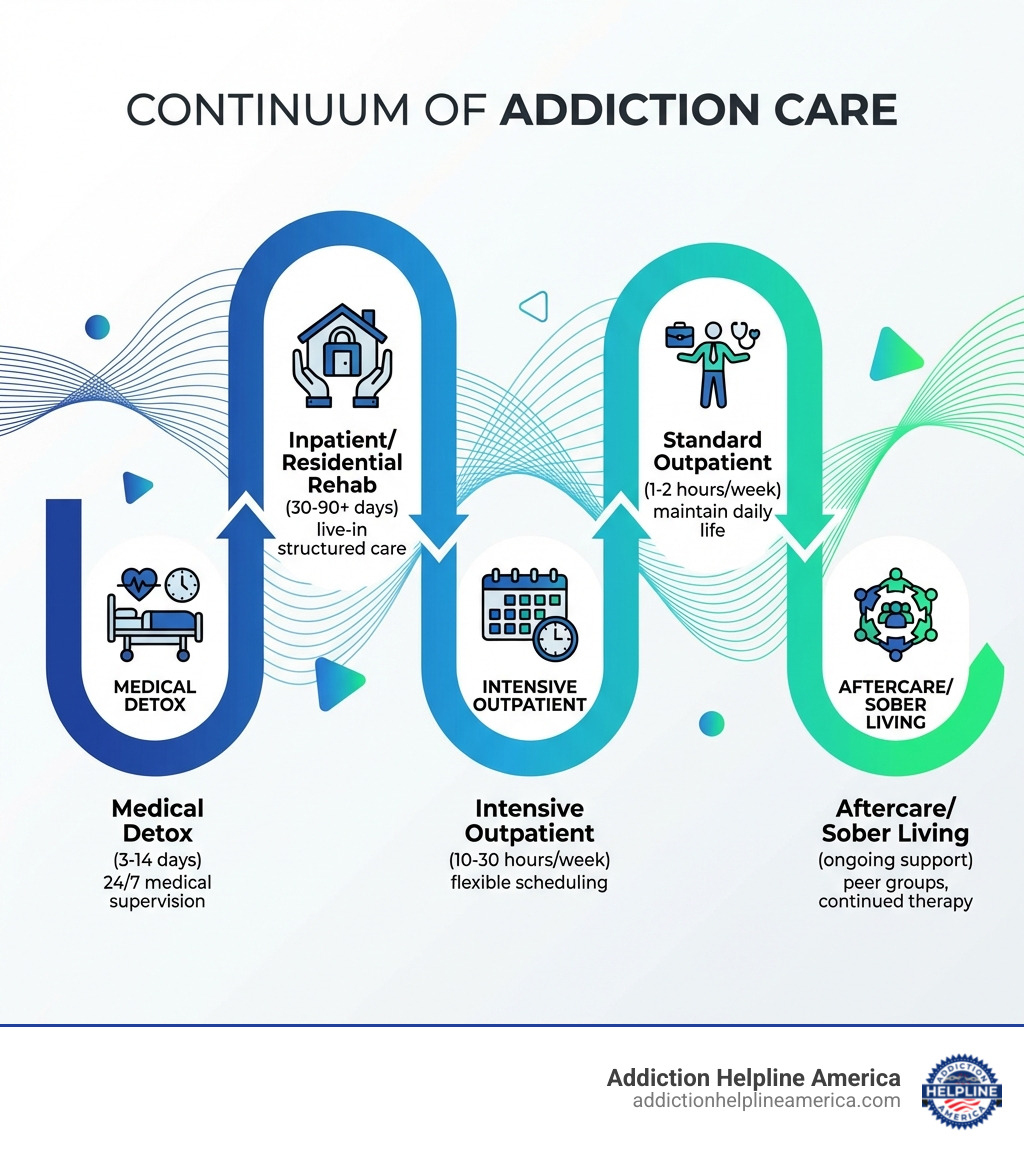
Inpatient drug rehab terminology:
The Inpatient Drug Rehab Experience: What to Expect
Starting on an inpatient drug rehab journey means stepping into a world designed for healing and recovery. It’s a commitment to yourself, offering a structured environment away from the pressures and triggers of daily life.
What to Expect from an Inpatient Drug Rehab Program
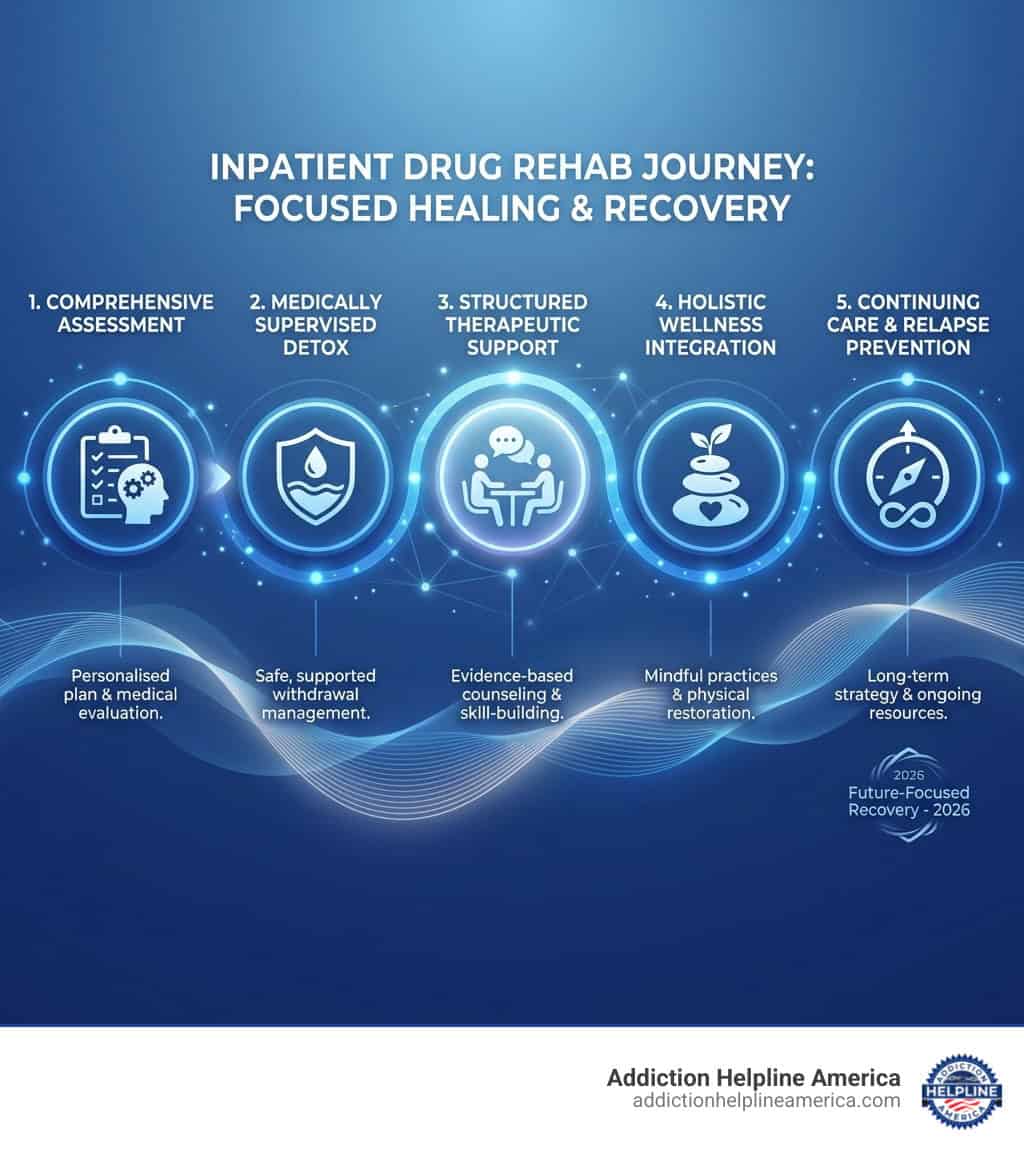
When you enter an inpatient drug rehab program, you can anticipate a highly structured and supportive environment from day one. The process typically begins with an intake and assessment to understand your specific needs, the severity of your addiction, and any co-occurring mental health conditions. This initial phase is crucial for tailoring a treatment plan just for you.
A typical day in inpatient drug rehab is carefully scheduled to maximize your focus on recovery. While schedules can vary between facilities, they often include:
- Morning routines: Wake-up, breakfast, and possibly meditation or light exercise.
- Therapy sessions: A significant portion of your day will be dedicated to therapy. This includes individual counseling, where you work one-on-one with a therapist to explore the roots of your addiction and develop coping strategies. Group therapy sessions are also fundamental, providing a platform to share experiences, gain perspective from peers, and build a supportive community.
- Educational workshops: Learning about addiction, relapse prevention, and healthy living.
- Holistic activities: Many programs incorporate activities like yoga, art therapy, or mindfulness to promote overall well-being.
- Meals and personal time: Structured meal times and dedicated personal time for reflection, journaling, or relaxation.
- Evening activities: Support group meetings or recreational activities before winding down for the night.
Some facilities may even implement an initial “blackout phase” during the first week, limiting outside contact to help you fully immerse yourself in the detox and adjustment period. Family involvement is also often a crucial component of the recovery process, with many programs offering family therapy sessions to help mend relationships and educate loved ones on how to support you. For a deeper dive into therapeutic approaches, you can explore More on therapy in addiction recovery.
Common Therapies and Treatments Offered
Inpatient drug rehab programs employ a variety of evidence-based therapies and treatments designed to address the complex nature of addiction. These approaches are often integrated to provide comprehensive care:
- Cognitive Behavioral Therapy (CBT): This therapy, recognized as effective by the American Psychological Association, helps you identify and change negative thought patterns and behaviors that contribute to substance use.
- Dialectical Behavioral Therapy (DBT): DBT focuses on teaching skills for managing intense emotions, coping with stress, and improving relationships, which are all vital for sustained sobriety.
- Motivational Interviewing (MI): This client-centered approach helps you explore and resolve your ambivalence about changing your behavior, building intrinsic motivation for recovery.
- Medication-Assisted Treatment (MAT): For certain addictions, particularly opioid or alcohol dependence, MAT combines FDA-approved medications with counseling and behavioral therapies. The Substance Abuse and Mental Health Services Administration (SAMHSA) supports MAT as an effective method to manage withdrawal symptoms, reduce cravings, and prevent relapse.
- Dual-Diagnosis Support: As the National Institute on Drug Abuse (NIDA) reports, many individuals struggling with addiction also have co-occurring mental health conditions. Inpatient drug rehab programs are equipped to provide integrated treatment for these dual diagnoses, ensuring that both conditions are addressed simultaneously for more effective and lasting recovery. We understand the importance of specialized care for conditions like PTSD Inpatient Treatment and Major Depression Treatments Ultimate Guide.
- 12-Step Programs: Facilitation of 12-step programs like Alcoholics Anonymous (AA) and Narcotics Anonymous (NA) is also common, providing a framework for long-term recovery and peer support.
Medical Detox: The First Step to Recovery
For many, the journey into inpatient drug rehab begins with medical detox. This is a critical first step, especially for individuals with substances in their system that can cause severe or life-threatening withdrawal symptoms.
- Is detox included? Yes, medical detox is often an integral part of inpatient drug rehab, particularly for those with a physical dependence on drugs or alcohol. It’s considered a precursor to formal treatment, stabilizing the individual before therapy can begin.
- Medically supervised withdrawal: During detox, you’ll receive 24/7 medical supervision. Healthcare professionals monitor your vital signs, manage withdrawal symptoms, and ensure your safety and comfort throughout the process.
- Managing withdrawal symptoms: Medications may be administered to ease the discomfort and risks associated with withdrawal. For example, buprenorphine might be used for opioid withdrawal, or benzodiazepines for alcohol withdrawal, all under strict medical guidance. The World Health Organization provides Clinical Guidelines for Withdrawal Management for safe practices.
- Safety and comfort: The primary goal of medical detox is to safely and comfortably remove substances from your body, preparing you physically and mentally for the intensive therapeutic work that follows. To learn more about this crucial phase, you can refer to our guide on Drug Detox.
How Long Does Inpatient Rehab Last?
The duration of an inpatient drug rehab program is not one-size-fits-all; it’s highly individualized and depends on factors such as the severity of the addiction, the presence of co-occurring disorders, and personal needs.
- Program lengths: While the average length of stay in inpatient rehab is 30 days, programs can range anywhere from 3 to 12 weeks.
- 30-day programs: These short-term programs are often a good starting point, providing a concentrated period of detox and initial therapy.
- 60-day programs: Offering a longer period for deeper therapeutic work and skill-building.
- 90-day programs: Considered long-term, these programs allow for more extensive healing, addressing underlying issues, and solidifying new coping mechanisms. According to NIDA’s Principles of Drug Addiction Treatment, longer treatment durations generally yield better outcomes.
- Extended options (6-12 months): For more severe or chronic addictions, or for individuals needing a more gradual transition, longer-term treatment scenarios are available. These can include therapeutic community (TC) models, which provide 24-hour, structured, intensive care and may last beyond 6 months, sometimes extending to 12 months or more. These programs focus on helping individuals develop personal accountability and responsibility before re-entering their communities.
Is Inpatient Treatment the Right Choice for You?
Deciding on the right level of care for addiction treatment is a deeply personal and crucial step. For many, inpatient drug rehab offers distinct advantages that can be pivotal for successful recovery.
Key Benefits of Choosing Inpatient Rehab
Choosing inpatient drug rehab provides a unique set of benefits, particularly for those facing significant challenges in their recovery journey.

- 24/7 Medical and Emotional Support: In an inpatient drug rehab facility, you are under constant supervision by a dedicated team of medical professionals and therapists. This round-the-clock care ensures that any medical issues, including those related to withdrawal or co-occurring mental health conditions, are immediately addressed. You also have continuous emotional support, which is vital during the vulnerable early stages of recovery.
- Safe, Trigger-Free Environment: One of the most significant advantages of inpatient drug rehab is the removal from external triggers. As recovery coach John C. explains, “By stepping away from the people, places, and stressors that fuel substance use, you give your brain and body a real chance to heal. An inpatient setting provides that essential, protected space to focus solely on getting well.”
- Peer Support and Community: Living alongside others who are also committed to recovery fosters a powerful sense of community. According to a report from the Substance Abuse and Mental Health Services Administration (SAMHSA), peer support has been shown to improve relationships with treatment providers and increase social support, which are key elements of recovery.
- Intensive Therapy: Inpatient drug rehab offers an intensive schedule of individual and group therapy sessions. This concentrated approach allows for deeper exploration of underlying issues, development of robust coping mechanisms, and rapid progress in a short period.
- Focus Solely on Recovery: Without the distractions of daily life, work, or family obligations, you can fully immerse yourself in the recovery process. This singular focus is often what’s needed to break the cycle of addiction and build a strong foundation for a sober future.
Who Needs Inpatient Treatment?
Determining if inpatient drug rehab is the right level of care involves a careful assessment of several factors. The American Society of Addiction Medicine (ASAM) provides criteria that help professionals determine the appropriate level of care, which often includes factors like:
- Severe Substance Use Disorder: If your addiction is severe, characterized by heavy use, dangerous withdrawal symptoms, or significant impairment in daily functioning, inpatient drug rehab provides the intensive medical and therapeutic support required.
- Co-occurring Mental Health Conditions: Many individuals with addiction also struggle with mental health issues like severe depression, anxiety, or bipolar disorder. Inpatient drug rehab is ideal for “dual diagnosis” cases, offering integrated treatment where both conditions are addressed simultaneously by a multidisciplinary team.
- Unstable Home Environment: If your home life is unstable, unsupportive, or filled with triggers that make sobriety difficult, an inpatient drug rehab program offers a safe, controlled environment away from those influences.
- History of Relapse: If you’ve tried to quit multiple times on your own or through less intensive outpatient programs without sustained success, inpatient drug rehab can provide the necessary structure and supervision to break the cycle of relapse.
- Previous Unsuccessful Outpatient Attempts: For individuals who have not achieved lasting sobriety through outpatient treatment, the higher level of care and constant support in an inpatient setting can be more effective.
The decision to enter inpatient drug rehab is best made after evaluation and guidance from a doctor or other treatment professional. If you’re considering this path for yourself or a loved one, our guide on Getting Someone Into Rehab can offer further insights.
Navigating the Logistics: Cost, Insurance, and Finding a Center
Understanding the practical aspects of inpatient drug rehab, such as cost and insurance coverage, is essential for making informed decisions.
Understanding the Cost of Treatment
The cost of inpatient drug rehab can be a significant concern for many, but it’s an investment in your health and future.
-
Factors influencing cost: The price of inpatient drug rehab varies widely based on several factors:
- Location: Facilities in certain states or regions may have higher operating costs, which can translate to higher prices for treatment.
- Amenities: Some facilities offer luxury accommodations, private rooms, gourmet meals, and a wider array of holistic therapies (e.g., spas, pools, equine therapy), which will increase the cost. Others provide more basic, communal living arrangements.
- Program duration: Longer programs (e.g., 60 or 90 days) will naturally cost more than shorter 30-day programs.
- Services offered: The inclusion of specialized therapies, dual-diagnosis treatment, or intensive medical care can also impact the overall price.
-
Payment plans and financial assistance options: Don’t let cost deter you from seeking help. Many facilities offer various financial solutions, including:
- In-house financing or payment plans
- Sliding scale fees based on income
- Scholarship options or grants
- Loans specifically for healthcare expenses
It’s always best to speak directly with the admissions team at any facility you’re considering to get a clear breakdown of costs and discuss available financial aid.
Does Health Insurance Cover Inpatient Rehab?
Thanks to federal mandates, health insurance often plays a crucial role in covering the cost of inpatient drug rehab.
-
Verifying coverage: Most health insurance plans are required to cover addiction treatment as an essential health benefit under the Affordable Care Act (ACA) and the Mental Health Parity and Addiction Equity Act (MHPAEA), as outlined by the U.S. Department of Health & Human Services. However, the extent of coverage can vary. We recommend:
- Contacting your insurance provider: Call the phone number on the back of your insurance card. An insurance representative can help you understand your benefits, explain what types of inpatient drug rehab are covered, and identify facilities in your network.
- In-network vs. out-of-network: Treatment at an in-network facility will generally be more affordable, with lower out-of-pocket costs. Out-of-network options may still be covered, but typically with higher deductibles or coinsurance.
-
Medicare and Medicaid coverage:
- Medicare: As detailed on Medicare.gov, Medicare covers a wide range of behavioral health services, including inpatient care in general or psychiatric hospitals (Part A) and outpatient services (Part B). Medicare Part D also covers many prescription drugs for mental health conditions.
- Medicaid: If you’re eligible for both Medicare and Medicaid, you may have even more extensive coverage. We encourage you to call your State Medical Assistance (Medicaid) office to find out what other health services may be covered in your state.
For specific information on how a major provider handles addiction treatment, you can review our Cigna Insurance Drug & Alcohol Rehab Guide.
How to Choose the Right Inpatient Drug Rehab for You
Selecting the right inpatient drug rehab facility is a crucial decision that can significantly impact your recovery outcome. It’s about finding a program that aligns with your individual needs and provides the best chance for lasting sobriety.
Here are key factors to consider:
- Accreditation and licensing: Ensure the facility holds high levels of third-party organization accreditation (e.g., The Joint Commission or CARF). As Dr. Sheila Ray, a healthcare administration expert, states, “Accreditation is a clear indicator that a facility is committed to the highest standards of patient safety and quality of care.” Also, verify that the facility and its clinical staff are properly licensed by the state.
- Staff credentials: Look for facilities with experienced and credentialed professionals, including licensed addiction counselors, social workers, doctors, and nurses. The quality of the staff directly impacts the effectiveness of treatment.
- Treatment philosophy: Understand the center’s approach to recovery. Do they use evidence-based practices like CBT or DBT? Do they incorporate holistic therapies? Is their philosophy compatible with your beliefs (e.g., faith-based vs. secular)?
- Specialized programs: If you have specific needs, such as a co-occurring mental health disorder (dual diagnosis), a particular type of addiction, or specific demographic requirements (e.g., veterans, LGBTQ+ individuals), look for programs that offer specialized tracks.
- Location considerations: While some people prefer to stay close to home, others find that a change of scenery and distance from familiar triggers can be beneficial for focusing on recovery. Consider what environment would be most conducive to your healing.
To help you in your search, the Substance Abuse and Mental Health Services Administration (SAMHSA) operates a national directory where you can find treatment programs via SAMHSA’s national directory. Additionally, we at Addiction Helpline America can assist you in your search for Addiction Recovery Programs Near You.
Frequently Asked Questions about Inpatient Treatment
We understand you likely have many questions when considering inpatient drug rehab. Here, we address some of the most common inquiries.
What is the difference between inpatient rehab and residential treatment?
The terms “inpatient rehab” and “residential treatment” are often used interchangeably, and both refer to programs where individuals live at the facility 24/7 while receiving treatment. However, there can be subtle distinctions based on the ASAM Levels of Care:
- Inpatient Rehab (often more clinical): This term typically aligns with higher levels of care (like ASAM Level 4), implying a medically managed program often within a hospital setting. This is for individuals with acute medical or mental health issues requiring 24/7 nursing and physician care.
- Residential Treatment (often more home-like): Residential programs usually correspond to ASAM Level 3 care, offering a clinically managed, home-like, non-hospital setting. While still providing 24/7 care and structured therapy, the environment focuses more on creating a therapeutic community and fostering life skills.
For most people seeking a live-in treatment program, either term will lead to suitable options, but the distinction highlights the different intensities of medical supervision available.
Can my family visit me during my stay?
Family involvement is often encouraged and can be a vital part of the recovery process. However, specific visitation policies vary significantly from one inpatient drug rehab facility to another.
- Initial blackout periods: Many centers implement an initial “blackout period” during the first week or two of treatment. During this time, phone calls and visits from family may be restricted. This is designed to help you settle in, focus on detox and therapy without outside distractions, and adjust to the new environment.
- Family therapy involvement: After the initial adjustment phase, most facilities will allow and even encourage family visits. Many also offer family therapy sessions, where loved ones can participate in counseling to understand addiction, improve communication, and heal strained relationships.
- Importance of family support: While restrictions may exist, the overall goal is to foster a healthy support system. Discussing visitation policies with the facility’s admissions team upfront is always recommended.
What happens after I complete the program?
Completing an inpatient drug rehab program is a monumental achievement, but it’s just the beginning of a lifelong journey in recovery. The National Institute on Drug Abuse (NIDA) emphasizes that effective programs include comprehensive aftercare planning to support continued sobriety.
- Aftercare planning: “Completing rehab is the starting line, not the finish line,” says addiction counselor Maria Flores, LADC. “A solid aftercare plan is the roadmap that guides you through early recovery.” Before you leave the facility, your treatment team will work with you to develop this personalized plan.
- Step-down to outpatient care: Many individuals transition from inpatient drug rehab to less intensive levels of care, such as Partial Hospitalization Programs (PHP) or Intensive Outpatient Programs (IOP). These programs allow you to live at home while continuing to attend therapy sessions and receive support.
- Sober living homes: For those needing a structured, supportive environment as they reintegrate into daily life, sober living homes or halfway houses offer a transitional living arrangement. These facilities provide a drug-free environment with peer support and accountability.
- Continued therapy and support groups: Long-term recovery often involves ongoing individual counseling, group therapy, and participation in support groups like Alcoholics Anonymous (AA), Narcotics Anonymous (NA), or SMART Recovery. These groups provide a community of peers who understand your struggles and offer continuous encouragement. You can find more information on Addiction Recovery Support Groups.
Aftercare is not an option; it’s an essential component for building a strong foundation for continued sober living and preventing relapse.
Take the First Step Towards Recovery Today
Deciding to seek help for addiction is a courageous first step, and choosing the right path, such as inpatient drug rehab, can be life-changing. We’ve explored what inpatient drug rehab entails, its profound benefits, the various therapies offered, typical program lengths, and how to steer the practicalities of cost and insurance.
Recovery is not just possible—it’s a reality for millions. Data from SAMHSA’s National Survey on Drug Use and Health shows that nearly 3 in 4 adults who once had a substance use problem now consider themselves to be in recovery. As Dr. Nora Volkow, Director of the National Institute on Drug Abuse, has stated, “Addiction is a treatable disease… and recovery is possible.”
At Addiction Helpline America, we understand that finding the right treatment can feel overwhelming. That’s why we’re here to offer free, confidential, and personalized guidance. Our mission is to connect you or your loved one with the ideal recovery program from our vast network of trusted treatment centers. We’ll help you understand your options, verify insurance coverage, and find a facility that meets your unique needs and circumstances.
Don’t wait to reclaim your life. Reach out today, and let us help you take that crucial first step.
Find the right inpatient facility for your mental health and addiction needs