
Why Holistic Addiction Treatment Centers Are Changing Recovery
Holistic Addiction Treatment Centers offer a comprehensive approach to recovery that goes beyond traditional methods by addressing your mental, emotional, physical, and spiritual well-being simultaneously. Here’s what makes them different:
Key Features of Holistic Addiction Treatment:
- Whole-Person Focus: Treats mind, body, and spirit—not just addiction symptoms
- Integrated Therapies: Combines evidence-based treatments (CBT, therapy, medication) with complementary practices (yoga, acupuncture, meditation, nutrition)
- Root Cause Healing: Addresses underlying trauma, stress, and life challenges that fuel substance use
- Personalized Care: Custom treatment plans based on your unique needs and recovery goals
- Long-Term Tools: Equips you with sustainable coping mechanisms for lasting sobriety
If you’re struggling with addiction, you’re not alone—and you’re not broken. Addiction is a brain disorder that affects your reward system, motivation, and self-control. But here’s the encouraging news: holistic treatment centers recognize that lasting recovery requires more than just stopping substance use. They help you build a fulfilling, balanced life by healing every part of yourself.
Traditional rehab often focuses primarily on behavioral therapy and medication. While these are essential, they don’t always address why you turned to substances in the first place. Maybe you were self-medicating depression, escaping trauma, or trying to fill a void. Holistic centers dig deeper, uncovering these root causes while simultaneously strengthening your body through nutrition and exercise, calming your mind through mindfulness and meditation, and reconnecting you to purpose and meaning.
Research shows this comprehensive approach works. Studies suggest that complementary and alternative medicine (CAM) can improve symptoms commonly seen in substance use disorders, including anxiety, depression, and pain. Practices like mindfulness meditation, yoga, acupuncture, and massage aren’t just feel-good activities—they’re backed by science and can significantly support your recovery journey.
At Addiction Helpline America, we’ve connected thousands of individuals and families with holistic addiction treatment options that honor the whole person. We understand that finding the right Holistic Addiction Treatment Centers can feel overwhelming, which is why our free, confidential helpline is available 24/7 to guide you toward compassionate, effective care. Whether you’re in Los Angeles or anywhere across the country, we’re here to help you take that crucial first step.
The path to recovery isn’t one-size-fits-all. Holistic treatment recognizes your unique story, your individual struggles, and your personal strengths. It’s about reclaiming not just sobriety, but your entire life.
What Is Holistic Addiction Treatment?
Holistic addiction treatment is an innovative approach that treats the individual as a whole—addressing the intricate connections between psychological, physical, social, and spiritual well-being. Unlike traditional methods that might focus primarily on the symptoms of addiction, holistic programs dig into the root causes, aiming for comprehensive healing and sustained recovery. It’s about understanding that addiction isn’t just a physical dependence; it’s often a complex interplay of factors affecting your entire being.
This approach acknowledges that your mind, body, and spirit are interconnected. If one area is out of balance, it can impact the others, contributing to substance use. Therefore, true healing requires nurturing all these aspects simultaneously. By doing so, Holistic Addiction Treatment Centers in Los Angeles and beyond empower individuals to build a strong foundation for a life free from substance dependence.
The Philosophy Behind Holistic Recovery
The core philosophy behind holistic recovery is simple yet profound: to heal the whole person. This means going beyond merely stopping substance use and instead, understanding and addressing the underlying issues that led to addiction in the first place. Many individuals use drugs or alcohol to self-medicate unresolved trauma, anxiety, depression, chronic pain, or overwhelming stress. Holistic treatment aims to uncover these hidden struggles.
By addressing these root causes, we can help you develop healthier coping mechanisms and a deeper sense of self-awareness. This journey often involves profound personal growth, leading to a more meaningful and purpose-filled life. The ultimate goal is not just abstinence, but sustainable sobriety built on inner peace, physical vitality, and spiritual connection. It’s about finding what truly makes you happy and fulfilled, without needing substances to cope or escape.
Comparing Holistic vs. Traditional Addiction Treatment
While both holistic and traditional addiction treatments aim for sobriety, their approaches and focus differ significantly. Understanding these differences can help you choose the path that best suits your needs.
| Feature | Holistic Addiction Treatment | Traditional Addiction Treatment |
|---|---|---|
| Focus | Whole person (mind, body, spirit); root causes; overall well-being. | Symptom management; behavioral changes; physical dependence. |
| Therapies Used | Integrates evidence-based therapies with CAM (yoga, acupuncture, nutrition, art therapy, meditation). | Primarily evidence-based therapies (CBT, DBT, individual/group therapy, MAT, detox). |
| Patient Role | Active participant in self-findy, personal growth, and self-care. | Patient receiving structured treatment and guidance from professionals. |
| Goal of Treatment | Sustainable sobriety through comprehensive healing, purpose, and balance. | Abstinence from substances; managing cravings and triggers. |
| Relapse Prevention | Develops diverse coping skills, self-awareness, spiritual connection, and healthy lifestyle. | Focuses on behavioral strategies, trigger identification, and support groups. |
Many modern Holistic Addiction Treatment Centers thoughtfully combine these approaches, offering the best of both worlds. They integrate evidence-based therapies with complementary practices, recognizing that a hybrid model can provide the most comprehensive and effective care.
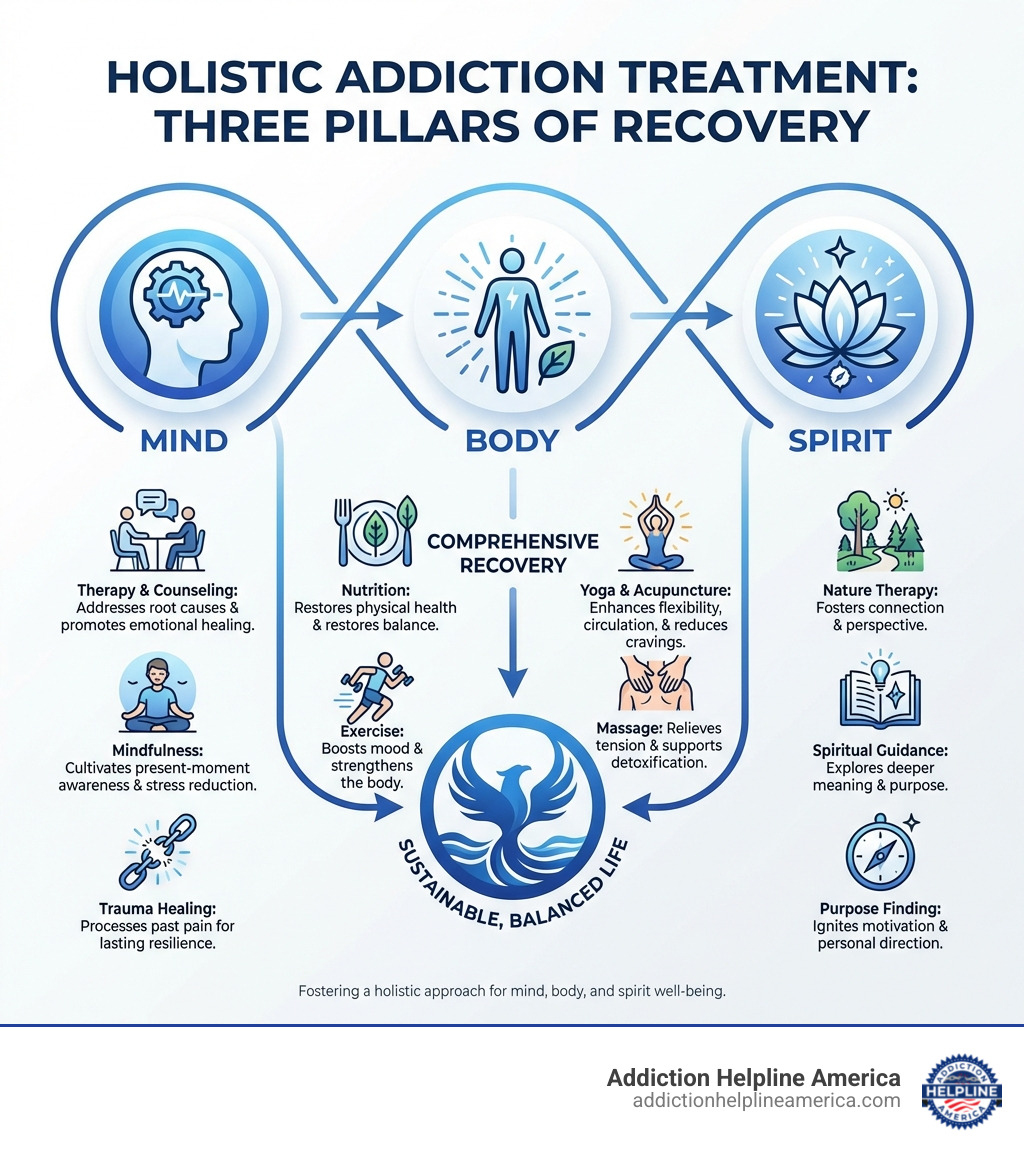
How Holistic Care Heals the Mind, Body, and Spirit

Holistic care is all about integrated healing. It acknowledges that your well-being is a mix woven from mental, physical, and spiritual threads. When one thread frays, the whole fabric can weaken. By nurturing each aspect, we help you restore balance and create a life of lasting recovery. This integrated approach is particularly powerful in addressing co-occurring mental health disorders, which often go hand-in-hand with addiction. In fact, many individuals struggling with substance use also grapple with conditions like anxiety, depression, or trauma, a situation often referred to as dual diagnosis treatment. Holistic centers are equipped to treat both simultaneously, offering a more complete path to healing.
Healing the Mind: Mental and Emotional Wellness
The mind is a powerful tool in recovery. Healing it involves addressing the psychological and emotional factors that contribute to addiction. This often includes:
- Individual Therapy: One-on-one sessions with a therapist to explore personal history, trauma, thought patterns, and emotional regulation.
- Group Therapy: Provides a supportive community where individuals can share experiences, gain insights, and practice new social skills.
- Cognitive Behavioral Therapy (CBT): Helps identify and change negative thought patterns and behaviors that fuel substance use.
- Dialectical Behavior Therapy (DBT): Focuses on emotional regulation, distress tolerance, interpersonal effectiveness, and mindfulness.
- Trauma-Informed Care: Recognizes the pervasive impact of trauma and integrates this understanding into all aspects of treatment.
- Stress Reduction Techniques: Teaches practical ways to manage stress, a common trigger for relapse.
- Mindfulness-Based Interventions: Practices like meditation that cultivate present-moment awareness, helping to reduce anxiety and cravings. Studies suggest that meditation and other forms of mindfulness-based intervention (MBI) are effective for several conditions, including substance use disorder.
By developing these mental and emotional tools, you learn to process feelings, manage triggers, and build resilience, which are crucial for long-term recovery and relapse prevention.
Healing the Body: The Role of Physical Health
Your physical health plays a critical role in your recovery journey. Substance abuse often takes a heavy toll on the body, leading to nutritional deficiencies, disrupted sleep, and overall physical decline. Holistic programs prioritize restoring physical vitality through:

- Nutrition Therapy: Guidance on healthy eating to repair the body, stabilize mood, and support brain function. Many programs offer organic, all-natural meal plans.
- Exercise: Regular physical activity, such as walking, hiking, cycling, or playing sports, can reduce stress, improve mood, and boost overall well-being.
- Yoga: Combines physical postures, breathing exercises, and meditation to integrate mind, body, and spirit. Studies have shown that yogic practices promote recovery from and treatment of addiction, helping to reduce tension and develop mindfulness.
- Physical Fitness: Custom fitness plans that help rebuild strength and stamina, fostering a sense of accomplishment and self-worth.
- Restoring Physical Balance: Addressing sleep patterns, managing chronic pain, and promoting overall physical comfort, which can reduce the temptation to self-medicate.
When your body feels strong and nourished, your mind and spirit are better equipped to engage in the hard work of recovery.
Healing the Spirit: Finding Purpose and Connection
Spiritual health in holistic treatment doesn’t necessarily mean religious adherence; it’s about finding meaning, purpose, and connection in your life. For many, addiction leaves a void, and spiritual healing helps fill that space with something positive and enduring. This can manifest through:
- Spiritual Guidance: Exploring your personal values, beliefs, and sense of purpose, whether through formal spiritual counseling or introspective practices.
- Meditation: Cultivating inner peace and connection, which can be a powerful antidote to the restlessness and discontent often associated with addiction.
- Nature Therapy: Spending time in natural environments, which has been shown to reduce stress and negative mood. Research on virtual nature as an intervention even shows promise for improving mood in people with substance use disorder.
- Finding Meaning: Engaging in activities that bring joy, foster creativity, or contribute to something larger than oneself.
- Non-Religious Spirituality: For those who don’t identify with a specific religion, this can involve mindfulness, gratitude practices, or connecting with a higher power of their own understanding.
By nurturing your spirit, you build a deeper sense of self, resilience, and hope, which are fundamental to sustaining long-term recovery.
Common Therapies Offered at Holistic Addiction Treatment Centers
Holistic Addiction Treatment Centers often integrate a variety of complementary and alternative medicine (CAM) practices to support recovery. These therapies are not typically standalone solutions but are used to improve and complement traditional, evidence-based treatments. The growing popularity of CAM for substance use disorders (SUDs) reflects a desire for more comprehensive and personalized care. These modalities can be especially effective when custom to an individual’s unique needs and preferences, creating a rich and diverse treatment plan.
List of Popular Holistic Modalities
-
Acupuncture & Massage:
Acupuncture, an ancient Chinese practice, involves inserting fine needles into specific points on the body. It’s believed to stimulate the central nervous system, releasing chemicals that can impact brain pathways associated with addiction. Research suggests acupuncture may reduce drug-seeking behaviors and help regulate associated neurotransmitters, potentially easing cravings and withdrawal symptoms. Massage therapy, beyond relaxing tense muscles, has been shown to decrease levels of the stress hormone cortisol while increasing serotonin and dopamine, helping to counteract the dopamine drop often experienced in withdrawal and reduce anxiety. -
Mindfulness & Meditation:
These practices cultivate present-moment awareness and non-judgmental observation, which can be incredibly beneficial for individuals in recovery. Mindfulness meditation helps reduce stress, improve emotional regulation, and increase self-awareness, making it easier to identify and manage triggers. Studies suggest that mindfulness-based interventions are effective for reducing relapse and substance-related injuries. -
Yoga & Tai Chi:
These mind-body practices combine gentle movements, breathing techniques, and meditation. Yoga can help reduce tension and stress, known relapse risk factors, and promote mindfulness. Yogic practices have been shown to promote recovery from addiction by fostering inner strength, confidence, and discipline. Tai Chi, with its slow, flowing movements, also aids in stress reduction, balance, and mental clarity. -
Nutritional Therapy:
Substance abuse often leads to poor dietary habits and nutritional deficiencies. Nutritional therapy focuses on repairing the body through balanced eating, addressing deficiencies, stabilizing blood sugar, and improving overall mood and brain health. A healthy diet supports the body’s natural healing processes and can significantly impact energy levels and emotional stability. -
Art, Music, & Equine Therapy:
These creative and experiential therapies offer unique avenues for healing. Art therapy and music therapy provide non-verbal ways to express emotions, process trauma, and develop coping skills, especially for those who struggle with verbal communication. Art therapy is also used to help individuals find meaning and spiritually recover from addiction. Equine therapy, involving interactions with horses, can help build self-esteem, improve mood, and encourage social interactions, as an evaluation of its effect on patients with SUDs has shown. -
Adventure & Experiential Therapy:
These therapies involve engaging in challenging and rewarding activities like hiking, rock climbing, or wilderness excursions. They help individuals build confidence, develop new coping skills, overcome fears, and foster a sense of accomplishment outside of substance use. It’s about finding healthy new passions and connections. Many Holistic Addiction Treatment Centers in scenic areas, including those near Los Angeles, incorporate such outdoor activities. If you’re looking for such programs, we can help you find a holistic program in California.
Finding the Right Holistic Program in Los Angeles
Finding the right Holistic Addiction Treatment Centers in Los Angeles can feel like a big decision, but it’s a crucial step towards your recovery. Our goal at Addiction Helpline America is to provide you with the personalized guidance you need to make an informed choice. We understand that Los Angeles offers a diverse range of options, and we’re here to help you steer them.
When searching for a program, consider the various levels of care, payment options, and the center’s approach to long-term success. The best treatment is one that is custom to your unique needs. We can help you find a treatment center in Los Angeles that aligns with your recovery goals.
What to Look for in Holistic Addiction Treatment Centers
When selecting a holistic treatment center, especially in a vibrant city like Los Angeles, it’s important to look beyond just the appealing therapies. Consider these key factors:
- Accreditation and Licensing: Ensure the center is properly accredited and licensed by state and national bodies, indicating adherence to quality standards.
- Staff Qualifications: Inquire about the credentials and experience of the therapists and practitioners delivering both traditional and holistic therapies.
- Integration with Evidence-Based Care: The most effective holistic programs seamlessly integrate complementary therapies with proven, evidence-based treatments like CBT, DBT, and medication-assisted treatment (MAT) when appropriate. As NIDA’s Principles of Drug Addiction Treatment emphasize, effective treatment typically incorporates many components, each directed to a particular aspect of the illness.
- Individualized Treatment Plans: Look for centers that create personalized plans based on a thorough assessment of your specific needs, history, and co-occurring conditions.
- Aftercare Support: Recovery is a lifelong journey. A good center will offer robust aftercare planning, including connections to support groups, alumni networks, and outpatient services, to help you maintain sobriety after completing residential treatment.
Levels of Care and Program Duration
Holistic addiction treatment programs offer various levels of care to suit different needs and stages of recovery:
- Detoxification: This is often the first step, especially for physical dependence. Medically-supervised detox ensures safety and comfort during withdrawal. While traditional, holistic services like acupuncture or massage can help ease discomfort during this critical phase.
- Inpatient/Residential Treatment: Provides 24/7 structured care in a live-in facility. This is ideal for individuals with severe addictions, co-occurring mental health disorders, or those who need a highly supportive and immersive environment away from triggers.
- Outpatient Programs (PHP/IOP): Partial Hospitalization Programs (PHP) and Intensive Outpatient Programs (IOP) allow individuals to live at home while attending treatment sessions during the day or evening. This offers flexibility for those with stable living situations and less severe addiction, or as a step-down from inpatient care.
The American Society of Addiction Medicine (ASAM) provides criteria for levels of care, guiding clinicians in matching patients to the appropriate intensity of treatment. Regarding duration, while some programs are 30 days, research indicates that most addicted individuals need at least 3 months in treatment to significantly reduce or stop drug use, and that the best outcomes occur with longer durations.
Paying for Holistic Treatment
Concerns about cost should never deter you from seeking help. When it comes to paying for holistic addiction treatment, several options are available:
- Insurance Coverage: Under federal law, substance use disorder treatment is considered an essential health benefit. This means most health insurance plans, including those purchased through the Affordable Care Act (ACA) marketplace, must offer coverage for addiction treatment. Additionally, mental health parity laws require insurers to cover mental health and substance abuse services at the same level as medical and surgical care. It’s crucial to contact your insurance provider directly to understand your specific benefits, deductibles, and out-of-pocket costs.
- Private Pay Options: For those without insurance or who prefer not to use it, many centers offer private pay options, payment plans, or financial assistance programs.
- Government Funding and Grants: State and federal programs, as well as grants, can sometimes help cover treatment costs.
- Addiction Helpline America: We provide free, confidential, and personalized guidance to help you understand your options and connect you with Holistic Addiction Treatment Centers that fit your financial situation. For example, if you’re exploring options in another state, we can help you find a rehab in Texas or any other state where we operate. Our service is always free.
Frequently Asked Questions about Holistic Recovery
How does holistic treatment help prevent relapse?
Holistic therapies equip individuals with a wide range of coping mechanisms for stress, cravings, and emotional triggers. By addressing the root causes of addiction and promoting overall well-being—mind, body, and spirit—patients build a stronger foundation for a sustainable, sober life, reducing the likelihood of returning to substance use. This comprehensive approach means they’re not just learning to say “no” to substances, but they’re building a “yes” to a fulfilling, healthy life. This includes stress reduction techniques, emotional regulation skills, physical health improvements that boost mood, and spiritual practices that foster resilience and purpose.
Is a holistic approach enough on its own?
While holistic therapies are powerful, most reputable centers integrate them with evidence-based treatments like cognitive-behavioral therapy (CBT), medical detox, and individual counseling. This combined approach, recommended by the Substance Abuse and Mental Health Services Administration (SAMHSA), offers the most comprehensive and effective path to recovery. Holistic methods are best seen as complementary tools that improve the effectiveness of traditional, scientifically-backed interventions, rather than replacing them entirely. This ensures that all aspects of addiction, from its biological components to its psychological and spiritual dimensions, are thoroughly addressed.
How long does a holistic treatment program last?
Program length is highly individualized. While some programs offer 30-day stays, research from the National Institute on Drug Abuse (NIDA) suggests that treatment of at least 90 days is most effective for long-term success. The right duration depends on the individual’s specific needs, substance use history, and co-occurring conditions. Longer treatment durations allow for deeper engagement with therapies, more time to develop and practice new coping skills, and a stronger foundation for maintaining sobriety after leaving formal treatment. It’s not about rushing the process, but rather investing the necessary time for deep and lasting change.
Take the First Step Towards Healing Today
Choosing a holistic path to recovery in Los Angeles means embracing a journey of profound self-findy and comprehensive healing. It’s about recognizing that you deserve care that addresses every part of who you are—mind, body, and spirit. This approach offers a new beginning, equipping you with the tools for a vibrant, sober, and purposeful life.
At Addiction Helpline America, we believe everyone deserves access to personalized care. Our team is dedicated to providing free, confidential, and compassionate guidance to help you find the right Holistic Addiction Treatment Centers that meet your unique needs. You don’t have to steer this alone.
Your journey to healing starts now. Take the brave step towards reclaiming your life.
Call us today for confidential help. Our helpline is available 24/7 to connect you with the support you need in Los Angeles and nationwide. We’re here for you.