
Understanding the Urgent Reality of Heroin Withdrawal
Heroin withdrawal symptoms are the body’s natural—but often unbearable—response when a physically dependent person stops or significantly reduces their heroin use. These symptoms can include:
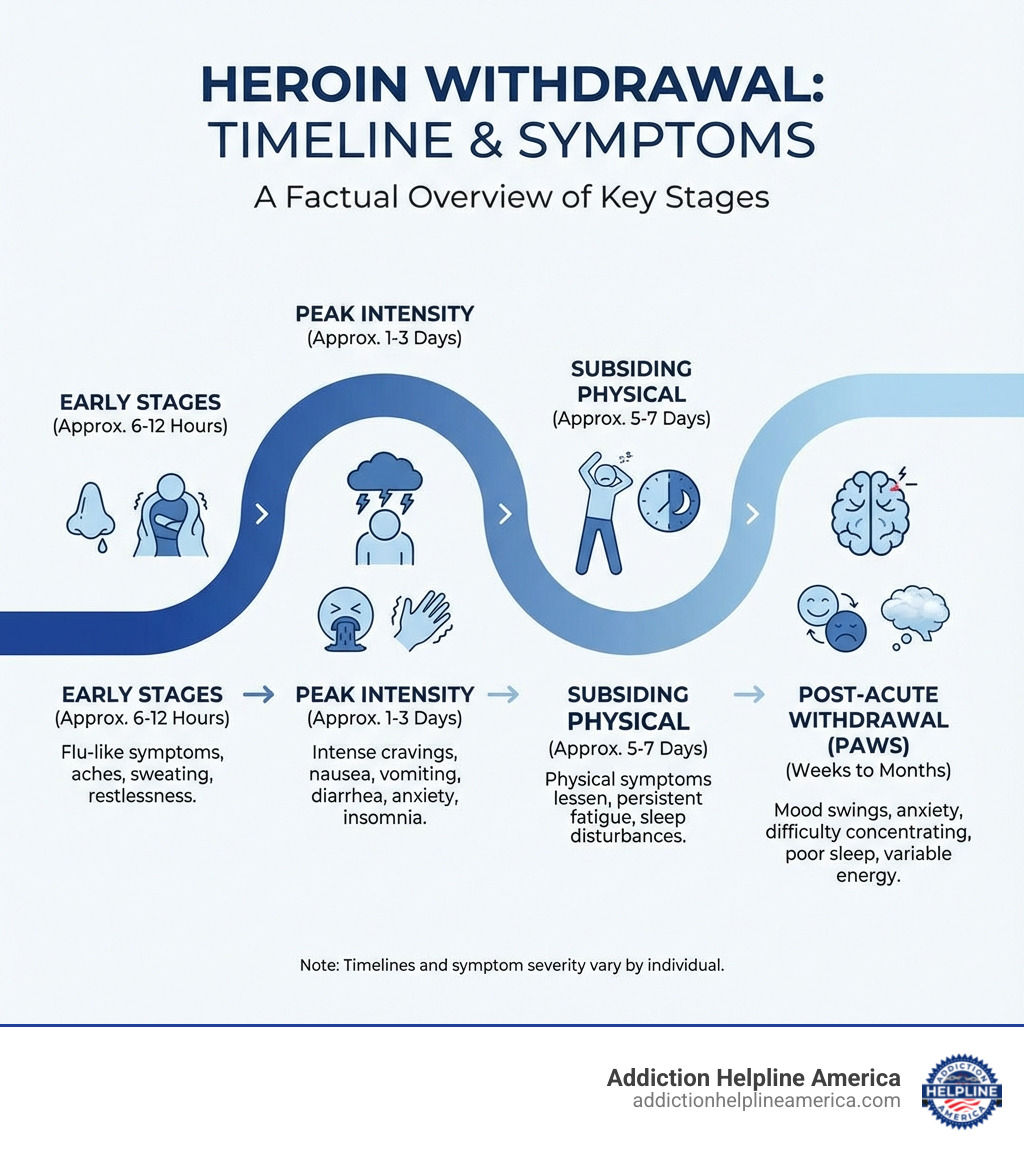
- Early symptoms (4-12 hours): Restlessness, muscle aches, watery eyes, yawning, sweating, insomnia
- Peak symptoms (24-72 hours): Severe nausea, vomiting, diarrhea, abdominal cramps, bone pain, intense cravings, anxiety, increased heart rate
- Prolonged symptoms (1-2 weeks): Fatigue, weakness, depression, difficulty concentrating
- Post-Acute Withdrawal Syndrome (PAWS): Can persist for weeks or months with mood swings, insomnia, and ongoing cravings
While rarely fatal in healthy adults, withdrawal is uncomfortable and can cause dangerous complications like dehydration, electrolyte imbalances, and a higher risk of fatal overdose upon relapse. These symptoms are a powerful force that traps people in addiction, as many continue using just to avoid the “miserably difficult” experience of withdrawal, even when they want to quit.
The good news is that you don’t have to face this alone. Medically supervised detox can ease discomfort, keep you safe, and improve your chances of long-term recovery. Treatment centers provide 24/7 medical monitoring, symptom-managing medications, and therapy to address the root causes of addiction.
If you’re experiencing heroin withdrawal symptoms or worried about someone you love, call Addiction Helpline America at 844-561-0606 right now. Our compassionate specialists are available 24/7 to provide free, confidential guidance and connect you with safe, effective treatment options nationwide. Don’t let another day of suffering pass—help is just a phone call away.
At Addiction Helpline America, we’ve helped thousands manage heroin withdrawal symptoms with dignity and hope. Our experienced team understands your challenges and is committed to connecting you with personalized treatment that matches your specific needs.
The Escalating Stages of Withdrawal: From Flu-like Aches to Severe Agony
When someone dependent on heroin tries to stop, their body and mind rebel. This isn’t just feeling unwell; it’s a profound upheaval. Recognizing when heroin withdrawal symptoms are escalating beyond your control is the first step toward getting help.
Sign 1: Early Symptoms Feel Like a Severe, Unrelenting Flu
The initial phase mimics a bad flu, starting within 4 to 12 hours of the last dose. It begins with a restless unease, quickly followed by muscle and bone pain that can range from a dull ache to deep, throbbing discomfort.
Insomnia is another early and frustrating symptom, making rest nearly impossible. As hours pass, you might experience gastrointestinal upset, including physically draining diarrhea and vomiting.
Other classic signs include cold flashes with goosebumps (the origin of “cold turkey”) and involuntary leg movements (“restless legs”). You may also find yourself yawning excessively with watery eyes and a runny nose. While these early heroin withdrawal symptoms are rarely life-threatening, they are deeply uncomfortable and quickly deplete your energy and resolve. They are your body’s urgent cry for the opioid it depends on.
Sign 2: Peak Symptoms Overwhelm Your Body (Days 2-4)
If early symptoms are like a bad flu, the peak of heroin withdrawal symptoms is a full-blown crisis. Intensifying 24 to 48 hours after the last dose and peaking around days two to four, the physical pain becomes agonizing. Many describe it as the worst pain they’ve ever felt, making simple movements excruciating.
Nausea and vomiting can become severe, accompanied by intense abdominal cramps. This constant gastrointestinal distress leads to significant fluid loss, paving the way for serious medical concerns like dehydration and electrolyte imbalances. Uncontrollable leg movements may further disrupt any chance of rest.
Other peak physical signs include profuse sweating, hypertension (high blood pressure), and an increased heart rate. These cardiovascular changes are concerning and highlight the need for medical supervision. The sheer intensity of these heroin withdrawal symptoms can be overwhelming, pushing individuals to their breaking point and making it incredibly difficult to resist using again.
If these symptoms are overwhelming you or a loved one, don’t wait for things to get worse. Call Addiction Helpline America at 844-561-0606 for immediate support. Our team can connect you with medical professionals who can provide relief and ensure your safety during this critical time.
Sign 3: The Psychological Distress Becomes Unbearable
Beyond the physical agony, heroin withdrawal symptoms inflict a profound psychological toll that can be even more challenging. Intense, unbearable cravings for heroin consume your thoughts. Your brain, deprived of its usual dopamine rush, creates a powerful psychological pull that feels impossible to ignore.
Severe anxiety and agitation are pervasive, leaving you feeling constantly on edge and unable to relax. Many individuals report deep depression and overwhelming irritability. Racing thoughts can keep your mind in a chaotic loop, making sleep impossible.
A profound sense of hopelessness often sets in, making it hard to believe that life can improve. This psychological agony is a major reason why many attempts to quit heroin alone end in relapse. The mental anguish, combined with physical pain, creates a vicious cycle that demands professional intervention. Addressing these psychological heroin withdrawal symptoms is a key component of the comprehensive treatment plans we help facilitate at Addiction Helpline America.
Dangerous Complications and Long-Term Heroin Withdrawal Symptoms
The dangers of heroin withdrawal extend beyond discomfort. While immediate symptoms are often described as “flu-like,” potential complications and protracted effects can pose significant risks to your health, underscoring the importance of professional medical care.
Sign 4: You Face Life-Threatening Complications
While heroin withdrawal symptoms are not typically fatal for healthy adults, complications can make the experience dangerous. Severe vomiting and diarrhea can cause rapid dehydration and critical electrolyte imbalances. Unaddressed, this can stress the heart, potentially leading to heart problems or even heart failure.
Another serious risk is aspiration pneumonia, which can occur if someone inhales stomach contents into their lungs while vomiting, leading to a severe lung infection. For pregnant individuals, heroin withdrawal poses a direct threat to the fetus, potentially causing miscarriage or premature delivery. Withdrawal can be fatal to the fetus, so medically supervised withdrawal, often with methadone maintenance, is strongly recommended.
Perhaps the most insidious danger of detoxing alone is the increased risk of overdose upon relapse. After a period of abstinence, your body’s tolerance to heroin decreases significantly. If you then use your previous dose, your body may be unable to handle it, leading to a much higher chance of a fatal overdose.
Sign 5: Post-Acute Withdrawal Syndrome (PAWS) Lingers for Months
After acute physical heroin withdrawal symptoms subside (usually within a week), many people face Post-Acute Withdrawal Syndrome (PAWS). This protracted phase can last for weeks or months, challenging sobriety.
PAWS symptoms are primarily psychological and emotional, as the brain rebalances after long-term heroin use. It takes time for the brain to rewire itself and function normally without the drug.
Common PAWS symptoms include:
- Mood swings: Intense and unpredictable shifts in mood.
- Anhedonia: A persistent inability to experience pleasure.
- Chronic insomnia: Difficulty falling or staying asleep.
- Lethargy: A profound lack of energy and motivation.
- Impaired concentration: Difficulty focusing or remembering things.
- Increased anxiety and depression: Lingering feelings of unease and hopelessness.
- Hypersensitivity: Heightened emotional and physical reactions.
- Persistent drug cravings: Psychological cravings can remain strong.
These protracted heroin withdrawal symptoms can be disheartening and are a major contributor to relapse if not addressed with ongoing support. PAWS is a real condition requiring patience and continued professional help. For more in-depth information, you can refer to Opioid Withdrawal research from the NIH.
Opioid Withdrawal research from the NIH
If you are experiencing these long-term symptoms, don’t lose hope. Call Addiction Helpline America at 844-561-0606. Our team can connect you with ongoing support to manage PAWS and secure your recovery.
Why Quitting Alone Often Fails: Recognizing the Need for Professional Help
The idea of quitting “cold turkey” at home can be appealing, driven by a desire for privacy or a belief that willpower is enough. However, the reality of heroin withdrawal symptoms makes quitting alone incredibly difficult and often dangerous. Recognizing when you need professional help is a crucial step towards lasting recovery.
Sign 6: You’ve Tried to Quit Before and Relapsed
A history of failed attempts to quit is a clear sign you need professional help. Many people try to stop on their own, only to be overwhelmed by intense heroin withdrawal symptoms and relapse. This isn’t a personal failing but a testament to the power of opioid dependence.
As our research shows, “Trying to break a heroin addiction is miserably difficult because of withdrawal.” The physical and psychological distress makes relapse almost inevitable without proper support. Furthermore, each relapse after abstinence carries an increased risk of fatal overdose due to lowered tolerance. Your body can no longer handle previous doses, making them potentially lethal.
Supervised withdrawal alone, without a comprehensive plan for ongoing treatment, is also “unlikely to result in sustained abstinence from opioids.” Unsupervised withdrawal is “associated with liftd rates of death, incarceration, and infectious disease transmission.” If you are caught in this cycle, it’s a clear sign that a new approach with medical supervision and long-term therapy is needed.
Sign 7: You Lack a Safe and Supportive Environment
Your environment plays a massive role in your success. An unsupportive home, easy access to drugs, or a lack of accountability dramatically lowers the chance of a successful detox. Managing severe heroin withdrawal symptoms in an environment full of triggers and without consistent support is setting yourself up for failure.
Unsupervised detox at home is isolating and dangerous. Without medical monitoring, complications like severe dehydration or aspiration can become critical before they are noticed. Intense cravings and psychological distress can also lead to desperate choices if no one is there to intervene.
Conversely, a professional inpatient detox facility provides the structured, drug-free environment essential for initial recovery. As our research highlights, “The main benefit of inpatient social programs is that the environment will be drug- and alcohol- free so that you can begin recovery without environmental relapse temptations.” This removes temptation and allows you to focus on healing with medical help always available.
If your current environment isn’t conducive to a safe and successful detox, don’t despair. Call Addiction Helpline America at 844-561-0606 to find a safe detox facility near you. We can connect you with programs that offer the secure, supportive environment you need to begin your recovery journey.
The Safest Path: Medically Supervised Detox and Comprehensive Treatment
Facing heroin withdrawal symptoms can feel like an impossible battle, but it doesn’t have to be. The safest, most effective path to recovery is through medically supervised detox and a comprehensive treatment plan. This approach manages acute discomfort and lays the groundwork for long-term sobriety.

Medically supervised detox offers benefits you can’t get when quitting alone. With 24/7 medical monitoring, complications like dehydration are promptly addressed. This oversight provides safety and comfort in a controlled environment, making withdrawal as comfortable as possible and reducing the risk of relapse. With professional support, you are actively helped through the process, significantly increasing your odds of completing detox and moving on to the next phase of recovery.
What medications are used to manage heroin withdrawal symptoms?
Medication-Assisted Treatment (MAT) is a cornerstone of medically supervised detox, endorsed by leading health organizations for treating opioid use disorder. It uses medications to alleviate heroin withdrawal symptoms and manage cravings.
Commonly used medications include:
-
Buprenorphine (Suboxone): A partial opioid agonist, buprenorphine reduces withdrawal symptoms and cravings without the high. It’s used for detox and long-term maintenance but must be started carefully to avoid precipitated withdrawal.
-
Methadone: A full opioid agonist used for over 30 years, methadone relieves heroin withdrawal symptoms. It’s used for detox and long-term maintenance, with doses tapered over time.
-
Clonidine: This non-opioid medication reduces physical symptoms like anxiety, muscle aches, and sweating. It doesn’t address cravings and requires blood pressure monitoring.
-
Symptomatic relief medications: Other medications target specific heroin withdrawal symptoms, such as anti-emetics for nausea, anti-diarrheals, analgesics for pain, and benzodiazepines used cautiously for severe anxiety.
-
Naltrexone: Used after detox to prevent relapse, naltrexone blocks opioid receptors, reducing pleasurable effects and overdose risk. It’s given orally or by injection but must only be started after opioids have fully left the system to avoid precipitating withdrawal.
Information on Naltrexone from SAMHSA
These medications, when monitored by professionals, make detox significantly more tolerable and safer.
What does a comprehensive treatment plan include?
Detox is just the first step. A comprehensive treatment plan is vital for lasting sobriety, as withdrawal management alone is “unlikely to result in sustained abstinence.”
A holistic plan typically includes:
-
Individual Counseling: One-on-one therapy to explore personal issues contributing to addiction and develop coping strategies.
-
Group Therapy: Peer support in a group setting to reduce isolation and foster community.
-
Cognitive Behavioral Therapy (CBT): Helps identify and change negative thought patterns and behaviors related to drug use.
-
Family Therapy: Heals family relationships, improves communication, and educates family on providing effective support.
-
Aftercare Planning: Essential for preventing relapse, this includes ongoing therapy, support groups, and sober living arrangements.
-
Holistic Therapies: Includes yoga, meditation, and art therapy to manage stress and promote well-being.
By combining detox with these therapies, individuals can build a strong foundation for a heroin-free future. To find a program with these comprehensive services, call Addiction Helpline America at 844-561-0606. We can connect you with the right help.
Frequently Asked Questions about Heroin Withdrawal
We understand you have questions about heroin withdrawal symptoms and recovery. Here are answers to common concerns.
How does heroin withdrawal differ from other opioids?
Opioid withdrawal symptoms vary in onset, intensity, and duration depending on whether the drug is short- or long-acting.
| Feature | Heroin (Short-Acting Opioid) | Methadone (Long-Acting Opioid) | Fentanyl (Potent Short-Acting Opioid) |
|---|---|---|---|
| Onset of Symptoms | Typically 6-12 hours after last use | Usually 12-48 hours after last use | Often 2-12 hours after last use, but can be rapid due to potency |
| Peak Symptoms | 24-72 hours (Days 2-4) | 3-8 days | 1-3 days, but can be intense and prolonged due to potency and fat solubility |
| Duration of Acute Withdrawal | 5-7 days, up to 10 days | 10-20 days, sometimes longer | 4-7 days for acute, but PAWS can be significant due to potency |
| Intensity | Very intense and acute, described as “miserably difficult” | Generally less intense than heroin, but prolonged and uncomfortable | Extremely intense due to high potency, can be very distressing |
| Key Characteristics | Rapid onset, severe flu-like symptoms, strong psychological cravings | Slower onset, milder but longer-lasting symptoms, can be managed via tapering | Very rapid and severe onset, potentially leading to intense and dangerous withdrawal |
Heroin, a short-acting opioid, causes a rapid onset of intense withdrawal symptoms that generally resolve within a week. In contrast, long-acting opioids like methadone have a slower onset, and symptoms can last much longer, though often with less acute intensity. Understanding these differences helps in tailoring effective detox strategies.
What factors influence the severity of withdrawal?
The severity and duration of heroin withdrawal symptoms are highly individual and influenced by several factors:
- Duration of Use: Longer use leads to greater physical dependence and more severe withdrawal. “High intake for a longer duration (more than six months) is associated with more severe withdrawal.”
- Daily Dosage Amount: Higher daily doses result in more intense withdrawal.
- Frequency of Use: Daily use causes more pronounced withdrawal than intermittent use.
- Method of Administration: Injecting, smoking, or snorting affects how quickly the drug acts, influencing withdrawal’s onset and intensity.
- Co-occurring Health Conditions: Pre-existing physical or mental health issues can worsen withdrawal symptoms and increase complication risks.
- Polysubstance Use: Using heroin with other drugs like alcohol or benzodiazepines makes withdrawal more complex and dangerous, often requiring inpatient care.
Medical professionals assess these factors to create a personalized detox plan.
Is heroin withdrawal fatal?
While incredibly uncomfortable, heroin withdrawal symptoms are rarely fatal for a healthy adult. The direct physical symptoms do not typically cause death. However, there are critical caveats:
- Dehydration and Electrolyte Imbalance: Severe vomiting and diarrhea can lead to dehydration and electrolyte imbalances, which can stress the heart and potentially cause heart failure if not medically managed.
- Aspiration Risk: Inhaling stomach contents into the lungs during vomiting can cause aspiration pneumonia, a serious and potentially fatal infection.
- Significant Risk to the Fetus in Pregnant Individuals: For pregnant individuals, withdrawal poses a severe risk to the fetus, including miscarriage or fetal death. Methadone maintenance is often recommended instead of withdrawal.
- Relapse and Overdose Risk: The most significant danger of unsupervised withdrawal is the increased risk of a fatal overdose upon relapse. After abstinence, tolerance drops significantly. A previous dose can now be deadly.
These associated risks make medically supervised withdrawal an essential, life-saving intervention.
Find Your Path to a Heroin-Free Life Today
Facing heroin withdrawal symptoms and the recovery journey can seem daunting, but recovery is a reality for countless people. Reaching out for help is the most powerful first step you can take for your future.
At Addiction Helpline America, we are your partners in recovery. We offer free, confidential guidance, connecting you with personalized treatment from our nationwide network. From Alabama to Wyoming, we have resources across the country ready to help.
You don’t have to endure the pain and dangers of heroin withdrawal symptoms alone. Our compassionate specialists are available 24/7 to listen, understand, and guide you to the right recovery program for your unique needs.
Don’t wait another day to reclaim your health, your hope, and your life. Reach out to Addiction Helpline America today to speak with a caring specialist and start your recovery journey. Help is here, and your future is waiting.