
Why Finding Help for Addicts Starts with Taking One Simple Step
Help for addicts is available right now, and recovery is possible. If you or someone you love is struggling with substance use, you don’t have to face this alone. Here’s what you need to know immediately:
- Call 24/7 helplines like SAMHSA’s National Helpline at 1-800-662-HELP (4357) or Addiction Helpline America at 844-561-0606 for confidential support
- Treatment options include detox, inpatient rehab, outpatient programs, medication-assisted treatment (MAT), and support groups
- Support is available for both the person struggling and their family members
- Recovery works — millions of Americans are living proof that addiction can be overcome
The reality is staggering: 48.5 million people aged 12 or older had a substance use disorder in 2023 — that’s 17.1% of the U.S. population. Nearly half of all Americans have a family member or close friend who has been addicted to drugs. If you’re reading this, you’re likely one of them.
Addiction is a disease, not a moral failing. It changes the brain and alters decision-making, making it incredibly difficult for someone to stop using on their own. But here’s the important part: recovery is absolutely possible. With the right help, support, and treatment, people with substance use disorders can and do reclaim their lives every single day.
Whether you’re seeking help for yourself or trying to support a loved one, taking that first step — reaching out, asking questions, making a phone call — is often the hardest part. But it’s also the most important.
At Addiction Helpline America, we’ve helped thousands of individuals and families steer the overwhelming journey from addiction to recovery, connecting them with confidential, compassionate support and effective treatment options custom to their unique needs. Call us 24/7 at 844-561-0606 for immediate guidance and to start your path toward healing.
Quick Help for addicts terms:
Understanding Addiction: The First Step to Getting Help
Addiction, or substance use disorder (SUD), is a complex brain disease characterized by compulsive drug seeking and use, despite harmful consequences. It’s not a choice or a sign of weakness; it’s a medical condition that changes the brain’s structure and function. Understanding this is crucial for anyone seeking help for addicts.
Risk factors include genetics, environment (stress, trauma), and co-occurring mental health conditions. Many use substances to self-medicate emotional pain, which often worsens the problem. To dig deeper into the science, the National Institute on Drug Abuse (NIDA) offers comprehensive insights into The Science of Addiction.
If you or a loved one are struggling, understanding is the first step toward healing. Call Addiction Helpline America at 844-561-0606 for support and resources.
Common Signs of a Substance Use Disorder
Recognizing the signs of addiction is a critical first step, especially for family and friends. While signs vary by substance, common patterns emerge across physical, behavioral, and psychological areas. Here’s what to look for:
- Physical Signs: Bloodshot eyes, poor skin tone, changes in weight or appetite, neglected hygiene, pupils larger or smaller than usual, frequent nosebleeds, or shakes and tremors.
- Behavioral Changes: Increased secretiveness, sudden changes in friends or hobbies, unexplained disappearances, legal troubles, engaging in risky behaviors, or defensiveness when asked about substance use.
- Psychological Symptoms: Mood swings, increased irritability, anxiety, depression, paranoia, lack of motivation, or sudden shifts in personality.
- Neglecting Responsibilities: Declining performance at work or school, frequent absences, neglecting family duties, or failing to meet commitments.
- Financial Trouble: Unexplained debt, borrowing or stealing money, selling possessions, or being constantly short on cash to support the addiction.
- Relationship Problems: Strained relationships with family and friends, isolation, or prioritizing substance use over loved ones.
- Increased Tolerance: Needing more of a substance to achieve the same effect.
- Withdrawal Symptoms: Experiencing physical or psychological discomfort (e.g., nausea, sweating, anxiety, insomnia) when not using the substance.
These signs indicate a deeper issue that requires professional intervention. If you recognize these patterns in yourself or a loved one, it’s time to seek help for addicts. Call us for a confidential assessment at 844-561-0606.
How Addiction Changes the Brain and Behavior
Addiction is a brain disease that alters brain structure and function. Substance use floods the brain’s reward system with dopamine, creating intense pleasure and a powerful drive to repeat the behavior. Over time, the brain adapts by reducing its own dopamine production, making it hard to enjoy everyday activities and leading to cravings for more of the substance. The prefrontal cortex, which controls judgment and impulse control, is also impaired. This makes it difficult to make rational choices and resist compulsive use. This intricate interplay between substance use and brain alteration is detailed in Substance-Related and Addictive Disorders research.
These brain changes explain why willpower alone isn’t enough to overcome addiction, a chronic condition requiring comprehensive treatment. For more information on how addiction affects the brain, call Addiction Helpline America at 844-561-0606.
The Consequences of Untreated Addiction
Untreated addiction creates a devastating ripple effect, touching every part of an individual’s life and their loved ones. The consequences can be severe and life-threatening:
- Health Problems: Chronic health conditions such as liver damage, heart disease, respiratory issues, neurological damage, and increased risk of infectious diseases. Overdose is a constant, deadly threat.
- Legal Issues: Arrests for possession, driving under the influence, theft, or other crimes committed to obtain substances, leading to fines, incarceration, and a criminal record.
- Financial Ruin: Loss of employment, mounting debts, bankruptcy, and homelessness due to funds being diverted to support the addiction.
- Damaged Relationships: Erosion of trust, isolation from family and friends, divorce, and strained parent-child relationships.
- Overdose Risk: The constant danger of accidental overdose, which can lead to permanent brain damage or death. The abuse of prescription pain relievers and tranquilizers has skyrocketed in recent years, creating a public health crisis and increasing this risk.
- Co-occurring Mental Health Disorders: Addiction often co-exists with conditions like depression, anxiety, or PTSD. About half of those with an SUD also have a serious mental illness. This dual diagnosis complicates treatment if not addressed together.
These potential consequences underscore the urgency of seeking help for addicts. The sooner treatment begins, the greater the chance of preventing further harm and building a path to recovery. Call Addiction Helpline America for a confidential assessment at 844-561-0606.
How to Help a Loved One with Addiction
Watching a loved one struggle with addiction brings a whirlwind of emotions, from fear to anger. You’re not alone—nearly half of Americans have a close friend or family member who has been addicted. Our approach is rooted in empathy, guiding you to communicate effectively, set healthy boundaries, and avoid blame. It’s a dangerous myth that someone must “hit rock bottom” to get better; your support can be vital to their recovery.

Reach out to Addiction Helpline America at 844-561-0606 for family support resources and expert advice.
Approaching a Loved One About Their Suspected Addiction
Starting a conversation about addiction is challenging but crucial. Plan carefully and stay calm. Here’s how to approach a loved one:
- Choose the Right Time and Place: Select a moment when both of you are calm, sober, and free from distractions. Avoid discussions during an argument or when they are under the influence.
- Use “I” Statements: Frame your concerns around your feelings rather than accusatory “you” statements. For example, “I feel worried when I see you miss work,” instead of “You always miss work because you’re using.”
- Express Concern, Not Judgment: Your goal is to convey love and concern for their well-being, not to lecture or shame them. Focus on specific behaviors and their impact, offering examples.
- Offer Support: Make it clear that you are there to support them in seeking help, not to punish them. Offer to accompany them to appointments or research treatment options together.
- Be Prepared for Denial or Anger: Addiction is often accompanied by denial. Your loved one may react defensively, angrily, or try to minimize the problem. Remain calm and reiterate your concern.
- Have Treatment Information Ready: Before the conversation, research potential treatment options, helplines, or support groups in your area. This shows you’re serious and provides immediate, actionable steps.
You can’t force someone to stop abusing substances, but your approach can plant the seeds for change. Call us for guidance on how to start the conversation at 844-561-0606.
Supporting Recovery vs. Enabling Addiction
It’s paramount for family and friends to understand the difference between helping and enabling. Good intentions can sometimes perpetuate addiction by shielding a loved one from the consequences of their actions.
| Helping Behaviors | Enabling Behaviors |
|---|---|
| Setting Clear Boundaries: Setting and enforcing rules and consequences. | Making Excuses: Covering for their missed responsibilities at work, school, or home. |
| Encouraging Treatment: Helping them find resources and attend appointments or therapy. | Providing Money: Giving them money for substances, or paying debts/bills they should handle. |
| Offering Emotional Support: Listening and expressing love without condoning their substance use. | Ignoring the Problem: Avoiding the topic of their substance use to keep the peace. |
| Allowing Natural Consequences: Letting them face the natural outcomes of their choices. | Bailing Them Out: Rescuing them from legal or financial trouble caused by their addiction. |
| Educating Yourself: Learning about addiction, treatment, and healthy family dynamics. | Taking Responsibility for Their Actions: Doing their chores, lying for them, or cleaning up their messes. |
| Prioritizing Your Own Well-being: Seeking your own support and maintaining a healthy lifestyle. | Sacrificing Your Own Needs: Neglecting your own health and finances to cater to their addiction. |
Helping encourages recovery, while enabling makes it easier to continue using by removing consequences. Understanding this difference is crucial. For advice on supporting recovery, call Addiction Helpline America at 844-561-0606.
What is an Intervention and When is it Necessary?
An intervention is a planned process, often guided by a professional, where family and friends confront a loved one about their addiction. The goal is to present the impact of their substance use and encourage them to accept treatment.
Interventions can be formal (structured with a professional), informal (a heartfelt conversation among close individuals), or even legal (in some states, families can petition for involuntary commitment under specific, severe circumstances).
When to consider an intervention:
- When previous attempts to discuss the issue have failed.
- When the individual denies they have a problem or refuses to seek help for addicts.
- When their substance use is escalating and posing significant risks to themselves or others.
- If your loved one has a history of serious mental illness, violence, suicide attempts, or is taking multiple mood-altering substances, a professional should definitely be involved.
An intervention provides specific examples of destructive behaviors, offers a clear treatment plan, and outlines the consequences if treatment is refused. It’s a powerful tool to break through denial and motivate change. Addiction Helpline America can help you plan an intervention—call 844-561-0606 for step-by-step support.
Taking Care of Yourself: Support for Families and Friends
Supporting a loved one with an addiction is emotionally taxing and can lead to burnout. It’s vital to care for yourself—you cannot pour from an empty cup. Prioritizing your well-being isn’t selfish; it’s essential for both you and your ability to provide support.
Consider these steps:
- Seek Professional Support: Family therapy can help address underlying family dynamics contributing to addiction and provide strategies for healthier interactions.
- Join Support Groups: Connecting with others who understand your experience can be incredibly validating. Groups like Al-Anon (for families of those with alcohol problems) and Nar-Anon (for families of those with drug problems) offer peer support and coping strategies.
- Practice Self-Care: Engage in activities that reduce stress and promote your well-being, such as exercise, hobbies, mindfulness, or spending time with supportive friends.
- Set Personal Boundaries: Just as your loved one needs boundaries, so do you. Protect your physical, emotional, and financial health from the impacts of their addiction.
You don’t have to go through this alone. Call Addiction Helpline America at 844-561-0606 for guidance and self-care resources.
A Guide to Addiction Treatment Options
Effective help for addicts requires understanding that recovery is not one-size-fits-all. The journey is unique, influenced by substance type, addiction severity, and personal circumstances. Personalized treatment plans and a continuum of care are vital.
At Addiction Helpline America, we understand the complexities of addiction recovery programs and can help you steer the various options to find the best fit. Call Addiction Helpline America at 844-561-0606 to discuss your treatment options and get matched with the right program.
From Detox to Aftercare: Levels of Care Explained
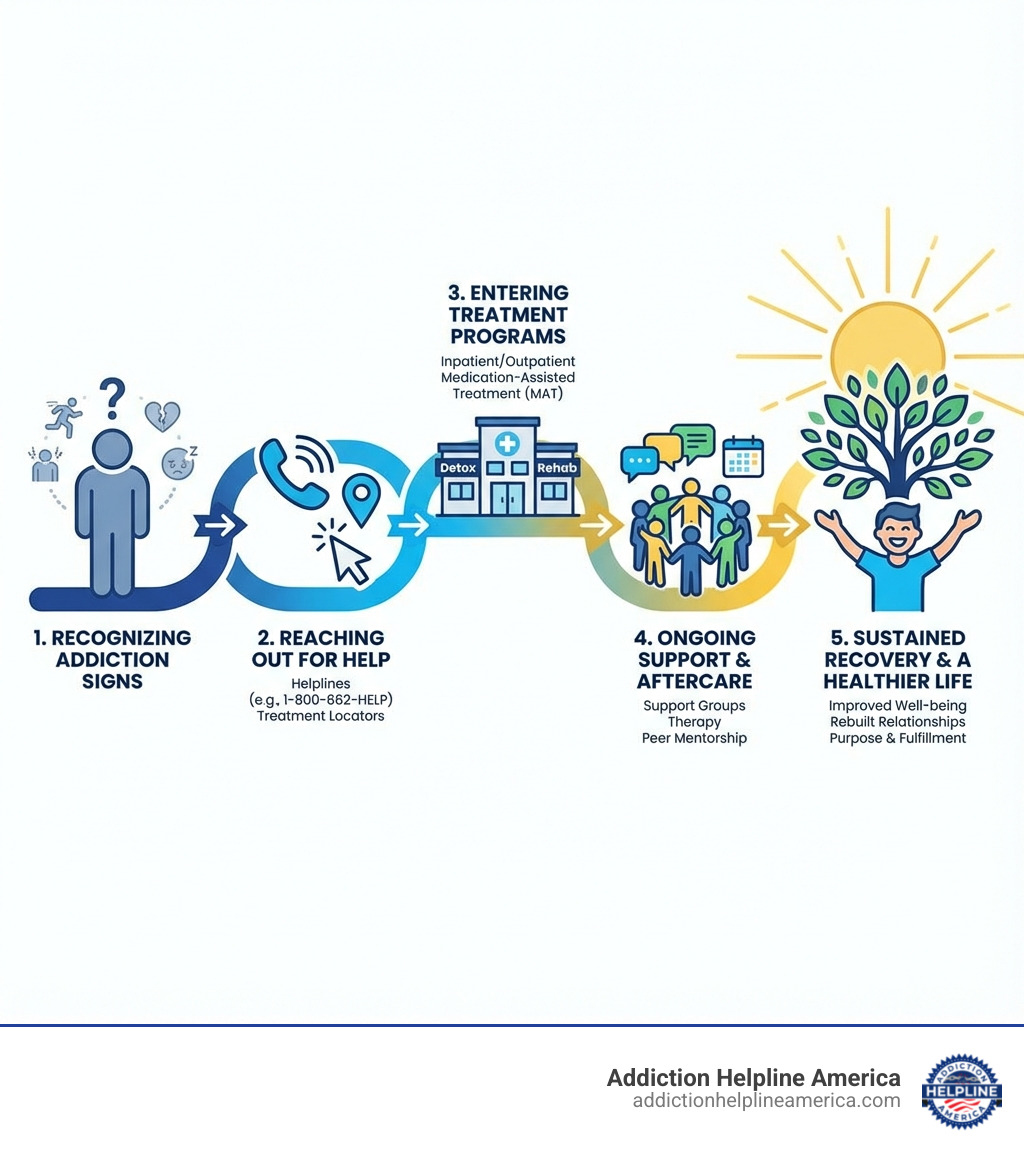
Addiction treatment involves several levels of care, which a person moves through as they stabilize and build recovery skills:
- Medical Detox: The first step for many, involving medically supervised withdrawal from substances to manage acute physical symptoms safely. This is crucial for substances with severe withdrawal, like alcohol or opioids.
- Inpatient/Residential Treatment: Provides 24/7 care in a structured, therapeutic environment. Patients live at the facility, engaging in individual and group therapy, educational sessions, and other therapeutic activities.
- Partial Hospitalization Programs (PHP): A step down from inpatient, offering intensive treatment during the day while allowing patients to return home at night.
- Intensive Outpatient Programs (IOP): Provides a structured treatment schedule several times a week, allowing individuals to maintain work, school, or family commitments.
- Outpatient Programs: The least intensive level of care, offering weekly therapy sessions and support as individuals transition back to daily life or maintain long-term recovery.
- Sober Living Homes: Transitional residences that provide a supportive, drug-free environment for individuals post-treatment, fostering independence and accountability.
- Aftercare Planning: A crucial component of sustained recovery, involving ongoing therapy, support group attendance, and relapse prevention strategies custom to the individual’s needs.
The right level of care depends on an individual’s specific situation. Our team can help you find the right level of care—call 844-561-0606 for a free consultation.
Medication-Assisted Treatment (MAT) Explained
Medication-Assisted Treatment (MAT) is an evidence-based approach combining FDA-approved medications with counseling. It is highly effective for opioid and alcohol use disorders and is a key component of comprehensive help for addicts.
MAT works by:
- Reducing Cravings: Medications can help normalize brain chemistry, reducing the intense cravings that often lead to relapse.
- Preventing Relapse: Some medications block the euphoric effects of opioids or create an unpleasant reaction to alcohol, deterring use.
- Managing Withdrawal Symptoms: Medications can ease the discomfort of withdrawal, making the detoxification process safer and more manageable.
Common FDA-approved medications used in MAT include:
- Buprenorphine: Used for opioid use disorder, it reduces cravings and withdrawal symptoms without producing a strong high.
- Methadone: Also for opioid use disorder, it reduces opioid cravings and withdrawal symptoms and blocks the effects of other opioids.
- Naltrexone: Available in oral and injectable forms, it blocks the euphoric and sedative effects of opioids and reduces alcohol cravings.
For more detailed information, SAMHSA provides extensive resources on medication-assisted treatments. MAT is a powerful tool in the fight against addiction, offering hope and stability. Learn more about MAT options by calling Addiction Helpline America at 844-561-0606.
The Role of Support Groups in Long-Term Recovery
Support groups are invaluable for help for addicts during and after treatment. They offer a peer community that shares similar experiences, fostering belonging and reducing isolation.
Key benefits of support groups include:
- Peer Support: Connecting with others who understand the struggles of addiction and recovery provides empathy and encouragement.
- Shared Experiences: Hearing others’ stories and sharing your own can be therapeutic and help individuals feel less alone.
- Accountability: Regular attendance and participation can provide a structured environment that promotes accountability for sobriety and recovery goals.
Popular support group options include:
- 12-Step Programs: Such as Alcoholics Anonymous (AA) and Narcotics Anonymous (NA), which use a structured program of spiritual and character development. You can find NA meetings and AA meetings online.
- Non-12-Step Alternatives: Such as SMART Recovery, which focuses on self-empowerment and cognitive-behavioral techniques to manage addictive behaviors. You can find SMART Recovery meetings in person or online.
These groups offer a safe space for individuals to process their experiences, learn coping mechanisms, and build a strong support network vital for sustained sobriety. For help finding a support group, call Addiction Helpline America at 844-561-0606.
Navigating Relapse in the Recovery Journey
Relapse is a common part of the recovery journey. It is not a failure, but an indication that the treatment plan or coping strategies may need adjustment. It’s an opportunity to learn and strengthen one’s commitment to recovery.
Warning signs of relapse can include increased stress, changes in mood, neglecting self-care, isolating from support systems, romanticizing past drug use, or experiencing cravings. Creating a relapse prevention plan that identifies triggers and outlines specific strategies to cope with them is essential.
What to do if a relapse occurs:
- Don’t Give Up: Immediately seek help and avoid falling into despair.
- Reach Out: Contact your sponsor, therapist, or a trusted support person.
- Re-engage with Treatment: A relapse often signals the need to re-enter treatment or intensify current therapy to address the underlying issues that led to the relapse.
Recovery is a marathon, not a sprint. With the right support and a willingness to learn from setbacks, individuals can get back on track. Find the right program for you or a loved one by calling Addiction Helpline America at 844-561-0606.
Finding Immediate Help for Addicts and Their Families
When addiction takes hold, time is critical. Seeking help for addicts can feel overwhelming, but immediate support is available. You don’t have to steer this alone; confidential, compassionate help is a phone call away. Finding quality care is paramount, and we are here to guide you.
Call Addiction Helpline America 24/7 at 844-561-0606 for immediate assistance and compassionate support.
National Helplines and Emergency Resources
Several national helplines offer immediate, confidential support and resources for individuals struggling with substance use disorders and mental health crises. These services are available 24/7, ensuring help is always accessible:
- SAMHSA National Helpline: 1-800-662-HELP (4357): This helpline provides free, confidential treatment referral and information services in English and Spanish for individuals and families facing mental and/or substance use disorders.
- 988 Suicide & Crisis Lifeline: If you or someone you know is in emotional distress or suicidal crisis, you can call or text 988 anytime for free and confidential support.
These resources are vital for immediate crisis support and initial guidance. Addiction Helpline America is here for you—call 844-561-0606 for personalized help.
How to Find Qualified Help for Addicts
Finding a qualified addiction professional or facility is crucial for recovery. Not all programs are equal, so knowing what to look for makes a difference. When searching for help for addicts, consider these factors:
- Credentials and Licensing: Ensure that facilities and professionals are licensed and accredited by relevant state and national bodies. This indicates adherence to professional standards.
- Evidence-Based Practices: Look for programs that use treatments backed by scientific research, such as Cognitive Behavioral Therapy (CBT), Dialectical Behavior Therapy (DBT), or Motivational Interviewing.
- Individualized Treatment: A personalized treatment plan custom to the individual’s specific needs, including co-occurring mental health disorders, is more effective than a generic approach.
- Staff-to-Patient Ratio: A lower ratio often means more individualized attention and support.
- Aftercare Support: A comprehensive program should include planning for aftercare, such as ongoing therapy, support groups, and sober living arrangements.
- Questions to Ask a Treatment Center: Inquire about their philosophy, types of therapy offered, family involvement, duration of treatment, and how they handle relapse prevention.
Evaluating these aspects can be daunting, but you don’t have to do it alone. Let us help you evaluate your options—call Addiction Helpline America at 844-561-0606.
Using Treatment Locators to Find Help for Addicts
Online treatment locators are powerful tools for finding help for addicts. They let you search for facilities by location, treatment type, insurance, and other criteria.
Key resources include:
- SAMHSA’s Treatment Locator: This confidential and anonymous online resource allows you to search for treatment facilities for substance use disorders and mental health issues in your area. You can filter by payment options, services offered, and special programs.
- NIAAA Alcohol Treatment Navigator: Specifically for alcohol use disorder, this tool helps you understand different treatment programs and advises on how to choose the best options for yourself or a loved one.
These tools can provide a starting point, but understanding the nuances of each program requires expertise. Our team can help you steer these options—call Addiction Helpline America at 844-561-0606 today.
Frequently Asked Questions about Finding Help for Addiction
What is the very first step to getting help for an addiction?
The first step is acknowledging that a problem exists and becoming willing to seek help. For many, this means reaching out to a trusted person, a doctor, or a confidential helpline to discuss the situation and explore options. It takes immense courage to admit you need help for addicts, but it’s the most powerful step you can take. Call Addiction Helpline America at 844-561-0606 to take your first step and get expert guidance.
Can you force someone to go to rehab?
In most cases, an adult cannot be forced into treatment against their will. However, some states in the US have involuntary commitment laws (e.g., Casey’s Law, Marchman Act) that allow families to legally petition for a loved one to enter treatment under specific, severe circumstances, typically when the individual is deemed a danger to themselves or others. These laws vary significantly by state. For guidance on your situation, call Addiction Helpline America at 844-561-0606.
How do you support a loved one in recovery without enabling them?
Supporting a loved one in recovery without enabling them involves a delicate balance of encouragement and firm boundaries. Support means offering emotional encouragement, celebrating milestones, and helping them stick to their recovery plan (e.g., driving them to meetings, participating in family therapy). Enabling, on the other hand, means shielding them from the consequences of their actions, such as giving them money for bills they should pay or lying to cover for them. Setting firm, healthy boundaries, and consistently enforcing them, is key. For more tips, call Addiction Helpline America at 844-561-0606.
Conclusion
Recovery from addiction is a profound journey, not a singular destination. Its a process of continuous growth, learning, and healing. The most crucial takeaway is this: hope is real, and effective help for addicts is available. Taking action is the most critical step you can take for yourself or your loved one. You are not alone in this fight.
At Addiction Helpline America, we are dedicated to providing free, confidential, and personalized guidance to connect you with the right treatment program from our vast network across the United States. Your path to a new life, free from the grip of addiction, can start today.