
Understanding Hebephrenic (Disorganized) Schizophrenia
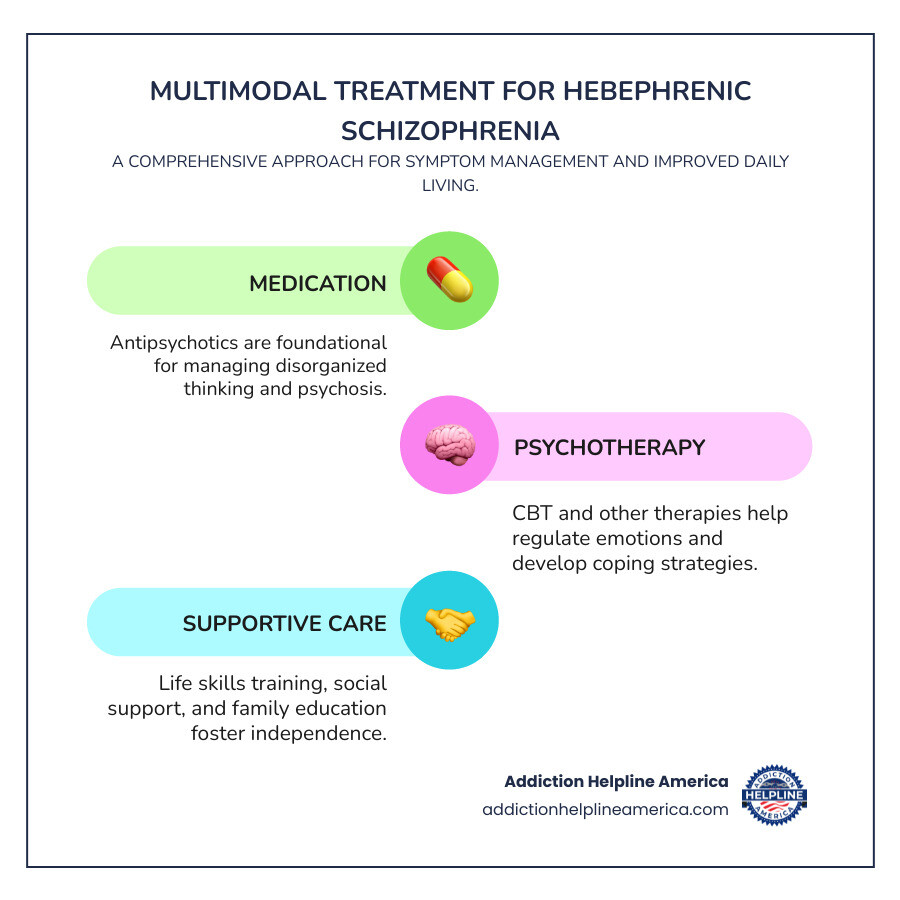
If you’re seeking information on hebephrenic schizophrenia treatment, you’re looking for ways to manage a complex mental health condition also known as disorganized schizophrenia. While it’s no longer a standalone diagnosis in the DSM-5, understanding its characteristics is crucial for effective care. Treatment is a combination of approaches customized to the individual, including:
- Medication: Antipsychotics are key to managing symptoms.
- Psychotherapy: Therapies like Cognitive Behavioral Therapy (CBT) help with thought patterns.
- Life Skills Training: This teaches practical skills for daily living.
- Social Support: Family and community support are vital for recovery.
- Electroconvulsive Therapy (ECT): Sometimes used for severe symptoms.
This condition profoundly impacts how a person thinks, feels, and behaves, often manifesting in late adolescence or early adulthood. At Addiction Helpline America, we understand these complexities and are dedicated to guiding individuals and families toward effective, personalized treatment options.
Hebephrenic schizophrenia treatment terms made easy:
Hebephrenic schizophrenia, named from Greek words for a mental disorder of puberty, typically begins in the late teens or early 20s. Though now part of the broader schizophrenia spectrum in the DSM-5, its key feature is disorganization. Individuals often show disorganized thoughts, speech, and behaviors, making daily functioning difficult. Schizophrenia symptoms fall into three groups:
- Positive Symptoms: Added experiences like hallucinations (seeing/hearing things that aren’t there) and delusions (false beliefs).
- Negative Symptoms: A loss of normal functions, such as flat affect (no emotion), anhedonia (inability to feel pleasure), and avolition (no motivation).
- Cognitive Symptoms: Issues with memory, attention, and organizing thoughts, which are prominent in disorganized schizophrenia.
The early onset of these symptoms, typically between 15 and 25, makes early detection vital for improving long-term outcomes.
Defining Symptoms and Complications
The core features of disorganized schizophrenia are severe disruptions in thought, emotion, and behavior.
Disorganized Speech: A hallmark feature where individuals struggle with coherent thought. Speech may involve:
- Loose associations: Rapidly shifting between unrelated topics.
- Word salad: A jumble of incoherent words.
- Perseveration: Repeating words or phrases.
- Neologisms: Making up new words.
Disorganized Behavior: This affects goal-directed activities and daily routines, manifesting as:
- Difficulty starting or finishing tasks.
- Poor personal hygiene and self-care.
- Unpredictable or impulsive actions.
- Childlike silliness or bizarre mannerisms.
- Catatonic behavior (from excessive movement to immobility).
Inappropriate or Flat Affect: Emotional expression is often severely impacted. This can be an inappropriate affect (e.g., laughing at a sad event) or a flat affect (showing little to no emotion).



Other negative symptoms like anhedonia (inability to feel pleasure) and avolition (lack of motivation) contribute to impaired daily functioning. The complications of untreated schizophrenia are severe, including depression, suicide risk, poor hygiene, unemployment, poverty, and homelessness. Substance abuse is also a common issue, which can worsen symptoms. For help with co-occurring disorders, you can find More info about Addiction and Mental Health.
Primary Causes and Risk Factors
The exact cause is unknown, but it’s believed to be a mix of genetic, biological, and environmental factors.
- Genetics and Heritability: Schizophrenia runs in families, with heritability rates as high as 79%. However, genes only create a vulnerability.
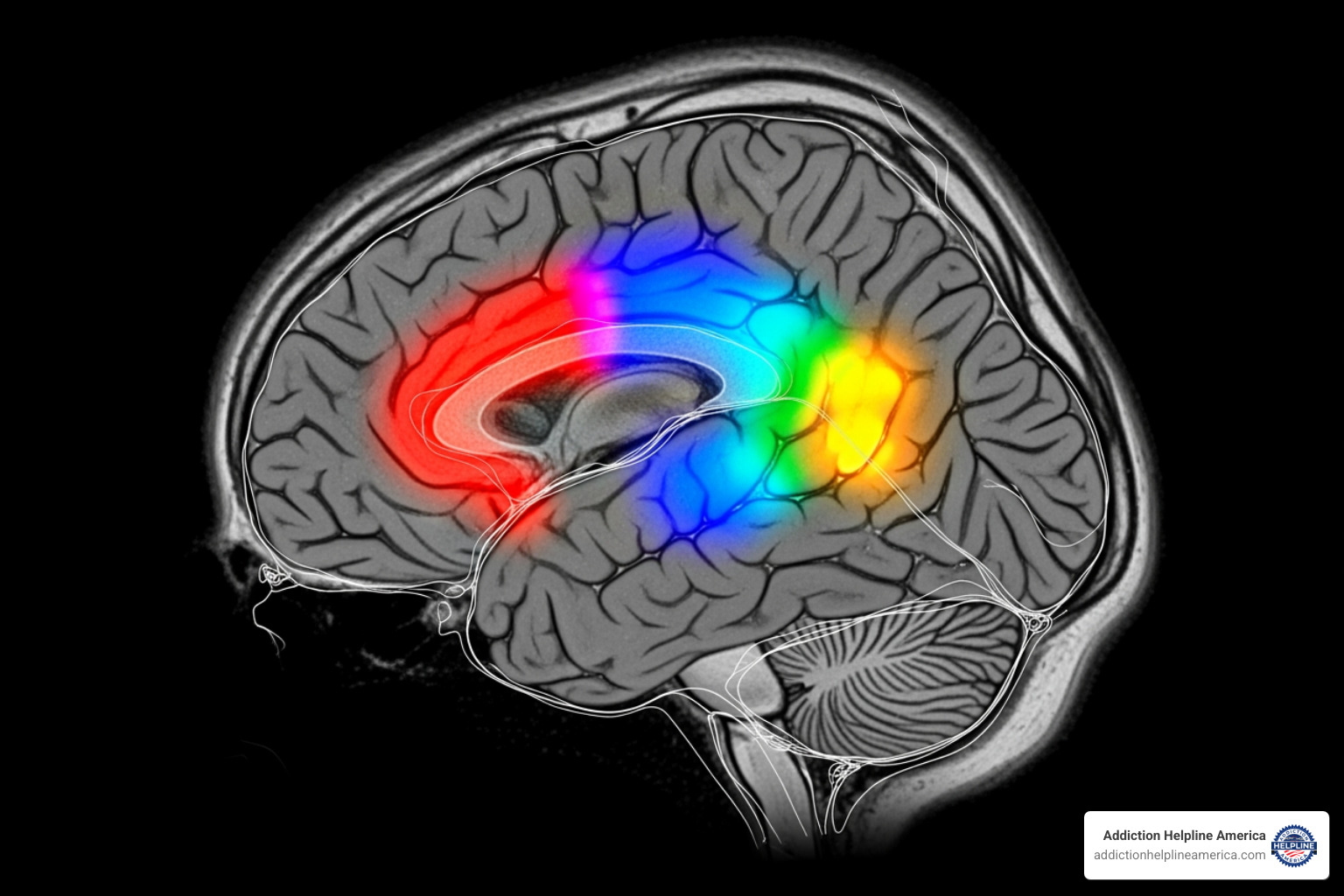
- Brain Structure and Chemistry: Brain scans show differences in brain structure, and symptoms are linked to an imbalance of neurotransmitters like dopamine and glutamate.
- Environmental Factors: Various factors can increase risk, including prenatal malnutrition, viral infections during pregnancy or childhood, severe stress or trauma, older parental age, and substance abuse during adolescence.
Diagnosis and How It Differs from Other Types
Diagnosing schizophrenia involves a comprehensive psychiatric evaluation to assess symptoms and rule out other causes. There is no single test.
The process includes a physical exam, lab tests, and a psychiatric assessment of the person’s thoughts, moods, and behaviors. According to the DSM-5, published by the American Psychiatric Association, a diagnosis requires at least two core symptoms (like delusions, hallucinations, or disorganized speech) for at least one month, causing significant functional impairment for at least six months.
The age of onset is typically between 15 and 25, making early detection crucial.
When comparing it to other presentations like paranoid schizophrenia, the main difference is the primary symptom.
- Disorganized Schizophrenia: Marked by disorganized speech, behavior, and flat or inappropriate emotions. Hallucinations and delusions are less central.
- Paranoid Schizophrenia: Defined by prominent delusions and auditory hallucinations, with relatively intact cognitive and emotional functioning.
Understanding these differences helps create the most effective hebephrenic schizophrenia treatment plan.
Comprehensive Hebephrenic Schizophrenia Treatment Approaches
Navigating disorganized schizophrenia requires a comprehensive plan. We can help you find the right path to healing by using a multimodal approach, which combines different tools to manage symptoms and improve daily life. This personalized plan often includes medication, therapy, life skills training, and strong family support.

For those experiencing a first episode of psychosis, Coordinated Specialty Care (CSC) offers a team-based approach that integrates therapy, medication management, and family resources. Schizophrenia requires lifelong care, but effective hebephrenic schizophrenia treatment allows individuals to live full, meaningful lives. A key part of this is medication adherence, which is crucial for managing symptoms and preventing relapses.
Medication Management for Symptom Control
Medication is a cornerstone of hebephrenic schizophrenia treatment, helping to balance brain chemistry and manage psychotic symptoms. Antipsychotics work by affecting neurotransmitters like dopamine and serotonin. There are two main types:
- First-generation (Typical) Antipsychotics: Older medications (e.g., haloperidol) that are effective for positive symptoms but may have more muscle-related side effects.
- Second-generation (Atypical) Antipsychotics: Newer options (e.g., aripiprazole, olanzapine) that work on both dopamine and serotonin, generally with fewer muscle-related side effects but other risks like weight gain.
These medications are vital for managing disorganized thinking and reducing psychosis. For those who struggle with daily pills, Long-acting Injectable Antipsychotics offer a steady dose of medication via shots every few weeks or months. Other medications, like antidepressants or mood stabilizers, may be used to treat co-occurring conditions like depression or mood swings.
Our team can connect you with inpatient programs offering expert medication management. For More info about Inpatient Behavioral Health Complete Guide.
The Role of Psychotherapy in Hebephrenic Schizophrenia Treatment
Psychotherapy works alongside medication to teach vital coping skills and provide a deeper understanding of the illness.
Cognitive Behavioral Therapy (CBT) is a practical approach that helps individuals identify and change unhelpful thought patterns. It teaches them to manage emotions, develop coping strategies for symptoms like disorganized thinking, and gain insight into their condition. Research shows that CBT is effective for medication-resistant symptoms and can improve outcomes when combined with medication.
Other forms of talk therapy are also beneficial. Individual therapy provides a private space to work through personal challenges, while group therapy offers a sense of community and a supportive environment to practice social skills. These therapies equip individuals with the tools to manage their condition, improve relationships, and work toward their goals.
The Role of Holistic Support in Recovery
Recovery from disorganized schizophrenia is a whole-person journey that thrives on holistic support. An integrated care approach weaves medical treatment with practical and emotional support. This recovery-oriented model focuses on helping individuals build a meaningful life, building independence, and enhancing quality of life.
Life Skills and Social Training
Life skills training is a vital part of hebephrenic schizophrenia treatment, equipping individuals with practical abilities for independent living. This training covers areas like:
- Improving Daily Functioning: Skills such as personal hygiene, meal preparation, and home maintenance.
- Budgeting: Managing money, paying bills, and making sound financial choices.
- Goal Setting: Setting and achieving realistic personal and career goals.
Social skills training helps individuals steer social interactions, communicate effectively, and build healthy relationships, combating loneliness and isolation. Furthermore, vocational rehabilitation and supported employment services provide job training and ongoing support to help individuals find and maintain employment. Meaningful work boosts self-esteem and provides a sense of purpose. We can connect you with mental health rehab programs that integrate these essential life skills. For More info about Mental Health Rehab Complete Guide, you can find more details.
Family Education and Support Systems
Involving loved ones in the hebephrenic schizophrenia treatment process is critical, as the condition affects the entire family.
Family therapy provides a safe space for family members to understand the illness, learn effective communication, and address the emotional impact on their relationships. Psychoeducation for caregivers teaches families about schizophrenia, its treatment, and how to provide support without burning out, creating a more supportive environment at home.
Families also learn stress reduction techniques and communication strategies to interact empathetically with someone experiencing disorganized thinking. Finally, support groups for families offer invaluable emotional support, shared experiences, and practical advice. These groups provide coping mechanisms for loved ones, making them powerful allies in the recovery journey.
Prognosis and Long-Term Management
While there is no cure for disorganized schizophrenia, the condition is highly manageable with consistent hebephrenic schizophrenia treatment. Like other chronic health issues, it requires ongoing care, but many people lead full, meaningful lives. The outlook has improved significantly, and timely, continuous support makes a huge difference in long-term outcomes.
Long-term success hinges on relapse prevention, which involves recognizing early warning signs and having a response plan. It is also vital to manage co-occurring conditions, as individuals with schizophrenia face an increased risk of depression and suicide. We understand these connections and can help you find support. For More info about Treatment for Depression and Anxiety.
Developing a Long-Term Hebephrenic Schizophrenia Treatment Plan
A successful long-term hebephrenic schizophrenia treatment plan is an adaptive framework that changes with your needs. Key components include:
- Regular psychiatrist visits for symptom management and adjustments to medications to find the best balance.
- Ongoing therapy, like CBT, to strengthen coping skills and build on progress.
- Stress management techniques to reduce the impact of daily pressures.
- Avoiding alcohol and drugs, as they can interfere with medication and worsen symptoms.
- Building a routine with a consistent daily schedule for structure and predictability.
Frequently Asked Questions about Hebephrenic Schizophrenia
It’s normal to have questions about a complex condition like schizophrenia. Here are some common queries about the disorganized (hebephrenic) presentation.
What is the difference between disorganized and paranoid schizophrenia?
These terms describe different primary symptoms. Disorganized schizophrenia is defined by jumbled thoughts, speech, and behavior, along with flat or inappropriate emotions. Hallucinations and delusions are not the main feature.
In contrast, paranoid schizophrenia is marked by prominent delusions (often of persecution) and auditory hallucinations (hearing voices). A person’s thinking and behavior outside of these symptoms may be relatively organized, which is the key difference.
Can hebephrenic schizophrenia be cured?
Currently, there is no cure for schizophrenia. However, it is a highly treatable and manageable condition. Like a chronic illness, it requires consistent, lifelong care.
With the right hebephrenic schizophrenia treatment plan—combining medication, psychotherapy, and psychosocial support—individuals can manage symptoms, prevent relapses, and lead stable, fulfilling lives.
Why is it called ‘hebephrenic’?
The term “hebephrenic” comes from the Greek words for “youth” (“hebe”) and “mind” (“phrenia”). This name was used because the symptoms typically appear during the late teens or early 20s. While no longer a formal diagnosis in the DSM-5, the term still describes a specific symptom cluster that often emerges during this developmental stage.
Find Hope and Healing Today
It’s completely normal to feel overwhelmed when facing disorganized schizophrenia, especially with its complex hebephrenic symptoms. Understanding and managing this condition can sometimes feel like navigating a maze with many twists and turns.
But here’s the good news: hope and healing are absolutely within reach! Every journey to recovery is unique, but a personalized and comprehensive hebephrenic schizophrenia treatment plan is always your best compass.
Here at Addiction Helpline America, we truly believe in the power of integrated care. This means bringing together medication, therapy, and strong support systems. Our goal is to help individuals just like you or your loved one regain control and build truly fulfilling lives.
We’re dedicated to being your partner on this path. We offer free, confidential, and personalized guidance to help you or your loved one connect with the right recovery program. Our vast network includes trusted treatment centers across Alabama, Alaska, Arizona, Arkansas, California, Colorado, Connecticut, Delaware, Florida, Georgia, Hawaii, Idaho, Illinois, Indiana, Iowa, Kansas, Kentucky, Louisiana, Maine, Maryland, Massachusetts, Michigan, Minnesota, Mississippi, Missouri, Montana, Nebraska, Nevada, New Hampshire, New Jersey, New Mexico, New York, North Carolina, North Dakota, Ohio, Oklahoma, Oregon, Pennsylvania, Rhode Island, South Carolina, South Dakota, Tennessee, Texas, Utah, Vermont, Virginia, Washington, West Virginia, Wisconsin, Wyoming, and the District of Columbia.
If you or someone you cherish is struggling with the challenges of disorganized schizophrenia, please know you don’t have to go through it alone. Our compassionate team is here, ready to listen without judgment. We can help you take that crucial first step toward a brighter, more stable future. Let us help you find the professional support and resources you truly need. Don’t wait – Get the professional help you need today.