Finding Hope: Your Guide to Free Alcohol and Drug Rehab Centers in Georgia
Free Alcohol and Drug Rehab Centers in Georgia are available through multiple pathways, so you don’t have to face addiction alone or let cost be a barrier. Here’s how to access free treatment right now:
Quick Ways to Find Free Rehab in Georgia:
- Georgia Medicaid – Covers substance abuse treatment with co-pays as low as $5 for eligible residents
- State-Funded Programs – Over 142 facilities offer free or low-cost treatment through grants and government funding
- Non-Profit Organizations – Faith-based and community programs provide free services funded by donations
- Sliding Scale Fees – Pay based on your income and ability to pay
- Federal Block Grants – SAMHSA funding helps cover costs for those without insurance
Georgia is ranked 8th nationwide for addiction treatment affordability. Of the state’s 390+ rehab facilities, 142 offer free or low-cost treatment, and 21 provide completely free services to all clients. Programs accept Medicaid (191 facilities), state-funded insurance (149 facilities), and offer payment assistance based on financial need.
The financial burden of addiction treatment, with an average cost of $55,475 in Georgia without insurance, can feel overwhelming. However, recovery is not out of reach. Free and affordable treatment options for alcohol, opioids, and other substances exist throughout Georgia.
At Addiction Helpline America, we’ve helped thousands of individuals connect with Free Alcohol and Drug Rehab Centers in Georgia that match their specific needs. Our team provides confidential, compassionate guidance 24/7 to help you or your loved one start the recovery journey today.
1. Use State Health Insurance Programs
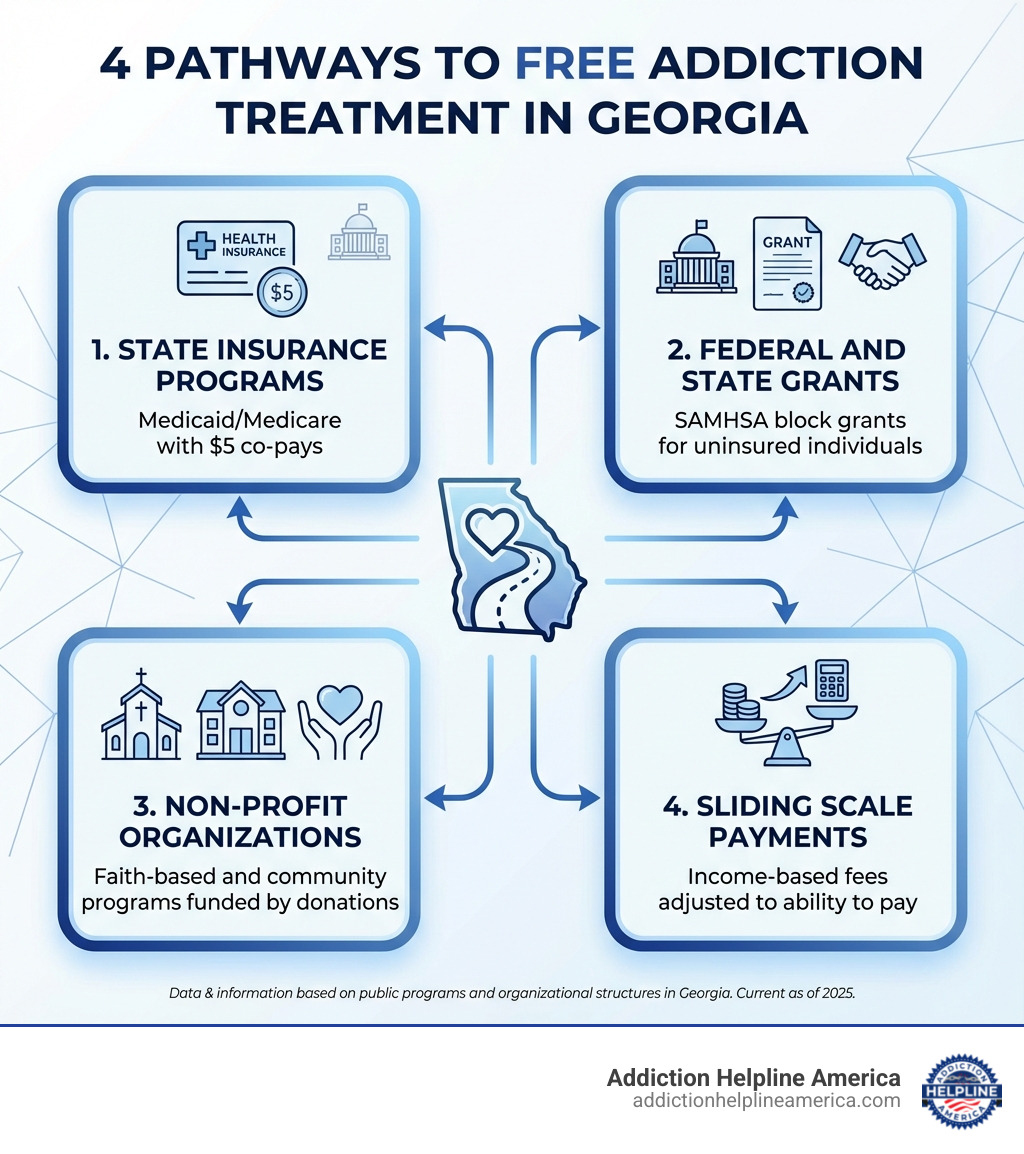
One of the most direct routes to accessing Free Alcohol and Drug Rehab Centers in Georgia is through state health insurance programs like Medicaid and Medicare. These programs help low-income individuals, families, and people with disabilities receive necessary medical care, including comprehensive addiction treatment.
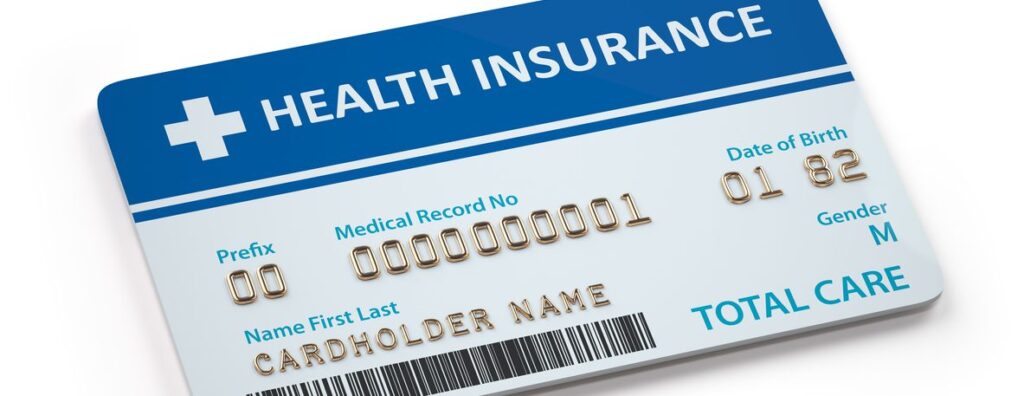
In Georgia, Medicaid makes treatment accessible by covering services like detox, inpatient/outpatient programs, and counseling. For eligible individuals, co-pays can be as low as $5. Across the state, 191 rehab facilities accept Medicaid, expanding your options.
Medicare also covers addiction treatment for eligible seniors and some younger people with disabilities. The Affordable Care Act (ACA) mandates that most insurance plans cover substance use disorders as essential health benefits.
For the most current eligibility information, we encourage you to visit the official state resource: Georgia Medicaid eligibility information.
Understanding Eligibility for Free Alcohol and Drug Rehab Centers in Georgia
To qualify for services through Medicaid or state-funded programs, you must meet certain criteria. These requirements ensure resources go to those most in need.
Key requirements include:
- Proof of Georgia residency
- Meeting income limits (e.g., under ~$25,616 annually for an individual, though this varies)
- U.S. citizenship or lawful residency
Priority is often given to specific groups, including pregnant women, people with disabilities, single mothers with dependent children, veterans, and individuals experiencing homelessness.
The application process involves submitting documentation to verify your information. For those who don’t qualify for traditional Medicaid, programs like Georgia Pathways to Coverage offer another avenue for affordable healthcare.
2. Access State and Local Funding Resources
Beyond health insurance, Georgia’s state and local governments fund a network of Free Alcohol and Drug Rehab Centers in Georgia. This funding, through grants and contracts, allows many facilities to offer free or low-cost treatment to uninsured individuals.

Federal block grants from the Substance Abuse and Mental Health Services Administration (SAMHSA) are a key source, specifically targeting those who cannot afford care without strict income requirements. The Georgia Department of Behavioral Health and Developmental Disabilities (DBHDD) coordinates these efforts, contracting with providers statewide to ensure access to care. With 149 Georgia facilities accepting state-funded insurance, the impact is widespread. Some organizations, like Caring Works in Decatur, even have a “no-turn-away” policy, guaranteeing help regardless of ability to pay.
How to Find State-Supported Treatment
Navigating state-supported treatment is easier with these key resources.
The Georgia Crisis and Access Line (GCAL) at 800-715-4225 is a 24/7 statewide resource. It connects individuals in crisis to support and can provide direct transfers to mental health and substance use treatment providers.
The DBHDD’s network includes over 600 providers. The Georgia Collaborative Administrative Services Organization (ASO) works with the DBHDD network and helps connect individuals to these services. You can reach them at 855-606-2725.
For a broader search, SAMHSA’s Treatment Locator is an excellent national resource. Here at Addiction Helpline America, our specialists can also help you find state-supported options from our extensive network: Find treatment options via Addiction Helpline America.
3. Explore Non-Profit and Community-Based Organizations
Non-profit and community-based organizations are a cornerstone of Free Alcohol and Drug Rehab Centers in Georgia. Funded by donations, grants, and volunteers, they fill critical gaps by offering free or very low-cost services.
These groups provide clinical treatment and crucial social support, often integrating counseling, 12-step programs, and vocational training to help rebuild lives. Many are faith-based, like The Salvation Army or The Potter’s House, offering long-term residential programs at no charge that focus on spiritual growth.
Here are some notable non-profit and community-based resources in Georgia:
- Peer support networks: Organizations like Living Proof Recovery (Rome) and Oasis (Tifton) offer peer support, group meetings, and life skills classes.
- Chatham-Savannah Authority for the Homeless: Provides housing, case management, and referrals for homeless individuals in Savannah.
- Union Mission (Savannah): Offers housing for the homeless and provides substance use counseling.
- Wellspring Living (Atlanta): Offers long-term residential programs for women, focusing on stabilization and skill-building.
- Standing to Achieve New Direction (STAND), Inc. (Decatur): A non-profit providing free outpatient substance abuse programming for individuals at or below the poverty level.
- Georgia Council on Substance Abuse (GCSA): An advocacy organization offering training, education, and peer recovery support.
- Georgia Harm Reduction Coalition (GHRC) & Access Point of Georgia: Provide harm reduction services like testing, syringe services, and naloxone distribution.
- The Tillman House Resource Center (Smyrna): Helps families with financial aid and hosts support groups like AA and NA.
These organizations are vital components of Georgia’s recovery infrastructure, often providing a holistic and compassionate approach to healing.
4. Inquire About Sliding-Scale Fees and Scholarships
Even if a program isn’t entirely free, many facilities offering Free Alcohol and Drug Rehab Centers in Georgia provide alternative payment options like sliding-scale fees and scholarships to make treatment accessible.
What is a sliding scale?
A sliding-scale fee adjusts the cost of treatment based on your income; the less you earn, the less you pay. This makes quality care affordable for those with limited income. Across Georgia, 165 facilities offer sliding-scale fees. To qualify, you’ll need to provide proof of income (pay stubs, tax returns) and household size.
Rehab scholarships and facility-specific financial aid
Many centers, especially non-profits, offer scholarships funded by donations or grants that can cover some or all treatment costs. For example, Promise of Hope in Cochran provides free treatment for many through scholarship funding. It’s always worth asking admissions staff about these opportunities when you contact a facility.
Payment plans
Some centers also offer flexible payment plans, allowing you to pay for treatment in installments. Don’t hesitate to discuss your financial concerns with the admissions staff—their goal is to help you access care, and they often have solutions you might not be aware of.
5. A Closer Look at Free and Low-Cost Alcohol and Drug Rehab Options in Georgia
Georgia is home to a diverse array of Free Alcohol and Drug Rehab Centers in Georgia and low-cost options. While 142 facilities offer free or low-cost treatment, 21 specifically provide free treatment for all clients. Here are some examples across the state.
Example: Atlanta Area
Atlanta has several vital resources for free or low-cost addiction treatment:
- Ascensa Health: Provides free drug treatment in Atlanta for uninsured or homeless individuals.
- The Salvation Army Adult Rehabilitation Center – Atlanta: Offers a free, 180-day faith-based residential program.
- Caring Works: Serves the Atlanta metro area with a “no-turn-away” policy, providing housing support, case management, and employment services.
- Standing to Achieve New Direction (STAND), Inc.: Located in Decatur, STAND offers free outpatient programming for individuals at or below the poverty level.
Example: Leesburg Area
- The Anchorage: This Leesburg men-only, 120-day residential program accepts those without insurance. It fosters self-sufficiency by requiring residents to work and contribute to the program.
Example: Decatur Area
Decatur is home to several impactful organizations:
- Caring Works: As mentioned, this organization employs a crucial “no-turn-away” policy, offering comprehensive support that includes housing and employment services.
- DeKalb Addiction Clinic: This clinic provides an abstinence-based program emphasizing group and individual counseling.
Example: North Georgia
North Georgia also provides crucial access points for treatment:
- Highland Rivers Health (Jasper): This state-funded facility accepts Medicaid and Medicare and offers sliding scale payment plans for its behavioral health and outpatient programs.
- The Potter’s House (Jefferson): Operates with an open-door policy, making free, faith-based treatment services available.
- Promise of Hope (Cochran): Offers a 12-month residential program with payment flexibility through donations and scholarships, often resulting in free treatment.
- Wellstar Behavioral Health Center (Austell): Accepts Medicaid and Medicare, providing access to a range of behavioral health services.
What to Expect from Treatment
Many Free Alcohol and Drug Rehab Centers in Georgia provide comprehensive, evidence-based treatment designed to support lasting recovery.
Care begins with an assessment to determine the right level of care, from detoxification to residential or outpatient programs. While not all free centers offer medical detox, they provide referrals. Core treatment modalities include:
- Inpatient vs. Outpatient: Inpatient treatment is residential and highly structured, while outpatient allows you to live at home with more flexibility.
- Counseling and Therapy: A cornerstone of recovery, this includes individual, group, and family therapy using methods like CBT and DBT. Many programs also integrate 12-step or faith-based principles.
- Medication-Assisted Treatment (MAT): Effective for opioid and alcohol use disorders, MAT combines FDA-approved medications with counseling.
- Dual Diagnosis Care: Many facilities (267 in Georgia) offer integrated treatment for co-occurring substance use and mental health disorders like depression or anxiety.
For a deeper dive into treatment programs, the National Institute on Drug Abuse (NIDA) offers excellent resources: Types of addiction treatment programs.
Services Offered at Free Alcohol and Drug Rehab Centers in Georgia
Most free centers aim to provide a robust suite of services essential for recovery:
- Behavioral Therapy: Helps change negative thought patterns and behaviors related to substance use.
- Group and Individual Counseling: Provides a supportive environment to share experiences and explore underlying issues.
- Relapse Prevention: Teaches strategies to identify triggers and manage cravings.
- Life Skills Training: Teaches practical skills like budgeting, job searching, and stress management.
- Aftercare Planning: Involves developing a plan for continued support after leaving the program, such as sober living or ongoing therapy.
Specialized Programs: Gender-Specific and Holistic Options
Many centers offer specialized programs to cater to diverse needs:
- Gender-Specific Programs: Facilities like Rockdale House for Men and Women and The Anchorage (men-only) create safe, focused environments by separating men and women.
- LGBTQ+ Friendly Programs: Organizations like Georgia Equality and Atlanta Pride can offer referrals to culturally sensitive treatment.
- Holistic Therapies: Many rehabs incorporate practices like yoga, art therapy, and meditation to heal the mind, body, and spirit.
- Faith-Based Programs: Many organizations build their recovery model around spiritual principles and community.
Frequently Asked Questions about Free Rehab in Georgia
Here, we address some of the most common inquiries about Free Alcohol and Drug Rehab Centers in Georgia.
What are the typical eligibility requirements for free rehab in Georgia?
While criteria vary between programs, common requirements include:
- Proof of Georgia residency
- Income verification to confirm low-income status
- Lack of health insurance or being underinsured
- U.S. citizenship or lawful residency
- Belonging to a priority group (e.g., pregnant women, veterans, individuals experiencing homelessness)
It’s crucial to contact the specific rehab center directly to confirm its exact eligibility criteria.
What is the average cost of rehab in Georgia if I don’t qualify for free services?
Without insurance, the average cost of rehab in Georgia is about $55,475. Costs vary by treatment type:
- Medical detox: ~$136,766
- Long-term inpatient: ~$48,953
- Outpatient treatment: ~$8,134
These are averages, and many facilities offer affordable options like sliding scale fees, payment plans, or scholarships. Don’t let these figures deter you.
Are there waiting lists for free rehab programs in Georgia?
Yes, waiting lists are common for Free Alcohol and Drug Rehab Centers in Georgia due to high demand and limited resources. Wait times can range from days to months.
What to do if there’s a waiting list:
- Get on the list as soon as possible.
- Contact multiple centers to inquire about their wait times.
- While waiting, explore outpatient services or support groups like AA and NA for immediate support.
- Follow up regularly with the centers where you’ve applied.
Your Path to Recovery in Georgia Starts Today
Overcoming addiction is a profound journey, and we believe that financial barriers should never prevent anyone from taking the first step. As we’ve explored, Free Alcohol and Drug Rehab Centers in Georgia are not just a hopeful idea, but a tangible reality, made possible through state health insurance, government funding, dedicated non-profits, and flexible payment options.
The pathways to free treatment are diverse, reflecting the varied needs of individuals struggling with substance use disorders. Whether you are seeking a faith-based residential program, an outpatient clinic supported by state grants, or a community organization offering peer support, resources exist across Georgia to help you heal.
Taking that first step, reaching out for help, is often the hardest part. But once you do, a network of compassionate professionals and supportive communities is ready to accept you. At Addiction Helpline America, we are committed to connecting individuals nationwide to addiction and mental health treatment centers. Our free, confidential, and personalized guidance can help you steer these options and find the right recovery program in Georgia that fits your unique situation.
Don’t let the weight of addiction or the fear of cost hold you back any longer. Help is available, and your path to recovery in Georgia can start right now.
Find a personalized Georgia rehab program now