Taking the First Step Toward Healing
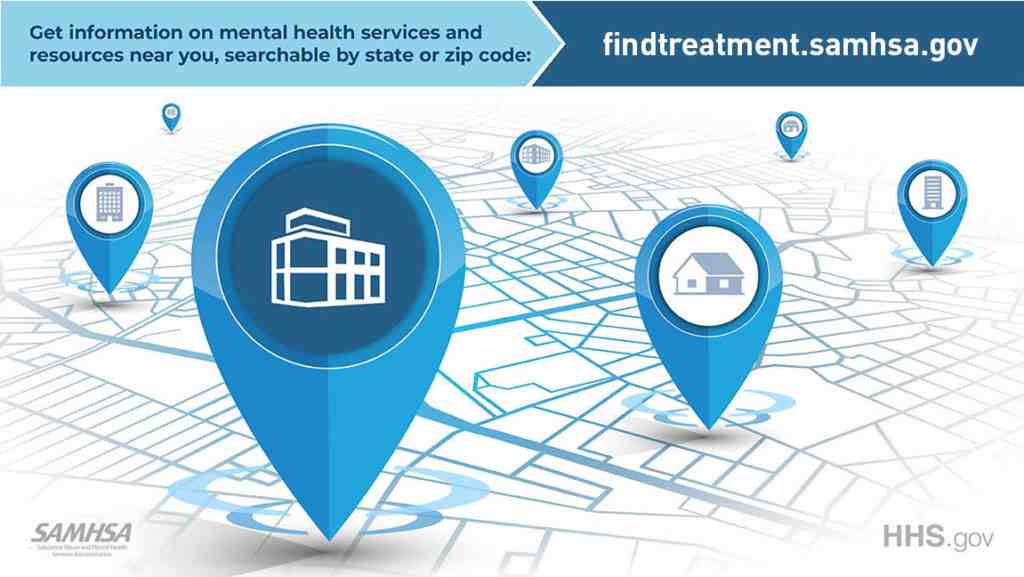
findtreatment gov is a free, confidential online tool created by the federal government to help you locate substance abuse and mental health treatment facilities near you. If you’re searching right now, here’s what you need to know:
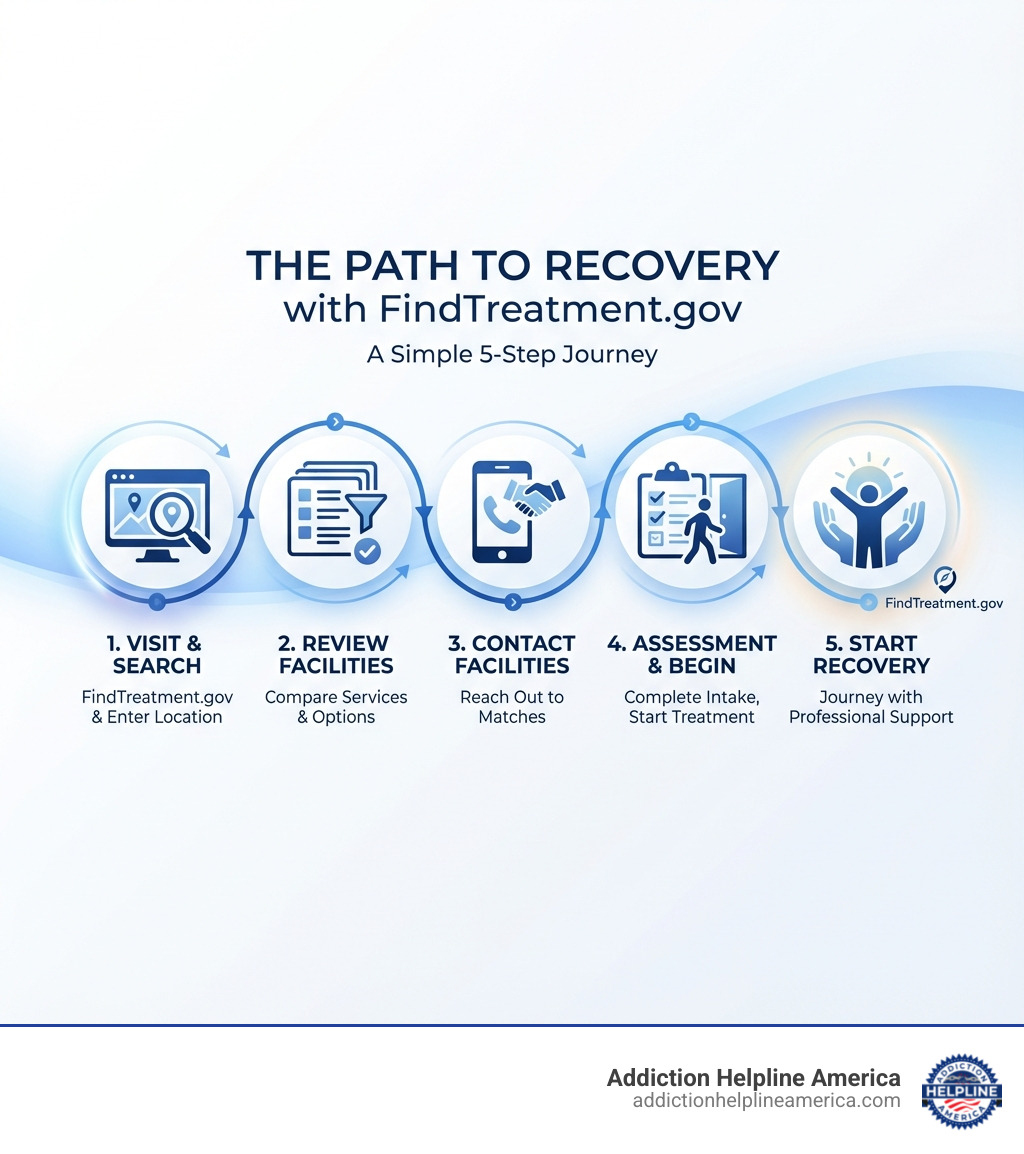
Quick Guide to Using FindTreatment.gov:
- Visit FindTreatment.gov (no account or personal information required)
- Enter your location (city, state, or zip code)
- Filter by treatment type, payment options, or special services
- Browse facility details including services, contact information, and accepted insurance
- Call the facility directly to begin your journey to recovery
Finding help for addiction can feel overwhelming, especially when you’re not sure where to start. Maybe you’ve been searching online for hours, unsure which resources are trustworthy. Maybe you’re worried about cost, privacy, or whether treatment will actually work.
You’re not alone, and seeking help is one of the bravest things you can do.
The good news? The federal government provides a straightforward tool that connects people directly to treatment options in their area. It’s completely free to use, requires no personal information, and gives you access to thousands of facilities across the country.
At Addiction Helpline America, we help individuals steer resources like findtreatment gov every day through our free, confidential helpline at 844-561-0606. Our team of addiction specialists and recovery advocates understands how confusing the first steps can be, and we’re here to guide you toward the right treatment option for your unique situation.
What is FindTreatment.gov? A Guide of Hope for Recovery
When we talk about finding treatment for substance use disorders or mental health conditions, one name often comes up as a reliable, official resource: findtreatment gov. This isn’t just another website; it’s a vital tool provided by the U.S. government, specifically designed to be a guide of hope for individuals and families seeking help.
This powerful online locator is administered by the Substance Abuse and Mental Health Services Administration (SAMHSA), an agency within the U.S. Department of Health and Human Services (DHHS). Its primary purpose is to connect people with the care they need, making the often-daunting process of finding treatment much simpler. The creation of findtreatment gov was mandated by the 21st Century Cures Act, underscoring its importance in public health.
The platform offers a comprehensive, up-to-date database of licensed and accredited treatment facilities across the nation, including those in all the states we serve, from Alabama to Wyoming. Every entry is regularly updated to ensure accuracy, providing you with the most current information available. You can learn more about this official resource and how it can help you on your journey at More about the official resource. For deeper insight into the agency behind it, visit the Substance Abuse and Mental Health Services Administration (SAMHSA) website.
What is SAMHSA’s Mission?
SAMHSA is the principal federal agency dedicated to improving the lives of individuals and families affected by mental illness and substance use disorders. Its mission is clear: to reduce the impact of these conditions on American communities. By advancing behavioral health, SAMHSA works tirelessly to ensure that effective prevention, treatment, and recovery services are available to everyone who needs them. This commitment is what makes findtreatment gov such a trustworthy and invaluable public health effort.
Is FindTreatment.gov Free and Confidential?
Absolutely! One of the most significant advantages of findtreatment gov is that it is entirely free to use. There are no hidden costs, subscriptions, or fees involved in searching for treatment options.
Furthermore, your privacy is paramount. The website is designed for anonymous searching, meaning you don’t need to create an account, provide your name, email, or any other personal information to use it. It’s a secure website that protects your privacy, allowing you to explore options without fear of your data being collected or shared. This confidentiality ensures that you can take the first brave steps toward recovery at your own pace, without any pressure or judgment.
A Step-by-Step Guide to Using findtreatment gov
Navigating the landscape of addiction and mental health treatment can feel like trying to find your way through a dense forest. But with findtreatment gov, you have a clear map. The platform is designed to be incredibly user-friendly, simplifying what could otherwise be a complex and emotionally taxing search. Its intuitive interface allows for a simple search process, guiding you from entering your location to filtering results, all aimed at connecting you with the right care.
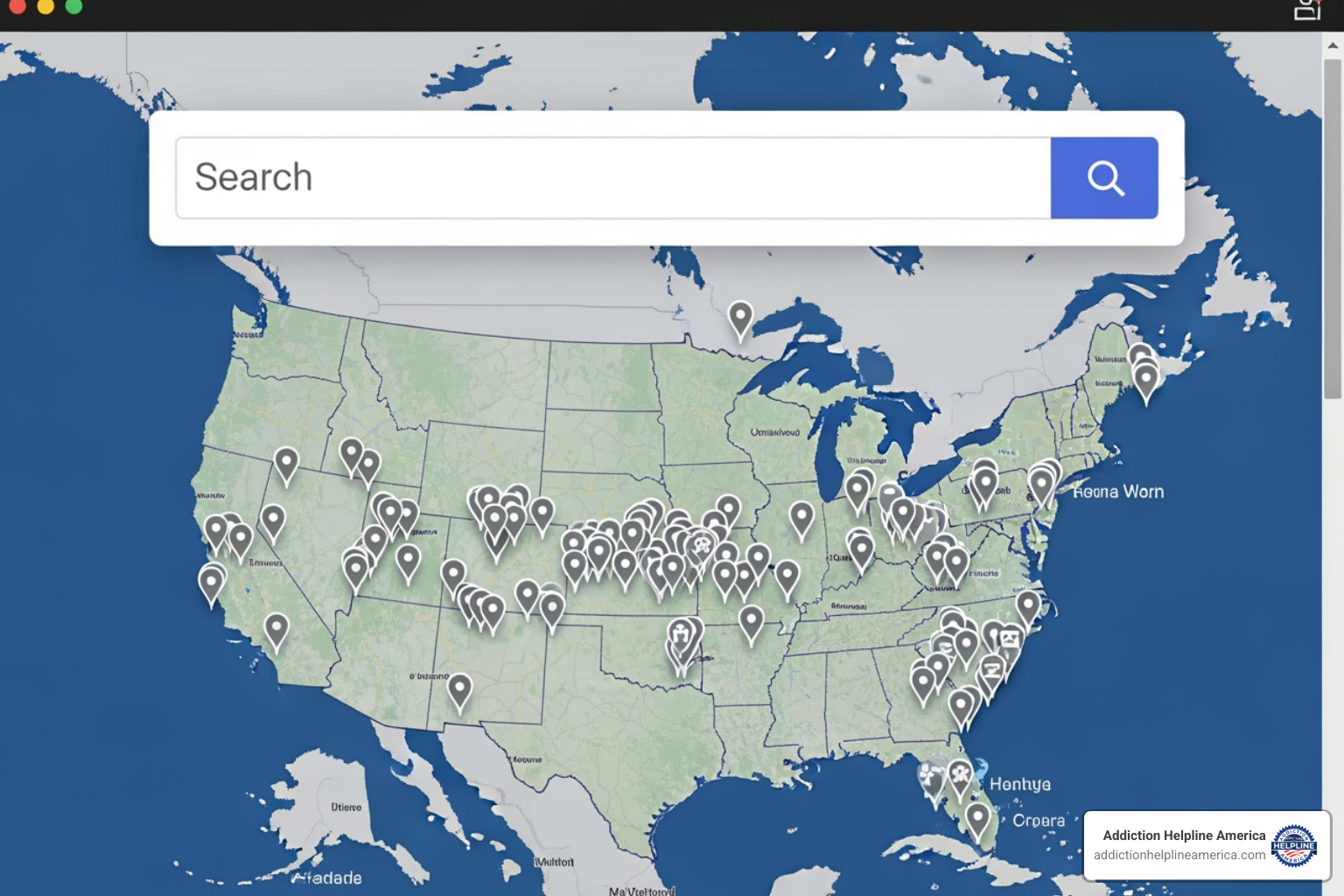
Whether you’re in a busy city like Los Angeles, California, or a quiet town in Maine, the location-based search feature will help you pinpoint facilities nearby. If you prefer a visual guide, SAMHSA also provides instructional videos on using the tool that walk you through each step.
How to Start Your Search on findtreatment gov
Beginning your search on findtreatment gov is straightforward. Here’s how you can do it:
- Visit the Website: Open your web browser and go to FindTreatment.gov.
- Enter Your Location: You’ll immediately see a search bar where you can enter your city, state, or zip code. For example, if you live in Phoenix, Arizona, you would type “Phoenix, AZ” or your specific zip code.
- Set Your Search Radius: Once you enter your location, you can often adjust the search radius to widen or narrow your results, depending on how far you’re willing to travel for treatment.
- Choose Treatment Type (Optional but Recommended): While you can initiate a broad search, it’s often helpful to select a general treatment type if you have one in mind (e.g., “Substance Use Treatment” or “Mental Health Treatment”).
- Initiate the Search: Click the “Search” button, and the website will populate a list and map of facilities matching your criteria.
This initial step is about casting a wide net, giving you a preliminary overview of available options in your desired geographic area.
How to Filter Your Search Results
Once you have your initial search results, findtreatment gov offers powerful filtering options to help you narrow down the choices and find the best fit for your unique needs. This is where the tool truly shines in personalizing your search. You can filter by:
- Treatment Options: Looking for inpatient, outpatient, or detox services? Perhaps medication-assisted treatment (MAT)? You can specify these.
- Payment Options: This is a crucial filter for many. You can search for facilities that accept private insurance, Medicare, Medicaid, offer a sliding fee scale, or even provide free or low-cost treatment. This ensures you find programs that align with your financial situation.
- Age Groups Served: Whether you’re looking for adolescent programs, adult services, or facilities that cater to older adults, you can filter by age.
- Languages Spoken: If English isn’t your primary language, or if you require services in Spanish, ASL, or another language, this filter is invaluable.
- Special Programs: Many facilities offer specialized care for specific populations, such as veterans, LGBTQ+ individuals, pregnant women, criminal justice clients, or those with co-occurring disorders (mental health and substance use). Filtering by these programs helps ensure you find a culturally competent and custom approach to care.
By thoughtfully applying these filters, you can significantly refine your search, moving closer to finding a facility that not only offers the right type of care but also meets your personal and logistical requirements. This meticulous approach helps you find the right fit, making your journey to recovery smoother and more effective.
Understanding Your Treatment Options
When you begin your search on findtreatment gov, you’ll quickly realize that “treatment” isn’t a one-size-fits-all concept. Recovery is a deeply personal journey, and comprehensive care often involves a combination of services custom to individual needs. The platform provides details on facilities offering a wide array of services for both substance use disorder treatment and mental health services, recognizing that these often go hand-in-hand as co-occurring disorders.
Finding the right treatment means finding a program that addresses all aspects of your well-being – physical, mental, and emotional.
What Types of Services Can You Find?
findtreatment gov details various levels and types of care, allowing you to understand the scope of available support. Here are some of the primary services you can expect to find:
- Inpatient/Residential Treatment: This involves living at a facility for a period, receiving intensive, structured care 24/7. It’s ideal for those needing a safe, supervised environment away from triggers.
- Outpatient Programs: These allow you to live at home while attending scheduled therapy sessions and groups at a facility. This includes Intensive Outpatient Programs (IOP) and Partial Hospitalization Programs (PHP), which offer varying levels of intensity.
- Detoxification (Detox): Often the first step in recovery, detox manages the acute physical symptoms of withdrawal in a medically supervised setting, ensuring safety and comfort.
- Medication-Assisted Treatment (MAT): This combines FDA-approved medications (like buprenorphine, naltrexone, or methadone) with counseling and behavioral therapies to treat substance use disorders, particularly opioid and alcohol dependence.
- Counseling and Therapy: A cornerstone of most treatment plans, this includes individual therapy, group therapy, and family counseling to address underlying issues, develop coping mechanisms, and improve communication.
- Telehealth Services: In our modern world, many facilities now offer remote consultations and therapy sessions, providing flexible access to care, especially for those in rural areas or with mobility challenges.
By understanding these different services, you can better articulate your needs when you contact a facility or when you speak with one of our specialists at Addiction Helpline America.
What Information Does findtreatment gov Provide?
Beyond just listing facility names, findtreatment gov offers a wealth of detailed information for each entry, empowering you to make informed decisions. When you click on a specific facility, you’ll typically find:
- Facility Details: A brief description of the center and its philosophy.
- Contact Information: Phone numbers and often website links so you can reach out directly.
- Address and Map: The physical location of the facility, often with an integrated map for easy navigation.
- Services Offered: A comprehensive list of the specific treatment modalities and programs available, as outlined above.
- Payment Types Accepted: Crucial financial information, including whether they accept private insurance (and often which specific plans), Medicare, Medicaid, military insurance, or cash payments. Many facilities also offer a sliding fee scale based on income, or may have free or low-cost options funded by grants. We understand that cost is a major concern, and findtreatment gov helps you find options that fit your budget.
- Special Populations Served: Details on whether the facility specializes in treating specific groups, such as adolescents, women, men, veterans, LGBTQ+ individuals, or those with co-occurring mental health disorders.
This detailed breakdown ensures that you have a clear picture of what each facility offers before you even make that first phone call, saving you time and emotional energy in your search.
Immediate Support and Additional Helplines
Taking the step to search for treatment is incredibly brave, and we want you to know: You are not alone. This journey, while challenging, is also filled with hope and the promise of a healthier future. Immediate help is available 24/7, ensuring that whenever crisis strikes or you feel overwhelmed, there’s a lifeline ready to support you with crisis support, information, and referral services.
Reaching out is a sign of strength, not weakness.
Critical Helplines for Urgent Needs
While findtreatment gov is an excellent resource for locating facilities, sometimes you need immediate support or guidance. Here are critical helplines that can provide urgent assistance:
- 988 Suicide & Crisis Lifeline: If you or someone you know is in emotional distress or suicidal crisis, call or text 988, or chat at 988 Suicide & Crisis Lifeline. This service is available 24/7 across the U.S.
- SAMHSA National Helpline: For confidential free help, from public health agencies, to find substance use treatment and information, call 1-800-662-4357 (4357-HELP). This is a 24/7 national referral and information service (in English and Spanish) for individuals and families facing mental and/or substance use disorders.
- Veterans Crisis Line: For veterans and service members in crisis, call 988 and press 1, text 838255, or visit Veterans Crisis Line to chat online.
- Disaster Distress Helpline: If you’re experiencing emotional distress related to a natural or human-caused disaster, call or text 1-800-985-5990. TTY users can call 1-800-846-8517.
- TTY Support: For individuals who are deaf or hard of hearing, TTY services are often available through various hotlines, including the SAMHSA National Helpline at 1-800-487-4889.
These helplines are staffed by compassionate, trained professionals ready to listen and guide you to appropriate resources in your area, no matter which of our service states you reside in.
Beyond the Search: Taking the Next Step
Once you’ve used findtreatment gov to identify potential facilities, the next step is crucial: reaching out. This can feel intimidating, but it’s a vital part of the process.
Here’s what we recommend:
- Prepare for the Call: Have a few questions ready. You might ask about bed availability, the intake process, what a typical day looks like, or specific therapies offered.
- Be Honest: When you speak with a facility, be honest about your situation and needs. This helps them determine if their program is the right fit for you.
- Don’t Give Up: You might need to call several facilities. If one isn’t a match, don’t get discouraged. Keep trying.
If you feel overwhelmed at any point, help is a phone call away. Our team at Addiction Helpline America is here to provide personalized guidance, helping you make sense of the information you find on findtreatment gov and connect you with suitable treatment options. We understand the nuances of different programs and can help you ask the right questions. For personalized support, you can Get personalized help now or simply call us.
Frequently Asked Questions about Finding Treatment
It’s natural to have questions when starting on such an important journey. We’ve compiled some frequently asked questions about using findtreatment gov and navigating the treatment landscape to help ease any concerns you might have.
Is the information on FindTreatment.gov accurate?
Yes, the information on findtreatment gov is generally considered highly accurate and reliable. As a government resource maintained by SAMHSA, it is subject to rigorous standards. Facilities listed are required to be licensed or accredited by state agencies, and their data is updated annually. While no database can be 100% perfect all the time, SAMHSA is committed to continuous improvement. For instance, past OIG (Office of Inspector General) audit findings have led to improved data collection and verification processes, reinforcing the platform’s reliability. If you ever encounter an inaccuracy, the website typically provides a way to report it, contributing to its ongoing accuracy for everyone.
How can I pay for treatment if I don’t have insurance?
Concern about payment is one of the most common barriers people face when seeking treatment. The good news is that findtreatment gov has robust filtering options to help you find affordable care, even without private insurance.
Here’s how you can approach it:
- Payment Filters: When using findtreatment gov, select filters like “Sliding fee scale,” “Payment assistance,” “Free or low-cost treatment,” or “State-financed insurance (other than Medicaid).”
- Sliding Scale Fees: Many facilities offer a sliding fee scale, meaning the cost of treatment is adjusted based on your income and ability to pay.
- State-Funded Programs: Many states, including all the ones we serve at Addiction Helpline America, have state-funded programs that offer free or low-cost treatment to eligible residents. These are often listed on findtreatment gov.
- SAMHSA Grants: SAMHSA itself provides grants to various treatment centers across the country, allowing them to offer services at reduced or no cost to individuals who meet specific criteria.
- Medicaid/Medicare: If you qualify for Medicaid or Medicare, many facilities accept these government-funded insurance programs, significantly reducing your out-of-pocket expenses.
Our service at Addiction Helpline America is always free and confidential. We can help you explore these options and connect you with facilities that align with your financial situation, ensuring that cost doesn’t stand in the way of your recovery.
What should I expect when I start treatment?
Starting treatment is a monumental step, and knowing what to expect can help alleviate anxiety. While every program is unique, you can generally anticipate the following:
- Initial Assessment: Your journey will typically begin with a comprehensive assessment. This involves a medical and psychological evaluation to understand your specific needs, the nature of your substance use or mental health condition, any co-occurring disorders, and your overall health.
- Personalized Treatment Plan: Based on your assessment, a team of professionals will work with you to develop a personalized treatment plan. This plan outlines your goals, the therapies you’ll receive, and the duration of your program.
- Different Therapy Types: Treatment often includes a combination of individual counseling, group therapy, family therapy, and educational sessions. These therapies help you understand the roots of your addiction, develop coping skills, improve communication, and build a strong support system.
- Building Coping Skills: A key focus of treatment is equipping you with practical tools and strategies to manage triggers, cravings, stress, and other challenges that can arise in recovery. You’ll learn healthier ways to cope with life’s difficulties.
- Recovery is a Journey: Treatment is not a quick fix; it’s the beginning of a lifelong journey of recovery. You’ll gain the foundational skills and support needed to maintain sobriety and mental wellness long after you leave the facility.
Accept this process with an open mind and a willingness to engage. The path to recovery is transformative, and you’re taking the first courageous steps.
Your Path to Recovery Starts Here
We understand that the journey to recovery can seem overwhelming, but with tools like findtreatment gov, the path becomes clearer and more accessible. This invaluable federal resource empowers you to locate credible, vetted treatment options right in your community, covering everything from basic outpatient services to specialized care for unique populations. It’s a testament to the belief that everyone deserves access to quality care, and that taking the first step is often the hardest, but most rewarding, part.
Recovery is not just a possibility; it is a reality for millions of individuals across the country, including those we’ve helped connect to care in states like Florida, Texas, and New York. If you’ve used findtreatment gov and still feel like you need a helping hand to steer your options, or if you simply prefer a more personal touch, we are here for you.
At Addiction Helpline America, we offer free, confidential, and personalized guidance to help you find the right recovery program from our vast network of treatment centers. Don’t let uncertainty hold you back from the brighter future you deserve.
Call us today at 844-561-0606 for free, confidential support. We’re ready to listen and guide you toward healing.