
Finding Hope and Healing in New York
Drug treatment centers ny offer a lifeline for individuals and families struggling with addiction. If you’re seeking help right now, here’s what you need to know:
Quick Guide to Drug Treatment Centers in New York:
- Number of Facilities: Over 1,700 certified addiction treatment programs across New York State, including 12 state-operated Addiction Treatment Centers
- Levels of Care Available: Medical detox, inpatient/residential treatment, partial hospitalization (PHP), intensive outpatient (IOP), standard outpatient, and aftercare support
- Specialized Programs: Services for adolescents, LGBTQ+ individuals, pregnant persons, dual diagnosis (co-occurring mental health disorders), and specific populations
- Payment Options: Most centers accept private insurance, Medicaid, Medicare, and offer payment assistance—many state-funded providers cannot turn you away for inability to pay
- 24/7 Help Available: Call the NYS OASAS HOPEline at 1-877-8-HOPENY or Addiction Helpline America at 844-561-0606 for free, confidential guidance
Substance use disorders affect nearly two million New York residents. Whether you’re struggling with alcohol, opioids, prescription drugs, or other substances, you’re not alone in this fight. The path to recovery can feel overwhelming, but New York offers a comprehensive network of accredited treatment centers designed to meet you where you are.
From the urban centers of New York City to the rural communities upstate, help is closer than you think. The state has invested heavily in evidence-based treatment, innovative therapies, and person-centered care that treats the whole person—not just the addiction. Recovery is possible, and it starts with taking that first step.
At Addiction Helpline America, we’ve spent years connecting individuals and families with trusted drug treatment centers ny facilities that match their unique needs. Our team understands the New York treatment landscape and provides free, confidential support 24/7 at 844-561-0606 to help you find the right path forward.
Understanding the Landscape of Drug Treatment Centers NY
New York State is home to a vast and diverse network of addiction treatment resources, ensuring that individuals seeking help can find a program custom to their specific situation. We know that navigating these options can feel daunting, but understanding the landscape is the first step toward finding the right support.
New York boasts hundreds of state-certified and monitored treatment facilities across the state. In addition, the Office of Addiction Services and Supports (OASAS) directly operates and staffs 12 Addiction Treatment Centers (ATCs) that provide individualized care to all New York State residents. These facilities, alongside numerous private and non-profit centers, offer a wide array of services designed to support long-term recovery.

Many of these programs are accredited by recognized bodies, ensuring they meet high standards of care. Whether you’re looking for intensive inpatient support or flexible outpatient services, New York’s continuum of care aims to meet diverse needs. For an overview of available options, you can always explore our general guide to Find a rehab near you.
Levels of Care: A Stepped Approach to Recovery
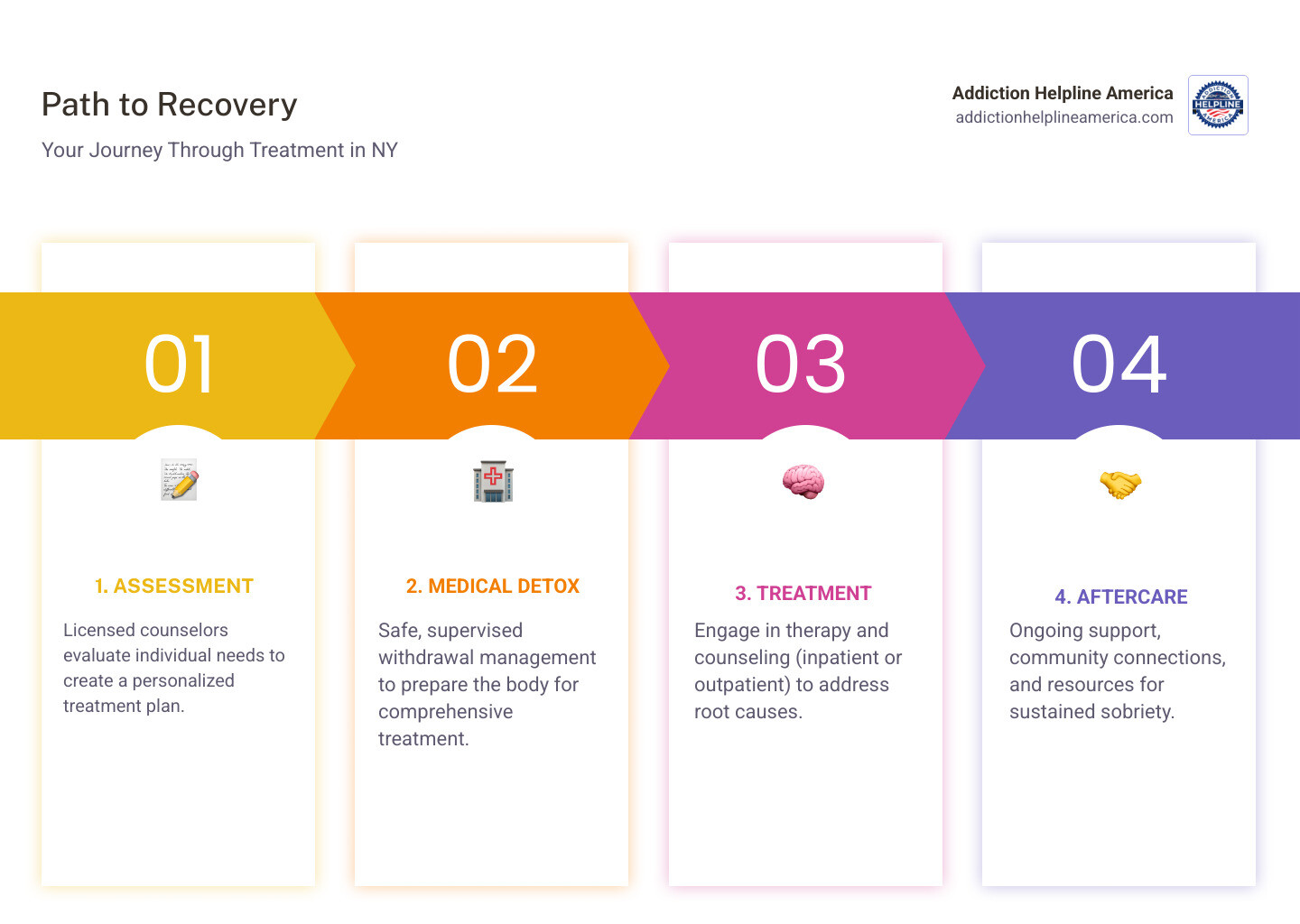
Addiction treatment is rarely a one-size-fits-all solution. Instead, it involves various “levels of care,” which are designed to provide the appropriate intensity of support based on an individual’s needs. These levels form a stepped approach, allowing for progression as recovery strengthens or increased support if challenges arise.
- Medical Detoxification: Often the critical first step, medical detox involves safely managing withdrawal symptoms under medical supervision. This is particularly important for substances like alcohol and opioids, where withdrawal can be dangerous or uncomfortable. Our Drug Detox Treatment Centers Guide provides more in-depth information on this crucial stage.
- Inpatient/Residential Treatment: For individuals with more severe addictions or those who need a structured, substance-free environment, inpatient or residential programs offer 24/7 care. Patients live at the facility and engage in intensive therapy, education, and support groups. These programs typically range from 14 to 90 days, providing a safe space to focus solely on recovery away from external triggers.
- Partial Hospitalization Programs (PHP): Often called “day treatment,” PHP provides a high level of structured care, similar to inpatient, but without an overnight stay. Patients attend treatment during the day and return home or to a sober living environment in the evenings. This allows for intensive therapy while maintaining some connection to daily life.
- Intensive Outpatient Programs (IOP): IOPs offer a step down from PHP, with fewer hours of therapy per week. They provide flexibility for individuals who are stable enough to live at home, work, or attend school, but still require significant therapeutic support.
- Standard Outpatient Programs: This is the least intensive level of care, involving regular therapy sessions—individual or group—on a weekly basis. It’s suitable for those with milder substance use disorders or as a long-term aftercare option following more intensive treatment.
- Aftercare and Sober Living: Recovery is a lifelong journey. Aftercare planning is essential and often includes ongoing therapy, support groups, and sober living arrangements. Sober living homes provide a supportive, drug-free environment for individuals transitioning back into independent living.
Accredited and Certified Drug Treatment Centers NY
When seeking a drug treatment center in NY, accreditation and certification are vital indicators of quality care. These designations mean a facility has met rigorous standards for patient safety, treatment efficacy, and ethical practices.
New York’s Office of Addiction Services and Supports (OASAS) certifies and monitors over 1,700 addiction treatment programs across the state. This oversight ensures that facilities adhere to state regulations and provide appropriate services. Additionally, many centers hold accreditations from national organizations such as:
- The Joint Commission: Recognizes healthcare organizations that meet strict performance standards for quality and safety.
- CARF (Commission on Accreditation of Rehabilitation Facilities): Focuses on person-centered services and positive outcomes.
- NAATP (National Association of Addiction Treatment Providers): Advocates for ethical and effective addiction treatment.
- LegitScript: Verifies that online advertisers for addiction treatment services are legitimate and compliant.
These accredited addiction treatment centers offer a range of services, from evidence-based therapies like Cognitive Behavioral Therapy (CBT) and Dialectical Behavioral Therapy (DBT) to holistic approaches that address the mind, body, and spirit. Importantly, OASAS-operated and funded facilities serve all New York State residents, regardless of their county of residence or ability to pay. They are designed to provide individualized care, supporting long-term recovery with specialized amenities and trained staff. To explore a broader list of options, visit our New York Rehab Centers page.
How to Choose the Right New York Rehab for Your Needs
Choosing a treatment center is one of the most significant decisions you or your loved one will make on the path to recovery. We understand that this process can feel overwhelming, but we’re here to help you steer it. The “best” rehab isn’t a single facility; it’s the one that best meets your individual needs, preferences, and circumstances.

When considering drug treatment centers ny, it’s crucial to look beyond just the location. Factors like clinical approach, staff qualifications, and financial considerations all play a vital role. We encourage you to be thorough in your research and ask plenty of questions. For free, confidential guidance and personalized support in this crucial decision, don’t hesitate to call us at 844-561-0606.
Key Factors to Consider
To make an informed choice, consider the following aspects when evaluating drug treatment centers ny:
- Accreditation: As discussed, look for facilities accredited by OASAS, CARF, or The Joint Commission. These accreditations signify a commitment to quality and safety.
- Treatment Philosophy: Does the center align with your values? Do they emphasize evidence-based therapies like Cognitive Behavioral Therapy (CBT) and Dialectical Behavioral Therapy (DBT), which are proven effective? Or do they incorporate holistic approaches like mindfulness, yoga, or art therapy to address overall well-being? A blend of both is often ideal.
- Staff Qualifications: Inquire about the credentials and experience of the treatment team, including doctors, therapists, counselors, and support staff. Are they licensed and certified in their respective fields?
- Location: Consider whether an urban setting in New York City, a suburban environment, or a more rural, serene location upstate would be most conducive to your healing. Proximity to family can also be a factor, especially for outpatient programs.
- Program Duration: While 30-day programs are common, residential treatment can range from 14 to 90 days or more. Outpatient programs vary even more. The ideal length of stay often depends on the severity of the addiction and individual progress.
- Aftercare Planning: A strong treatment center will prioritize comprehensive aftercare planning to support long-term sobriety. This includes strategies for relapse prevention, continued therapy, and connections to community support groups.
- Specialized Programs: Does the center offer programs for co-occurring mental health disorders, specific demographics, or particular substances that align with your needs?
For more detailed information on specific facilities and their offerings, our Featured NY Treatment Center section can provide valuable insights.
Navigating Insurance and Payment Options
One of the most common concerns when seeking addiction treatment is the cost. We want you to know that help is often more accessible than you might think. New York has strong Mental Health Parity laws, which generally require insurance companies to cover mental health and substance use disorder treatment at the same level as medical or surgical care.
- Verifying Your Insurance Benefits: Most private insurance plans, including those from major providers, will cover at least a portion of addiction treatment. We can help you verify your benefits confidentially and free of charge by calling 844-561-0606.
- Medicaid and Other Coverage Options: For those with limited financial resources, Medicaid and other state-funded programs are crucial. Many drug treatment centers ny accept Medicaid, and OASAS-funded providers cannot turn you away due to an inability to pay.
- Private Pay and Financing: If insurance coverage is limited or unavailable, private pay options and flexible financing plans can be explored directly with treatment centers. Some facilities also offer sliding scale fees based on income.
- Community Resources: New York also has free rehab options and community-based resources that can provide support and treatment.
Understanding your rights regarding insurance coverage for addiction treatment is essential. You can learn more about this through resources like Learn about your insurance rights.
Specialized Treatment Programs in New York
Addiction is a complex disease, and its impact varies greatly from person to person. Recognizing this, drug treatment centers ny offer a wide array of specialized programs designed to address unique needs, ensuring a more effective and compassionate path to recovery. This commitment to individualized care means you can find a program that truly understands your situation.
From addressing co-occurring mental health issues to catering to specific age groups or communities, these specialized programs are vital components of New York’s comprehensive treatment landscape. We believe everyone deserves a treatment plan that fits them perfectly, and New York’s diverse offerings make this possible. To begin exploring your options, you can Start Your Recovery in NY today.
Treating Co-Occurring Disorders (Dual Diagnosis)
It’s common for individuals struggling with substance use disorders to also experience mental health conditions. This is known as a “dual diagnosis” or co-occurring disorder. Approximately 50% of people with substance use disorders have dual diagnoses, with common conditions including anxiety, depression, PTSD, and bipolar disorder.
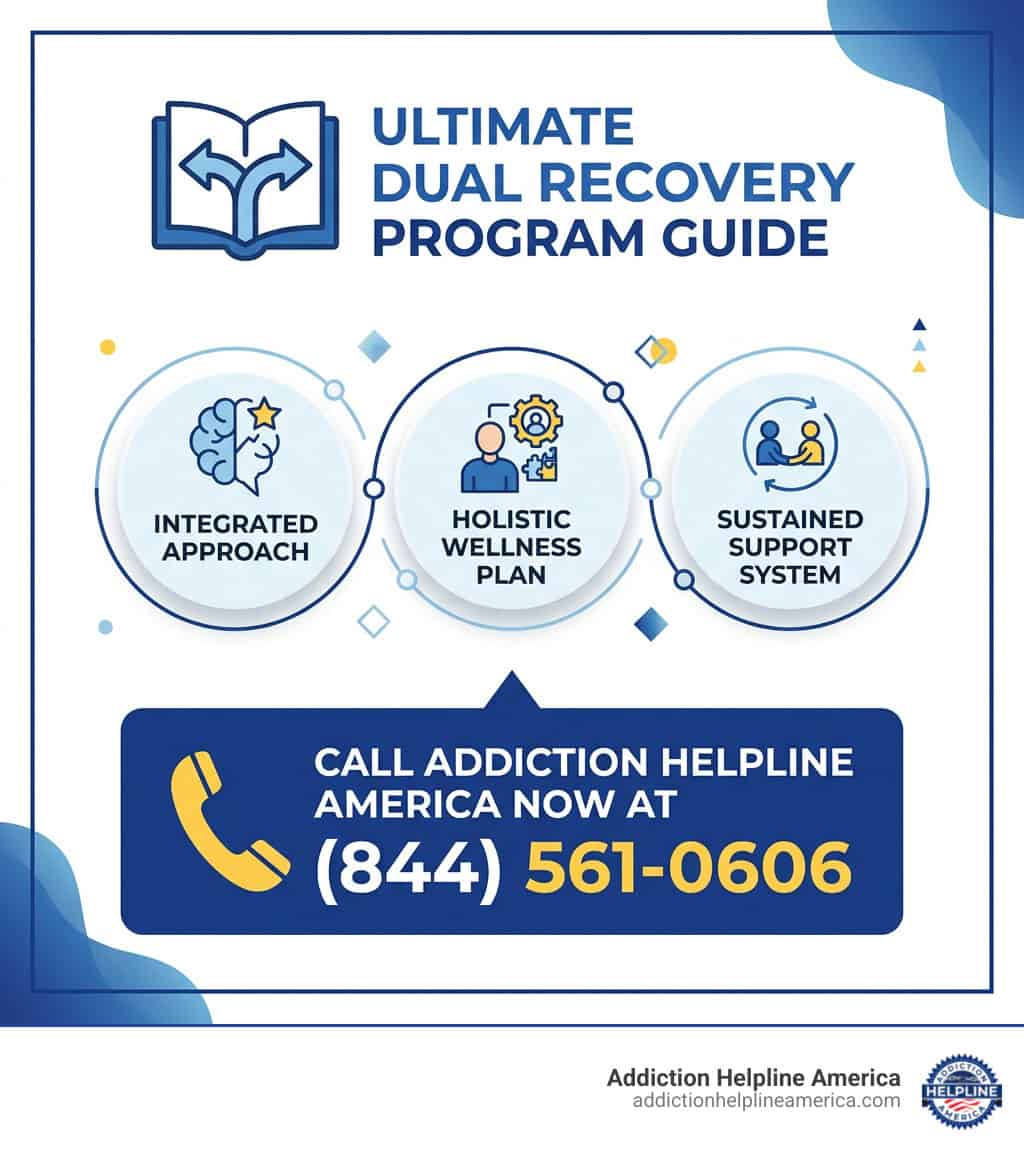
Effective drug treatment centers ny understand the importance of an integrated treatment approach. This means addressing both the addiction and the mental health disorder simultaneously, as they often influence each other. Trying to treat one without the other can lead to relapse. New York’s rehabs are equipped with staff trained to address co-occurring psychiatric disorders, providing comprehensive care that stabilizes both conditions. This integrated approach leads to more sustainable recovery outcomes.
Programs for Specific Populations
New York’s commitment to person-centered care extends to specialized programs custom for various demographics:
- Adolescent and Young Adult Programs: These programs are designed to meet the developmental and psychological needs of younger individuals, focusing on issues unique to their age group, such as peer pressure, identity formation, and academic challenges. The Addiction Institute of Mount Sinai, for example, offers specific Adolescent and Young Adult Programs.
- Gender-Specific Programs: Some facilities offer men’s or women’s only programs, creating a safe and focused environment where participants can address gender-specific trauma, societal pressures, and recovery challenges without the distractions of mixed-gender groups.
- LGBTQ+ Affirming Care: Recognizing that individuals in the LGBTQ+ community often face unique stressors and discrimination that can contribute to substance use, many New York rehabs offer affirming and inclusive programs. Hazelden Betty Ford, for instance, has an LGBTQIA+ Intensive Outpatient Program.
- Programs for Pregnant Individuals: Treating substance use during pregnancy requires highly specialized and sensitive care. The Bridge Program at the Addiction Institute of Mount Sinai is a notable example, collaborating between addiction specialists and obstetrics to ensure the health and safety of both mother and child.
- Support for Families and Caregivers: Addiction impacts entire families. Many New York treatment centers offer family programs, support groups, and counseling to help loved ones understand addiction, set healthy boundaries, and rebuild relationships. These resources are crucial for creating a supportive home environment conducive to long-term recovery.
The Role of Research and Emerging Therapies in NY
New York is at the forefront of addiction science, with several institutions actively engaged in research and the development of emerging therapies. This dedication to innovation means that drug treatment centers ny are often among the first to integrate cutting-edge, evidence-based practices into their programs.
Leading institutions like the Addiction Institute of Mount Sinai are deeply involved in research, exploring areas from genetics to computational psychiatry. Their work includes investigating promising new treatments, such as the use of CBD for opioid addiction. The institute is also a part of significant initiatives like the NIH HEAL Initiative, aimed at combating the national opioid crisis.
This focus on research translates into personalized medicine, where treatment plans are increasingly custom to an individual’s genetic makeup and response to specific therapies. Telehealth services are also becoming more prevalent, expanding access to care, especially in rural areas or for those with mobility challenges. By embracing data-driven approaches and emerging therapies, New York’s treatment landscape continually evolves to offer the most effective and comprehensive care possible.
Accessing Support and Resources Across New York State
Taking the step to seek help is courageous, and you are not alone on this journey. New York State offers a robust network of resources, from immediate crisis support to long-term community programs, all designed to guide you toward lasting recovery. We at Addiction Helpline America are part of this network, providing free, confidential, and personalized guidance 24/7. Call us at 844-561-0606 anytime you need support.
Finding a Drug Treatment Center in NY with Trusted Directories
To help you locate the right facility, New York provides several trusted directories and search tools:
- OASAS Provider Directory: The New York State Offices of Addiction Services and Supports (OASAS) offers a comprehensive lookup tool to search their database of certified programs. You can narrow results by program type, proximity, and specific services offered. This is an excellent resource for finding state-certified Find Addiction Treatment options.
- Addiction Helpline America: We connect individuals nationwide to addiction and mental health treatment centers. Our vast network includes many reputable drug treatment centers ny, and our specialists can help you find a program that fits your unique needs.
- City-Specific Rehab Lists: For those looking for treatment in particular areas, here are some links to help you find local centers:
Community Support Groups
Beyond formal treatment programs, community support groups play a vital role in long-term recovery, offering peer support, shared experiences, and a sense of belonging.
- Alcoholics Anonymous (AA) New York: AA is a fellowship of men and women who share their experience, strength, and hope with each other that they may solve their common problem and help others to recover from alcoholism. You can Find an AA meeting in New York easily.
- Narcotics Anonymous (NA) New York: Similar to AA, NA is a global, community-based organization for recovering drug addicts. NA members learn from each other how to live drug-free and recover from the effects of addiction in their lives. Find local meetings at Find an NA meeting in New York.
- Family Support Networks: Organizations like Al-Anon and Nar-Anon provide support for the families and friends of individuals struggling with addiction. These groups offer a safe space to share experiences and learn coping strategies, recognizing that addiction impacts the entire family system. Many treatment centers, like Hazelden Betty Ford, also offer dedicated family programs.
Frequently Asked Questions about NY Drug Rehabs
We understand you likely have many questions when considering addiction treatment. Here are answers to some of the most common inquiries we receive about drug treatment centers ny.
How much does rehab cost in New York?
The cost of rehab in New York can vary significantly based on several factors, including the level of care (detox, inpatient, outpatient), the duration of the program, the amenities offered by the facility, and whether it’s a private or state-funded center.
- Average Costs: While the average cost for substance abuse treatment in New York can be around $56,653, this figure is a broad estimate.
- Insurance Coverage: Many private insurance plans, as well as government-funded options like Medicaid and Medicare, cover a significant portion of treatment costs. It’s always best to verify your specific benefits.
- State-Funded Options: New York’s state-operated and OASAS-funded facilities are committed to accessibility. They cannot turn you away for an inability to pay, ensuring that financial constraints are not a barrier to receiving help.
- Payment Plans and Free Rehabs: Many centers offer flexible payment plans, and there are free or low-cost rehab options available for those without insurance or sufficient funds.
We at Addiction Helpline America offer a free and confidential service to help you steer these financial questions. Call 844-561-0606 for a free benefits check, and we can connect you with centers that align with your financial situation.
How long does a typical rehab program last?
The duration of a rehab program is highly individualized, depending on the severity of the addiction, the type of substance used, co-occurring mental health conditions, and an individual’s progress in recovery.
- Inpatient/Residential Programs: These are often structured as 30-day programs, but many individuals benefit from longer stays of 60 or 90 days. Some may even stay for several months, especially in therapeutic community models.
- Outpatient Programs: These offer more flexibility and can vary greatly in length. Intensive Outpatient Programs (IOPs) might last for several weeks to a few months, gradually reducing in intensity. Standard outpatient therapy can continue for an extended period as part of long-term aftercare.
- Continuum of Care: It’s important to view treatment as a continuum. An individual might start with detox, move to a 30-day inpatient program, then transition to an IOP, and finally engage in ongoing outpatient therapy and support groups for several years. The goal is to provide the necessary support for sustained recovery.
Can I lose my job for attending a drug treatment center in NY?
Seeking treatment for a substance use disorder is protected under certain federal laws, making it less likely that you will lose your job.
- Family and Medical Leave Act (FMLA): If you work for a covered employer and meet eligibility requirements, FMLA allows you to take up to 12 weeks of unpaid, job-protected leave for medical reasons, including treatment for a serious health condition like addiction. Your job (or an equivalent position) is generally protected upon your return.
- Americans with Disabilities Act (ADA): The ADA protects individuals with a history of addiction or who are currently in recovery from discrimination in the workplace. Employers cannot discriminate against individuals who are successfully undergoing treatment or who have completed treatment. However, the ADA does not protect individuals currently engaging in illegal drug use.
It is always advisable to consult with your Human Resources department to understand your company’s specific policies and to ensure you are taking the correct steps to protect your employment while seeking necessary treatment. Your health and recovery are paramount.
Your First Step Towards a New Beginning
Taking the first step is the most courageous part of the recovery journey. We understand that it can feel overwhelming, but a future free from addiction is not just a dream—it’s an achievable reality. The right help is available, and New York’s comprehensive network of drug treatment centers ny is ready to support you.
If you’re unsure where to turn, or if the process of finding a suitable program feels too complex, our team at Addiction Helpline America is here to help. We provide free, confidential, and personalized guidance, connecting you with trusted treatment centers that fit your unique needs. We’ll help you understand your options, verify your insurance benefits, and steer you toward the path that’s right for you.
Don’t wait another day to start your healing journey. Recovery is possible, and we are here to light the way. Call 844-561-0606 now to speak with a caring specialist and take that crucial first step towards a new beginning. Let us help you Find the right rehab program for you.