
Understanding Your Path to Recovery Through Inpatient Care
Drug treatment centers inpatient provide 24/7 residential care for individuals struggling with severe substance use disorders, offering medical supervision, evidence-based therapies, and a safe, structured environment away from triggers. Here’s what you need to know:
What Inpatient Treatment Offers:
- 24/7 medical supervision and support in a residential setting
- Medical detox and withdrawal management with professional oversight
- Evidence-based therapies including CBT, DBT, and individual counseling
- Treatment for co-occurring disorders like anxiety, depression, and trauma
- Program lengths typically ranging from 28 to 90+ days
- Average cost in Pennsylvania: $630/day without insurance, significantly reduced with coverage
- Specialized programs for specific populations (veterans, LGBTQIA+, professionals)
If you or someone you love is battling addiction, you’re not alone in feeling overwhelmed and uncertain about where to turn. The good news is that inpatient drug treatment centers offer the highest level of care available—a safe haven where you can focus entirely on healing without the distractions and temptations of everyday life. These programs combine medical expertise, proven therapies, and compassionate support to help you reclaim your life.
This comprehensive guide will walk you through everything you need to know about inpatient treatment: what it is, how it works, who it’s for, what happens during your stay, and how to find and afford the right program for your unique situation.
At Addiction Helpline America, we’ve spent years connecting individuals and families with life-changing treatment options, including comprehensive drug treatment centers inpatient programs custom to each person’s specific needs. Our mission is to provide the confidential guidance and support you need to take that crucial first step toward recovery—and we’re here for you 24/7 at 844-561-0606.
Drug treatment centers inpatient terms made easy:
What is Inpatient Drug Treatment? A Deep Dive into the Highest Level of Care
When we talk about inpatient drug treatment centers, we’re referring to the most intensive and structured form of addiction recovery available. Often called residential treatment, this level of care means you live at a facility 24 hours a day, 7 days a week, fully immersing yourself in the healing process. It’s specifically designed for individuals diagnosed with alcohol or other drug addiction—medically known as substance use disorder (SUD)—especially when coupled with interrelated mental health conditions like anxiety, depression, and trauma.
The primary goal of inpatient care is to provide a safe, sober, and trigger-free environment where you can focus entirely on your recovery. Away from the daily stressors and temptations, you receive constant support and supervision, which is crucial during the vulnerable early stages of sobriety. While the terms “inpatient” and “residential” are often used interchangeably, sometimes “inpatient” refers to a more medically intensive, hospital-based setting, while “residential” might imply a more hotel-like, less clinical environment. Both, however, offer 24/7 support and structured programming essential for profound change.
The Inpatient Journey: From Admission to Daily Life
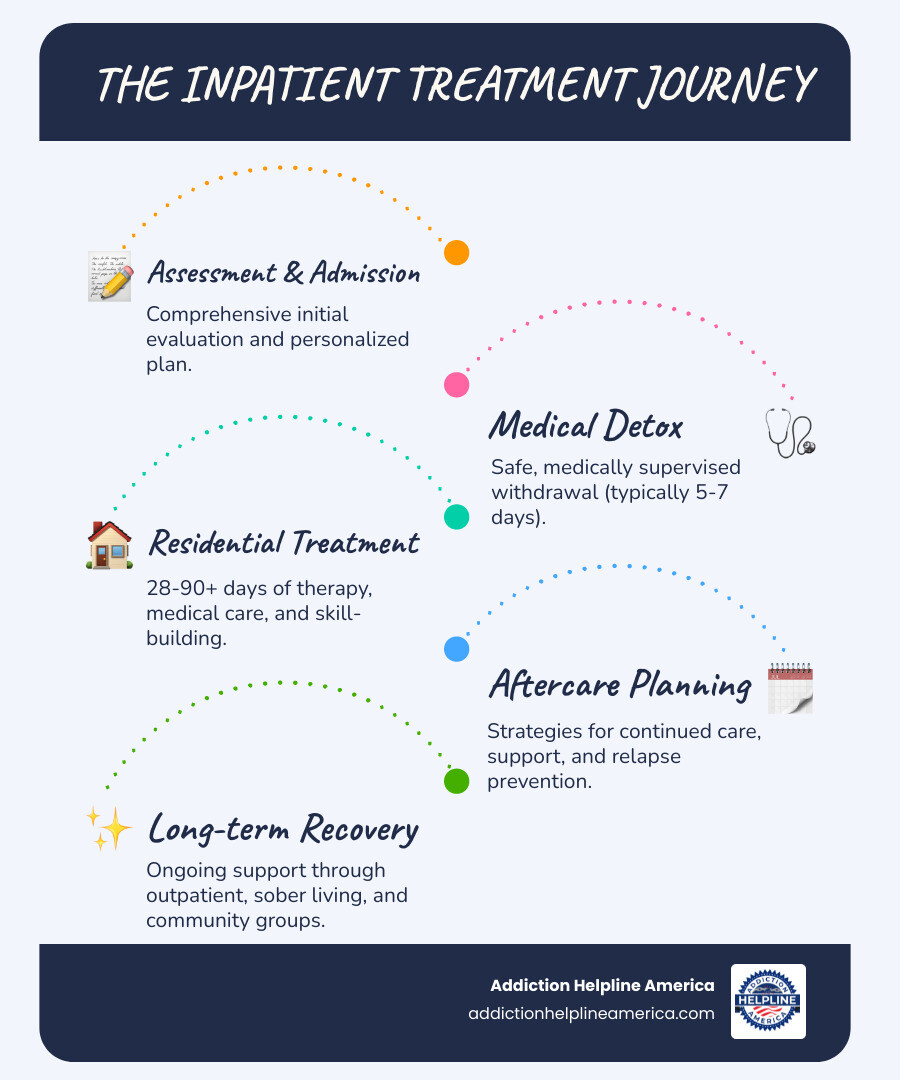
Your journey at an inpatient drug treatment center typically begins with a thorough intake process. This includes a comprehensive assessment by a multidisciplinary team of physicians, nurses, psychologists, and substance abuse counselors. This evaluation helps us understand your unique needs, including the type and severity of your addiction, any co-occurring mental health conditions, and your overall physical health. Based on this, a personalized treatment plan is created just for you.
For many, the first step is medically supervised detoxification, or “detox.” This is where your body is safely cleared of addictive substances. Withdrawal symptoms, which can be dangerous for certain substances like alcohol, opiates, and benzodiazepines, are managed with medication and constant medical oversight to ensure your comfort and safety. Most patients complete detox within 5-7 days, though this can vary depending on the substance and your medical condition.
During the initial phase, some facilities implement a “blackout phase,” often lasting about a week, where outside contact like cell phone use is restricted. This helps you focus on adjusting to your new environment and the detox process without external distractions.
Beyond the first week, a structured daily routine becomes the cornerstone of your recovery. This typically includes:
- Group therapy sessions
- Individual counseling
- Family therapy sessions
- Psychoeducational groups
- Meals and nutritional counseling
- Personal time for reflection or journaling
- Recreational activities and wellness services
- On-site self-help groups (like 12-Step programs)
The duration of your stay at drug treatment centers inpatient varies significantly based on individual needs and progress. While short-term programs might last 28-30 days, many individuals benefit from longer stays of 60, 90 days, or even more. Research consistently shows that longer durations in treatment, especially 90 days or more, are associated with more successful long-term outcomes. This extended time allows for deeper therapeutic work, the development of solid coping mechanisms, and the crucial habit-building needed for sustained sobriety. For example, Gateway Rehab’s inpatient programs generally range from 28-90 days, reflecting the varying needs of patients.
Core Components of Quality Drug Treatment Centers Inpatient Programs

Quality inpatient drug treatment centers are built on a foundation of evidence-based practices and a commitment to treating the whole person. We believe that true recovery involves more than just abstinence; it’s about healing mind, body, and spirit. This is achieved through individualized care delivered by multidisciplinary teams who tailor treatment to your specific situation.
Evidence-Based Therapies for Lasting Recovery
The heart of any effective inpatient program lies in its therapeutic approaches. These are not just conversations; they are carefully designed, evidence-based interventions proven to help individuals understand and overcome addiction. Some of the most common and effective therapies we see in top programs include:
- Cognitive Behavioral Therapy (CBT): Helps you identify and change negative thought patterns and behaviors that contribute to substance use. It teaches strategies to avoid triggers and develop healthier coping mechanisms.
- Dialectical Behavioral Therapy (DBT): Focuses on emotional regulation, mindfulness, distress tolerance, and interpersonal effectiveness. It’s particularly helpful for those with co-occurring mental health conditions.
- Motivational Interviewing (MI): A client-centered approach that helps you explore and resolve ambivalence about behavior change, strengthening your motivation for recovery.
- Group Therapy: Provides a supportive environment where you can share experiences, learn from peers, and develop social skills necessary for sobriety.
- Individual Counseling: Offers a private space to dig into personal issues, trauma, and underlying causes of addiction with a dedicated therapist.
- Family Therapy: Involves loved ones in the recovery process, helping to heal relationships, improve communication, and build a strong support system at home.
- Psychoeducational Groups: Teach you about the science of addiction, relapse prevention strategies, and healthy living skills.
- Twelve Step Facilitation: Integrates the principles of 12-Step programs like AA and NA, connecting you with vital peer support networks.
These therapies, often outlined in Treatment Improvement Protocols from organizations like SAMHSA, are delivered by credentialed professionals committed to your long-term success.
Medical Support and Medication-Assisted Treatment (MAT)
A critical aspect of drug treatment centers inpatient is the robust medical support system. This includes on-site medical staff, often available 24/7, to monitor your health, manage withdrawal symptoms, and address any co-occurring physical health issues. For example, Caron Pennsylvania has a state-of-the-art medical center with on-site detox services and a full-time staff of renowned medical experts, uniquely capable of delivering high-quality care for patients, even those with complex health conditions. Henry Ford Health’s residential program also ensures doctors are on call 24/7 for emergencies.
Medication-Assisted Treatment (MAT) is a cornerstone of modern addiction care, especially for opioid and alcohol use disorders. MAT combines FDA-approved medications with counseling and behavioral therapies. For opioid addiction, medications like buprenorphine and methadone can significantly reduce cravings and withdrawal symptoms, giving you the space to engage more fully in therapy. This integrated approach has proven highly effective in supporting long-term recovery and reducing the risk of relapse. We can help you find buprenorphine practitioners and opioid treatment programs that offer MAT.
Treating the Whole Person: Dual Diagnosis and Holistic Approaches
It’s common for individuals with substance use disorder to also experience mental health conditions—a phenomenon known as dual diagnosis. In fact, about half of people with a substance use disorder also experience serious mental illness. Quality inpatient drug treatment centers recognize the importance of integrated treatment, addressing both the addiction and conditions like anxiety, depression, trauma, or PTSD simultaneously. This approach significantly improves treatment outcomes and reduces the risk of relapse.
Beyond traditional therapies, many programs incorporate holistic approaches to promote overall well-being and healing. These can include:
- Yoga and Meditation: To develop a strong body-mind connection, reduce stress, and cultivate mindfulness.
- Art Therapy and Music Therapy: Creative outlets for emotional expression and processing.
- Equine Therapy: Building trust and emotional awareness through interactions with horses.
- Recreational Therapy: Engaging in physical activities and healthy hobbies to foster new interests and coping skills.
- Spiritual Counseling: Providing guidance and support for those seeking spiritual growth as part of their recovery.
Gateway Rehab, for instance, integrates a variety of these specialized programs, including art counseling, music therapy, adventure-based counseling, spiritual counseling, yoga, boxing, recreational/wellness services, and equine therapy, recognizing that recovery requires more than just traditional therapy.
Is Inpatient Treatment the Right Choice for You?

Deciding on the right level of care is a deeply personal choice, but certain indicators suggest that inpatient drug treatment centers might be the best option for you or a loved one. We’ve seen countless individuals benefit profoundly from the structured, supportive environment inpatient programs offer.
Signs You May Need Inpatient Care:
- Severe Addiction: If your substance use is chronic, heavy, or life-threatening.
- Inability to Stop Using: If you’ve tried to quit on your own multiple times without success.
- Lack of a Supportive Home Environment: If your home life is unstable, chaotic, or filled with triggers that make sobriety difficult.
- Co-occurring Medical or Mental Health Issues: If you have concurrent physical or mental health conditions that require integrated treatment and medical monitoring.
- Previous Outpatient Attempts Were Unsuccessful: If lower levels of care, like outpatient programs, haven’t provided the necessary intensity or structure for lasting recovery.
- Need for Medical Supervision During Detox: If you anticipate severe or dangerous withdrawal symptoms.
Inpatient vs. Outpatient Care
To help clarify your options, here’s a comparison of inpatient and outpatient treatment:
| Feature | Inpatient Treatment | Outpatient Treatment |
|---|---|---|
| Structure | Highly structured, 24/7 supervision | Less structured, flexible scheduling |
| Intensity | High intensity, full immersion | Lower intensity, allows daily life commitments |
| Environment | Residential facility, safe, sober, trigger-free | Live at home, attend sessions off-site |
| Cost | Generally higher, but often covered by insurance | Generally lower |
| Ideal Candidate | Severe addiction, co-occurring disorders, unstable home, unsuccessful past attempts, need for medical detox | Less severe addiction, stable home, strong support system, step-down from inpatient |
Inpatient treatment provides the intense focus and removal from triggers that can be life-saving for many. Outpatient programs, including Partial Hospitalization Programs (PHP) and Intensive Outpatient Programs (IOP), are excellent choices for those with less severe addictions, strong home support, or as a crucial step-down after completing an inpatient program. Any level of care is better than no care, and we can help you steer these options.
Finding and Paying for Your Path to Recovery
Taking the first step toward recovery is an act of immense courage. We understand that finding the right inpatient drug treatment centers and figuring out how to pay for them can feel daunting. But rest assured, there is hope, and a new beginning is within reach. We are here to guide you through this process. Call 844-561-0606 for immediate help.
How to Choose from the List of Drug Treatment Centers Inpatient
When exploring drug treatment centers inpatient, several factors indicate a quality program that aligns with your needs:
- Accreditation: Look for facilities accredited by reputable organizations like the Joint Commission or CARF. These accreditations signify a commitment to high standards of care and patient safety.
- Staff Credentials: Ensure the treatment team comprises licensed therapists, medical doctors (including those board-certified in addiction medicine), nurses, and other qualified professionals. Professional excellence through multidisciplinary teams is a hallmark of effective treatment.
- Individualized Treatment Plans: A one-size-fits-all approach rarely works. Quality centers create personalized plans custom to your specific physical, psychological, and practical needs.
- Location and Environment: Consider if you prefer a facility “near me” for family involvement, or if removing yourself from familiar surroundings is beneficial. Some facilities, like Henry Ford Maplegrove Center in Michigan, offer comfortable, all-private rooms for improved dignity and privacy.
- Specialized Programs: Some individuals benefit from programs designed for specific demographics or needs. For example, Caron Pennsylvania offers specialized inpatient treatment for legal professionals, business executives, prominent adults needing discretion, and individuals of the LGBTQIA+ community. Gateway Rehab offers specific programs for male and female patients, and a specialized unit called Capretto’s Cove for adults 50 years and older. White Deer Run Treatment Network, with its 7 centers throughout Pennsylvania, offers a full continuum of care including specialized programs.
Understanding the Cost of Drug Treatment Centers Inpatient
The cost of inpatient drug treatment centers can vary widely, influenced by factors such as location, amenities, length of stay, and the specific services offered. For instance, the average cost for a person in Pennsylvania seeking substance abuse treatment is $56,708.
Let’s look at some average costs for a 30-day inpatient stay in Pennsylvania, based on available statistics:
- Without insurance coverage: Approximately $630.09 per day.
- With 60% insurance coverage: Approximately $252.04 per day.
- With 80% insurance coverage: Approximately $126.02 per day.
Insurance coverage plays a significant role in making treatment affordable. Most major insurance plans, and often Medicaid policies, are accepted by many drug treatment centers inpatient. It’s crucial to speak directly with your insurance provider to understand your specific benefits, deductibles, and any in-network versus out-of-network considerations. Many facilities, like Gateway Rehab, accept most major insurances and Medicaid and can help guide you to appropriate funding sources. However, some facilities, like Caron, do not accept Medicare or Medicaid.
We understand that finances can be a barrier, but payment assistance options, financing plans, and scholarships are often available. Our service at Addiction Helpline America is free and confidential, and we can help you understand your options and connect with providers that fit your financial situation.
How to Find a Center and Start Your Journey
Finding the right inpatient drug treatment center begins with a confidential search. Resources like SAMHSA’s FindTreatment.gov can help you locate facilities across the country. However, navigating these options and finding a personalized match can be overwhelming.
That’s where Addiction Helpline America comes in. We offer free, confidential, personalized guidance to help you find the right recovery program from our vast network of trusted treatment centers across the country, including those in Pennsylvania, New York, Michigan, Florida, and other states where we operate. We can help you check your insurance coverage, understand the admission process, and connect you with facilities that meet your specific needs, whether it’s for specialized care, a particular location, or financial considerations.
Don’t let uncertainty delay your path to healing. Call 844-561-0606 for a free, confidential consultation. We are here to help you take that crucial first step towards a healthier, sober life.
Frequently Asked Questions about Inpatient Rehab
Are cell phones allowed at inpatient drug rehab?
Policies regarding cell phones and other electronics vary significantly among inpatient drug treatment centers. Many facilities implement a “blackout period” during the first week, where cell phones are not allowed. This is designed to help you focus on detox, adjust to the new environment, and minimize external distractions and temptations. After this initial phase, some centers may allow limited phone access during designated times, or allow electronics in private rooms. The goal is always to create an environment conducive to recovery, prioritizing your healing over outside communication. You can always communicate with loved ones through facility-approved channels.
Can my family visit me during treatment?
Family involvement is often considered a critical component of successful recovery, and many inpatient drug treatment centers encourage it. Most facilities have designated visiting hours, though these may be restricted during your initial days to allow you to settle in. Beyond visits, many programs offer family therapy sessions and family education programs. For instance, Gateway Rehabilitation Center offers a Family Education Program followed by visiting hours, emphasizing family support. Mount Sinai’s Addiction Institute also stresses that family is essential to recovery, encouraging involvement throughout treatment. These programs help loved ones understand addiction, heal relationships, and learn how to support you effectively in your recovery journey.
What happens after inpatient drug rehab to prevent relapse?
Completing an inpatient program is a monumental achievement, but it’s just the beginning of a lifelong recovery journey. To prevent relapse, a robust aftercare plan is essential. This often involves a “continuum of care” that includes:
- Step-down Programs: Transitioning to less intensive care like Partial Hospitalization Programs (PHP) or Intensive Outpatient Programs (IOP).
- Outpatient Therapy: Continuing individual and group counseling to reinforce coping skills and address ongoing challenges.
- Sober Living Homes: Providing a supportive, drug-free environment as you reintegrate into daily life.
- 12-Step Groups: Engaging with peer support networks like Alcoholics Anonymous (AA) or Narcotics Anonymous (NA) for ongoing community and accountability.
- Alumni Support Networks: Many inpatient drug treatment centers have alumni programs that offer continued connection and support.
- Follow-up Contact: Some programs, like Mayo Clinic’s Intensive Addiction Program, offer follow-up contact for up to a year after completion to monitor progress and provide support.
White Deer Run Treatment Network, for example, offers a full continuum of care from detox through residential rehabilitation, outpatient care, and aftercare planning, ensuring a smooth transition and sustained support. We at Addiction Helpline America can help you connect with providers that offer comprehensive aftercare planning custom to your needs.
Your Next Step: Embracing a Future Free from Addiction
Recovery is a journey, not a destination, and seeking help is the most courageous step you can take. Inpatient drug treatment centers offer a solid, structured foundation for healing, providing the medical care, therapeutic interventions, and supportive environment needed to break free from the grip of addiction. You are not alone in this fight, and we are here to walk with you every step of the way.
At Addiction Helpline America, we are dedicated to providing personalized guidance and confidential support to help you find the right inpatient drug treatment center that aligns with your unique situation and needs. Our service is free, and our compassionate team is available 24/7.
Take the first step today towards reclaiming your life. Call 844-561-0606 to connect with a treatment provider and begin your recovery journey now with Addiction Helpline America.