Why Choosing the Right Drug Rehabilitation Hospital Matters
A drug rehabilitation hospital provides specialized, medically supervised treatment for individuals struggling with addiction to alcohol, opioids, stimulants, and other substances. These facilities offer comprehensive care including detoxification, therapy, mental health support, and aftercare planning in a structured, safe environment.
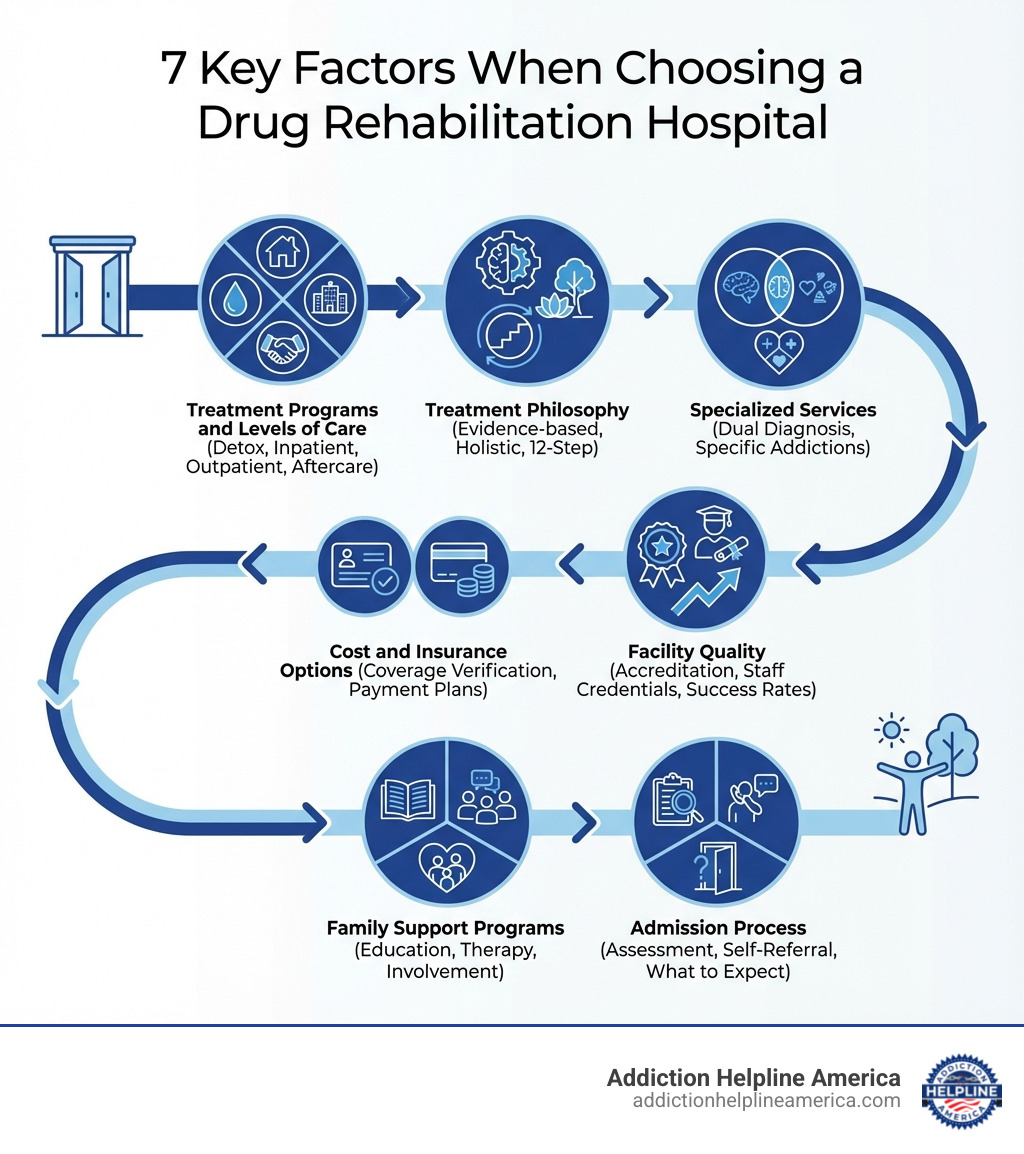
Key factors to consider when choosing a drug rehabilitation hospital:
- Treatment Programs: Detox, inpatient/residential care, outpatient programs, and aftercare support
- Treatment Philosophy: Evidence-based therapies (CBT, DBT), 12-step programs, holistic approaches
- Specialized Services: Dual diagnosis treatment, specific addiction protocols, age-appropriate programs
- Cost and Insurance: Private vs. public facilities, insurance coverage, payment plans, OHIP/Medicaid options
- Staff Qualifications: Licensed doctors, therapists, addiction counselors, psychiatric specialists
- Family Involvement: Education programs, family therapy, visitation policies
- Success Rates: Accreditation, outcome measurements, patient testimonials
Admitting you or a loved one needs help is the most courageous step toward recovery. More than 35% of people will experience a mental health or addiction problem at some point in their lives, yet only about 10% of those suffering from addiction seek help. You don’t have to face this alone.
Choosing the right drug rehabilitation hospital is critical for lasting recovery. With thousands of facilities across North America, from luxury private centers to public programs, the decision can feel overwhelming in a time of crisis.
This guide breaks down the seven most important factors to consider before choosing a drug rehabilitation hospital, from understanding treatment approaches and levels of care to navigating insurance coverage and evaluating facility quality. Whether you’re seeking help for yourself or a loved one, these insights will empower you to make an informed decision.
Need help now? Call Addiction Helpline America at 844-561-0606 for free, confidential guidance.
At Addiction Helpline America, our experienced team has helped thousands of individuals and families steer the complex landscape of addiction treatment, connecting them with the right drug rehabilitation hospital for their unique needs. We’re here to provide immediate support, answer your questions, and guide you toward the path of recovery—24 hours a day, 7 days a week.
Key drug rehabilitation hospital vocabulary:
For more information about addiction treatment options, visit the National Institute on Drug Abuse for evidence-based resources and research.
1. Understanding Treatment Programs and Levels of Care
When considering a drug rehabilitation hospital, it’s crucial to understand the different types of programs and the levels of care they offer. Addiction treatment isn’t a one-size-fits-all solution; it’s a continuum designed to meet varying needs, from acute crisis to long-term recovery.

This continuum typically includes:
- Medical Detoxification: This is often the first step for severe addictions. Medical detox provides a safe, medically supervised environment to manage withdrawal symptoms. At a drug rehabilitation hospital, you’ll have 24/7 medical monitoring to ensure safety. Detox often lasts several days (commonly 3–7) and may include FDA-approved medications to reduce withdrawal symptoms and improve comfort.
- Inpatient/Residential Treatment: After detox, many individuals transition to inpatient care. This involves living at the facility for 30, 60, or 90 days, though longer stays are possible. Here, you receive intensive therapy and support in a structured environment with 24/7 supervision and a routine that supports short-term stabilization and longer-term recovery.
- Outpatient Programs (IOP & PHP): For those with stable home environments, outpatient programs offer a flexible alternative. Intensive Outpatient Programs (IOPs) and Partial Hospitalization Programs (PHPs) provide structured therapy several times a week while you live at home, focusing on relapse prevention and ongoing support after detox or inpatient care.
- Aftercare and Relapse Prevention: Recovery is a lifelong journey, and aftercare is vital for maintaining sobriety. This includes ongoing therapy, support groups, and alumni networks.
- Short-term vs. Long-term Stays: The duration of treatment varies. Short-term programs focus on stabilization, while long-term programs offer more in-depth work for sustained recovery.
Not sure which level of care is right for you? Call Addiction Helpline America at 844-561-0606 for a personalized assessment.
What to Expect in a Hospital-Based Drug Rehabilitation Program
A drug rehabilitation hospital provides a unique setting that combines medical expertise with therapeutic intervention. Here’s what you can generally expect:
- 24/7 Medical Supervision: Hospitals offer continuous medical care, which is crucial for managing withdrawal and co-occurring medical conditions.
- Medically-Assisted Detox: This is a cornerstone of hospital-based rehab, making withdrawal safer and more comfortable.
- Psychiatric Consultation: Hospital settings typically provide immediate access to psychiatric evaluations and ongoing mental health treatment.
- Structured Environment: A daily schedule filled with therapy, workshops, and activities helps establish routine.
- Access to Hospital Services: Being within a hospital means immediate access to a broader range of medical specialists and emergency care.
- Integrated Care Model: Hospital-based programs often treat the whole person—mind, body, and spirit—addressing not just the addiction but also underlying health issues.
The Crucial Role of Aftercare and Ongoing Support
Completing a program is a major achievement, but it’s not the end of the journey. Aftercare and ongoing support are fundamental to preventing relapse.
- Lifetime Aftercare Programs: Many quality drug rehabilitation hospital programs offer structured aftercare, sometimes for a lifetime, including regular check-ins and access to resources.
- Peer Support Groups: Groups like Alcoholics Anonymous (AA) and Narcotics Anonymous (NA) provide invaluable peer support and a sense of community.
- Alumni Networks: Many centers foster strong alumni communities that inspire new patients and help bridge to self-help communities.
- Case Management: A case manager can help coordinate ongoing care and connect you with community resources.
- Transitioning Back to Daily Life: Aftercare helps you apply the skills learned in treatment to real-world situations.
- Sober Living Arrangements: For some, sober living homes offer a supportive, drug-free environment, bridging the gap between intensive treatment and independent living.
Our team can connect you to local support services—call 844-561-0606. We’re here 24/7 to help you plan your next steps.
2. Evaluating Treatment Philosophies and Approaches
The philosophy and approach of a drug rehabilitation hospital significantly impact the treatment experience and effectiveness. It’s essential to find a center whose methods resonate with you and are backed by evidence.
- Holistic Approach: Many modern programs adopt a holistic view, treating the whole person. This often includes addressing the mind, emotions, body, and spirit through various therapies, nutrition, exercise, and mindfulness.
- Evidence-Based Therapies: Look for facilities that use therapies proven effective through scientific research. These include:
- Cognitive Behavioral Therapy (CBT): Helps identify and change negative thought patterns and behaviors contributing to addiction.
- Dialectical Behavior Therapy (DBT): Focuses on emotional regulation, distress tolerance, interpersonal effectiveness, and mindfulness.
- Motivational Interviewing: A counseling approach that helps individuals resolve ambivalence and find internal motivation for recovery.
- 12-Step Philosophy: Many programs integrate the principles of 12-Step programs (like AA or NA), emphasizing peer support and personal accountability.
- Abstinence vs. Harm Reduction: While most drug rehabilitation hospital programs aim for abstinence, some may incorporate harm reduction strategies, which focus on reducing the negative consequences of drug use.
- Individualized Treatment Plans: A good drug rehabilitation hospital will conduct thorough assessments and create a personalized treatment plan.
- Patient-Centered Care: This approach puts you at the center of your treatment decisions, empowering you to actively participate in your recovery.
Want to learn more about evidence-based treatment and which philosophies fit your needs? Call Addiction Helpline America at 844-561-0606 for free, confidential guidance.
3. Choosing the Right Drug Rehabilitation Hospital for Your Needs
Finding a drug rehabilitation hospital that aligns with your specific needs is paramount. This involves considering specialized programs and how the facility addresses co-occurring mental health disorders and particular substance addictions.

Specialized programs can cater to various demographics and issues:
- Youth Services: Programs designed specifically for adolescents and young adults.
- Programs for Professionals: Custom for executives or other professionals, often with a focus on privacy and career reintegration.
- Veterans Programs: Addressing the specific trauma and mental health issues often experienced by veterans.
- LGBTQ+ Programs: Providing a safe and affirming environment for LGBTQ+ individuals.
- Faith-Based Programs: Integrating spiritual components into the recovery process.
Need help finding a specialized program? Call Addiction Helpline America at 844-561-0606 for a confidential assessment.
How a Drug Rehabilitation Hospital Addresses Dual Diagnosis
It’s common for individuals struggling with addiction to also have co-occurring mental health disorders, often referred to as a “dual diagnosis.” Dual diagnosis treatment is critical, addressing conditions like depression, anxiety, bipolar disorder, and PTSD alongside addiction. A top-tier drug rehabilitation hospital will have an integrated approach to treat both conditions simultaneously.
- Co-occurring Disorders: These are conditions like depression, anxiety, bipolar disorder, or PTSD that exist alongside a substance use disorder.
- Integrated Treatment: This means both the addiction and the mental health disorder are treated together by the same clinical team.
- Mental Health Services: A comprehensive drug rehabilitation hospital will offer a range of mental health services, including individual therapy, group therapy, and medication management.
- Team Approach: An interdisciplinary team—often including psychiatrists, psychologists, therapists, nurses, and case managers—works collaboratively to provide holistic care.
Finding a Center That Treats Your Specific Addiction
Different substances require different treatment protocols. While many facilities treat a broad range of addictions, some specialize or have particular expertise in certain areas.
Common addictions treated by drug rehabilitation hospital facilities include:
- Alcohol Addiction: Often involves medical detox, medication management (e.g., naltrexone, acamprosate), and behavioral therapies.
- Opioid Addiction: Frequently uses Medication-Assisted Treatment (MAT) with medications such as buprenorphine/naloxone or methadone, combined with counseling.
- Stimulant Addiction: Treatment typically focuses on behavioral therapies, as there are fewer FDA-approved medications for stimulant withdrawal.
- Benzodiazepine Addiction: Requires careful medical detox due to potentially dangerous withdrawal symptoms.
- Marijuana Addiction: Primarily treated with behavioral therapies and counseling.
A good drug rehabilitation hospital will have custom protocols for these and other substances, ensuring the most effective and safest treatment.
Let us help you find a program that fits your needs—call 844-561-0606. Our specialists can match you with the right level of care today.
4. Navigating Costs, Insurance, and Funding Options
The cost of addiction treatment can be a significant concern, but it shouldn’t be a barrier to seeking help. Understanding how to steer costs, insurance, and funding options is a vital step in choosing a drug rehabilitation hospital.
- Private vs. Public Treatment: Private facilities often offer more amenities and individualized care at a higher cost. Publicly funded programs may have longer waitlists but are more accessible financially.
- Insurance Coverage: Many private insurance plans cover at least a portion of addiction treatment. It’s crucial to verify your benefits directly with your insurance provider to understand what your policy covers for rehab.
- Verifying Benefits: We can help you understand what your policy covers, including inpatient stays, outpatient therapy, and medication.
- In-network vs. Out-of-network: Treatment at an in-network facility will generally be more affordable. Out-of-network care may still be covered, but often at a lower percentage.
- Self-Pay Options: If insurance coverage is limited or unavailable, many facilities offer self-pay options.
- Payment Plans: Some drug rehabilitation hospital centers offer payment plans to spread the cost over time.
- Financing Options: Third-party financing companies specialize in healthcare loans for addiction treatment.
- Government-Funded Programs: Many programs accept Medicare, Medicaid, and military/VA insurance, along with various private plans and sliding-scale options, depending on eligibility and location.
Our team can help you verify your insurance coverage for free. Call Addiction Helpline America at 844-561-0606 now for quick, confidential benefits checks and cost guidance.
5. Assessing the Facility, Staff, and Success Rates
The quality of a drug rehabilitation hospital hinges on its staff, environment, and proven effectiveness. Due diligence in these areas will ensure you or your loved one receives the best possible care.
- Staff Qualifications: A reputable facility employs a multidisciplinary team of highly qualified professionals. This includes:
- Medical Doctors: For medical oversight, detox, and managing co-occurring physical health issues.
- Registered Psychotherapists and Certified Addiction Counselors: For individual and group therapy.
- Nurses: Providing 24/7 medical care and support.
- Psychologists, Registered Dietitians, Pastoral Counselors, Physical Therapists, and Social Workers: These specialists contribute to a comprehensive, holistic treatment approach.
- Accreditation and State Licensing: Accreditation by bodies like The Joint Commission or CARF signifies that a drug rehabilitation hospital meets rigorous national standards for quality and safety. State licensing ensures the facility operates legally and adheres to state-specific regulations.
- Facility Environment: Consider whether the environment is conducive to healing. Factors like location, cleanliness, and comfort can all play a role. Patient reviews and testimonials can offer insight.
- Patient Privacy: Confidentiality is paramount in addiction treatment. Inquire about the facility’s policies regarding patient privacy.
- Supportive Atmosphere: A compassionate, non-judgmental environment is crucial for fostering trust and encouraging open communication.
- Co-ed vs. Gender-Specific: Some individuals thrive in co-ed environments, while others prefer gender-specific programs to focus on treatment without potential distractions.
- Success Rates and Outcome Measurement: While addiction is a chronic disease with no “cure,” effective treatment leads to long-term recovery. Ask facilities about their outcome measurements and success rates.
Ask us about facility quality and success rates—call 844-561-0606. We’ll connect you with vetted, accredited programs that match your goals.
6. The Importance of Family Support and Involvement
Addiction is often called a family disease because it affects every relationship. Involving family in recovery helps heal the individual and the entire family unit. A comprehensive drug rehabilitation hospital recognizes this and integrates family support into its programs.
- Family Programs: Many facilities offer dedicated family programs, which might include educational workshops, therapy sessions, and support groups.
- Education for Loved Ones: Understanding addiction as a disease and the recovery process can help family members respond more effectively and avoid enabling behaviors.
- Family Therapy Sessions: These sessions provide a safe space for family members to communicate, address past hurts, and learn healthier interaction patterns.
- Impact of Addiction on Family: Addiction can lead to broken trust, financial strain, and emotional distance. Family involvement helps address these issues.
- Codependency: Family programs often help identify and address codependent behaviors, where a loved one’s actions are overly focused on the person with the addiction.
- Setting Healthy Boundaries: Learning to establish and maintain healthy boundaries is crucial for both the individual in recovery and their family.
- Visitation Policies: Understanding visitation policies can help families stay connected in a structured way during residential treatment.
- Communication During Treatment: Facilities often facilitate communication between patients and their families, ensuring support is maintained.
- Support for Families: Many organizations also offer support groups and helplines for concerned friends and family members.
We offer resources for families—call Addiction Helpline America at 844-561-0606 for support, education, and referrals to family-focused programs.
7. Taking the First Step: How to Get Help
Recognizing the need for help and taking that courageous first step is often the hardest part. Understanding the signs of addiction and the admission process for a drug rehabilitation hospital can make the journey feel less daunting.
Recognizing the Signs of Addiction:
A key question to ask is: when has substance use gotten out of hand? Generally, if it interferes with family, work, health, or emotional stability, it’s a sign that dependency is a problem. Look for:
- Physical Signs: Changes in appearance (e.g., poor hygiene, weight changes), dilated or constricted pupils, frequent illness.
- Behavioral Changes: Secrecy, lying, increased irritability, neglecting responsibilities, engaging in risky behaviors.
- Social Withdrawal: Isolating from family and friends, losing interest in previously enjoyed activities.
- Continued Use Despite Negative Consequences: Using substances even when it leads to job loss, legal trouble, or health problems.
The Admission Process:
Once you’ve decided to seek help, the admission process typically involves a few key steps:
- Initial Assessment: This is a comprehensive evaluation of your medical history, substance use history, and mental health. It helps the drug rehabilitation hospital team determine the most appropriate level of care.
- Self-Referral vs. Doctor’s Referral: Many facilities allow self-referral, meaning you can contact them directly. A doctor’s referral can sometimes streamline the process.
- Intervention: For a loved one who is resistant to treatment, a professional intervention can be a powerful way to encourage them to accept help.
- What to Expect During Intake: Upon arrival at a drug rehabilitation hospital, you’ll complete paperwork, undergo a medical examination, and be oriented to the facility’s rules and schedule.
- Treatment Planning: Based on your assessment, a personalized treatment plan will be developed, outlining your goals and therapies.
Don’t wait. Take the first step today. Call our 24/7 helpline at 844-561-0606 for immediate, confidential assistance from Addiction Helpline America. We’ll guide you to the right program now.
Frequently Asked Questions about Drug Rehabilitation Hospitals
Can you be forced into rehab?
While it’s generally most effective when an individual willingly enters treatment, there are legal avenues in some states that allow for involuntary commitment to a drug rehabilitation hospital if a person is deemed a danger to themselves or others. Additionally, professional intervention specialists can often help increase the likelihood of an addicted loved one accepting treatment. Speaking with addiction specialists can provide custom recommendations for your situation.
Call us at 844-561-0606 for guidance.
How long does rehab last?
The duration of treatment at a drug rehabilitation hospital varies significantly based on individual needs, the severity of the addiction, and the type of program. Detoxification can last from 3 to 7 days, with the Cleveland Clinic ADRC reporting an average of 3.8 days for inpatient detox. Inpatient programs often range from 30, 60, or 90 days. However, longer-term options are available, and many experts recommend at least 90 days for the most effective outcomes. The length of treatment is a critical factor you should discuss during your initial assessment.
Discuss your options with us at 844-561-0606.
Can I use my cell phone in rehab?
Policies regarding cell phone use in a drug rehabilitation hospital vary widely. Many programs restrict or prohibit cell phone use, especially initially, to minimize distractions and protect patient privacy. Some facilities may allow supervised access during designated times. It’s essential to inquire about a specific facility’s policy before admission.
Ask about facility policies—call 844-561-0606.
Conclusion
Choosing the right drug rehabilitation hospital is one of the most critical decisions you or your loved one will ever make. By understanding the seven key factors we’ve discussed—from the types of treatment programs and their underlying philosophies to staff qualifications, costs, and the vital role of family support—you are now empowered to make an informed decision.
Recovery is not just possible; it’s a journey that millions have successfully started upon. With the right support, the right environment, and a commitment to healing, a new life free from addiction is within reach.
Addiction Helpline America offers free, confidential guidance and a nationwide network to help you find the right drug rehabilitation hospital for you or your loved one. Our compassionate specialists are available 24/7 to answer your questions, verify insurance benefits, and connect you with accredited treatment centers that match your specific needs. Take the first step toward recovery today.