
Finding Hope and Healing: Your Guide to Drug Rehab in New Orleans
Drug rehab in new orleans offers a full spectrum of treatment for individuals struggling with substance use disorders. Here’s a quick overview:
- Levels of Care Available: Medical detox, inpatient residential treatment, partial hospitalization (PHP), intensive outpatient (IOP), and standard outpatient programs
- Cost Range: Outpatient programs typically cost $1,000-$10,000, while inpatient treatment ranges from $5,000-$50,000
- Free and Low-Cost Options: State-funded facilities like Bridge House, Grace House, and Odyssey House Louisiana provide no-cost or sliding-scale treatment.
- Insurance Coverage: Most private insurance, Medicare, and Medicaid plans cover addiction treatment services.
- Top-Rated Centers: NOLA Detox, Odyssey House Louisiana, Imagine Recovery, and Bridge House/Grace House are among the highest-rated facilities in the area.
If you or a loved one is facing addiction, you are not alone. New Orleans is home to numerous accredited treatment facilities offering evidence-based care, from medical detox to long-term residential programs. Whether you need luxury amenities or a no-cost program, options exist across the city.
The path to recovery can feel overwhelming, but financial concerns should never be a barrier to treatment. State-funded and federally supported programs throughout New Orleans specifically serve individuals who are uninsured, underinsured, or unemployed, providing comprehensive care at little to no cost.
New Orleans facilities also offer specialized programs for different populations, including gender-specific treatment, dual diagnosis care for co-occurring mental health disorders, and programs for pregnant women, veterans, and young adults.
At Addiction Helpline America, we connect individuals and families in New Orleans with drug rehab in new orleans facilities that match their unique needs. Our team understands the local treatment landscape and can provide confidential guidance to help you take the first step toward recovery.
Drug rehab in new orleans definitions:
What to Look For in a New Orleans Rehab Center
Choosing the right drug rehab in New Orleans is easier when you know what to look for. We’ve learned that a few key factors separate exceptional programs from mediocre ones.
- Accreditation Standards: Look for accreditation from The Joint Commission (JCAHO) or CARF International. This is a seal of approval that ensures the facility meets high standards for safety and quality care. A center with JCAHO accreditation is committed to excellence.
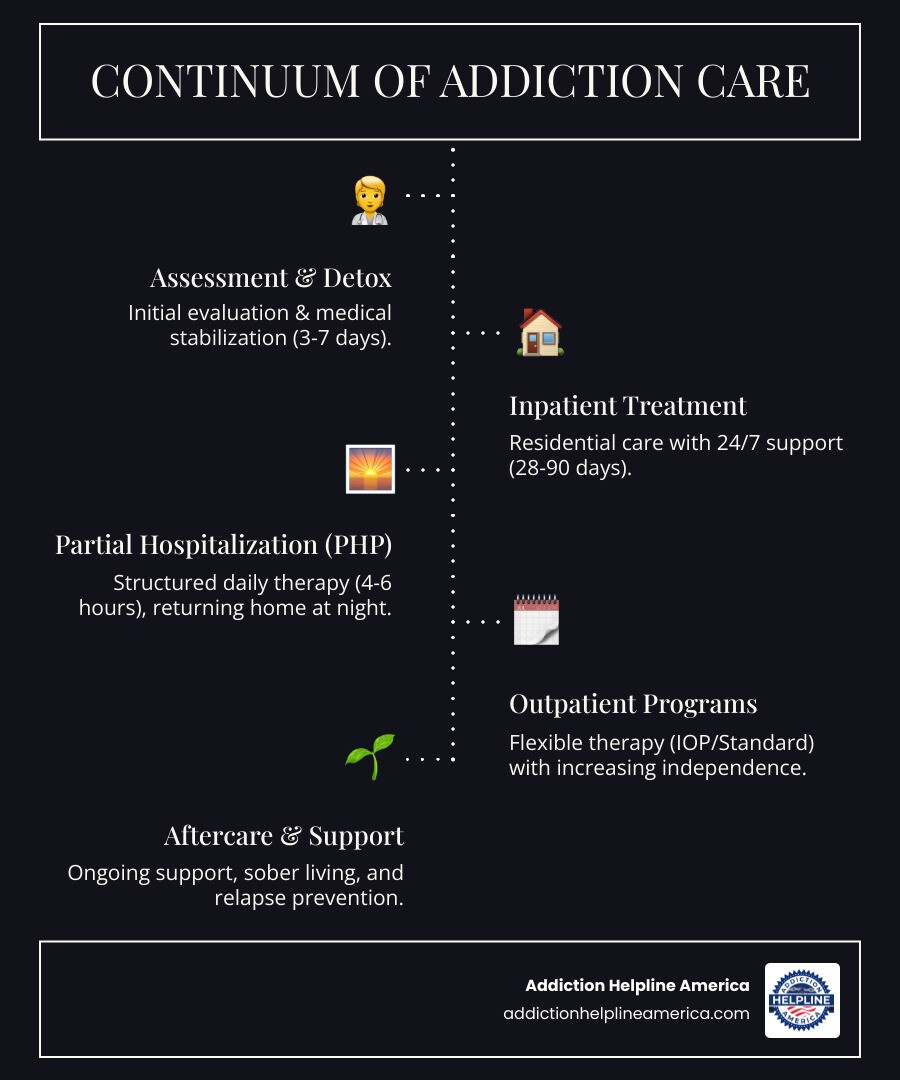
- Levels of Care: Recovery is not one-size-fits-all. The best centers offer a full continuum of care, allowing you to step down from intensive treatment to less structured support. This includes medical detox, inpatient, Partial Hospitalization (PHP), Intensive Outpatient (IOP), and standard outpatient services.
- Treatment Modalities: Quality programs are built on evidence-based therapies—approaches backed by research. These include Cognitive Behavioral Therapy (CBT), Dialectical Behavior Therapy (DBT), and Motivational Interviewing (MI). Many also integrate holistic therapies like yoga, meditation, or art therapy to support the whole person.
- Individualized Treatment Plans: Your story is unique. A quality rehab will create a plan specifically for you, considering your substance use history, mental health, and personal goals. Cookie-cutter programs are rarely effective.
- Staff Qualifications: The expertise of the staff is critical. Look for centers with Master’s-level clinicians, licensed therapists, and addiction medicine specialists who bring both knowledge and compassion to their work.
- Aftercare Planning: Lasting recovery requires a plan for life after treatment. A good rehab helps you build a detailed aftercare plan, connecting you with ongoing therapy, support groups like AA/NA, and sober living arrangements.
Key Services and Treatment Approaches
Understanding the specific services available helps you find the right program in New Orleans.
Medical detox is often the first step, especially for physical dependence on alcohol, opioids, or benzodiazepines. Under professional supervision, medical staff manage withdrawal symptoms with medication to ensure you are safe and comfortable. This phase typically lasts 3-7 days.
The choice between inpatient versus outpatient care is crucial. Inpatient (residential) treatment involves living at the facility for 28-90 days, providing 24/7 support away from daily triggers. It’s ideal for severe addiction or unstable home environments. Outpatient programs allow you to live at home while attending scheduled treatment, offering flexibility for those with strong support systems and outside commitments.
Partial Hospitalization Programs (PHP) and Intensive Outpatient Programs (IOP) bridge the gap. PHP involves 4-6 hours of daily treatment, while IOP is less intensive, usually requiring 9-12 hours per week. These levels of care provide structure while allowing for more independence.
Evidence-based therapies like CBT and DBT are the foundation of effective treatment. They provide practical tools to change unhealthy thought patterns, manage stress, and regulate emotions—skills you’ll use every day.
Holistic therapies such as mindfulness, art therapy, and yoga complement traditional counseling by addressing emotional and spiritual well-being.
Dual diagnosis treatment is essential if you’re dealing with a mental health condition like depression or anxiety alongside addiction. About half of people with substance use disorders have co-occurring mental health disorders. Treating both simultaneously is critical for preventing relapse.
Medication-Assisted Treatment (MAT) is a game-changer for opioid and alcohol addiction. It combines FDA-approved medications (like buprenorphine or naltrexone) with counseling. These medications reduce cravings and normalize brain chemistry, providing a stable foundation for building recovery skills.
Comparing Inpatient vs. Outpatient Rehab
Your personal situation should guide which type of drug rehab in New Orleans you choose. Here’s how inpatient and outpatient programs compare:
| Feature | Inpatient (Residential) Rehab | Outpatient Rehab |
|---|---|---|
| Program Structure | Live at the facility with 24/7 supervision and a structured daily schedule. | Live at home and travel to the facility for scheduled therapy sessions. |
| Time Commitment | Full-time for 28-90+ days. | Varies: PHP is several hours daily, IOP is 9-12 hours weekly, standard is 1-2 hours weekly. |
| Cost | $5,000 to $50,000+, depending on amenities and length of stay. | $1,000 to $10,000, making it a more affordable option for many. |
| Level of Support | Constant access to medical staff, therapists, and peer support. | Regular therapeutic support during scheduled sessions; you manage your own time otherwise. |
| Ideal Candidate | Best for severe addiction, unstable home environments, or a history of relapse. | Works well for mild to moderate addiction with a stable, supportive home life. |
Top Drug and Alcohol Rehabs in New Orleans
Searching for drug rehab in New Orleans can be overwhelming. To help, we’ve researched facilities throughout the city. This is not a paid endorsement; our goal is to provide a clear picture of each facility’s services so you can make an informed decision. The “best” center is the one that fits your unique needs.

NOLA Detox and Recovery Center
Voted #1 for Addiction Treatment in New Orleans, NOLA Detox was founded by people who have walked the path of recovery themselves. This personal connection shapes their approach. They offer a full continuum of care, from medical detox to inpatient residential treatment, blending evidence-based methods with New Orleans hospitality. They also provide transportation from surrounding areas. Learn more at [NOLA Detox And Recovery Center: Addiction Treatment New ... ](https://noladetox.com/).
Odyssey House Louisiana (OHL)
For over 50 years, Odyssey House Louisiana has served the New Orleans community. As a federally funded provider, OHL offers many services at no cost or on a sliding scale. Their Sobering Center provides a safe alternative to jail for public intoxication, and their Low Barrier Shelter offers immediate housing to those experiencing homelessness. They provide medically supported detox and 28-day intensive inpatient programs focused on abstinence and life skills. One person shared: “Odyssey House saved my life.” You can [learn more about his story here](https://www.youtube.com/watch?v=w4OoxP9EA_c).
Imagine Recovery
Imagine Recovery offers an intimate, stigma-free setting for healing. Founded by individuals who lost loved ones to substance misuse, their mission is deeply personal. The JCAHO accredited facility is staffed by Master’s-level clinicians and Addiction Medicine Psychiatrists. They offer a full pathway to recovery, including PHP, IOP, standard outpatient, and sober living homes. Small group sizes ensure individual attention. For similar options, check out [more info about Two Dreams New Orleans](https://addictionhelplineamerica.com/rehab/two-dreams-new-orleans-la/).
Bridge House / Grace House
For over 65 years, Bridge House and Grace House have provided no-cost, long-term residential treatment to those who have lost everything to addiction. These CARF accredited, gender-specific facilities (Bridge House for men, Grace House for women) serve the homeless, uninsured, and unemployed, providing a critical safety net for the most vulnerable members of the community.
Townsend Recovery
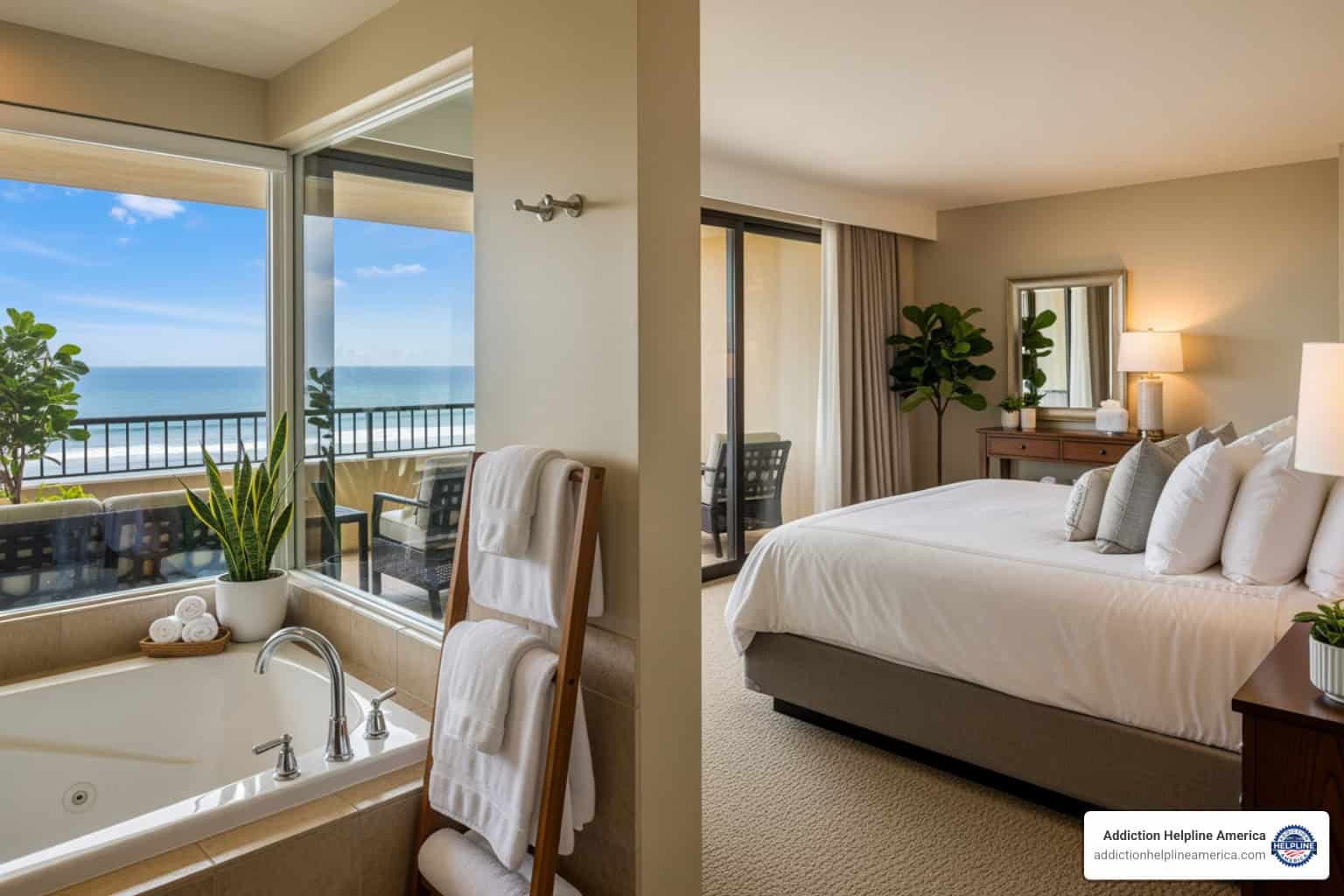
Townsend Recovery provides comprehensive care in a modern, hotel-like facility, creating a comfortable healing environment. The process begins with medical stabilization (detox) and moves into residential treatment, where clients can focus entirely on recovery. They are committed to using scientifically proven, evidence-based practices. For other options in the region, you might explore [more info about Palmetto Addiction Recovery Center Metairie LA](https://addictionhelplineamerica.com/rehab/palmetto-addiction-recovery-center-metairie-la/).
Other Notable Rehab Centers in the Area
- Avenues Recovery Center at Metairie: Offers client-centered detox, residential, and intensive outpatient treatment.
- River Oaks Hospital: Provides inpatient dual diagnosis programs, addressing both addiction and mental health.
- Palmetto Addiction Recovery Center: Has multiple locations across Louisiana with comprehensive residential and outpatient options.
- The Serenity Center of Louisiana: Focuses on providing compassionate and effective care.
- Lake Wellness Center – NOLA Detox Metairie: Provides a continuum of care with personalized treatment plans.
- Volunteers of America – Behavioral Health Services: Supports individuals with co-occurring substance use and mental health disorders.
- Catholic Charities Archdiocese of New Orleans: Offers various social services, including behavioral health support.
- Ochsner Addictive Behavior Treatment: Provides medically integrated addiction care backed by a full hospital network.
- Baton Rouge Treatment Center: If you’re looking outside New Orleans, the
[Baton Rouge Treatment Center](https://addictionhelplineamerica.com/rehab/baton-rouge-treatment-center/)offers additional options.
Navigating the Cost of Drug Rehab in New Orleans

Concerns about money are common when considering drug rehab in New Orleans. However, financial worries should never prevent you from seeking recovery. Many people delay getting help assuming they can’t afford it, only to find later that multiple payment options were available. We can help you find affordable care that fits your situation.
Factors Influencing Treatment Costs
The cost of rehab varies based on several factors:
- Type of Program: Inpatient residential programs cost more than outpatient because they include 24/7 care, meals, and housing.
- Length of Stay: A 90-day program will cost more than a 28-day program.
- Amenities: Luxury facilities with private rooms, gourmet meals, and spa treatments have higher price tags.
- Level of Clinical Care: Programs with specialized therapies or low staff-to-patient ratios typically cost more.
- Insurance Coverage: This is the biggest factor, as good coverage can dramatically reduce your out-of-pocket expenses.
Typical Cost of Treatment
Here are some realistic numbers for drug rehab in New Orleans:
- Outpatient Rehab: Costs typically range from $1,000 to $10,000. The price depends on the intensity, from weekly sessions to daily Partial Hospitalization Programs (PHP).
- Inpatient Rehab: Generally ranges from $5,000 to $50,000. This wide spread reflects differences in program length, amenities, and clinical services.
- Detox Costs: Medical detox adds to the initial expense, though many inpatient programs include it in their overall pricing.
New Orleans’ average treatment cost is around $59,468, similar to state and national averages. However, these figures often include long-term or highly specialized programs, and many people will pay significantly less.
Using Insurance and Finding Financial Assistance
Most people do not pay the full sticker price for treatment. Here are some options to reduce your costs:
- Private Insurance: Major providers like Blue Cross Blue Shield, Aetna, Cigna, and UnitedHealth Group typically cover a substantial portion of treatment costs after you meet your deductible.
- Medicaid and Medicare: These government programs are a lifeline for many. Numerous New Orleans rehabs accept Medicaid, and state-funded programs often prioritize Medicare-eligible individuals.
- State-Financed Health Insurance: Louisiana may offer additional coverage options for addiction treatment.
- Scholarships, Grants, and Sliding-Scale Fees: Many facilities offer financial aid. A sliding-scale fee adjusts the cost based on your income, ensuring care is accessible regardless of your financial situation.
- Payment Plans: Most centers will work with you to establish manageable monthly payments, making even higher-cost programs more accessible.
Finding a Low-Cost or Free Drug Rehab in New Orleans
For those facing significant financial hardship, excellent low-cost or free options are available.
- State-Funded Rehabs: These programs use public funds to provide care. Treatment can be free if you have no income or offered at a reduced rate if you have some income. Odyssey House Louisiana is a prime example.
- Non-Profit Organizations: For over 65 years, organizations like Bridge House and Grace House have offered long-term residential programs at no cost to the homeless, uninsured, and unemployed.
To access these programs, you’ll need to meet eligibility requirements and provide documentation like an ID and proof of income. Priority often goes to disadvantaged populations and pregnant women. Our team at Addiction Helpline America specializes in connecting people to these resources, just as we help people find [Alcohol Drug Addiction Treatment in Shreveport Louisiana](https://addictionhelplineamerica.com/alcohol-drug-addiction-treatment-in-shreveport-louisiana/).
The bottom line is that solutions exist. Don’t let cost stop you from making the call.
Frequently Asked Questions about Addiction Treatment
It’s normal to have questions when considering drug rehab in New Orleans. Here are answers to some of the most common concerns.
Will I lose my job if I go to rehab?
No. Federal laws protect you. The Americans with Disabilities Act (ADA) recognizes addiction as a disability and protects you from being fired for seeking treatment. Additionally, the Family and Medical Leave Act (FMLA) allows eligible employees to take up to 12 weeks of unpaid, job-protected leave for medical reasons, including addiction treatment.
Your privacy is also protected. The Health Insurance Portability and Accountability Act (HIPAA) ensures that a rehab facility cannot share your treatment information with your employer without your written consent. Most residential programs do not permit remote work, as recovery requires your full attention, but this investment in yourself is crucial for your long-term career and well-being.
How do I choose the right drug rehab in new orleans?
Finding the right fit is a process. Here are the key steps:
- Assess Your Needs: Consider the severity of your addiction, any co-occurring mental health conditions, your support system, and your financial situation. Decide if you need 24/7 residential care or if an outpatient program would work.
- Check Accreditations: Look for facilities accredited by JCAHO or CARF. This is a sign of quality, safety, and ethical care.
- Verify Insurance: Contact your insurance provider and the facility’s admissions team to understand what’s covered and what your out-of-pocket costs will be.
- Consider Location: Some people heal best close to home, while others need distance from triggers. New Orleans offers facilities both in the city and in quieter, surrounding areas.
- Read Reviews: Testimonials from former patients can offer real insight into a facility’s environment and staff.
- Speak with an Admissions Counselor: A good counselor will answer your questions openly and help you determine if their program is a good match, without pressure. Our team at Addiction Helpline America provides this same confidential guidance to help you find the right drug rehab in New Orleans.
What should I bring with me to rehab?
Every facility has its own rules, so always call ahead for their specific guidelines. However, here is a general list of what to pack.
What to Bring:
- Essentials: Your photo ID and insurance card are required for admission.
- Clothing: Pack about a week’s worth of comfortable, casual clothing. Avoid items with drug/alcohol references or provocative imagery.
- Personal Hygiene: Bring unopened, alcohol-free toiletries like shampoo, soap, toothbrush, and deodorant.
- Medications: Bring any prescription medications in their original bottles, along with a list of dosages.
- Optional Items: A journal, inspirational books, and a small amount of cash for vending machines are often allowed.
What to Leave at Home (Prohibited Items):
Most facilities prohibit drugs, alcohol, weapons, and any products containing alcohol (like certain mouthwashes). Electronics such as cell phones and laptops are typically restricted or held by staff upon admission to help you focus entirely on your recovery without outside distractions. Always confirm the specific list with your chosen facility before you pack.
Your Path to Recovery Starts Today

If you’re reading this, you’ve already taken a courageous step. Whether you’re searching for yourself or a loved one, know this: recovery is possible. It’s a reality for countless people who once stood exactly where you are now.
The journey may seem daunting, but you don’t have to walk it alone. New Orleans has a strong network of treatment options, from no-cost programs to specialized centers. The right drug rehab in New Orleans is out there, ready to help you build a life free from addiction.
Taking the first step is often the hardest part, but reaching out for help is a sign of strength, not weakness. The importance of support from professionals, peers, and family becomes the foundation of lasting recovery.
At Addiction Helpline America, we make this process less overwhelming. We offer personalized guidance at no cost, taking the time to understand your unique situation and connect you with treatment centers that are the right fit. Every conversation is confidential, free of pressure, and focused on one thing: your recovery.
Your path forward can start today. One phone call can open doors you didn’t know existed and change the entire trajectory of your life. Don’t let addiction steal another day. Your own sunrise moment is waiting.
Reach out to us today, and let’s find the right path forward together. [Find comprehensive alcohol and drug addiction treatment in New Orleans, Louisiana](https://addictionhelplineamerica.com/alcohol-drug-addiction-treatment-in-new-orleans-louisiana/).