Finding Hope: Why Searching for a Drug Rehab Center Near Me Is the First Step to Recovery
A drug rehab center near me can provide life-saving treatment for substance use disorders through medically supervised care, evidence-based therapies, and structured support. Here’s how to quickly locate nearby centers:
Quick Ways to Find a Drug Rehab Center Near You:
- Call a free helpline – Addiction Helpline America: 844-561-0606 (24/7, confidential)
- Ask your doctor for referrals to local treatment programs
- Search online directories for accredited facilities (look for Joint Commission or CARF certification)
- Contact your insurance provider for in-network treatment centers
- Visit your local hospital’s emergency department for immediate placement assistance
If you’re reading this, you’ve already taken one of the hardest steps: acknowledging that you or someone you love needs help. That takes courage. You are not alone. Approximately 50% of adults have a connection to someone struggling with substance abuse, and 16% have experienced addiction themselves. These aren’t just statistics—they represent millions of families searching for answers, hope, and healing.
Addiction is not a moral failure or a choice. Substance Use Disorder (SUD) is a medical condition defined as the uncontrolled use of a substance despite its harmful consequences to you, your loved ones, and your community. Like diabetes or heart disease, it requires professional treatment. And here’s the hopeful truth: professional treatment and support result in a substantial decrease in symptoms and improve the quality of life for 70-90% of individuals.
This guide will walk you through everything you need to know about finding the right drug rehab center near you—from understanding different levels of care to evaluating treatment approaches, navigating payment options, and taking that critical first step toward recovery.
Addiction Helpline America has helped thousands of individuals and families steer the complex landscape of addiction treatment, connecting them with appropriate drug rehab centers near them through our free, confidential 24/7 helpline. We understand that finding the right treatment can feel overwhelming, which is why we’re here to guide you every step of the way.
Understanding Addiction: Recognizing the Need for Help
Addiction, or Substance Use Disorder (SUD), is a complex brain disease that manifests as the uncontrolled use of a substance despite its harmful consequences. SUD is a medical condition, not a sign of weakness or a moral failing. When we talk about addiction, we’re discussing changes in brain chemistry that compel an individual to seek out and use substances, often overriding their desire to stop or their awareness of the damage being done. This medical perspective is vital because it frames addiction as a treatable condition, paving the way for compassion and effective interventions rather than judgment.
Signs and Symptoms of Drug and Alcohol Addiction
Recognizing the signs and symptoms of drug and alcohol addiction is the first step toward seeking help. These indicators can vary in intensity and appearance depending on the substance, the individual, and the stage of addiction, but they often coalesce around a few key themes:
- Cravings: An intense urge or desire for the drug or alcohol that can consume thoughts and make it difficult to focus on anything else.
- Withdrawal Symptoms: Experiencing physical or psychological discomfort when the substance’s effects wear off or when use is reduced. For drug addiction, this might include nausea, tremors, anxiety, or sweating. For alcohol addiction, symptoms like shaking, sweating, or even seizures can occur when not drinking.
- Inability to Stop or Control Use: Repeated unsuccessful attempts to cut down or stop using the substance, or using more than intended. This includes being unable to go a day without using or constantly worrying about the next dose.
- Hiding Use or Dishonesty: Going to great lengths to conceal substance use from loved ones, often leading to a pattern of lying or secrecy.
- Neglecting Responsibilities: Failing to fulfill major obligations at work, school, or home due to substance use. This can also involve finding more pleasure in using the substance than in other activities previously enjoyed.
- Legal or Financial Issues: Experiencing legal problems (e.g., DUIs, arrests) or financial difficulties (e.g., debt, job loss) directly related to substance use.
If these signs resonate with your experience or that of a loved one, it’s a strong indication that professional help may be necessary.
The Effects of Addiction on Your Life
The impact of drug and alcohol addiction extends far beyond the individual’s immediate health, rippling through every aspect of their life and the lives of those around them.
- Physical Health Impact: Drug addiction can have a lasting, destructive impact on your brain and physical health. Different substances target different organ systems, leading to a host of chronic diseases. Alcohol addiction, for example, can severely damage the brain, heart, liver, and immune system, requiring proper treatment to recover.
- Brain Chemistry Changes: Prolonged substance abuse alters brain chemistry, affecting decision-making, judgment, memory, and the ability to experience pleasure naturally. This makes it incredibly difficult to stop using, even when there’s a strong desire to do so.
- Mental Health Decline: Addiction frequently co-occurs with mental health disorders such as depression, anxiety, and PTSD. Substance use can exacerbate existing conditions or even induce new ones, creating a complex cycle that requires integrated treatment.
- Relationship Strain: The secrecy, dishonesty, and behavioral changes associated with addiction often lead to strained relationships with family, friends, and partners. Trust erodes, and loved ones may feel helpless, angry, or resentful.
- Professional Consequences: Addiction can severely impact an individual’s career, leading to decreased productivity, job loss, and difficulty maintaining employment. This, in turn, can cause financial instability and further stress.
When Is It Time to Seek Professional Help?
Deciding when to seek professional help can be a moment of clarity amidst chaos. It’s time to reach out when:
- Substance use becomes uncontrollable: You find yourself unable to stop, even if you want to, or you use more than you intended.
- It causes significant problems: Your use is negatively affecting your health, relationships, job, finances, or legal standing.
- You’ve tried to stop and can’t: You’ve made attempts to quit or cut back on your own, but these efforts have been unsuccessful.
- Your health is at risk: The physical or mental health consequences of your substance use are becoming severe or life-threatening.
Recognizing these tipping points is crucial. Seeking help is a sign of strength, and recovery is a journey that no one has to start on alone.
A Guide to Addiction Treatment Programs and Levels of Care
The good news is that addiction is treatable, and professional help is highly effective. As we’ve seen, professional treatment and support result in a substantial decrease in symptoms and improve the quality of life for 70-90% of individuals. The key is finding a program that offers personalized care and meets your unique needs.

Addiction treatment is not a one-size-fits-all solution. There are various levels of care designed to address different stages and severities of Substance Use Disorder (SUD). Understanding these options can help you or your loved one choose the most appropriate path to recovery.
Medical Detox: The First Step to Safety
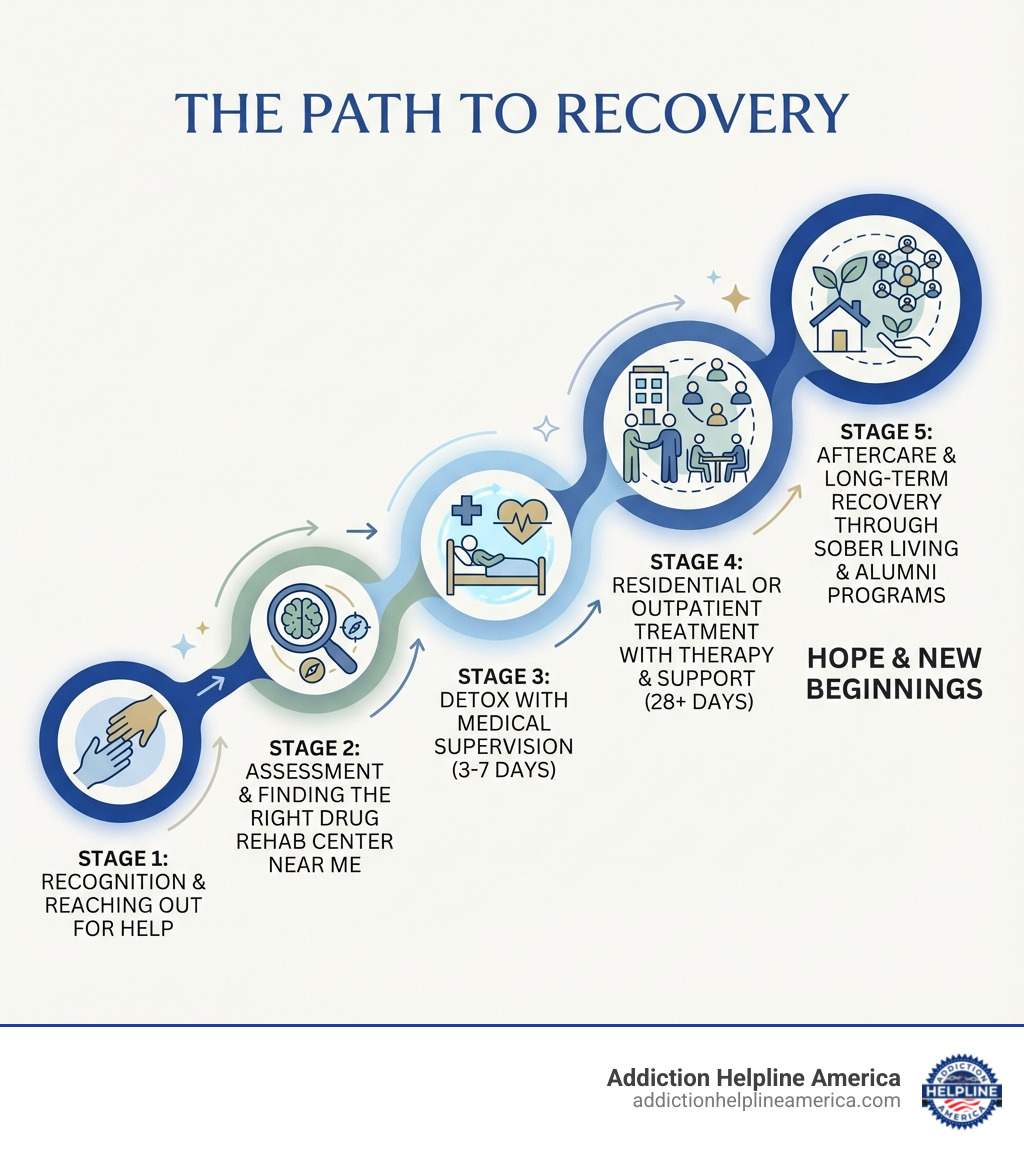
For many, the initial and often most critical step in addiction treatment is medical detox. This is a medically supervised process designed to help you safely manage withdrawal symptoms that occur when the body rids itself of addictive substances. Withdrawal can be uncomfortable and, in some cases, dangerous, making professional medical oversight essential.
- What it involves: During detox, medical professionals monitor your vital signs, administer medications to alleviate withdrawal symptoms, and ensure your physical stability. This phase prioritizes your safety and comfort.
- Typical duration: Detox typically lasts 3 to 7 days, though the exact length can vary depending on the substance used, the duration of use, and individual health factors.
- Purpose: Detox prepares you for the next phase of treatment by stabilizing your body and mind, allowing you to engage more fully in therapeutic interventions. It’s a crucial stepping stone, not a standalone treatment for addiction.
Residential/Inpatient Rehab: A Foundation for Recovery
After medical detox, or as a primary entry point for those not requiring intensive detox, residential or inpatient rehab offers a structured and immersive environment for healing.
- 24/7 support and structure: In residential rehab, you live at the facility, receiving around-the-clock care, support, and supervision. This removes you from triggers and temptations in your daily environment, allowing for intense focus on recovery.
- Typical duration: Programs usually last 28 days or more, with many individuals benefiting from longer stays of 60, 90 days, or even extended care. For instance, Azure Acres in California has been providing life-changing addiction treatment for over 60 years, with a history dating back to 1959, demonstrating the long-term commitment to recovery.
- Comprehensive staff and peer community: You’ll engage in treatment with a multidisciplinary team of clinicians, therapists, and medical professionals. A supportive community of peers who are also on their recovery journey provides invaluable connection and understanding.
- Focus on recovery: Daily schedules are packed with individual therapy, group counseling, educational sessions, and holistic activities, all aimed at addressing the root causes of addiction and developing coping skills for lasting sobriety. Gateway Rehabilitation Center in Pennsylvania, for example, offers comprehensive recovery services including inpatient rehabilitation, with 19 locations across Western PA.
Outpatient Programs: Balancing Treatment and Daily Life
Outpatient programs provide flexibility for individuals who need to maintain daily obligations such as work, school, or family respons responsibilities while receiving treatment.
- Intensive Outpatient Programs (IOPs): IOPs offer a high level of structured support without requiring you to live at a facility. You’ll typically attend treatment sessions several days a week, for a few hours a day, for 3 to 6 months. This allows you to live at home (or in a sober living environment) and apply newly learned coping skills in real-world situations.
- Standard Outpatient Treatment: This level of care is less intensive than IOP, involving fewer hours of therapy per week. It’s often suitable for individuals stepping down from residential or IOP care, or for those with milder substance use disorders and a strong support system at home.
- Flexible schedule and continued support: Outpatient options are ideal for individuals who require continued support and accountability but have a stable home environment and a strong commitment to recovery. The Recovery Village Columbus in Ohio offers partial hospitalization and intensive outpatient programs as part of its continuum of care, emphasizing physician-led, compassionate treatment.
Aftercare and Sober Living: Sustaining Long-Term Sobriety
Recovery is a lifelong journey, and aftercare planning is crucial for maintaining sobriety after completing initial treatment.
- Sober living homes: These provide safe, structured living environments for individuals transitioning from inpatient care back into independent living. Sober living homes offer peer support and accountability, helping you adjust to life outside of treatment while maintaining sobriety.
- Alumni programs: Many treatment centers, like Azure Acres, offer robust alumni programs and lifetime aftercare services, fostering a community of support that extends long after formal treatment ends.
- Ongoing counseling and support groups: Continued individual therapy, group counseling, and participation in peer support groups (like AA or NA) are vital components of long-term recovery, providing ongoing guidance and encouragement.
How to Find the Best Drug Rehab Center Near Me
Finding the “best” drug rehab center near me isn’t about a universal ranking; it’s about finding the center that best meets your unique needs. What works wonders for one person might not be the right fit for another. Our goal at Addiction Helpline America is to help you steer these choices and make an informed decision.

Starting Your Search for a Drug Rehab Center Near Me
Taking the first step in your search can feel daunting, but a systematic approach can simplify the process:
- Ask Your Doctor for Referrals: Your primary care physician or mental health professional can be an excellent resource for local treatment programs and can provide referrals custom to your health history.
- Verify Credentials and Accreditations: Look for facilities accredited by reputable organizations. The Joint Commission for Behavioral Health Care and the Commission on Accreditation of Rehabilitation Facilities (CARF) are internationally recognized symbols of healthcare quality and the gold standard of care. Centers like River Oaks Treatment Center in Florida and Keystone Treatment Center in South Dakota hold these important accreditations. These accreditations signify that a facility meets rigorous standards for patient safety, quality of care, and ethical practices.
- Read Reviews and Testimonials: While personal experiences can be subjective, reading reviews can offer insights into the center’s environment, staff compassion, and program effectiveness. Websites like Recovery.com evaluate rehab centers based on various criteria, including user reviews.
- Call Addiction Helpline America: We offer a free, confidential, and personalized guidance service to help you find the right recovery program. Our specialists are available 24/7 at 844-561-0606 to connect you with facilities that match your specific needs and preferences.
Evaluating a Treatment Program’s Approach
Once you have a list of potential centers, it’s time to dig into their treatment philosophies and methods:
- Evidence-Based Practices: Look for programs that use therapies proven effective through scientific research. Common examples include:
- Cognitive Behavioral Therapy (CBT): Helps individuals identify and change negative thought patterns and behaviors contributing to addiction.
- Dialectical Behavior Therapy (DBT): Focuses on emotional regulation, distress tolerance, interpersonal effectiveness, and mindfulness.
- Individualized Treatment Plans: The most effective programs create personalized plans that address your specific addiction, co-occurring mental health issues, personal history, and recovery goals.
- Holistic Approaches: Many centers integrate holistic practices to treat the whole person—mind, body, and spirit. This can include yoga, meditation, mindfulness, art therapy, nutritional guidance, and physical activity. The Recovery Village Columbus, for instance, emphasizes a holistic approach to address mental, physical, and emotional symptoms.
- 12-Step Model: Many programs incorporate the principles and practices of the 12-step recovery model (e.g., Alcoholics Anonymous, Narcotics Anonymous), which provides a framework for spiritual growth and peer support. Azure Acres in California bases its treatment on these principles.
- Trauma-Informed Care: Given the high correlation between trauma and addiction, programs that understand and address the impact of trauma are often more effective.
Finding Specialized and Culturally-Specific Care
Your journey to recovery is unique, and sometimes, specialized care can make all the difference.
- Programs for Veterans and First Responders: Some centers, like Keystone Treatment Center in South Dakota and Desert Hope Treatment Center in Nevada, offer specialized programs custom to the unique experiences and challenges faced by military veterans, active service members, and first responders. These programs often address trauma, PTSD, and the specific cultural aspects of these professions.
- LGBTQ+ Affirming Care: Finding a facility that offers affirming care for the LGBTQ+ community ensures a safe, inclusive, and understanding environment where individuals can focus on recovery without fear of discrimination. Desert Hope Treatment Center is one example that offers specialized programs for the LGBTQ+ community.
- Gender-Specific Programs: Some individuals prefer single-gender treatment environments, which can foster a sense of safety and allow for more open discussion of gender-specific issues without distractions.
- Culturally-Sensitive Programs: Recognizing the importance of cultural identity in healing, some centers integrate traditional practices and culturally sensitive approaches into their treatment plans. This can be particularly impactful for various cultural groups, offering a more resonant and effective recovery experience.
The Importance of Dual Diagnosis Treatment
Addiction rarely travels alone. Often, it’s accompanied by underlying mental health conditions, a phenomenon known as dual diagnosis or co-occurring disorders.
- What is a Dual Diagnosis? A dual diagnosis refers to the presence of both a substance use disorder and a mental health disorder (such as depression, anxiety, PTSD, or bipolar disorder) occurring at the same time.
- Prevalence: It’s a common occurrence, with approximately 50% of people with substance use disorders having dual diagnoses.
- Why Integrated Care is Crucial: Treating only the addiction or only the mental health disorder is often ineffective because these conditions are interconnected and can exacerbate each other. Integrated treatment, which addresses both conditions simultaneously, significantly improves a patient’s chance of long-term success. The Recovery Village Columbus emphasizes that treating addiction and mental health disorders together improves a patient’s chance of success, offering comprehensive programs for both.
How to Pay for Treatment
The cost of addiction treatment can be a concern for many, but various options exist to make recovery accessible.
- Publicly-Funded Options: Some states offer publicly funded programs, often for individuals with limited income or specific needs. These options may have waiting lists, but they are a vital resource.
- Using Private Insurance: Most private health insurance plans cover at least a portion of addiction treatment. Facilities like River Oaks Treatment Center in Florida and Keystone Treatment Center in South Dakota accept a range of private insurance providers (e.g., Aetna, Blue Cross Blue Shield, Cigna, Humana, United Healthcare).
- Verifying Benefits: We can help you verify your insurance benefits quickly and confidentially. Many centers offer free insurance verification services. Just call our helpline at 844-561-0606, and we can assist you.
- Sliding Scales and Payment Plans: Some treatment centers offer a sliding scale fee based on your income or provide payment plans to make costs more manageable.
- Learn more about paying for rehab on our website for a comprehensive guide to financing your recovery.
How to Help a Loved One Find a Drug Rehab Center Near Me
Supporting a loved one struggling with addiction can be emotionally challenging, but your role can be pivotal in their journey to recovery.
- Offer Non-Judgmental Support: Approach your loved one with compassion and understanding. Listen without judgment and express your concern for their well-being. Being straightforward and non-judgmental when discussing addiction is a best practice.
- Encourage Professional Help: Gently suggest seeking professional help. Share information about treatment options and offer to help them make calls or appointments. You don’t have to handle addiction alone.
- Set Healthy Boundaries: While support is crucial, it’s also important to establish and maintain healthy boundaries to protect your own well-being.
- The Role of Intervention: In some cases, a professional intervention may be necessary. An intervention is a carefully planned process involving family, friends, and often a professional interventionist, to confront the individual about their addiction and encourage them to seek treatment. It can be a life-saving step.
- Read our guide on helping a loved one for more in-depth advice and strategies.
Frequently Asked Questions about Finding a Rehab Center
We understand you have many questions when searching for a drug rehab center near me. Here are some common inquiries we address:
How do I get into rehab immediately?
When you or a loved one are ready for help, time is of the essence.
- 24/7 Admissions: Many reputable treatment centers, like Mount Sinai West in New York or The Recovery Village Columbus in Ohio, offer 24/7 admissions, allowing for immediate entry into treatment.
- Call Addiction Helpline America: We provide free, confidential, and immediate assistance. Our specialists can help you find a facility with openings and guide you through the intake process swiftly. Call us anytime at 844-561-0606.
- Emergency Department: In a medical emergency or if withdrawal symptoms are severe and potentially dangerous, go to the nearest emergency room. They can stabilize you and often facilitate placement into a detox or treatment program.
What should I pack for residential treatment?
Preparing for residential treatment can feel like packing for a long trip, but with specific considerations. Generally, you’ll want to pack:
- Comfortable Clothes: Bring enough clothing for about a week, including exercise attire and sleepwear. Laundry facilities are typically available.
- Personal Toiletries: Unopened, alcohol-free toiletries like shampoo, conditioner, soap, toothbrush, toothpaste, and deodorant. Check with the facility for specific restrictions.
- Important Documents: Your ID, insurance card, and any prescription medication (in original bottles with current prescriptions).
- A List of Contacts: Phone numbers and addresses of family and friends you wish to communicate with during treatment.
- Books or Journals: Reading materials and a journal can be helpful for personal reflection and relaxation during downtime.
- What to leave at home: Valuables, excessive cash, non-prescription drugs, alcohol, weapons, revealing clothing, and electronics (though some facilities may allow limited phone access during specific times). Always check with the specific center for their detailed packing list.
How effective is professional addiction treatment?
The effectiveness of professional addiction treatment is well-documented and offers a strong message of hope. As we noted earlier, professional treatment and support result in a substantial decrease in symptoms and improve the quality of life for 70-90% of individuals. This means that the vast majority of people who engage in comprehensive treatment experience significant improvements in their health and well-being.
Recovery is a lifelong journey, but treatment provides the essential tools to begin that journey successfully. It equips individuals with coping mechanisms, relapse prevention strategies, and a deeper understanding of their addiction, paving the way for sustained sobriety and a fulfilling life.
Your Path to Recovery Starts Today
Taking the step to find a drug rehab center near me is not just about addressing a problem; it’s about opening the door to a new life filled with hope, health, and happiness. You are not alone in this journey. Millions have walked this path before you and found lasting recovery.
Recovery is possible, and finding the right help is the most important step you can take. At Addiction Helpline America, we are dedicated to providing free, confidential guidance to connect you with the right program that fits your unique needs. Don’t wait another day. Call our 24/7 helpline at 844-561-0606 or find a drug rehab center now to begin your path to recovery.