
Why Drug Intervention Michigan Matters for Families in Crisis
Drug intervention Michigan services provide professional support to help families guide their loved ones into addiction treatment. If you’re searching for intervention help in Michigan, here’s what you need to know:
Key Michigan Intervention Services:
- Professional Interventionists – Certified specialists who plan and guide structured family conversations
- Treatment Placement – Direct connections to Michigan’s 500+ licensed treatment facilities
- Family Support Programs – Ongoing coaching and education for families
- Crisis Resources – 24/7 helplines including 988 Suicide & Crisis Lifeline and SAMHSA National Helpline
- Recovery-Focused Legal Programs – 84 drug treatment courts and the MSP Angel Program across Michigan
When addiction takes hold, it can feel like you’re losing someone you love. While more than 85,000 people in Michigan seek addiction treatment each year, this is only a fraction of the 700,000+ residents struggling with substance use disorders. The pain ripples through entire families, leaving everyone feeling helpless and exhausted.
A drug intervention is a structured conversation where loved ones, often with a trained professional, come together to help someone recognize their addiction and accept help. It’s not about confrontation; it’s about breaking through denial with love and creating a clear path to recovery. In Michigan, where the opioid crisis continues, interventions are a crucial first step for families who have run out of options.
Families often adapt to the chaos of addiction, enabling destructive behaviors without realizing it. An intervention helps stop that cycle and allows everyone to start healing.
Addiction Helpline America has connected thousands of Michigan families with professional intervention services and treatment resources throughout the state. We understand that finding help for Drug intervention Michigan can feel overwhelming, which is why we provide free, confidential guidance 24/7 to families in crisis.
The Reality of Addiction in Michigan
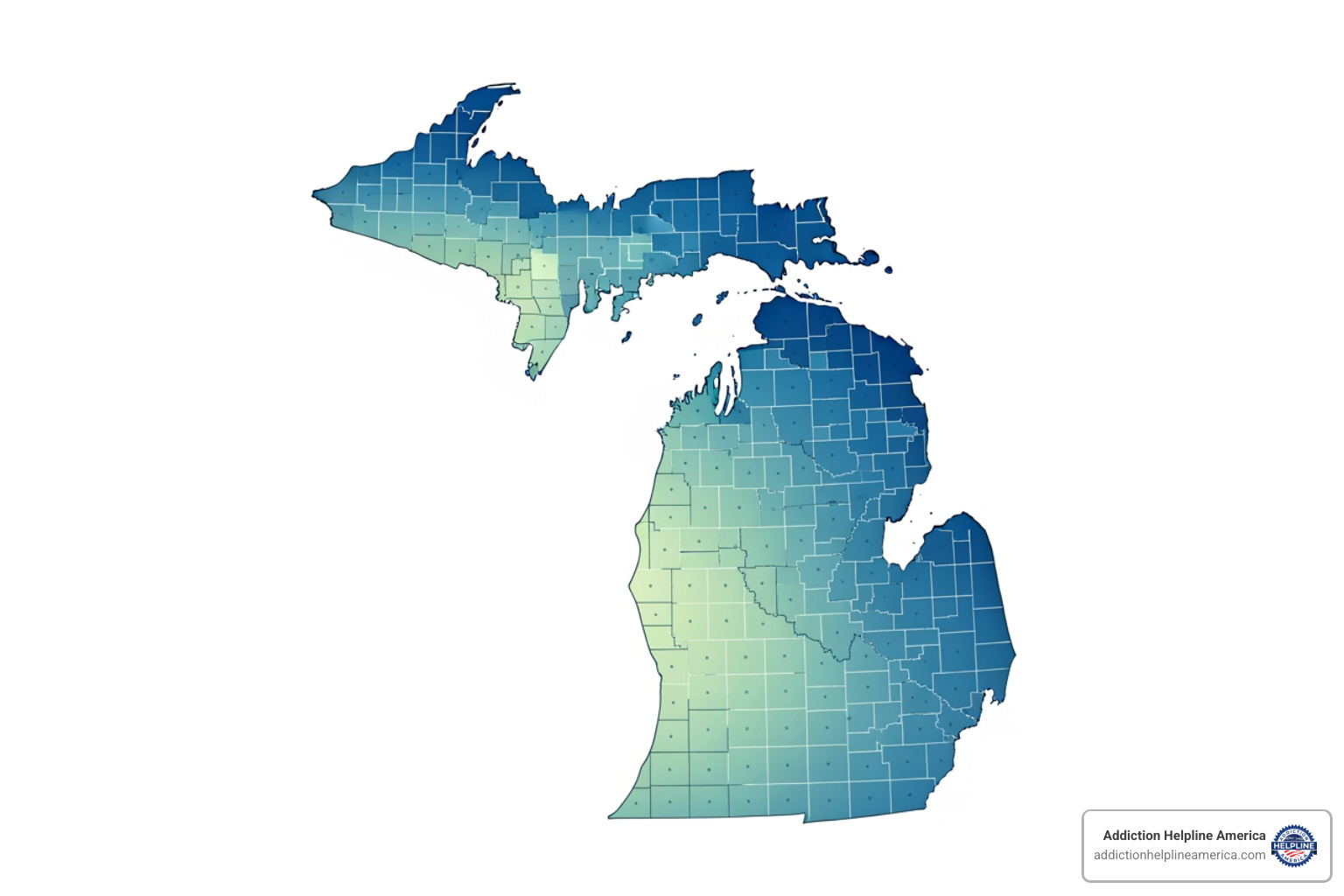
Michigan is facing a serious addiction crisis. While over 85,000 people seek treatment annually, an estimated 700,000 residents are battling alcohol or drug dependence. Heroin and painkillers remain at the heart of the state’s opioid crisis, and despite a slight decrease in overdose deaths, the problem is far from over. Statistics also show significant racial disparities, with Black residents experiencing fatal overdose rates more than double those of White residents, underscoring the need for accessible drug intervention Michigan services for every community.
Beyond the numbers, families live with sleepless nights and constant worry. They often fall into patterns that, while born from love, worsen the situation. Enabling is a common trap—providing money, making excuses, or shielding a loved one from consequences. These “rescue missions” can remove the motivation needed to seek treatment.
Denial also affects the entire family, with members minimizing the problem by thinking, “It’s just a phase,” or “At least it’s not a worse drug.” This thinking delays getting help when time is critical. In codependent relationships, a family member’s life revolves around the person with the addiction, neglecting their own well-being. A professional intervention disrupts these unhealthy cycles, giving the entire family a chance to heal.
Signs It’s Time for an Intervention
How do you know it’s time to take action? Look for these warning signs:
- Behavioral Changes: Secretiveness, irritability, mood swings, loss of interest in hobbies, and social isolation.
- Financial Problems: Unexplained debt, constant requests for money, missing items, or job loss.
- Declining Health: Poor hygiene, significant weight changes, constant sickness, or unexplained injuries.
- Relationship Issues: Constant conflict, broken promises, and eroded trust with family and friends.
- Legal Troubles: Arrests for DUI, possession, or theft. Early intervention can prevent these serious consequences.
- Neglecting Responsibilities: Missing work or school, failing to care for children, or letting household tasks go undone.
If you recognize these signs, trust your instincts. It’s time to consult a Drug intervention Michigan professional to help you create a plan.
Why Family Involvement is Crucial
Addiction is often called a “family disease” because it affects everyone in the family system. That’s why family involvement in recovery is essential.
An intervention works best with a united front. When everyone speaks with one loving but firm voice, the message is hard to ignore. This unified approach can break through the wall of denial that addiction builds.
A key part of the process is setting healthy boundaries. This means clearly stating what behaviors you will no longer accept and what the consequences will be if your loved one refuses treatment. You must be prepared to follow through on these consequences, which are meant to protect you and empower your loved one to take responsibility.
An intervention isn’t just for the person with the addiction; it’s the start of the family’s healing process. By participating, you begin to address your own pain, learn healthier communication, and rebuild relationships. This collective healing creates a strong support system, which is vital for long-term recovery. Your loved one needs a healthy family to return to—not the same dysfunction that existed before.
For more information on supporting your family through addiction, we offer more info about family support resources in Michigan.
Understanding Drug Intervention Michigan Services
When you’ve tried everything to help a loved one struggling with addiction, the feeling of helplessness can be overwhelming. This is where professional Drug intervention Michigan services can make a critical difference.
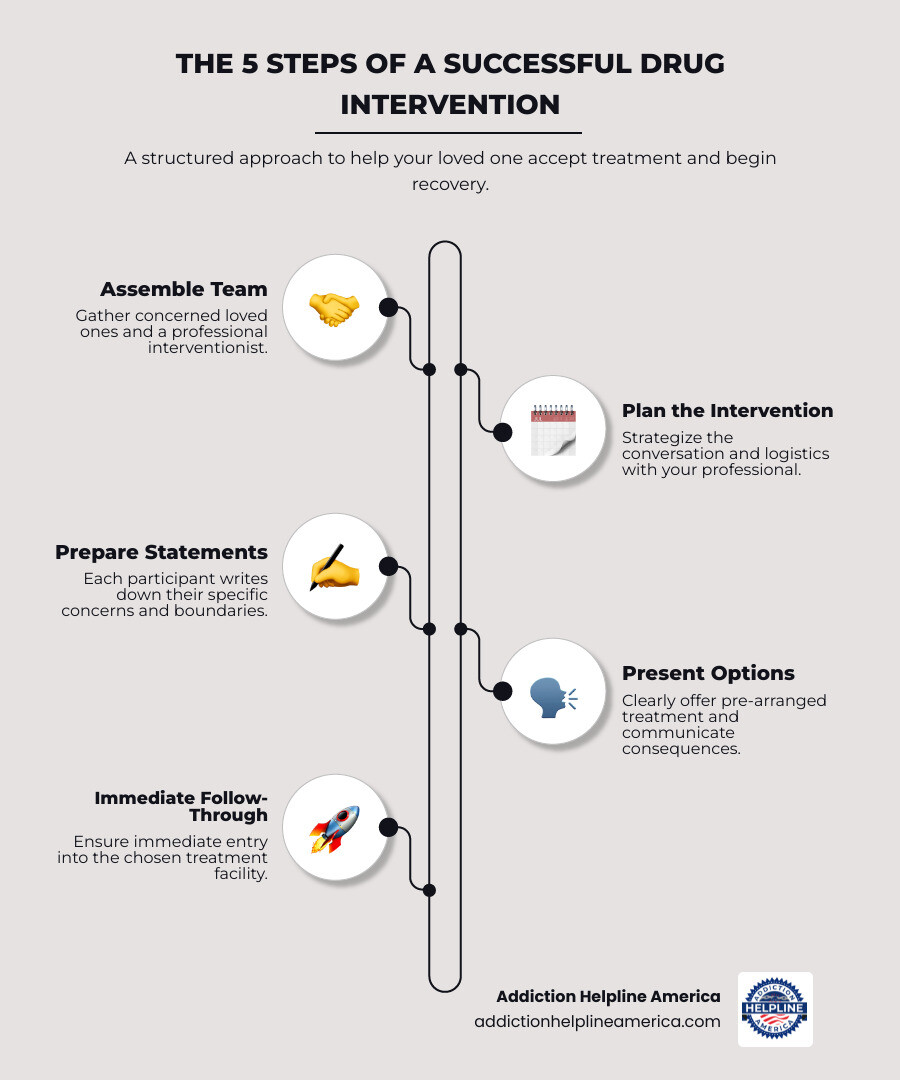
A professional interventionist is a guide through one of the most difficult conversations your family will ever have. They are not there to judge but to use their experience to steer the emotional landscape and prevent well-intentioned efforts from going off track.
An interventionist’s work begins long before the meeting. They help you plan every detail: who should attend, the best time and place, and what each person should say. They also provide education about addiction as a disease, helping families recognize enabling patterns and learn how to shift toward empowerment.
During the intervention, when emotions are high, a skilled interventionist de-escalates conflict and keeps the conversation focused on the goal: getting your loved one into treatment. They are prepared for any reaction and respond with calm, firm compassion.
Crucially, professional interventionists have established relationships with treatment centers throughout Michigan. They help pre-arrange admission, so when your loved one agrees to get help, they can go directly to treatment. This immediate transition is vital, as the window of willingness can close quickly. A comprehensive team approach that includes both the intervention and long-term family coaching often yields the best results.

Types of Intervention Approaches
Different families require different approaches. A professional can recommend the model that best fits your situation.
- The Johnson Model: This is the traditional, surprise-style intervention. The family gathers to share how the addiction has affected them and presents a clear treatment plan, asking for immediate acceptance.
- The ARISE Model: This is a gentler, more collaborative approach. The individual is invited to a series of meetings that build motivation over time, with treatment offered at each stage.
- The Family Systemic Model: This model views addiction within the context of the family system. It focuses on changing family dynamics and behaviors that contribute to the addiction, promoting healing for everyone involved.
- Crisis Intervention: This is used in emergencies, such as after an overdose or when there is a risk of suicide. The focus is on immediate safety and getting the person into treatment as quickly as possible.
When choosing an interventionist, ask about their specialized models, experience with your loved one’s specific substance, success rates, and whether they offer post-intervention support for the family.
Finding and Choosing a Qualified Interventionist in Michigan
Finding the right professional for your Drug intervention Michigan is key to a successful outcome.
Start by looking for credentials. A Certified Intervention Professional (CIP) or a state-licensed counselor specializing in addiction has met rigorous standards of education, experience, and ethics. This training is crucial for navigating the complex dynamics of addiction and family systems.
Experience with specific substances is also important. An interventionist familiar with opioid addiction, for example, will understand the unique challenges and guide your loved one toward the most appropriate treatment.
Don’t hesitate to ask for references from past clients. Hearing from other families can provide confidence in your choice. For some complex situations, a team approach may offer more comprehensive support than a single interventionist.
We understand that finding the right professional is overwhelming. For general guidance, we encourage you to review our Questions to ask when seeking drug abuse treatment.
Addiction Helpline America can help connect you with qualified interventionists and treatment resources throughout Michigan. We provide free, confidential guidance to help you make informed decisions for your family.
Navigating Treatment and Support Systems in Michigan
When a Drug intervention Michigan is successful, that moment of willingness is precious and requires swift action. The goal of an intervention is to get your loved one into treatment, which is why professionals always recommend pre-arranging admission before the conversation even happens. If you wait to research facilities, the window of opportunity may close. Immediate placement is key.
Levels of Care After a Successful Intervention
Michigan’s treatment system offers various levels of care to fit your loved one’s specific needs.
- Medical Detoxification: This is an essential first step for those dependent on substances like alcohol or opioids, as withdrawal can be dangerous. Medical detox provides 24/7 supervision by healthcare professionals who manage symptoms safely.
- Inpatient or Residential Treatment: These programs offer 24/7 structured support in a therapeutic environment, removed from triggers. Programs typically last 30 to 90 days and include individual and group therapy to build coping skills. While costs can be significant, many insurance plans cover a large portion.
- Partial Hospitalization Programs (PHP): A step-down from residential care, PHPs offer intensive treatment during the day while allowing the person to return home at night.
- Intensive Outpatient Programs (IOP): Offering even more flexibility, IOPs usually meet a few times per week for several hours, allowing individuals to maintain work or school commitments while receiving substantial support.
- Medication-Assisted Treatment (MAT): For opioid or alcohol dependence, MAT combines behavioral therapies with FDA-approved medications to reduce cravings and withdrawal symptoms, improving the chances of a successful recovery.
You can explore various options through our directory of Michigan Rehab Centers. As just one example of what’s available, Downriver Mental Health and Advanced Counceling provides outpatient services in Taylor, Michigan.
Costs of Intervention and Treatment in Michigan
Treatment costs can feel daunting, but resources are available. Interventionist fees can range from a few thousand to over $10,000, depending on the professional’s experience and the complexity of the case. Many families view this as a worthwhile investment compared to the ongoing cost of addiction.
Treatment costs vary by level of care. Outpatient programs are more affordable, while residential treatment can cost tens of thousands of dollars. However, you have options.
Most Michigan providers accept private health insurance, which is required by the Affordable Care Act to cover substance abuse treatment. Your specific coverage will depend on your plan, so it’s best to call your insurance company or have a treatment center verify your benefits.
Michigan Medicaid also covers substance abuse treatment, and hundreds of rehab facilities in the state accept it. For those without insurance, many programs offer sliding scale fees or payment assistance based on income. Financial barriers should not prevent someone from getting life-saving help.
Michigan’s Recovery-Focused Legal Programs
Michigan has adopted a progressive stance on addiction, recognizing that treatment is more effective than incarceration. The state has several programs that offer a path to recovery for people whose crimes are driven by addiction.
Drug treatment courts supervise participants through structured treatment programs instead of simply punishing them. A team of judges, attorneys, and treatment providers works together to support recovery through regular testing, therapy, and court reviews. Michigan has 84 drug treatment courts across the state, including adult, DWI, juvenile, and family dependency courts.
The MSP Angel Program is another unique initiative. Anyone struggling with addiction can walk into a Michigan State Police post and ask for help without fear of arrest. A volunteer “Angel” then helps them get an assessment and find a treatment facility. These programs offer hope and prove that recovery is possible, even for those entangled in the criminal justice system.
For more detailed information on these initiatives, you can Learn about Michigan’s Recovery-Focused Legal Programs.
Finding Hope and Support: Michigan Recovery Resources
When a loved one completes addiction treatment, it’s a moment of relief. However, the journey doesn’t end there. Recovery is built day by day, and ongoing support is what transforms an initial commitment into lasting change.
For individuals, this means building a sober network of people who understand the struggle. For families, it means learning to support recovery without enabling and healing alongside their loved one. Michigan has a wealth of recovery resources, and we can help you steer them.
Immediate Crisis Support
In a crisis, immediate help can save a life. Whether it’s a mental health emergency, thoughts of suicide, or an overdose, these resources are available 24/7.
- The 988 Suicide & Crisis Lifeline offers free, confidential support via call or text for anyone in emotional distress.
- The SAMHSA National Helpline at 1-800-662-HELP (4357) provides treatment referrals and information.
- For life-threatening emergencies like an overdose, always call 911 without hesitation.
When you’re ready to Find a local treatment facility via Addiction Helpline America, we are here to provide free, confidential assistance to connect you with the right resources.
Family and Peer Support Groups
Realizing you’re not alone is a powerful part of recovery. Support groups offer an ongoing connection with people who truly understand because they’ve been there.
For families, groups like Al-Anon provide a safe space to share experiences and learn to set healthy boundaries. These groups help family members understand they can’t control the addiction, but they can take care of themselves.
For individuals in recovery, peer support groups like Alcoholics Anonymous (AA) and Narcotics Anonymous (NA) create a foundation of accountability and belonging. Meetings are available in person and online across Michigan. You can Find a support meeting in Michigan through local directories or by asking treatment providers for recommendations.
Long-Term Recovery Services
Building a life in recovery means creating new routines and finding purpose. Michigan offers several services to support this ongoing change.
- Sober living homes provide a drug- and alcohol-free environment where residents support each other while transitioning back to independent life. They offer a blend of accountability and freedom.
- Community recovery centers act as hubs for services like peer coaching, educational workshops, and sober social activities.
- Continued therapy and counseling help individuals address underlying issues like trauma or mental health conditions that often fuel addiction.
Organizations throughout Michigan provide these kinds of long-term support services. For example, Wellspring Lutheran Services in Farmington offers various programs that support individuals in their recovery journey.
Seeking support after a Drug intervention Michigan and treatment isn’t a sign of weakness—it’s a sign of wisdom. Recovery is possible, and you don’t have to do it alone.
Frequently Asked Questions about Drug Intervention in Michigan
What is the success rate of a drug intervention?
When considering a Drug intervention Michigan, it’s important to define “success.” If success means getting someone to agree to enter treatment, professional interventions have a high success rate, often between 80-90%. This is a remarkable outcome given the power of denial in addiction.
However, entering treatment is just the beginning. Long-term recovery depends on what happens after the intervention. The quality of the treatment, the individual’s commitment, and the family’s follow-through are all crucial. True success is measured by sustained sobriety and rebuilt relationships years down the road. When families stay involved in therapy and maintain healthy boundaries, they create an environment where lasting recovery can take root.
Can I require my loved one to enter rehab in Michigan?
This is a common and heartbreaking question. Michigan has involuntary commitment laws for substance use disorders, but this is a complex legal process reserved for cases where an individual poses a clear danger to themselves or others. The reality is that recovery cannot be forced in a way that leads to lasting change.
Instead, a Drug intervention Michigan focuses on motivation, not force. The power of a unified family approach is in creating consequences. When a family comes together to say, “We love you, but we will no longer enable your addiction,” it creates powerful motivation for the person to accept help. An interventionist helps the family present these consequences in a loving but firm way, which is often far more effective than legal mandates.
How involved should the family be after the intervention?
Family involvement after a successful Drug intervention Michigan is just as crucial as the intervention itself. Addiction is a family disease, and everyone needs to heal.
After your loved one enters treatment, your role shifts but remains vital. Most treatment centers offer family therapy to address underlying dynamics, improve communication, and rebuild trust. Attending support groups like Al-Anon provides a community of people who understand what you’re going through.
One of the most important ongoing tasks is setting and maintaining boundaries. This is a continuous practice that supports your loved one’s accountability and recovery. Participating in the treatment center’s family program shows your loved one you are committed to healing alongside them.
Many services offer ongoing education and coaching for families to help them make the necessary changes to support recovery while also caring for their own well-being. Your continued involvement provides a strong support system that significantly reduces the risk of relapse. When the whole family heals, everyone has a better chance at a healthier future. Addiction Helpline America can connect you with family support resources throughout Michigan.
Conclusion
If you’re reading this, you’ve likely been carrying a heavy weight—watching someone you love struggle with addiction while feeling helpless about what to do next. Taking that first step toward a Drug intervention Michigan is often the hardest part. It requires courage, vulnerability, and faith that things can get better. But we want you to know something important: that first step, as terrifying as it feels, is also the most powerful one you can take.
An intervention isn’t about forcing someone into treatment or issuing ultimatums out of anger. It’s something far more profound—it’s an act of love. When families come together to tell someone, “We see you suffering, we love you, and we’re not going to watch you disappear anymore,” they’re offering a lifeline. They’re breaking through the isolation that addiction creates and saying, “You don’t have to do this alone.”
The truth is, hope and healing are possible for Michigan families. We’ve witnessed it countless times—parents who thought they’d lost their child forever, spouses who couldn’t imagine life getting better, siblings who’d given up hope. And then, after taking that courageous first step, watching their loved ones reclaim their lives. Watching families rebuild trust, refind joy, and create new memories together. It happens. It’s real. And it can happen for your family too.
You don’t have to figure this out by yourself. Addiction Helpline America provides free, confidential guidance to families just like yours, 24 hours a day, 7 days a week. We’ll help you understand your options, connect you with qualified interventionists in Michigan, and guide you toward treatment centers that fit your loved one’s specific needs. Whether it’s 2 PM on a Tuesday or 3 AM when you can’t sleep because you’re worried, we’re here.
The journey ahead won’t always be easy, but you’ve already shown incredible strength by seeking information and considering intervention. That matters. Your love matters. Your willingness to act matters.
Learn how to help someone with addiction and take the first step toward bringing your family back together. We’re here to walk alongside you, every step of the way.