Understanding Drug Detox Programs: Your First Step to Healing
When you’re looking for help, drug detox programs are often the first critical step towards healing and a life free from substance abuse. Facing addiction, either personally or through a loved one, can feel overwhelming. It leaves many feeling desperate and unsure where to turn. But understanding what a drug detox program involves can make this crucial first step much clearer and less daunting.
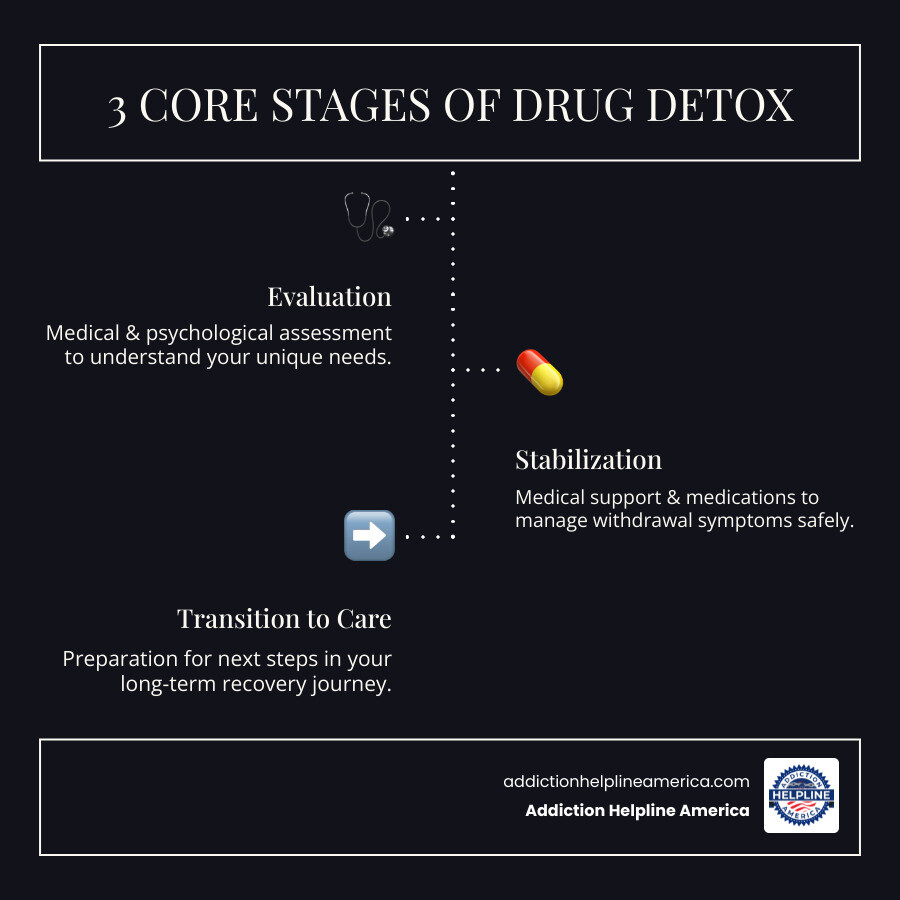
Here’s a quick overview of what professional drug detox programs generally provide:
- Evaluation: A thorough medical and psychological assessment to understand your unique needs.
- Stabilization: Medical support and medications to manage withdrawal symptoms safely and comfortably.
- Transition to Care: Preparation for the next steps in your long-term recovery journey, such as rehabilitation.
This guide is designed to empower you. It will walk you through everything you need to know about drug detox programs. From understanding what they are to finding the right fit for your unique situation, we’ll explain the process. Our goal is to help you take this vital step with confidence.
Addiction Helpline America is here to guide you. With a team of experienced professionals, including addiction specialists, we provide compassionate, confidential support to help you find the right drug detox programs and begin your recovery journey.
Drug detox programs terms to remember:
Understanding Drug Detox: The First Step to Recovery

When you’re ready to step away from substance use, the very first, brave step is often detoxification, or “detox.” Simply put, detox is the process of safely clearing drugs or alcohol from your body. While your body is always working to process things, when you’ve developed a dependence on substances, stopping can bring on a challenging and even dangerous set of withdrawal symptoms. That’s where professional drug detox programs come in.
Think of it as a guided journey. These programs offer medically managed withdrawal, meaning healthcare professionals are there to support you every step of the way. They use medications and therapies to help manage discomfort and prevent serious health risks as your body adjusts. It’s like hitting a much-needed reset button for your physical health, preparing you for the road ahead.
But here’s a crucial point: detox helps with the physical side of things, but addiction also has deep psychological roots. While detox gets the substances out of your system and manages withdrawal, it doesn’t typically address the underlying reasons why someone started using in the first place. That’s why detox is so vital—it’s the essential first phase, opening the door to the deeper work needed for true long-term recovery.
What is Drug Detox vs. Full Rehabilitation?
It’s easy to mix up drug detox with full rehabilitation, but they actually serve different, though equally important, purposes on your path to healing.
Drug detox is all about getting physically stable. Its main goal is to safely manage those tough withdrawal symptoms and clear your body of addictive substances. Medical detox centers focus on keeping you safe and as comfortable as possible during this crucial time. This phase can last from a few days to several weeks, depending on what substance was used and your personal situation.
Substance abuse rehabilitation, or “rehab,” on the other hand, is a much bigger picture, and usually a longer process. Once your body is stable from detox, rehab steps in to tackle the deeper issues. It looks at the psychological, social, and behavioral reasons behind addiction. During rehab, you’ll learn new coping skills, understand your triggers, work on relationships, and build a fulfilling life without substances. This often involves different types of therapy, counseling, and support groups.
So, in many ways, detox is like preparing the ground before planting a garden. It gets your body and mind ready to fully engage in the life-changing work of rehab. Without completing detox, withdrawal symptoms can be too overwhelming, making it very hard to focus on therapeutic activities.
Want to learn more about the different stages of treatment? Our Detox Programs page offers more details about what to expect.
Common Withdrawal Symptoms and Side Effects
Stopping substance use can bring on a wide range of withdrawal symptoms. These can go from simply uncomfortable to potentially life-threatening. That’s why having professional supervision during detox is so incredibly important. While medical detox aims to make you as comfortable as possible, some side effects are part of the process.
You might experience a mix of physical and psychological symptoms. On the physical side, many people report flu-like symptoms such as body aches, fever, shaking, nausea, vomiting, diarrhea, headaches, muscle cramps, and heavy sweating. It can feel a lot like a severe illness.
Then there are the psychological symptoms. These can include intense cravings for the substance, feelings of anxiety, depression, agitation, and irritability. You might also notice mood swings, have trouble concentrating, or struggle with insomnia. These mental challenges can be just as difficult as the physical ones.
The specific symptoms and how severe they are depend a lot on the substance you’ve been using:
- Alcohol: If someone stops drinking alcohol suddenly after long-term, heavy use, it can be extremely dangerous. Withdrawal can lead to seizures, confusion, and a very serious condition called delirium tremens (DTs). DTs can even cause stroke, heart attack, or be fatal if not treated by medical professionals.
- Opioids (like heroin or prescription painkillers): While opioid withdrawal is usually not fatal, it’s known for being incredibly uncomfortable. Symptoms often feel like a very bad flu, including nausea, vomiting, diarrhea, muscle aches, intense cravings, and trouble sleeping.
- Benzodiazepines (like Xanax or Valium): Withdrawal from “benzos” can be particularly challenging and can last a long time—sometimes two weeks or even more. Similar to alcohol, suddenly stopping benzodiazepines can lead to seizures and other serious medical problems.
Understanding these potential symptoms truly highlights why professional care during detox is so crucial for your safety and comfort. For more detailed information about specific substance withdrawals, check out our comprehensive Drug Withdrawal Complete Guide.
The Critical Choice: Medically Supervised Detox vs. At-Home Risks

When you’re ready to take that brave first step, one of the biggest decisions you’ll face is how to detox. The choice between a medically supervised drug detox program and trying to quit at home is truly critical. We want to be clear: the benefits of professional medical supervision are immense.
Professional drug detox programs offer a safe and comforting environment. Here, medical professionals are there for you around the clock, providing 24/7 monitoring and care. This expert oversight drastically reduces the risks often linked with withdrawal. It helps prevent dangerous complications and truly sets the stage for a successful, long-term recovery journey. Your safety and comfort are paramount.
The Dangers of Quitting “Cold Turkey”
The idea of simply stopping drug use all at once, often called “cold turkey,” might sound appealing because it feels like a quick fix. But for many substances, doing so can be incredibly dangerous, even life-threatening. Your body has become dependent, and suddenly removing the substance can send it into shock.
For instance, if you’ve been using alcohol heavily for a long time, stopping abruptly can lead to severe medical emergencies. We’re talking about things like seizures, vivid hallucinations, and a very serious condition called delirium tremens (DTs). These aren’t just uncomfortable; they can actually be fatal if not treated immediately.
With opioids, like heroin or prescription painkillers, withdrawal isn’t usually fatal, but it’s famously painful and distressing. People often describe it as the worst flu imaginable, with intense body aches, nausea, and vomiting. This severe discomfort often drives individuals to relapse just to find relief from the agony.
And when it comes to benzodiazepines (like Xanax or Valium), stopping suddenly can be just as risky as with alcohol. It can trigger seizures, psychosis, and other serious neurological problems. The withdrawal process can also last for a long time, making it incredibly hard to manage without medical help. Trying to quit cold turkey without any medical support leaves you vulnerable to these severe symptoms and greatly increases the chance of immediate relapse.
Why At-Home Detox Can Be Life-Threatening
While the comfort of your own home might seem like the ideal place to detox, trying to do it without medical supervision is extremely risky and, in some cases, can even be deadly. Without medical professionals close by, you simply won’t have the immediate support needed to handle severe withdrawal symptoms or any unexpected complications.
There’s no one to give you medications that can ease the discomfort or prevent serious issues like seizures, heart attacks, or strokes that can happen during withdrawal from certain substances. The intense discomfort and psychological distress, combined with the complete lack of medical support, make the risk of relapse incredibly high.
| Feature | Medically Supervised Detox | At-Home Detox (Unsupervised) |
|---|---|---|
| Safety | High; 24/7 medical monitoring, emergency response available | Extremely low; high risk of severe complications, potentially fatal |
| Medical Support | Medications to ease symptoms, IV fluids, physician oversight | None; reliance on willpower, no professional intervention |
| Success Rate | Higher likelihood of completing detox and transitioning to rehab | Very low; high risk of relapse due to unmanaged symptoms |
| Psychological Care | Initial psychological assessment and support, preparation for rehab | None; can exacerbate anxiety, depression, and cravings |
Plus, without a structured environment, you’re constantly exposed to triggers and temptations that can easily derail your efforts. For serious addictions, especially to alcohol or benzodiazepines, trying to detox at home can tragically be fatal. Choosing a safe, medically supervised option is always the wisest choice.
To learn more about safe options, including hospital settings, explore our guide on Detox in Hospital.
The Professional Drug Detox Process: What to Expect
When you decide to seek professional help, understanding the path ahead can bring immense comfort. Professional drug detox programs are designed with your safety and well-being at their core. They follow a “medical model,” which means you’ll have skilled clinical staff, medical oversight, and often medication to help you through.
This isn’t a one-size-fits-all journey. Instead, the process is carefully custom to your unique needs. This includes considering the specific substances you’ve used, how long you’ve used them, and your overall health. The main goals are simple: to safely stabilize your body, minimize the discomfort of withdrawal, and gently guide you toward the next crucial steps in your recovery journey, all within a safe and supportive environment.
To give you a clearer picture, you can see a specific example of how this process works on our page about the Heroin Detox Process.
Essential Components of Professional Drug Detox Programs
A professional drug detox program involves a few key steps, all designed to support you every step of the way:
First, there’s a thorough Evaluation. When you arrive, the medical team will conduct a comprehensive physical screening. This helps them understand your overall health, identify any other medical conditions you might have, and perform necessary blood tests. You’ll also have a psychological assessment to check on your mental health. Many people struggling with substance use also face mental health challenges, and this assessment helps the team create a personalized plan just for you.
Next comes Stabilization. This is the heart of the detox process. During this phase, doctors and nurses work to prevent harm and make withdrawal symptoms as manageable as possible. Medications are often used to ease discomfort, reduce intense cravings, and prevent dangerous complications like seizures or delirium. The aim is to make withdrawal safe and comfortable, reducing both physical and emotional distress. Think of it as a gentle way to help your body adjust. A key part of this, especially for certain substances, is tapering. This means gradually reducing the amount of a substance or a substitute medication over time. This slow, controlled reduction helps your body slowly get used to not having the drug, which really helps ease withdrawal symptoms and prevents harsh reactions.
Finally, a vital component is Fostering Entry into Longer-Term Treatment. It’s important to remember that detox is the first step, not the cure for addiction. So, professional programs focus on preparing you for what comes next. This might mean getting ready for an inpatient rehabilitation program, an intensive outpatient program, or connecting you with ongoing counseling and support groups. It’s all about setting you up for continued healing.
How Long Does Detox Take and What Influences Duration?
One of the most common questions is, “How long will this take?” The truth is, the length of detox can vary quite a bit from person to person. It depends on several important factors:
- The Type of Substance: Different drugs leave your system at different rates and cause different withdrawal timelines. For example, alcohol withdrawal might ease up within a week, but withdrawing from benzodiazepines can take two weeks or even longer. Opioid withdrawal can also be quite long and intense.
- How Long and How Much You’ve Used: Generally, the longer you’ve used a substance and the more you’ve used, the more severe and prolonged your withdrawal symptoms are likely to be.
- Your Individual Health: Your unique physical and mental health, how your body processes things (your metabolism), your age, and even your genetics can all play a role in how quickly you clear the substance and how you experience withdrawal.
- Co-occurring Conditions: If you’re also dealing with other medical or mental health conditions, these can sometimes make detox more complicated and potentially extend its duration.
While some withdrawal symptoms might linger for weeks or even months, the acute phase—the part where you’re medically supervised and most uncomfortable—usually lasts anywhere from a few days to a couple of weeks. For instance, some programs are specifically designed for a 7 Day Inpatient Detox, focusing on that initial, crucial stabilization.
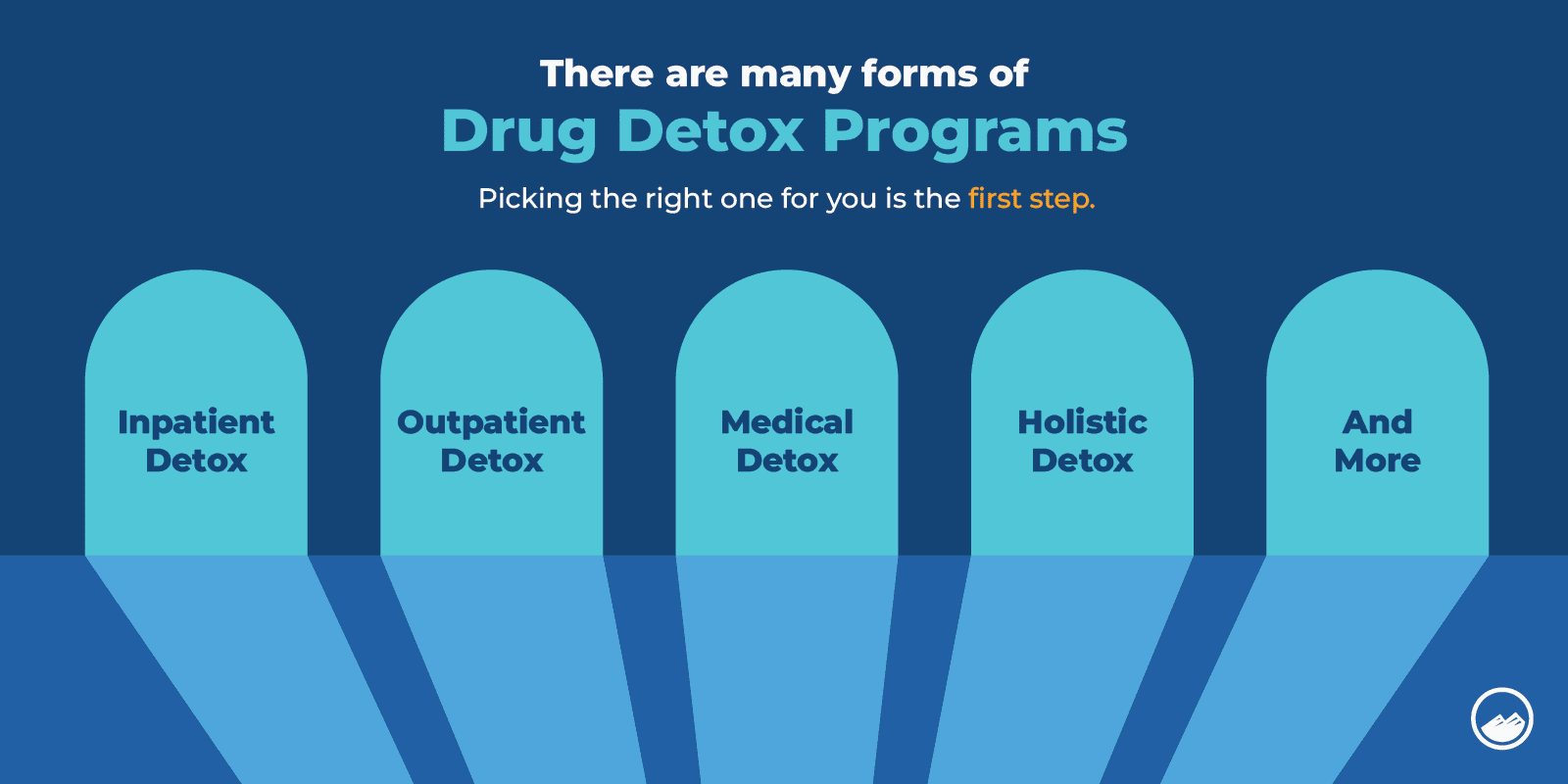
Navigating Different Types of Drug Detox Programs
Just as every person’s journey with addiction is unique, so too are the drug detox programs available. Finding the right fit for you or your loved one is a crucial step towards healing. Understanding the variety of programs out there helps ensure you choose the level of care that best suits your specific needs, maximizing both safety and the chances of a successful transition into long-term recovery.
![IMAGE] illustrating the difference between an inpatient room and an outpatient counseling session
Whether you need round-the-clock support or a more flexible approach, there’s a program designed to meet different requirements. The goal is always to match your individual situation with the most effective and supportive environment possible.
Inpatient vs. Outpatient Detox: Which is Right for You?
When it comes to detox, one of the first big decisions is whether inpatient or outpatient care is the best path. This choice largely depends on how severe the addiction is, the specific substances involved, and your overall health and home environment.
Inpatient detox offers a safe, structured haven where you receive 24-hour medical supervision and support within a residential facility. It’s often the best choice for individuals facing severe addictions, those with a history of complicated or dangerous withdrawal symptoms, or anyone with co-occurring medical or mental health needs. In an inpatient setting, you’re in a completely controlled environment, free from external triggers, with medical staff ready to provide immediate intervention if any complications arise. This round-the-clock care is truly a comfort during the most challenging phase of withdrawal, ensuring your safety and minimizing discomfort.
On the other hand, outpatient detox allows you to live at home while regularly attending a facility for medical monitoring and support throughout the day. This option is typically suitable for those with less severe addictions, a stable and supportive home environment, and a lower risk of serious withdrawal complications. While it offers more flexibility for your daily life, outpatient care still provides access to medical professionals, medication management, and essential therapeutic support.
Choosing the right level of care is incredibly important for your safety and the effectiveness of the detox process. For a deeper dive into these distinctions, our guide on Inpatient vs Outpatient Rehab offers more valuable insights.
Special Considerations: Detox During Pregnancy
Detox during pregnancy is a very delicate matter that absolutely requires close medical supervision. This isn’t just about the mother’s health, but also about the significant risks involved for the developing baby. Quitting drugs or alcohol “cold turkey” can put immense stress on the fetus, potentially leading to serious complications like preterm labor or fetal distress.
Both opioid and alcohol detox during pregnancy carry substantial risks, making unmanaged withdrawal extremely dangerous. Medical professionals will carefully manage withdrawal symptoms using medications that are deemed safe for pregnant individuals. The primary goal is to stabilize both the mother and the baby, ensuring the safest possible outcome. This specialized care emphasizes continuous support and monitoring throughout the pregnancy and beyond, prioritizing the health of both lives.
Understanding Rapid Detox Approaches
You might have heard of “rapid detox” methods, which are designed to shorten the acute withdrawal phase, often using medications to speed up the process. While the idea of a quicker path to being substance-free can sound appealing, approach these methods with extreme caution and a full understanding of their potential risks.
Any form of rapid detox must be conducted under strict medical supervision in a hospital or a highly specialized facility. Traditional rapid detox programs might aim to complete the acute phase in 2 to 3 days, but they are generally more expensive than typical detox. More importantly, they come with various potential risks, including cardiac complications, respiratory issues, and significant psychological distress. It’s also worth noting that individuals who choose rapid detox are often much less likely to continue on to the next, crucial steps in treatment, such as inpatient or outpatient rehab, which are essential for long-term recovery.
The cost for rapid detox can be substantial, sometimes reaching up to $10,000, and is often not covered by insurance. Here at Addiction Helpline America, we advocate for evidence-based drug detox programs that prioritize your safety, comfort, and the highest likelihood of successful, lasting recovery. We believe in comprehensive care that supports individuals far beyond just the initial detox phase, setting them up for a truly healthier future.
Finding and Affording a Reputable Detox Center
Taking that first step to find a detox center? That’s incredibly brave. We know it can feel like a huge mountain to climb, with so many options and questions. But don’t worry, we’re here to make it simpler and less daunting. Our main goal is to help you find trusted drug detox programs that will keep you safe and support your journey to lasting wellness.
How to Find a Trusted Detox Center
Finding the perfect detox center for you or a loved one takes a little digging, but it’s worth it. Think of it as a few key steps to make sure you land in the best place possible.
First, talk to your doctor or therapist. They know your health history and can often recommend trusted places. They’re a great starting point for finding reputable drug detox programs that fit your specific needs.
Next, explore national resources. The Substance Abuse and Mental Health Services Administration (SAMHSA) has a fantastic directory. It lists treatment centers across the country that are officially licensed and approved. You can check out their 2024 National Directory of Drug and Alcohol Use Treatment Facilities to find places near you.
And, of course, you can always call an addiction helpline, like ours! We’re here to offer free, confidential, and personalized guidance. We connect people nationwide to treatment centers, helping you sort through the options to find the right program from our huge network.
Finally, always check their credentials. Don’t be shy about asking if a center is licensed and accredited. Also, make sure their doctors, nurses, and staff are well-qualified. This helps ensure you’ll receive top-notch, safe care.
If you’re looking for options closer to home, our Detox Near Me Guide is a great resource to help you get started.
What to Consider When Choosing Drug Detox Programs
Once you start looking, you’ll find that drug detox programs come in all shapes and sizes. It’s really important to think about what matters most to you so you can pick a program that feels like the perfect fit.
One big question is cost. Prices can differ quite a bit depending on things like whether it’s an inpatient or outpatient program, what kind of facilities they have, and how much care you’ll need. Don’t let cost stop you from seeking help!
Many insurance plans, even Medicaid, often cover detox. We can even help you figure out your insurance benefits and find programs that work with your plan. If insurance isn’t an option, ask about other payment methods, like payment plans, financing, or even free or low-cost programs in your area.
Think about the level of care you need. We talked earlier about inpatient versus outpatient – this choice depends on how severe your addiction is and your overall health. Also, where is the center located? Sometimes, being closer to family is key, while other times a fresh start in a new location might be better.
Always make sure the staff is qualified. You want experienced doctors, nurses, and addiction specialists who know how to handle tricky withdrawal situations safely. Finally, consider their treatment philosophy. Does their approach feel right for you? Does it align with your own values and what you hope to achieve in recovery?
Life After Detox: The Importance of Continued Care
Now, here’s something really important to remember: detox is an amazing, life-saving first step, but it’s just that – a first step. Think of addiction like a chronic illness, much like diabetes. You wouldn’t just treat the immediate symptoms and stop there, right? You’d manage it long-term.
Detox clears your body, but it doesn’t solve the deeper reasons why you started using substances. It doesn’t magically fix the emotional, psychological, and social issues that play a big part in addiction. That’s where the real journey begins.
After detox, the goal is to address those root causes. This is where rehabilitation programs shine. They help you understand your triggers, develop healthy coping skills, and rebuild your life. Without this continued support, the chance of relapse goes up quite a bit. Rehab gives you the tools and support system you need to stay sober.
There are many fantastic continued treatment options available, and we can help you find them. These include:
- Residential Treatment: These are live-in programs where you get structured, round-the-clock care and intensive therapy. It’s a great way to focus completely on healing and building new skills. You can explore our Residential Treatment options.
- Intensive Outpatient Treatment (IOP): This allows you to live at home while still getting regular therapy and counseling sessions at a facility several times a week. It offers a lot of support while you steer daily life. Learn more about Intensive Outpatient Treatment.
- Support Groups: Programs like Alcoholics Anonymous (AA) and Narcotics Anonymous (NA) offer a powerful community. Sharing experiences and getting support from others who understand can be incredibly helpful for lasting recovery.
The ultimate aim of all this treatment is to help you thrive again – in your family, your job, your school, and your community. Embracing this full range of care after drug detox programs is truly the best way to build a lasting, sober, and happy life. It’s a journey, and we’re here to help you every step of the way.
Conclusion: Your Path to Recovery Starts Here
Taking the first step towards recovery is truly a brave and life-changing decision. It’s like standing at the edge of a new day, looking towards a sunrise after a long night. As we’ve explored throughout this guide, drug detox programs are far more than just enduring withdrawal; they’re about safely and comfortably clearing your body of substances under expert medical supervision. This crucial initial phase lays the foundation for a whole new beginning.
We’ve seen how professional guidance is absolutely essential, highlighting the severe dangers of attempting detox at home and the clear benefits of a structured, medically-managed process. Detox is the critical first stage, providing physical stabilization. But as we’ve discussed, true, lasting recovery is a deeper journey. It requires continued treatment that addresses the complex psychological, emotional, and social aspects of addiction that often lie beneath the surface.
Think of it this way: detox helps you clean up your house, but rehabilitation helps you rebuild it into a home where you can thrive. Recovery isn’t a race to a finish line; it’s a journey, a path you walk day by day, learning and growing along the way. We firmly believe that with the right support and guidance, anyone can achieve sobriety and reclaim a fulfilling life.
You don’t have to steer this path alone. Addiction Helpline America is here as your trusted partner. We offer free, confidential, and personalized guidance to connect you with the most suitable drug detox programs and subsequent treatment centers across the nation. Our goal is to make sure you find the right fit, empowering you to take that vital next step with confidence.
Don’t let uncertainty hold you back from the life you deserve. Take the first step today.
Find the right detox program for you