
Your First Step Towards a New Beginning
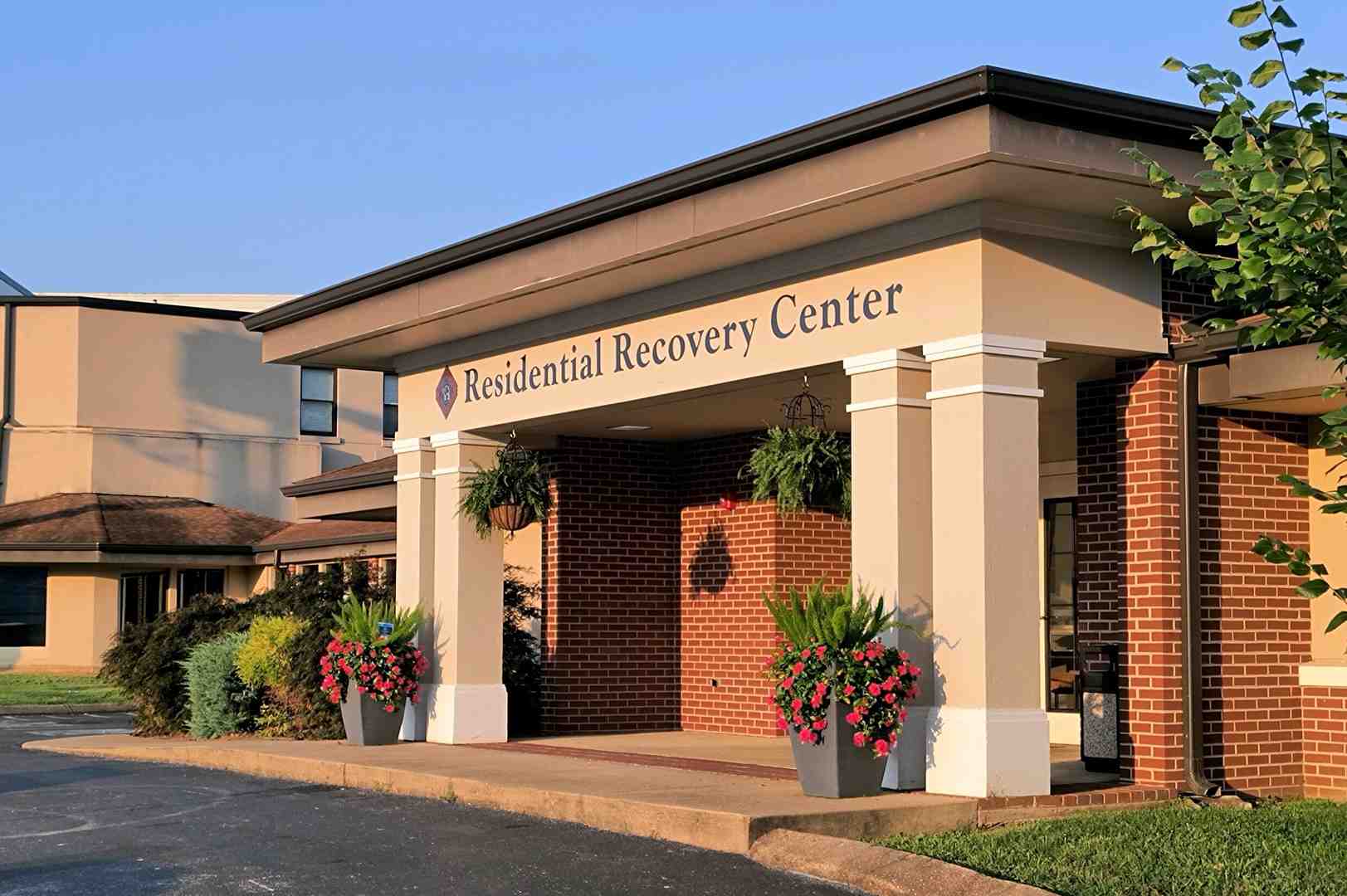
Drug and alcohol rehabilitation centers are specialized facilities that provide medical, therapeutic, and supportive care for individuals struggling with substance use disorders. These centers offer varying levels of treatment—from medically supervised detoxification and intensive inpatient programs to flexible outpatient services and long-term sober living arrangements.
Quick Options to Find Treatment:
- Call a 24/7 helpline – Addiction Helpline America: 844-561-0606 (free and confidential)
- Use a national treatment locator – FindTreatment.gov (government-run directory)
- Contact state-funded programs – Many states offer low-cost or free treatment for those with limited income
- Check your insurance coverage – Most insurance plans now cover substance use disorder treatment
- Reach out to local community mental health centers – They often provide assessment and referral services
Taking the first step toward recovery is courageous. If you or someone you love is struggling with addiction, you’re not alone—over 46 million Americans face substance use disorders, yet 94% don’t receive treatment. The good news? Recovery is possible, and the right rehabilitation center can make all the difference.
Finding the right program can feel overwhelming when you’re already dealing with the weight of addiction. Different centers offer different approaches, costs vary widely, and understanding what type of care you need requires navigating unfamiliar terms like “inpatient,” “MAT” and “dual diagnosis.”
This guide will walk you through everything you need to know: the types of programs available, the services they offer, how to pay for treatment, and—most importantly—how to find a center that fits your unique situation.
At Addiction Helpline America, we’ve spent years connecting individuals and families with the drug and alcohol rehabilitation centers that match their specific needs. Our free, confidential service provides personalized guidance 24/7 because we understand that recovery can’t wait.
Call our helpline anytime at 844-561-0606 for immediate support. No judgment, no pressure—just honest answers and a clear path forward.
Understanding the Different Types of Rehabilitation Programs
When considering drug and alcohol rehabilitation centers, it’s crucial to understand that addiction treatment is not a one-size-fits-all solution. Just as every individual’s journey with substance use disorder is unique, so too should be their path to recovery. We offer a range of treatment options, often referred to as a “continuum of care,” which allows for individualized treatment plans that can adapt as your needs change. This approach ensures you receive the most appropriate and effective support at every stage. For more information on starting this journey, please visit our Rehab Centers Complete Guide.
Inpatient vs. Outpatient Treatment: What’s the Difference?
One of the first distinctions you’ll encounter is between inpatient and outpatient treatment. Both offer vital support, but they cater to different needs and lifestyles.
| Feature | Inpatient (Residential) Rehab | Outpatient Rehab |
|---|---|---|
| Structure | Highly structured, 24/7 supervision and care | Flexible scheduling, allows living at home |
| Intensity | Intensive, immersive therapy and medical support | Varies from Partial Hospitalization Programs (PHP) to standard Outpatient (OP) |
| Environment | Substance-free, supportive living facility | Home environment, requiring strong self-discipline |
| Ideal Candidate | Severe addiction, co-occurring disorders, unstable home environment | Mild to moderate addiction, stable home, strong support system |
| Cost | Generally higher due to accommodation and round-the-clock care | Generally lower, as it doesn’t include residential costs |
Inpatient rehab, also known as residential treatment, provides an immersive, structured environment where you live at the facility for the duration of your program. This setting offers 24/7 medical supervision and a complete removal from potential triggers and negative influences. It’s ideal for those with severe addictions, a history of relapse, or co-occurring mental health disorders that require constant support. If you’re wondering if this intensive level of care is right for you, explore our guide: Do I Need Inpatient Rehab?.
Outpatient rehab allows you to live at home while attending scheduled therapy sessions and groups at a treatment center. This option provides flexibility, enabling you to maintain work, school, or family responsibilities. Outpatient programs can range from Partial Hospitalization Programs (PHP), which offer daily intensive treatment, to Intensive Outpatient Programs (IOP), with fewer hours per week, and standard outpatient care. It’s suitable for individuals with milder substance use disorders, a strong support system at home, or as a step-down from inpatient care. For more on this flexible option, see our Outpatient Rehab Tulsa OK guide.
Specialized Program Models
Beyond inpatient and outpatient, drug and alcohol rehabilitation centers offer various specialized approaches to meet diverse needs:
- Medical Detoxification: Often the first critical step, especially for substances like alcohol or opioids, where withdrawal can be dangerous. Medically supervised detox helps individuals safely manage withdrawal symptoms until the substances are no longer present in their system. This ensures physical stability before beginning therapeutic work. If you’re looking for detox services, search for “Detox Near Me.”
- Sober Living Homes: These facilities provide a safe, structured, and substance-free environment for individuals transitioning from intensive treatment back into daily life. They offer peer support and accountability, helping to reinforce new coping skills and prevent relapse.
- Residential Work-Therapy Programs: Some programs, like The Salvation Army’s Adult Rehabilitation Centers, offer 180-day residential work-therapy programs. These integrate meaningful work assignments (up to eight hours a day) with spiritual, social, and emotional assistance, focusing on physical, emotional, and spiritual well-being. This model can be particularly beneficial for developing life skills, responsibility, and a sense of purpose. This addresses Q15: What is the role of work therapy in some rehabilitation programs?
- 12-Step Principles: Many programs incorporate the principles of Alcoholics Anonymous (AA) and Narcotics Anonymous (NA), emphasizing peer support, spiritual growth, and a structured path to recovery.
- Faith-Based Treatment: These programs integrate spiritual teachings and practices into the recovery process, offering an additional layer of support and meaning for those whose faith is important to them. For those seeking spiritual guidance, our 40 Prayers Addiction Recovery Guide can be a valuable resource.
- Program Durations: Treatment lengths vary significantly based on individual needs and the severity of addiction. Common durations include 30 Day Rehab, 60-day programs, or more extended options like 90 Day Rehabs Guide 2025 and beyond. Longer programs often correlate with better long-term outcomes.
Core Services Offered at Drug and Alcohol Rehabilitation Centers

At the heart of effective drug and alcohol rehabilitation centers are evidence-based treatments delivered through personalized care plans. These centers adopt a comprehensive approach, addressing not just substance use but also the underlying factors contributing to it. This holistic perspective is key to sustainable recovery.
The Role of Therapy and Counseling
Therapy and counseling are the cornerstones of addiction treatment, helping individuals understand their addiction, develop coping mechanisms, and heal from past traumas.
- Individual Therapy: One-on-one sessions with a therapist provide a private space to explore personal issues, triggers, and past experiences that contribute to substance use. It allows for highly personalized strategies and deeper self-reflection.
- Group Therapy: Offers a powerful sense of community and shared experience. Participants learn from each other, practice new social skills, and realize they are not alone in their struggles.
- Family Counseling: Addiction impacts the entire family system. Family therapy helps to heal relationships, improve communication, and establish healthy boundaries, fostering a supportive environment for recovery.
Common therapeutic modalities you might encounter include:
- Cognitive Behavioral Therapy (CBT): Helps individuals identify and change negative thought patterns and behaviors that lead to substance use.
- Dialectical Behavior Therapy (DBT): Focuses on emotional regulation, mindfulness, distress tolerance, and interpersonal effectiveness, often beneficial for those with co-occurring mental health issues.
- Motivational Improvement Therapy: Aims to resolve ambivalence about treatment and increase motivation for change.
For a deeper dive into therapy options, the Mayo Clinic provides comprehensive information on various approaches: More about therapy options.
Medical and Holistic Services
Beyond traditional talk therapy, modern drug and alcohol rehabilitation centers integrate medical and holistic services to treat the whole person.
- Medically-Supervised Withdrawal: As mentioned earlier, this is crucial for safe detoxification. Our specialized guides, like Opioid Addiction Treatment Options, detail how this process is managed.
- Medication-Assisted Treatment (MAT): This involves using FDA-approved medications (such as buprenorphine, naltrexone, or methadone) in combination with counseling and behavioral therapies. MAT is particularly effective for opioid and alcohol use disorders, helping to reduce cravings and prevent relapse.
- Holistic Therapies: These complementary therapies address the mind, body, and spirit, promoting overall well-being. Examples include:
- Yoga and Meditation: Help reduce stress, improve mindfulness, and foster a sense of inner peace.
- Nutritional Counseling: Addresses dietary imbalances often associated with substance use, promoting physical health and energy.
- Experiential Therapy: Uses non-traditional methods like art, music, or outdoor activities to help individuals express emotions and process trauma.
The benefits of a holistic approach to addiction treatment are significant. By caring for physical health, emotional well-being, and spiritual growth, individuals build a stronger foundation for long-term recovery, reducing the likelihood of relapse and fostering a more fulfilling life.
Treating the Whole Person: Co-Occurring Disorders
It’s common for individuals with substance use disorders to also experience mental health conditions, a situation often referred to as a “dual diagnosis” or “co-occurring disorders.” In fact, about half of people with a substance use disorder also experience serious mental illness.
Reputable drug and alcohol rehabilitation centers understand the critical importance of integrated treatment. This means addressing both the addiction and the mental health disorder simultaneously, rather than treating them as separate issues. Conditions like Depression Treatment Ultimate Guide, anxiety, and Bipolar Disorder 2 Treatment Complete Guide are frequently seen alongside substance use.
Integrated treatment often includes:
- Comprehensive Assessment: To accurately diagnose all present conditions.
- Medication Management: For mental health symptoms.
- Therapies: Custom to address both addiction and mental health challenges, including trauma-informed care for those with past traumatic experiences.
This integrated approach leads to better outcomes, as treating one condition without the other often results in a cycle of relapse.
How to Find a Suitable Rehabilitation Center for Your Needs

Finding the right drug and alcohol rehabilitation centers can feel like searching for a needle in a haystack, but it’s a crucial step in taking control of your life. We are here to simplify that process. Don’t wait; call us at 844-561-0606 now for a free, confidential consultation. Our experts can help you find the perfect fit.
Starting Your Search for Drug and Alcohol Rehabilitation Centers
There are several excellent resources to begin your search:
- National Resources: FindTreatment.gov, a confidential and anonymous resource from SAMHSA, allows you to search for treatment facilities in all 50 states where Addiction Helpline America operates. This government-backed tool is updated annually from facility responses to SAMHSA’s National Substance Use and Mental Health Services Survey (N-SUMHSS), with weekly updates for facility changes.
- State-Funded Programs: Many states, including Alabama, Alaska, Arizona, Arkansas, California, Colorado, Connecticut, Delaware, Florida, Georgia, Hawaii, Idaho, Illinois, Indiana, Iowa, Kansas, Kentucky, Louisiana, Maine, Maryland, Massachusetts, Michigan, Minnesota, Mississippi, Missouri, Montana, Nebraska, Nevada, New Hampshire, New Jersey, New Mexico, New York, North Carolina, North Dakota, Ohio, Oklahoma, Oregon, Pennsylvania, Rhode Island, South Carolina, South Dakota, Tennessee, Texas, Utah, Vermont, Virginia, Washington, West Virginia, Wisconsin, and Wyoming, offer state-funded or low-cost options for individuals with limited income or no insurance. For example, in Alabama, you can find information on No Cost Drug Rehab Centers in Alabama. The Arkansas DHS also offers assessment, counseling, and substance abuse treatment for Arkansans with limited incomes.
- Helplines: Dedicated helplines, like our own at Addiction Helpline America, offer immediate guidance and referrals. Check out our comprehensive list of Addiction and Rehab Hotlines for additional support.
When you contact potential drug and alcohol rehabilitation centers, here are some key questions to ask an admissions counselor:
- What types of programs do you offer (inpatient, outpatient, detox, MAT)?
- Do you treat co-occurring mental health disorders?
- What is your approach to therapy and counseling (CBT, DBT, group, individual, family)?
- What is the typical duration of your programs?
- What are your admission requirements?
- How do you handle insurance and payment?
- What kind of aftercare and alumni support do you provide?
- What are your staff’s credentials and experience?
- Can you provide references or testimonials?
Understanding Admission Requirements and Costs
Admission requirements for drug and alcohol rehabilitation centers generally begin with an initial assessment. This involves a comprehensive evaluation by a medical professional or counselor to understand your substance use history, mental health status, and overall physical health. A medical evaluation is crucial to determine if medical detox is necessary and to identify any co-occurring physical or mental health conditions.
Age requirements can vary; for instance, some programs like The Salvation Army’s Adult Rehabilitation Centers specifically cater to adults aged 21-65. You may also need to pass a drug test and breathalyzer upon arrival, and agree to participate in all program activities.
The costs associated with drug and alcohol rehabilitation centers can vary significantly. Factors influencing cost include the type of program (inpatient vs. outpatient), location, duration of treatment, and amenities offered. While some luxurious centers can be very expensive, many affordable options exist, including free and state-funded programs. For detailed insights into costs, refer to our guides like How Much Does Rehab Cost in Alabama? and Alcohol Rehab Cost Complete Guide. Addiction Helpline America is a free and confidential service, connecting you to programs that fit your budget.
How Insurance Works for Addiction Treatment
Navigating insurance for addiction treatment can seem daunting, but significant progress has been made to ensure coverage. The Affordable Care Act (ACA) mandates that most insurance plans, including those in the states we serve, treat mental health and substance use disorders as essential health benefits, meaning they must be covered similarly to other medical conditions.
To understand your specific coverage, it’s essential to:
- Verify Your Benefits: Contact your insurance provider directly or allow us to help you. We can often verify your benefits quickly and confidentially, helping you understand what your plan covers for drug and alcohol rehabilitation centers.
- Understand Your Plan Type:
- Private Insurance: Plans from employers or purchased individually typically cover a portion of treatment, but deductibles, co-pays, and out-of-pocket maximums will apply.
- Medicaid: This government program provides health coverage for low-income individuals and families. Medicaid often covers a wide range of addiction treatment services, including detox, inpatient, and outpatient care. For more details, see Does Medicaid Cover Drug Alcohol Rehab?.
- Medicare: Primarily for individuals 65 and older or those with certain disabilities, Medicare also covers substance use disorder treatment.
Many drug and alcohol rehabilitation centers work with various insurance providers. It’s always best to check with the center or with us directly to ensure your plan is accepted. For a comprehensive overview of how insurance can cover your recovery, read our guide: Insurance Covers Rehab.
Building a Foundation for Lifelong Sobriety
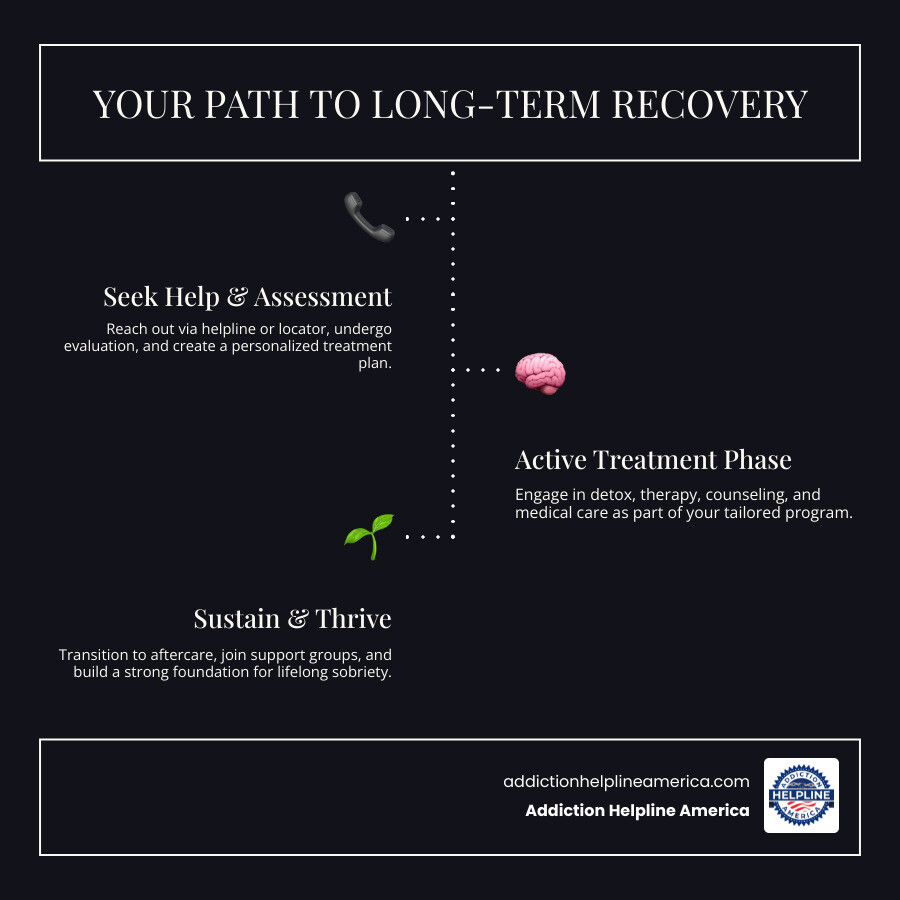
Completing a program at drug and alcohol rehabilitation centers is a monumental achievement, but recovery is a lifelong journey, not a destination. Building a strong foundation for lifelong sobriety requires ongoing commitment, relapse prevention strategies, and a sustained focus on well-being. This phase is crucial for integrating lessons learned and maintaining the positive changes initiated during treatment.
The Importance of Aftercare and Ongoing Support
Aftercare and ongoing support are vital for long-term recovery. Think of it as continued maintenance for your new, healthier self. Rehabilitation centers understand this and often help clients develop personalized aftercare plans. These plans can include:
- Continuing Care Plans: Custom strategies for post-treatment support, which might involve regular therapy, medication management, or vocational training.
- Sober Living Arrangements: As discussed, these provide a structured, supportive environment for those transitioning from intensive treatment.
- Alumni Programs: Many drug and alcohol rehabilitation centers offer alumni networks that provide continued connection, support events, and opportunities for mentorship.
- Peer Support: Connecting with others in recovery offers invaluable empathy, understanding, and accountability. Our guide on how to Build a Support Network emphasizes the importance of these connections.
Ongoing support helps individuals steer challenges, celebrate milestones, and reinforce the coping skills learned in treatment, significantly reducing the risk of relapse.
Support Groups and Community
Community plays a profound role in sustaining recovery. Support groups offer a safe space for individuals to share experiences, offer encouragement, and find common ground.
- 12-Step Programs (AA, NA): Alcoholics Anonymous (AA) and Narcotics Anonymous (NA) are widely recognized peer-led programs that provide a spiritual framework and a strong community for recovery. Many consider 12-step programs the gold standard for long-term sobriety.
- SMART Recovery™: For those seeking alternatives to 12-step programs, SMART Recovery™ (Self-Management And Recovery Training) focuses on self-empowerment and self-reliance through a science-based approach.
- Al-Anon and Nar-Anon: These crucial support groups are specifically designed for the friends and family members of individuals with addiction. They provide a space for loved ones to cope with the challenges, learn healthy boundaries, and find their own healing. If you are supporting a loved one, our guide on Treatment for a Loved One offers valuable insights.
Finding a community that understands and supports your recovery journey is incredibly empowering. It provides a sense of belonging and accountability that can be instrumental in maintaining sobriety.
Frequently Asked Questions about Rehabilitation
What are the success rates for rehab?
The concept of “success rates” in drug and alcohol rehabilitation centers is complex and can be misleading if not understood correctly. Addiction is recognized as a chronic disease, much like diabetes or asthma, meaning it requires ongoing management and can involve periods of relapse.
Defining success goes beyond simply not using substances; it often includes improvements in overall health, employment, relationships, and quality of life. While specific numbers vary depending on the substance, treatment duration, and individual factors, studies generally show that treatment significantly improves outcomes. Relapse is considered a part of the recovery process for many, not a sign of failure. The goal of treatment is to equip individuals with the tools to manage their condition long-term and to return to sobriety if a relapse occurs.
How do I know which drug and alcohol rehabilitation centers are reputable?
Choosing a reputable drug and alcohol rehabilitation center is paramount. Here’s what to look for:
- Accreditation: Look for accreditation from recognized bodies such as the Joint Commission on Accreditation of Healthcare Organizations (JCAHO) or the Commission on Accreditation of Rehabilitation Facilities (CARF). These accreditations signify that the facility meets rigorous standards of care.
- State Licensure: Ensure the center is licensed by the state in which it operates (e.g., Alabama, Alaska, Arizona, Arkansas, California, Colorado, etc.). This confirms they meet state-mandated health and safety standards.
- Staff Credentials: Inquire about the qualifications and licensing of their clinical staff, including doctors, therapists, and counselors.
- Evidence-Based Practices: A reputable center will use therapies and treatments supported by scientific research, such as CBT, DBT, and MAT.
- Personalized Treatment Plans: Avoid centers that offer a generic, one-size-fits-all approach. Your treatment should be custom to your unique needs.
We can help you steer these criteria and find a quality treatment center near you.
What if I need immediate help or am in a crisis?
If you or someone you know is experiencing an immediate life-threatening crisis due to substance use or mental health issues, please:
- Call 911 for emergency services.
- Contact the 988 Suicide & Crisis Lifeline: You can call or text 988 anytime for free and confidential support. This lifeline provides 24/7 assistance for people in distress.
- For a comprehensive overview of crisis support, refer to our Crisis Intervention Services Complete Guide.
- Call a 24/7 helpline: Our Addiction Helpline America is available 24/7 at 844-561-0606 to provide immediate, confidential support and connect you with resources.
Your Path to Recovery Starts Here
Recovery is not just a possibility; it’s a reality for millions of people who have walked this path before you. Taking the first step, though daunting, is the most important one you can take towards a healthier, happier life. You are not alone in this journey.
Addiction Helpline America is dedicated to providing free, confidential, and personalized guidance to connect you with the right drug and alcohol rehabilitation centers that suit your unique needs and circumstances. Our network includes trusted facilities across all the states we serve, from California to New York, Florida to Alaska, and everywhere in between.
Don’t let the search for help add to your burden. Call us 24/7 at 844-561-0606 or find a rehab center today to begin your journey toward lasting recovery. We are here, ready to listen, and eager to help you find your way forward.